Oh, how I detest textbook publishers

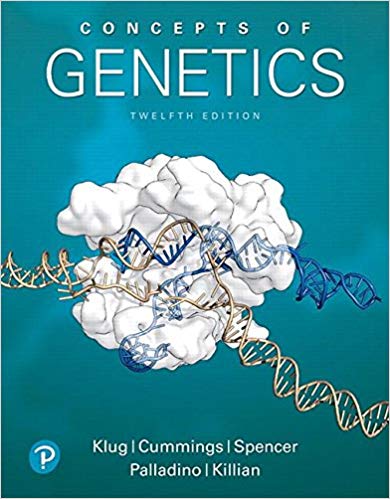
I was not going to go into the university today. It is miserable outside — bitter cold, stiff winds, piles of drifting snow — and I had resolved to stay warm indoors and focus on getting prepped for spring term classes. And I did! I was about to post the first homework assignment for my class, and I was double-checking all the details, when I noticed that the list of textbook problems was from the 10th edition of Concepts of Genetics, while the syllabus specifies the 11th edition. Oh no, crap. If there’s one thing I know, it’s that this publisher loves to fuck around with problem numbers. They may not have changed a thing in the content between editions, but they will still juggle around the order of the problems and call it a new “edition”.

I did not have a copy of the textbook at home. Therefore, I had to put my pants on — and boots and scarf and hat and gloves and heavy coat — and wade out into the wilderness to my office. Yikes, but it was cold. There were knee-high drifts of snow on the sidewalks at the university, which has not been cleared at all since we’re still officially on break. I nearly lost my hat to the wind twice. I stumbled in one drift and twisted my ankle…I think it’s OK, but it was also numbed by the cold, and I’ve been discovering that all I have to do is roll over in bed nowadays and something will ache, so I’ll probably be feeling that tomorrow. But I got my copy of the textbook! I staggered home, sat down, and started to pull out the changes when…sudden terrifying thought, what is the latest publishers edition?

It’s 12. Not 11, not 10, 12. I don’t have a copy of that. Goddammit.

Oh well, I’ll do the extra work I’ve often had to do: I post the problem numbers of the edition I’ve got, with the beginning phrase of the problem, and tell the students to figure it out. You know what we’re doing this first week? A review of basic probability and statistics, and an overview of simple Mendelian genetics, stuff that hasn’t changed in 50 to a hundred years, but we’re going to gouge $174.25 out of the students to get the latest arrangement of textbook problems.

(I do tell the students they should feel free to order older, much cheaper editions because of this absurdity.)


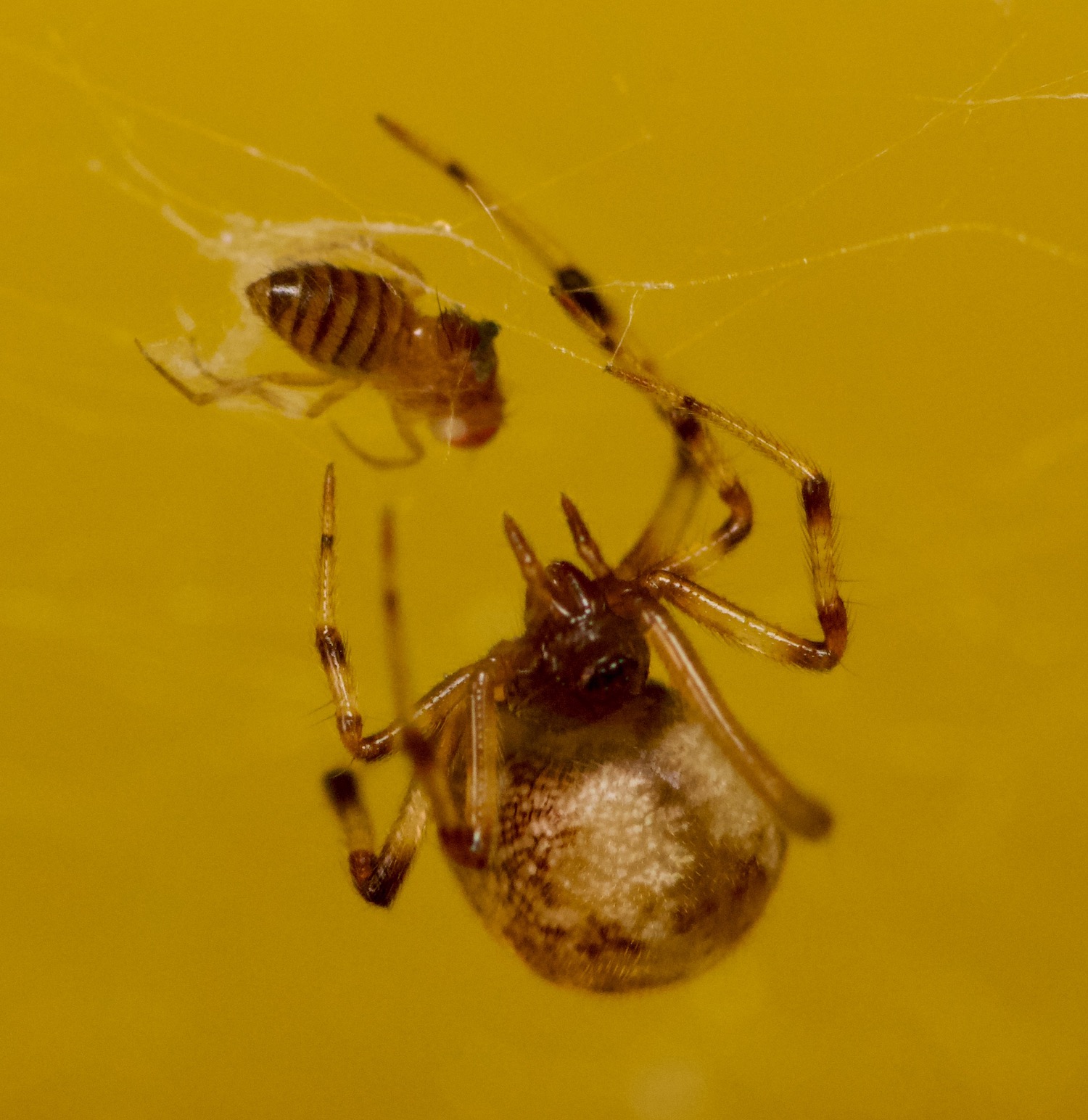
On the bright side of things, I had a chance to duck into the lab and check on Mrs Yara and Mr Chad. No eggs yet, but I’ll put some photos below the fold.

[Read more…]

What good are virgins in a developmental biology lab?

I’m back! I survived my trek to the lab! It wasn’t as bad as I made it sound — the wind is biting, and the snow is coming down sideways, but it’s fairly light so far — so, except for the wolves and the yeti that tried to block my path, it was a reasonably easy trip.

There were reasons I was eager to go in. I’ve been getting anxious, because I’ve got all these new generation spiders, and they’re all virgins because of the shortage of males. I need them to lay eggs! I’ve got new students who want to work with me this semester, and it’s hard to do developmental biology with a bunch of virginal female spiders not producing embryos for us.* That one pair mated yesterday was a promising start, so there were a few things I wanted to do.

  • See if Yara had produced an egg sac. She hadn’t, but there were signs that she was nesting, with some debris pulled up into her favorite corner (which makes me think she might be Parasteatoda tabulata, too.)
  • Make sure her current partner, Chad, hadn’t been eaten. He was fine.
  • Feed her some more, both to make her less likely to eat the male, but also to fuel a little more egg production. Mission accomplished.

Does she look plump to you? She does to me, a little bit. Also her abdomen is paler than it was yesterday, I think. Come on, mama!


*There are some behavioral experiments we could do, but really, development is where my brain is at. We’ll see what interests the students.

Ferda! Also, Yara ♥ Chad

You’ve missed the spiders, haven’t you? I was away for a week, and only today had time to spend a long morning working with them. They’ve been growing; I fed them a lot before I left, and when I came back I found that almost all of them had molted.

I gave them all a lot of flies today, because we’ve got another of those blizzards coming in tomorrow, and I may not be able to make it into the lab for a few days.

One big problem is that I’m down to only two Parasteatoda males, and no males for Steatoda triangulosa. This happened last year, too — the males are so much more fragile and they die off more rapidly. I resolved to invest more effort in raising da boys so this wouldn’t happen, and I didn’t do enough, obviously. Next year! I’ll do better! Or if I get a nice clutch of eggs to hatch soon, I’ll segregate the males and females as early as possible and make sure they’re well fed and protected.

Which may happen…

This is Chad, the biggest male I’ve got. Look at those bulging palps at the front of his head!

Chad got his chance. I put him in the cage with Yara, and they hit it off immediately. Yara scuttled over to him, and there was a bout of touchy-feeling probing, legs everywhere, and then she presented her epigyne to him, and he scurried right in there with those masculine palps. No fighting! No running away! I have high hopes for this encounter.

Aww, isn’t that sweet? I’m leaving them together for the next few days to make sure, then Chad is going to be introduced to some other ladies around the lab.

When will the criticisms of evolutionary psychology sink in?

I’ve been complaining for years, as have others. The defenders of evolutionary psychology just carry on, doing more and more garbage science built on ignorance of evolutionary biology, publishing the same ol’ crap to pollute the scientific literature. It’s embarrassing.

Now Subrena Smith tries valiantly to penetrate their crania. It’s a familiar explanation. She sees it as a matching problem between their claims about the structure of the brain and behavioral history.

The architecture of the modern mind might resemble that of early humans without this architecture having being selected for and genetically transmitted through the generations. Evolutionary psychological claims, therefore, fail unless practitioners can show that mental structures underpinning present-day behaviors are structures that evolved in prehistory for the performance of adaptive tasks that it is still their function to perform. This is the matching problem.

In a little more detail…

Ancestral and present-day psychological structures have to match in the way that is needed for evolutionary psychological inferences to succeed. For this, three conditions must be met. First, determine that the function of some contemporary mechanism is the one that an ancestral mechanism was selected for performing. Next, determine that the contemporary mechanism has the same function as the ancestral one because of its being descended from the ancestral mechanism. Finally, determine which ancestral mechanisms are related to which contemporary ones in this way.

It’s not sufficient to assume that the required identities are obvious. They need to be demonstrated. Solving the matching problem requires knowing about the psychological architecture of our prehistoric ancestors. But it is difficult to see how this knowledge can possibly be acquired. We do not, and very probably cannot, know much about the prehistoric human mind. Some evolutionary psychologists dispute this. They argue that although we do not have access to these individuals’ minds, we can “read off” ancestral mechanisms from the adaptive challenges that they faced. For example, because predator-evasion was an adaptive challenge, natural selection must have installed a predator-evasion mechanism. This inferential strategy works only if all mental structures are adaptations, if adaptationist explanations are difficult to come by, and if adaptations are easily characterized. There is no reason to assume that all mental structures are adaptations, just as there is no reason to assume that all traits are adaptations. We also know that adaptationist hypotheses are easy to come by. And finally, there is the problem of how to characterize traits. Any adaptive problem characterized in a coarse-grained way (for example, “predator evasion”) can equally be characterized as an aggregate of finer-grained problems. And these can, in turn, be characterized as an aggregate for even finer-grained problems. This introduces indeterminacy and arbitrariness into how adaptive challenges are to be characterized, and therefore, what mental structures are hypothesized to be responses to those challenges. This difficulty raises an additional obstacle for resolving the matching problem. If there is no fact of the matter about how psychological mechanisms are to be individuated, then there is no fact of the matter about how they are to be matched.

One problem is that evolutionary psychologists all seem to think that their assumptions are obvious — and if you don’t agree, why, you must truly hate Charles Darwin and be little better than a creationist. Man, it’s weird when the intelligent design creationists are all calling you a dogmatic Darwinist, and the evolutionary psychologists are accusing you of being an intelligent design creationist. They’re both wrong.

Those sure are funny-looking spiders, Mary

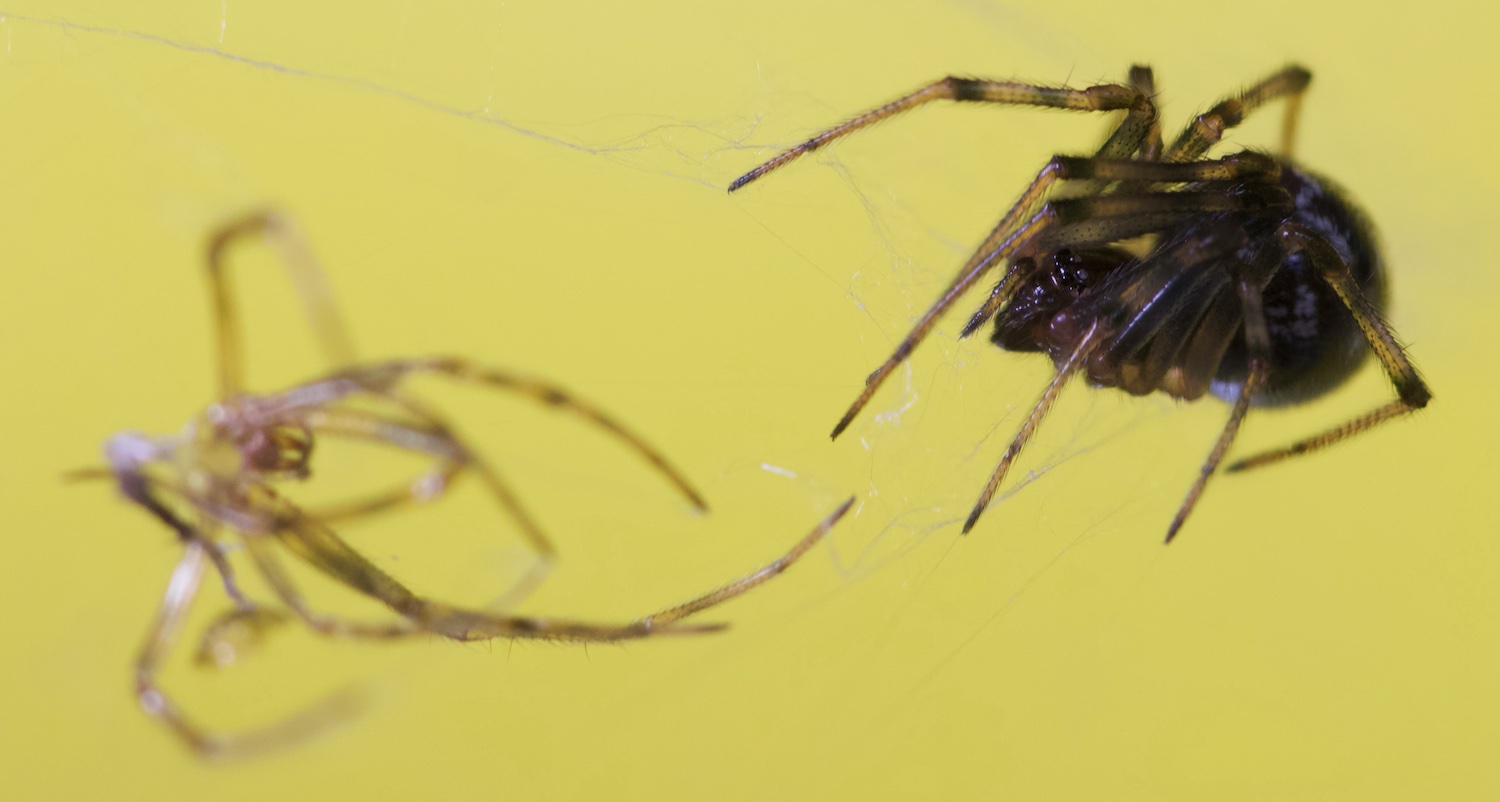
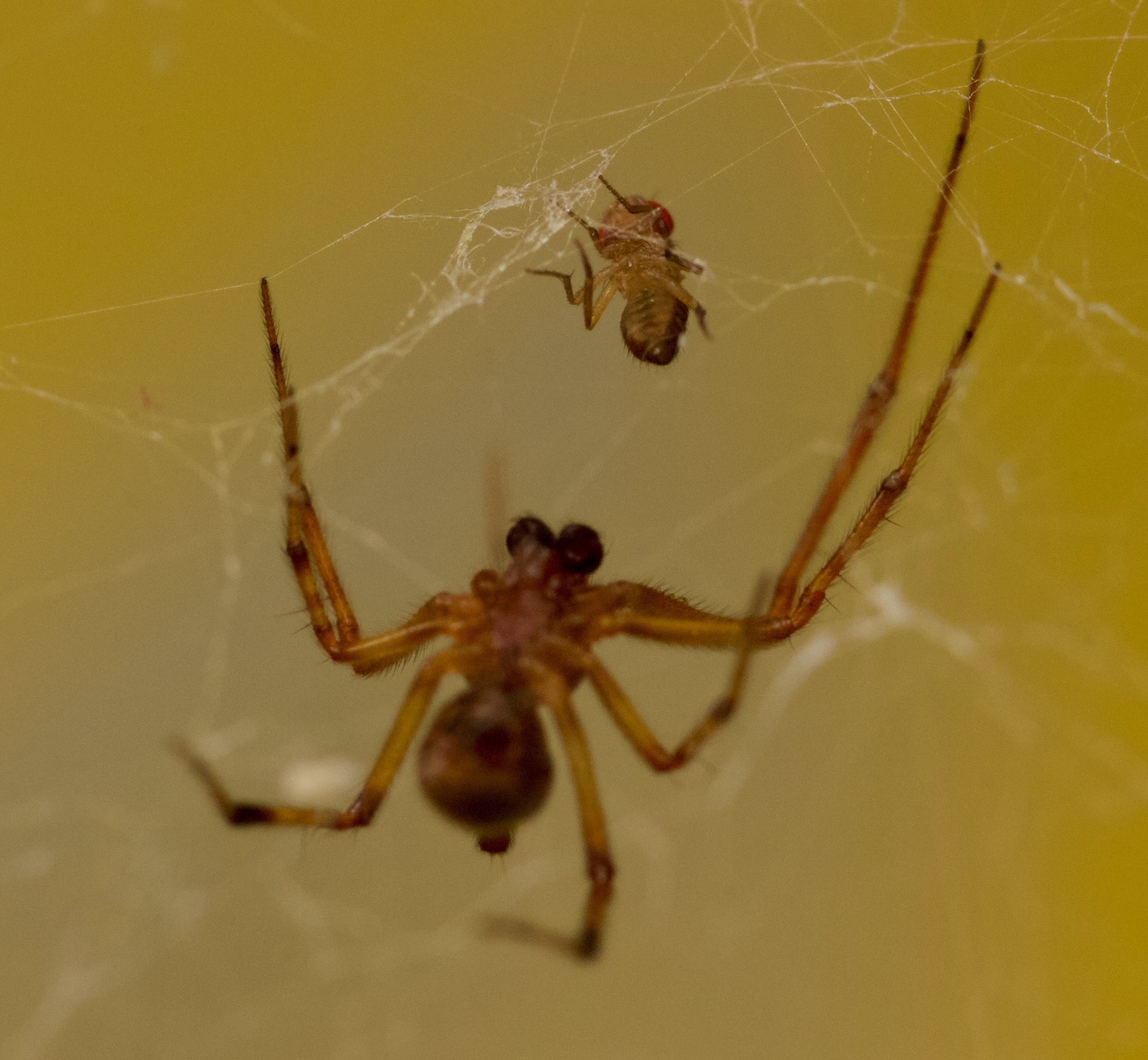
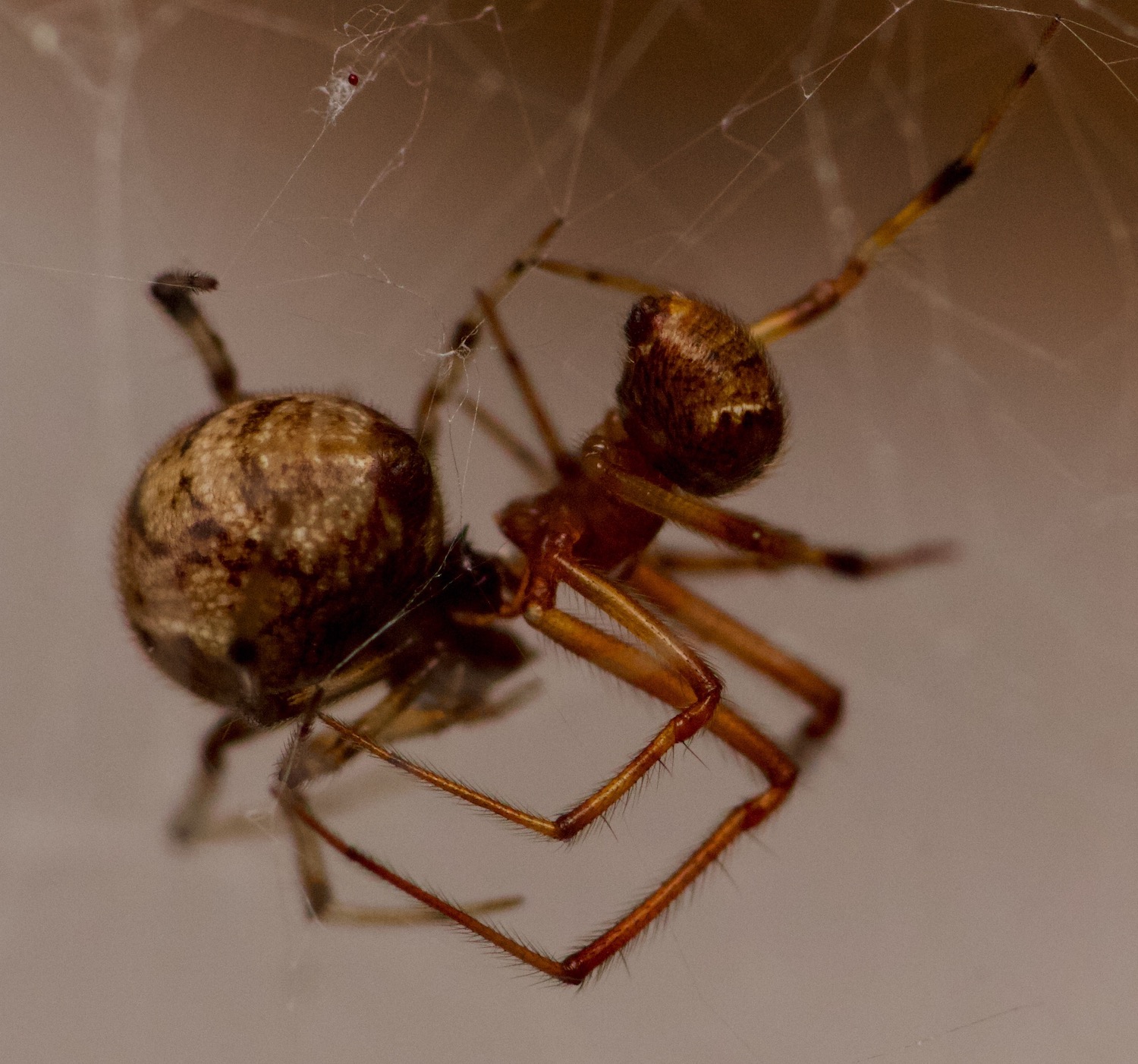
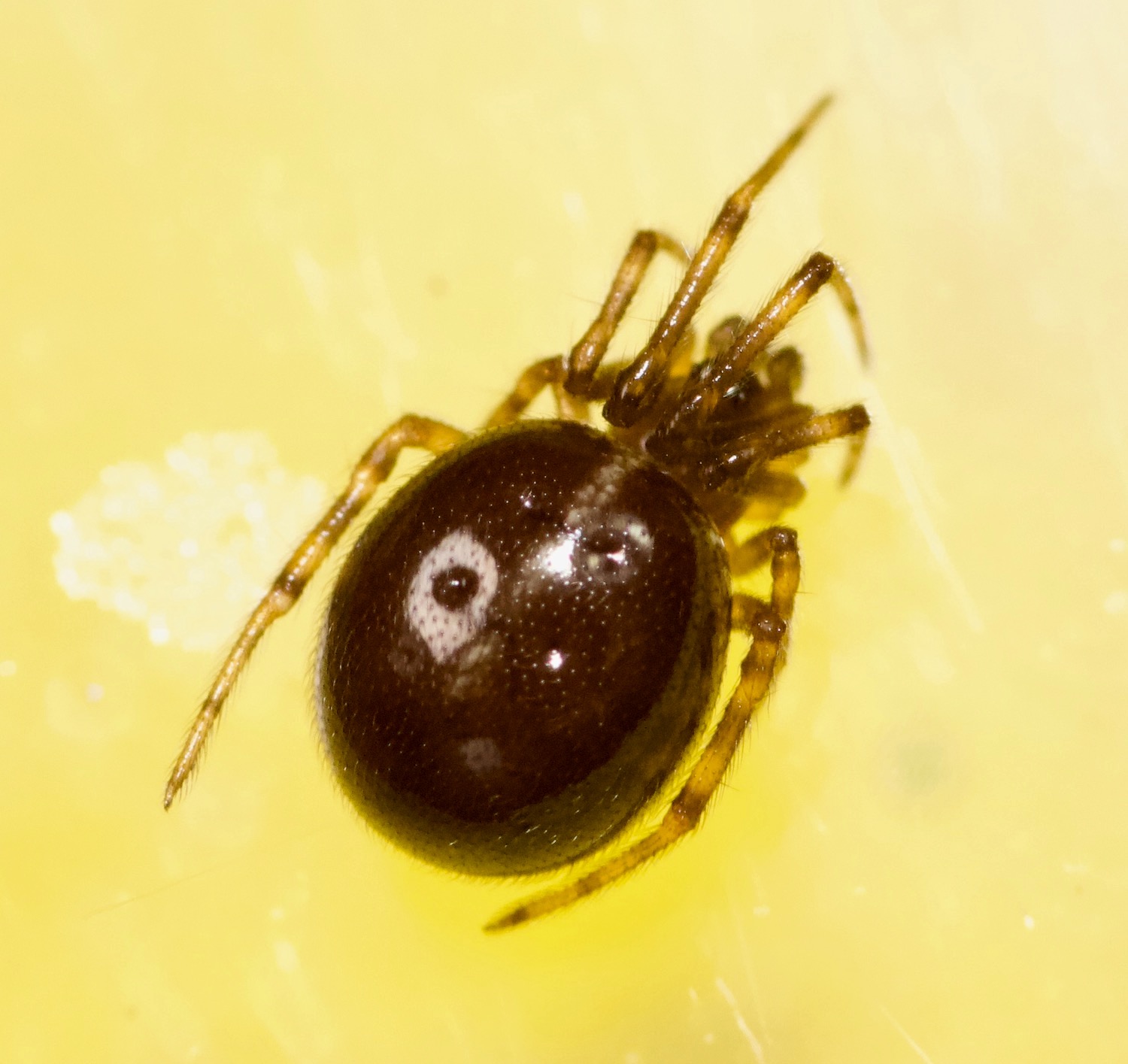
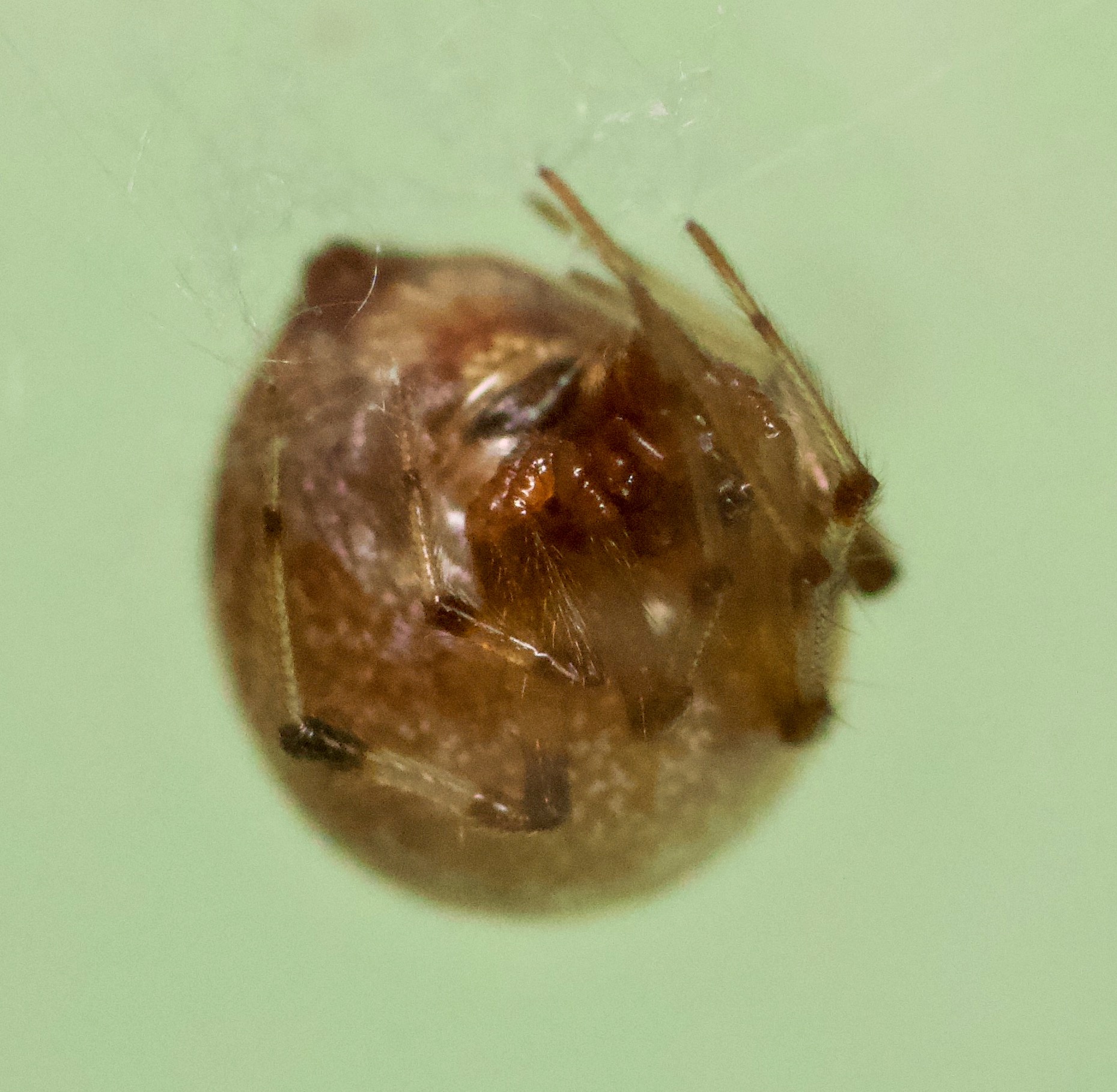
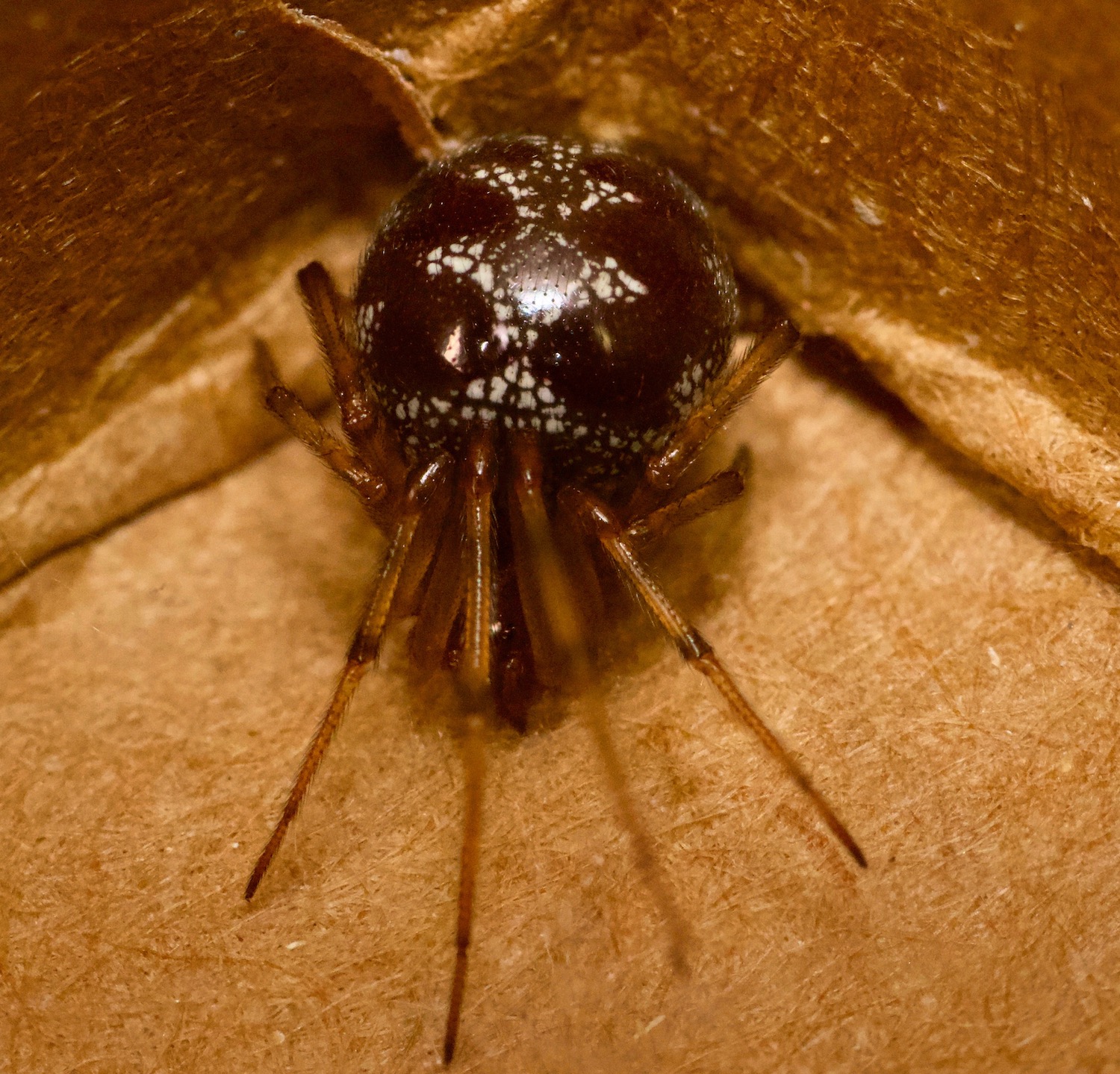
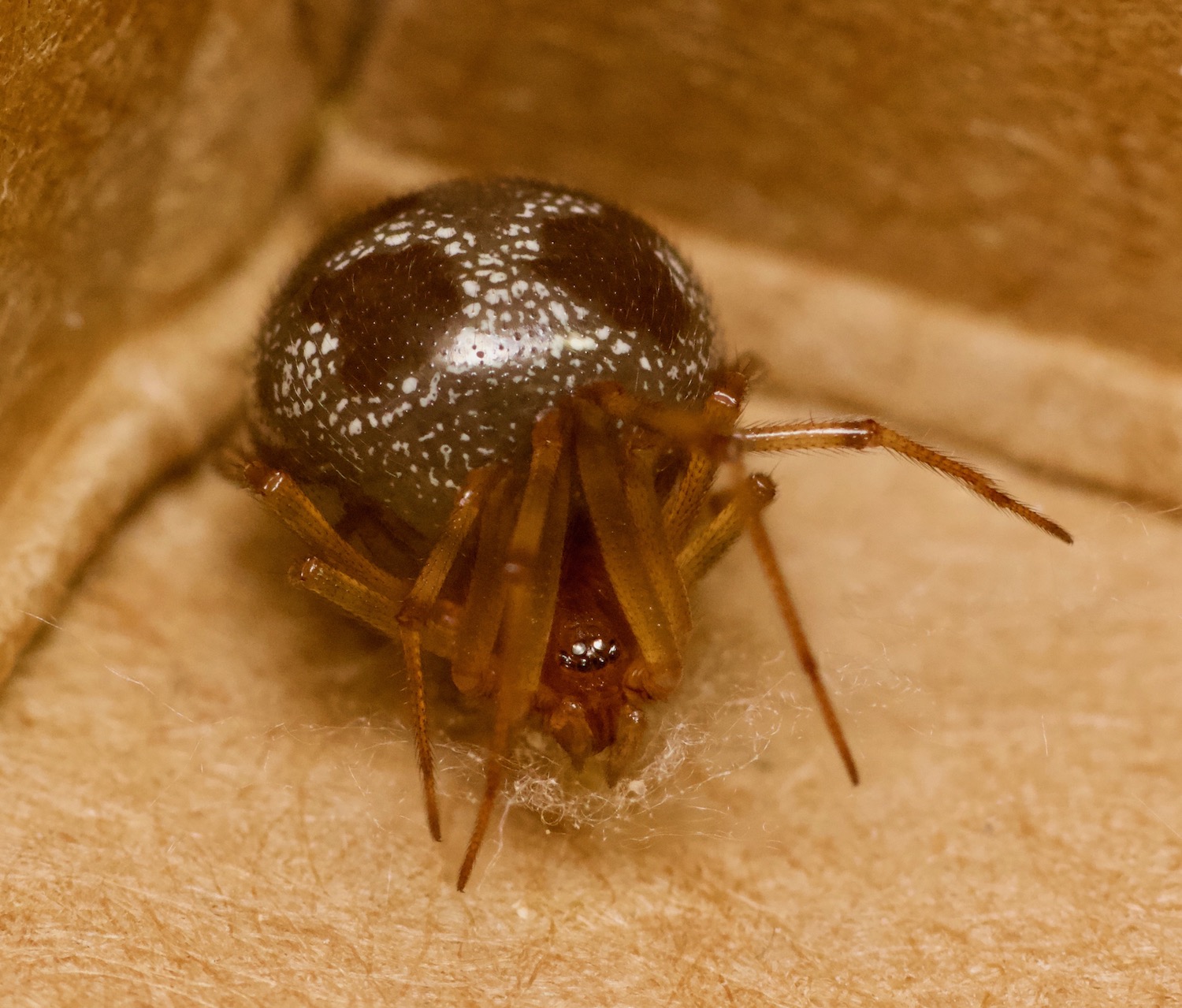
While she’s away, I’m expected to take care of my wife’s animals, but so far I’m finding them mystifying. I can’t identify any of them, and I have a large collection of books for classifying North American invertebrates. I think they might be new species, never before seen by humans.

This one I’m calling a grey-backed bark spider.

This one is a red-headed pig-eating spider. As you can see, she has captured a bit of pork belly in the curiously colored red silk of her nest.

She better come back soon before I get even more confoozled.

How to make science more inclusive

We can be better, and the Society for Integrative and Comparative Biology shows how it’s done. Their journal published an article describing the steps they were taking to make SICB more inclusive and representative, and show the state of affairs in their membership.

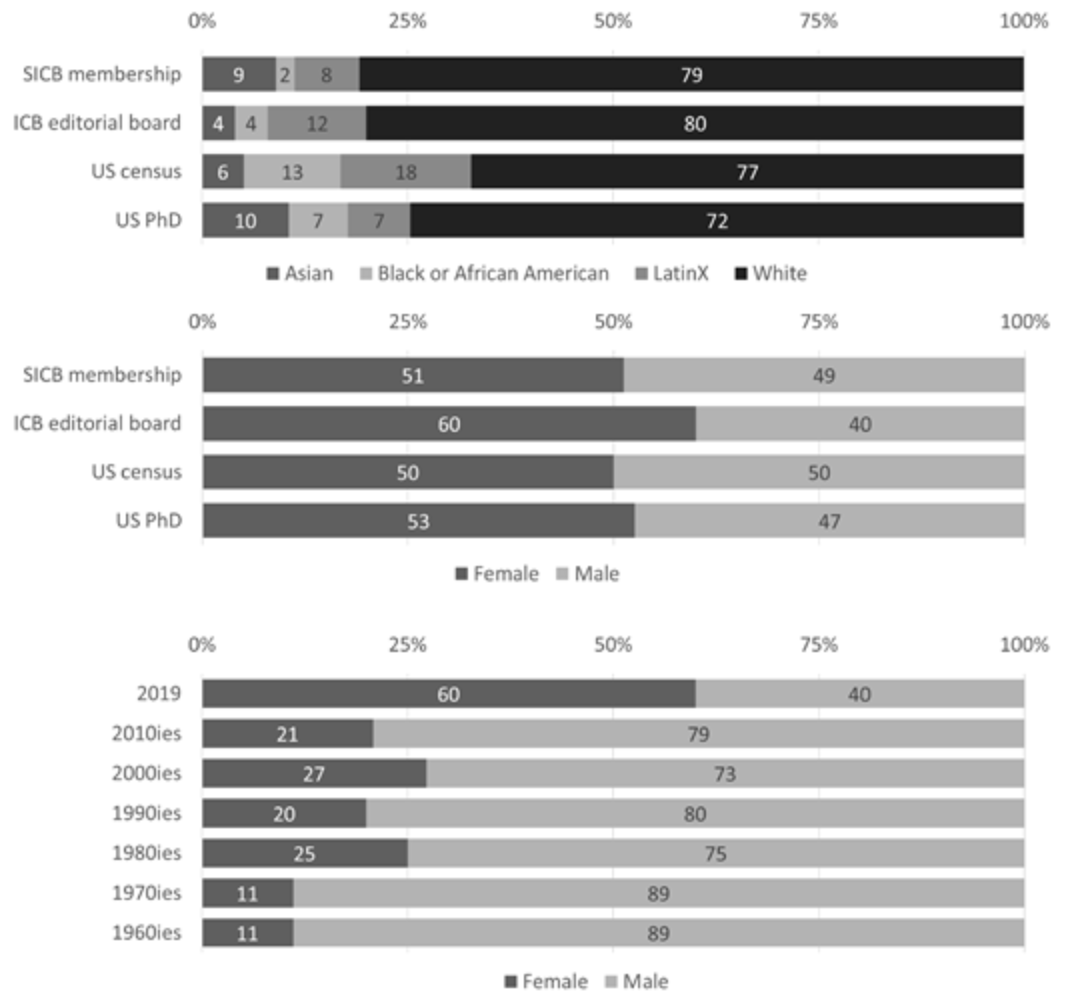
The ethnic (top panel) and gender (middle panel) composition of SICB membership and the ICB editorial board (data from 2019) compared with the US and NSF census (data from 2015 US census and 2017 NSF survey). Bottom panel: Gender composition of the ICB editorial board since the journal’s foundation (median per decade).

The top graph is the ethnic distribution, and while the percentage of people of color in the society is somewhat lower than it is in the population of Ph.D.s, and significantly lower than the overall population, the key thing is that the population in leadership roles, that is the editorial board of their journal, is proportional to the population in the general membership. That sets the direction they’ll be taking.

The second graph is the gender distribution, and it’s roughly a healthy 50:50; maybe women are a little over-represented on the editorial board, but that’s also a smaller population with more variation. It’s worth noting, too, that over half the population of Ph.D.s in the country are women, so you’d better start paying more attention. Before the usual neandertals start whining about how women are in more ‘soft’ disciplines, note that over half the population of SICB, a highly technical field, are women. I should also point out that it doesn’t matter what discipline you’re talking about, all those non-STEM fields also require rigor and discipline and hard work.

The real eye-opener is that third graph, which shows the history of SICB. Sixty years ago, it was a very ‘masculine’ organization, with only about 10% of the SICB editorial board women; it rose to about one quarter women in the 80s, surging abruptly to 60% this year. That is a big deal. Changing the gate-keepers opens up new opportunities.

Researchers from non-prestigious institutions or minority groups face hurdles in publishing and in obtaining funding; for example, female scientists publish relatively less and get fewer citations than their male counterparts due to bias, such as gender differences in self-citation. Just as female and non-white authors remain underrepresented in the USA, so do authors from low-income and Global-South countries. In many scientific areas male, majority ethnic, and US scientists remain over-represented as gatekeepers (peer reviewers, editors) and lead authors. Although editorial boards have become more inclusive, most journals in the life sciences are still led by editors from US institutions and by men: in 2018, of the top 100 journals in life sciences as ranked in a 2009 study, 78 had a male editor in chief and 68 had an editor in chief affiliated with a US-based institution. Of the 22 female editors in chief, 17 were affiliated with US-based institutions. In contrast, women made up more than half of all PhDs granted in the USA in 2017 (Fig. 1), and the USA granted fewer than a quarter of doctoral degrees worldwide in 2018.

I’ve been to SICB a few times (not as much as I’d like, but their January annual meeting time doesn’t fit my schedule well), and there’s always been a lot of interesting work presented there. The directions they’re taking only make me want to go more often.

No spiders!

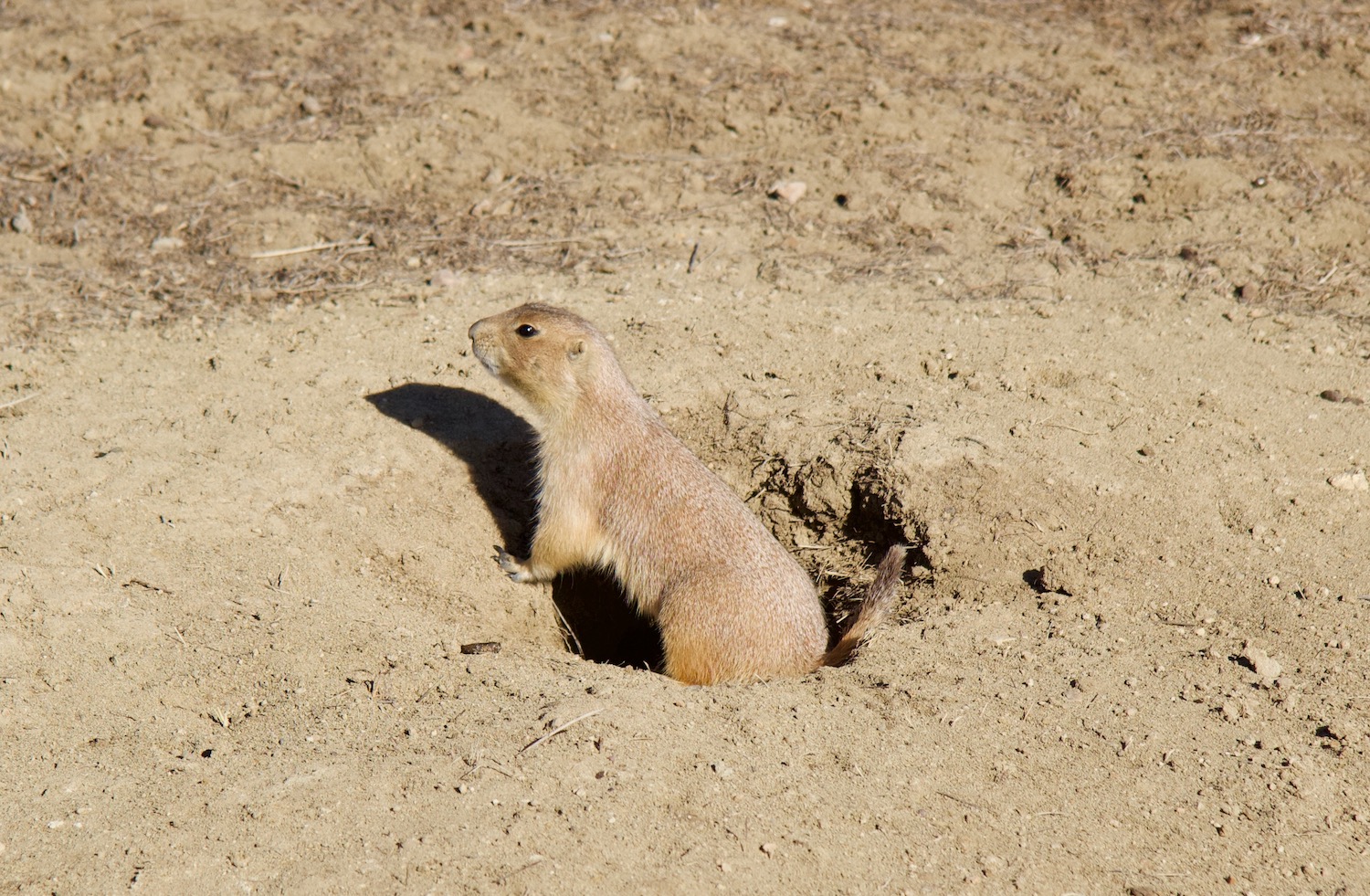
I took Iliana on a little survey trip around her house, and was mildly disappointed. She lives in this housing development of too-big houses that have some kind of disturbing style of permitted paint jobs — absolutely everything is in muted earth tones. Dull browns, grays, an occasional dark brick color, but nothing bright at all. The wildlife around here is the same. We spotted a prairie dog colony that yip-yip-yipped at us.

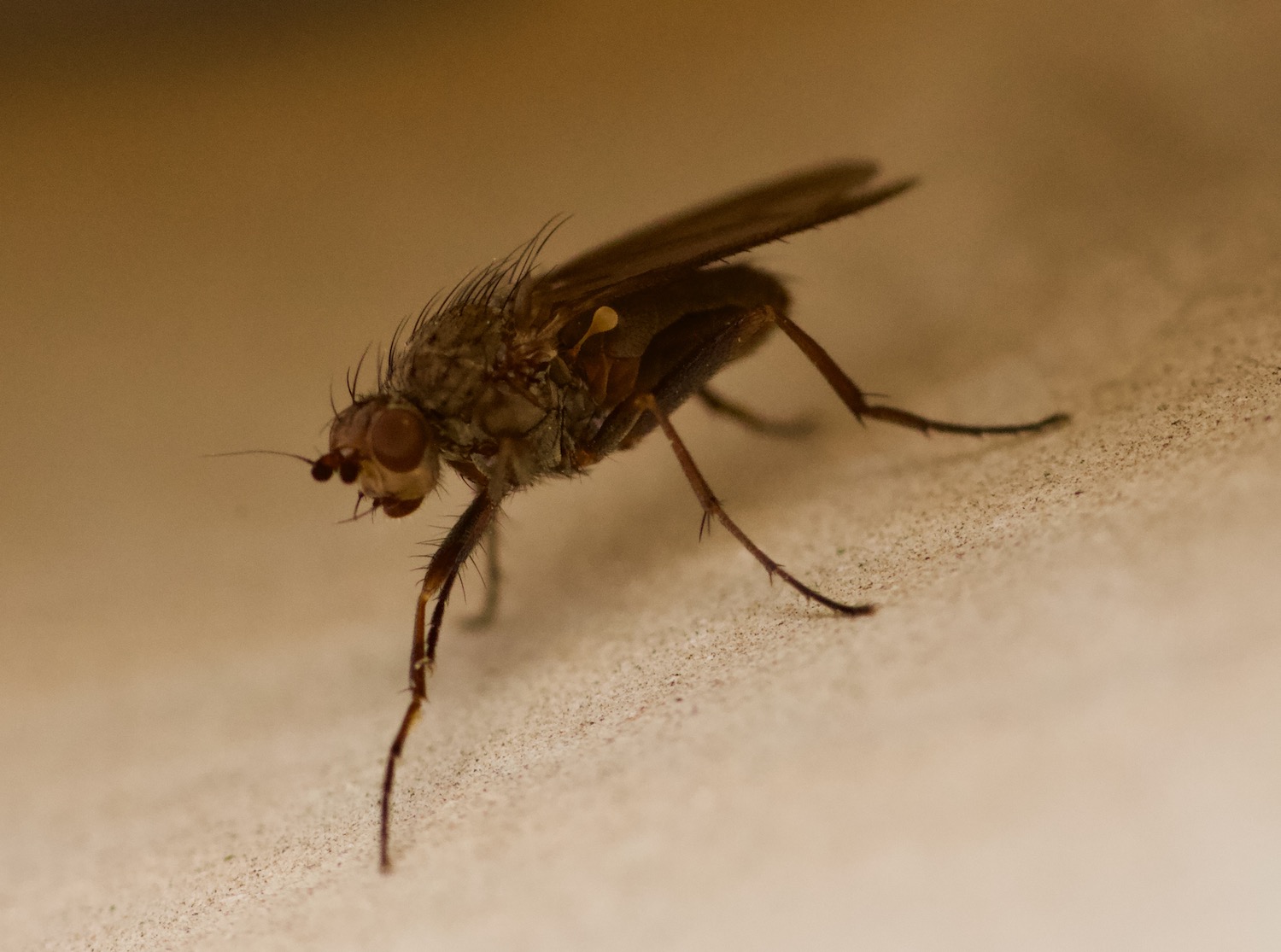
Brown everywhere. Then I found a fly on Iliana’s house, and was amazed: this is the color template for all the houses around here! The developers must have seen these little flies buzzing around and decided to paint everything to match.

There were no spiders in sight. Finding spider food gives me hope, though.

The virtues of vengeance

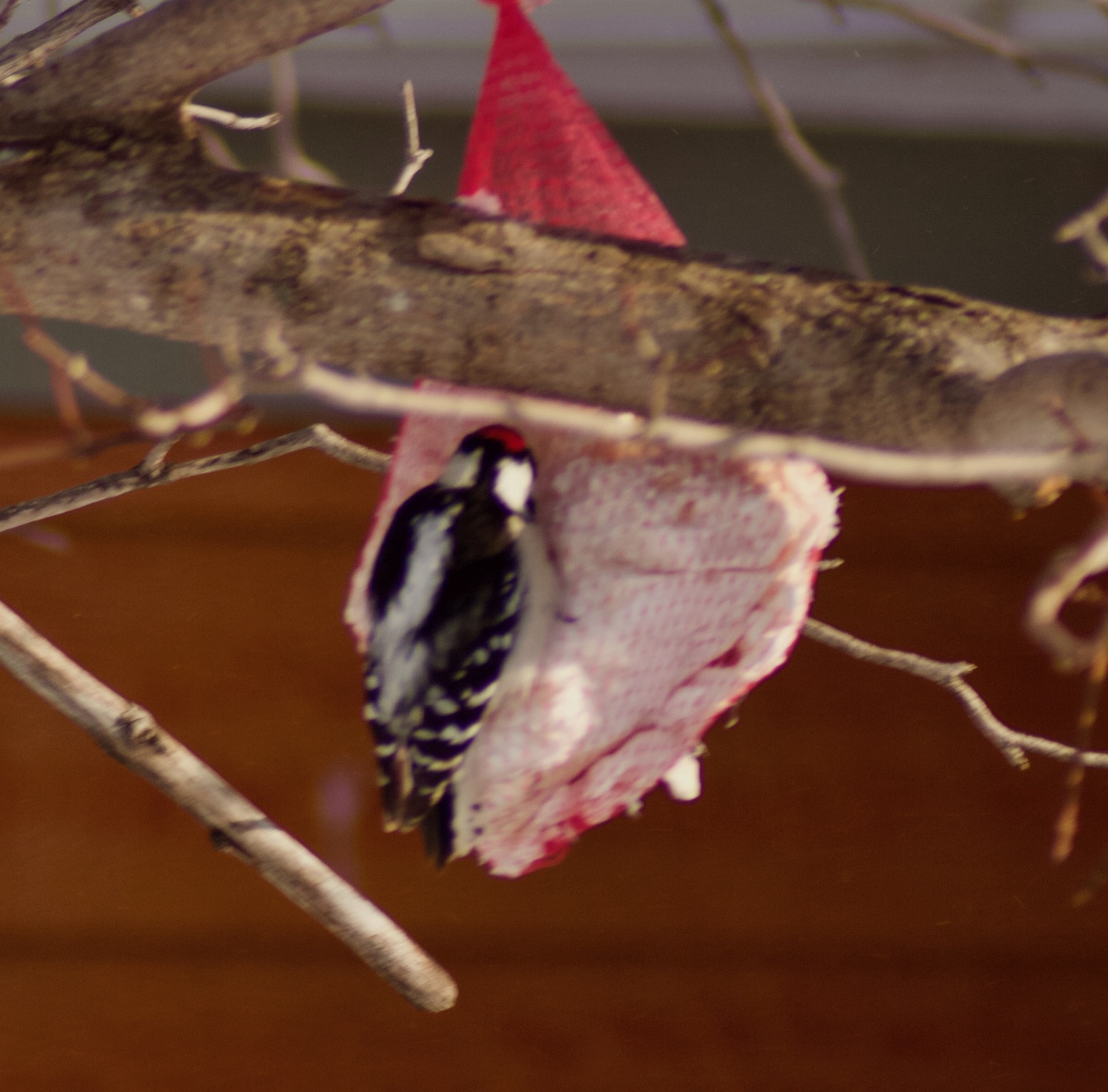
We had a little fracas in our front yard yesterday. My wife has several bird feeders out there, and a tree branch is draped with disgusting lumps of suet which have attracted multiple species and individuals of woodpecker — there are a couple of big pileated woodpeckers that hang out around here regularly now. Unsurprisingly, this concentration of happy birds attracted an unwelcome visitor.

There was a lot of squawking and frantic fluttering and panic-stricken birds flying away from our house.

That got me thinking. The woodpeckers are rather helpless, with the choice of eating or being eaten. If I were in that position of a predator blocking my access to food and threatening to kill and eat me, I’d be pissed off and talking to the neighbors about what to do about it. Maybe we’d contact local communities and trade goods and services to recruit samurai — you know, like maybe 7 of them — to hunt down and kill the predator that I’m personally helpless against, so that I can resume gnawing frozen fat off a tree branch.

Woodpeckers don’t have that capability, but humans do. It seems to me that this attribute of revenge and organized overkill might have been a major advantage in our evolution. Other animals certainly make the effort to eliminate competition, but we’re really good at building cooperative specialists to mob anyone who interferes with our living, or annoys us a little bit, or makes a rude comment on Twitter.

We may have overdone it, but our local woodpeckers would probably appreciate being able to find an ally to chase off the bad guy.

Actually, they do have Mary, who’ll go out and wave her arms and yell at the offending bird, but she’s going to go away for a few weeks. I’ll still be here for most of that time, but I’ll probably just watch the drama and muse about the evolutionary pressures imposed by predation.

Clean up the corpses of your victims before they begin to stink

That’s an important lesson I learned from my spiders. I’m going out of town for a week, so over the weekend I made sure that everyone was well fed and watered, stuffing them full of waxworms. Which meant that today I had to go in and extract all the blackened, shriveled corpses of their prey so they wouldn’t just be sitting there rotting for days and days. A pile of dead flies or larvae do acquire a distinctive aroma, so I wanted everyone left with clean cages before I abandoned them.

Also, wow, were these all plump, sleek, shiny spiders. They’ll do fine without me for a few days now.