I already wrote about the data-faking scandal with Jonathan Pruitt, but the one thing I was missing was any explanation from Pruitt himself. Science just covered the matter, and got a statement from him.
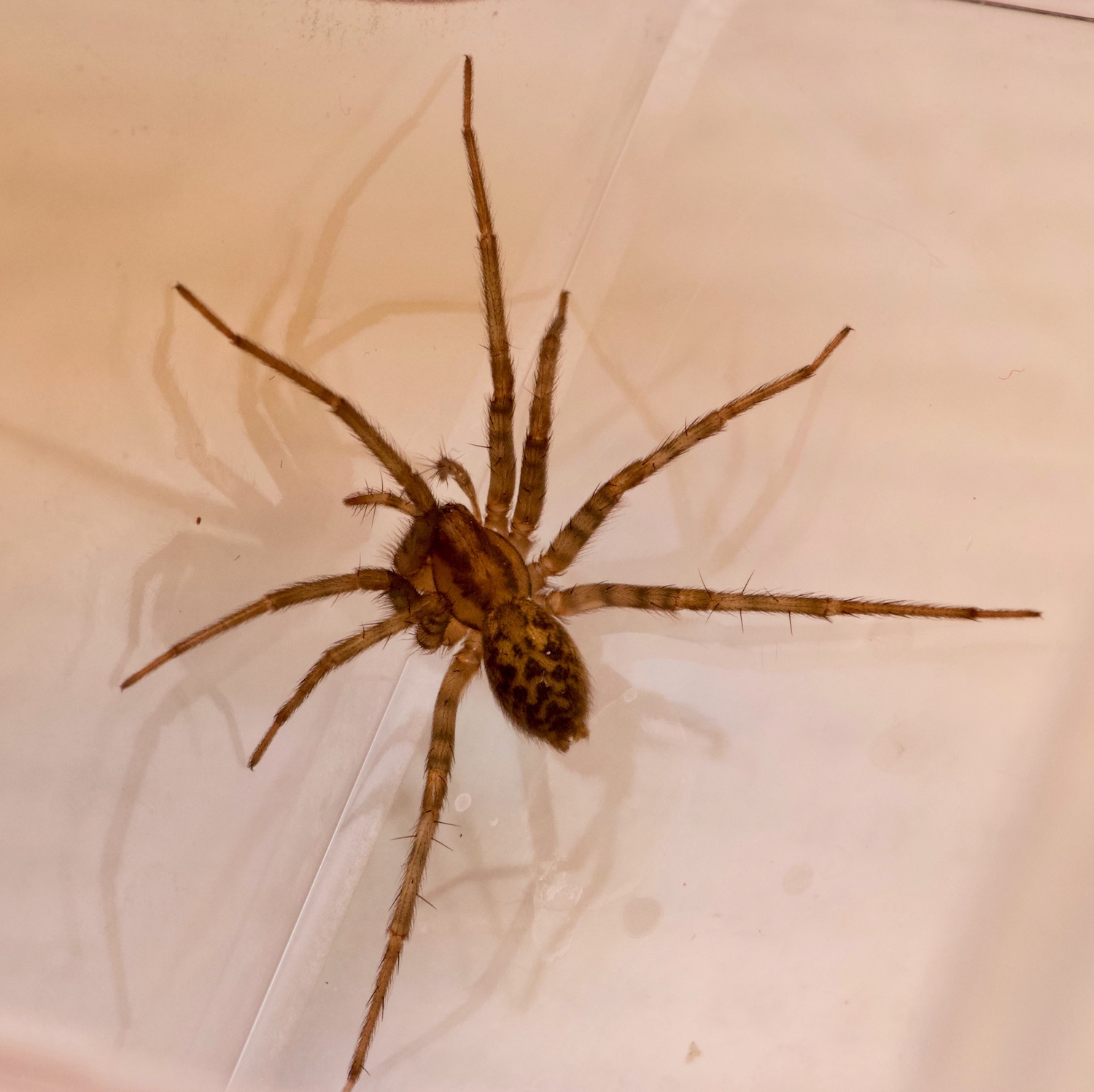
At first, he was in the fray tweeting—but no longer. “There are so many voices and they are so loud and diverse, there’s no way to address it.” Instead, he says he’s focusing on his fieldwork, setting insect traps across the South Pacific before and after cyclones hit to learn how different species are affected by these tremendous storms. Last year, he reported on work in which he collected data on spiders before and after a U.S. hurricane. It’s one of the papers now being scrutinized.
That’s right, there are more papers under investigation, and he’s collecting more data that will have to be carefully scrutinized. What he ought to be doing, if he’s innocent, is working to validate his previous work, not flying off to the South Pacific. His career is in dire peril, and he knows it. Instead, he seems to have resigned himself to being caught and his future is bleak.
Pruitt says he has no expectations that he will be able to continue in behavioral ecology, saying he knows he has lost the trust of his colleagues about his data. But these cyclone data will be useful no matter what happens, he says. “If I’m on fire and my longevity is [short], I will bequeath them to another researcher.” He is concerned, however, that as each retraction happens, even innocuous mistakes in his data or experiments will be cause for more retractions. It’s a worry that Dingemanse shares. Such careful inspection of data will often turn up something, no matter how well collected and compiled, he says. “If you looked at my data [this way], you might also come up with causes for concern,” Dingemanse says.
What? No. I’ve got a pile of data I’m sorting through right now, and I’d happily let anyone look at it. It’s just tables of counts of spider species in various locations, but I’ve got a paper trail — all the on-site notes for each site — and the numbers are honestly recorded. I have no fear that it can be misinterpreted.
Also, the colleagues who made this discovery have a vested interest in not seeing causes for concern, since they’ve had to retract published work. It has cost them to report the problems. You know they tested the heck out of the data set before making that difficult decision.
Also, there’s this little tell.
Simmons has spent the past 3 days poring over the 11 papers Pruitt has written for his journal, going back to a data repository now mandated by his journal and others to check raw data. Yet he laments that the initial hashtag—#Pruittgate—is too damming and thinks “we need to, as much as we can, avoid a witch hunt.”
Jeez. The “witch hunt” accusation has become as predictable and useless as the “-gate” suffix.