Uh-oh. Ticks.

It’s going to be another day delving deep into more spidery domains, and then I see this news about another threat, a new species of tick invading the US.

Testing in New York identified the tick as an Asian longhorned tick nymph, with genetic sequencing adding more evidence affirming the finding. The National Veterinary Services Laboratory in Ames, Iowa, further confirmed the finding.

Tick sampling using corduroy drag cloths found Asian longhorned ticks on the patient’s manicured lawn, some of them in direct sun. More were found in the park across the street from the patient’s house, both in open, cut grass exposed to direct sun and in taller, shaded grass next to the woods. Testing also found ticks on a nearby public trail, in mowed short and midlength grass near the trail edge, both in full sun and partial shade. The discovery of the ticks near the man’s house were the first known collections in New York state.

The authors wrote that finding the ticks on manicured lawns and in open sun may be significant, because public education efforts often stress that Ixodes scapularis ticks—the most common biting tick in New York state—are found in wooded areas or shaded grass.

At least my area of interest right now is dark, shadowy, dusty, cobwebby, and hot, so I’m not going to panic. My long-term plans include expanding into lawns and gardens, though, so I’ll keep this in mind for next year.

Spider mission accomplished

I survived my first day of field work, although right now I’m feeling every square millimeter of my left trapezius muscle — all that stooping and stretching and poking exacerbated all my existing aches and pains. Also, it was hot, up around 30°C, which I think is the major limiting factor in how long we can keep it up. Did you know that most people don’t have air-conditioned garages? It’s true!

We surveyed half a dozen houses, which is what I hoped we could accomplish, so we’re right on track. I’m hoping to reach around 30 houses this week. There’s not much we can say from such a preliminary sample, but we have a couple of suggestive observations. The older the house, the more spiders. The most heavily populated garage had 37 active spiders on the walls, and 17 egg cases — we’re looking forward to seeing the population explosion there next month. The most sparsely populated had 1.

Almost all the spiders were either Pholcidae or Theridiidae, and curiously, their numbers were inversely correlated to one another. It could be a sign of a competitive interaction, or some subtle detail in the environment of these buildings that favors one over the other. Or it could just be our tiny sample size so far. We found only three spiders total that didn’t belong to those two families — I have to key them out this evening.

I also have to plug all the data into the computer, too. I’m practicing a little data security: there’s one key sheet with the addresses and a code, and then the data for each house is stored in paper files under that code, and also recorded in a database. I didn’t know if that would be necessary, but two people asked me if we’d keep the numbers confidential — I guess there’s some concern that one doesn’t want one’s home known as spider-infested. I would think that would increase the property value, but that’s just me.

Now I have to recover over night, and do it again tomorrow and the day after. Sunday shall be a day of rest, sort of. I’ve got about 30 spiders in the colony that will need some TLC that day.

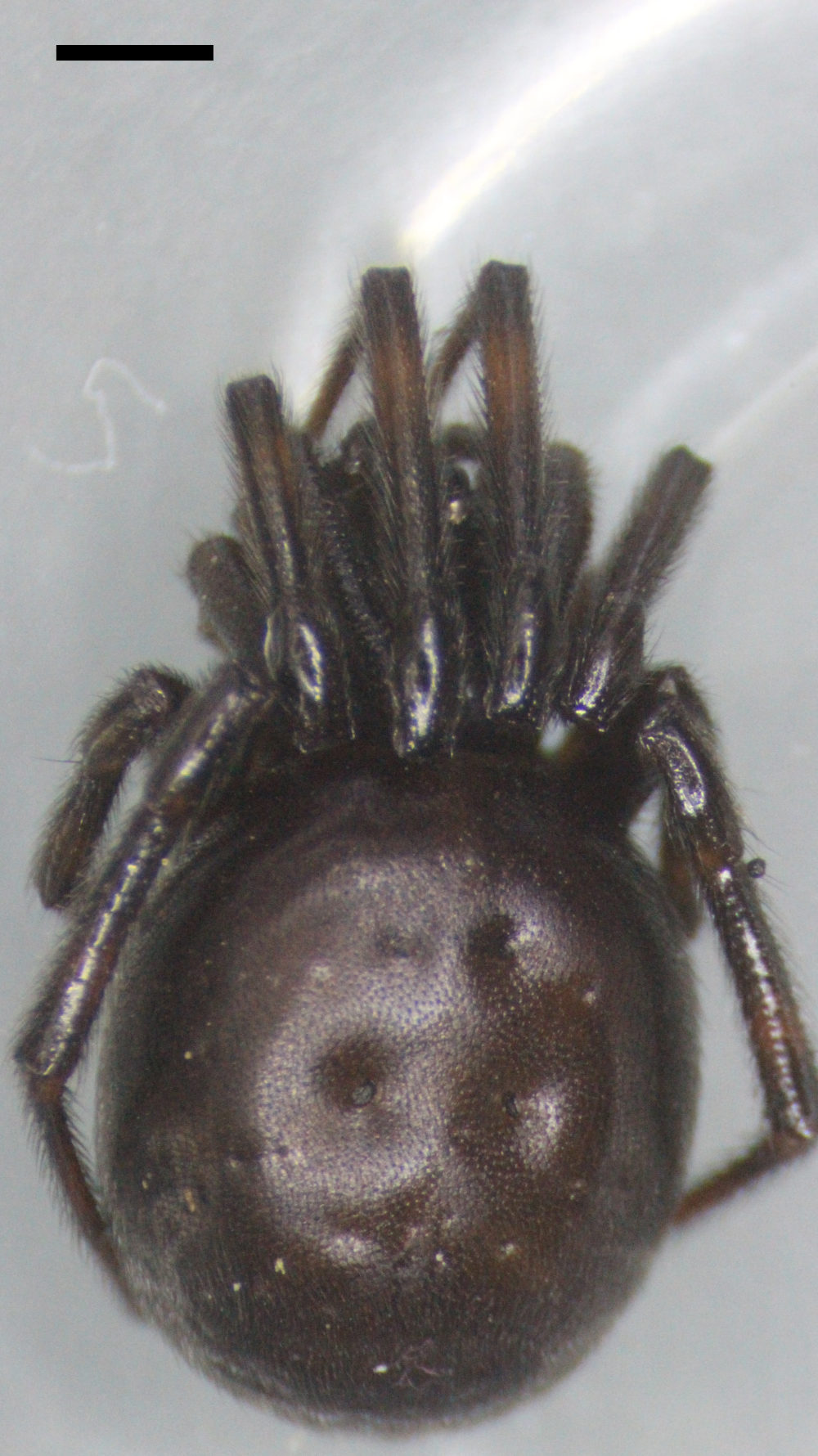
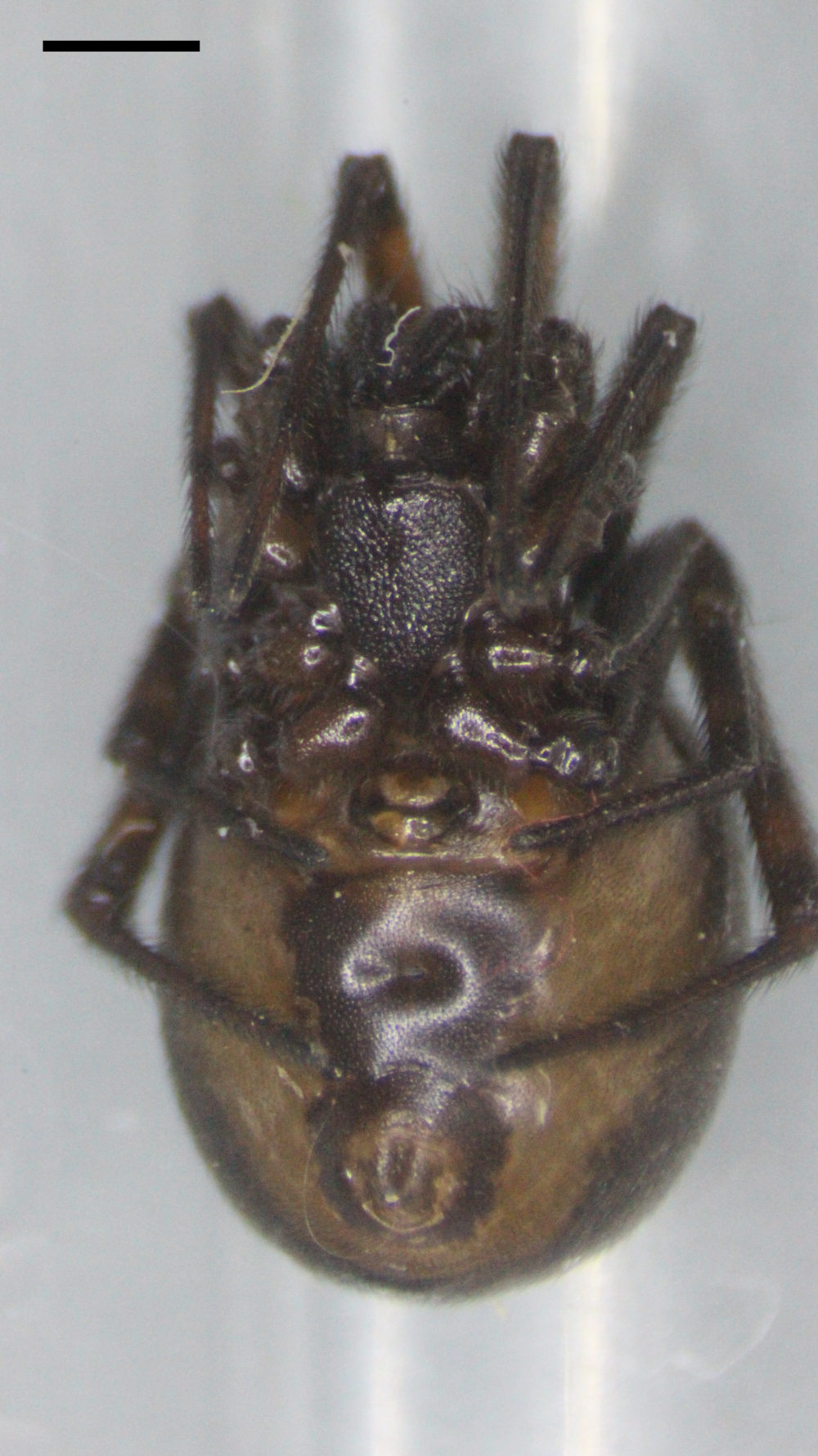
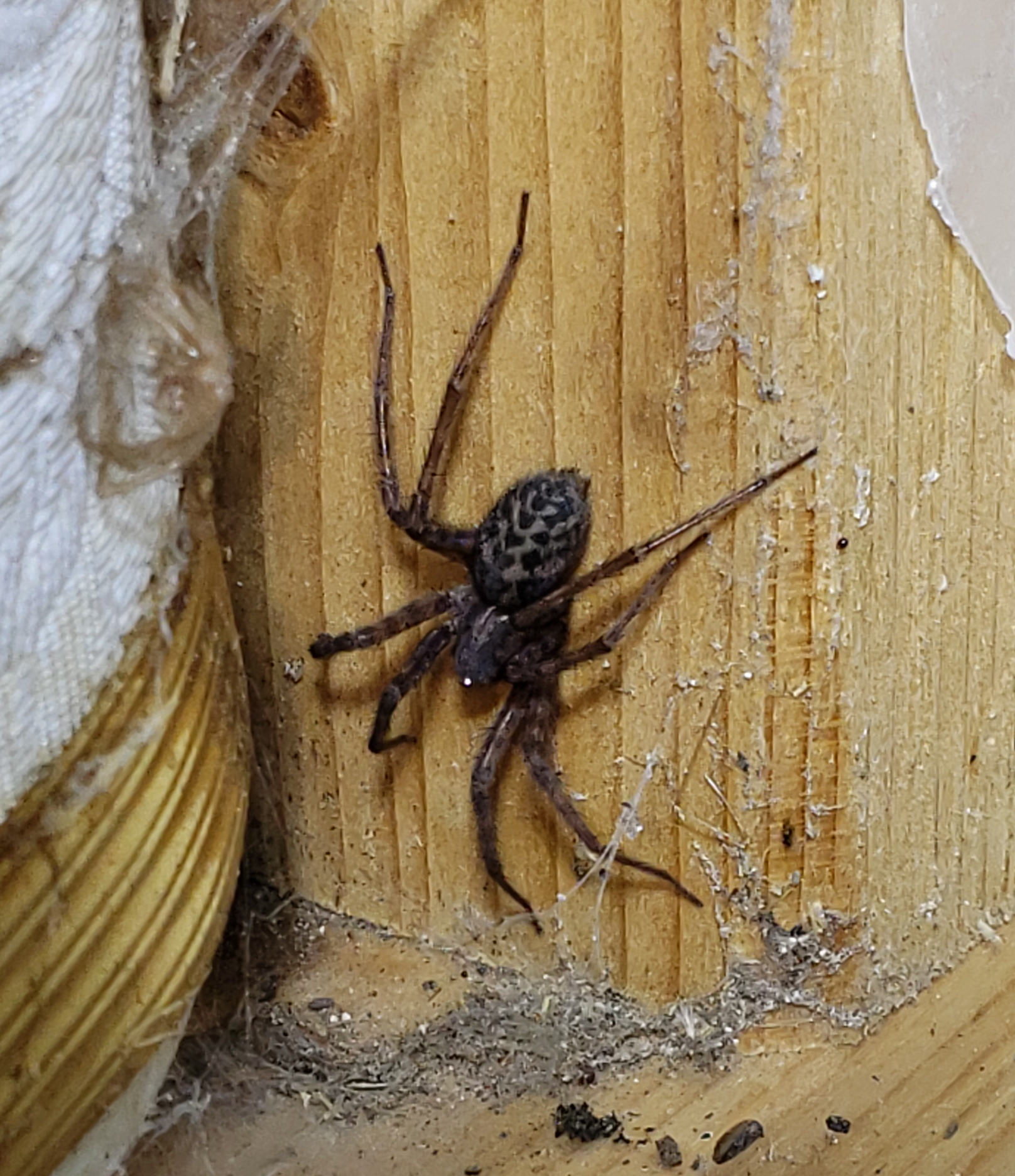
Look at this beautiful beast! You’re missing out if you aren’t on our spider survey.

T-1 hour

Oh, boy, the data collection begins in about an hour: I’ve got about a week of grueling spider survey work ahead of me. I’m going to be poking around in dusty, cobwebby garages with headlamps on, tallying up spiders and spider egg cases, and I expect to be worn out at the end of the day. It’s going to be great! I’m looking forward to the first dollop of data today. I’m looking forward even more to the last dollop of data at the end of the summer.

The spiders may be the death of me tomorrow

My big spider survey project launches tomorrow. I’ve got a long list of people who have volunteered their residences, and starting at noon, we start cruising the mean streets of Morris, Minnesota, seeking spider-haunted garages, and plunging into them to count and classify arachnids. This will be painless if they’re sparsely occupied, but judging by the surge in the spider population at my house this week, it may be a grueling task with hundreds of eight-legged freaks clamoring for our attention. Thousands? Oh god, may die. The price we pay for Science.

I’m estimating a week spent on this first phase. Then another week a month from now. Then another week a month after that. Then some spot checking as fall and cool weather descends. In between, we’ll be culturing spider embryos in the lab — my colony is currently about 20, 25 strong, and I plan to triple that in short order, and then at last, the spiderlings will be pumped out assembly line fashion, and there will be no limit to my aspirations!

Laboratory nightmare!

I remember my wild man days, when I might have as much as 5 or 6 cups of coffee during the day — to be honest, I was never particularly wild, but I would get the caffeine shakes and feel a bit edgy. I’m now down to one cup in the morning, and if I’m feeling crazy, two. But never have I consumed the equivalent of 300 cups of coffee in one sitting, like these unfortunate students.

The students had volunteered to take part in a test in March 2015 aimed at measuring the effect of caffeine on exercise.

They were given 30g of caffeine instead of 0.3g, Mr Farrer said.

Death had previously been reported after consumption of just 18g, he told the court.

The university had switched from using caffeine tablets to powder, he said.

“The staff were not experienced or competent enough and they had never done it on their own before,” he said.

“The university took no steps to make sure the staff knew how to do it.”

The calculation had been done on a mobile phone, with the decimal point in the wrong place, and there was no risk assessment.

Caffeine is a potentially dangerous drug, and anyone working with it needs to be aware of that fact. I’ve had students experiment with it in our cell biology lab, and I always preface providing the purified drug to students with the warning that it is almost certainly the most dangerous chemical in the lab at that time, that they shouldn’t let familiarity with it as an ingredient in coffee and soft drinks let them be casual with playing with it.

I probably looked like a gaffed fish while I was reading that. It was appallingly sloppy practice.

  • They were dosing students with this drug, not mice or some other animal model.
  • They didn’t have competently trained staff monitoring every step.
  • They changed the reagent from over-the-counter pills to purified powder, which ought to have had everyone triple-checking the concentration.
  • They didn’t have their protocol vetted by an experienced pharmacologist.
  • They relied on a calculator.GIGO. I’ve been nagging my students to do more estimation, because I’ve noticed that calculator-dependent students easily make errors that are many orders of magnitude off, and they are completely unaware.

In our introductory labs, when we have students calculate concentrations, we have a little check box in the write-up — they have to get a TA or instructor to sign off on the calculations, and that’s for safe procedures, like adding an indicator dye to a tube of yeast. Every year when I’m grading lab reports, I keep an eye open for egregious errors in concentrations. One year the record was set by someone being off by 31 orders of magnitude.

I know students are easily capable of bone-headed errors in arithmetic that they aren’t experienced enough to notice, and to do it in an experiment in which students are the subjects…no. Just no. Now I’m going to have nightmares.

At least in this case the two poisoned students survived, and the university was fined £400,000. They all got off easy.

Twinkle, twinkle little spacelink

I’m happy to see the new, revitalized Skepchick, and I’ve been checking in every day. I’m recommending you all read Nicole’s recent post on the Spacelink intrusion. I guess Elon Musk just decided for all of us that we needed a few thousand satellites cluttering the sky, so he spewed a bunch of them upwards to get in the way of astronomers. Nicole gives a, I guess you could say, balanced perspective, but even at that she doesn’t have much good to say about this commercial venture.

Get your hands dirty for mental health?

I was getting worried. My wife is on a gardening kick, fencing off a part of the backyard and tilling and planting and weeding — she’s been coming into the house with disgustingly filthy hands, and has been suggesting that I should get out there and dig in the muck, too. For a moment, I was afraid this article on “Healthy fat hidden in dirt may fend off anxiety disorders” might give her more ammunition in her battle to get me to help out with the weeds. Fortunately, after reading it, I think I can argue it’s irrelevant.

You’ve all heard of the hygiene hypothesis, which suggests that exposure to diverse neutral and pathogenic organisms from an early age might play a vital role in shaping our immune systems. Further, there’s the idea that we might also pick up beneficial organisms from soil that evolution has shaped us to use in regulating our immune systems, so that being away from dirt is throwing our physiology out of balance in subtle ways.

“The idea is that as humans have moved away from farms and an agricultural or hunter-gatherer existence into cities, we have lost contact with organisms that served to regulate our immune system and suppress inappropriate inflammation,” said Lowry, who prefers the phrases ‘old friends hypothesis’ or ‘farm effect.’ “That has put us at higher risk for inflammatory disease and stress-related psychiatric disorders.”

Lowry has published numerous studies demonstrating a link between exposure to healthy bacteria and mental health.

One showed that children raised in a rural environment, surrounded by animals and bacteria-laden dust, grow up to have more stress-resilient immune systems and may be at lower risk of mental illness than pet-free city dwellers.

OK, that sounds plausible, although I’d say that there are so many differences between growing up on a farm vs. in a city that it’s going to be hard to persuade me that exposure to Bacterium X is the crucial variable. The only way to find out is to read the original paper. So I did.

This particular paper does no evolutionary testing. It doesn’t compare farm kids to city kids. It doesn’t look at human stress disorders at all. It tests the effects of a molecule found in cell bacteria on cells from mice isolated in culture. Basically, they synthesized and purified 1,2,3-tri [Z-10-hexadecenoyl] glycerol, 10(Z)-hexadecenoic acid and tested it on cells loaded with receptor and recorder constructs so they could determine its mechanism of action — the bottom line is that this molecule under these conditions seems to have a potent effect in reducing activation of an inflammatory pathway. Here’s their summary of the results:

The free fatty acid form of 1,2,3-tri [Z-10-hexadecenoyl] glycerol, 10(Z)-hexadecenoic acid, decreased lipopolysaccharide-stimulated secretion of the proinflammatory cytokine IL-6 ex vivo. Meanwhile, next generation RNA sequencing revealed that pretreatment with 10(Z)-hexadecenoic acid upregulated genes associated with peroxisome proliferatoractivated receptor alpha (PPARα) signaling in lipopolysaccharide-stimulated macrophages, in association with a broad transcriptional repression of inflammatory markers. We confirmed using luciferase-based transfection assays that 10(Z)-hexadecenoic acid activated PPARα signaling, but not PPARγ, PPARδ, or retinoic acid receptor (RAR) α signaling. The effects of 10(Z)-hexadecenoic acid on lipopolysaccharide-stimulated secretion of IL-6 were prevented by PPARα antagonists and absent in PPARα-deficient mice.

That represents a lot of work, and I think that result sounds reasonable and potentially useful — who wouldn’t want another anti-inflammatory compound? But all that stuff about evolution and mental health and the hygiene effect were extraordinarily hand-wavey, and none of that was tested here at all. Which is a relief if my wife comes to me to say I should do some gardening so I could stock up on 1,2,3-tri [Z-10-hexadecenoyl] glycerol, 10(Z)-hexadecenoic acid and be less stressed and grumpy, because I’ll just tell here that the effective dose in a handful of dirt hasn’t been found, the connection to mental health is speculative, and I am not a mouse.


Smith, D.G., Martinelli, R., Besra, G.S. et al. Psychopharmacology (2019). https://doi-org.ezproxy.morris.umn.edu/10.1007/s00213-019-05253-9

Spider party at my place

Today my spider squad is stopping by my place for a spider identification party — they’ve been out sampling spider diversity, and are bringing their captives to a central location so we can figure out who they are (don’t worry, we’ll be setting the majority of them free afterwards). Then we’re going to run through our survey protocol, practicing on my garage, and set up our schedule for site visits starting next week. This is going to be challenging because I’m not a spider expert by any means — but the only way to get better at it is to dive in and start actually working with the adorable little beasties.

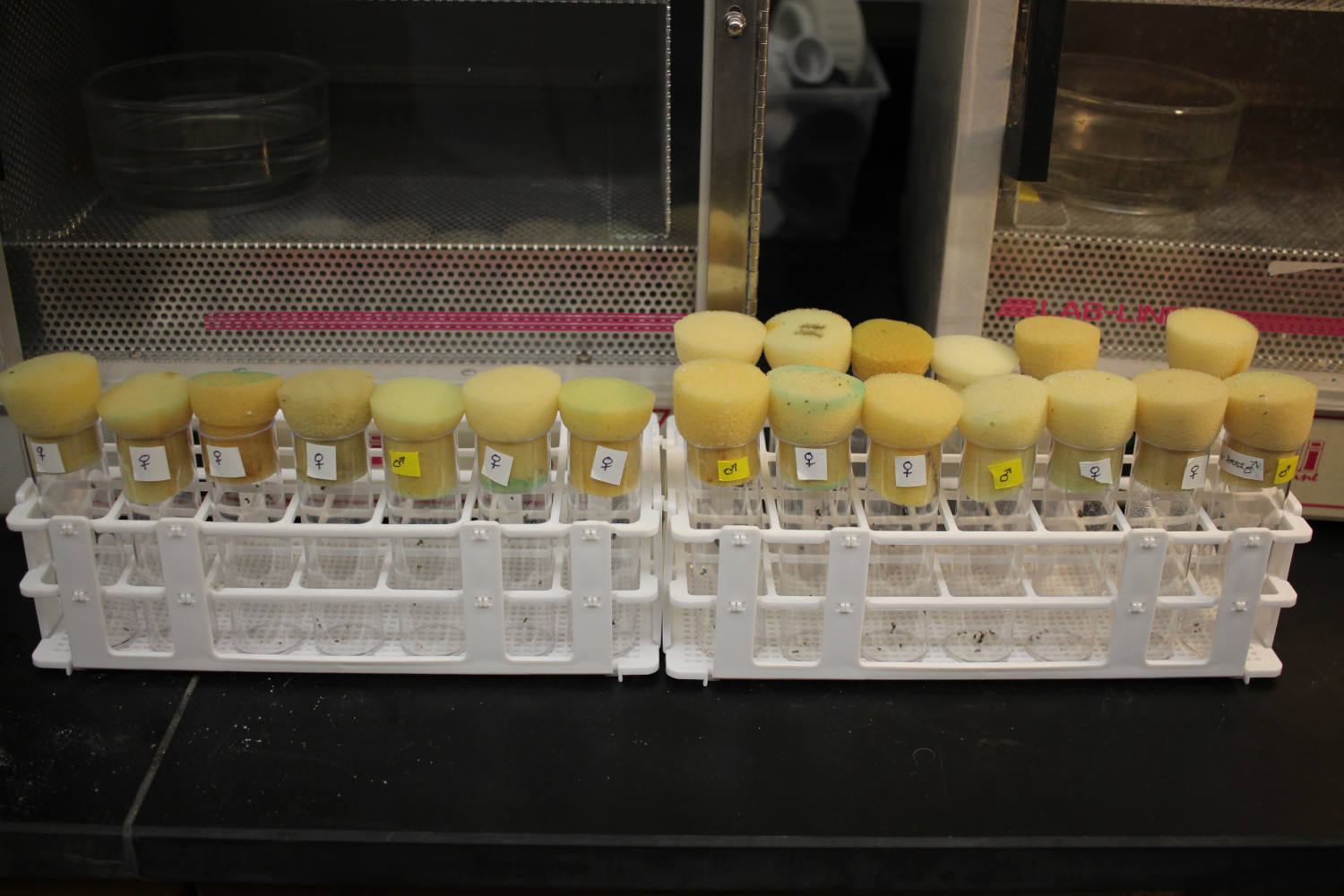
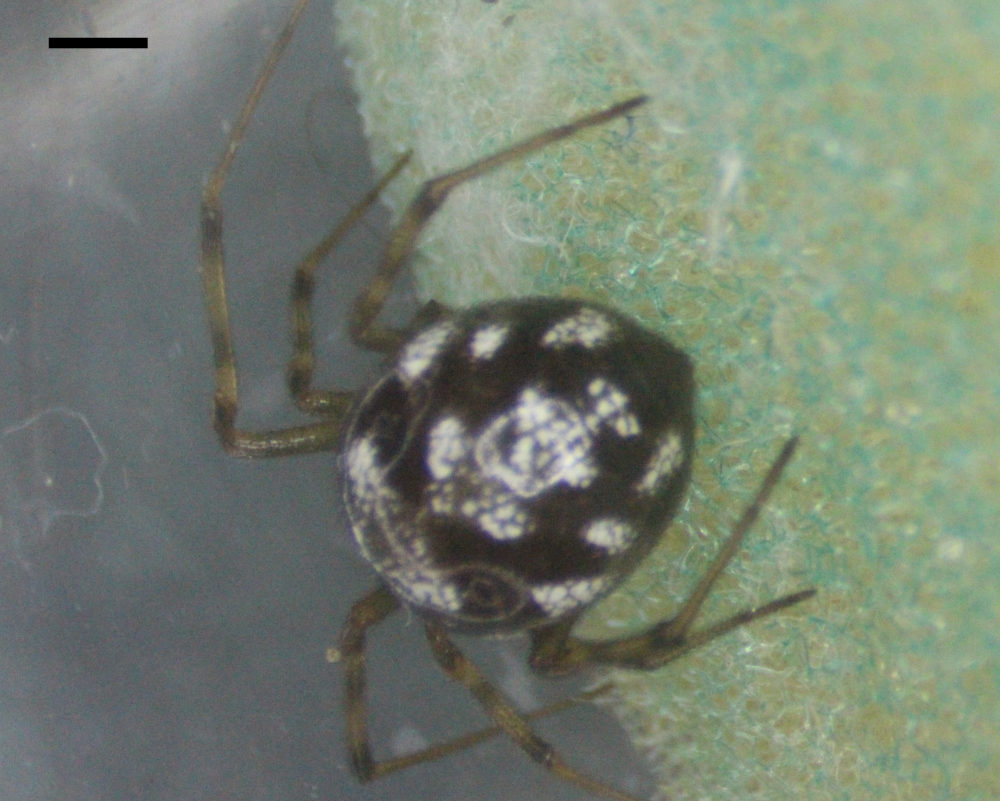
I can now spot Parasteatoda tepidariorum fairly easily, but other species I have to stare out for a while and flip through notes. P. tepidariorum is the species I’ve got thriving in the lab colony. Well, “thriving” is a little optimistic: the individuals are well-fed and looking good, but I still suffer from a shortage of males. I need more egg cases so I can separate the spiderlings early and alleviate some of the male mortality, but obviously I need more males to get more egg cases.

It’s going to be great fun!

Godzilla!

The new movie is playing in town, so I’m hoping to see it tonight…except that I’ve been prescribed cetirizine to suppress the allergies that might be causing my tinnitus, and I’ve been known to slip into unconsciousness at odd times of the day. It’s annoying, and worst of all, it doesn’t seem to be doing anything. So, if I can keep my eyes open tonight, I’ll be going to see Godzilla, King of the Monsters.

It’s about science, don’t you know. It just got a write-up in Science magazine!

The “evolutionary biology” of Godzilla is a topic of enduring interest among devotees, with numerous fan pages and forums dedicated to the subject. If we accept Godzilla as a ceratosaurid dinosaur and Lazarus taxon—a species thought to have gone extinct, only to be rediscovered later—then it represents a sensational example of evolutionary stasis, second only to coelacanths among vertebrates. Yet, the creature’s recent morphological change has been dramatic.

Godzilla has doubled in size since 1954. This rate of increase far exceeds that of ceratosaurids during the Jurassic, which was exceptional. The rate of change rules out genetic drift as the primary cause. It is more consistent with strong natural selection.

The strength of this selective pressure can be estimated by using the breeder’s equation, where the response to selection “R” is the product of the heritability (h2) of a given trait and the strength of selection. If we assume that h2 = 0.55 for body size—a reasonable estimate according to quantitative genetic studies of lizards—then the observed increase in Godzilla’s body size would require a total strength of selection of 4.89 SD. To put this number in context, the median value of natural selection documented in a review of more than 2500 estimates in the wild was 0.16. Godzilla, it seems, has been subject to a selective pressure 30 times greater than that of typical natural systems.

One problem with this analysis: isn’t it the same Godzilla in every movie? I could be wrong, but I think this is a specific individual returning over and over again, not a member of a population of Godzillas over many generations. It would have to be a very large and prolific population to hold up under that kind of selection pressure, too. It seems more likely to me that this is an example of a long-lived individual that is undergoing continuous growth over its lifetime, and therefore this is more of a matter for the developmental biologists, and is an example of a physiological adaptation.

Even if Godzilla is multiple different members of a changing population, we have no idea of the extent of the variation present within the population. The 1954 Godzilla could have been the Peter Dinklage of Godzillas, while the 2019 Godzilla could be the Yao Ming of the group. We don’t know, but I think that trying to argue for rates of selection is premature.

I must disagree with this diagram as well.

The 1998 monster does not look anything like the others, and must be from a completely different species, so don’t try to tell me it’s a Godzilla.

Project for the day

We’re getting close. This week I’m training some students (and myself) in spider classification, and then the week after we’re going to start charging into local residences to sample spider populations, with the goal of getting an estimate of the distribution of synanthropic species and making a baseline measurement of how their numbers change over the summer. So today I’m making signs that we’ll hang up around town to get volunteers.

I’ll be curious to see if my phone starts ringing madly or if I get nothing but silence — I don’t expect a lot of enthusiasm in the community for someone finding spiders in their homes, but maybe they’ll be curious. If I get no response, my backup plan is to show up in some neighborhoods and do some good old-fashioned door knocking.

This isn’t the only project I’ll have going this summer — we’re also going to do some laboratory work with developing P. tepidariorum. Anyway, I’m about to get busy.