The perils of anthropology…and other scientific disciplines

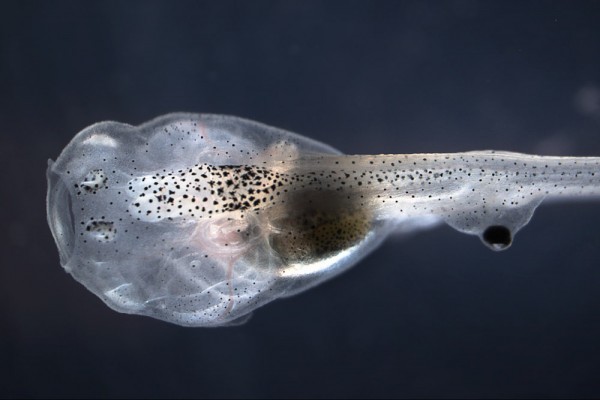
I’m beginning to get geared up for the summer research season, and I have to count myself as fortunate. I’m one of those bench guys; I’ll be fussing over embryos and computers in an air-conditioned lab, and mostly sitting in front of a microscope. The field researchers will be out hiking, and facing other privations: heat, humidity, man-eating mosquitos, ticks, summer rainstorms, sexual harassment, assault, and rape.

Oh, wait, those last three…not a problem here at UMM, we’ve got a good group of faculty we can trust to respect the students. But elsewhere, in fields like anthropology where groups of men and women might be out in remote areas for long periods of time, Kate Clancy reports that they are big problems.

We heard many reports of women not being allowed to do certain kinds of field work, being driven or warned away from particular field sites, and being denied access to research materials that were freely given to men (and men who were given access were the ones telling us these things). Ultimately, not being able to go to certain field sites, having to change field sites, or not being able to access research materials means women are denied the opportunity to ask certain research questions in our field. This has the potential to limit the CVs of women and given them permanently lesser research trajectories. This can lead to not getting jobs, or getting lower-tier jobs. It also means certain research questions may get primarily asked by one gender, and reducing the diversity of people doing research has been shown to reduce the diversity and quality of the work.

Don’t be discouraged from going into anthropology if that’s the field you love, but just be prepared: women have an extra duty piled on top of all the research work, to slap down privileged offenders…who may be their superiors.

Hey, wait a minute: Clancy is focused on the field work situation, but even in my cozy climate-controlled environment, there is the possibility of harassment — I’ve even heard tales of faculty (at other universities, of course) who were dirty old men who made life hell for their women students. Is anyone doing work similar to Clancy’s in places like medical schools? Maybe we should be sending teams of anthropologists in to study the indigenous cultures of the biomedical establishment. I fear it would be scary stuff, but at least you wouldn’t have to deal with mosquitos.

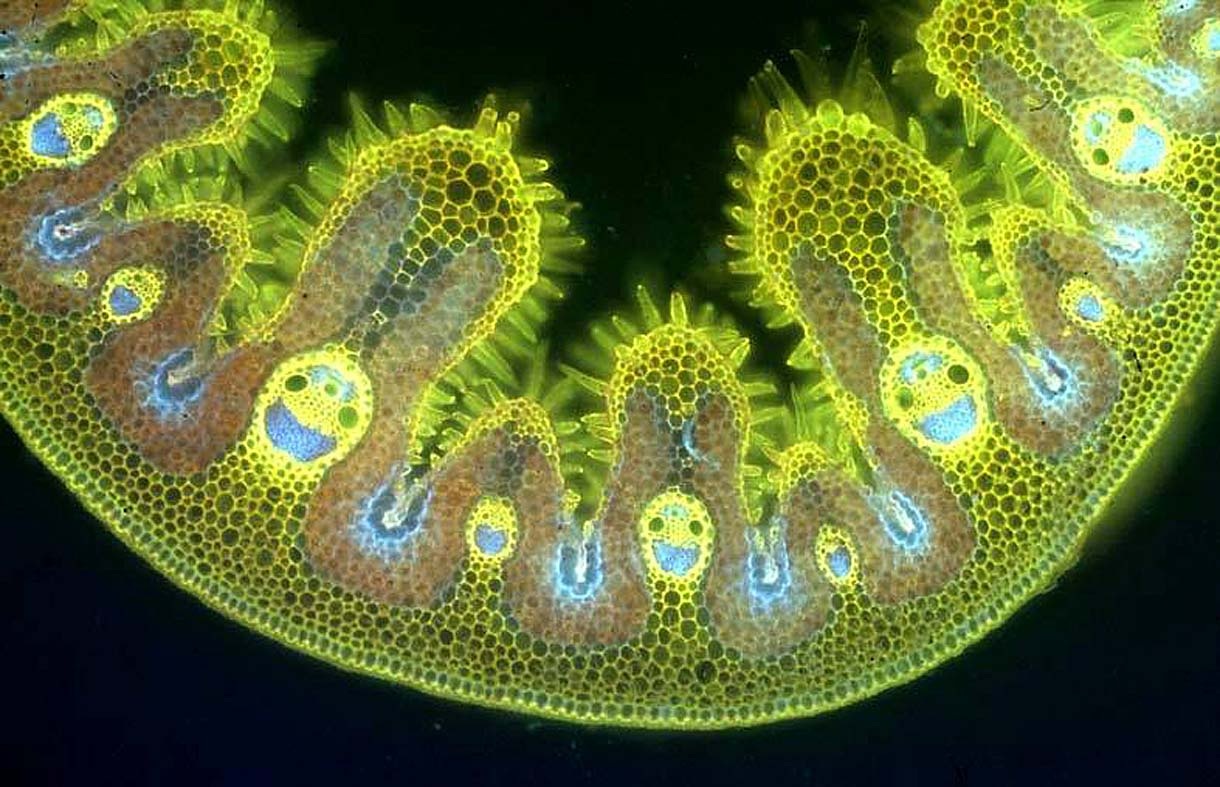
Botanical Wednesday: One, two, three…ha ha ha…four, five, six, SEVEN. Seven purple tentacles, ha ha ha!

Sorry, I was looking at this Akebia flower, and for some reason I felt a compulsion to count the number of carpels, and I did it out loud in the voice of Sesame Street’s Count. It’s been a long day of proofreading and I’m home all alone, and I think I’m getting punchy. I should probably just go to bed.

akebia

(via Scienceray)

Joe Barton has data!

The Rethuglican from Texas wants us all to appreciate the diversity of causes behind climate change. It might be natural, it might be human-caused, and it might just be magic.

I would point out that if you’re a believer in in the Bible, one would have to say the Great Flood is an example of climate change and that certainly wasn’t because mankind had overdeveloped hydrocarbon energy.

Don’t just blame Big Oil! It could also be God’s fault!

This is just disgusting and wrong

This cocktail, called “The Kraken” by its purveyors at the Whitehouse-Crawford restaurant in Walla Walla, WA, is one of the worst abominations I’ve ever seen.

The Kraken

Here’s the description by the restaurateurs:

spicy, dirty vodka martini with tentacles

In other words, they take an innocent little cephalopod and mercilessly plunk it into a so-called “martini” made with [shudder] vodka, instead of with gin as is right and proper.

Truly these are dark times in which we live. I weep for our species. With dry, delicious, juniper-scented tears.

Sent along by a regular whose name I won’t share because of the whole “outing by locality” issue. (But thanks, and feel free to ‘fess up in comments if you like.)

The dark side of open access journals?

The New York Times has an article on the rise of predatory, fake science journals — these are journals put out by commercial interests with titles that sound vaguely like the real thing, but are not legitimate in any sense of the word. They exist only for the resource that open access publishing also uses, the dreaded page charge. PLoS (a good science journal), for instance, covers their publishing costs by charging authors $1350; these parasitic publishers see that as easy money, and put up cheap web-based “journals”, draw in contributors, and then charge the scientists for publishing, often without announcing the page charges up front, and often charging much, much more than PLoS.

Nature has also weighed in on problematic journals, again emphasizing that it’s a bad side of open access. I think that’s the wrong angle; open access is great, this is a downside of the ease of web-based publishing, and is also a side-effect of the less than stellar transparency of accreditation of journals. There are companies that compile references to legitimate journals, and they are policing the publishing arena by refusing to index fake journals, but that isn’t going to be obvious to the reader.

One really useful resource, though, is this list of potential, possible, or probable predatory scholarly open-access journals. I notice that our old friend, The Journal of Cosmology, is listed, deservedly (I wonder if Jeffrey Beall, the author of the list, has had his face photoshopped onto pictures of obese women in bikinis as a reward?) It’s missing De Novo, the fake journal created by Melba Ketchum specifically to publish her Yeti DNA paper — but maybe that one isn’t threatening to sucker in authors, since it’s more of a vanity project.

I also notice that the major creationist journals aren’t on the list: Acts&Facts, the Answers Research Journal, and BIO-Complexity. Maybe it’s because they’re real journals?

Ha ha ha ha. Sorry, couldn’t resist. Scientist humor.

Maybe it’s because they’re so obviously fake and associated with such blatant ideological nonsense that no real scientist would be tempted to publish there.