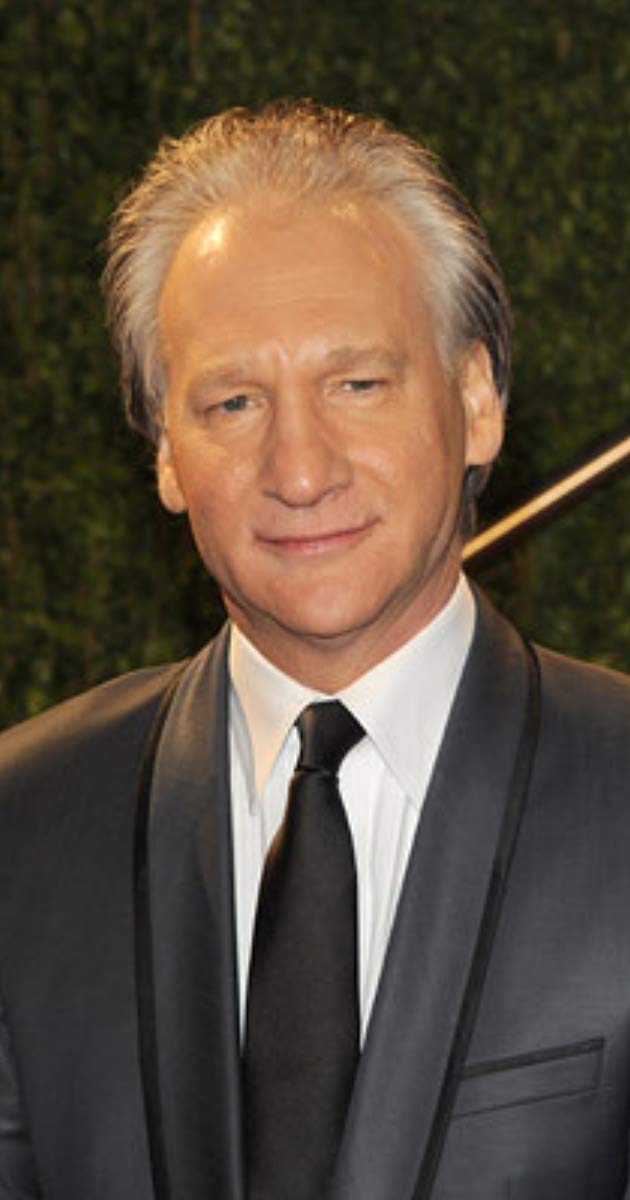
Bill Maher soft-pedaled Mike Bloomberg’s racism last night. You know, this Bloomberg, who bragged about targeting minorities for selective policing.
Maher was addressing the tape of Bloomberg from 2015 that re-emerged this week, wherein the former mayor of New York City admitted—to a crowd of rich, white folks in Aspen—that his stop-and-frisk policy, which was unconstitutional, led to thousands of dubious marijuana arrests, and ruined many lives, was about targeting “minorities.”
“Ninety-five percent of your murders and murderers and murder victims fit one M.O. You can just take the description and Xerox it and pass it out to all the cops. They are male minorities 15 to 25…That’s true in New York, that’s true in virtually every city in America. And that’s where the real crime is. You’ve got to get the guns out of the hands of the people that are getting killed,” said Bloomberg.
He continued: “People say, ‘Oh my God, you are arresting kids for marijuana who are all minorities!’ Yes, that’s true. Why? Because we put all the cops in the minority neighborhoods. Yes, that’s true. Why’d we do it? Because that’s where all the crime is. And the way you should get the guns out of the kids’ hands is throw them against the wall and frisk them.”
Bloomberg is terrible. He’s the worst choice among the Democrats, and I say that as someone who detests Biden. I’m still going to vote Democrat if Biden is the nominee, but if it’s Bloomberg…I might not. Allowing Bloomberg to buy his way into the presidency is the end of the party and democracy in general in the US. It means we’re a total plutocracy, and that our representatives have willingly sold out. Besides, Bloomberg is a stone cold racist piece of shit.
Maher joked about that, and got booed.
“Bernie Sanders won Iowa and New Hampshire. He’s also leading in the national polls, which means we have a new frontrunner… Michael Bloomberg? What the fuck?” offered Maher, adding, “Well, Bloomberg must be the frontrunner because liberals are calling him a racist.”
When the audience began booing Maher’s joke castigating liberals for calling Bloomberg a racist, he sniped, “Keep booing—that’s how you lost the last election.”
He’s not the frontrunner, no matter how much the media and rich phonies like Maher get starry-eyed over him, and liberals are calling him racist because he said racist things. Why is Maher glossing over the blatant, outrageous things a rich man with power said? Those remarks are not a minor issue.
What’s interesting, though, is that Maher has lost his audience. Part of that is almost certainly that revealing accusation: “you lost the election.” Maher does not identify with his audience, and does not identify with those of us who are suffering with the election of Donald Trump. Maher’s got his, he’s feeling no pain, and his audience of centrist liberals can go fuck themselves.
Why does Maher still have a show? Why do you (that’s right, I don’t identify with people who watch him) continue to watch his crappy program and his smug face? When will he find himself unemployed, so he can more righteously complain about his cancellation?