I have fond memories of reading James Michener’s The Source as a teenager — in case you are unacquainted with that author, his schtick was to pick a geographical place and then write a long episodic novel covering its fictional history over thousands of years. The Source is about a mound in Israel, so he writes a chapter about a family at the dawn of agriculture growing wheat there, a small town and their Ba’als, a crusader castle, a group of soldiers in the Arab-Israeli War, you get the idea. It’s a series of vignettes in the long history of this region.
I had a cheap copy of this book I hadn’t read in decades, and just started skimming the beginning. The framing device in this novel is the story of the archaeological excavation at the site led by a man named Cullinane, digging up artifacts that are then used as the centerpiece of each story. And that is the problem. It’s unreadable. It was published in 1965, and it shows.
The first sign of trouble is the characters, who fit awkward stereotypes of The American, The Israeli, The Palestinian. The members of a kibbutz are helping with the labor of the site, and the story spends way too much time talking about how beautiful and scantily-clad the young women are. An Israeli woman named Vered Bar-El is a Ph.D. with substantial credentials as Israel’s “top expert in dating pottery”, but the story starts going in a strange direction. Cullinane is day-dreaming about marrying this petite, pretty girl with flashing eyes working at his side — she has given him no signals anywhere in the story that she’s at all interested in him romantically. In fact, we learn that she’s engaged to another scholar working there…a fellow that Cullinane tries to convince himself is not right for her. And then, suddenly, with no real reciprocal development between the characters,
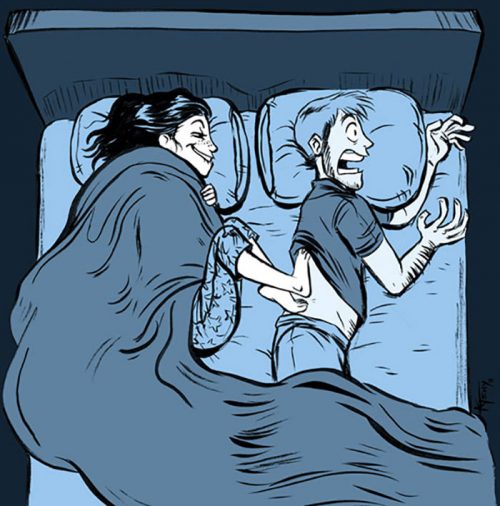
And then one night in mid-July as he inspected the dig in moonlight he was alerted by someone moving along the northern edge of the plateau, and he suspected it might be a worker out to steal a Crusader relic; but it was Vered Bar-El, and he ran to her with a kind of release and caught her in his arms, kissing her with a vigor that astonished both of them. Slowly she pushed him away, holding on to the lapels of his field jacket and looking up at him with her dark, saucy eyes.
WTF? And this is treated as perfectly ordinary behavior in the field? She, a scholar with a fiance, is not at all shocked at this unprofessional behavior by her team leader? Michener was apparently incapable of imagining this scene from a woman’s perspective.
It makes me sad. I read this book in my teens and it went right over my head, and I just thought archaeology sounded neat and fun and interesting. I wonder how a teenaged girl would have felt about the discipline if they read that — dig leaders get to fantasize about the women working with them, and abruptly give them vigorous kisses.
Now I’m also wondering how common this casual dismissal of women was in the popular literature that might have influenced people’s choice of careers.