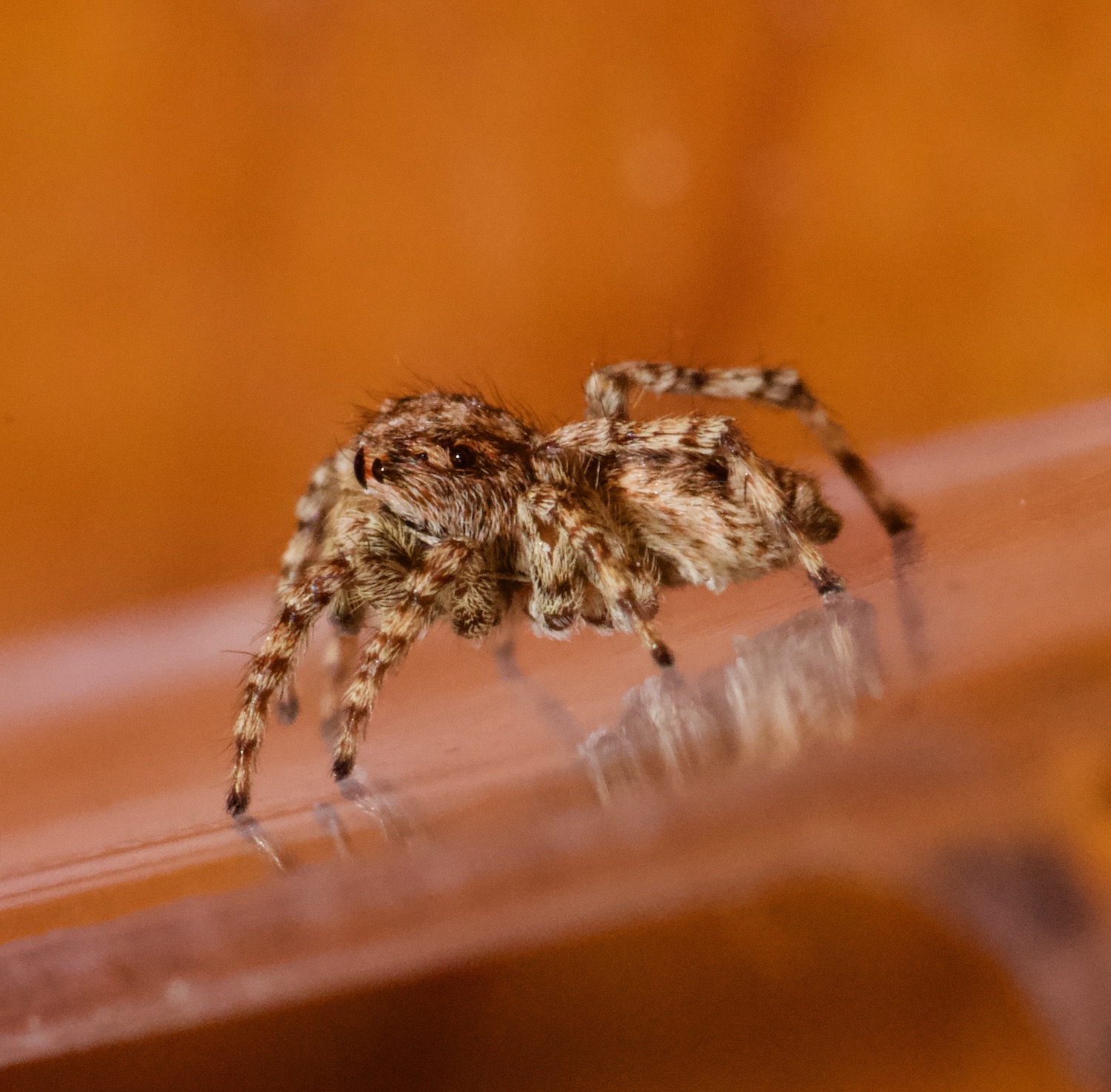
Bathroom buddy

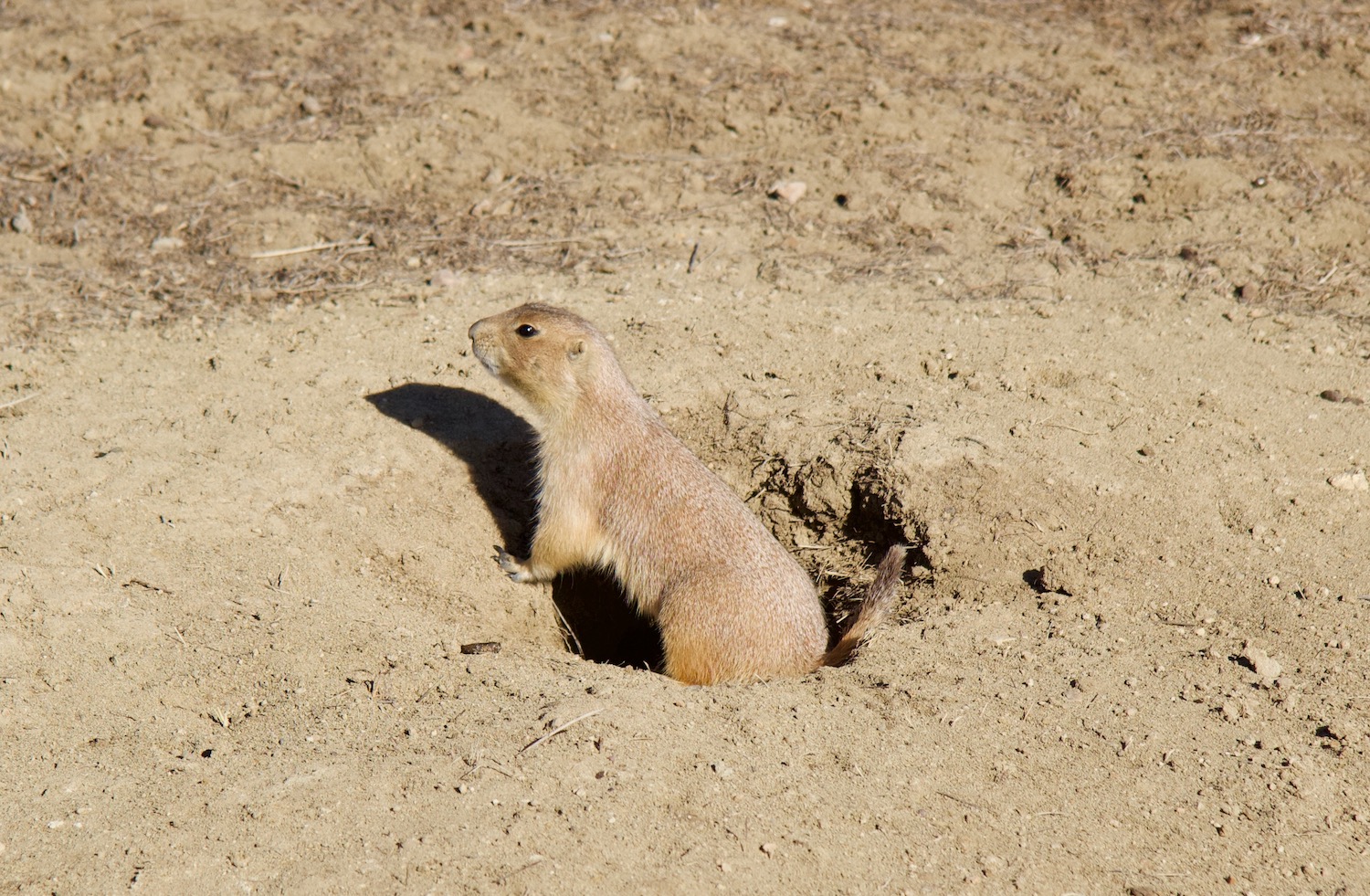
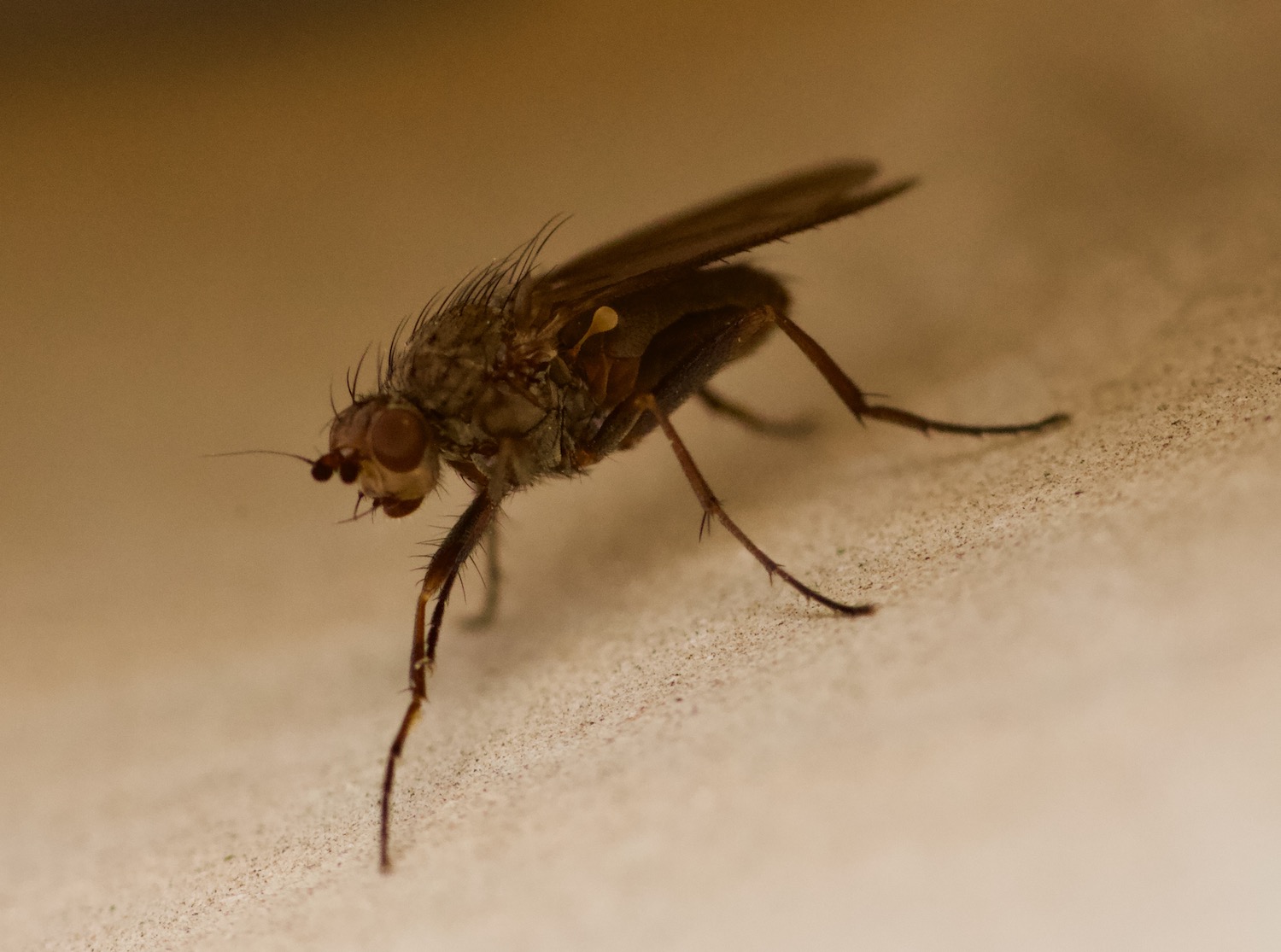
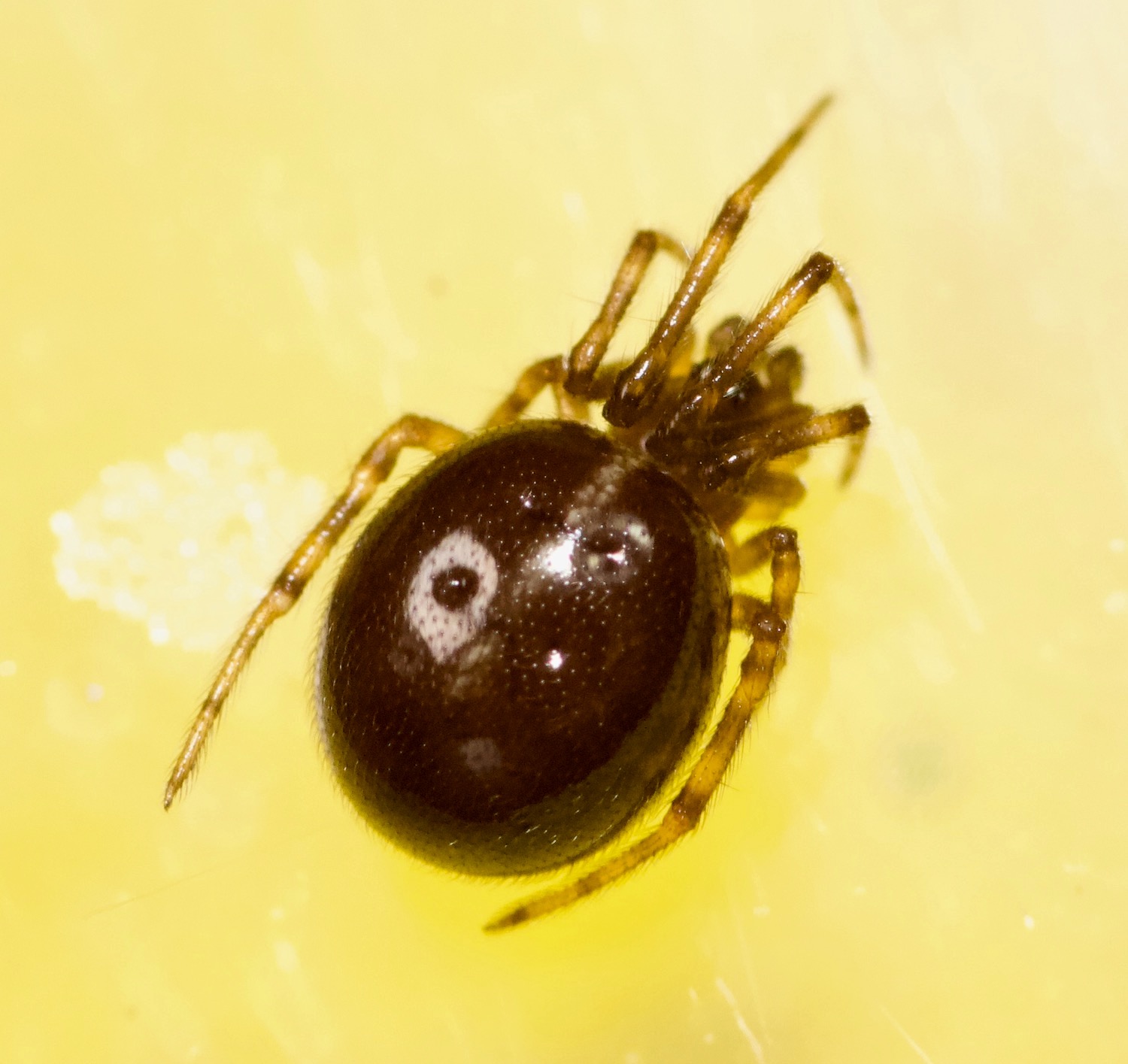
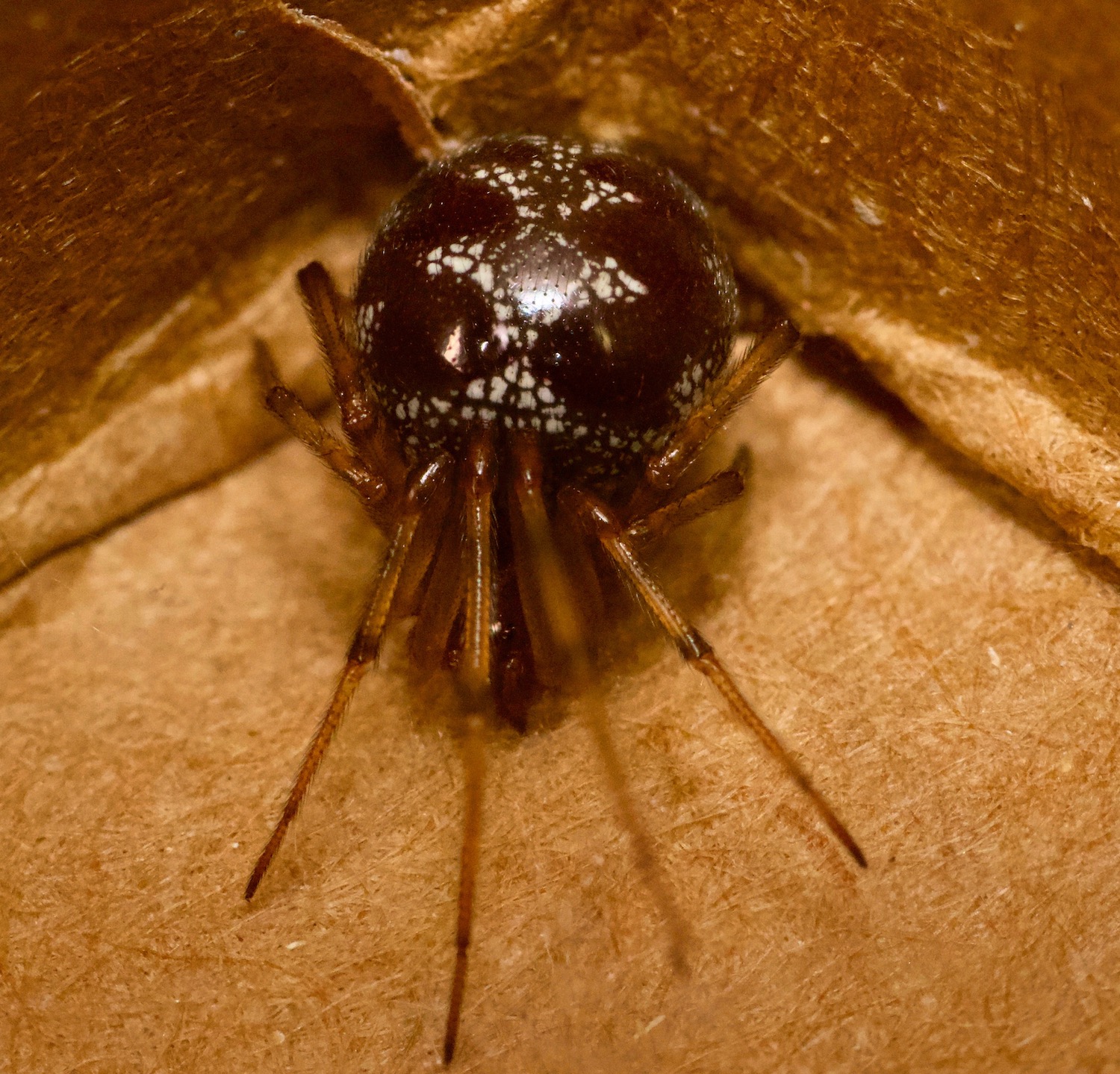
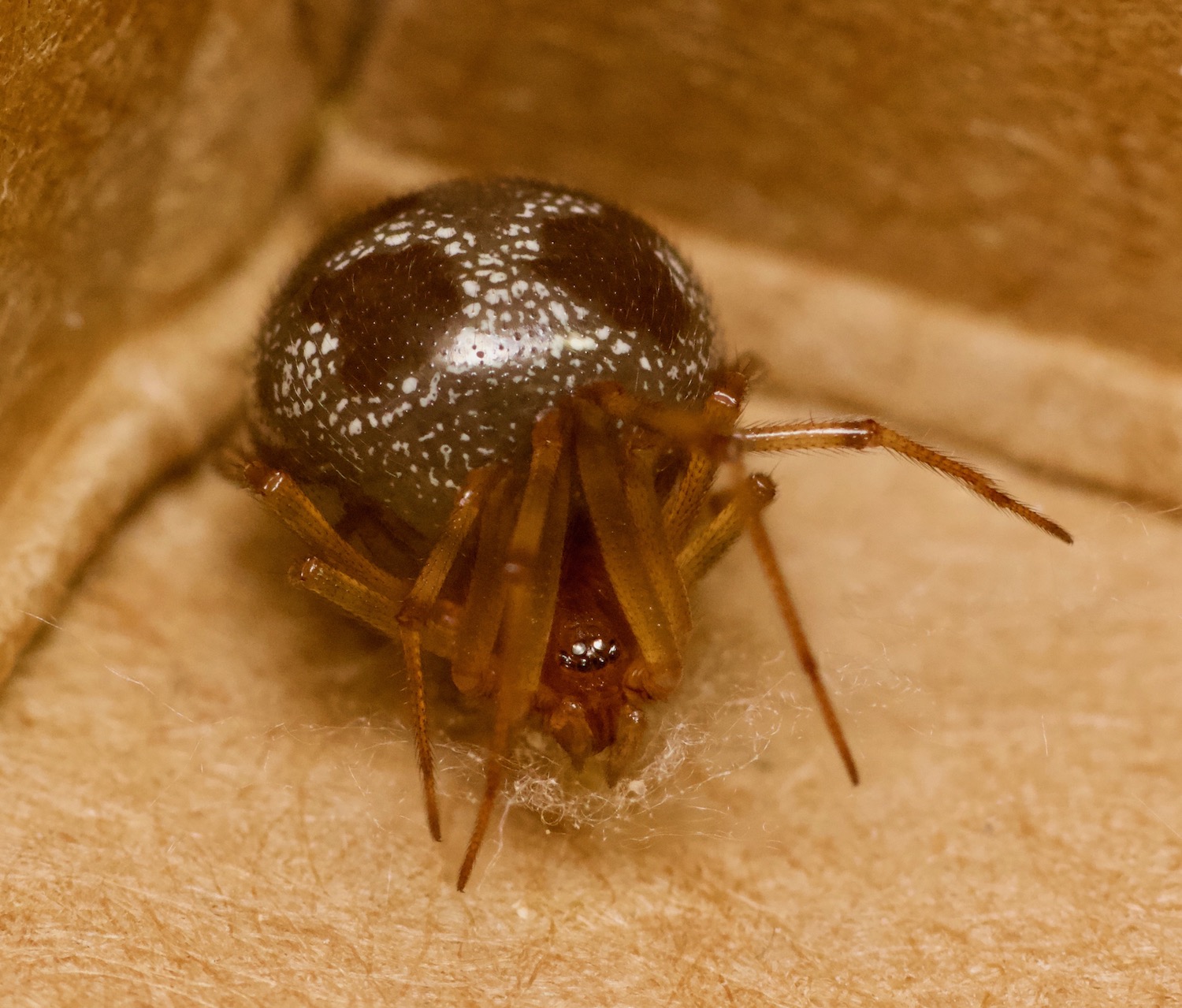
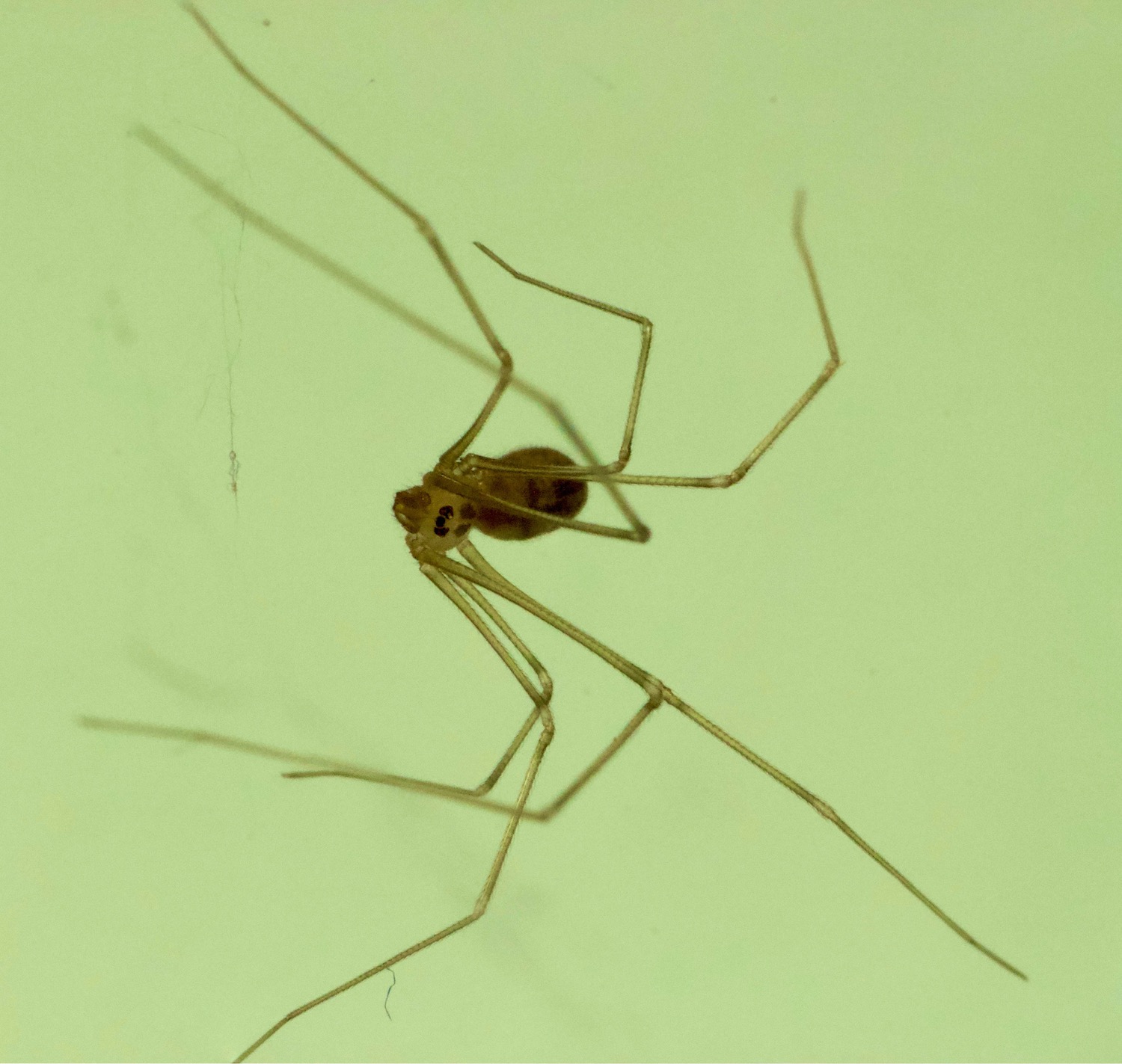
Look who was keeping warm in a corner of our bathroom:

I’d really like to know where they hide most of the time. All winter long we see these isolated individuals suddenly popping up out of nowhere.


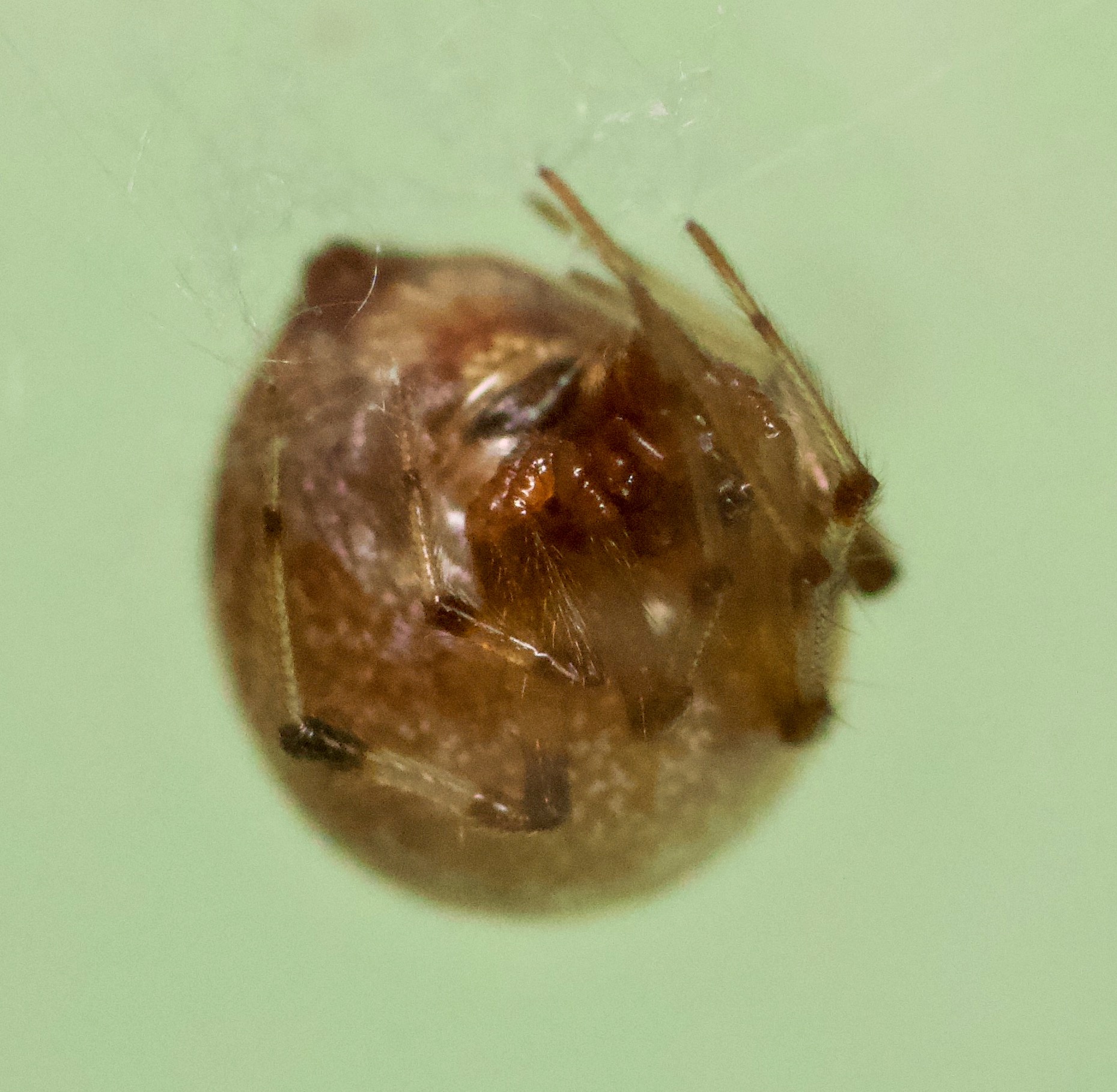
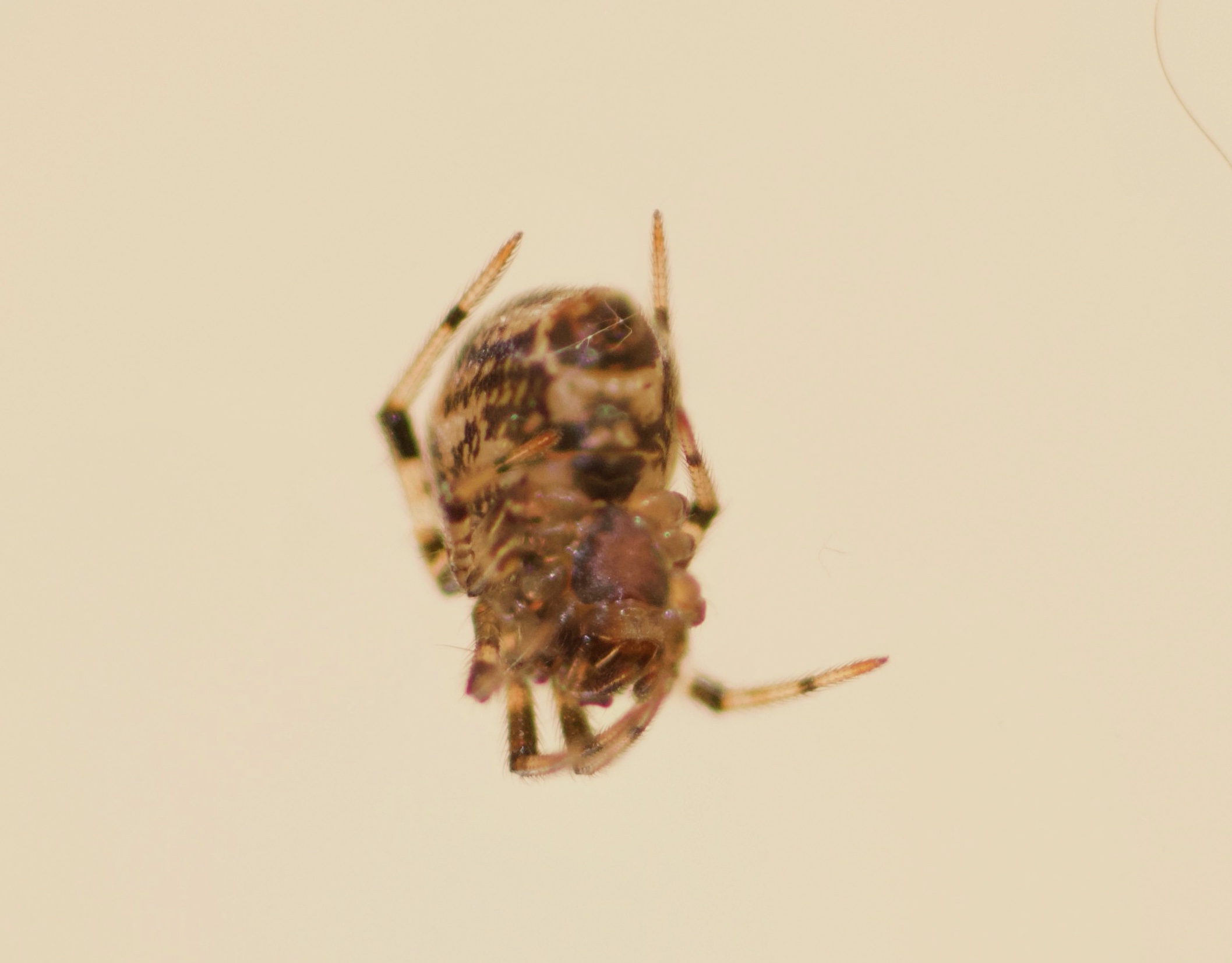
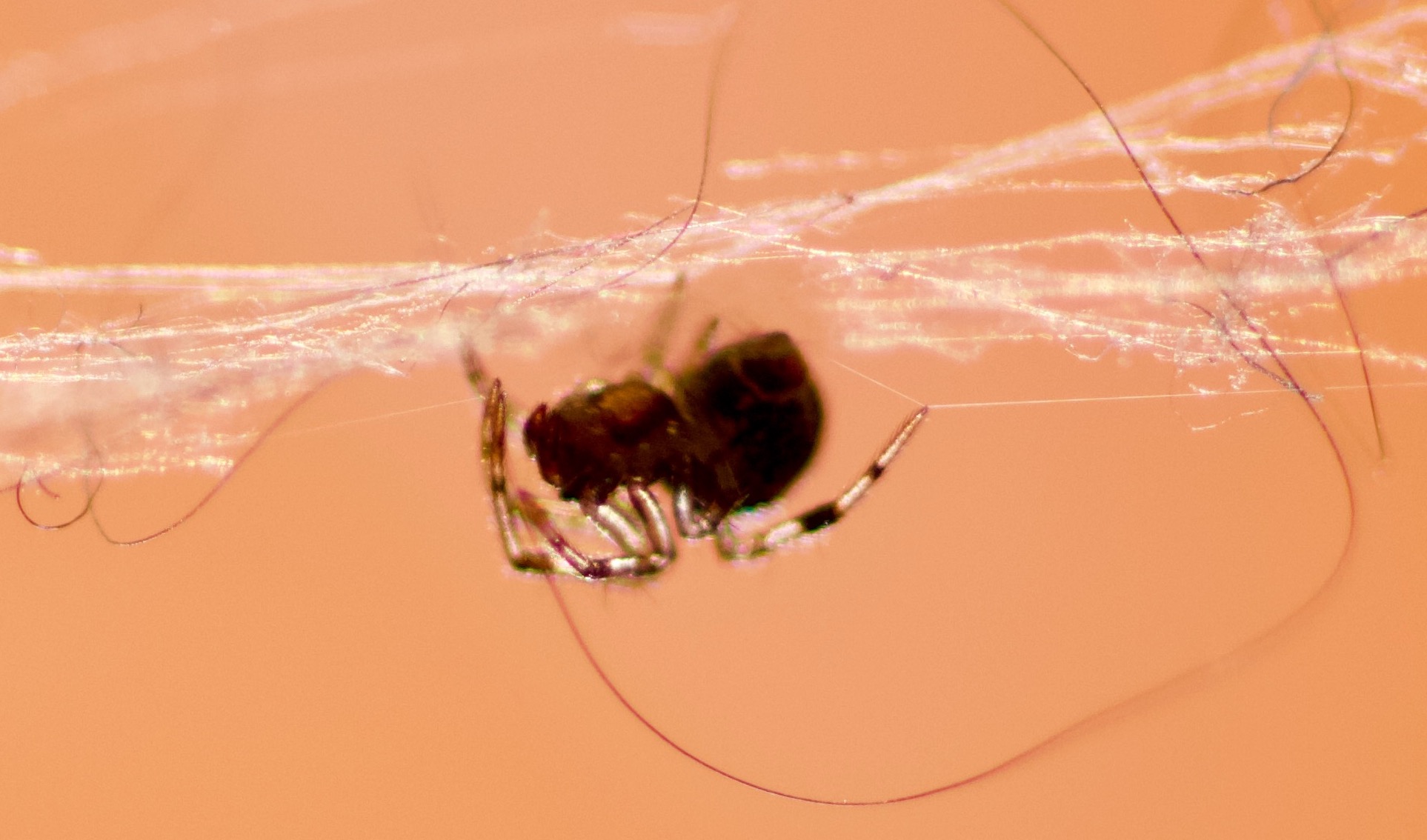
Found another one hanging out in the dining room with a mess of fibers. It’s very tiny, half the size of the one above.

Spiders had their breakfast

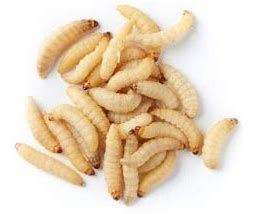
This morning, I cruised down to the local bait shop and bought a bunch of waxworms. “Good luck fishing,” said the proprietor, as I was going out the door. I didn’t feel like explaining that there would be no fish involved today.

I got to the lab and delicately tweezered one pale white waxworm into the center of each cobweb, where it would squirm unhappily. It had been lifted out of its comfortable environment and was hanging suspended from a couple of cables, which it did not like at all. Picture a whale trussed up and dangling from the ceiling of a meatlocker, straining to escape the trap, while little fanged predators look on.

The spiders usually paused for a few minutes. I imagine they were briefly stunned at the immensity of the bounty that has fallen from the skies, but they didn’t wait long — they swiftly scuttled out, their hindlimbs flickering as they quickly reinforced the webbing, occasionally moving in close for a long kiss.

When I left, I looked in the incubator…rank after rank of transparent cages, like little glass abbatoirs, each with a madly writhing worm struggling desperately to escape, each with a small long-legged creature clinging to their back, biting.

Warmed my heart, it did. They looked so happy and eager (the spiders, not the worms). It reminded me of my kids on Christmas morning.

Australia has spiders? Shocking!

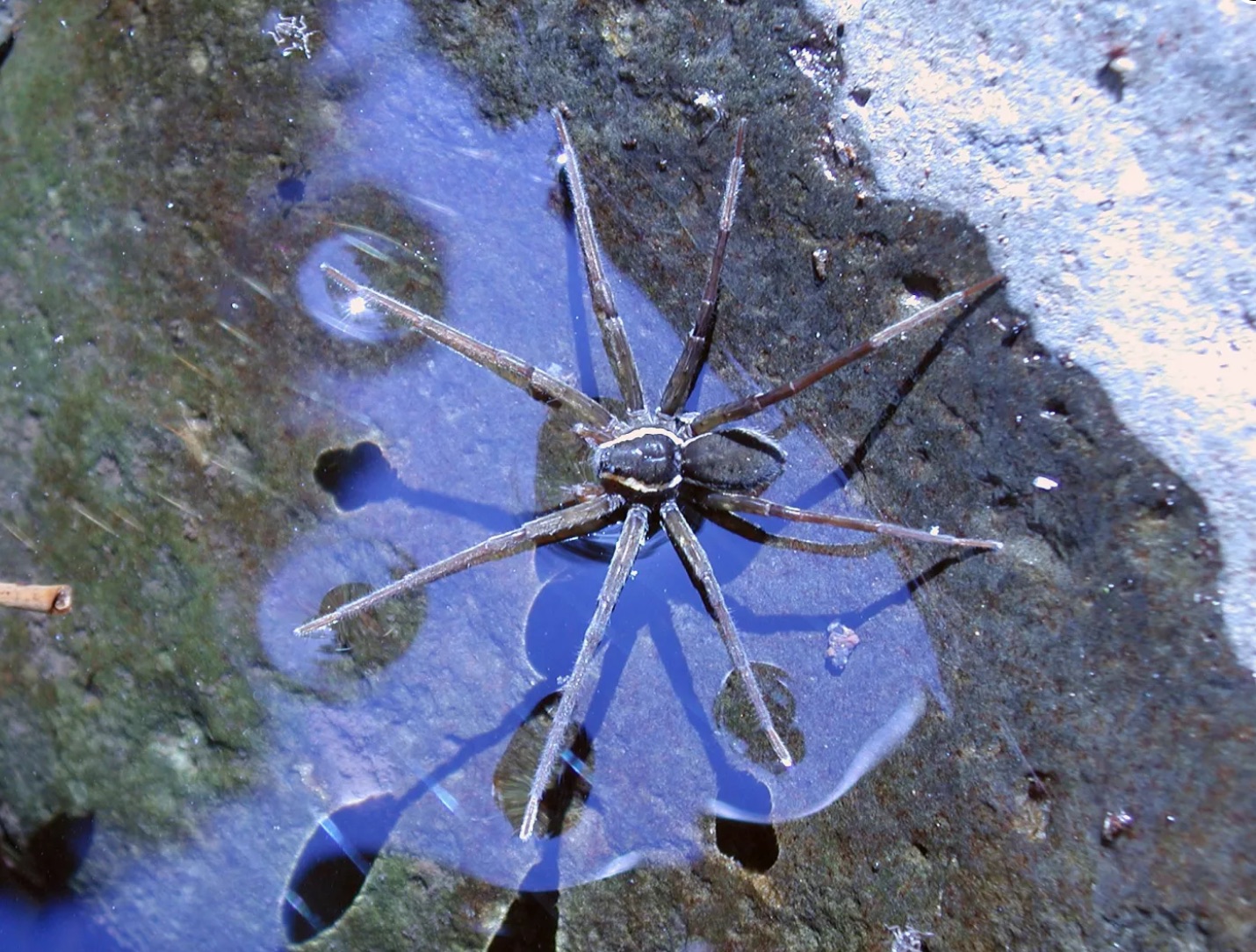
I’ve had so many people tell me about this new spider, Dolomedes briangreenei, and the news makes it sound like a surprise that it can dive under water and eat small aquatic vertebrates.

Spiders have been known to do all kinds of amazing things, and there’s nothing surprising about any of that. We have several species of Dolomedes right here in Minnesota, and they’re semi-aquatic and kill and eat tadpoles and small fish all the time. The Australian Academy of Science has announced the discovery of 51 new species of spiders just this past year! I’m relatively new to this taxonomy stuff, and one thing I know is that finding new species is routine, as is discovering that species have gone extinct.

Bioethics has teeth

I told you that He Jiankui, the Chinese scientist who had been carrying out gene editing on human subjects, was doing bad science and violating lots of ethical restrictions. I was right, obviously, because he was immediately repudiated and arrested by the Chinese government. You might be wondering what happens if you break the rules of bioethics — isn’t it all just an agreement between peers not to meddle in experiments that might cause trouble for each other? Well, now we know: He Jiankui has been tried and sentenced. He’s being fined over $400,000, and is going to prison for three years. Two of his colleagues are also going to jail. They’re also going to get a lifelong ban on doing scientific research with human subjects.

This isn’t just Chinese totalitarianism at work, either. It’s the same in most places.

Robin Lovell-Badge at the Francis Crick Institute in London told the UK Science Media Centre that a prison sentence and fine would also have been the likely penalties if someone had conducted similar work in the UK.

Maybe not everywhere, though. The people who carried out the Tuskegee syphilis study were not punished; the doctors who were paid to tell the public that smoking was safe were not punished; Andrew Wakefield is still roaming free, and is even making movies to spread disinformation; you can lie all you want about climate change. Jiankui seems to have picked the wrong victims, or lacked the corporate backing, to make his violations of human rights ignorable.

P.S. I think a hefty fine and a few years in prison would be the minimal punishment for Wakefield, who is responsible for the deaths of who knows how many children.

Or he could switch to arguing that those birds are immigrants, anyway

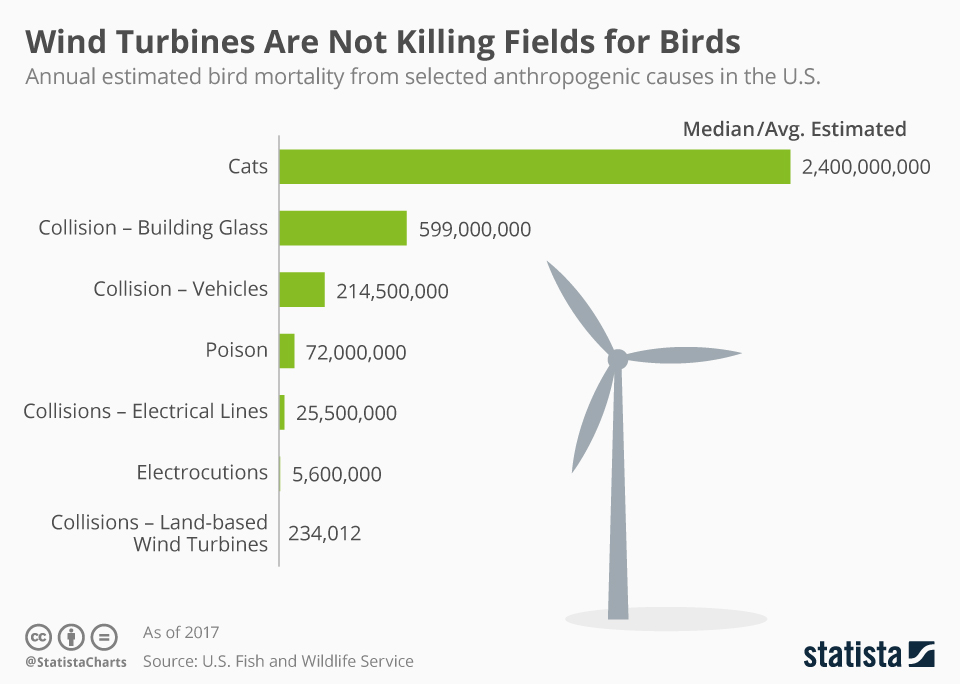
I’ve always wondered about this — I live in wind turbine country, my university runs a couple of them, and I’ve been out to walk around them, and there’s always something missing. There aren’t heaps of dead birds under them, like Donald Trump claims there are! I wondered if the blades strike these birds and flick their lump dead corpses off into the distance, or if there are thriving swarms of scavengers lurking in the bushes that snatch up the meat bounty falling from the heavens. It turns out I was wrong. wind turbines kill some birds, inevitably, but the real danger is…your cats.

I find it hard to believe MY PRESIDENT lied to me.

I assume that he will adapt to the facts and change his message at campaign rallies to something about how we need to deport or kill all those cats. He could probably put some kittens in a sack and slam it against a wall a few times, and then fling it into a river — his fans will all cheer.

Beauty contest!

We encountered a few indoor spiders today, so I thought I’d stage a little beauty contest.

Contestant #1: Pholcus phalangioides, found wandering the laboratories of the University of Minnesota. Hobbies: must be biology, since she was captured working in a biology lab.

Contestant #2: Sitticus fasciger, found hopping around in my house. Hobbies: jumping, obviously.

You are the judges! Who wins your approval?

Betelgeuse death watch!

I was momentarily excited. Betelgeuse is dimming! People are speculating that that could mean it’s going to explode in the near future! That would be cool, and I’d love to see a supernova flare up 600 light years away.

Unfortunately, to an astronomer, the “near future” is 100,000 to a million years from now.

Dang it. I guess that means I’ll have to stay alive and wait for it even longer.

Where the spiders at?

I’m free of teaching duties for a few weeks, so my goal for now is to get a paper written summarizing our spider survey results. I’ve been working on figures lately, and here’s a map of our survey sites.

(I also have a boring grayscale map of the same thing, which is probably what I’ll have to use for publication.)

See? We surveyed both sides of the railroad tracks. We should have tried getting more homes in the southeast side of town, though. Not shown are some of our less careful observations of locations outside of garages and sheds, where we’d find many more Araneid spiders. That’s something for another day.

I’ve also been digging deeper into our data — we have all these locations with tallies of all the species present, which is kind of overkill, since the environments we’re looking at are all dominated by just four species, and they’re all coexisting in the same spaces. I’m getting a sense of some of the peculiarities of the distribution, though: I’ve been surprised to see how rare Steatoda triangulosa is around here — we found only one site with that species back in June — and how Steatoda borealis is uncommon as well, but they form these little localized colonies where they are the only Theridiidae present.

Now I’ve got plans for these new angles to pursue, but I have to wait for the world to thaw out and for spiders to rise up again.

Hello darkness my old friend

I learned something from our students. We have these introductory classes for incoming students, and one of them, led by Keith Brugger, was in part about measuring light pollution. So they went out and around Morris, using a meter to measure how dark the skies were in the evening. This is not something I knew anything about, but this week I learned about the Bortle Scale, which I suspect astronomers are already totally familiar with.

I’ve seen the Milky Way vividly outside of town (not in town, unfortunately), so I’d have guessed there are some places nearby that are around a 3 or lower — when we’ve wanted to check out interesting phenomena like the aurora or meteors we go just a few kilometers outside of town for good viewing. This survey produced a map of dark skies for us that suggest some changes.

Morris is roughly at the intersection of Highway 59, which runs north-south, and Highway 28, which runs east-west. I’m used to driving 28, which is the route towards the big cities of eastern Minnesota, so we’ve often scurried out to a spot on 28 east of town to do our skywatching.

According to this map, though, we’d be better off driving south on 59, where it gets even darker. That makes sense — 28 has a small amount of road traffic, and there are itty-bitty farming towns scattered along it, while 59 north leads to Alexandria, has some farms with surprisingly bright lights around the buildings, and also leads to some big wind farms. There’s nothing south on 59. I’ve rarely driven that way, because it’s just empty for a long distance. So now I know where to go during the next meteor shower.

Hey, astronomers, you know this is a good place to live for your ilk! Come on out and stay a while!

Although there is a downside — if you come out with a telescope and go to the darkest regions on the map in the winter months, you’ll also find that it may be -20°C with a wind howling across the open fields.