The…. WOODPECKER

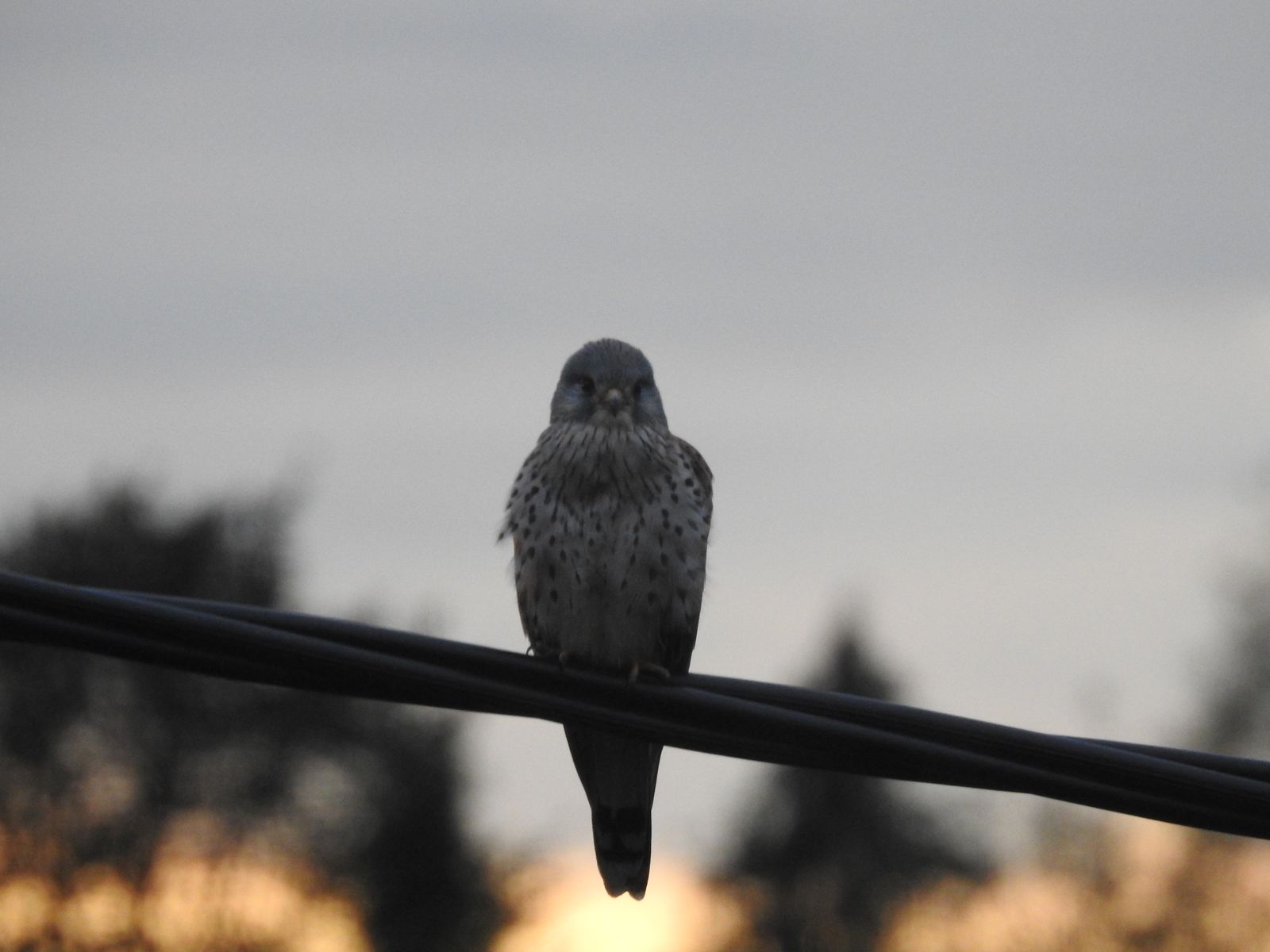
Boy was I happy to see this fellow peek over the sunflower’s head and pecking at the seeds. I have planted the sunflowers to feed them to birds anyway, so I do not mind him eating some a bit prematurely. Next year I will plant even more.

© Charly, all rights reserved. Click for full size.
© Charly, all rights reserved. Click for full size.

© Charly, all rights reserved. Click for full size.

Finally I got Something Done

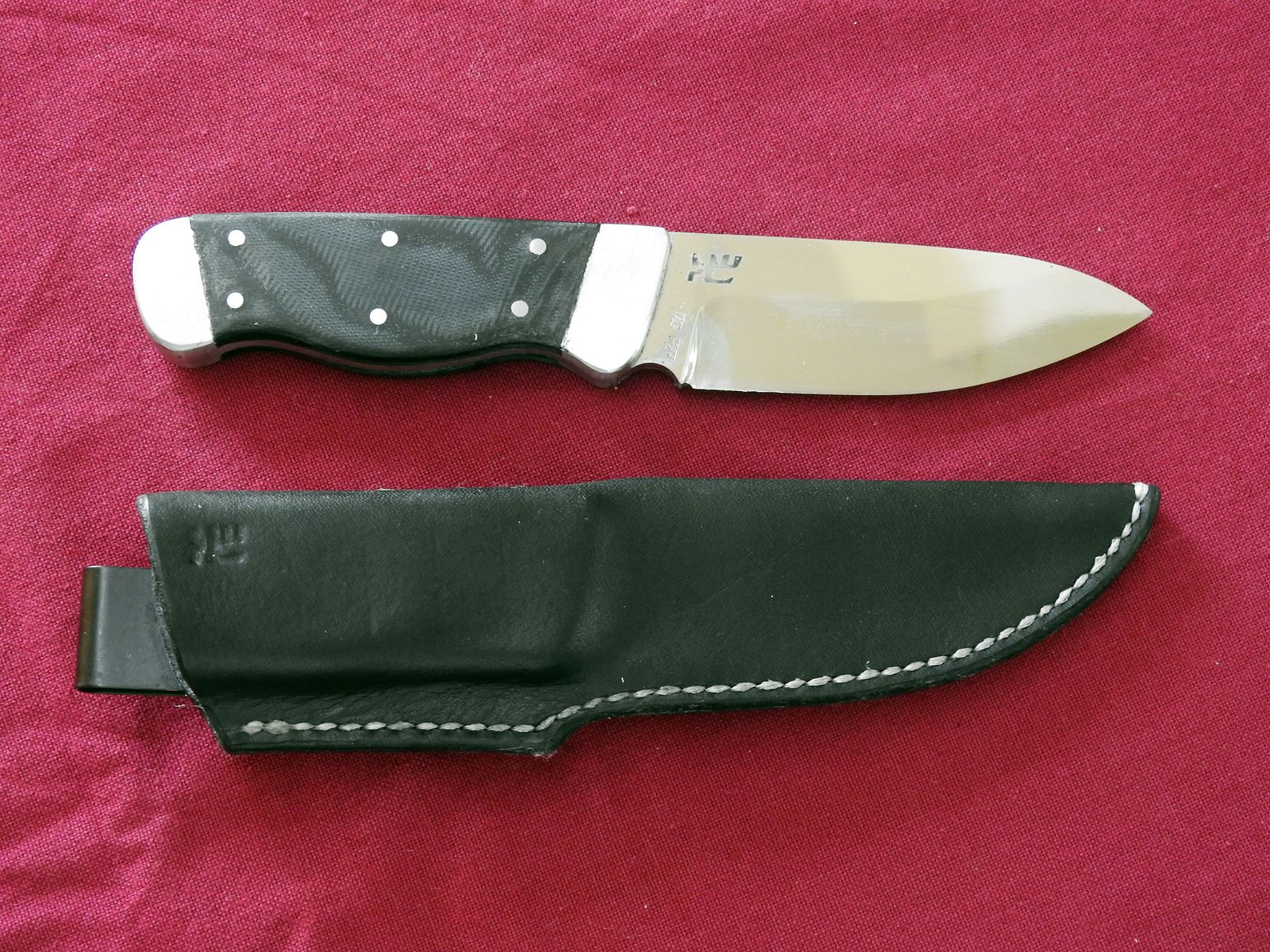
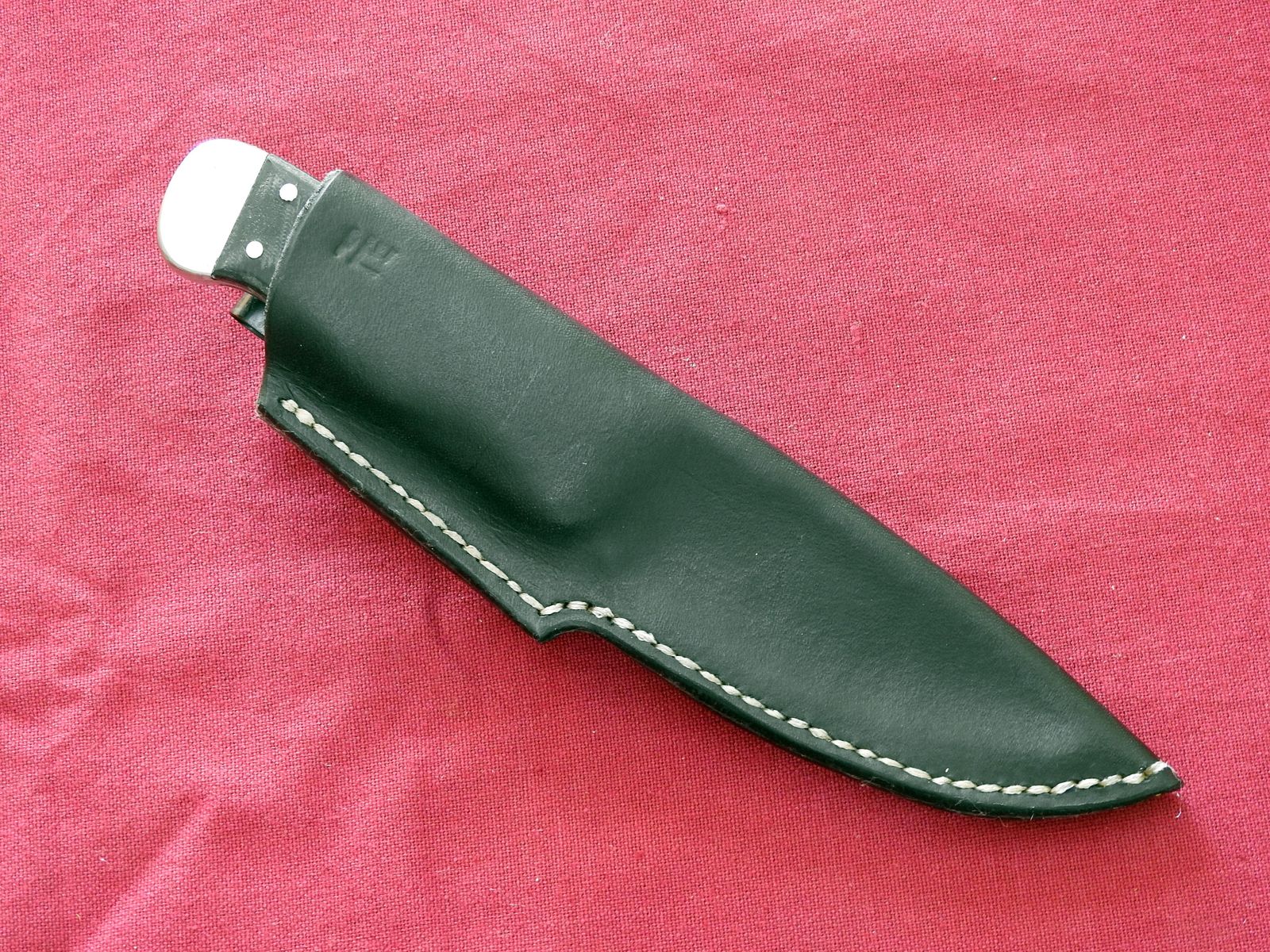
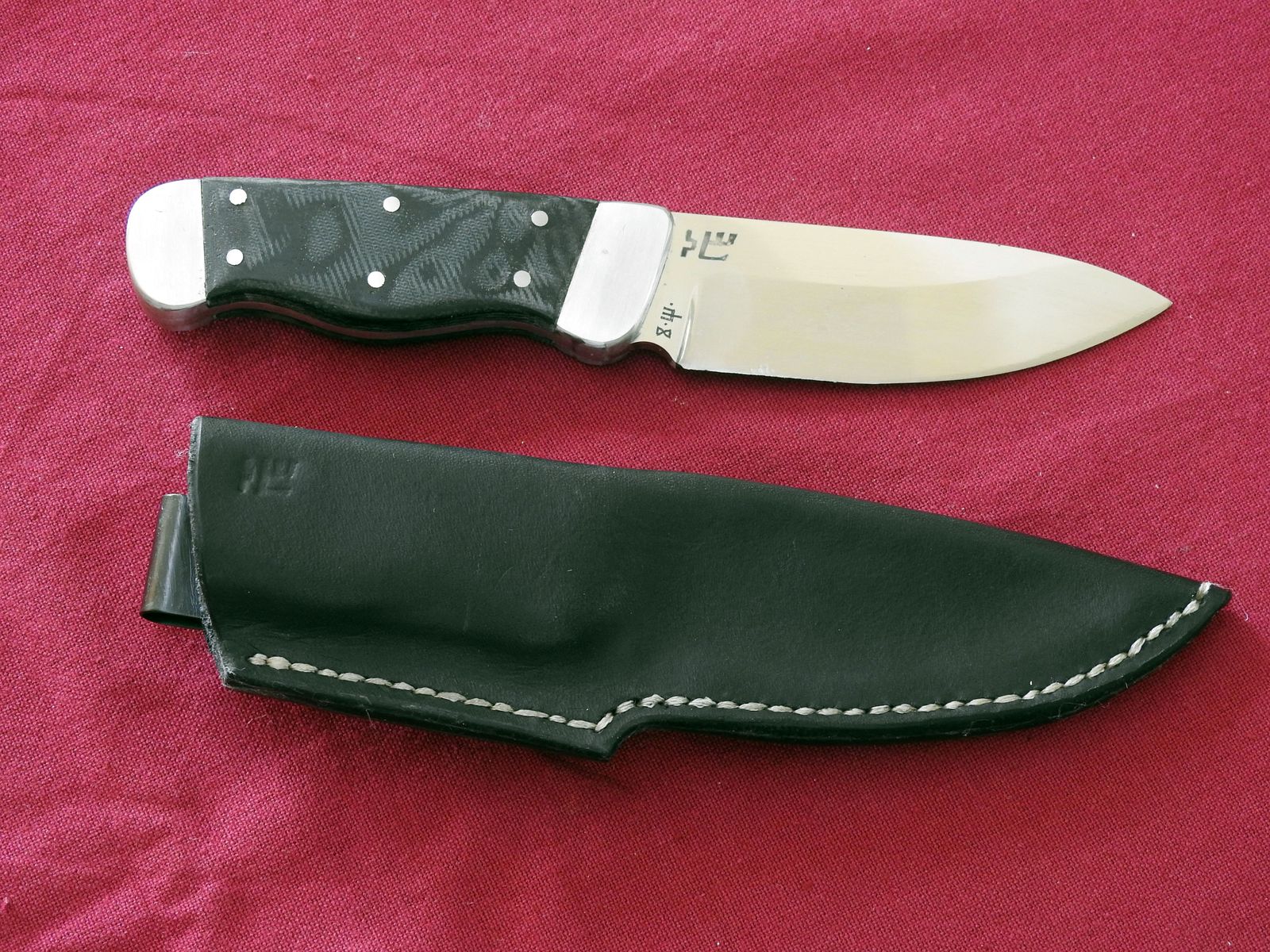
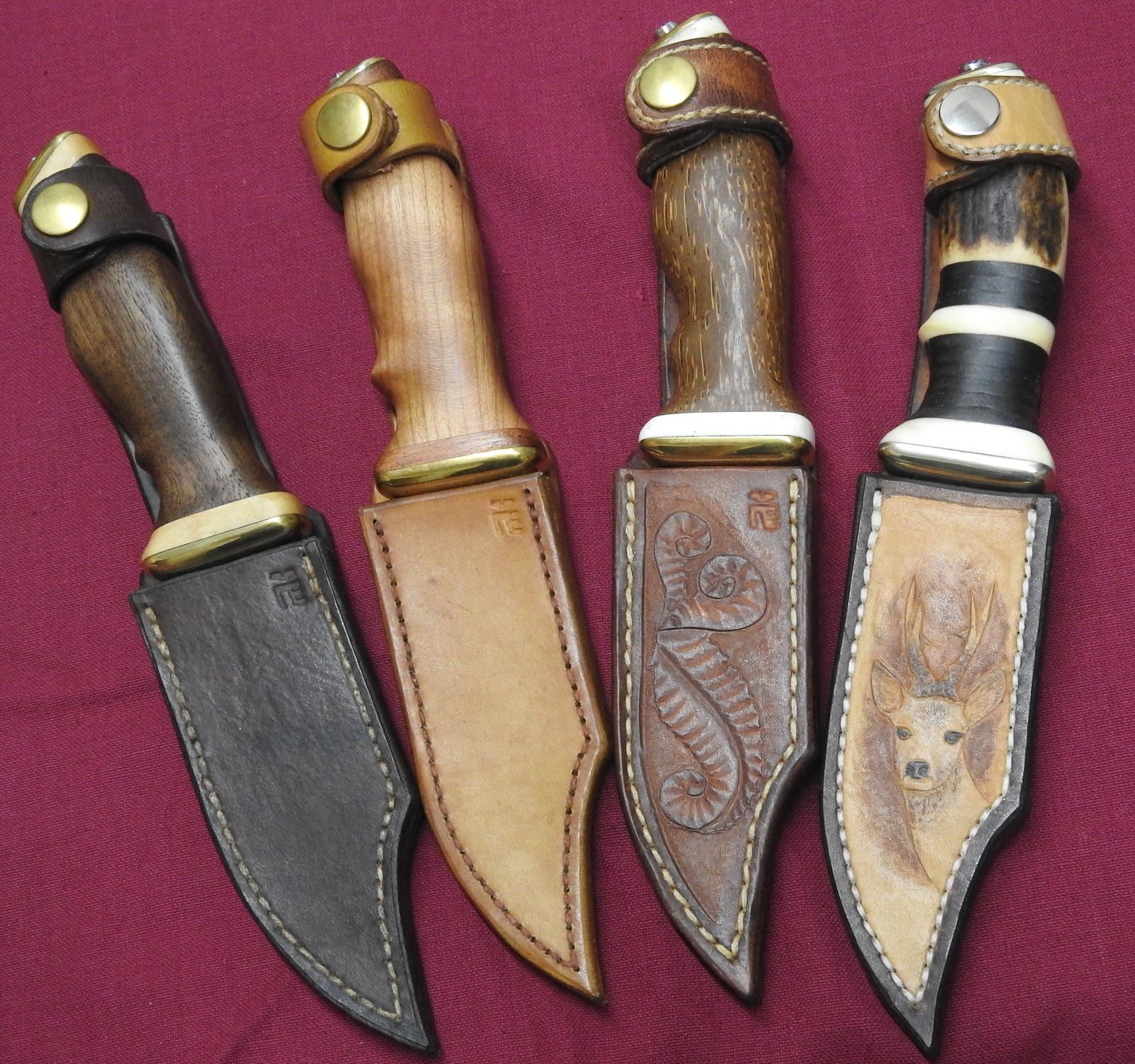
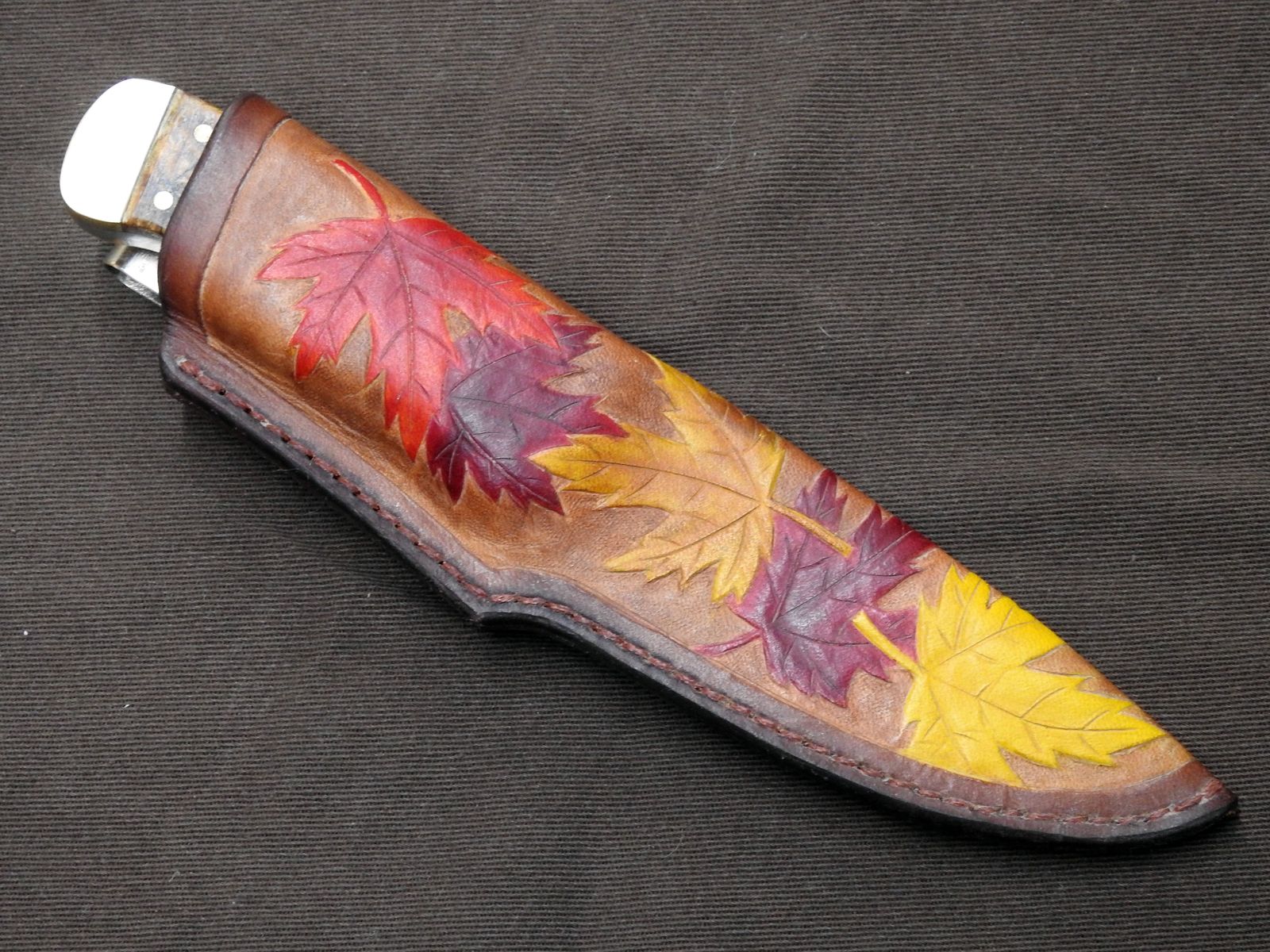
The original plan was to make ordinary knives, no fancy stuff, no distractions, just to build up some stock for sale when the bureaucracy here finally gets its act together. But I did not stick to that plan too well. First I got distracted several times making new tools, then two knives came out so nice that I thought it a shame to not make sheaths for them that are just a little fancy. But after two months, I have finally finished four pieces.

Today I was trying to take pictures, with very varying success. For reasons that I do not understand, I get usually the best results with reddish/magenta cloth background.

Here are the four knives, details, and some talk about each piece are below the fold.

© Charly, all rights reserved. Click for full size.

[Read more…]

Autumn in a Flower Patch

I have tried to plant some strawflowers this year and I am going to make an even bigger patch next year. They are beautiful and butterflies and bees simply love them to bits. I have several red admirals there during a sunny day.

There are ten pictures, so nine are below the fold. Do you recognize the bee mimicking hoverfly?

© Charly, all rights reserved. Click for full size.

[Read more…]

Starling

I had an extremely bad year bird-watching wise so far. There are definitively a lot fewer birds around than there used to be.

For example, only a few starlings came by to harvest all the surplus aronias. And only one was visible enough to take a picture. Normally, at this time of year, the tree should be stripped bare by starlings and thrushes heading south.

© Charly, all rights reserved. Click for full size.

I have not seen a single golden finch, greenfinch, or siskin the whole year. Neither have I seen any fieldfares, or thrushes, and just a few blackbirds, very sparsely. Chaffinch song is usually a constant presence the whole summer – and this year I cannot remember hearing it even once, despite chaffinch being supposedly the most common bird of central Europe.. And in the last month or two tits and sparrows  – the consants of my garden the whole year – have disappeared too. Redstarts are still here, but wagtails never showed up.

I fear this is a real environmental problem and a local sign of a global catastrophy.

My Little (Stitching) Pony

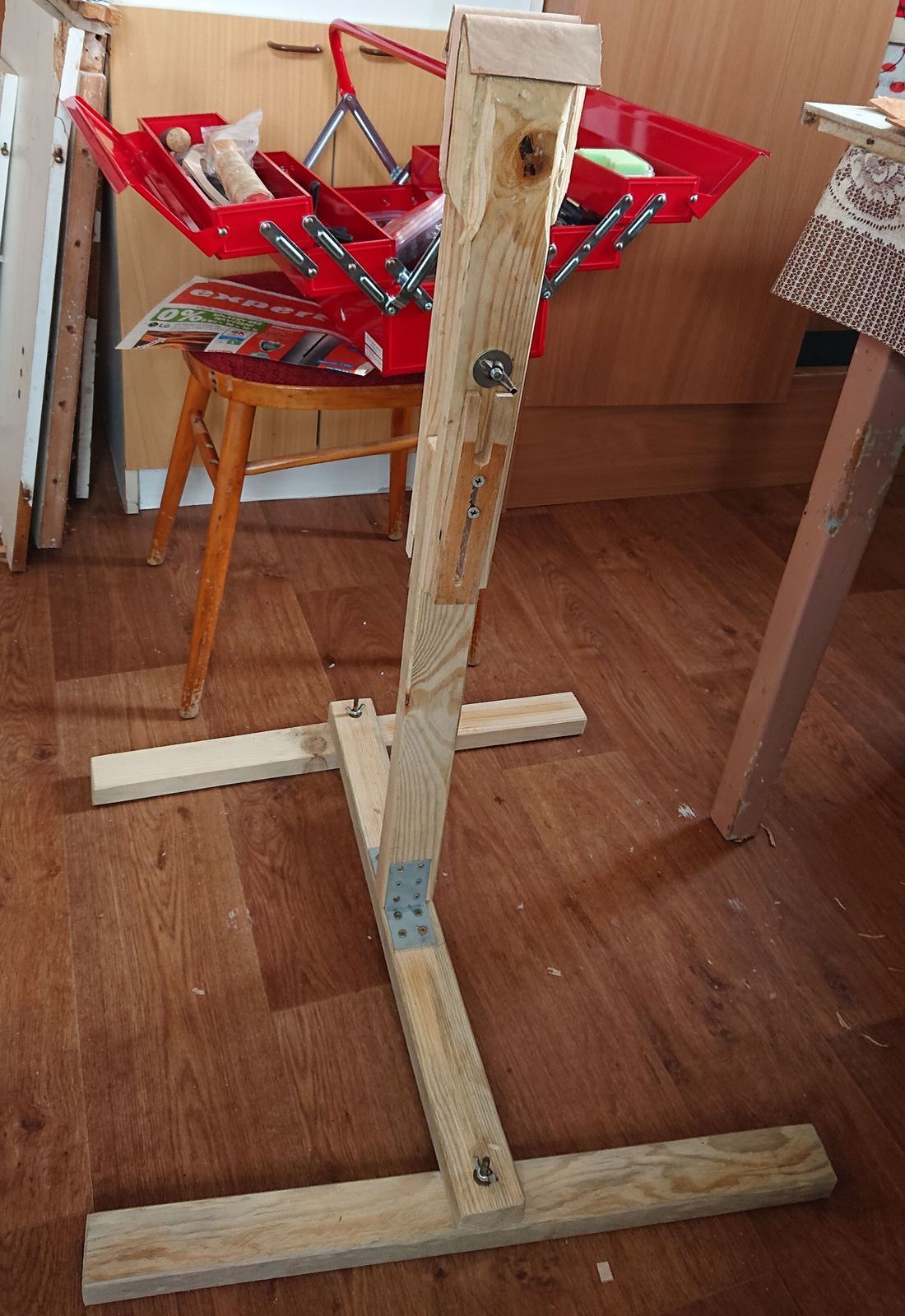
Since sewing leather sheaths whilst holding them between one’s knees is a huge pain in all kinds of regions, I have decided to bite the bullet and build myself a small stitching pony. It is very simple, but, as usual, it took me way more time to make than it should have. Here it is for you to admire.

© Charly, all rights reserved. Click for full size.

It is made from reclaimed firewood, so I have spent a lot of time sanding of splinters.  The “H” formed base is for stability, but the two planks are only fixed with one screw each and tightened only with a winged nut. That way I can loosen them, and fold them so the pony can be put out of the way and leaned against a wall when not in use, together with other useless junk I posess, like painter’s easel.

You can also see that I have bought a suitcase for my leatherworking tools. It is already full to the brim and I have barely begun :(.

© Charly, all rights reserved. Click for full size.

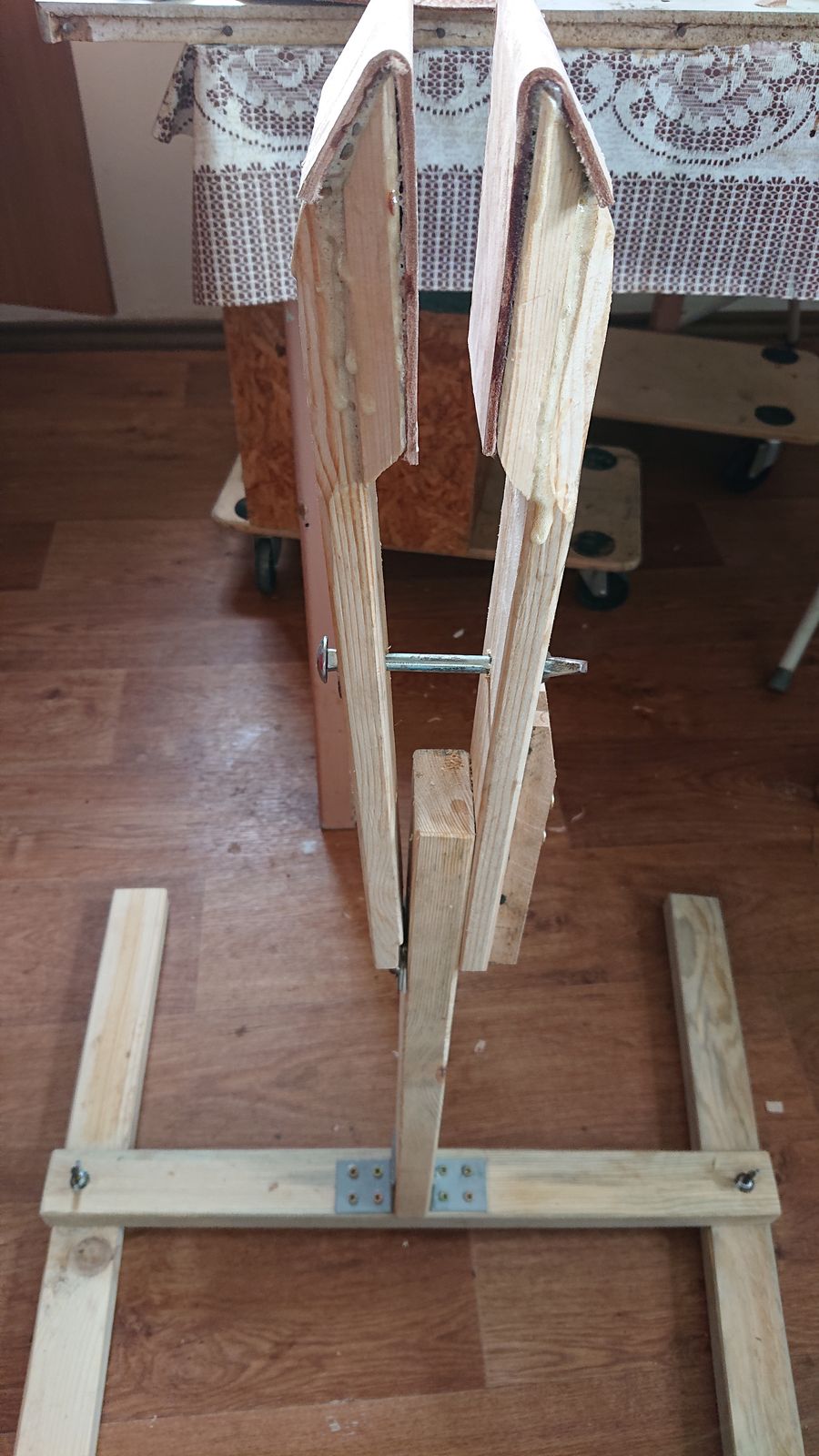
Jaws are covered with leather, here it is not fully trimmed yet. You can admire the high precisisn’t with which I am usually assembling these tools.

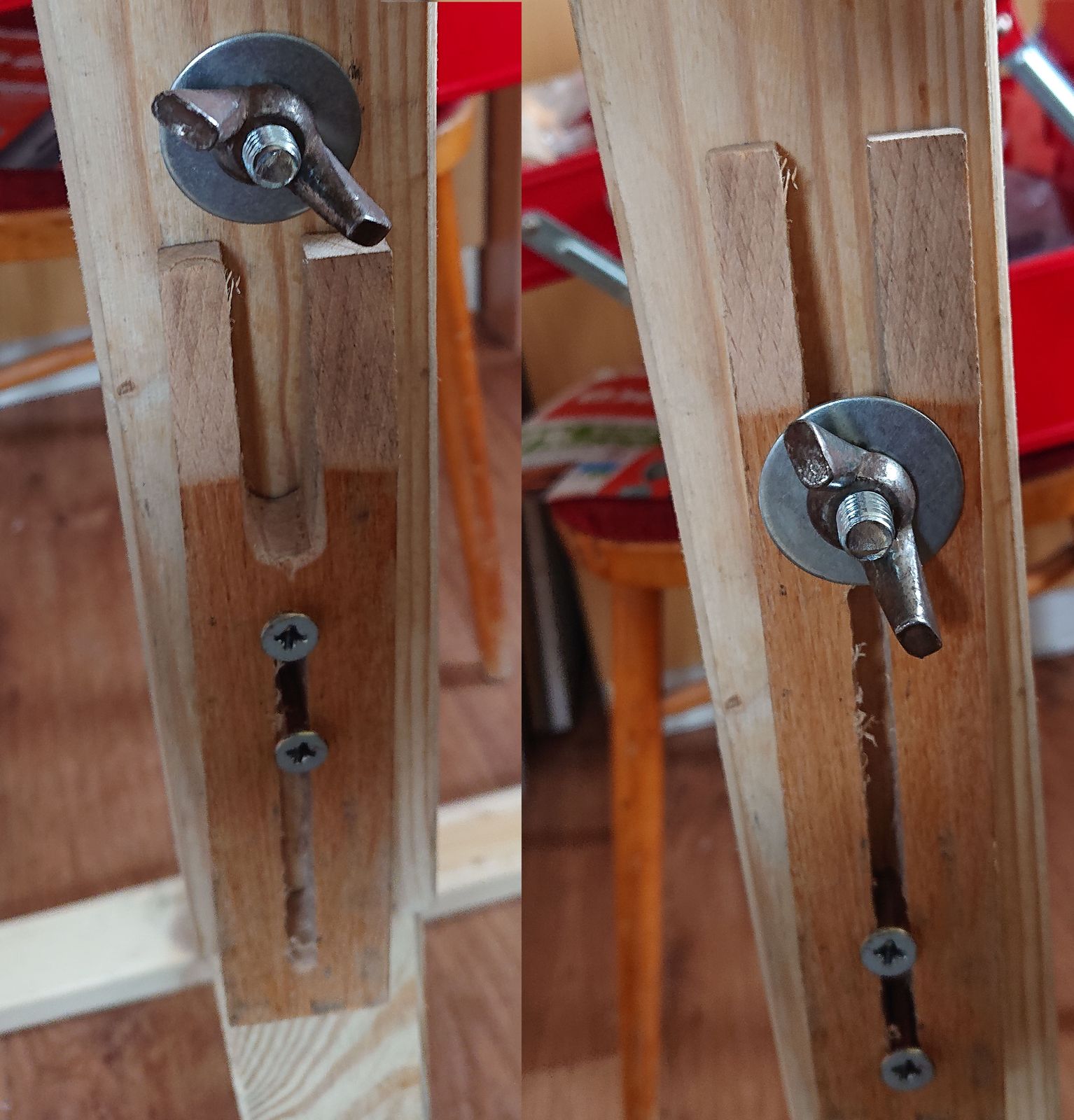
The right jaw is fixed, the left jaw swivels on a hinge. They are tightened via one long screw with a winged nut. The screw is deliberately very loose, so it cannot be overtightened.

© Charly, all rights reserved. Click for full size.

A piece of wedge-shaped hardwood with slits slides on two screws and under the winged nut, allowing for a sort of easy quick-tighten and -release tool.

It works as it should. Like all tools, it gets some getting used to, but it does make the leather stitching several orders of magnitude easier. I have tested it today and I was definitively a lot quicker. And my back hurt less.

Expect some leatherwork in future too. Hopefully.

I Was Like a Fox in the Henhouse…

Today I took a day off of any duties and works and I went for a walk in the forest, with my camera. And right at the edge of the forest, I got distracted.

© Charly, all rights reserved. Click for full size.

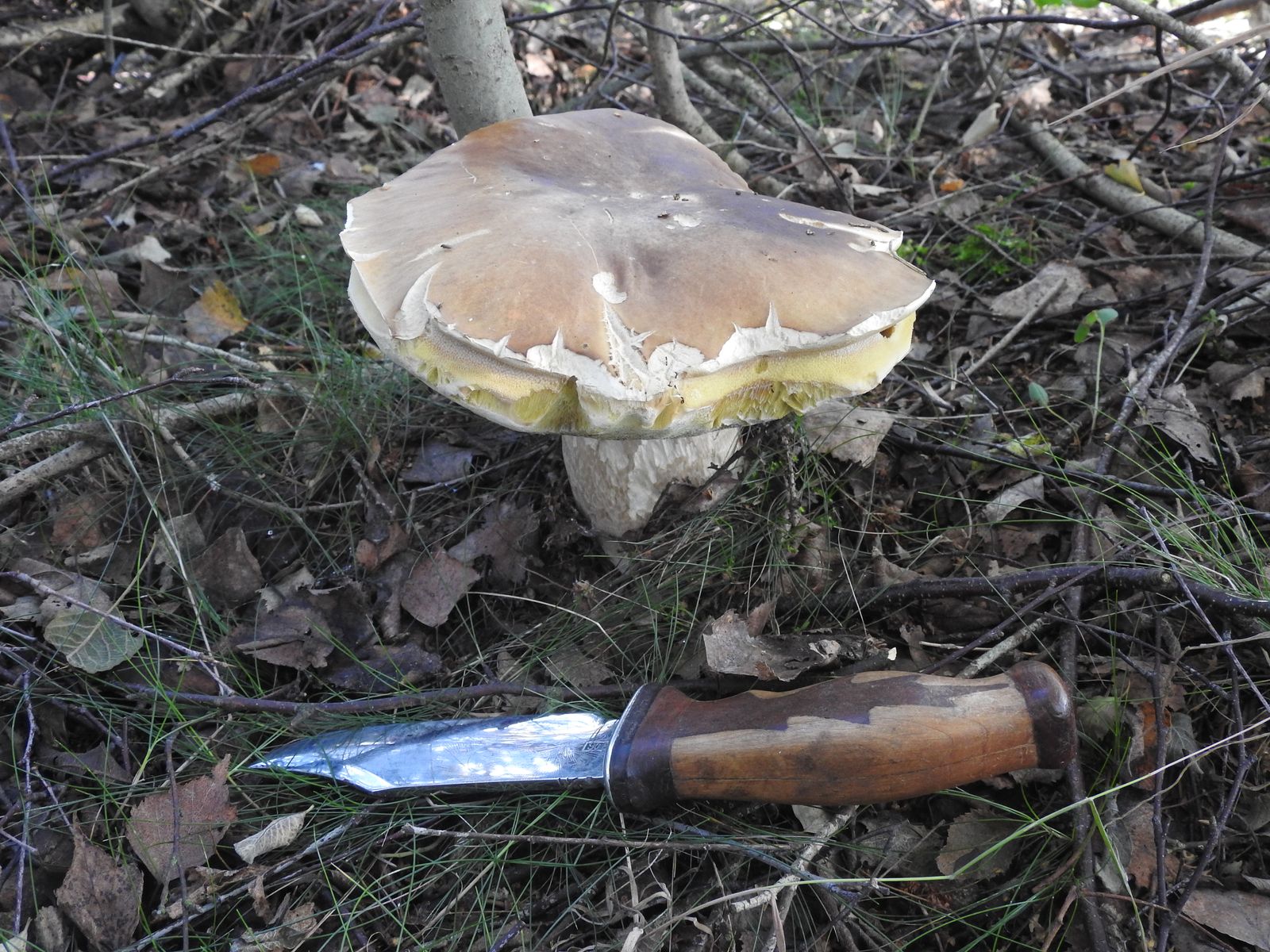
I had planned a long picture-taking walk, about five-six kilometers. I had drink and snacks packed, an audiobook prepared, and just in case I find some mushrooms, I had two cloth shopping bags in my backpack. I thought maybe I find enough for a dinner.

© Charly, all rights reserved. Click for full size.

Boletes are growing in huge numbers. I did not even get to the best places and I filled both shopping bags before venturing so much as twenty-thirty meters into the forest. They weighed about five kilos each, here you can see them after I took a hefty portion off the top to give to my neighbor, who likes them, but, like my parents, is too old to go collecting herself.

© Charly, all rights reserved. Click for full size.

My tiny kitchen counter was covered in mushrooms. It took me about six hours to clean all these and cut them. Most were cut to slices to dry, but some were too soft and spongy (and there were some blushers in there too) and had to be cooked right away.  And even though there was a lot of waste, I still filled the whole vegetable dryer and a table with drying, and my biggest pot with cooking. There are good ten-twenty meals in the pot, so after it all cools down, they will be divided and packed into small portions and frozen.

I must apologize, I did not make any pretty pictures for you today. But I am really tired, despite my walk being only about one-fifth of the length I planned.

Oh My Potato!

There is a lot of talk about sustainability and growing your own food etcetera. So I wish to share this year’s results of our efforts in this regard, specifically potatoes.

In the spring we bought 20 kg of potatoes for about 40 € including shipping. We planted them to a patch approximately 40-50 square meters and now my father has great fun harvesting them.

Typical potatoes, ones that go into the cellar for storage look like this.

© Charly, all rights reserved. Click for full size.

Then there is also a lot of “beads” which are very small potatoes, and a lot of potatoes that are damaged by weeds, slugs, bugs etc. Those need to be consumed first. But this year it looks like we do get reasonable amount of big potatoes in good condition. And whilst the saying in Czech goes “Čím hloupější sedlák, tím větší brambory” (“The dafter the peasant, the bigger his potatoes”), I think that saying just reflects the enviousness in human nature. Because getting reasonably big potatoes, regularly, is not easy.

The main problem with potatoes is that they need light, humous soil, and the soil in our garden is more like heavy clay. In the vegetable patch, it is a lot better, because that soil is a result of careful cultivation over several decades of tilling the clay with compost, manure, wood ash, and fertilizer. Still, it is far from ideal and way too sticky. So this year I have tried to improve the soil further by adding a lot of organic material directly around the potatoes during planting, specifically crushed reed stalks from my sewage water treatment facility. It seems to have helped – a few plants were planted without the reed stalks and their potatoes were visibly smaller. Also, the soil with the crushed reed is easier to tilt and falls easier apart. So it seems I have a use for the reed stalks, which until now were a waste-product.

But even without those, each year when we grow potatoes, there are outliers like this ca. 500 g (>1 pound) specimen.

© Charly, all rights reserved. Click for full size.

Pieces like these bring great joy to my father, who currently really has fun with garden fork tilling the patch and getting the potatoes out. We have a small tractor, but my mother has urged me not to use it and leave my father to do the work manually – he needs the exercise and enjoys doing it. And although he impales some potatoes on the fork, the damage is smaller than the plow would do. For example, this 950 g specimen got impaled and needs to be eaten asap, but a plow would probably just cut it in half.

© Charly, all rights reserved. Click for full size.

Well, that one is really an outlier. It can feed the whole family for a day. It would be great if they were all like that, but that is alas unattainable.

Ok, enough bragging and back to the sustainability issue and soil care a bit.

We have planted circa 200 plants. We get at least 120 kg of potatoes from it, so on average 600 g from each plant. That means we could, theoretically, set aside 20 kg for next year and still have 100 kg to eat. So how does that help us re: self-sustainability? It is just about 600 g of potatoes per week per person in our household, so two-three servings. That is a lot, being a significant money saver. But it still does not bring us anywhere near to being self-reliant.

The first obstacle to that is of course the sheer amount of land needed for true self-reliance. I almost have the land, but the soil quality on most of it is very poor and it would take years of back-breaking work to bring it up to scratch with the vegetable patch.*

The second obstacle are nutrients. Potatoes have about the highest yield per area of all crops that I can grow here, but they also deplete the soil of nutrients really, really fast, and can destroy it. I do not need to go too far to see a real-life example of this – my neighbor does not make compost, does not take care of her vegetable patch the way we do, and she did grow potatoes always in the same spot for many years. The soil got sour, and the potatoes were getting so small it was not worth the effort anymore.

The third obstacle is pests and diseases. We solve this problem by twofold approach – we spray the potatoes against mold and beetles, and we only grow them every second year. It seems to work out well, but should we try to be self-reliant, it would double the needed land again. We alternate them with onions, pumpkins, and legumes, which also produce reasonable harvests, but nowhere near to be significant on the same amount of land. Alternating the crops also reduces the amount of pesticides we use, since onions and legumes do not need to be treated.

The fourth obstacle is the sheer amount of work needed. My father does most of it, with me only doing the most difficult parts like plowing, and it takes a lot of time and effort throughout the year. To feed all three of us that effort would be tenfold.

This makes me highly skeptical about growing your food on the windowsill or front porch. But even so, I think it is a great idea to plant some vegetables in pots on your windowsill or front porch if you can, just do not expect any wonders regarding the amount you will get.

What you can expect though, is great taste. Supermarket bought vegetables cannot hold a candle to anything you grow by yourself.


  • The poor soil quality around here is one of the main reasons why many fields were converted to pastures and meadows after the Iron Curtain has fallen.

Mowing Pictures – Part 1 – Butterflies

I made these last month and then I forgot to post them. Well, the pictures are not that good, they were made with my phone. But I still think they are worth posting.

When my neighbor has finally mown the meadows surrounding my house, he left a bit unmown just in front of the gate into my garden. He always does. I do not know why maybe he is afraid that he will damage the geodesic leveling pole that is positioned there. Regardless of his reasons, I have to mow that piece with a scythe, and this year I have made a few pictures of the various critters and flowers that live there whilst doing so.

© Charly, all rights reserved. Click for full size.

© Charly, all rights reserved. Click for full size.

© Charly, all rights reserved. Click for full size.

© Charly, all rights reserved. Click for full size.

Punch and Die (and Fun)

I do not have the genius of Leonard da Quirm, but I do share one trait with him – I get easily distracted and sometimes spend several days trying to shave off a few minutes of some task or save a few bucks. Sometimes the effort definitively pays off – as in the case of my belt grinder or my forge burner, sometimes it is a success but with a question mark whether it was worth it – like the unbender (now I know it was worth it, btw, I have used it several times already and it is time-saver), and sometimes it is a bit of a flop, as when building a vacuum pump. If I had a definitive fail, I do not remember it, and so I allowed myself to get distracted again these last two days.

I have a problem with making metal bolsters, handguards, end-caps, and pommels. As in, it is difficult to get material thick enough to make them pretty, and even if it were not difficult, the result would be overtly heavy and thus would put the knife balance totally out of whack. The proper way to make bolsters and end caps is to make them hollow, and there are techniques for that. One of them is forging – as I did in the rondel dagger project. But that is labor-intensive, has poor reproducibility, and requires special tools anyway. Or I could buy prefabricates and adjust my design(s) to fit what is already on the market. Screw that!

So I have decided to make some new tools, and test them. The inspiration was a technique of minting coins before the invention of fly screw-press, which I have seen as a child in some black and white movie which has shown the making of Prague groschen at Kutná Hora. I remember nothing else about the movie except the part where they strike a punch on a silver blank with a hammer and thus make a coin. I think there was some drama and history in there too…

First I have made a die out of 5 mm high-carbon tooling steel. It consists simply of two holes – one for the bolster and one for the end-cap  (I have chosen my small hunting knife as a pilot project because I think the design will be improved a lot by it and because I do plan to make more of these knives in the future). Second I have ground two punches out of square stock of high carbon tooling steel that I have scrounged at my previous job. Grinding the forms with angle grinder was not easy, but it was not insurmountably difficult either. I had actually a lot more trouble with welding onto it the 15 mm round stock for holding the punch in place and for striking – my welding sucks, bigly. And because at least the first strike needs to be real mighty, I have built a small wooden stand to hold the punch in place for that.

© Charly, all rights reserved. Click for full size.

With the assembly on the concrete floor, as you see it in the photo, I have given it a mighty whack with my puny Mjolnir. And I rejoiced because it was a success. To protect the floor from damage I have put it on a steel plate for subsequent tries and I went and punched four sets for the four blades that I have currently in making, three out of brass and one out of pakfong.

© Charly, all rights reserved. Click for full size.

The pakfong was a bit thicker than the brass so it gave me some grief, thus the surface is not so smooth on the end-cap – I had to whack it several times and it wandered off the die and I struck it without noticing it. But that should not be a problem, there is enough material in there to polish these dents out.

It took me mere minutes to punch all these, and after a long time, I was really, really happy for a bit. There are a few details to iron out – like making a better stand for the punch, making it so I can put it safely on my anvil, figuring out the ideal amount of overhang and so forth – but it functions as it is and it is a massive saving in time already. Whether the knives will really look better remains to be seen, but I am confident they will. Further, this opens a lot of new possibilities for knife designs for me.

I Probably Won’t Do This Again…

After a month of work, I am finally at a phase where I have something to show for it. The kitchen knives are in the tumbler for the second day now, tomorrow I shall check if they are ready or not. But it need not hurry, I have enough to work with – eight fully polished blades.

© Charly, all rights reserved. Click for full size.

Today I have etched the logos and numbers on these because it is easier to do on a naked blade than on a finished knife. Now I can finally work on finishing at least some of these into final products while the kitchen knives tumble.

Working in bulk does save significant time and even resources, but 18 blades in one go was a bit too much. I am going to reduce the batches to 8-12 in size. That way it should keep its savings, but the polishing hell will not be that long. Polishing is extremely onerous and unrewarding work because one keeps doing the same thing day after day, working through the row of belts with very slow progress. With one knife, it is one-two days of a boring slog. With eighteen knives, it was three weeks – and one of them got broke and nine only to 120 grit before going into the tumbler, if not for that, it would be even longer.

These are not perfect, some of them have serious problems regarding symmetry, although only in one case it is visible with the naked eye. On all of them is it visible with calipers. I am starting to doubt that I will ever do a good job, but there are some signs of progress. One of those signs has, unfortunately, a bit of a negative consequence on these blades, all 17 of them – they are a bit thicker than I expected (a few tenths of a mm). That is because I have gotten a bit better at working on the belt grinder and thus I did not grind away as much material as I used to by having to correct mistakes

Mind you, they all will cut perfectly fine even so, and some of them already do despite not being sharpened yet. But a thinner blade will always cut better. On the other hand, these should be extremely sturdy and should be able to withstand even some serious abuse, and that is a plus for a hunting knife. We will see if there will be people willing to pay for these without bashing me over the head afterward.

Now to think about how to dress-up these blades and the accompanying sheaths. I think I have quite a few more weeks of work ahead of me, but now it should be creative work, and therefore much more fun.