
Oh no. I have been asked for dietary advice.
I am not qualified. I’ve never taken a nutrition course, I have no degree in the field, you should not take nutrition advice from me. That’s the simple answer.
On the other hand, I’m aware of the problem: there are unholy swarms of people and ‘influencers’ who have less knowledge of basic biology than I do who are flooding the zone with all kinds of cockamamie ideas based primarily on ideology. Sometimes the people who pretend to have the most knowledge about the human body give the very worst advice, so how do you figure out what is good advice? I mean, you’ve got total wackaloons who have driven themselves into induced comas and neurotic breakdowns telling you to eat nothing but beef; you’ve got other nerds insisting that everyone must avoid meat, eggs, and gluten (which is necessary for some people); and then you’ve got breatharians and other insane people who believe in living on diet Coke and Big Macs.
On the third hand, human beings have survived for hundreds of thousands of years without TikTok, eating what was available and tasted good, and cultivating wonderful cuisines without relying on bizarre notions of what some wild-eyed skinny fanatic said. That’s the thing about nutrition: traditions are good guides because they’re the product of people who survived their diet. OK, French sauces and hakarl might be extreme and bad for you in the long run, but human experimentation also gave us curries and bread. We haven’t died of anything like that unless consumed in excess.
My general guide to eating is simple: moderation in everything. Avoid heavily processed foods. Try a variety of things, a ‘balanced’ diet. Beans, rice, and potatoes can be the solid foundation for your diet, and have the additional virtue in these tight economic times of being cheap. Build on them with spices — I feel like one of the cardinal sins of the American diet is the spice deficiency. Spices make mundane, boring, but reliable staples interesting and allow you to get flavor without feeling like you have to indulge in buying exotic, expensive, heavily processed foods.
Add stuff you can find in season. I like to add a piece of fish to a meal for a bit of richness…or use an egg, or some broccoli, or a side of peas. Avoid uniformity.
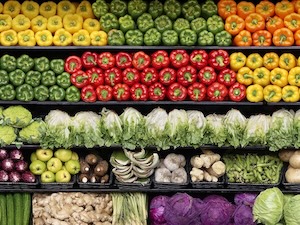
Learn how to make a paella, or a curry, or a stew. Just the process of assembling all the elements of these kinds of foods guarantees that you’ll get a dietary variety, and it will taste good. I trust tradition far more than I do the latest influencer fad. Your best bet is to ignore people like me and just spend more time in the produce section of your grocery store, gathering up tomatoes and turnips and cabbage and mushrooms and carrots and peppers and onions and cauliflower and green beans and garlic, and then figure out how to cook them and make a delicious meal. Pick up a variety of fruits for dessert.
It takes a bit more effort than picking up a box of premade something-or-other, but it would be better for you.

Local store has a ” half price basket” with veggies that need to be used soon. Shopping there earlier today, lunch was mixed veggies. Have to find a use for a soft banana and a lime later today.
Okay, I already wasn’t even thinking of doing so but now I definitley won’t.
Fruit flies and an occasional mealworm treat.
Although I do suspect that a diet of mealworms & diptera species is.. better than some possible diets that are out there.
By which I mean ..waaaa-aay out there but also too fucking common and too often promoted by people with even less expertise and a far greater defcit of modesty and knowledge of their lack of knowledge.
Also I might need to diet but I sure as fuck don’t want to.
I’d like to work to expand my diet a bit. My palette has been drawn to the batter fried side since I was a kid (autism contributed with sensory issues about taste and texture), so I’m looking to ease into healthier fare with baby steps. For one thing I’ve been experimenting with making my own air fryer french fries to cut down the fatty oil and experiment with seasoning.
I’m an insulin dependant diabetic with hyperkalaemia. and I haven’t eaten a banana in decades. But on repeated nagging from well-meaning sources I kept pushing up my vegetable and fruit consumption, reducing meat and increasing fish… and sent my blood Potassium far too high.
You made me want your recipes.
Heart attack at 68 yo, also 30 lbs overweight. Six months researching nutrition and diet, and deciding on revised diet. Note: I love bread, love to make it, smell it, eat it.
Revision: dump most of the carbs, carbs of all sorts. That quarter of the plate traditionally filled with white stuff: potatoes, rice, bread, pasta, etc. – gone. Over the next year the 30 lbs disappeared, and everything got better. Have always liked fruits and vegetables and protein, so when the carb overload was removed, my remaining diet was good. Then add in regular exercise, and ten years later I am healthier than I’ve been in several decades. The path forward isn’t complicated.
I’ve been watching my share of influencers. Nutrition Made Simple by Dr Gil Carvalho seems one of the more authoritative as he actually dives into the science. Dr Layne Norton also does some science diving but I take him with a grain of salt.
Lately I’ve obsessed over glycemic index. Baked potatoes are pretty bad in that regard. Brown rice maybe not so bad.
Also raising my cortisol levels worrying about what might spike my cortisol levels, like maybe pre-breakfast coffee. Cortisol may add to your gut as visceral fat?
Trying to eat protein and veggies first then carbs to modulate glucose spikes. I’m not anti-carb but trying to not overdo them. Some days I focus on a more carnivore approach. And use sleep as a morning pre-fast and eat later in the morning after a long walk.
My focus is higher protein and fiber and moderate carbs and healthier fats. No added sugars. Ever!
Also have gone 6 weeks without beer. Alcohol kills your liver’s fat burning mode as it works to detoxify your alcohol intake. Good enough reason to not drink IMO. Plus saves money.
Did start creatine several weeks ago. Might have an alleged cognitive benefit.
My staples are egg whites, avocados, oatmeal with soy milk/blueberries, salmon packets, chicken packets, legumes, kefir, kimchi, and my vice is ham steak and potato.
Trying to cut my gut. Rome wasn’t built in a day.
PZ, thank you. Even though you deny formal dietary training, you have provided a lot of good info and, as I hoped my comment would, it has encouraged a ‘healthy’ discussion.
Thoughtful people engaging in positive, informed, educating (not indoctrinating nor propagandizing) discussion as a community that cares about its members is what we desire in all our work. And it is so much better than having to doom-scroll through all the reporting of the destructive, murderous, ignorant, knuckle dragging, mouth breathing magat crap!
By the way, we are having an apple, yogurt and homemade biscuits for breakfast.
Also, at my age, I often enjoy ‘oafmeal’. One ingredient: oats, good fiber and no preservatives.
I’ll add to my answer from that thread, in which experts throw their hands up at defining ‘good’ diets; deficiencies are better understood.
https://news.unl.edu/article/nebraska-study-finds-billions-of-nanoplastics-released-when-microwavingTransfer food out of plastic packaging/storage containers before microwaving (heat accelerates plastic shedding). Whole Foods sells plastic-free “compostable cling wrap” (composting takes a few months), which I imagine is less bad inside humans. Meijer sells “compostable sandwich bags”, which are of less nutritional urgency but good to know of.
Dara O’Briain (Comedian): “If anyone describes themselves to you as a nutritionist, just be slightly wary. What they’re saying may be perfectly true, but nutritionist isn’t a protected term. Anyone can call themselves a nutritionist. Dietitian is the legally protected term. Dietitian is like dentist. And nutritionist is like toothyologist.”
* Dietitian is the standard spelling professionals use, despite the word having an irregular ending. Non-professionals have spelled it dietician often enough for the variant to appear in dictionaries.
NPR – Dark chocolate might have health perks, but should you worry about lead in your bar?
Lead in cinnamon: Where do things stand, 1 year after a scary recall? (2024)
* Consumer Reports’ “read more” link at its article included all brand results. The article itself named the least bad brands.
@ ^ shermanj : What no oafs in your oaf meal?
How disappointing. More Soylent Blue than Soylent Green that.
More short pork than long.. ;-)
Er, pig not porok tho’kinda same..
shermanj @11: Oatmeal bubbling over was what finally taught me to appreciate adjustable power levels on the microwave.