
Rudyard Kipling. With the Night Mail. New York, Doubleday, Page & Company, 1909.
via: The Internet Archive

Rudyard Kipling. With the Night Mail. New York, Doubleday, Page & Company, 1909.
via: The Internet Archive

© Charly, all rights reserved. Click for full size.
© Charly, all rights reserved. Click for full size.

© Charly, all rights reserved. Click for full size.
© Charly, all rights reserved. Click for full size.
kestrel is graciously sharing her woven artwork with us, and she’s taken the time to teach us about how this type of weaving is done. I’m sure you’ll agree that it’s fascinating.
Card weaving (or tablet weaving as it’s also called) is a very ancient craft going back quite a ways. A very wonderful find was the Oseberg ship with two women buried in it. Among the many textiles found, there was also a loom with the warp still attached to the weaving cards. However historians believe card weaving is much older than this 9th century find. Card weaving was a technique people used to create very strong and sturdy as well as ornamental bands. Some of the very ornamental bands seen in religious textiles were created this way.
Although I used to weave quite a lot, for whatever reason, I had never tried card weaving. I’d had to give up weaving (there was no room for my very large loom and I had to sell it) but recently I decided I wanted to weave again. My big loom was gone, but you don’t need much to do card weaving.

©kestrel, all rights reserved
And let me play among the stars. (Bart Howard, 1954) The moon fascinates all of us and Avalus is no exception. He’s taken some wonderful moon shots and is sharing them with us.
With these it is hard to not simply say: Look what my toy can do!
Because I kinda just pointed my camera at the moon and, very unexpectedly, got beautiful shots. The advance of photo-technology is pretty amazing, as I remember trying the same thing about a decade ago with my dad’s professional camera and failing to get any more than a washed out disk of light. And nothing for daylight-moon. These were taken by hand or the camera rested on my balcony railing.
Now I need go and play some more Kerbal Space Program.
To the Mün!

©Avalus, all rights reserved
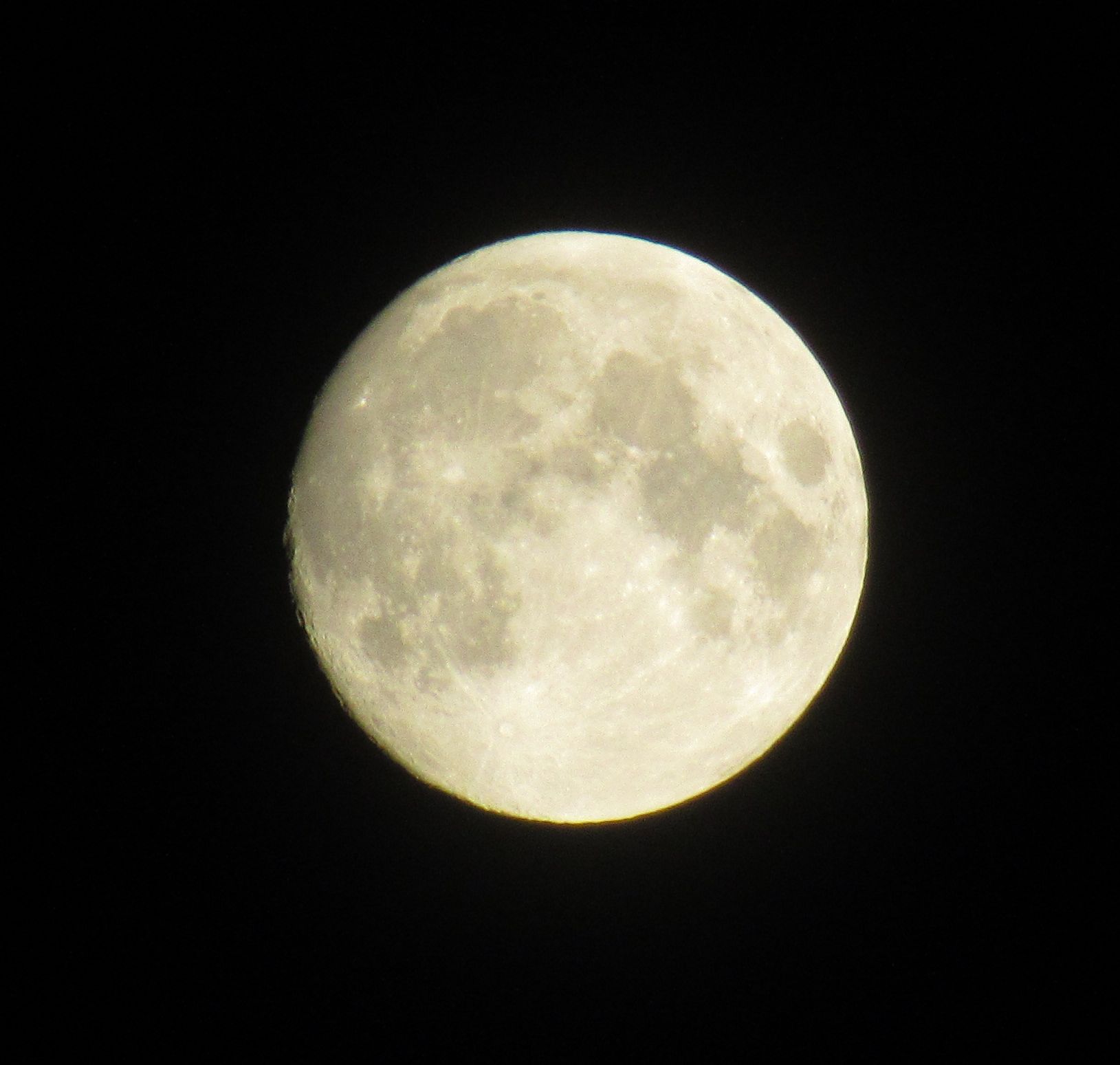
©Avalus, all rights reserved
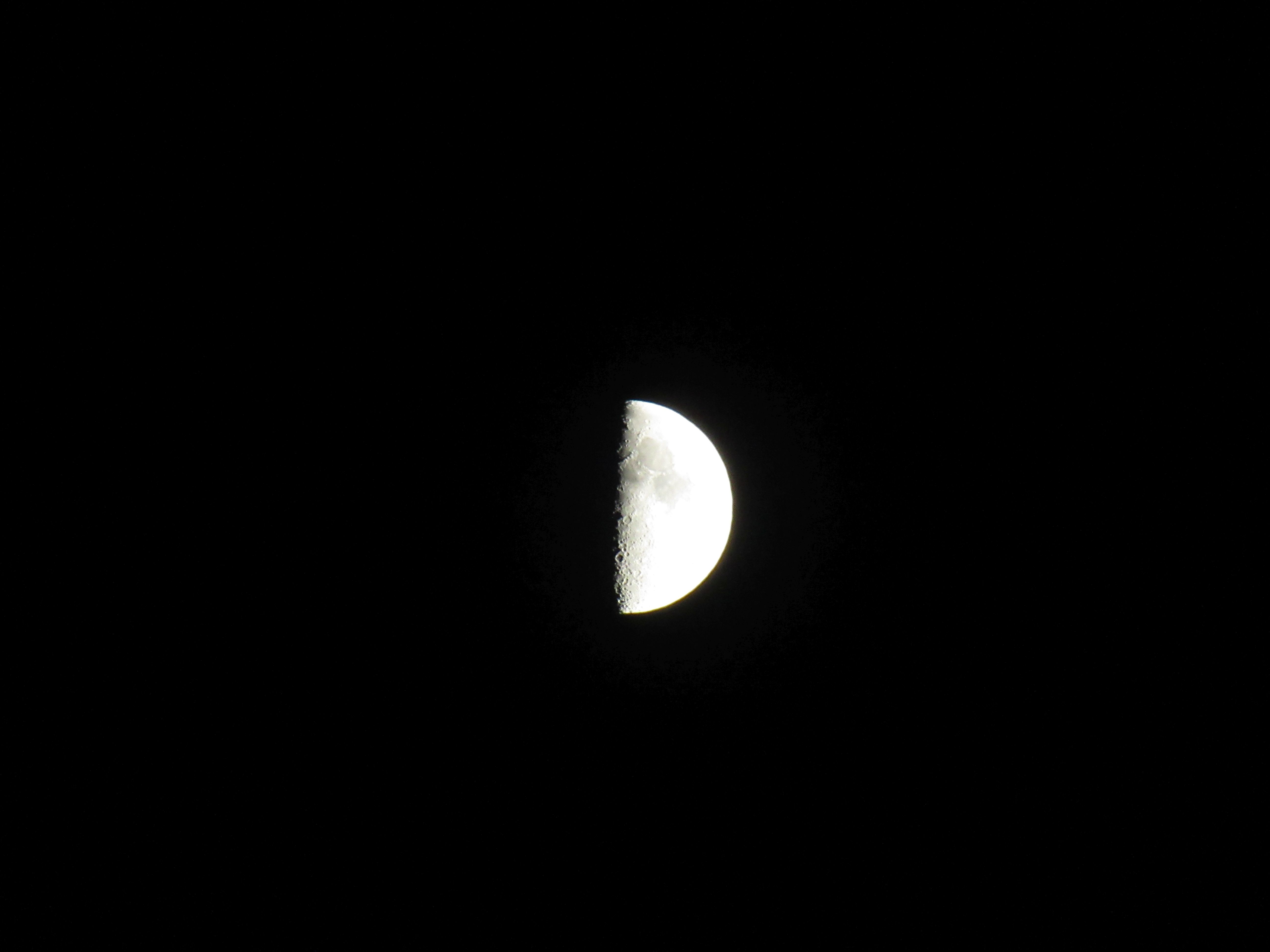
©Avalus, all rights reserved
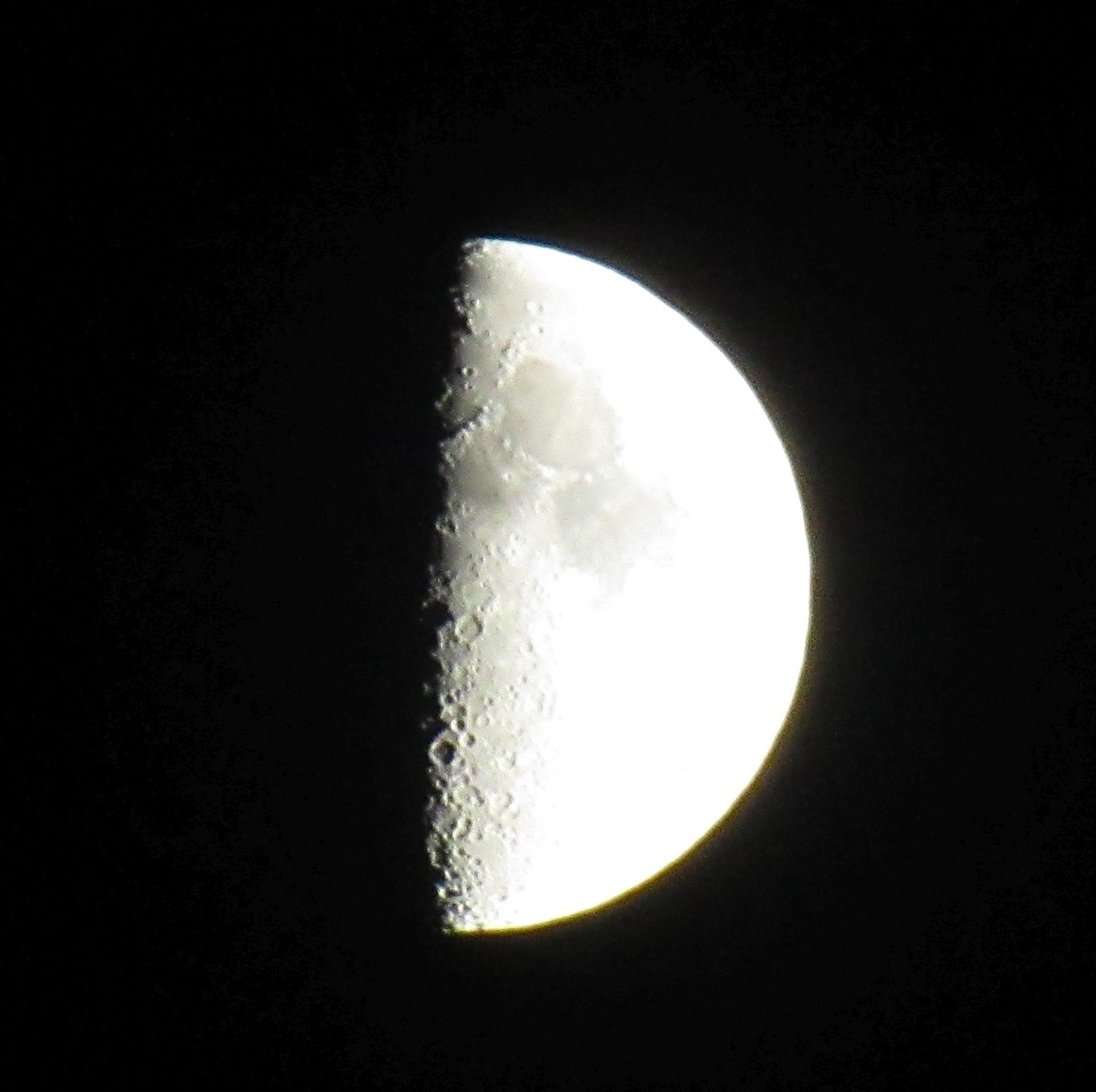
©Avalus, all rights reserved
I made these last month and then I forgot to post them. Well, the pictures are not that good, they were made with my phone. But I still think they are worth posting.
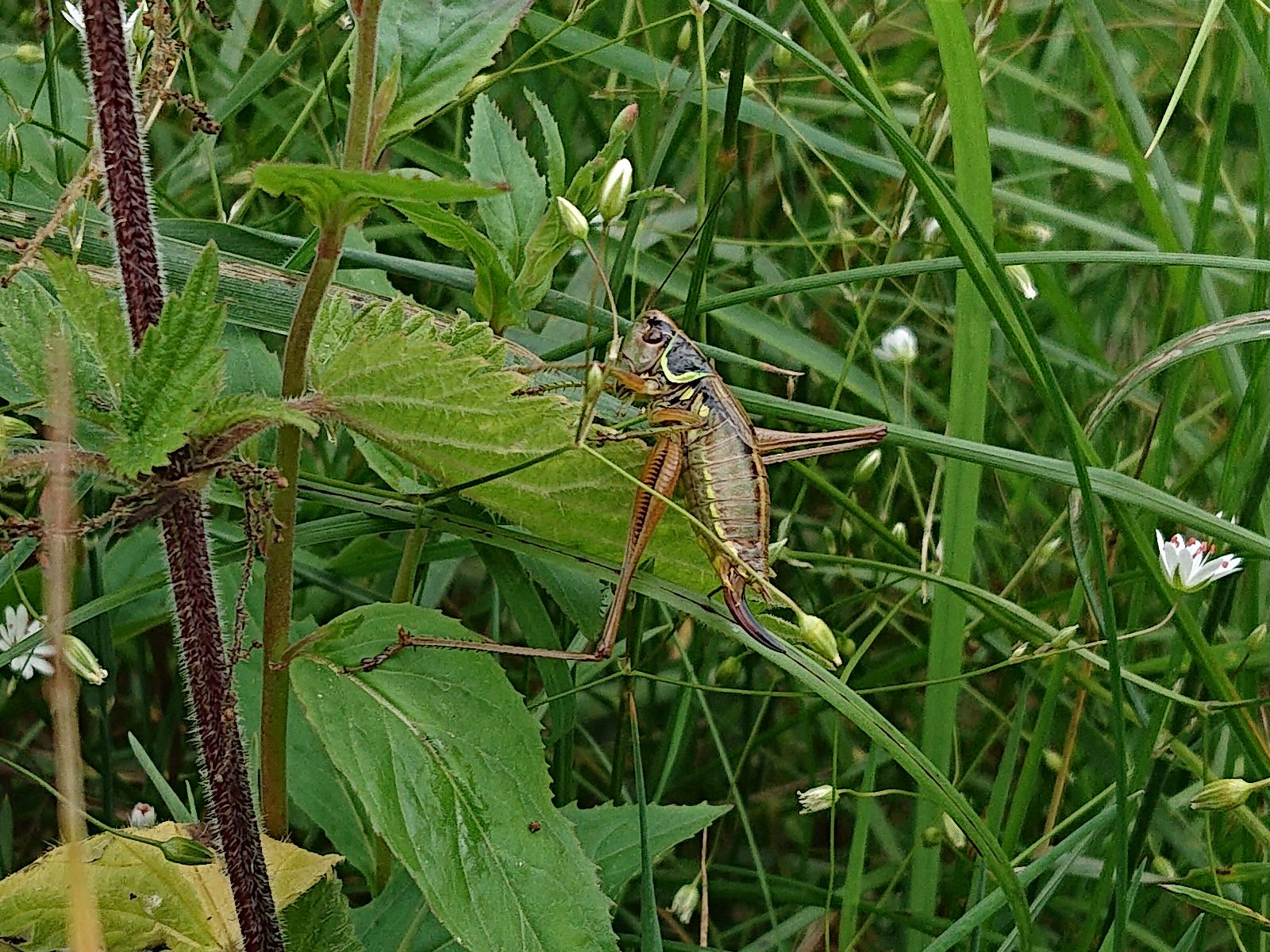
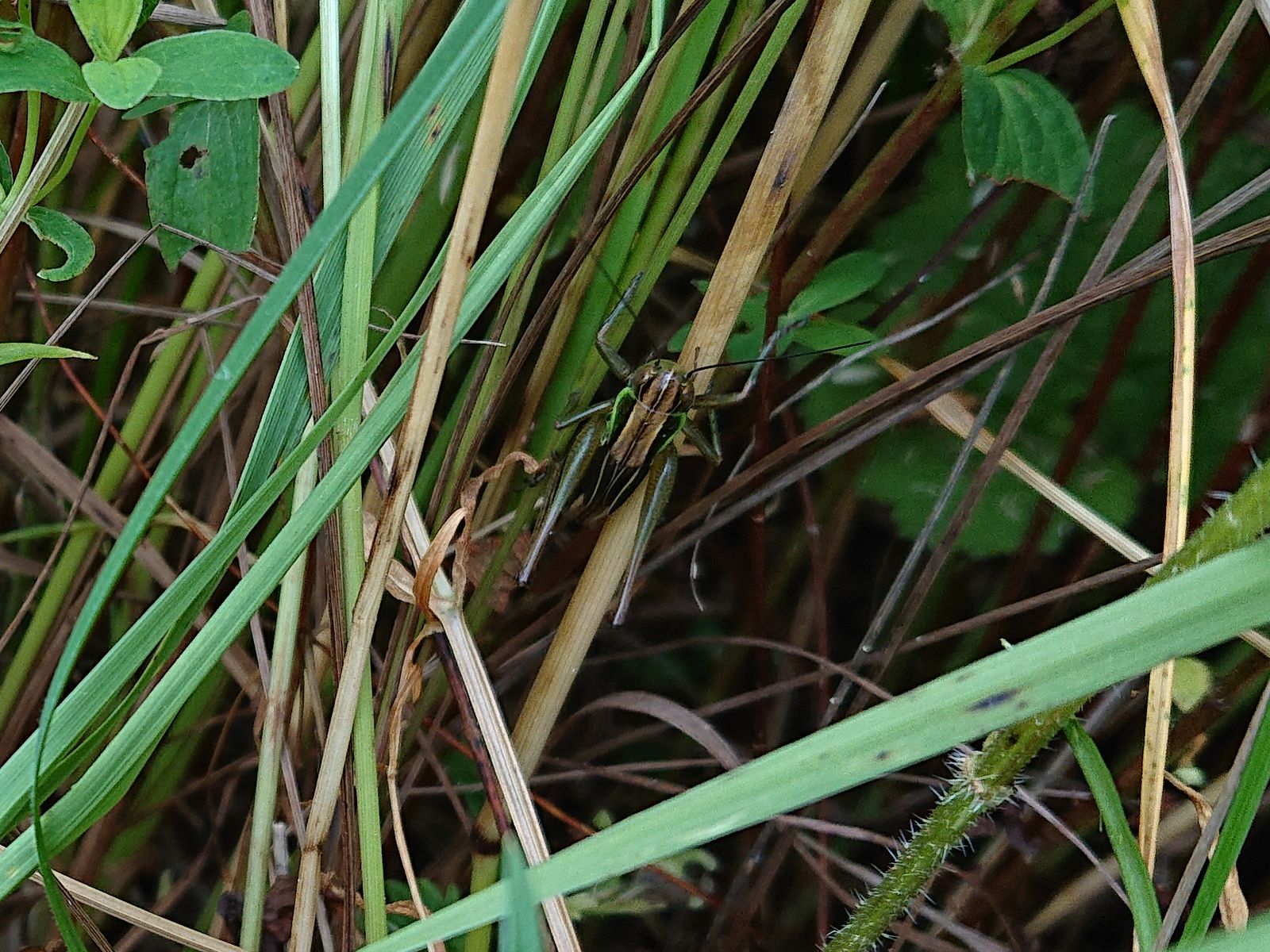
When my neighbor has finally mown the meadows surrounding my house, he left a bit unmown just in front of the gate into my garden. He always does. I do not know why maybe he is afraid that he will damage the geodesic leveling pole that is positioned there. Regardless of his reasons, I have to mow that piece with a scythe, and this year I have made a few pictures of the various critters and flowers that live there whilst doing so.
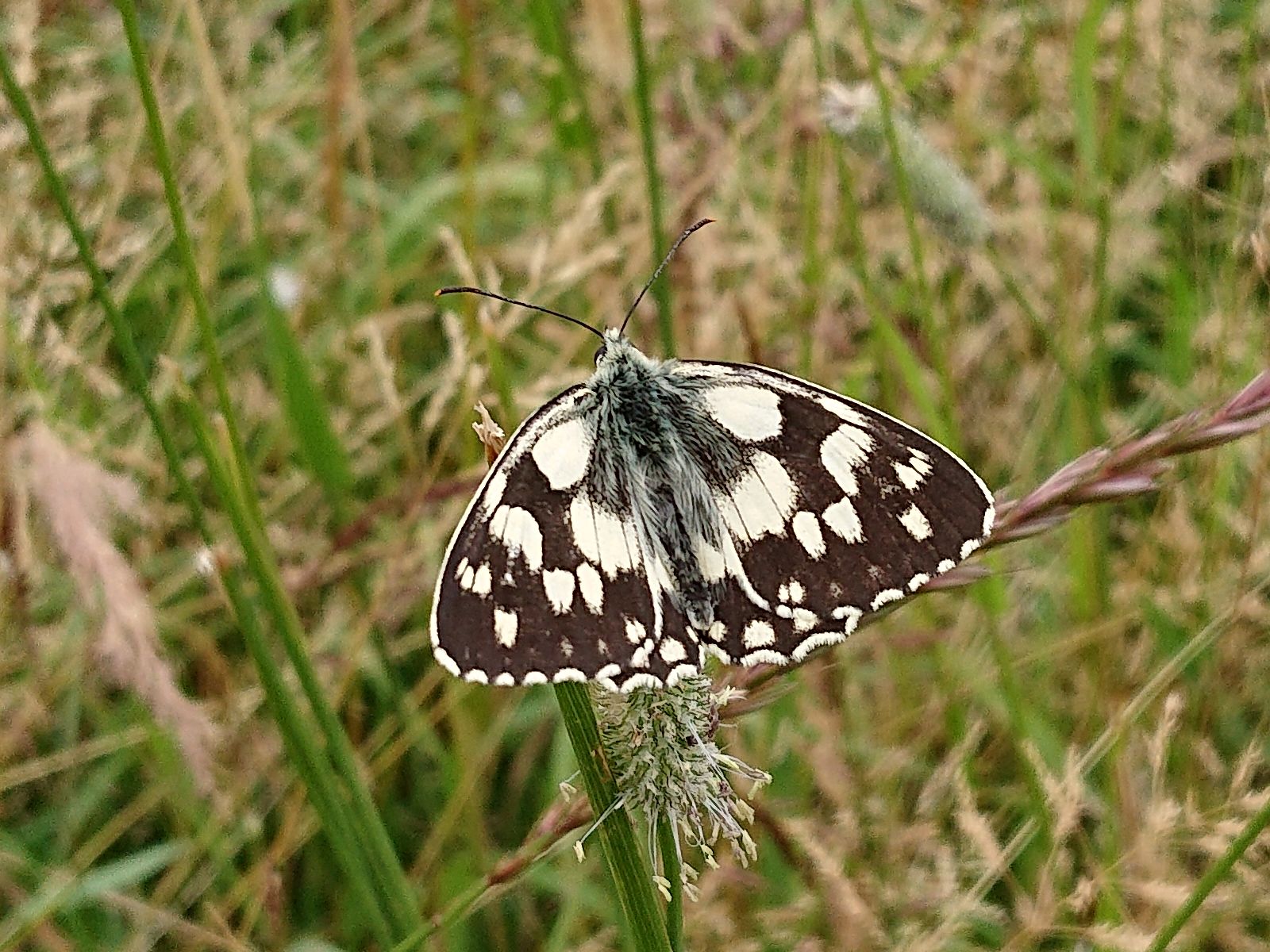
© Charly, all rights reserved. Click for full size.

© Charly, all rights reserved. Click for full size.

© Charly, all rights reserved. Click for full size.

© Charly, all rights reserved. Click for full size.
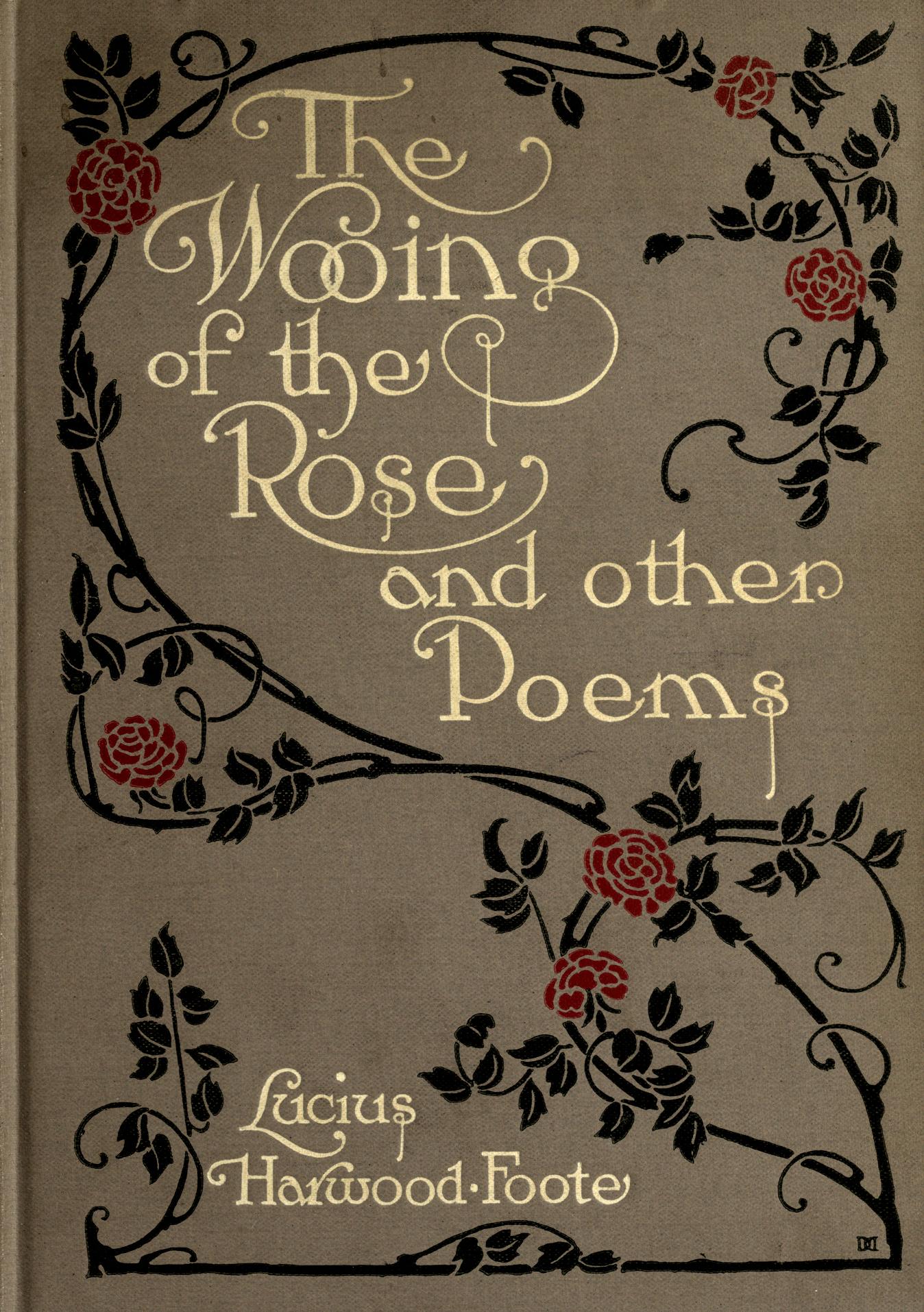
Lucious Harwood Foote. The Wooing of the Rose and other poems. New York, The Platt & Peck co, 1911.
via: The Internet Archive
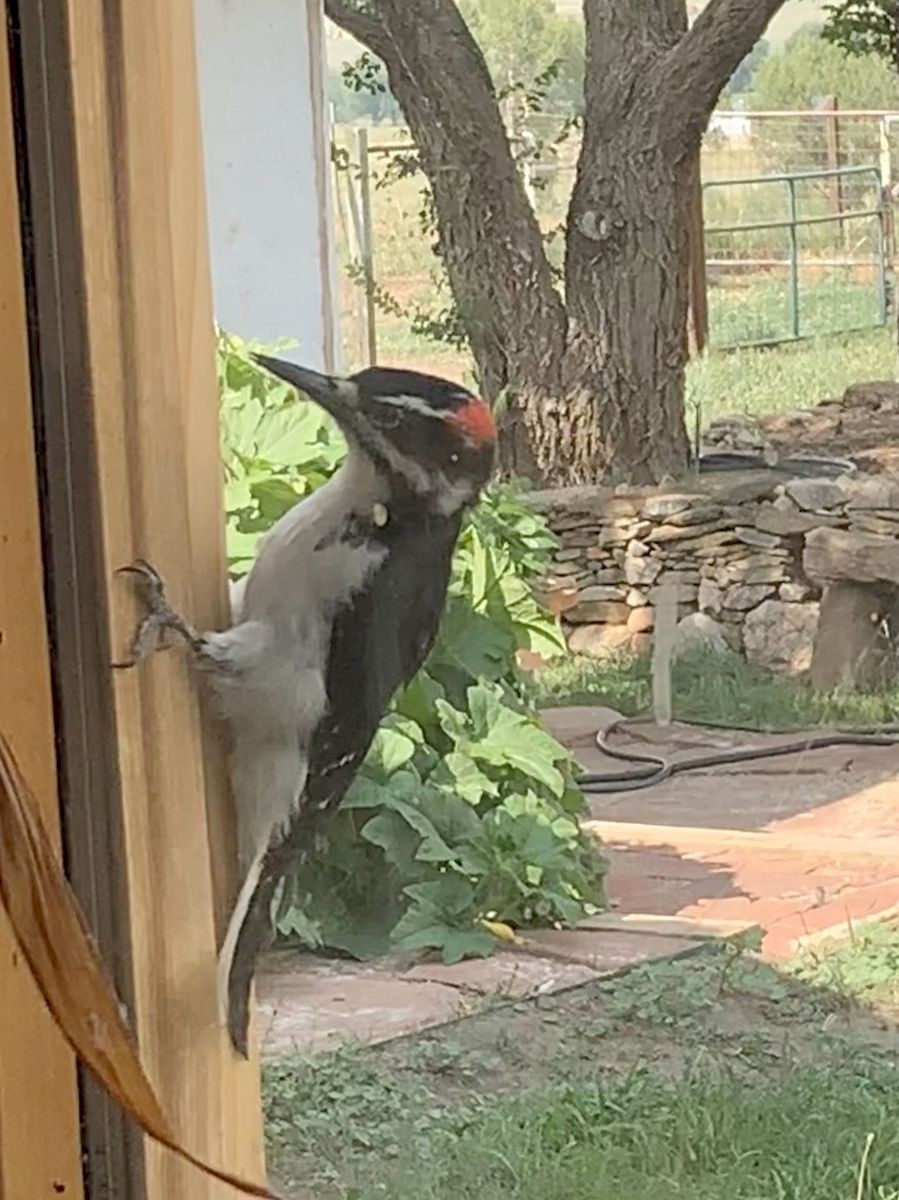
Kestrel has had another close-up encounter of the bird kind, and this guy cracks me up.
So there I was, minding my own business, when I heard this odd noise, a sort of squeak or chirp. I looked at the window and what did I see:

©kestrel, all rights reserved
Something looking back at me!

©kestrel, all rights reserved
He was pretty interested in what I was doing. Maybe he wants to learn how to weave!
©kestrel, all rights reserved
Or maybe he was just hunting for bugs. This is a Hairy Woodpecker and they are fairly common here. There is another type called a Downy Woodpecker that is virtually identical but much smaller than this guy. He could not see me through the window; he never would have tolerated me holding my phone up to him to take his picture if he had seen me.
A little info about the history of numbers.

Oliver Wendall Holmes. Illustrated by George Wharton Edwards and F. Hopkinson Smith. The Last Leaf. Cambridge, Houghton, Mifflin & Co., 1895.
This book contains a single poem – Holmes’ The Last Leaf’. This edition also includes a series of moody sketches that add to the sentimentality and poignancy. It’s a lovely old book. If you’re interested, I’ve included a few illustrations below the fold.
The pond we often visit for walks/Pokémon hunting used to have a swan couple. they were kind of the mascots of the village, featuring on signs, they were looked after and taken in during winter, but last year the unthinkable happened: a swan divorce! One of them left and the other one soon vanished (died?), so for the last year there were no swans. Now they got a new swan family, complete with cygnets.

©Giliell, all rights reserved
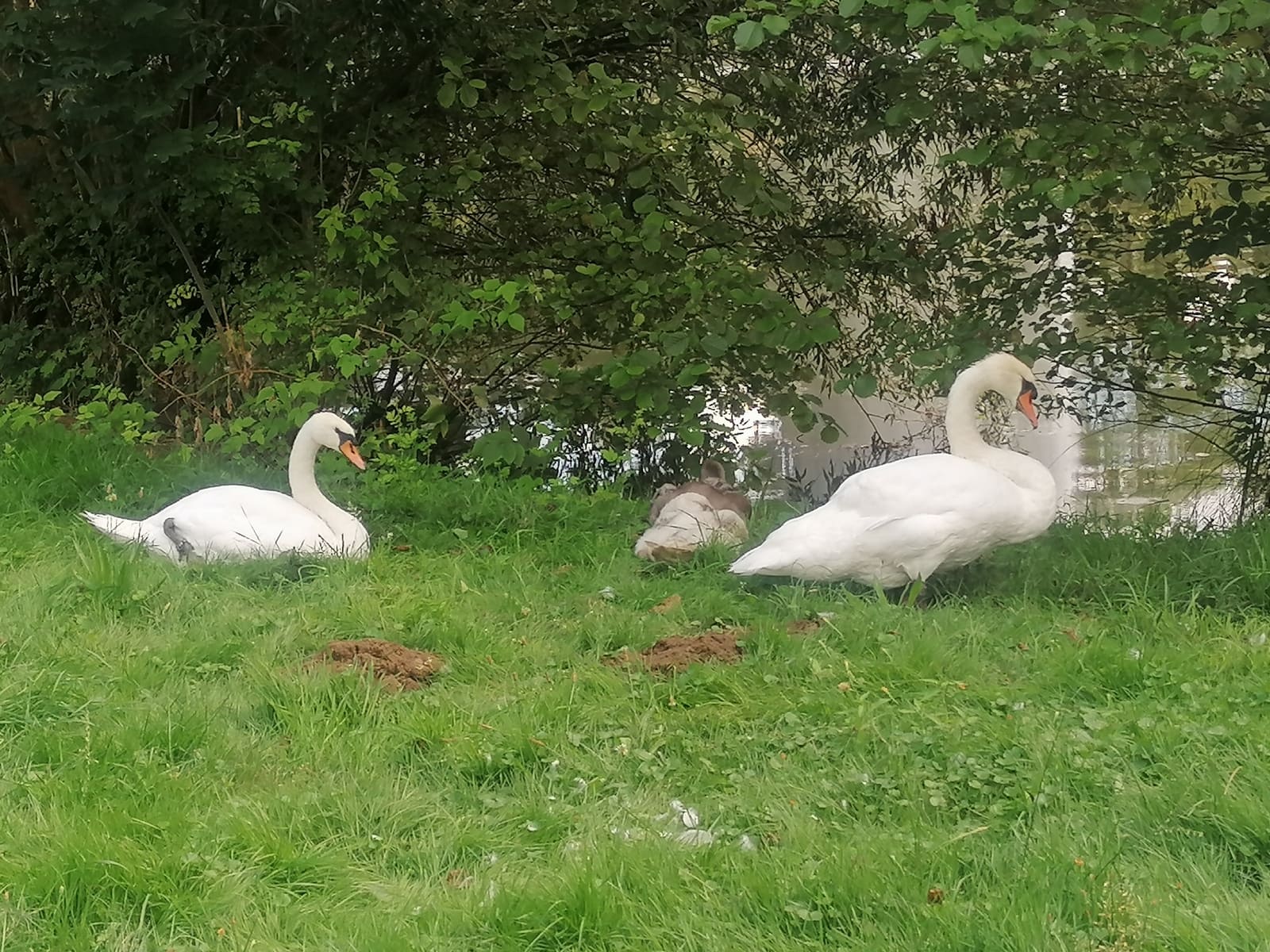
©Giliell, all rights reserved
BTW, shortly before I took these from a safe distance, a lady let her baby(!) up to one metre to the swans. But guess whom she would have blamed if the baby had gotten eaten…

George F. Swartz. Forest Trees and Forest Scenery. New York, Grafton Press, 1901.
via: The Internet Archive
Alfred Church. A Young Macedonian in the Army of Alexander the Great. New York, London, G.P. Putnam’s sons, 1912.
