… editorial cartoons, 1952 Pulitzer Prize winning cartoon by Fred Packer

1952 Pulitzer Prize winning editorial cartoon by Fred Packer, image via Wikipedia

… editorial cartoons, 1952 Pulitzer Prize winning cartoon by Fred Packer
1952 Pulitzer Prize winning editorial cartoon by Fred Packer, image via Wikipedia
… Posters, by Simon Berndt

Endless Daze Festival, 2016, Simon Berndt, image via the artist’s website One Horse Town Illustration

No sign of the tinman. ©voyager, all rights reserved
Jack and I encountered quite a scary beast in the woods today, and he said, “Roaoar!” I jumped and had to look around a bit before I spotted him, and by the time I did, Jack was softly laughing.
“Silly Mummy, It’s only a toy.”
“I can see that, Jack, but it might be dangerous. It roared at me,” I said, playing along.
“What did it sound like, Mummy?”
“It sounded big and scary,” I exclaimed.
“Really? I mean, did it really sound big and scary?”
“Yes,” I giggled, reaching over to scratch his ear, “and maybe a bit like you. Only bigger. And scarier. Definitely scarier.”
“Ha!” he said. “Fooled you. It was me made who made the roar,” and to prove his point, he roared again and again as he walked into the sunlight and away.
…architecture, by Vasily Vereshchagin

Ruins of the Gur Erim Mausoleum, 1870, by Vasily Vereshchagin, image via Professor Carmichael’s Cabinet of Curiosities.
Today’s teacher’s corner is brought to you by the Little One, who apparently has a rough day at school. Some classmates seem to be difficult and today everything escalated, their class teacher cancelled tomorrow’s recess* and she complained bitterly that both the English and the P.E teacher had called them “a bad English/P.E. class”. Now, of course, that gets the mama bear mode activated, but luckily my brain kicked back in and I asked what exactly did the English teacher say? “Well, we were all a bit overenergetic and it was very loud and he said this had been the worst English lesson ever and he didn’t enjoy it at all.”
As you can see, that’s quite something different. The teacher hadn’t called them “bad”, he’d given them feedback about that particular lesson and let them know how he felt about it.
And what did the P.E. teacher say? “He said he had to be stricter with us than with other classes, because he knows that many of us like to do sports, but some kids always misbehave when he is talking and therefore we don’t get to do a lot of sports.”
As you can see, in both cases the teacher said something very different from what the kid reported back to me. That’s not because she was lying, but if you take the “communication model” that says that all messages have an affective component and that whatever message the sender is trying to convey may be absolutely lost by the recipient, it’s clear what happened: a pretty sensitive and ambitious kid who thrives on a teacher’s praise felt unfairly criticised and the emotional response made her unable to actually understand what was being said. We talked about what each teacher said, and that she had admitted herself that they didn’t behave during the English lesson and that the P.E. teacher was actually on her side. It made her feel a lot better. To understand the criticism, but also to understand that if the teacher talks about kids who misbehave and she didn’t misbehave, the reprimand wasn’t directed at her (funny enough, that’s so often the case: the kids who do behave are sad and upset while those who caused the trouble don’t feel like this has anything to do with them).
We also talked about how she can tell a teacher if she thinks their comments were unfair or hurt her, and how she can address that she feels it’s unfair that recess is cancelled. It’s important that she can stand up for herself, and she knows I’ll have her back when it’s justified, but from experience I also know how quickly those situations escalate when parents don’t talk these things through, but just believe their kids verbatim. Next day you have some upset parents on the phone or, even better, in school, demanding to talk to that horrible teacher NOW. The teacher in question doesn’t even know what they’re talking about, because the incident the parents are talking about bears no resemblance to what happened, the parents decide the teacher is accusing their kid of lying and before you know it you’re sitting there for an hour trying to untangle who said what, tracing back communication, doing heavy meta communication and reestablishing some goodwill, if you ever manage to calm down mama and papa bear at all.
So please, parents, if you’re reading this: talk to your kids. Find out exactly what was said, and not just what was felt. They will learn how to solve such problems from you, only while strongarming while being wrong will often work in a school setting (after all, if we give your kid detention and you decide it’s bullshit, we can’t call the cops on you, and I don’t want to, and it’s your kid to fuck up anyway), it will not work in a work setting. You can’t send mummy to your boss because you thought they were mean. No, you also can’t send your union rep, claiming that your boss called you lazy when in fact they said that the department was behind schedule.
But also, do have their back if their teacher did treat them unfairly. Assume the best at first, but I’ve been in schools for long enough and I know that some teachers are mean bullies who will take it out on the kids whose parents will always agree with the teacher.
*That’s, of course, not legal. “Collective punishment” isn’t allowed in our school system, but I guess I’m the only parent who knows that in that class and I won’t tattle. I absolutely encourage the kid to challenge the teacher, but I’m not going to be that parent either who completely undermines the teacher’s authority. They’ll live spending one recess in class. Should this be repeated, we can talk.
P.S. That’s also why I think the communication mantra “criticise behaviour, not people” is half bullshit. People will still understand “you are X”. At best you can have some meta communication later.
©voyager, all rights reserved
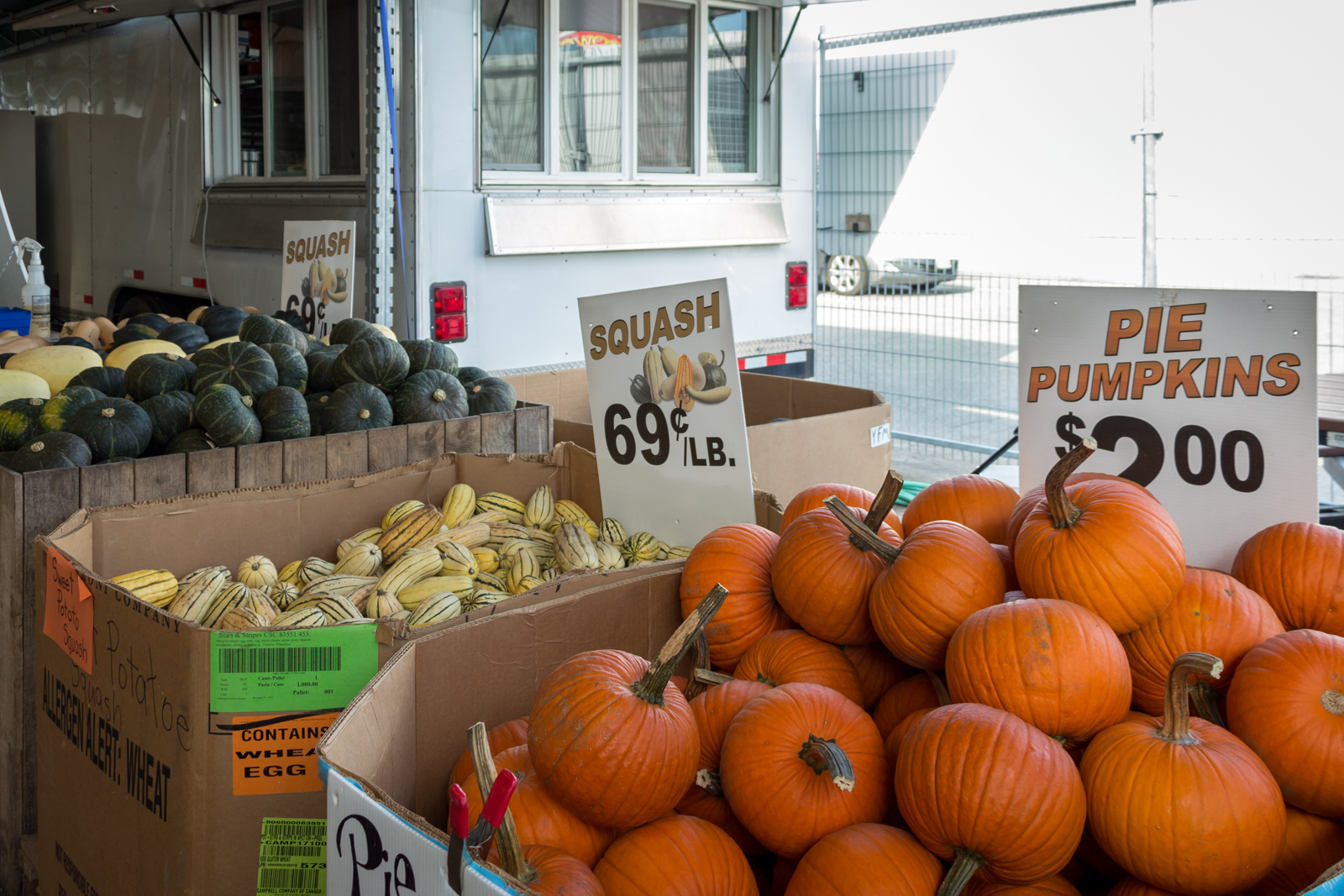
I live in a highly agricultural area, and my small city is surrounded on all sides by family run farms, many of which have market gardens. So, from May through October, I have access to a variety of locally grown produce at our outdoor farmer’s market. It’s a bit more expensive than the stuff you can get at a grocery store, but it tastes better and there isn’t a hint of plastic packaging to be found. I have a great set of resuable produce bags.
Local also means that I don’t need to buy American produce, which is a relief during this damned pandemic. Covid may or may not not linger on fresh fruit and veg, but I feel better not taking the chance.
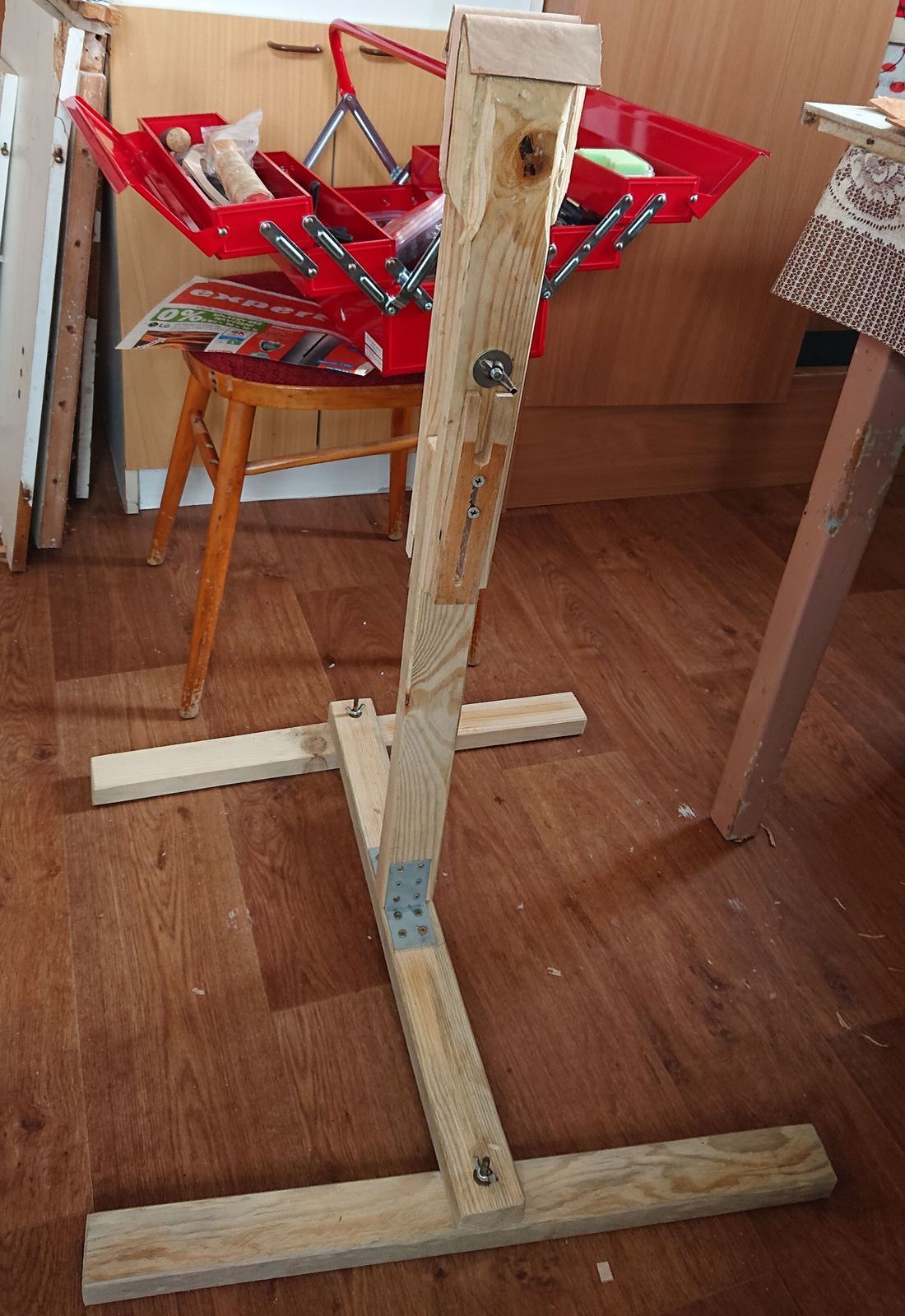
Since sewing leather sheaths whilst holding them between one’s knees is a huge pain in all kinds of regions, I have decided to bite the bullet and build myself a small stitching pony. It is very simple, but, as usual, it took me way more time to make than it should have. Here it is for you to admire.
© Charly, all rights reserved. Click for full size.
It is made from reclaimed firewood, so I have spent a lot of time sanding of splinters. The “H” formed base is for stability, but the two planks are only fixed with one screw each and tightened only with a winged nut. That way I can loosen them, and fold them so the pony can be put out of the way and leaned against a wall when not in use, together with other useless junk I posess, like painter’s easel.
You can also see that I have bought a suitcase for my leatherworking tools. It is already full to the brim and I have barely begun :(.
© Charly, all rights reserved. Click for full size.
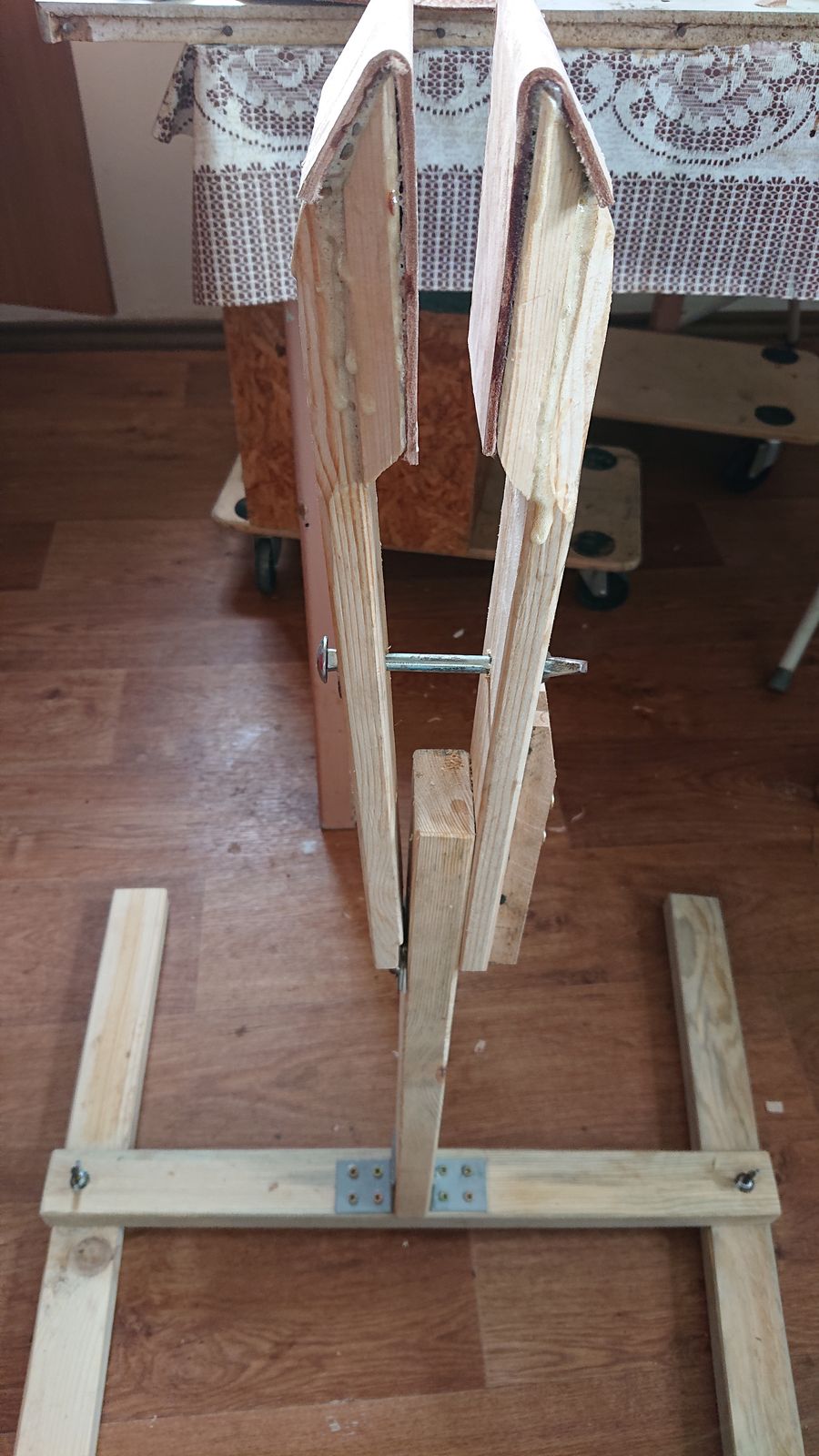
Jaws are covered with leather, here it is not fully trimmed yet. You can admire the high precisisn’t with which I am usually assembling these tools.
The right jaw is fixed, the left jaw swivels on a hinge. They are tightened via one long screw with a winged nut. The screw is deliberately very loose, so it cannot be overtightened.
© Charly, all rights reserved. Click for full size.
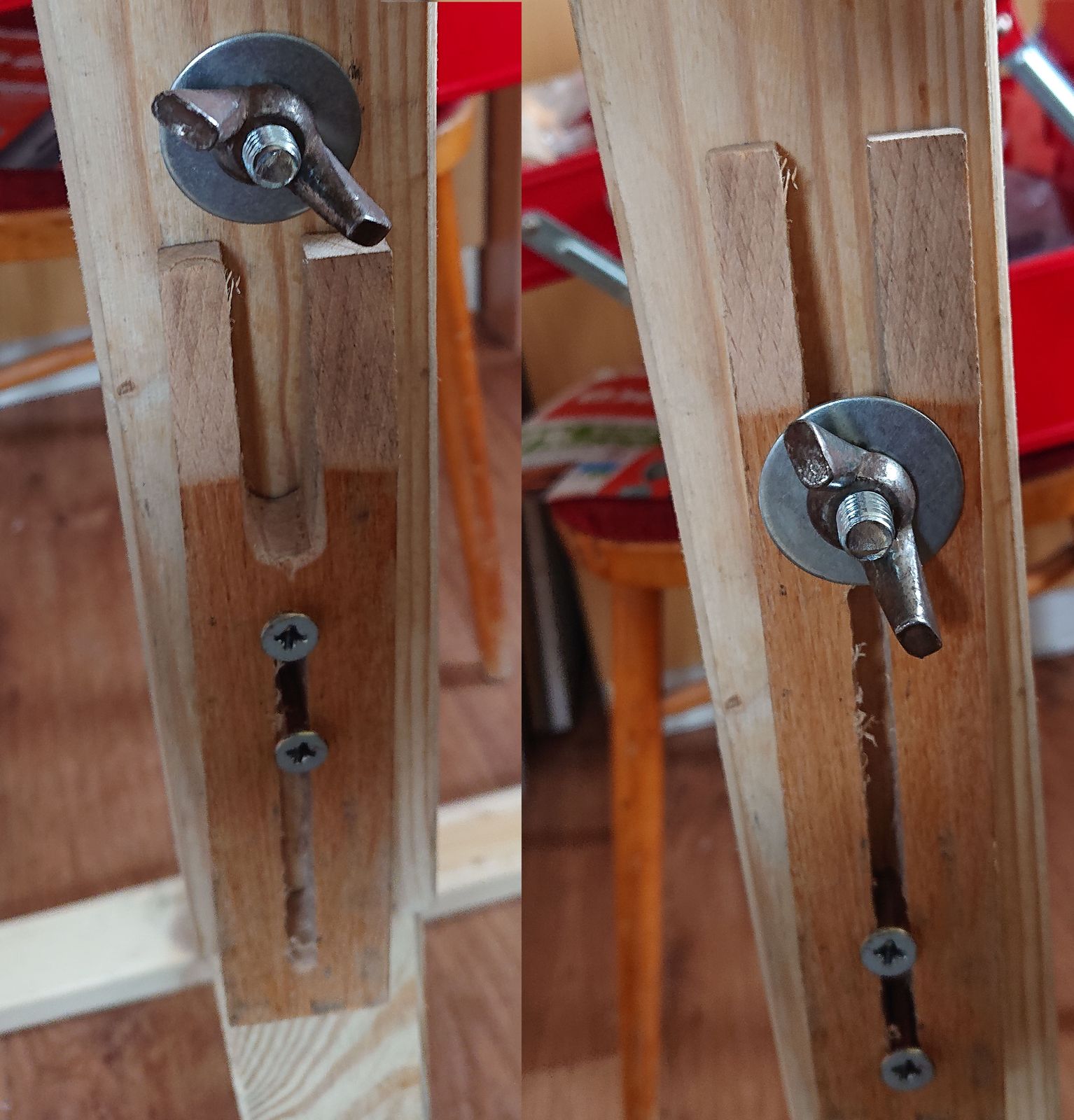
A piece of wedge-shaped hardwood with slits slides on two screws and under the winged nut, allowing for a sort of easy quick-tighten and -release tool.
It works as it should. Like all tools, it gets some getting used to, but it does make the leather stitching several orders of magnitude easier. I have tested it today and I was definitively a lot quicker. And my back hurt less.
Expect some leatherwork in future too. Hopefully.
… Alex Colville, one of Canada’s most celebrated artists.

Horse and train, 1967, Alex Colville. Image via The Toronto Star
From Avalus,
A grey heron, eying me suspiciously for a moment and then taking off in a hurry.

©Avalus, all rights reserved
©

©Avalus, all rights reserved

© voyager, all rights reserved
I’m sorry we weren’t here on Friday, but Jack and I have been experiencing technical difficulties. Our computer is old, and it’s been acting up and giving me the pip. So since I won’t be going to Paris anytime soon, I decided to dip into the travel fund and buy myself a new Macbook. This may not be one of my better decisions because I’ve never used a Mac, and I have no idea what I’m doing. Thankfully, the old PC is twitchy but useable, and I have time to learn about the Mac before switching over. Today I’m feeling ridiculously proud of myself for having successfully transferred over my lightroom files and catalogue. It took me all day yesterday, but I did it, and I learned a bunch of stuff in the process.
To celebrate, I took Jack to the park this morning and let him go for a dip. He stayed in the water for about 15 minutes, then shuffled up the bank and dried himself off in the weeds. I could see he was tired, so I sat on the grass with him, and we basked in the late summer sun for a while before heading home. It was a big outing for Jack, who tires easily now, but it filled him with happiness, and it helped clear my mind. Now, I can get back to that user manual…
I have a confession to make: I’m in love. And yes, I shamelessly used the kids to get pets. Pets have always been a great point of difference between Mr and me. I love all creatures great and small, and while he does so, too, he prefers them to be at some distance and not his responsibility. Me? I’d try to snuggle with the grizzly… So now that the degus are here, I’m smitten with them. But they are super cute and Mr also spends time watching them when he’s here, so I think they’re working their magic on him as well…
We’re currently at the “getting to know each other” stage. But we’re getting there. On Friday, when we cleaned Degustan, they hid behind their box and refused to come out for hours. Today they were running around in the side tract while we cleaned the main part and were pretty much ok with us being loud and moving next to them. We’re also using the oldest bribe that there is: food. Special treats are offered in an outstretched hand. So far, I’m making lots of progress with Candy, who today carefully sniffed my fingers several times, getting my smell, and who even dared to put a paw on mine. Katja and Celeste are still much shyer, though Katja is getting more adventurous by the day. Celeste…, we’ll get there.
Now, enough talk, here’s your fluffballs. You can see they#re getting more comfy with us by the increase in picture quality.

©Giliell, all rights reserved
Katja, taking a peek. The picture is pretty bad, still taken with lots of magnification through the wire of the cage, but sooooo dreamy. That#s her thing: Sneak out on the left side of the wine box, then take flight to Celeste who is waiting on the other side.

©Giliell, all rights reserved
Celeste, waiting for Katja. I’m getting really good at telling them apart. At first I though “fuck it, we’ll just randomly call them a name, how is anybody supposed to tell them apart?”, but when you spend time with them, you notice the small differences. Celeste is a big girl, and her light rings around the eyes and neck are larger than those of the others.

©Giliell, all rights reserved
Find that degu. Katja and Candy sneaking out from behind the box.

©Giliell, all rights reserved
Katja and Celeste. See, I was allowed to hold the phone in their face. You can pretty clearly see the size difference here.
… Autumn, by Georgia O’Keefe

Trees in Autumn, 1920-21. Georgia O’Keefe. Image via Book 530.
Freethought Blogs is creatively trying to raise funds to pay off the sizeable legal bills incurred in the fight against the SLAPP suit brought by Richard Carrier. SLAPP claims are nuisance suits, intended to shut down free speech by making it expensive, so even though we “won,” we still have large legal bills to pay off.
That’s where you, Dear Reader, can help. We need your donations, and we’re prepared to earn them! We’re hosting a series of events, The Carnival of Curiosity, beginning on Friday, September 25 and running through the weekend of Sept. 26 & 27. You can click the link above or on the large banner on the top left side panel to see the schedule of events, and we’re sure that you’ll find something that interests you. It’s going to be a full weekend of festive fun, and any donation is helpful. If you’d like to contribute, you can do so at PayPal.me/freethoughtblogs.
In addition to the Carnival of Curiosity, several bloggers are having auctions with all proceeds going to the fundraiser.
Doesn’t all that look like fun? You bet it does, and we want you to join us and make a donation if possible. More events may be added, so be sure to check for future announcements.