Triangles are fine, but Rorschach is lovely

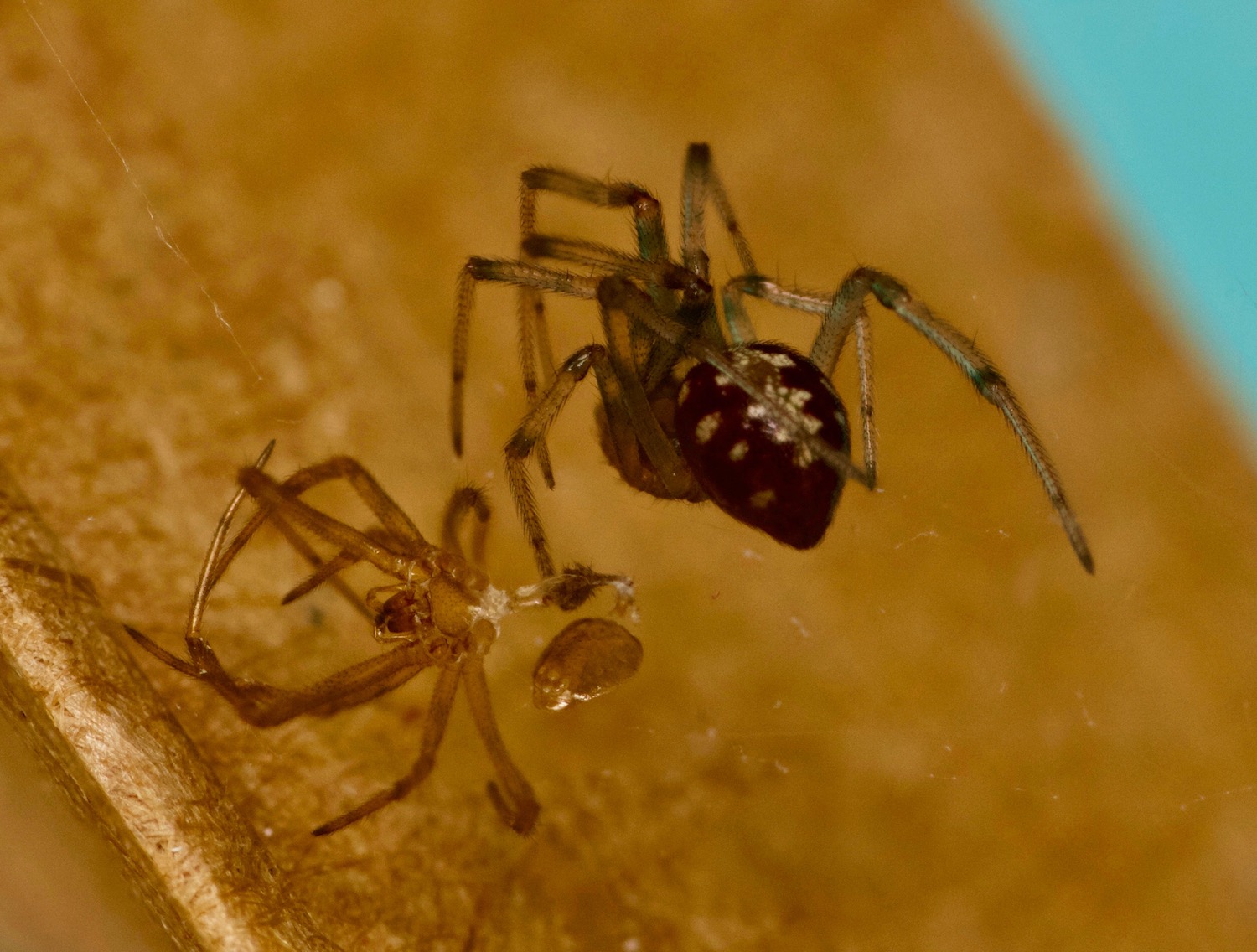
My concern about my declining Parasteatoda population led me to check on the juvenile stock. They’re fine. They’re looking good. They look to be about 50:50 male:female, too, and the males are flaunting huge pedipalps, so maybe I should think about breeding them soon, even though they look so small compared to the big adults currently in the breeding cages. Here’s a quick look at the teenagers.

[Read more…]

God must love triangles

Another sad discovery in the lab: another spider, Gilly, has died suspiciously of an exploded abdomen. This has only been happening since I started feeding them waxworms and mealworms, so I suspect gluttony might be the culprit.

Strangely, this has only been happening to my Parasteatoda, while the two species of Steatoda are doing just fine. My colony is currently dominated by Steatoda triangulosa, which is unexpected, since they were relatively rare in our collection sites. I do have about 20 or so juvenile Parasteatoda growing up in smaller containers, though, so the pendulum may swing back in a few weeks when they get promoted to the big breeding cages.

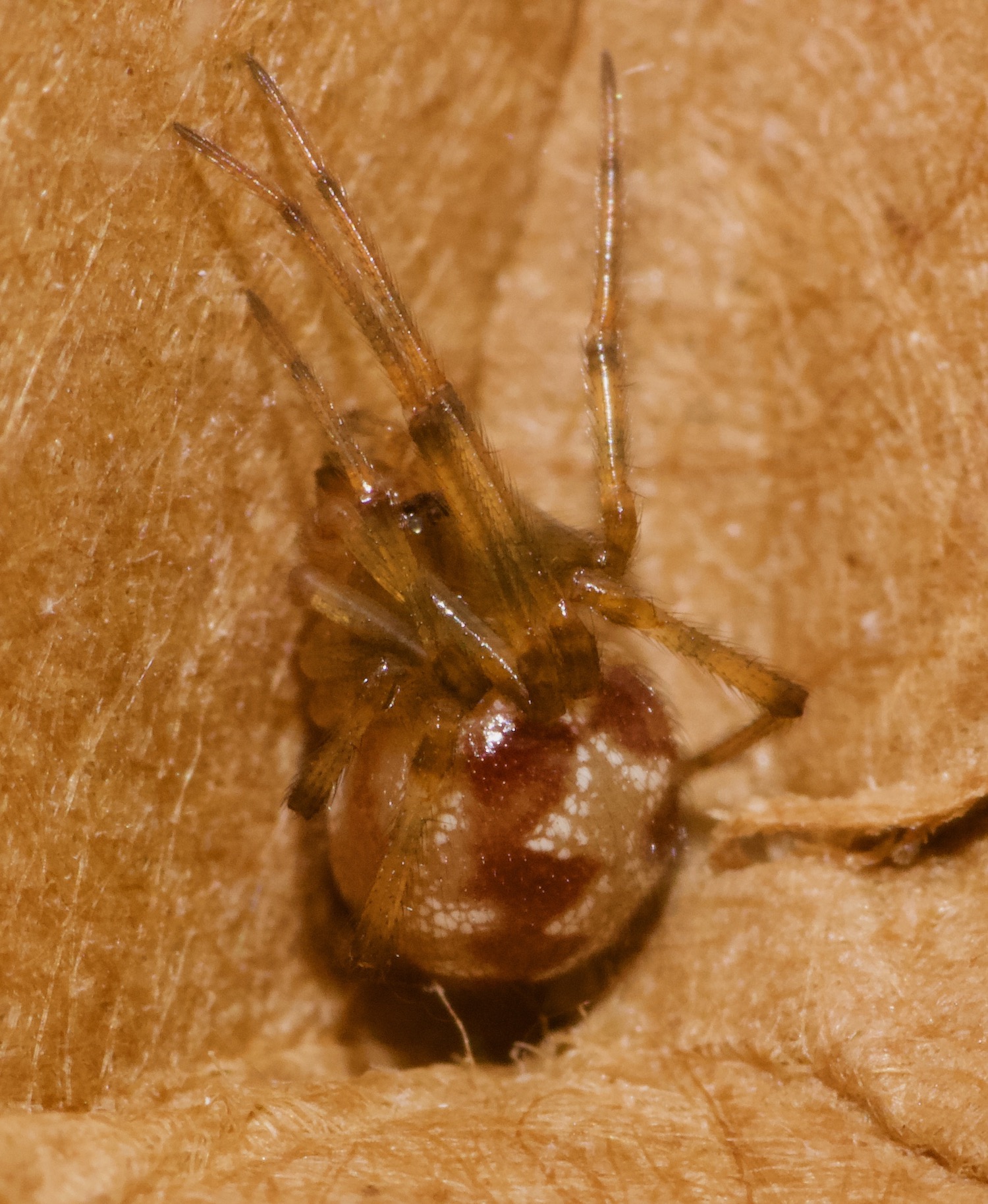
Meanwhile, here’s the latest juvenile (Steatoda triangulosa, of course) that is ready for breeding, I think. The picture catches her at a good angle so you can see both the zig-zag brown stripe down the side of her abdomen, and the sawtooth or triangle pattern you can see dorsally.

You can sort of see a white-flocked Christmas tree on her abdomen, maybe. (NO, IT’S TOO SOON FOR CHRISTMAS REFERENCES!).

A tragic loss

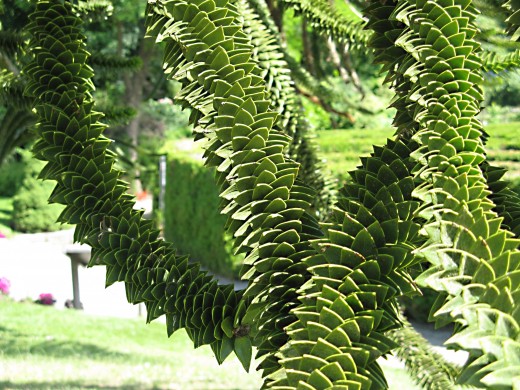
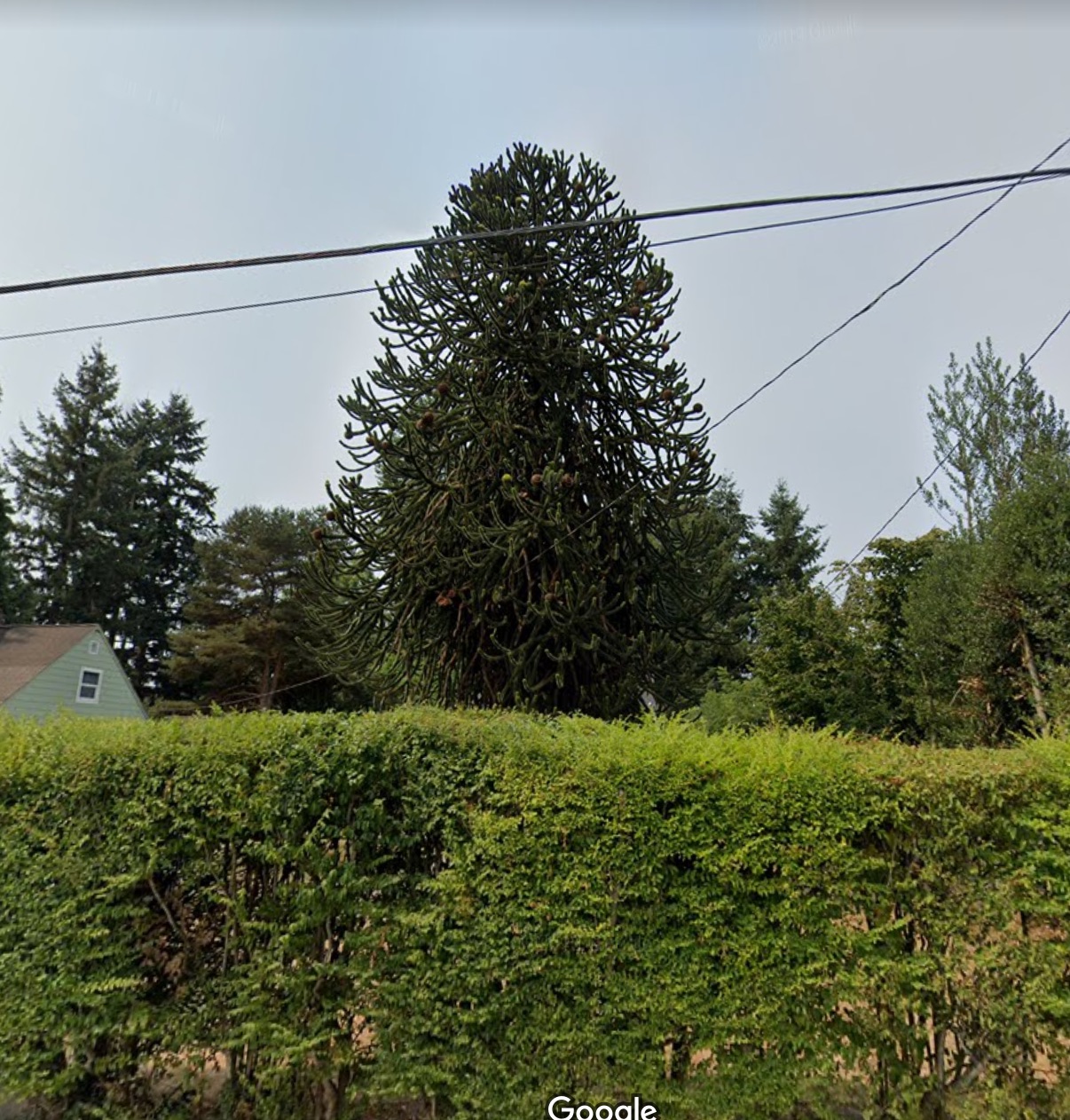
I just got off the phone with my mother, where I heard the terrible news: a landmark of my youth, the gigantic monkey puzzle tree that held a prideful place in my grandmother’s front yard, has been cut down (my family had nothing to do with this crime, my grandmother died years ago and the house was sold to someone else). I quickly riffled through an old box of photos to see if I had any of that old tree, and no luck…so I’ll have to make do with this one from Google street view of the house on 1st Avenue in Kent, Washington.

I used to have mow around that giant scaly monster, and as kids we’d collect the strange-looking seed pods it would shed. And now its gone. It’s endangered, don’t they know? And this one was probably lonely without a mate. Oh, well, I was lucky to have known this one when I was growing up.

160 years ago today

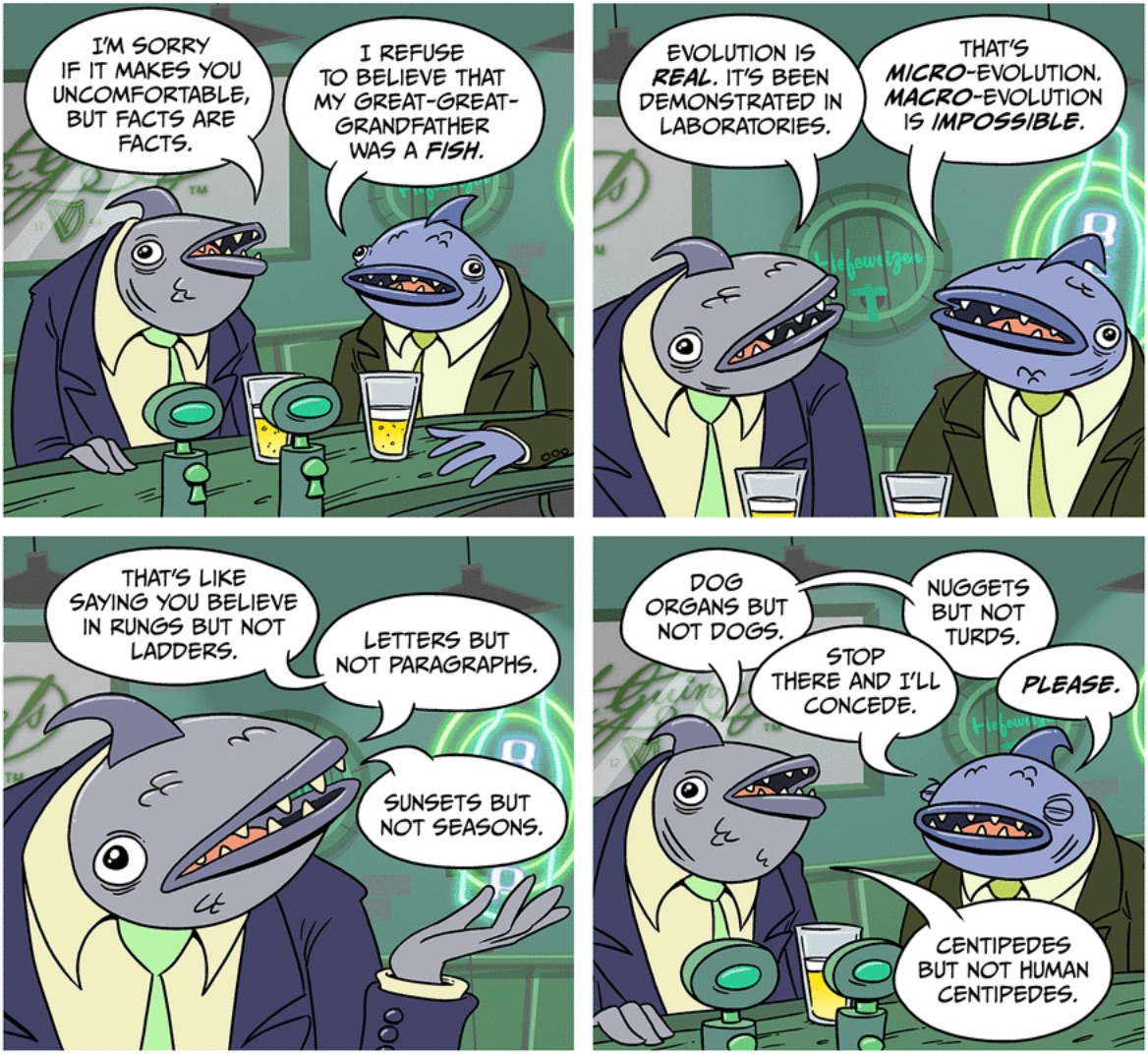
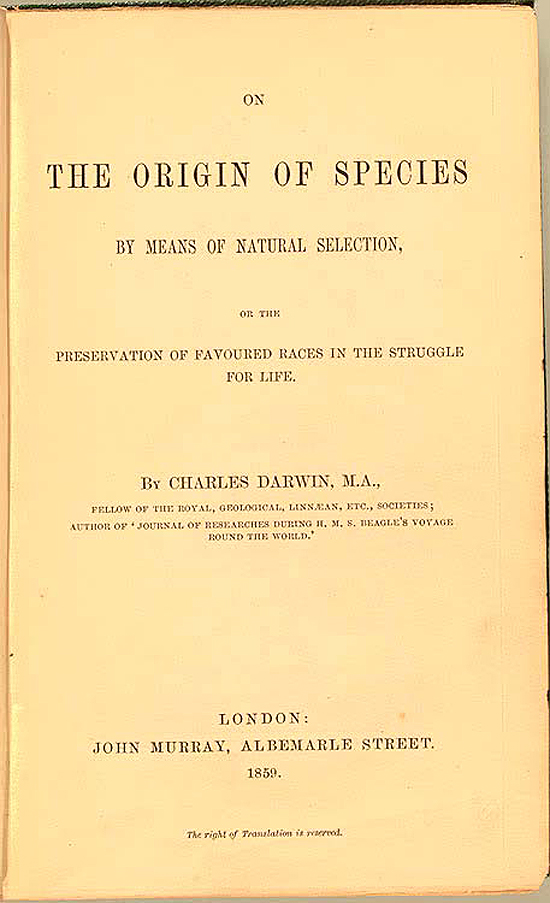
Darwin’s Origin of Species was published on 24 November 1859, and people are still mad about it.

You know, biologists don’t really regard this like some people do their Bible. It’s an old, flawed book that is now rather outdated, but contained some really smart ideas that sparked a revolution in biology. We don’t take it literally. We don’t even use it in our classrooms anymore, and we don’t think it’s a particularly good place to start your study of the science, unless you’re deeply into the history of science.

We look at it the same way we think everyone ought to regard the Christian Bible, or the Koran: critically, representing a key moment in the history of ideas.

Humans are good for something

Winter is a tough time to be an arachnophile, especially in the Great White North. It’s even tougher to be a spider. They’re mostly gone from outdoors — I’ve been looking, and everything is frozen and windy, the bugs are all dead, and it’s no place for an arachnid.

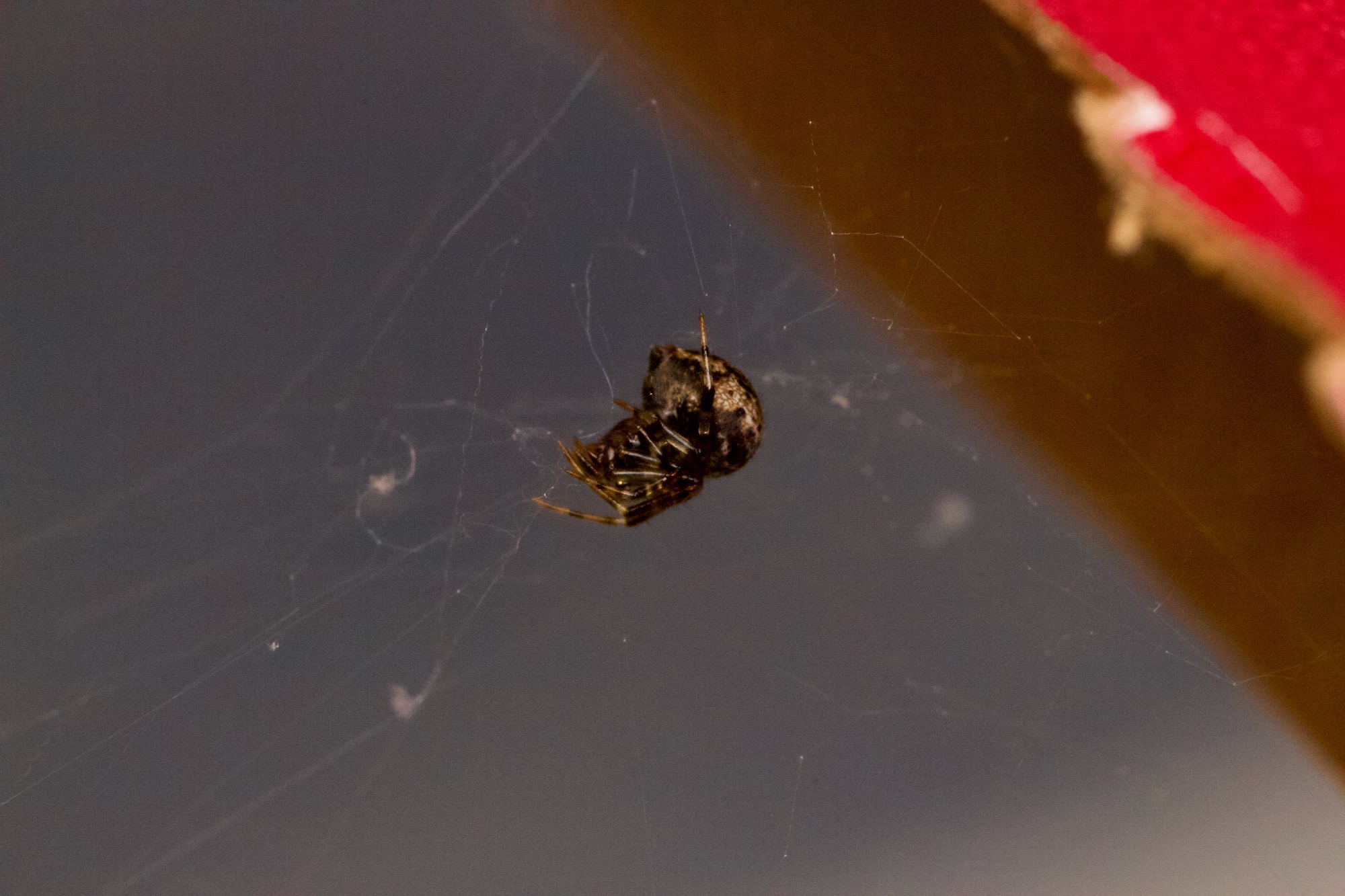
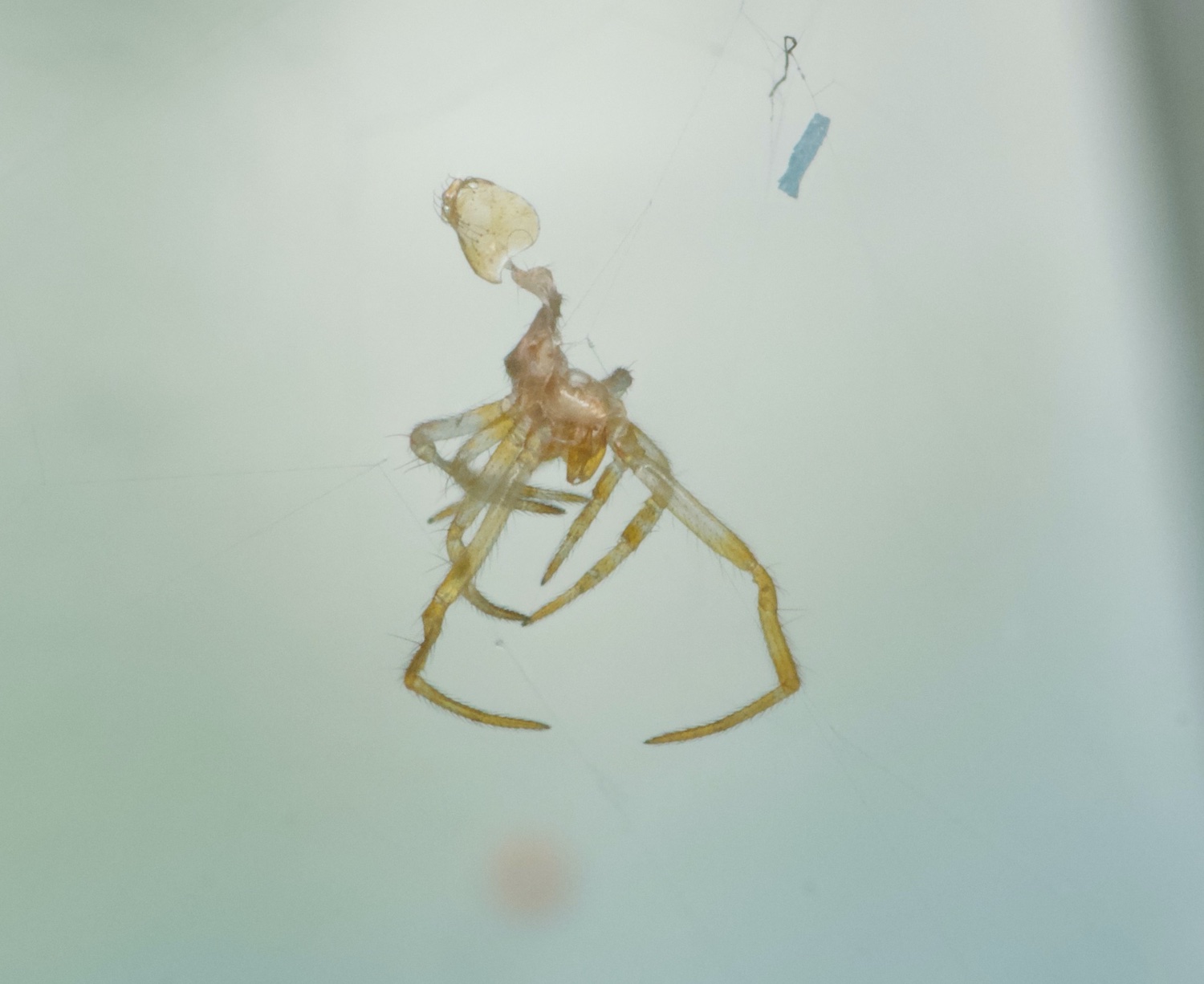
They do have some places to thrive, though: in your house. We people at least provide refugia for a few species, like the theridiidids I’ve been following. My wife, who has the eyes of an eagle, found this tiny little guy in our kitchen and scooped him up. He’s a juvenile so it’s hard to tell, but the palps look swollen and he’ll probably be ready to mate after his next molt.

The photo isn’t the best. A) he’s very smol, b) I’m shooting through plastic, c) he’s dangling on a single slender thread spanning the tube, and is practically vibrating, and d) he’s very excited because I fed him a fly, and he’s fangs-deep in that juicy fresh beast.

He’s Parasteatoda, and has a spectacularly stark pattern of angular pigments on his abdomen (not adequately shown). Once he has settled down and is nestled in a comfortable web — it takes a few days for them to build a cozy nest — I’ll have to get some better shots.

At least when people ask where spiders go in the winter, I have an answer. They go to my house.

Beautiful plumage

I’m buried in paperwork today and have scarcely had time to do anything with the spider colony today, but I did make my usual scan through the adult cages for new egg sacs (nothing today — they’re still all lurking, full of insect goo), and looked through the juveniles to see who I needed to promote to a larger container. Here’s one with a beautiful complex pattern of mottling on her abdomen, so I grabbed a photo just prior to moving. She’s not appreciative of being shuttled around and disturbed, so she’s in her standard “leave me alone” pose.

That’s Parasteatoda, by the way. Beautiful plumage! Lovely plumage! She’s just restin’, really she is.

Spider speedrun

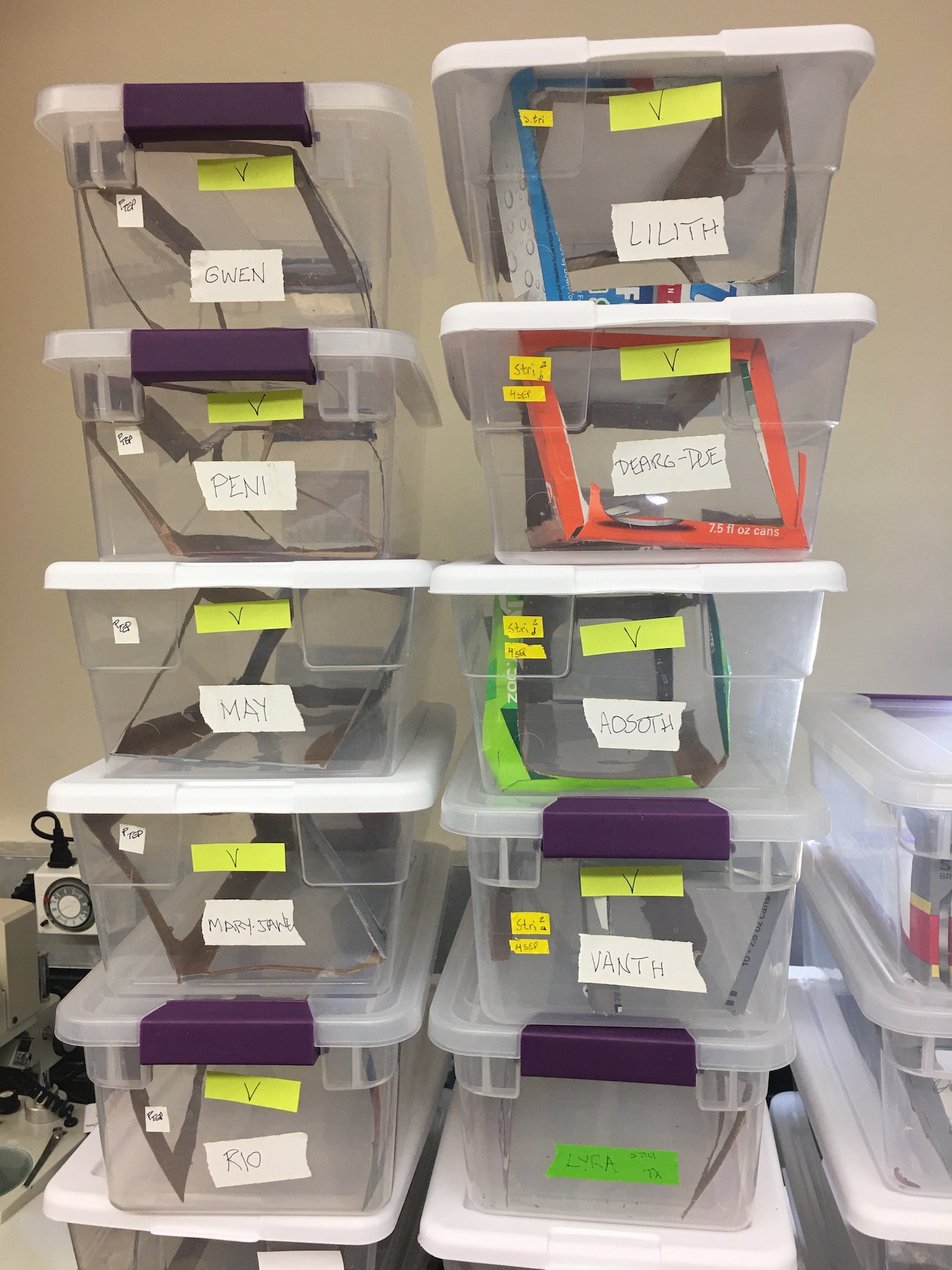
Now for something totally different. I’m gearing up for a project in which I track the developmental progression of pigmentation in juvenile spiders, and along the way, also map out variation in that pigment. Analyzing all that will require a fair amount of data; I’ll have to do a daily collection of pigmentation images for a single cohort of spiders, and organize those for analysis. I have a poor idea of how much time that will take, so I did a speedrun this morning. I lined up 6 containers of juvenile spiders (all S. triangulosa from the same clutch, plus one S. borealis of roughly the same age), and racked them up for fast photography. I gave myself 30 seconds per spider to get a photo series, which turned out to be easily done, the fastest part of the whole process.

Then I took all the images and made a focus stack, which took a while but since it was all automated was fairly painless. Then I rotated all the images to the same orientation, anterior upwards. First glitch: some of the spiders were annoying and presented a side view to me, rather than the dorsal view I wanted. I went with it anyways; the only way to get them to oblige is to catch them in repose in the appropriate position, so that’s going to take a couple of trials to get right. Next, everything was scaled to the same size.

Data collection: a few minutes. Processing the images: over an hour. I think I’ll be able to automate some of the processing, though, which ought to simplify and speed it up. The end result is a series of standardized images of 6 spiders in which I can see the dorsal pigmentation fairly well, although two of them were not compliant about lying in an optimal position.

[Read more…]