Pharyngula
Evolution, development, and random biological ejaculations from a godless liberal


Jonathan Franzen pissed off a lot of environmentalists by criticizing the strategy of the environmentalist movement, which is committing wholesale to climate change remediation at the expense of biodiversity. I think fighting to get CO2 emissions down is essential, but the problem is that bit about “at the expense of”. How we achieve a sustainable climate is as important as getting there.
He starts off with an example that is close to home.


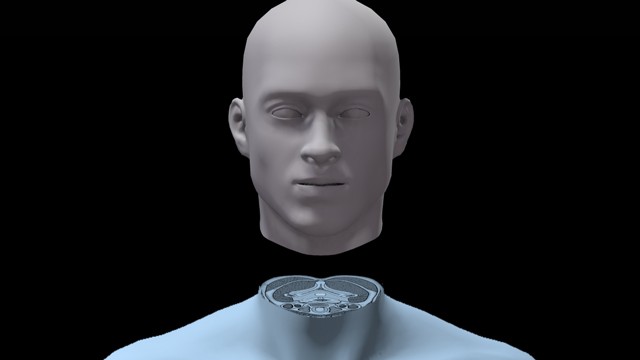
Sergio Canavero wants to transplant a head, and he has a volunteer. Canavero thinks he can carry out this operation, although he has no successes in preliminary animal testing, and just wants to jump right in with a human with a debilitating disease.

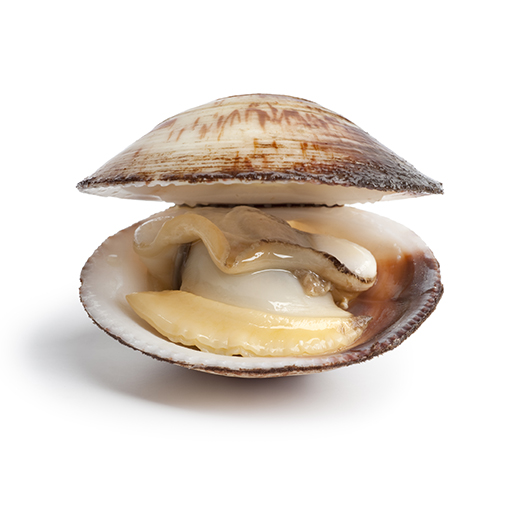
Ed Yong describes a fascinating case of an infectious cancer in clams, which is weirdly cool (if not so good for the clams). To the rogues’ gallery of Canine Transmissible Venereal Tumors and Devil Facial Tumor Disease, we can now add this newly discovered immortalized clam blood cell that is spreading through populations.


I’m reading a strange paper with an interesting title: The Nature of Inhabited Planets and their Inhabitants. I’m disappointed to say it doesn’t say anything believable about inhabited planets or aliens, but is more of an essay on statistical distributions that uses planets and aliens as a sample exercise. Here’s the abstract:


And every year thereafter. He hasn’t learned a thing.
Nelson showed up in the comments to the earlier post, declaring his intent to publish something to clarify the situation later today. By some miracle, he has already managed to post something today, and not in 2031. Unfortunately, it’s still complete rubbish and empty rhetoric.


When I was growing up, I read a lot of trash: comic books and Edgar Rice Burroughs, for instance. I read them because I liked them, not because I had a list of Great Books I should be reading, and because of that, I grew up loving to read.


The title lies. Nothing can make sense of a cat. I don’t even know why I have a cat at home — I blame the brain parasites.

First, they tell you you’re wrong, the climate isn’t changing.
Then they tell you, well, it’s changing, but it’s entirely natural, and humans have nothing to do with it.
And finally when reality sinks in, they announce that it’s happening, humans cause it, but it’s ALL THE ENVIRONMENTALISTS FAULT.
We have officially reached stage 3. Carly Fiorina is blaming environmentalists for the severe California drought.