
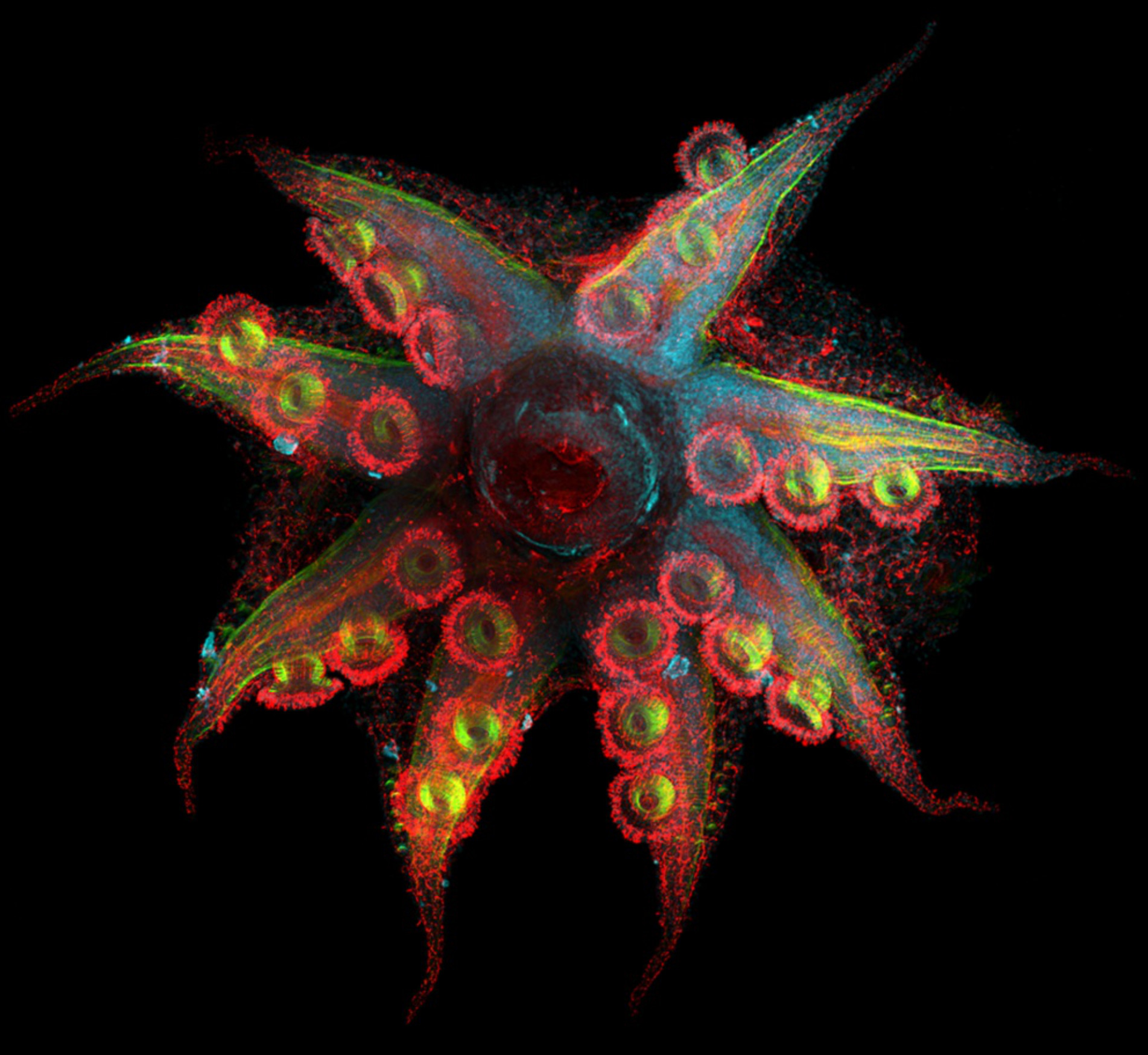
Once upon a time, deep in the Precambrian, this was the planet of worms. Well, actually, this was, is, and always will be the planet of bacteria, but if you filter your perspective to just organisms above a particular size, and if you’re an animal writing about it in the modern day with a chauvinistic attitude that allows you to ignore that it was also a planet of algae, that would become a planet of plants, on a world that also is built of soil formed by lichens and saturated with fungus…if you ignore all that, OK, it was a planet of worms.
Late in the Precambrian, the oceans were full of accumulated muck and it was a good time to be a worm — a slender, plastic body, able to burrow and plunder the detritus of it’s nutrients, digging shelters or writhing in the freshest debris up top. Worms were everywhere, and the family was diverse. There were hairy ones, thick ones, slender ones, spiky ones. There were worms beginning to assemble bits of armor, either extracting calcium from their environment or crosslinking stable sugars to create chitin, because there were also worms that were developing the habit of eating other worms, rather than farming the muck.


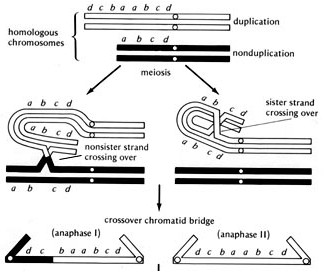





 , in which he claims to have worked out a reconciliation between science and religion based on arguments he had with his missionary/theologian brother, that hints at the quality of the science you’ll find in it. He has a superficial view of a few biological processes, like DNA error repair and transposition, and has shoehorned them into his religious belief that these are the tools used by some kind of engineering force that makes them purposeful.


 , so I’m going to recommend it to you all — it’s available on Amazon streaming video and Netlix. It’s the story of the fossil T. rex, Sue, and it’s enthralling and depressing.