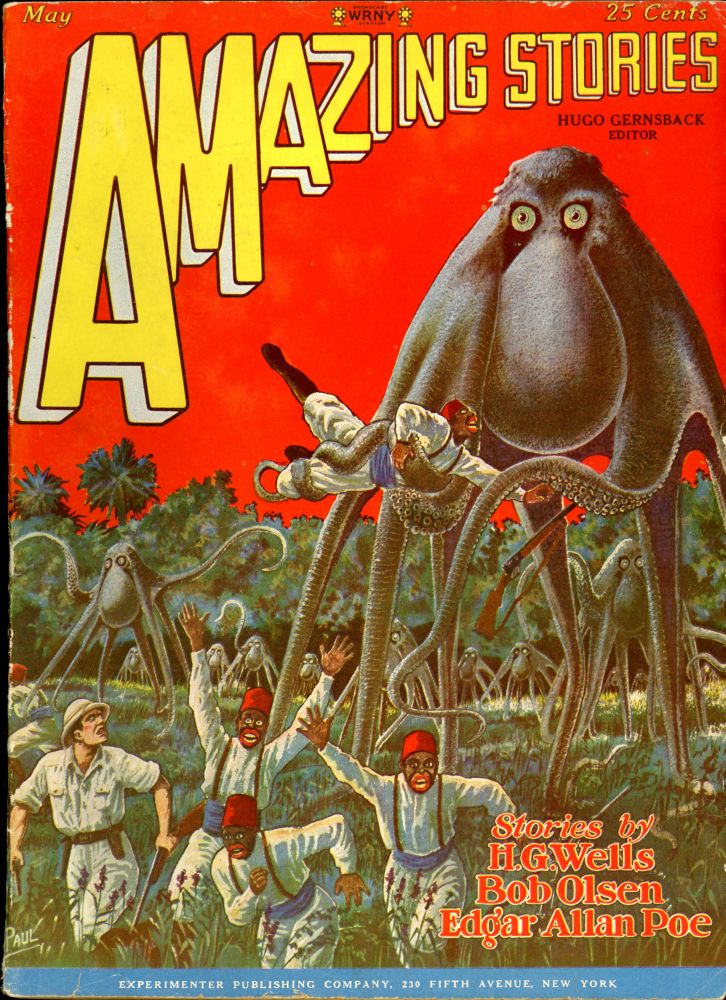
Way back when I was a kid, there were a couple of things I looked forward to on Sunday morning: 1) Sunday school, 2) my grandmother’s French toast, and 3) Walter Cronkite’s television series, The 21st Century, which was all about the wonders to come in that magical rolling over of the calendrical chronometer to a grand round number. None of this lasted. Sunday school, obviously, did not stick. Grandma died. And Cronkite was basically wrong about everything — the vision of science in the late 1960s was all about engineering, and the space program, and you may have noticed a dearth of jet packs and moon colonies.
One aspect that was somewhat successful was that at least once a week I was thinking about my future, which, as it turned out was another example of a colossal failure of imagination. I tried to picture what my life would be like in the year 2000. I could do arithmetic, so I calculated that I’d be 43 then — really old. Unimaginably old. Older than my parents then, even. I guessed that I’d be bald, because everyone told me to look at your mother’s father to see what would happen to you…and yeah, he was really bald. I knew that I’d be old enough to qualify to run for president (not that I had the slightest interest in the job). Beyond that, nothing, except for the bit about living on the moon with a jet pack.
Now I’m well into the 21st century, and I’ve just turned 60 — impossibly ancient, an age my 10 year old self would have found inconceivable, incomprehensible, and totally discombobulating. So I tried flipping my perspective. Instead of imagining the future, imagine trying to explain the last half century to myself.
First, the important stuff: not bald yet. Also, not president, and given the string of crooks and incompetents you’re going to witness in the coming decades, You should be happy that your resume is going to be untainted by the title.
Next, the bad news.
People you love are going to die. You’ll never get used to it, you’ll never get over it, and by the time you’re 60 you’re going to be carrying around a lot of scar tissue deep down inside. This is inescapable, sorry.
The space program as Cronkite knew it is a dead end that will sputter out and become tediously mundane. There will be really cool robots, though.
You’ll become a tiny bit famous, which isn’t a good thing, because you’ll get nothing out of it but a hell of a lot of hate mail. You’ll get to wake up every day to a chorus singing about how much they despise you. Don’t worry too much though, because the scar tissue will actually help.
Most people mostly suck. The world is an unjust place. Fight against it, you’ll only regret those moments when you let injustice pass by.
Hey, think about this: you’re going to have a longer life than your father will. Try processing that when you’re 10 years old.
I guess I also suck to say that to a kid.
It’s OK. There is some good news.
Science turns out to be cool. Think about the questions more than the answers, and you’ll be perpetually surprised when the answers do emerge.
You find someone you can trust and rely upon. Stick with her, and be reliable and trustworthy, too. It makes all the difference. You won’t be able to imagine life without her, and she’ll help you get through the rotten bits.
You’ll grow up. That’s bittersweet, as you’ll find out when you have kids of your own — they’ll become the most important people in your life, you’ll like them, and then they’ll just keep changing and growing up and becoming people who don’t need you anymore. It’ll feel strange — both deeply proud and regretful at the same time. It’s uncomfortable and confusing, like most of life, but worth it.
Other stuff will happen. Most of it isn’t important. Not even Walter Cronkite’s imaginary future, and especially not Sunday School.