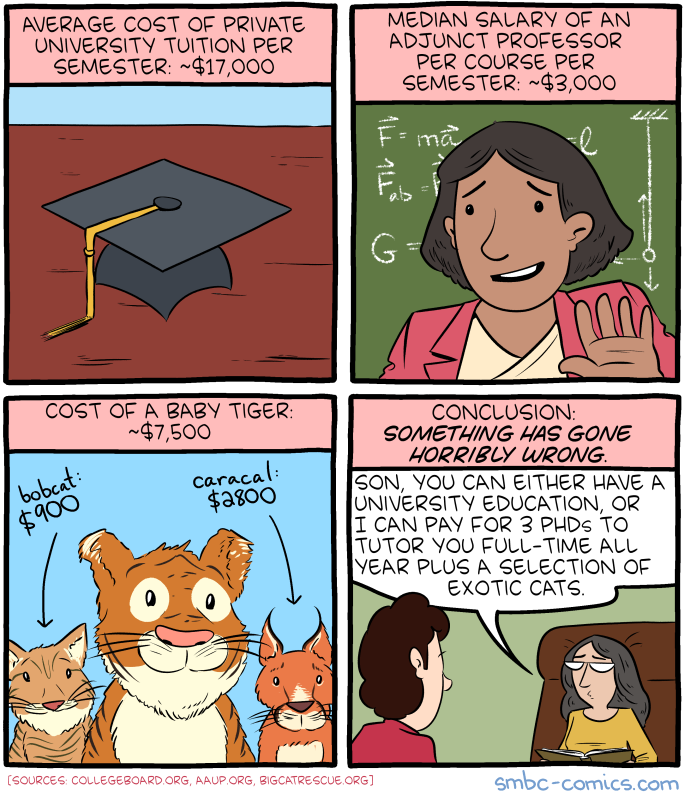
New math: attend a public university (like mine!) and you can pay your tuition, buy a baby tiger every year, and have money left over!
Pharyngula
Evolution, development, and random biological ejaculations from a godless liberal

New math: attend a public university (like mine!) and you can pay your tuition, buy a baby tiger every year, and have money left over!

Just a few omens and portents:
I may just go back to bed and wake up again when the signs are less dismal. See you in 2120!

UC Santa Cruz has long held my affections for their mascot, the banana slug. Now the University of Richmond has displaced them: their mascot is a Spider, and it’s been that way since the 1890s.

They even advertise the fact!
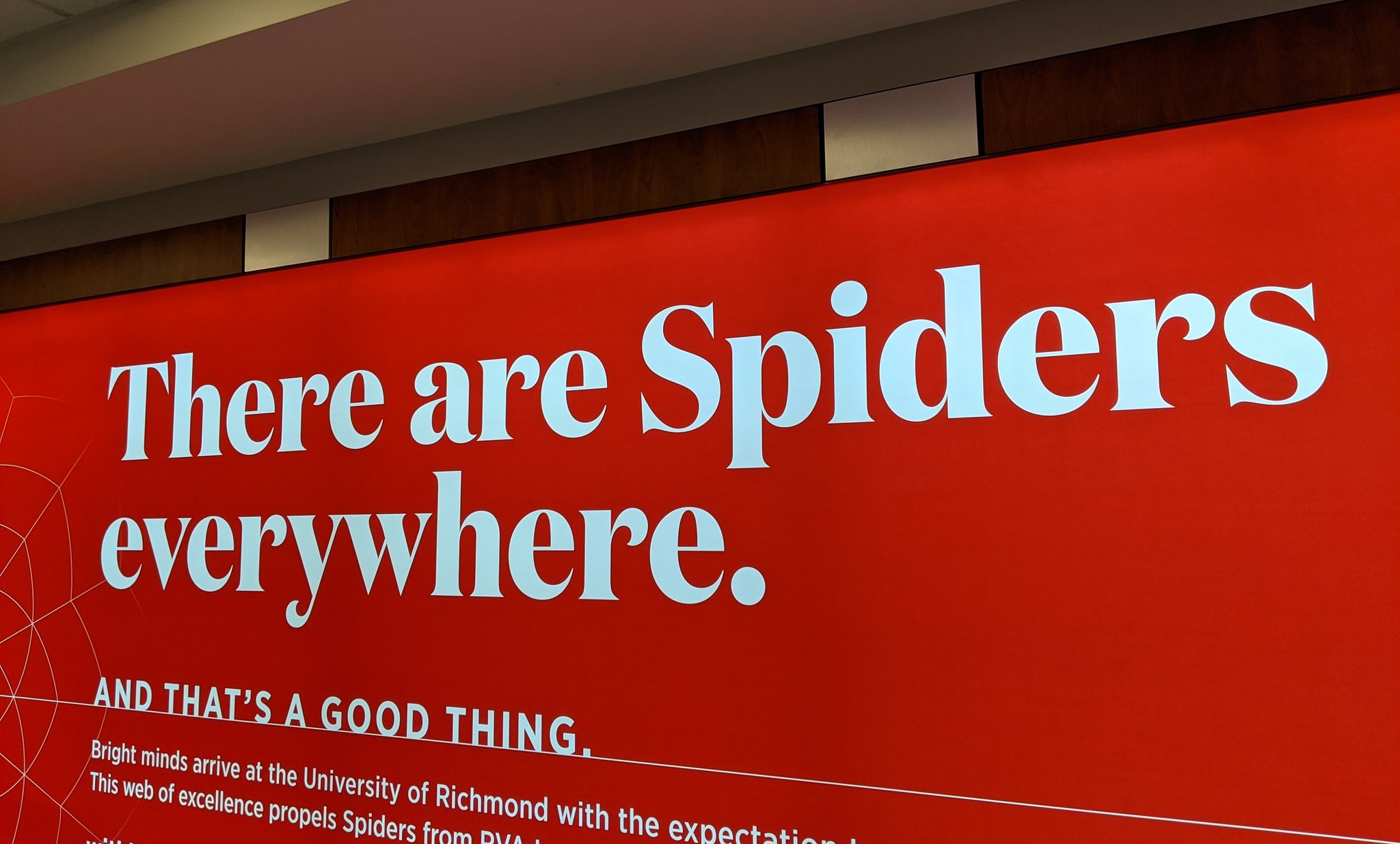
The Richmond Spiders are the only spider team in the country. UMM’s mascot is the rather mundane cougar … I wonder if they’d be willing to change it? Maybe if they thought it was a way to get more donors…


Some universities are happily going along with new tracking technology. Let’s turn their cell phones into electronic snitches!
Short-range phone sensors and campuswide WiFi networks are empowering colleges across the United States to track hundreds of thousands of students more precisely than ever before. Dozens of schools now use such technology to monitor students’ academic performance, analyze their conduct or assess their mental health.
But some professors and education advocates argue that the systems represent a new low in intrusive technology, breaching students’ privacy on a massive scale. The tracking systems, they worry, will infantilize students in the very place where they’re expected to grow into adults, further training them to see surveillance as a normal part of living, whether they like it or not.
I agree with that last paragraph. I do not take attendance in any of my classes — the first couple of days I try to get to know them, but I literally tell them in the syllabus that I do not care if they don’t show up for class, except that I do contribute information that will help them pass the exams, so it’s probably a good idea to show up. We also have occasional quizzes and exercises that contribute to their grades. But otherwise, it is their responsibility to show up for the classes they are paying for.
Wouldn’t you know it, though, part of the drive for installing these surveillance systems is college athletics.
SpotterEDU chief Rick Carter, a former college basketball coach, said he founded the app in 2015 as a way to watch over student athletes: Many schools already pay “class checkers” to make sure athletes remain eligible to play.
Here at UMM, we have an appropriate level of monitoring of athletes: around mid-semester, they come around with a form to report their preliminary grades. That’s fair. More is silly. We also have systems set up where we can inform the administration if a student’s grades are slipping, information which is also passed on to the student’s advisor. I don’t need to know where a student is if they skip out on my class — that is none of my business, or the university’s.
Also, I already know when and why my attendance drops: first day of hunting season, the Wednesday before Thanksgiving, or the Friday before a fall or spring break. If someone wants to miss my scintillating lecture to spend time with family or friends, I don’t begrudge them that at all.
It will still be on the exam.

It got a bit icy in Minneapolis today. We had a little bit of road ballet going on.
Unfortunately, the guy recording this had to brag, “My trusty Tesla Model S AWD had no issues getting around so long as you went 5MPH”. No. I don’t care how expensive and shiny your vehicle is, get off the road. These are not safe road conditions.
OK, maybe if you’re driving a tank you could handle it.


The theme for this morning is letters. Aggressive letters that purport to be nice.

I’ve been reading Travis Pangburn’s personal history of the downfall of Pangburn Philosophy, and wow. I had no idea that a saint was living among us. From the outside, what I saw was an impresario who was busy sucking up to the alt-right, who over-committed himself to multiple big ticket events around the world, and then discovered that Sam Harris and Jordan Peterson only have niche appeal and there were only so many tickets for so much that could be sold. He crashed and burned when he couldn’t pay his ‘talent’, when events collapsed, and when he couldn’t even refund ticket-holders money. What I didn’t know, according to Travis, was that none of it was his fault. It was all the result of a conspiracy by his backstabbing employees, and the faithlessness of the people he was paying big money to to perform.
I think Peak Pangburn was reached when his rage at his staff prompted him to send this email to all of them.
Sneaking around, hiding things from me, recording my voice without my knowledge, absurd questioning of my motives and practice, feeling urges of physical violence towards me, citing things from my past work relationships and using that as fuel for your cowardly motives, long conversations on Facebook to plan to confront me on issues in group think, thinking your have admissions of some kind of guilt from me etc etc etc…….. Some of you came to me to report this insanity, but much too late. You had already contributed your drivel to this failure.
You have all disappointed and failed me. (TD’s) email of demands exposed your callousness and/or cowardice. I have no use for cowards. You will never be forgiven, as far as I can tell, for the stress & pressure you put on me and my family the night before my flight to Dublin. You disgust me in your carelessness. My trust for each of you has reached absolute zero.
Effective immediately:
-All of your current contracts with Pangburn Philosophy are terminated. The contract you had me sign under duress at the Vancouver airport is null and void and was never active.
-Your Pangburn email addresses have been deactivated.
-You have no permission to access any Pangburn Philosophy credit cards, PayPal, social media accounts or anything else owned and operated by Travis Pangburn or Pangburn Philosophy.
-The locks, alarm system & surveillance at the Pangburn Philosophy headquarters have all been changed. You are not permitted on the premises, as you are no longer a member of the Pangburn Philosophy team due to your contract termination. If you have personal items left behind, you can schedule a pickup time with me through your personal email.
-You can send me final invoices from your personal email, that are based on your standard operating contract prior to me being put under duress from Masha’s email of collective demands.
-If you have in your possession anything owned by Travis Pangburn or Pangburn Philosophy, make arrangements to return those items swiftly.
A dim light from this precipice:
Each of you has the opportunity, this Friday, July 20th, to call me to attempt to stay on with Pangburn Philosophy in a lesser capacity. If your reasons for calling are outside of your love for the Pangburn Philosophy or myself, don’t waste my time. If your reason for calling is for the love of working with the speakers or artists I pay for, don’t waste my time.
Do not respond to this email in any way. I have no time for your excuses or explanations.
*Any distribution of this email or any other Pangburn Philosophy communication marked confidential will result in fierce legal action. This also includes any contacts that were shared with you confidentially.
I can’t imagine why his staff detested Captain Queeg…I mean, Travis Pangburn. It wasn’t Trav’s fault, it was all their fault, and they deserved to be fired. Unless they’re willing to crawl back and work for less money.
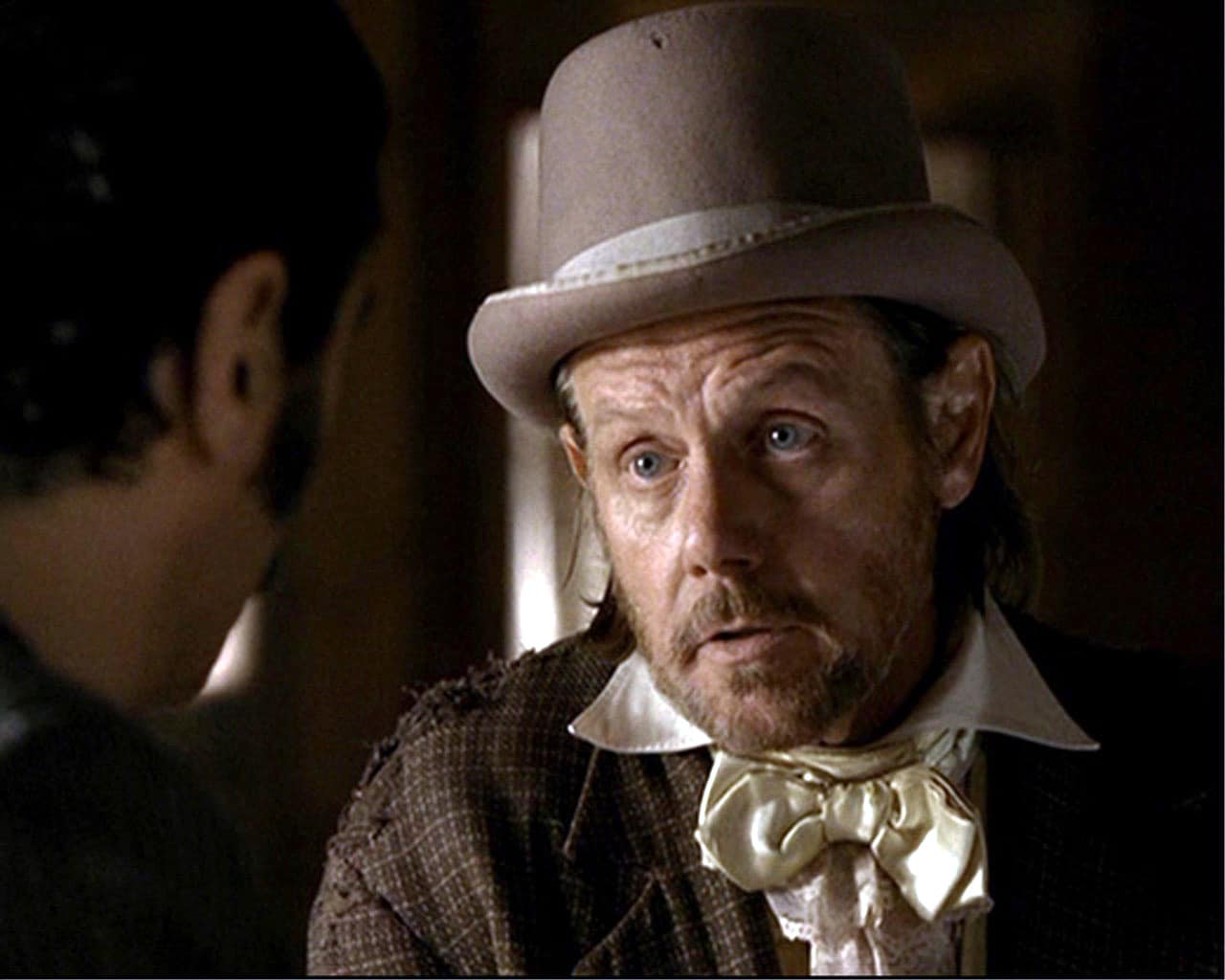
Also amusing: he blames Sam Harris for abandoning him, but at the same time calls him a “great human being”. The obsequious and loquacious tongue-laving, simultaneously sucking up while seething with resentment, reminds me of another character: EB Farnum from the series Deadwood. He’s a bottom-feeder who relies on the patronage of others more popular than he, who lashes out at his underlings whenever he thinks he is unobserved.
Oh, wait, I forgot — he’s a blameless saint.

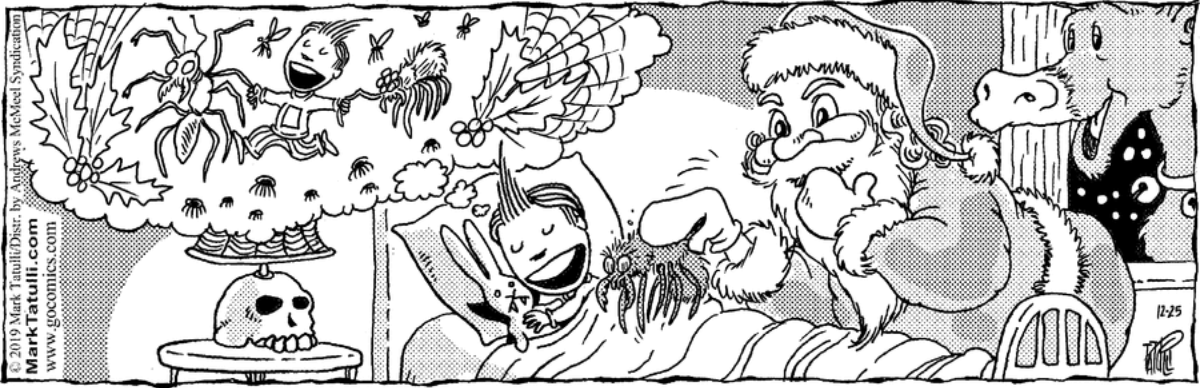
However, the transmission was garbled. What is that 8-legged abomination on the left, with antennae and three tagma? Such a thing would never manifest itself in my dreams.
 My bedtime reading lately has been Spiderlight by Adrian Tchaikovsky, which can partly be blamed for my dreams. It’s a fantasy novel, the usual quest to defeat the evil big bad with a party of a priest, a fighter, a rogue, etc. with one significant twist: they recruit (that is, force) a giant spider to join the team, after magically making it sort of a human/spider hybrid so they can talk to it. It’s entertaining. It’s got spiders in it, so of course it’s fun.

What Christmas Eve? My wife and I are two old people abandoned by their children. Alaric has a movie date for Christmas, so he’s not going to visit. Connlann is in far-off Texas with Ji and their toddler, Knut; he can’t get away. Skatje is in Boulder, Colorado with Kyle and Iliana, and they’re not coming, either. This is the fate of all parents, that their kids grow up and move away and no longer have time for them. It doesn’t help that in my childhood, the big extended family all lived near the grandparents, and we were used to gigantic noisy family get-togethers over the holidays. My kids have all dispersed to distant places, and frigid isolated Morris is not exactly an attractive vacation spot.
That reminds me — I better call my mother. If you’ve got ’em, you should call any beloved relatives, too.
(It’s OK, they shouldn’t feel guilty. We’re proud to have independent, self-sufficient children.)