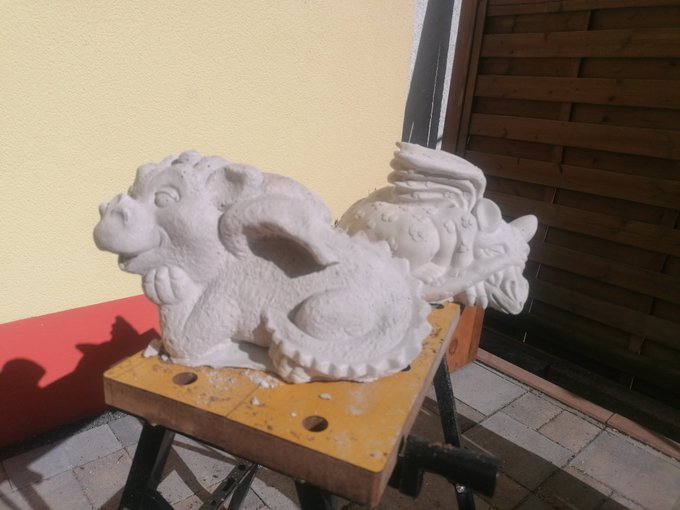
Corona Crisis Crafting VI: A Dragon Needs a Tower

While the next batch of dragons is drying, I built them a tower to live in, because that’s a natural dragon habitat.
©Giliell, all rights reserved

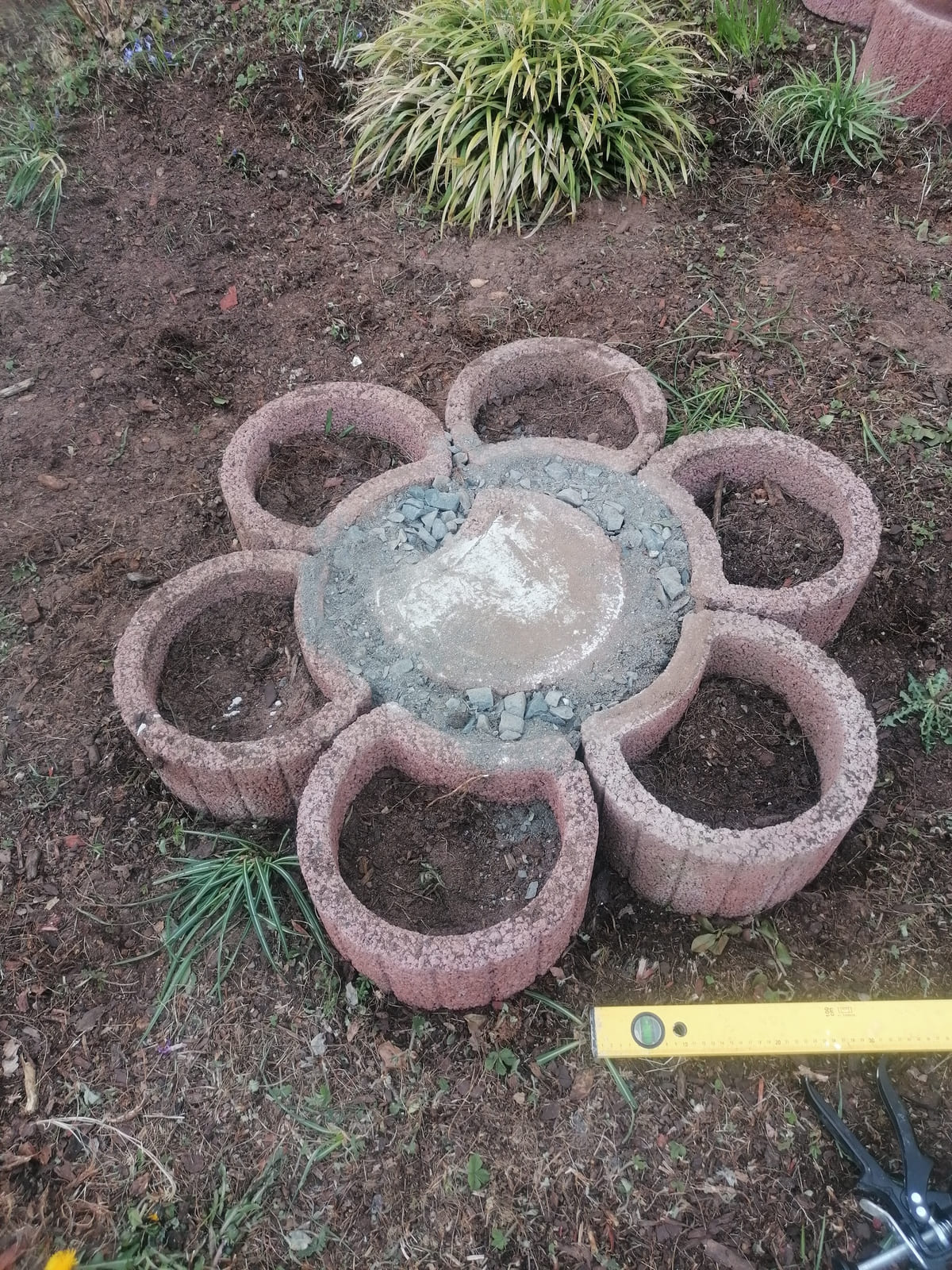
That first layer of stones needed to be absolutely even, because any differences in height would multiply by the time I got to the top. I filled the middle stone with concrete and anchored it in the ground with some construction steel, because this stone carries most of the weight of the next layers. I used up some left over gravel to fill in the gaps. The stones are set about 10cm into the ground so they aren’t pushed apart by the weight of the stones on top.
©Giliell, all rights reserved

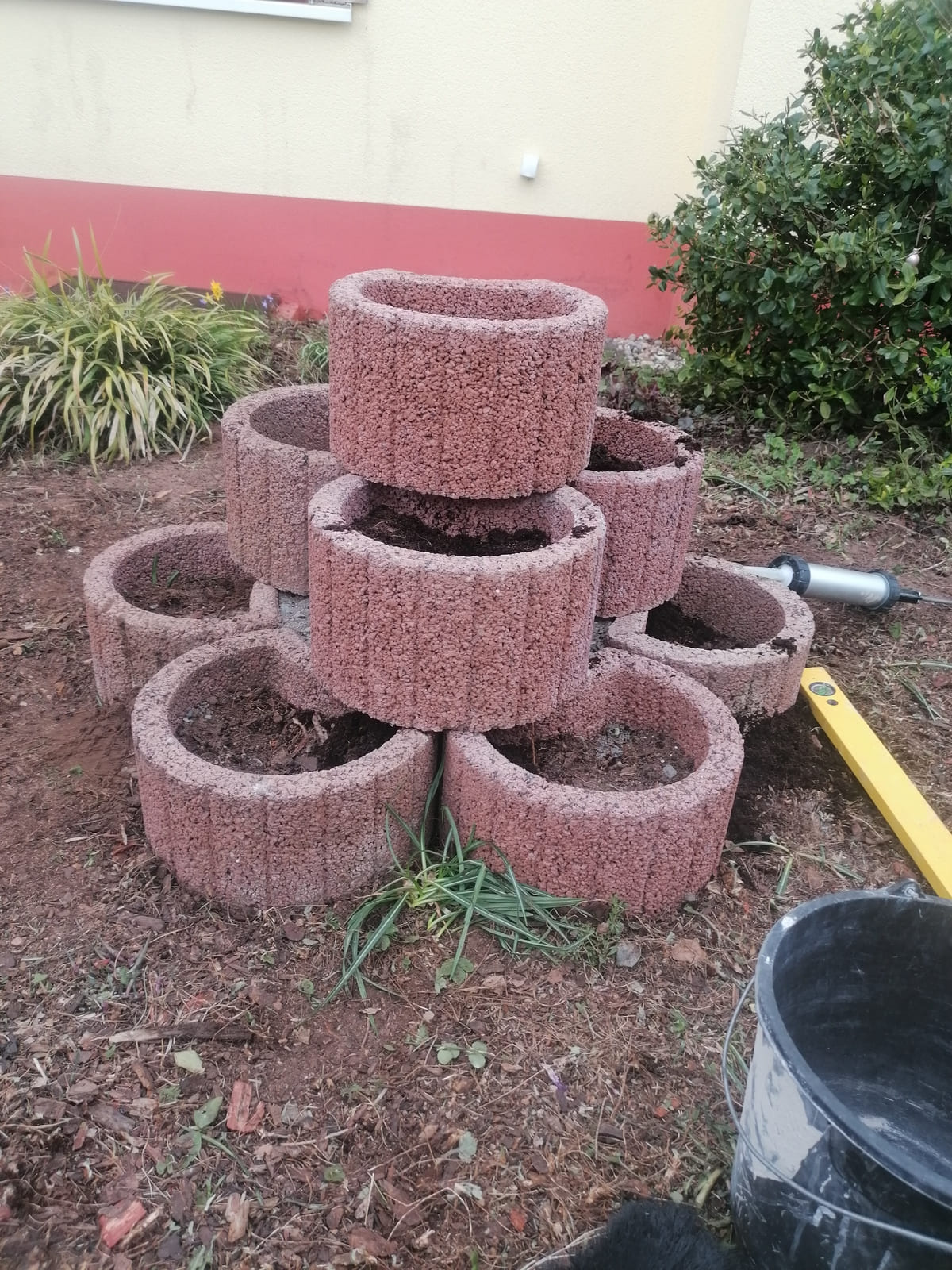
The next two layers. The stones are glued together by construction glue, the kind you can lift a car with. I am very proud to tell you that the second level only had a two mm difference in height on one stone, which is probably due to the stone itself. I let it set over night and finally today the first inhabitants could move in.

©Giliell, all rights reserved

©Giliell, all rights reserved


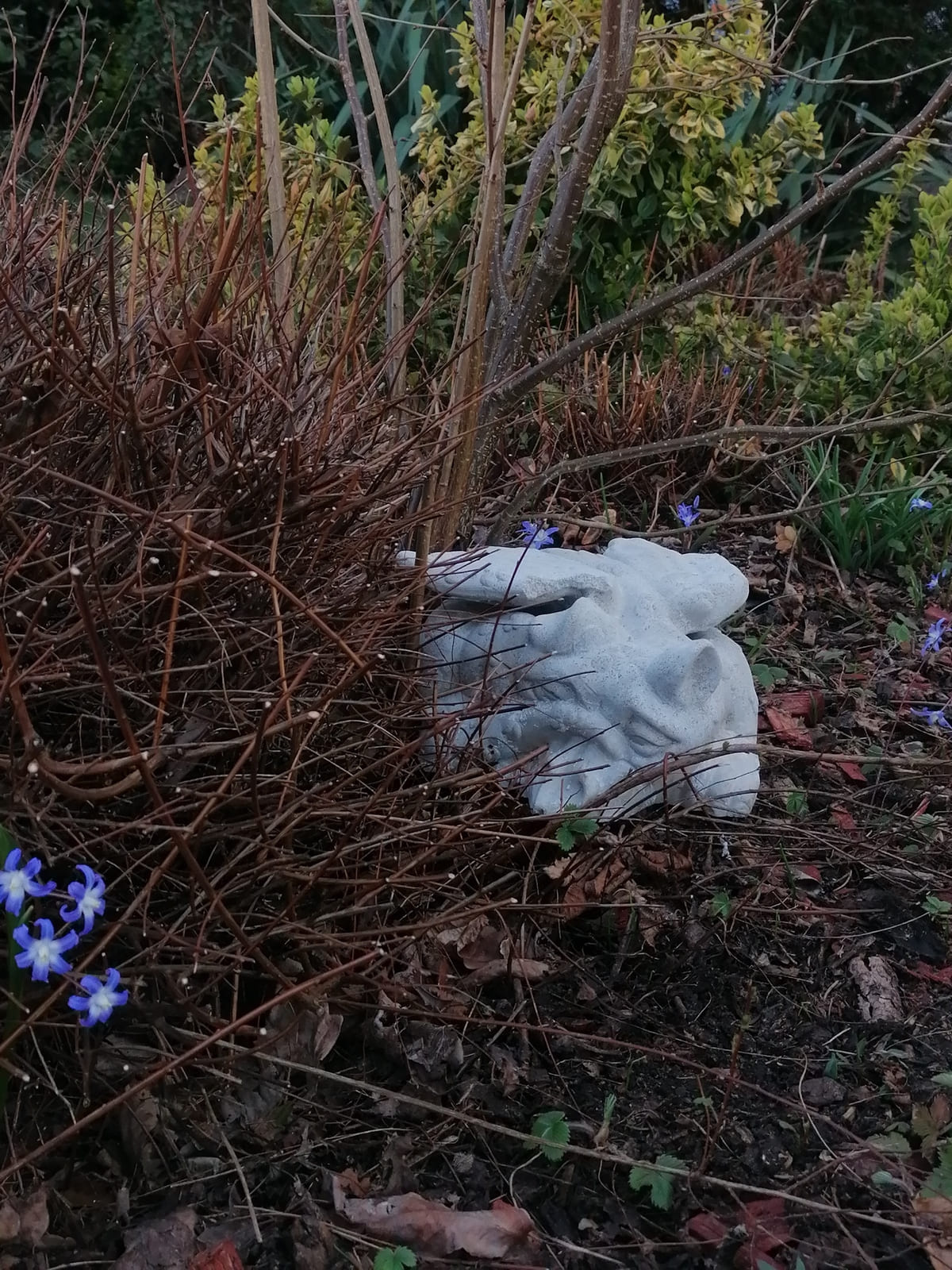
There’s going to be one more on the left side. The two slightly mishap dragons also move in, lurking behind the bushes.
©Giliell, all rights reserved


I’m also happy (haha) to tell you that my mum is back in her good (haha) old shape. Yesterday I sent her a pic of the finished but unplanted tower. “You are aware that you can’t go to the hospital now if your back hurts, right?”

Today I sent her a pick of the finished tower, with grandkid! “Are you lurking around in hardware stores or what?!”

Yes, mum, I love you, too.

The Art of Book Design: Spicy Stories

 Spicy Stories, Sept. 1936.

I can deal with the skimpy outfit for grass cutting, but the heels are a bit much. Also, why must the woman look so happy when she is obviously about to have an accident with that mower. Nonetheless, this was an early men’s magazine, and it isn’t just the stories that are “spicy,” there are also titillating drawings and a few nude photos. Mild by today’s standard, but pretty saucy for the 1930’s. If you check out the magazine at the link below, be advised that it’s NSFW. Also, take a moment or two to read the ads at the back of the issue. They’re a hoot.


via: The Internet Archive

The Art of Book Design: Weird Tales

Weird Tales, November 1938.

Weird Tales was begun in 1922 by J.C. Henneberger and J. M. Lansinger under Baird Publishers, but it floundered. In 1924, Henneberger moved the concept to Wright Publishers and it prospered there for the next 15 years. It became a popular and well-known place for many famous science fiction writers, including H.P. Lovecraft whose Cthulhu stories first appeared in the magazine. The magazine continued until 1954 when it folded, but it has been relaunched a few times (first in 1973), most successfully in 1988 where the magazine continued under several different publishers for the next 20 years or so. The title was changed in the mid 90’s to Worlds of Fantasy & Horror because of licensing issues, but it retook its original name in 1998.


via: The Internet Archive


Making Kitchen Knives – Interlude 2 – Picklin’ Scales

Today I took a bit of time and I have chosen and cut to size some wood for the handle scales. Among the species that I have chosen for this experiment are: Black locust, Cherry, Jatoba, Black elder, Larch, Oak and some unknown semi-rotten wood, probably birch.

© Charly, all rights reserved. Click for full size.

Because the purpose of this project is to gather information, I have taken all these various pieces of wood and I have given them into a jar with a mixture of ammonia and alcohol. I have written about this process before as “ammonia fuming”. The ammonia reacts with acidic lignin compounds in the wood and thus artificially ages it. In some woods the effect is really subtle – and I already know that using it for maple is a waste of resources – but on some woods, it can be really profound by giving the wood significantly darker and richer color. Oak should get almost ebony black after a few days. The rule of thumb is that if the wood has differently colored heartwood, then it is worth a try.

Some color will leech out into the solution, as you can see already (it was not a fresh solution), but that should not be a problem, it will not seep into the wood itself any more than any other pigment would. What is important here is the chemical reaction, if the wood does not react with the ammonia, it won’t change color significantly no matter what.

Ideally, only ammonia fumes would be used, with the sitting wood above the solution. But I cannot do that comfortably yet, for that I will have to make a grit of sorts that I can put into the jar. If I will ever bother, because whilst that process is a bit safer, it is a lot slower.

That is why I have added alcohol to the solution. It reduces the swelling of the wood during the soaking and subsequently reduces shrinkage and risk of cracks when drying. Plus it makes the subsequent drying a bit faster. That is something that I have tested already on two pieces of fresh birch which I have subsequently put away somewhere in my wood stash and now I cannot find them.

I will take the pieces out of the solution after a few days and let them dry outside for a bit (they stink like hell as you can probably imagine). Then we shall see what has happened to which wood. Some effects can already be seen after a few hours.

Tree Tuesday

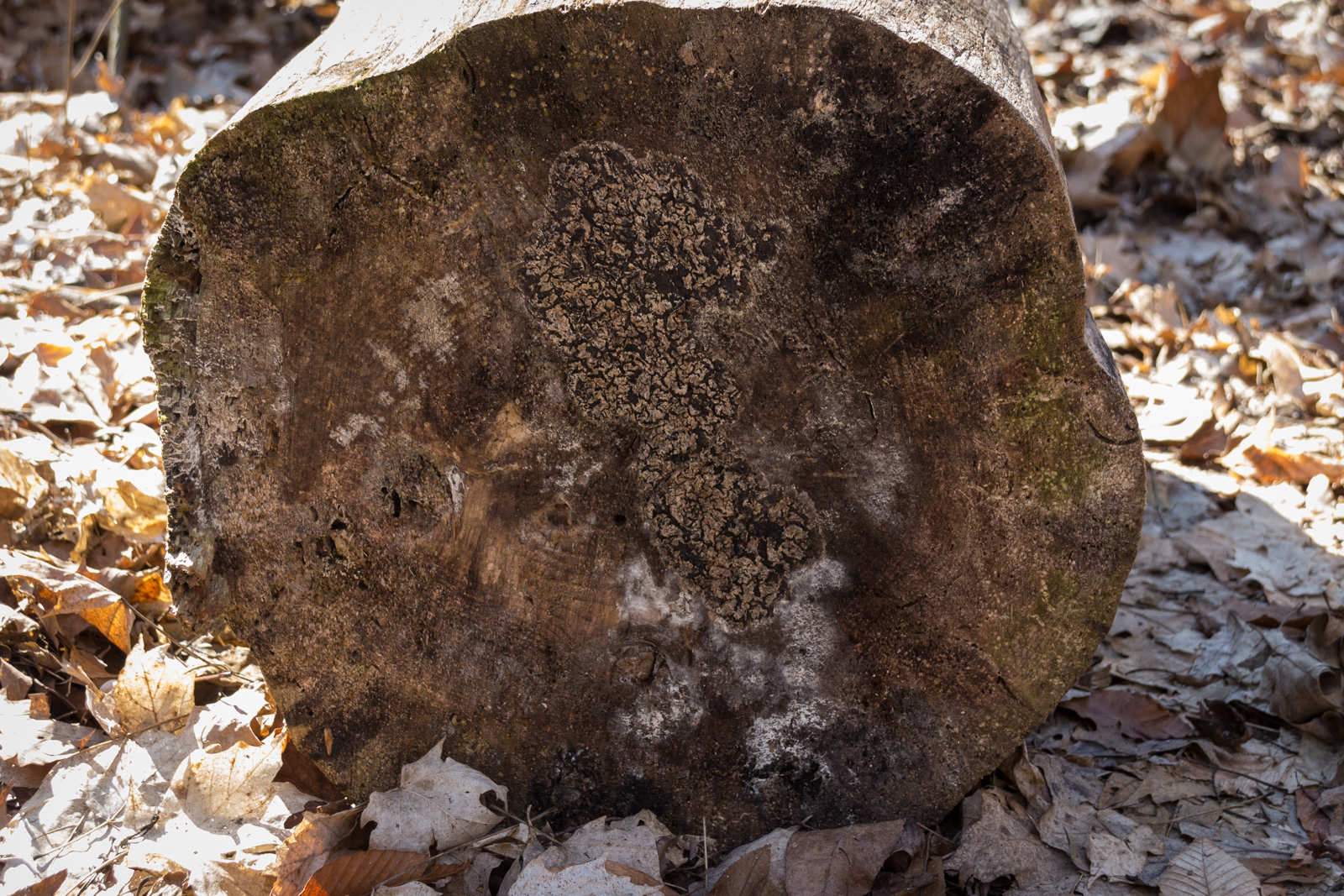
A frosting of fungus ©voyager, all rights reserved

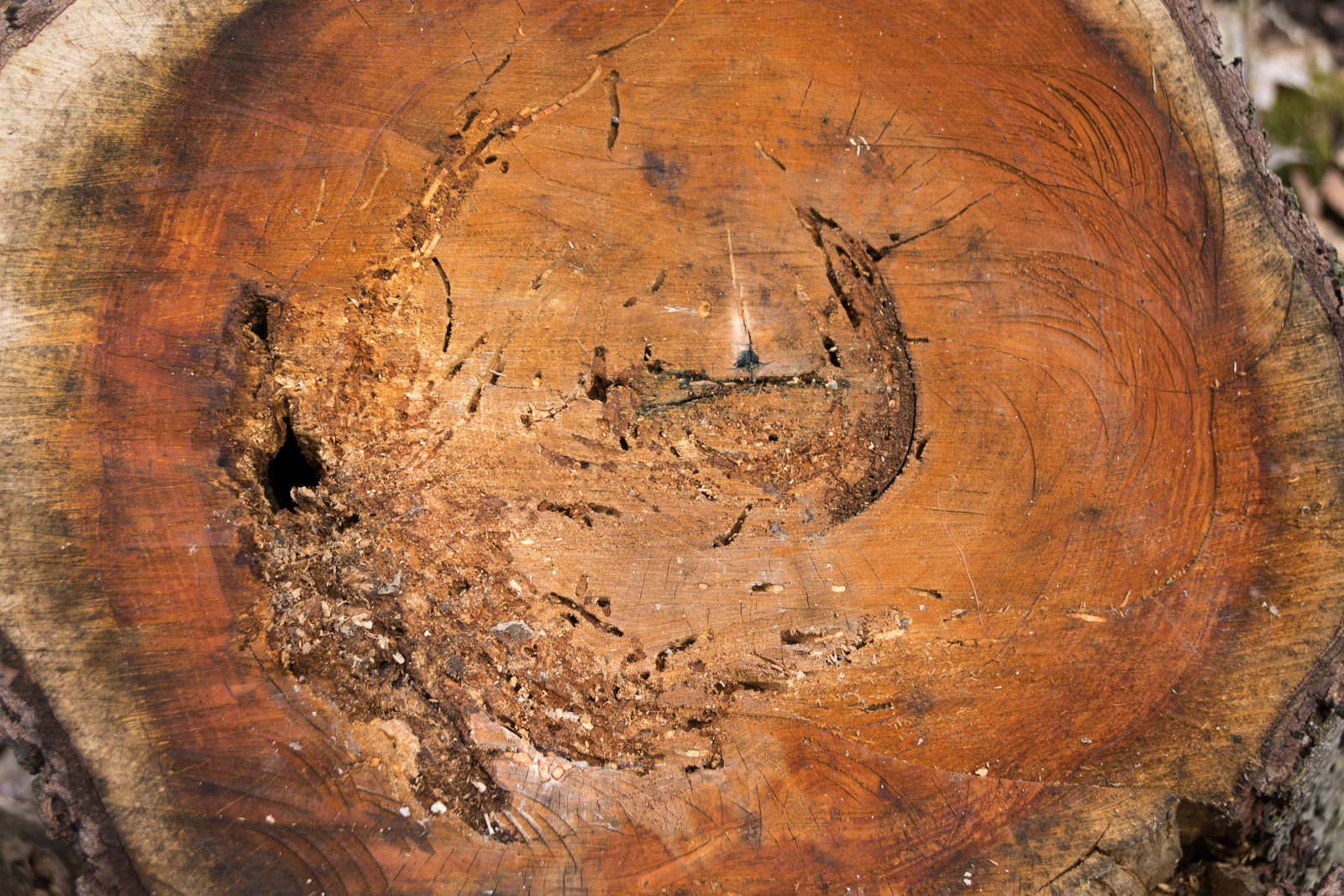
I found a few nature made pieces of wood art the other day while I was walking with Jack that I thought I’d share today. I’d prefer to share your tree photos, though, so now that it’s springtime, why not take your camera for a walk and grab some pictures of your local trees in bud or bloom. I think all of us would like to see the progress of spring in your part of the world, and I love reader submissions. Really, I do. Don’t be shy, our address is over there in the sidebar, underneath the colourful percolating head where it says email here.

Wormwood ©voyager, all rights reserved

A Tiered Garden ©voyager, all rights reserved

Jack’s Walk

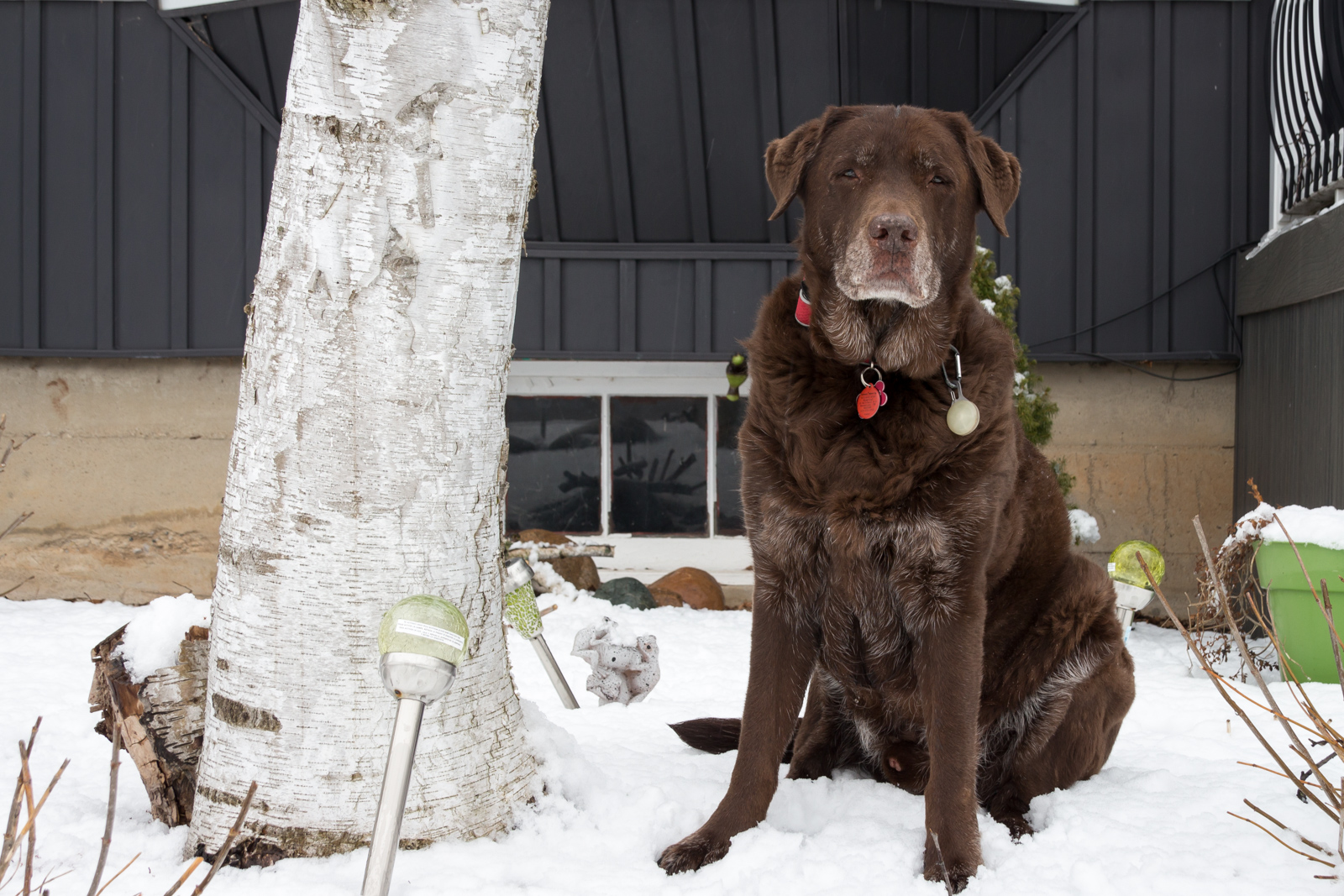
Jack, March 23, 2020 ©voyager, all rights reserved

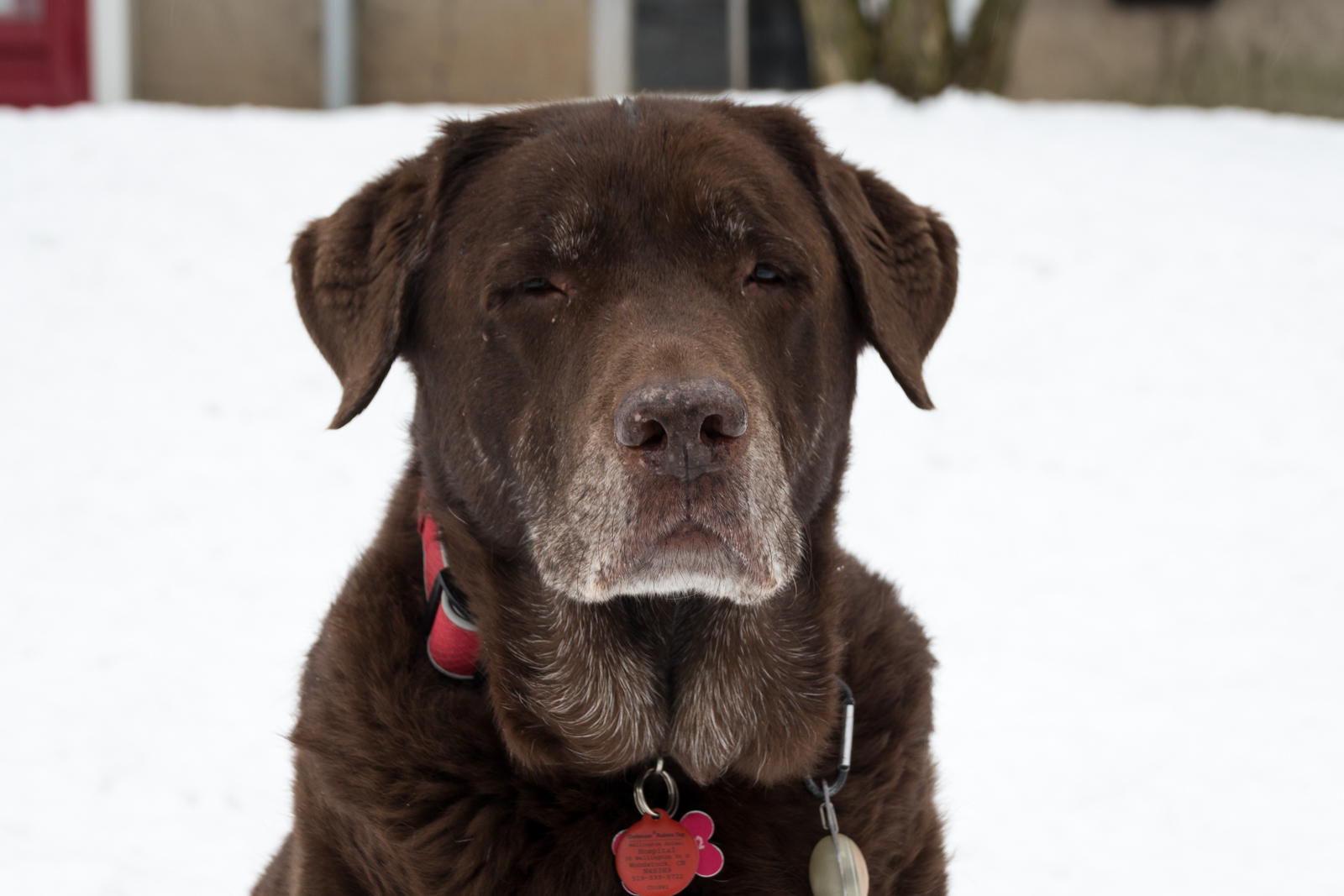
Can I go back to bed now, Mummy? ©voyager, all rights reserved

All that white stuff behind Jack is snow. Which is what it did here yesterday. Thankfully, it was all gone by this morning, and no shovelling was required, which made for a pleasant change. Despite the snow and cold, it’s definitely spring, and not just because the calendar says so. I know it’s spring because Jack has started his annual shed. You can see it starting on his shoulders just below his collar. See how it’s clumping into tufts. Soon those tufts will turn blondish and then they’ll fall out along with a tsunami of single untufted hairs, all of which will need to be vacuumed up if I don’t brush them out first. Luckily, we have super-powered brushing tools (Thanks, Marcus), but even deploying them daily won’t keep up. The more you brush Jack, the more hair it loosens up, and the more brushing he needs. You can spend half an hour at a time brushing Bubba and get a grocery bag full of hair and think you’re all good, and then an hour later, you could do it all over again. I had hopes that it wouldn’t be as bad this year because he didn’t seem to put on as much hair as usual, but if today is any indication, my brushing arm, which is also my vacuuming arm, is still going to get a good workout over the next month or so. I’ve included Jack’s photos from the start of winter below the fold in case you want to make a comparison.

Jack, October 3, 2019 ©voyager, all rights reserved

Jack, October 3, 2019 ©voyager, all rights reserved

Bonsai Tree – Well, Thats Officialy Weird…

Previous Post.

Today, the terminal bud started definitively growing. There is no longer any doubt that it is alive and that last years’ growth did not go down the drain. Persimmon seeds are rare, so I am a bit fussier about this tree than I am for example about pomegranates or hibiscuses. So these last two weeks I was worried that the terminal bud is dead.

© Charly, all rights reserved. Click for full size.

However, I did not worry that the tree itself is dead. Because it did, in fact, begin to grow just one day after my last post. Only it did not start to grow at the tip. It sprouted a second trunk near the base. Which grows slowly, but steadily, ever since. This week the leaves started to get bigger and I have started to turn the plant 90° clockwise daily in order to achieve straight growth.

© Charly, all rights reserved. Click for full size.

However, this is not something that I expected. From pictures on the internet I have assumed that Diospyros kaki are small to medium-sized trees with strong apical dominance, akin to apples or pear trees. But this type of growth, where new suckers start growing at the root base and outpace in growth the main stem is usually the domain of shrubs and bushes, like the common hazel Corylus avellana. And even there it usually does not happen during the second year already, it usually takes a few years to establish the main stem first.

I can only speculate about the cause, so here goes: The root-trimming stopped the inhibition of one of the two buds at the base of cotyledons. Those remained underground in this plant, unlike for example in apple, where they rise above the ground. And since cotyledons are modified leaves, they have buds at their base, only those are usually extremely inhibited and do not start growing unless the main stem is damaged.

This gives me some information about the plant.

First, I will see next year what the root system looks like, but this might mean I will get multiple plants out of this, or one plant with multiple stems. Or that it will be very difficult to get bonsai out of this plant at all because the plant has insufficient apical dominance for that.

Second and more important – it means this species should be strong enough to handle even severe trimming and should be able to start growing even from older wood from extremely inhibited buds. That is, in fact, a very good property in a bonsai tree, because those might need to be scaled back occasionally by trimming several years old branches.

So while this was really unexpected and it is a bit weird, It is not bad news and it makes me hopeful that it will go well. We’ll see how the growth pattern develops from now on, I won’t interfere with the trees shape for at least a year at all.

The Art of Book Design: True Detective Mysteries

McFadden Publishing. True Detective Mysteries, June 1928.

There were many imitators over the years, but True Detectives Mysteries (later known simply as ‘True Detective’) is the original true crime magazine, and ran from 1924 until 1971, under McFadden Publishers and from 1971 – 1995 under several other publishers.

The Art of Book Design: True Confessions

Fawcett Publications. True Confessions, August 1922.

The originator of yesterday’s pulp magazine, Wilber Hamilton Fawcett, went on to establish this well-known pulp magazine in 1922. It became wildly popular and survived well into modern times. It folded sometime in 2018, but specific information is difficult to find.

via: The Internet Archive

Excuse me, I’m a Little Horse

Kestrel’s little horse is looking better, bit by bit.

Progress! I thought it might be interesting to see how the layers of fine pastel dust build up. People who have never done this before don’t realize that it just takes time and patience; you don’t have to glob the pastel on there, thin tiny layers are the way to go. The nice thing about pastels is they are very slow and you have a lot of control, but it takes many layers to get a nice deep rich color. I’d also like to point out that I changed the markings from the living horse a little bit. It’s one of the nice things about painting; if you don’t like where a particular thing is, you can just move it over a little, or add on an extra blob here and there! 

©kestrel, all rights reserved

©kestrel, all rights reserved

©kestrel, all rights reserved

©kestrel, all rights reserved

Aaaand… now it’s time for some details with acrylics! Acrylics kinda scare me because they are very fast. They dry out so quickly in my area I sometimes can’t even get the paint on to the model, because it dries on the brush as I’m trying to apply it. There are products that slow down the drying time on acrylics and I am using them here.

Although the acrylics are perfect for details, you just can’t get that same degree of blending and shading as you do with pastels. Some people use an airbrush for the blending, but I don’t have one, so it’s pastels for me.

©kestrel, all rights reserved

He’s starting to look like a horse now. In case anyone wonders, eyes are about the last thing you do. It would be very sad indeed if you did the eyes, got them perfect (NOT easy, especially at this scale!) and then the model fell over into a puddle of paint and ruined them. So, you save them for the very last. They really help to bring the piece to life.

It’s starting to look like I’ll be able to get him done by the deadline!

It’s a Damned Yellow Composite

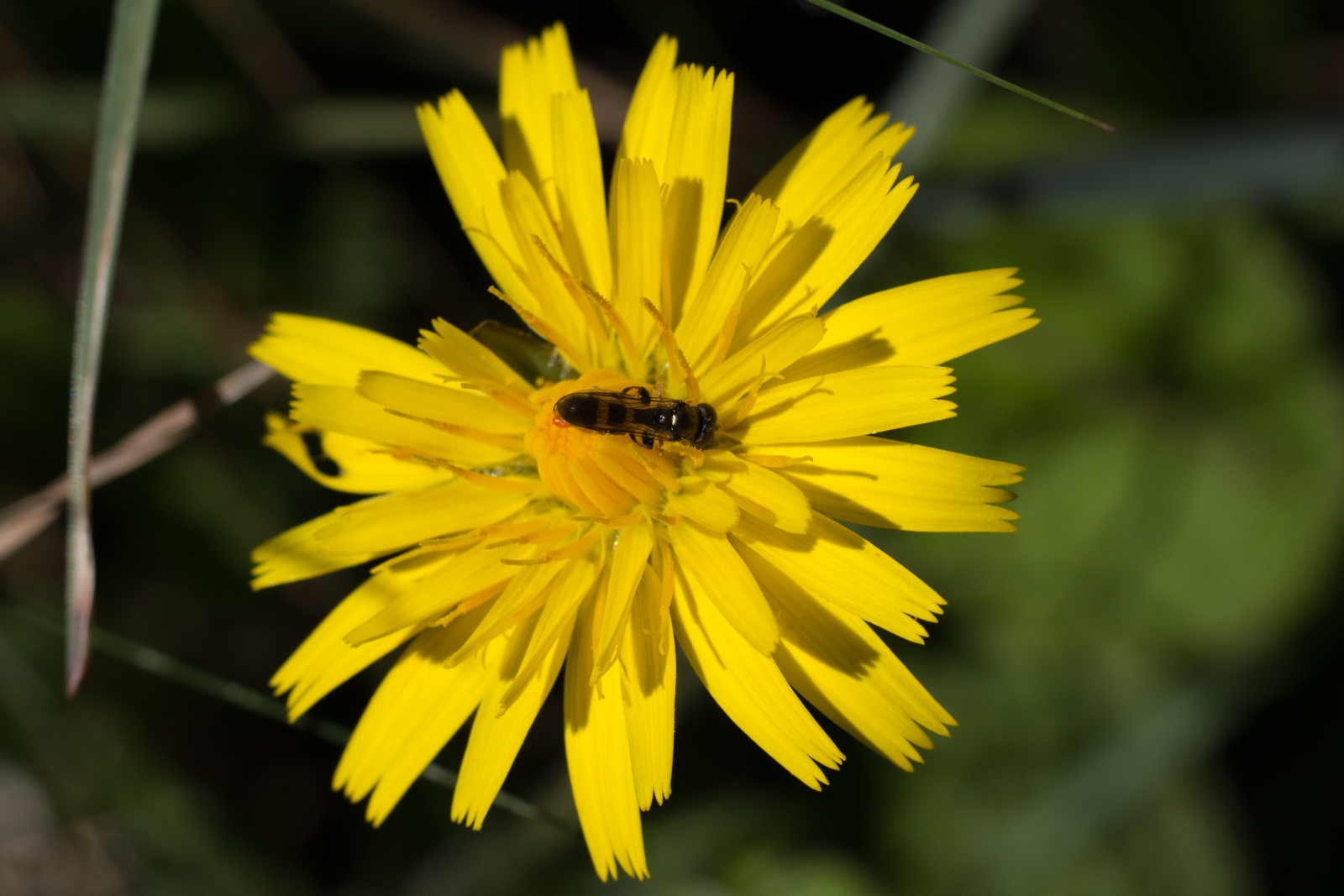
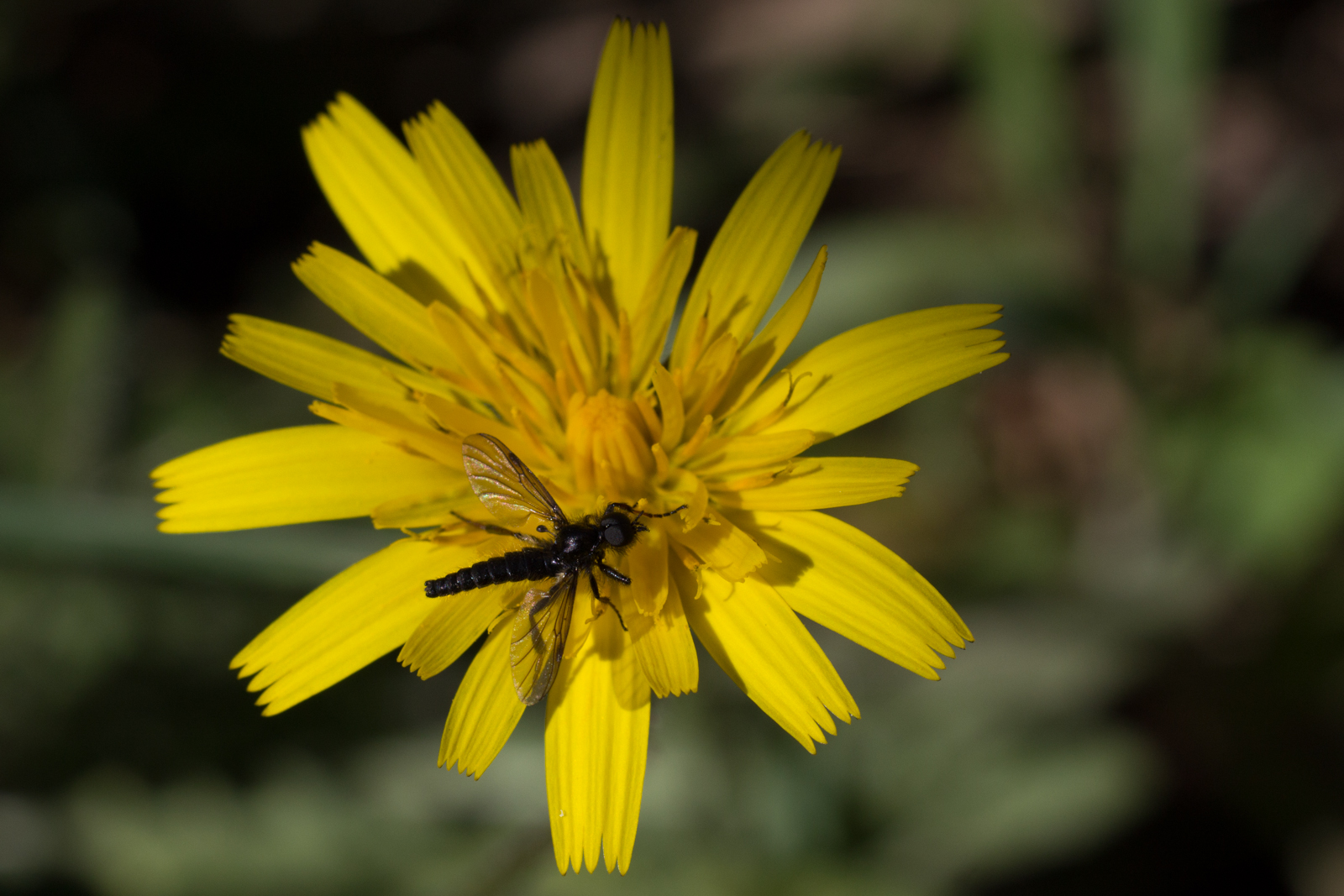
Nightjar has sent us some bright yellow flowers to brighten our week.

Today’s flower is a… well, let’s call it a DYC, Damned Yellow Composite. I can never tell them apart and it’s not really important. And I also can’t identify the flies (I think?) that are visiting the flowers, so it’s all around an ID fail from me. I still hope they cheer you up!

©Nightjar, all rights reserved

©Nightjar, all rights reserved