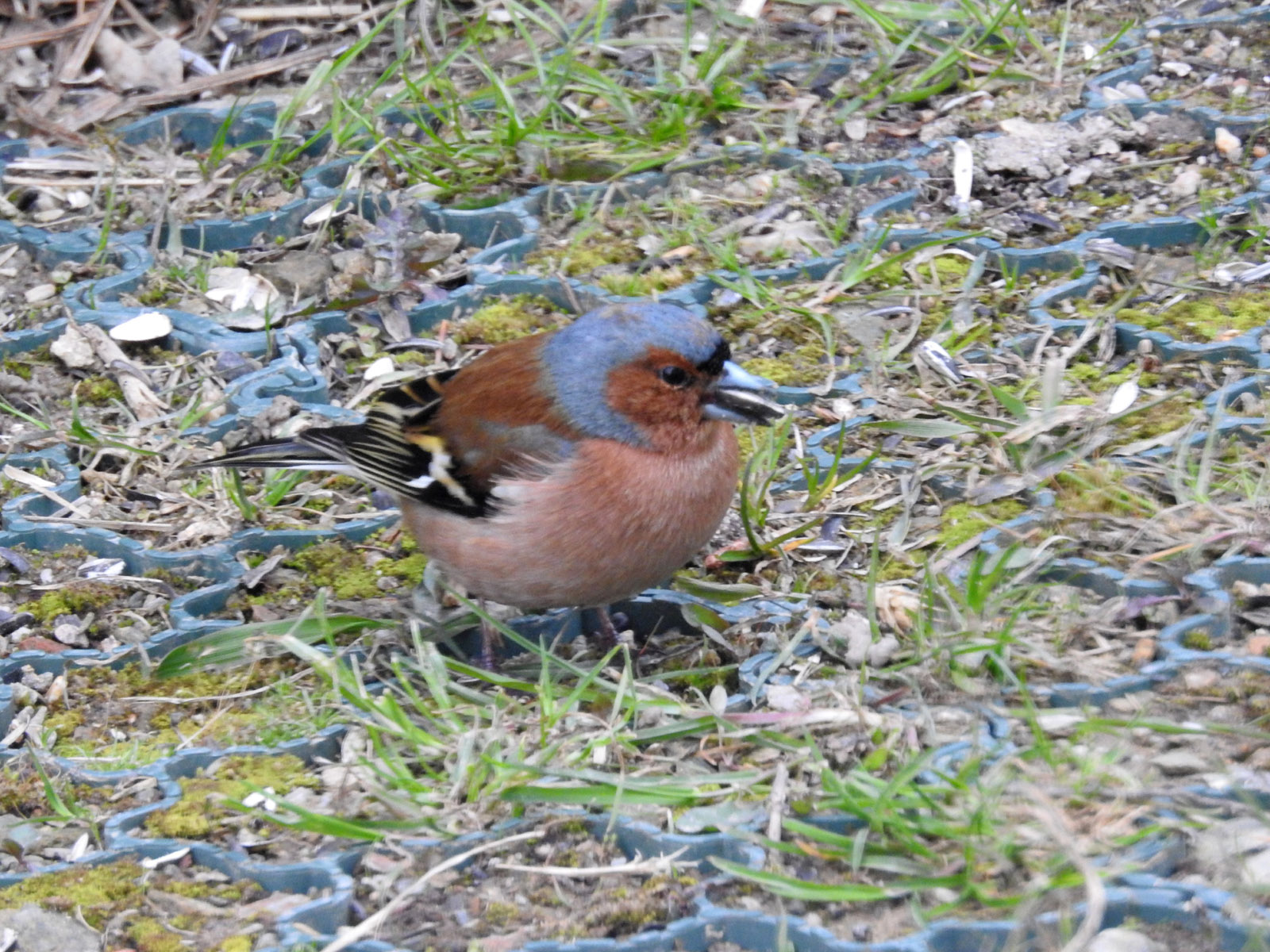
Chaffinch, from Charly. What an adorable dinosaur! Click for full size.


© Charly, all rights reserved.

Chaffinch, from Charly. What an adorable dinosaur! Click for full size.
© Charly, all rights reserved.
Gonna have to grit my teeth and allow myself to get robbed, need good markers.

© C. Ford, all rights reserved.

Flyer courtesy Girl Mobb.
When it comes to street art, saying there’s a gender disparity is a serious understatement, and Girl Mobb is working to change that. You can read all about it at The Creators Project (see more, too), and check out Girl Mobb’s Instagram and visit the Graffiti Camp Site.

150 Years of Iconography, courtesy of Southern Poverty Law Center. Sourced from their story, Whose Heritage? Public Symbols of the Confederacy (click to enlarge).
[…] The Southern Poverty Law Center (SPLC) began to catalog Confederate symbols around the country, stating: “There was no comprehensive database of such symbols…In an effort to assist the efforts of local communities to re-examine these symbols, the SPLC launched a catalog to study them.”
[…]
There were two major periods during which the dedication of Confederate monuments and other symbols spiked: the first two decades of the 20th century and, later, the Civil Rights movement. As they explain:
[T]wo distinct periods saw a significant rise in the dedication of monuments and other symbols. The first began around 1900, amid the period in which states were enacting Jim Crow laws to disenfranchise the newly freed African Americans and re-segregate society. This spike lasted well into the 1920s, a period that saw a dramatic resurgence of the Ku Klux Klan, which had been born in the immediate aftermath of the Civil War.
The second spike began in the early 1950s and lasted through the 1960s, as the civil rights movement led to a backlash among segregationists. These two periods also coincided with the 50th and 100th anniversaries of the Civil War.
Take a look at the infographic. Note the massive cluster of dedications of monuments around the time the National Association for the Advancement of Colored People (NAACP) was being formed, and the dedications’ continued persistence during the KKK’s resurgence. Check out the sudden rise in the dedication of schools, named in honor of Confederate soldiers, almost immediately following Brown v. Board of Education. Note that there were less dedications of Confederate symbols during race riots, even a significant dip during the Detroit uprising of 1943.
You can trace a clear spike in the dedication of Confederate monuments whenever black Americans organized in a concrete way; when they were made visibly vulnerable — such as in the instance of uprisings — the commitment to Confederate symbolism tapered off.
According to this data, it’s clear that once black Americans sought their own agency or publicly defended their rights, white supremacists and Confederate apologists became eager to crowd around these monuments in tender affection and homage, to espouse this history. The monuments had a purpose, newly reinstated again and again, to revive and cherish white history each time minorities, especially black people, made themselves visible. The common refrain in support of the Confederate flag (“heritage, not hate”) quickly dies on its own sword. There’s no pride, except for the kind rooted in a fear of white erasure.
After mining the data, it’s clear white panic is real.
The full article is at Hyperallergic, and it’s excellent, and necessary reading, as many people seem to not know the full history of these monuments to hate. Recommended reading.
"No one is born hating another person because of the color of his skin or his background or his religion…" pic.twitter.com/InZ58zkoAm
— Barack Obama (@BarackObama) August 13, 2017
Barack Obama: “No one is born hating another person because of the color of his skin or his background or his religion…”
"People must learn to hate, and if they can learn to hate, they can be taught to love…"
— Barack Obama (@BarackObama) August 13, 2017
Barack Obama: “People must learn to hate, and if they can learn to hate, they can be taught to love…”
"…For love comes more naturally to the human heart than its opposite." – Nelson Mandela
— Barack Obama (@BarackObama) August 13, 2017
Barack Obama: “…For love comes more naturally to the human heart than its opposite.” – Nelson Mandela
Here’s a great example of the stark difference between this current presidency and the last: in the wake of Trump’s horrific response to the Charlottesville tragedy, Barack Obama tweeted a three-part quote from Nelson Mandela, the first tweet of which has become the most liked post in the site’s entire history.
Via Out.
Oh, souls. There are those who are insistent that souls are real, in spite of them being intangible and invisible. They have much in common with the invisible pink unicorn. I’ve been immersed in Medieval manuscripts again, and came across a depiction of the weighing of a soul, and a woman carrying a soul. Click images for full size!
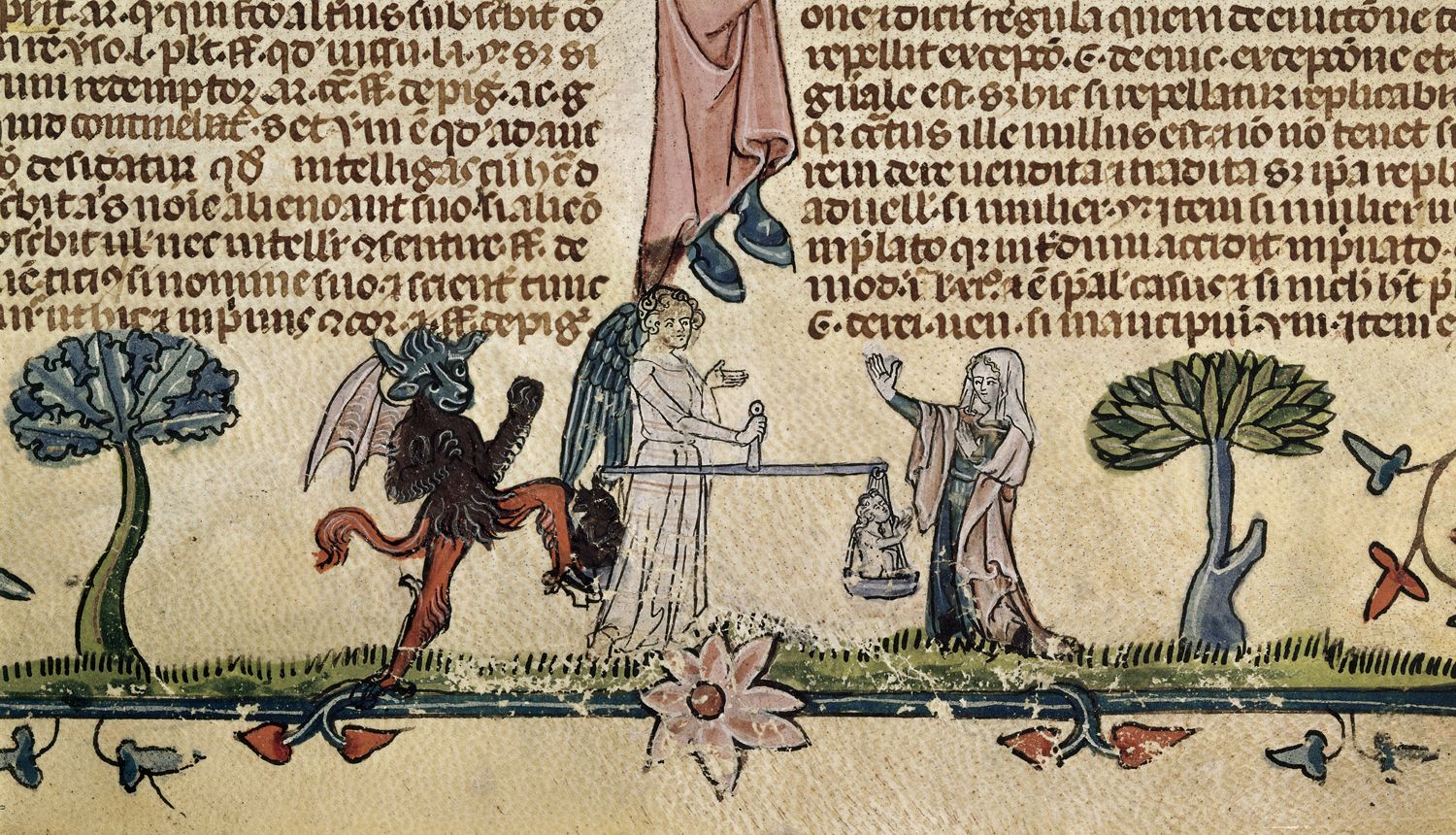

There’s one mystery cleared up, eh? :D
Via The British Library.
Screencapture.
There’s been some very interesting research happening in Chicago, and it turns out that trees reduce crime. I don’t find this surprising at all, but I’m a “must be attached to the land” person. When your environment is bleak and desolate, you end up with bleak, desolate, desperate people. We need to be aware of our earth, we need to be connected to our planet. In urban environments, the best way to restore that connection is with trees. Yes, they are a long-term investment, but that’s good, because it means people are thinking the right way, generations ahead of themselves.
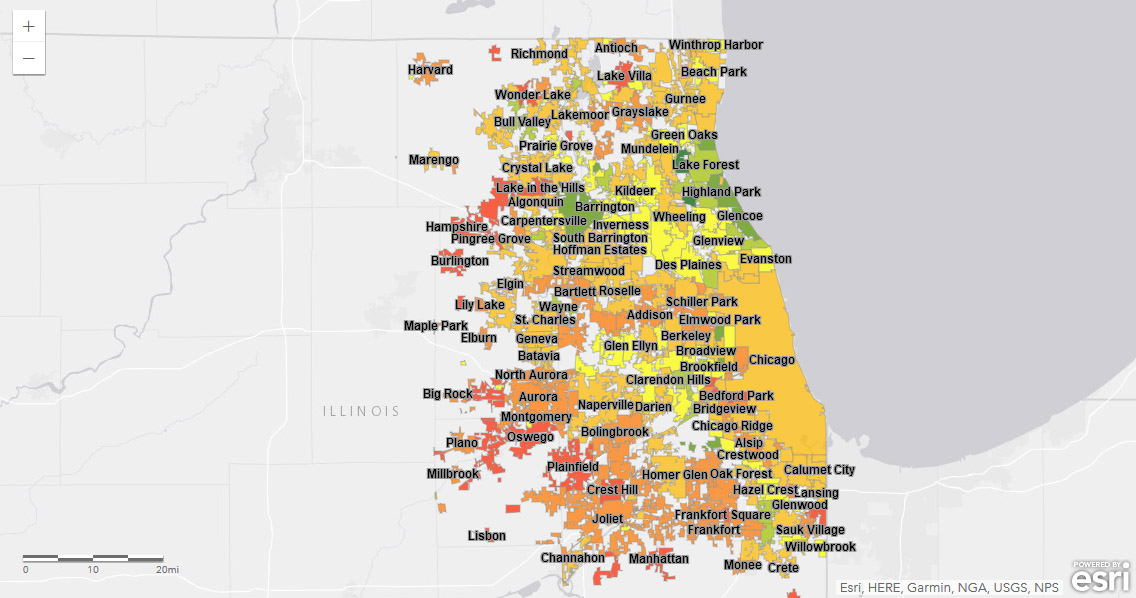
In June, the Chicago Regional Tree Initiative and Morton Arboretum released what they say is the most comprehensive tree canopy data set of any region in the U.S., covering 284 municipalities in the Chicago area. Now, that data is helping neighborhoods improve their environments and assist their communities.
“When we go to talk to communities,” says Lydia Scott, director of the CRTI, “We say ‘trees reduce crime.’ And then they go, ‘Explain to me how that could possibly be, because that’s the most bizarre thing I’ve ever heard.’”
In Chicago, where more than 2,000 people have been shot this year, scientists are looking at physical features of neighborhoods for solutions. “We started to look at where we have heavy crime, and whether there was a correlation with tree canopy, and often, there is,” says Scott. “Communities that have higher tree population have lower crime. Areas where trees are prevalent, people tend to be outside, mingling, enjoying their community.”
The map revealed that poorer neighborhoods are often “tree deserts,” areas with little or no tree canopy. Trees reduce flooding, improve property values, prevent heat islands, promote feelings of safety, reduce mortality, and provide other significant social and health benefits. This means that when you live in, for example, the South Side, where trees are scarcer, you lose more than just green leaves overhead.
Never before have researchers been able to look so widely and deeply at this sort of data. The map is huge—it covers seven counties—and extremely detailed. That has allowed Scott and her colleagues to notice some startling patterns. For example, in the North Shore community—an affluent, lakeside, suburban area—canopy cover tends to be 40 percent or higher. On the economically depressed South Side, canopy can be as low as 7 percent.
That last is no surprise, either. As it goes with people, the poorer you are, the less of everything you get, including trees. There’s much more to the article, all the research, how it was conducted, and information about Blacks in Green, who are doing stellar work. Click on over to Atlas Obscura for the full story. Then see if you could help plant a tree. Or just hug one.
Lamb – What Makes Us Human. Lyrics below the fold.

Pois De Senteur (Sweet Pea). J.J. Grandville, Les fleurs animées.
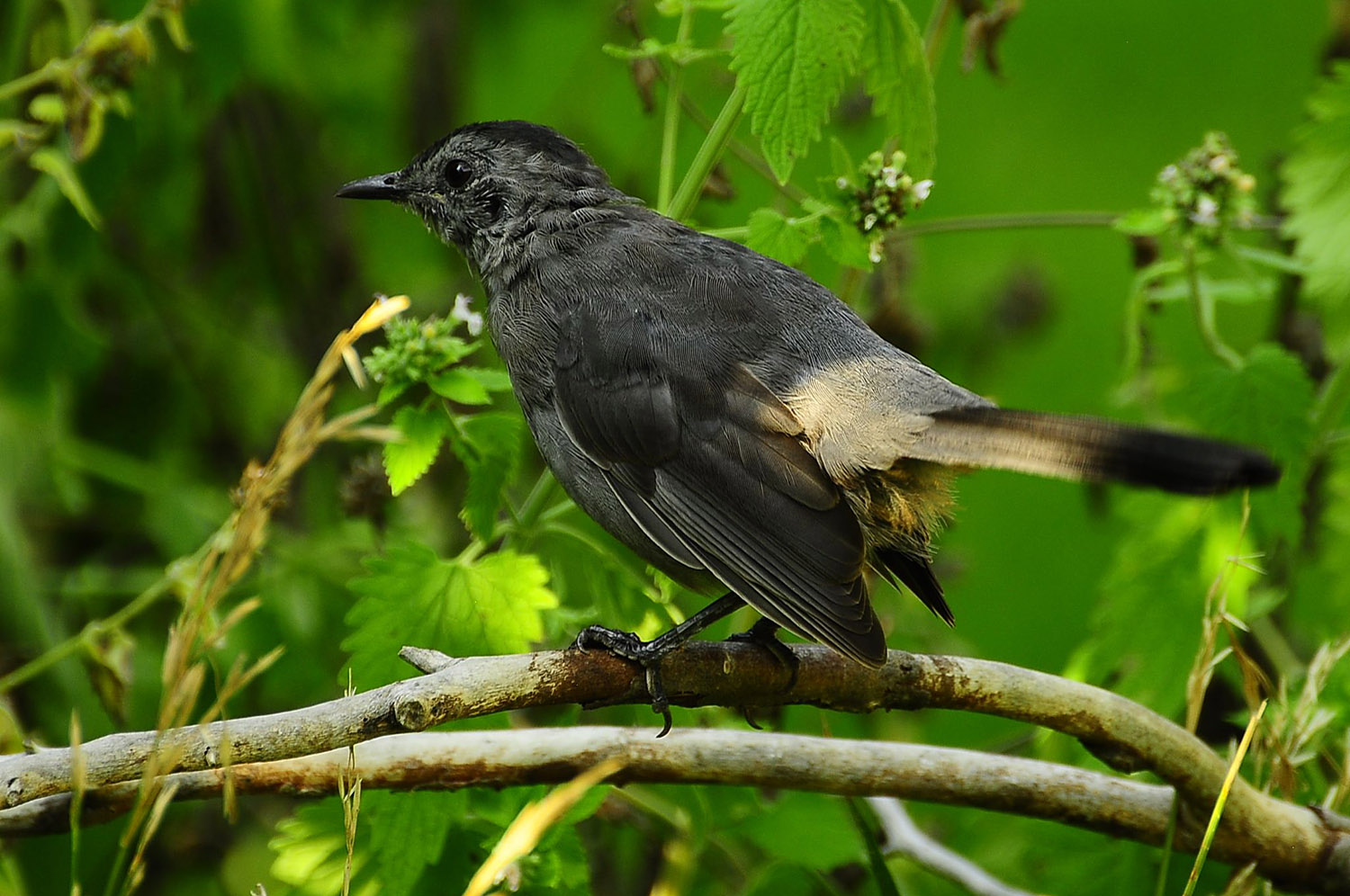
A fledgling Gray Catbird, who wanted his/her parents very much. The little one was very attracted to the shutter noise, which brought them closer to me. Click for full size.
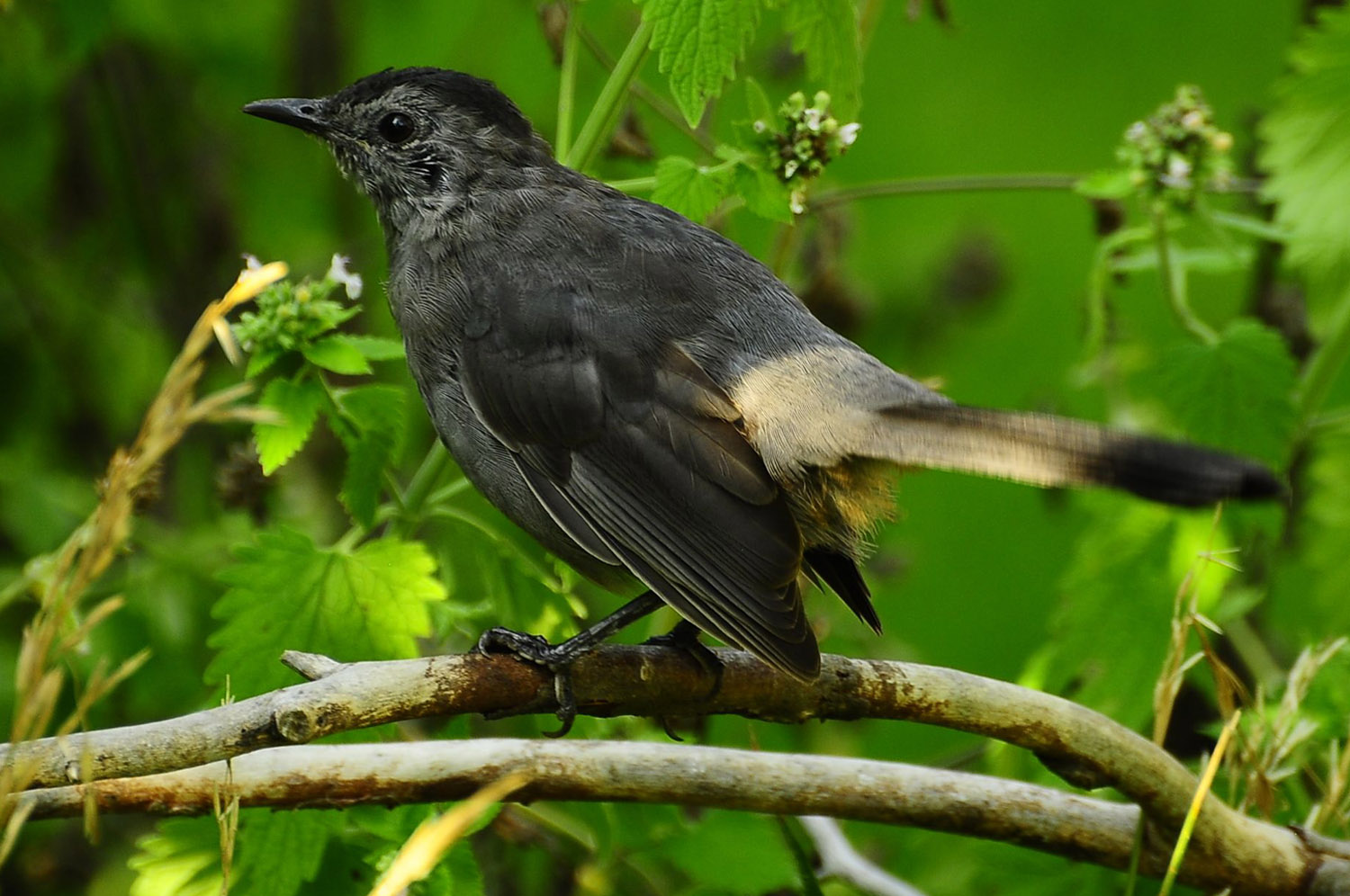

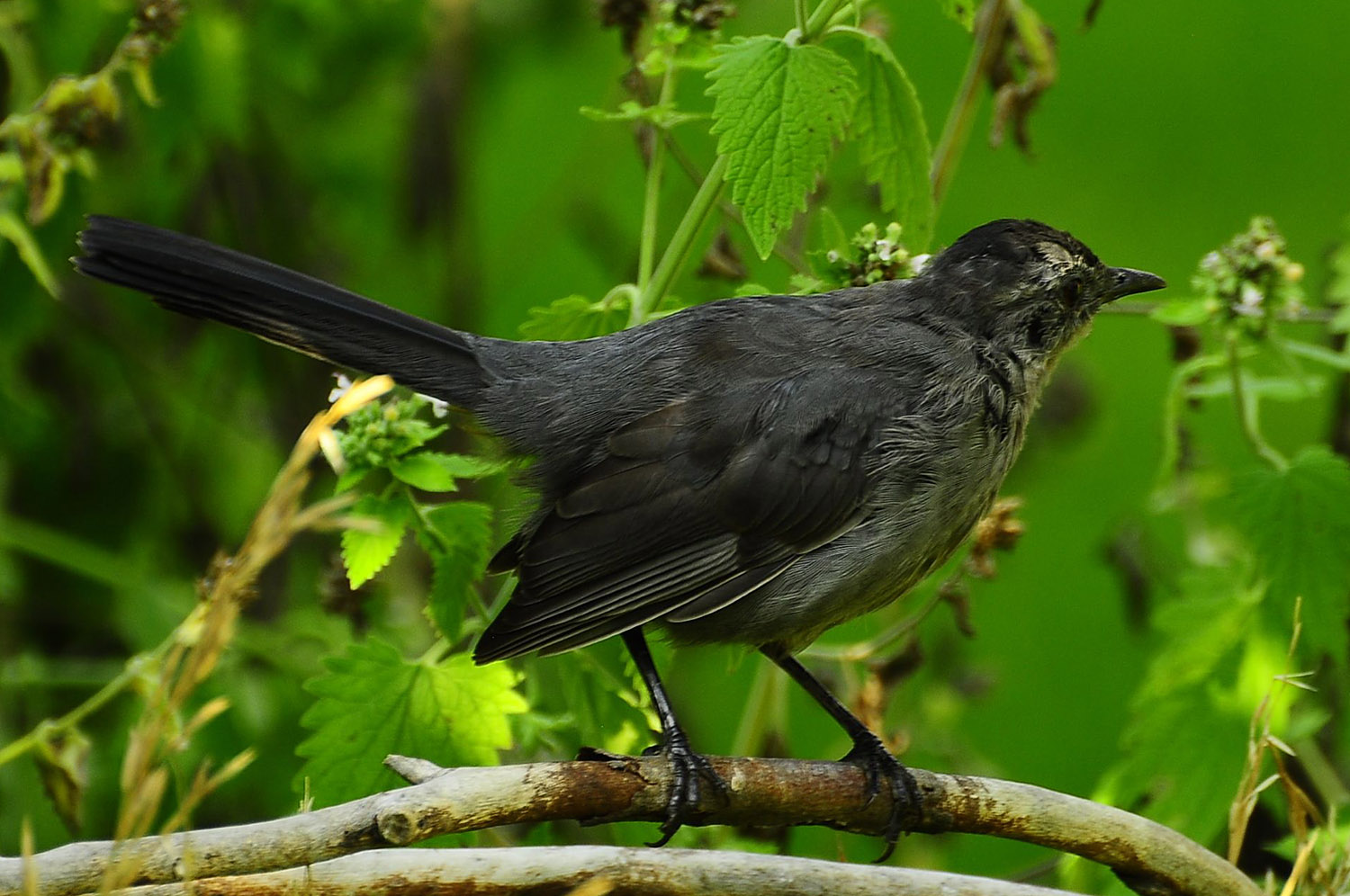


© C. Ford.
Swallows and Crows, from Charly, click for full size!

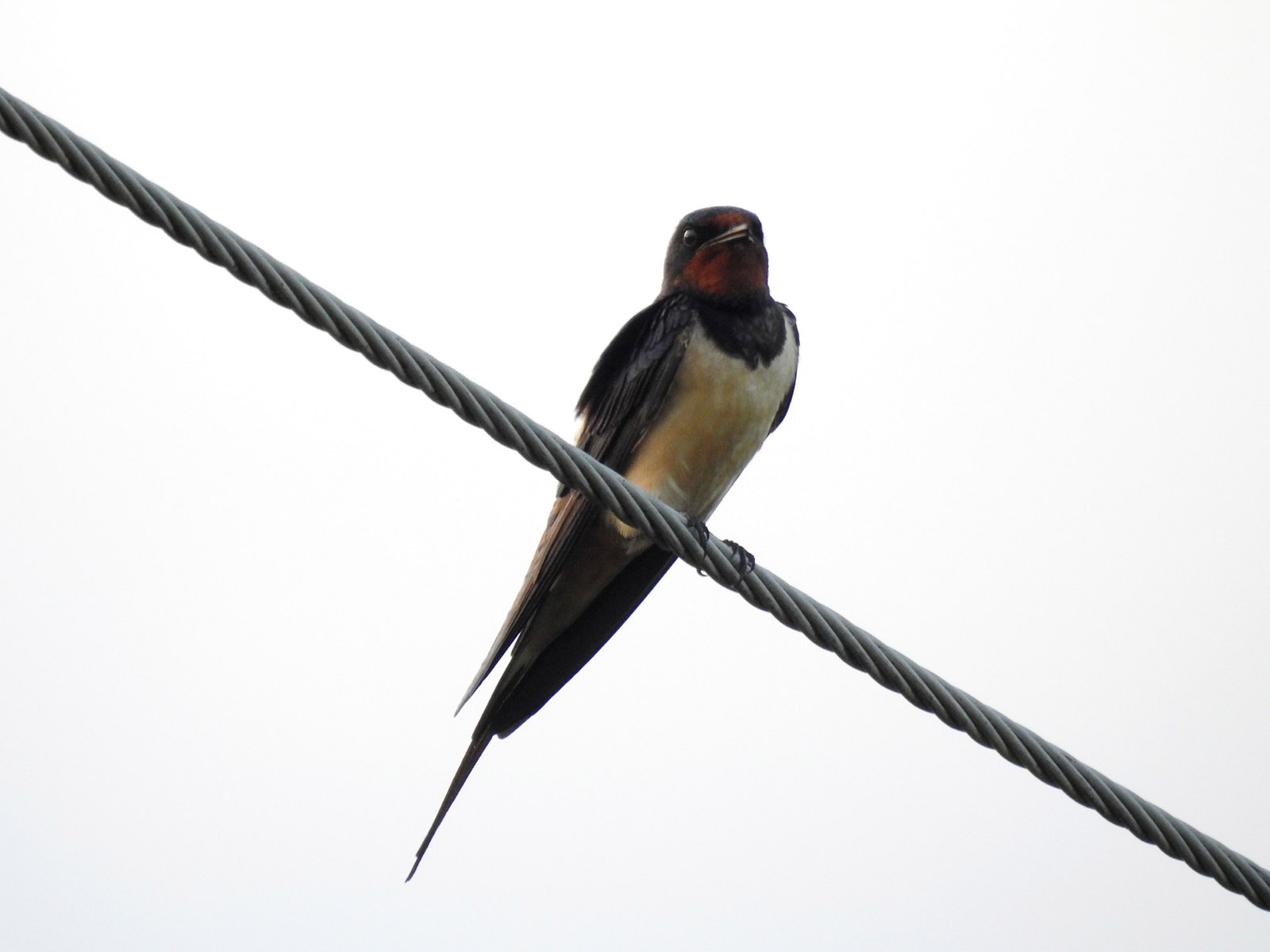

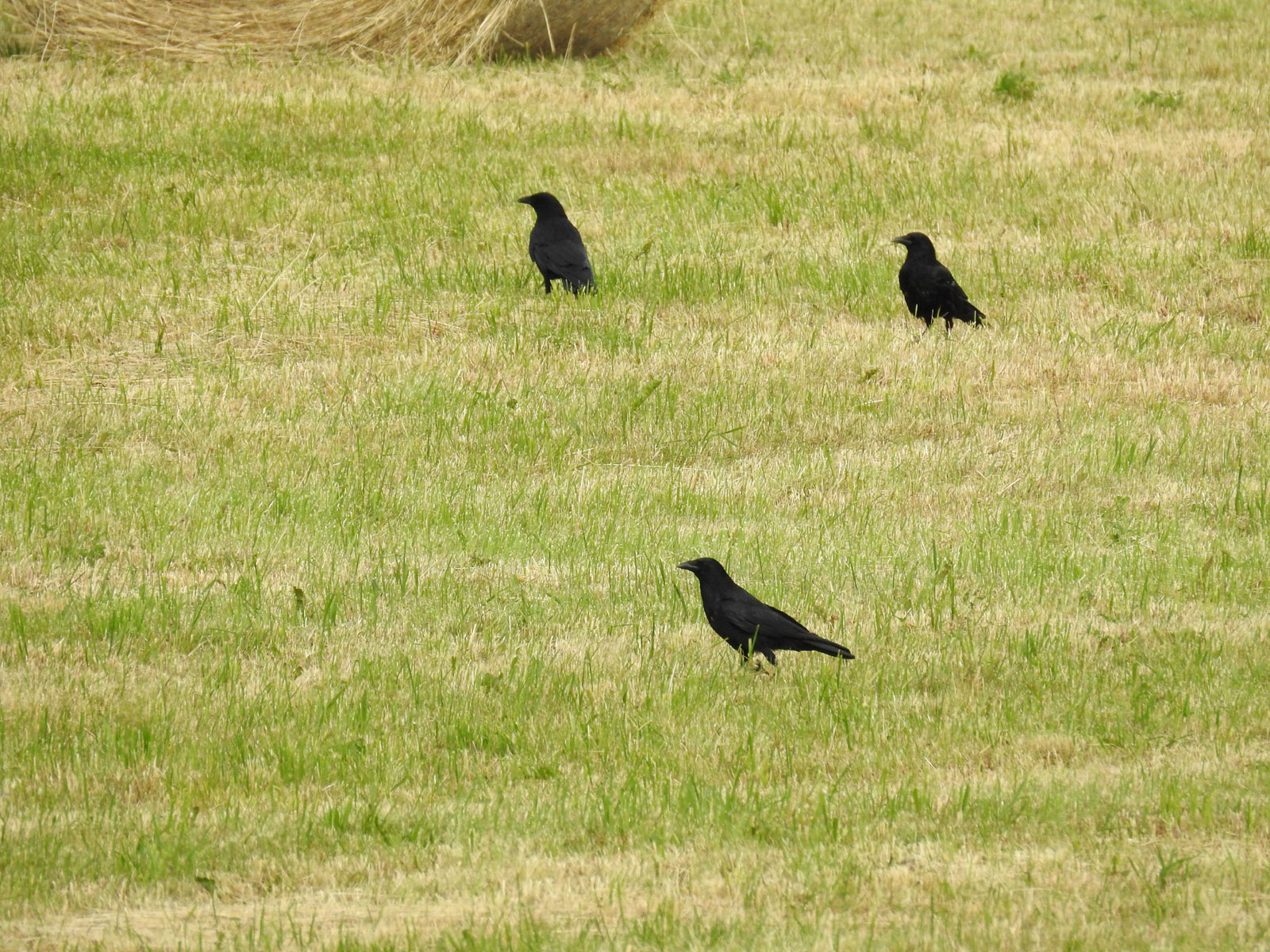
© Charly, all rights reserved.
See? :D Brush and Ink.
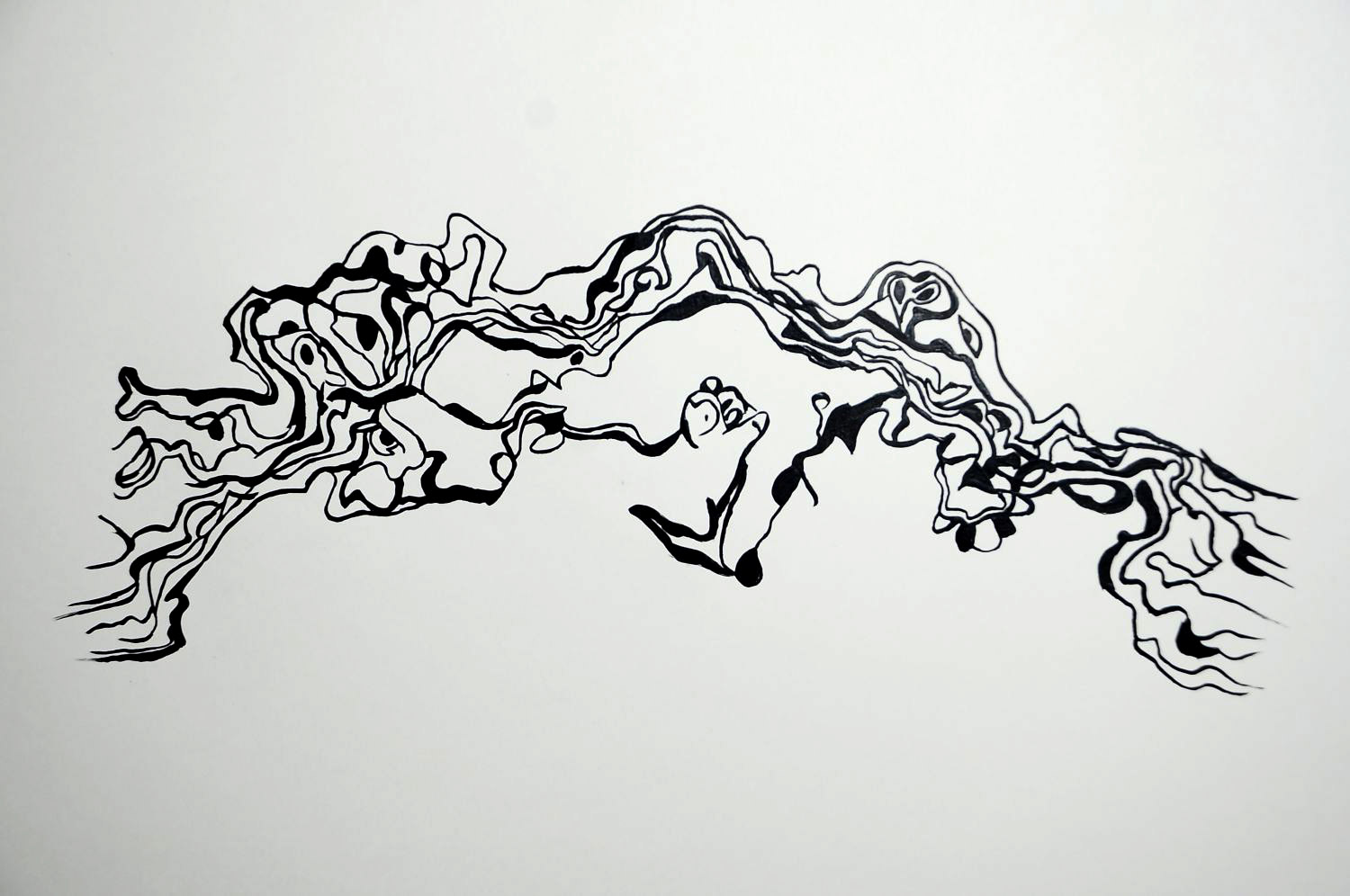
© C. Ford, all rights reserved.
I always end up with something vaguely geographical and map like:

© C. Ford.
The magic of Albert Janzen’s lines elude me. That said, I still love doing lines, so I’m going to do more.