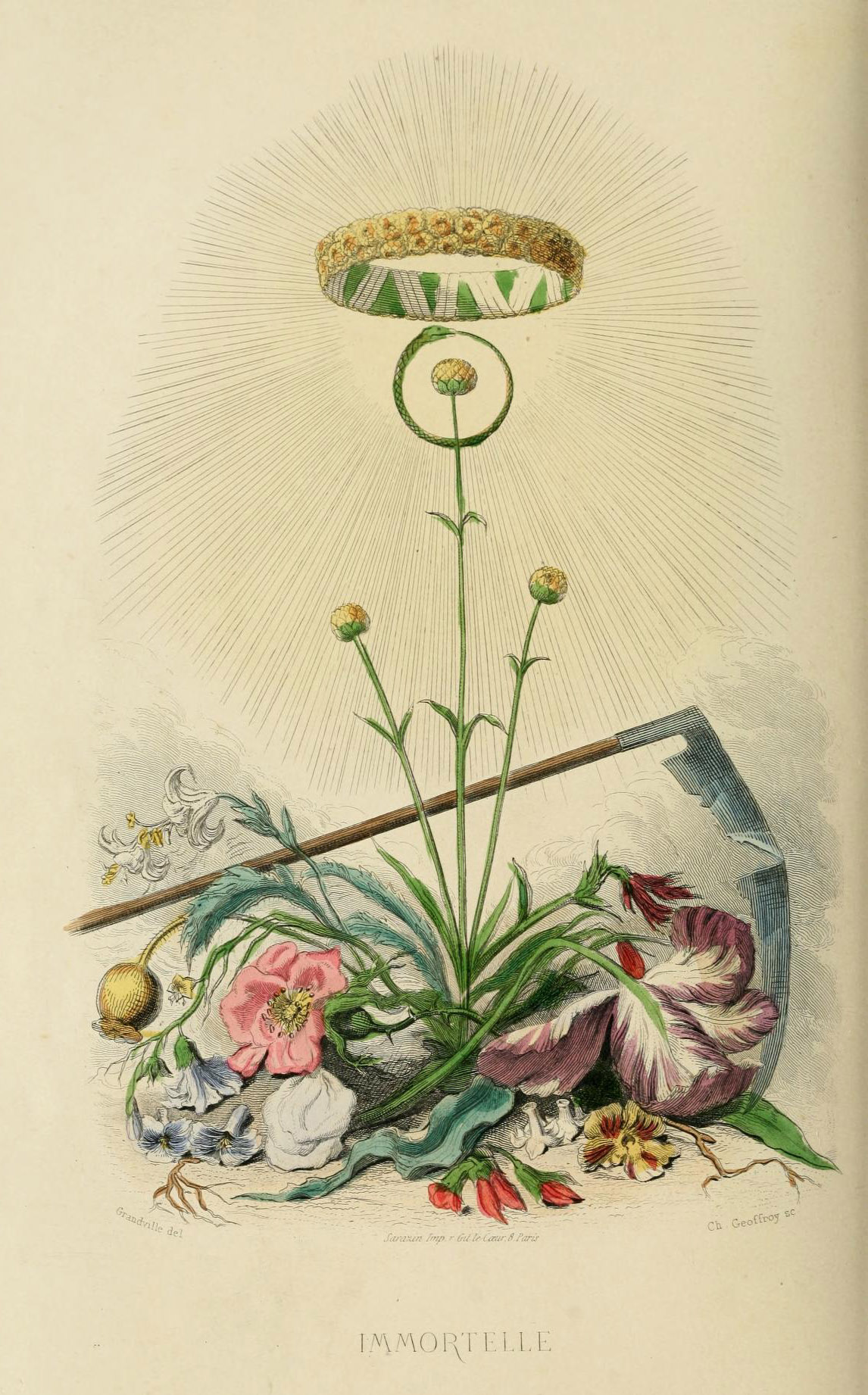
Immortelle. J.J. Grandville, Les fleurs animées. The character of Immortelle is here.

Immortelle. J.J. Grandville, Les fleurs animées. The character of Immortelle is here.
Pat Razket – Pirate’s Lullaby. Lyrics below the fold.
From Charly, who notes: Another one of my favourites, but unfortunately it is not very common around here. Not only is it very tasty, but it can relatively often be found in big size without maggots having infested it. This time we found only this one specimen, but we were not going into the right habitat, so I did not expect to find even that. Latin: Leccinum versipelle. Click for full size!

© Charly, all rights reserved.
A Pukeko with attitude, from David. Click for full size!

© David, all rights reserved.
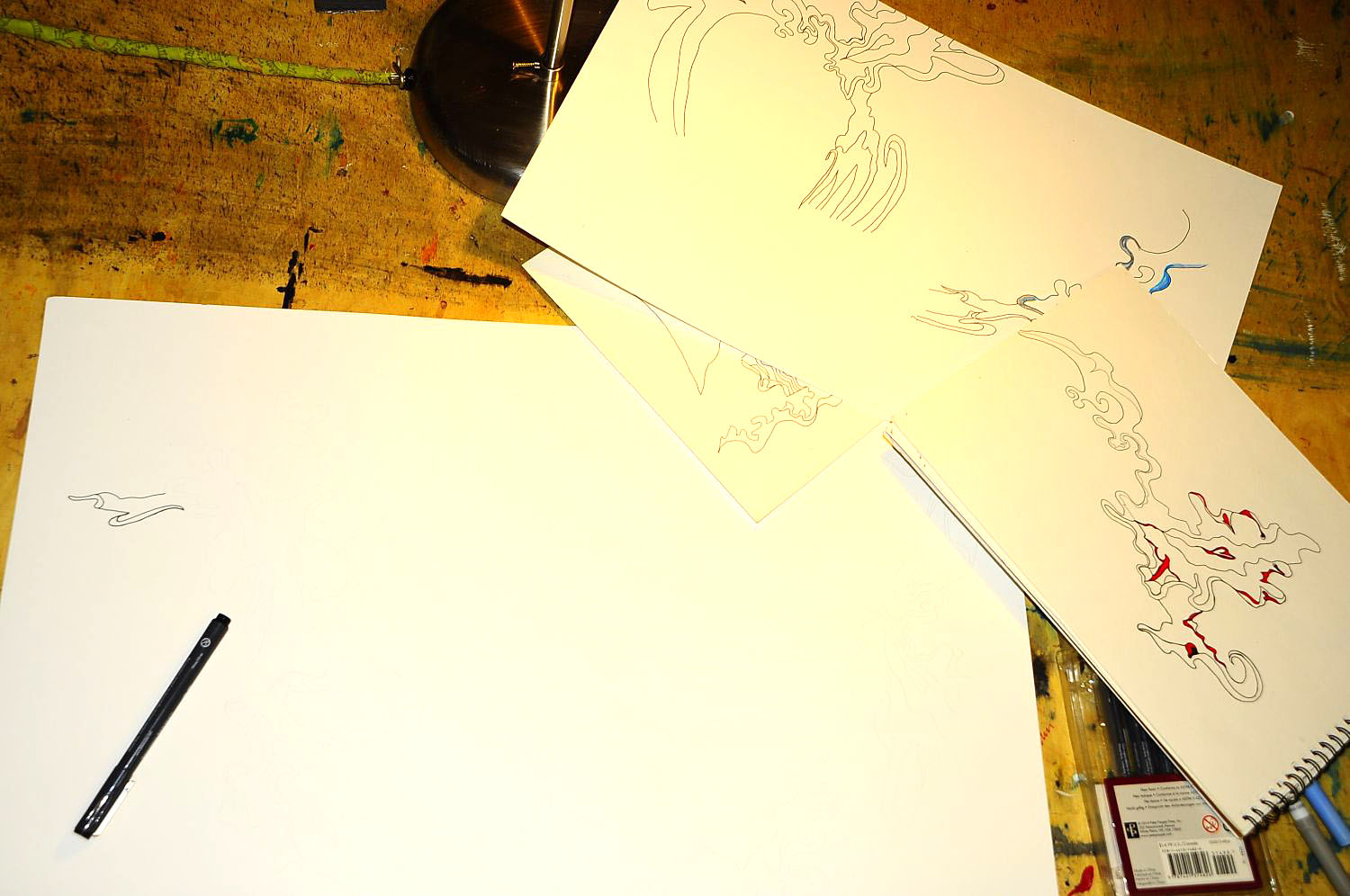
Got a start on Ghosts of Love in Winter. That’s it for today though, ’cause meds are about to hit, and that’s not the most advisable altered state for art work. ;) Markers on Bristol, 19″ x 24″.

© C. Ford, all rights reserved.
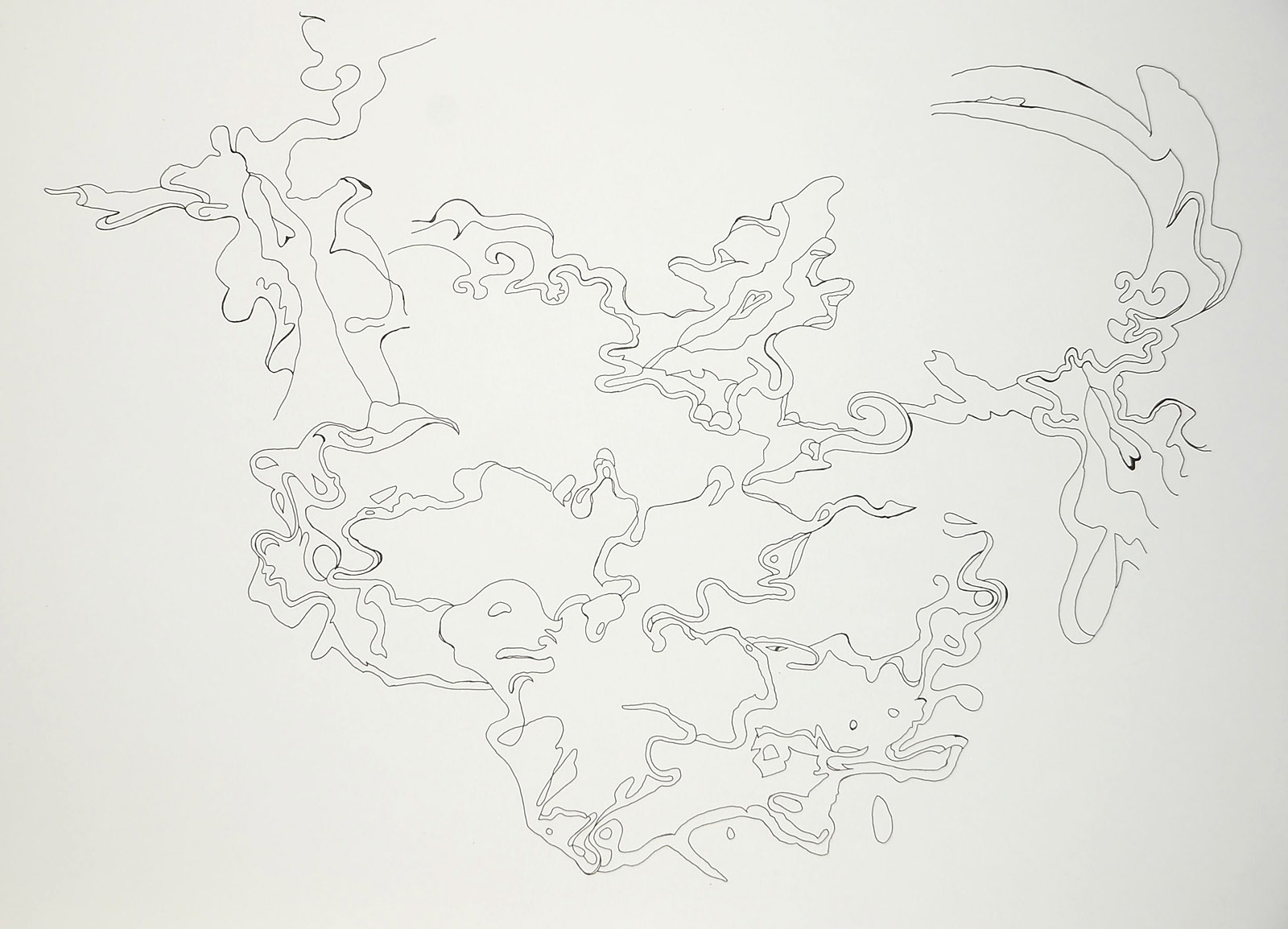
The extremely basic part. Now comes all the fiddly stuff. I also keep trying to transpose rq’s title to Ghosts of Winter in Love. Markers on Bristol, 19″ x 24″.
© C. Ford, all rights reserved.
Ghosts of Love in Winter. The Title is all rq, I’m just filling it in. 19″ x 24″, markers on Bristol.
© C. Ford, all rights reserved.
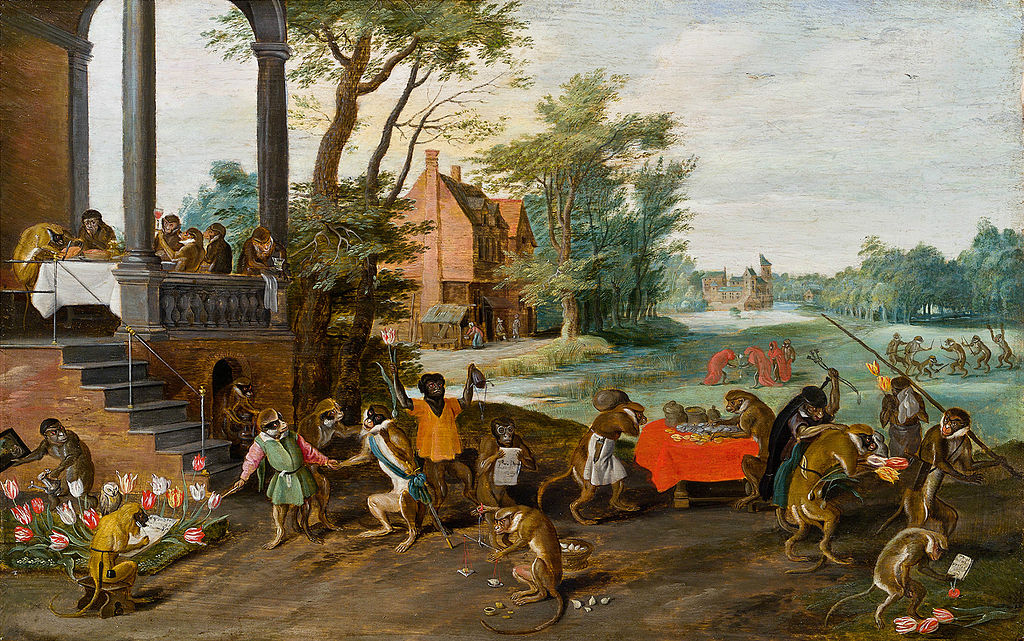
Allegorie der Tulipomanie [Allegory of Tulip Mania], by Jan Brueghel the Younger, 1640s. A satirical commentary on speculators during the time of “Tulip Mania”, an economic bubble that centered around rare tulip bulbs. — Source.
Singerie — from the French for “Monkey Trick” — is a genre of art in which monkeys are depicted apeing human behaviour. Although the practise can be traced as far back as Ancient Egypt, it wasn’t until the 16th century that the idea really took off and emerged as a distinct genre. Some of its most famous champions include the Flemish engraver Pieter van der Borcht (whose 1575 series of singerie prints were widely disseminated), Jan Brueghel the Elder, and the the two Teniers brothers, David Teniers the Younger and his younger brother Abraham Teniers. Into the 18th century the genre saw great popularity in France, particularly in the guise of the “singe peintre” (monkey painter), which offered up a perfect parody of the art world’s pomposity. With monkeys, along with apes, being our closest cognates in the animal world, they proved the perfect medium for the satirising of society, which so often thinks itself “above” the animal kingdom.

Kwakzalver [Quack], by Pieter van der Borcht (I), ca. late 16th century. A charlatan doctor sells a cure (seemingly for hangovers, though perhaps for hair loss) — Source.
Satan s’amuse (1907) Ciclo Segundo de Chomón. Magic! :D You can see Segundo de Chomón’s other films at the Internet Archive. There are a host of very interesting ones. I’ve only been able to watch a few of them so far, but I’ll get to them all eventually. If surreality is your thing, you’ll be busy for a while.
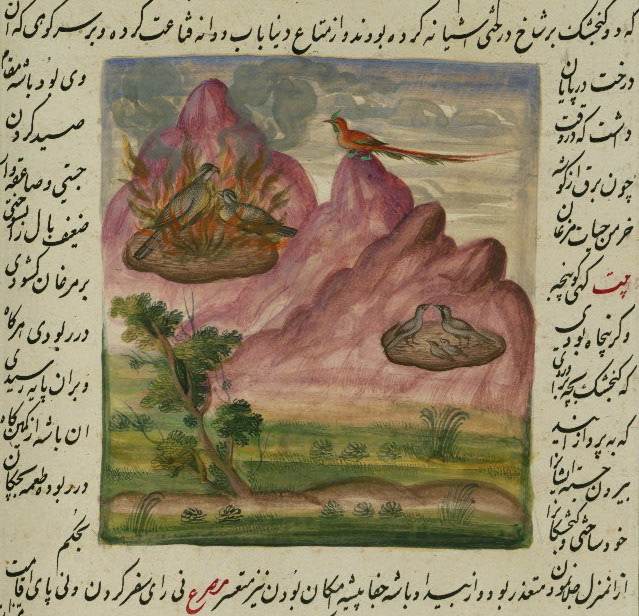
A beautiful Simurgh looks on as Phoenixes burn in their nest. This, and the images to follow, are from the beautiful Anvār-i Suhaylī or Lights of Canopus. From The Public Domain:
The Anvār-i Suhaylī or Lights of Canopus — commonly known as the Fables of Bidpai in the West — is a Persian version of an ancient Indian collection of animal fables called the Panchatantra. The tales follow the Persian physician Burzuyah on a mission to India, where he finds a book of stories collected from the animals who live there. Much like in the Arabian Nights (which actually uses several of the Panchatantra stories), the fables are inter-woven as the characters of one story recount the next, with up to three or four degrees of narrative embedding. Many of the fables offer insightful glimpses into human behaviour, and emphasise the power of teamwork and loyalty: one passage describes how a hunter catches a group of pigeons in a net, only for them to be saved by a mouse who gnaws through the rope. The version celebrated in this post hails from nineteenth-century Iran and is particularly notable for its exquisite illustrations — scenes of tortoise-riding monkeys, bird battles, conversing mice, delicate purple mountains — 123 in total. The artist behind the images is not mentioned, but the creator of the equally elegant nasta’liq style writing which they serve, is named by The Walters Art Museum (who hold the manuscript) as one Mīrzā Raḥīm.
And from The Walters Art Museum, where you can see the whole manuscript in .pdf:
Walters manuscript W.599 is an illuminated and illustrated copy of Anvar-i Suhayli (The lights of Canopus), dating to the 13th century AH/AD 19th. It is a Persian version of Kalilah wa-Dimnah (The fables of Bidpay). It was completed on 26 Jumadá I 1264 AH/AD 1847 by Mirza Rahim. The text is written in Nasta’liq script in black and red ink, revealing the influence of Shikastah script. There are 123 paintings illustrating the text. The Qajar binding is original to the manuscript.
Husayn Va’iz Kashifi (died 1504-1505) (Author)
Mirza Rahim navadah-i Mirza Amin Afshar (Scribe)1264 AH/AD 1847 (Qajar)
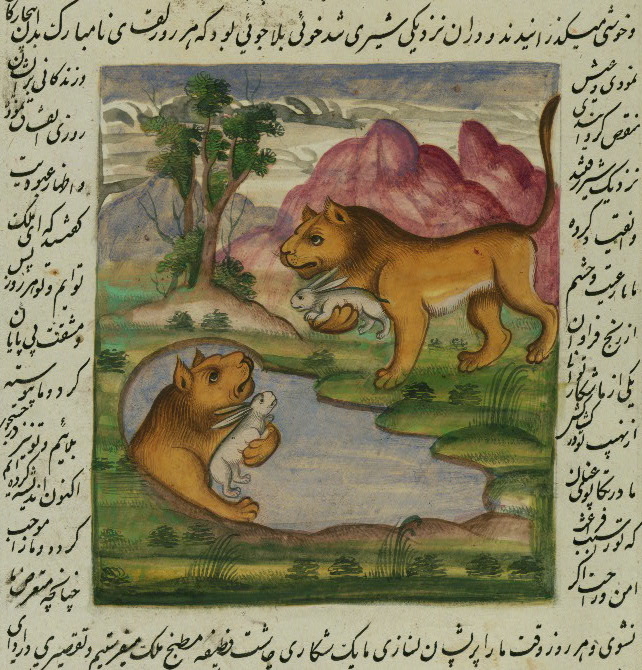
Best friends?

Oh, one of my favourite stories, and one that is much older than I thought.

Another beautiful Simurgh!

Those mice, always rescuing everyone.

Yet another rescue by a mouse. They must have been adored by everyone. :D
You can see many more images at The Public Domain, or download the .pdf of the whole manuscript via The Walters Art Museum.

Fleur D’Oranger (Orange Blossom). J.J. Grandville, Les fleurs animées.
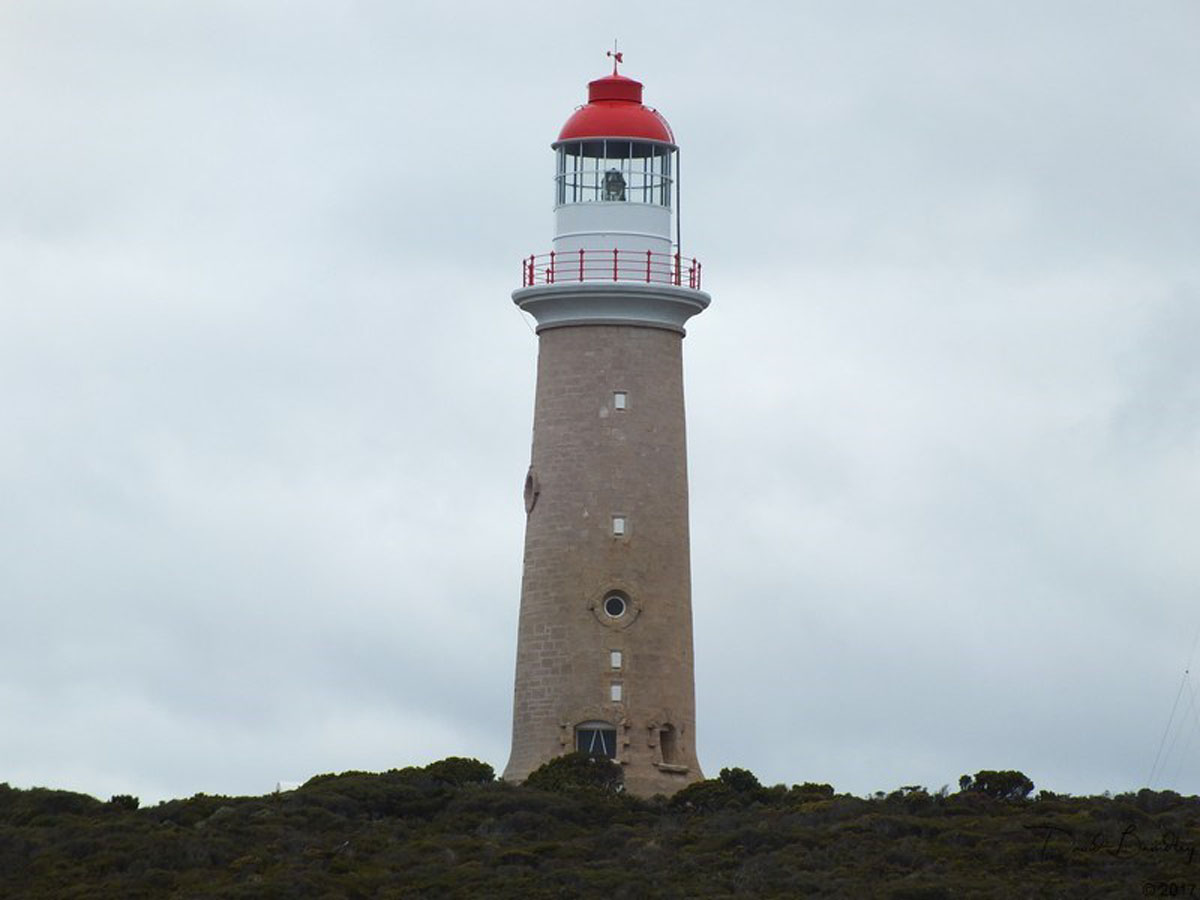
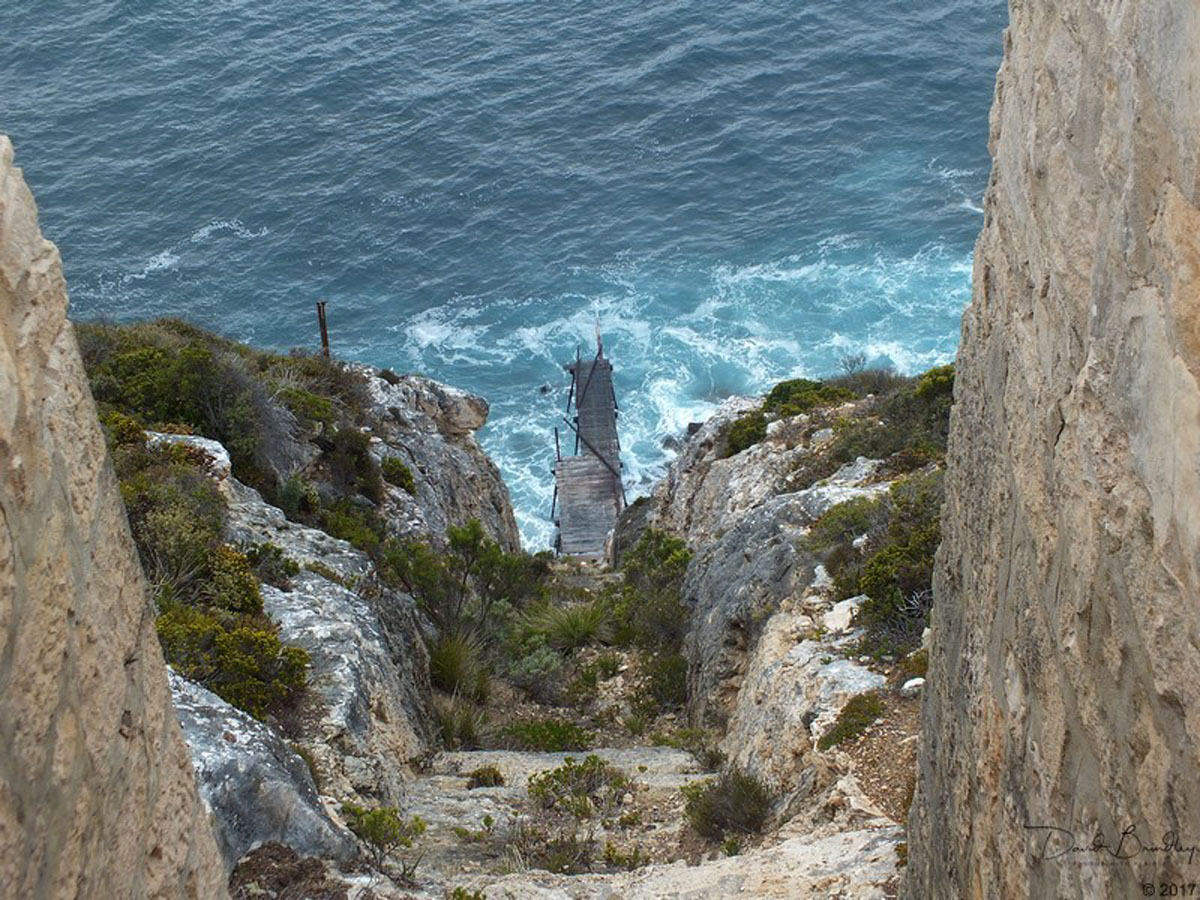
From David, who notes: This is a lighthouse on Kangaroo Island. Other photos show remnants of a machine room and store as well as the jetty where supply ships docked. Goods and people were hauled up via a flying fox. It was a long way from the jetty to the top. The lighthouse is still operational, but like most these days, it is fully automatic. Click for full size.
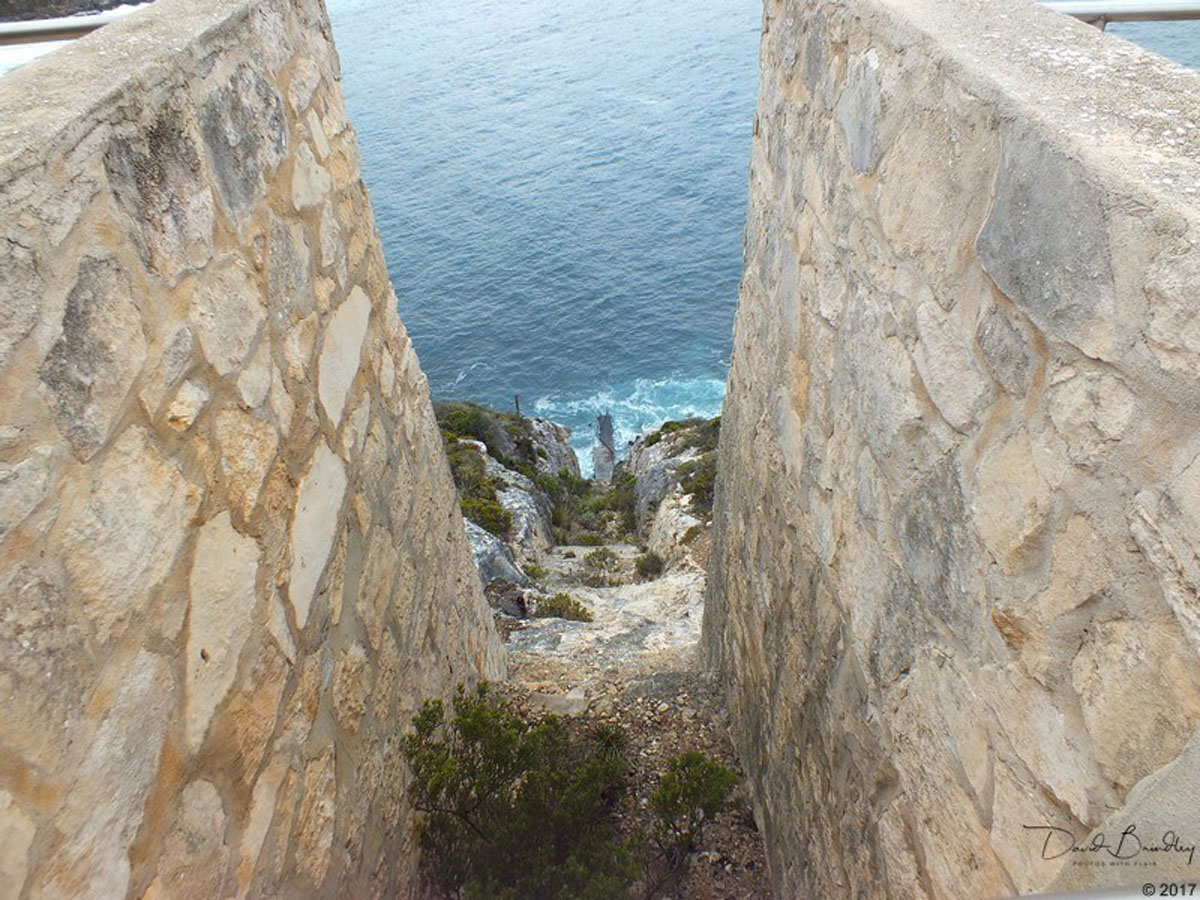


© David, all rights reserved.
