Jack’s Walk


©voyager, all rights reserved

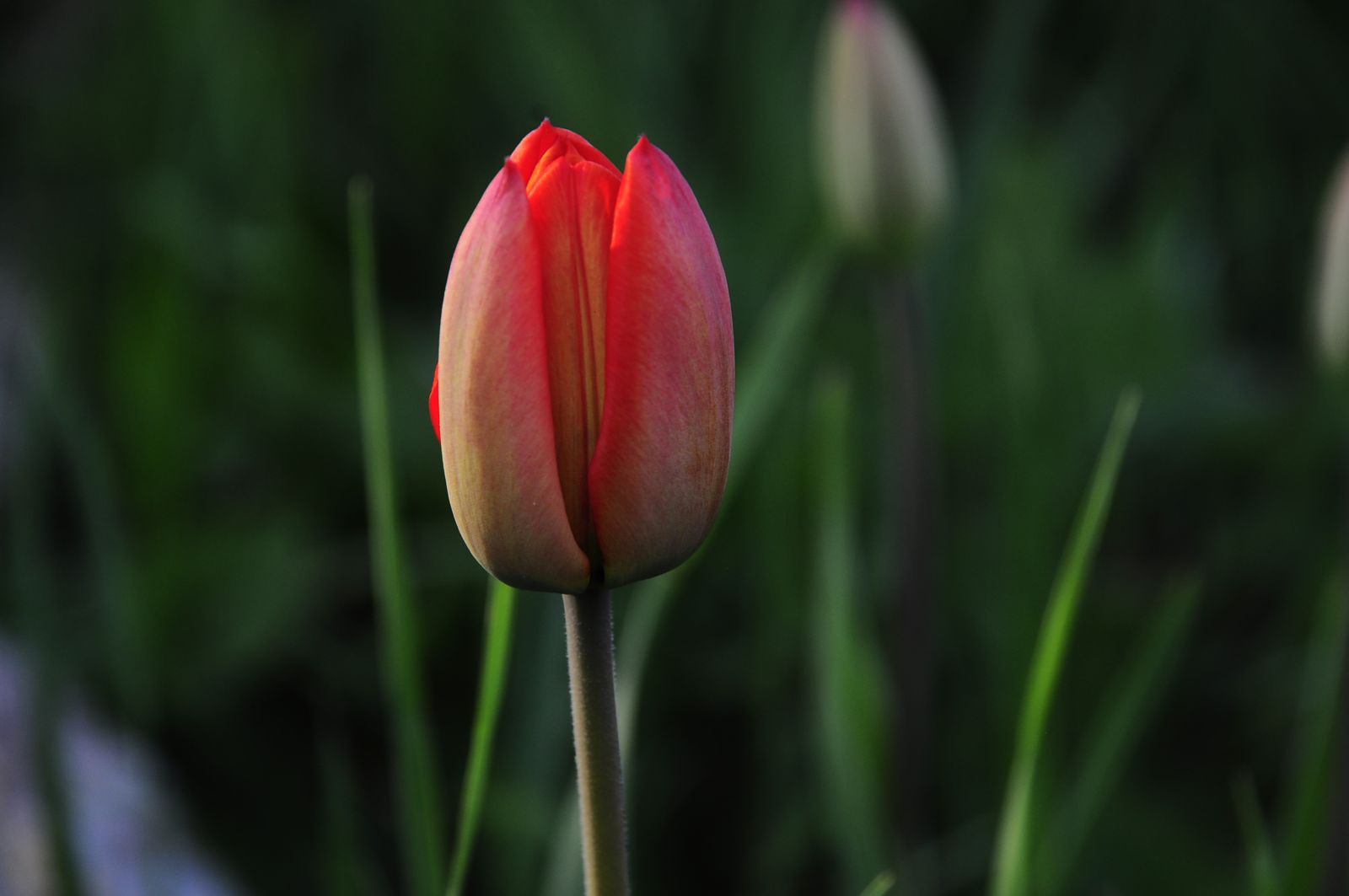
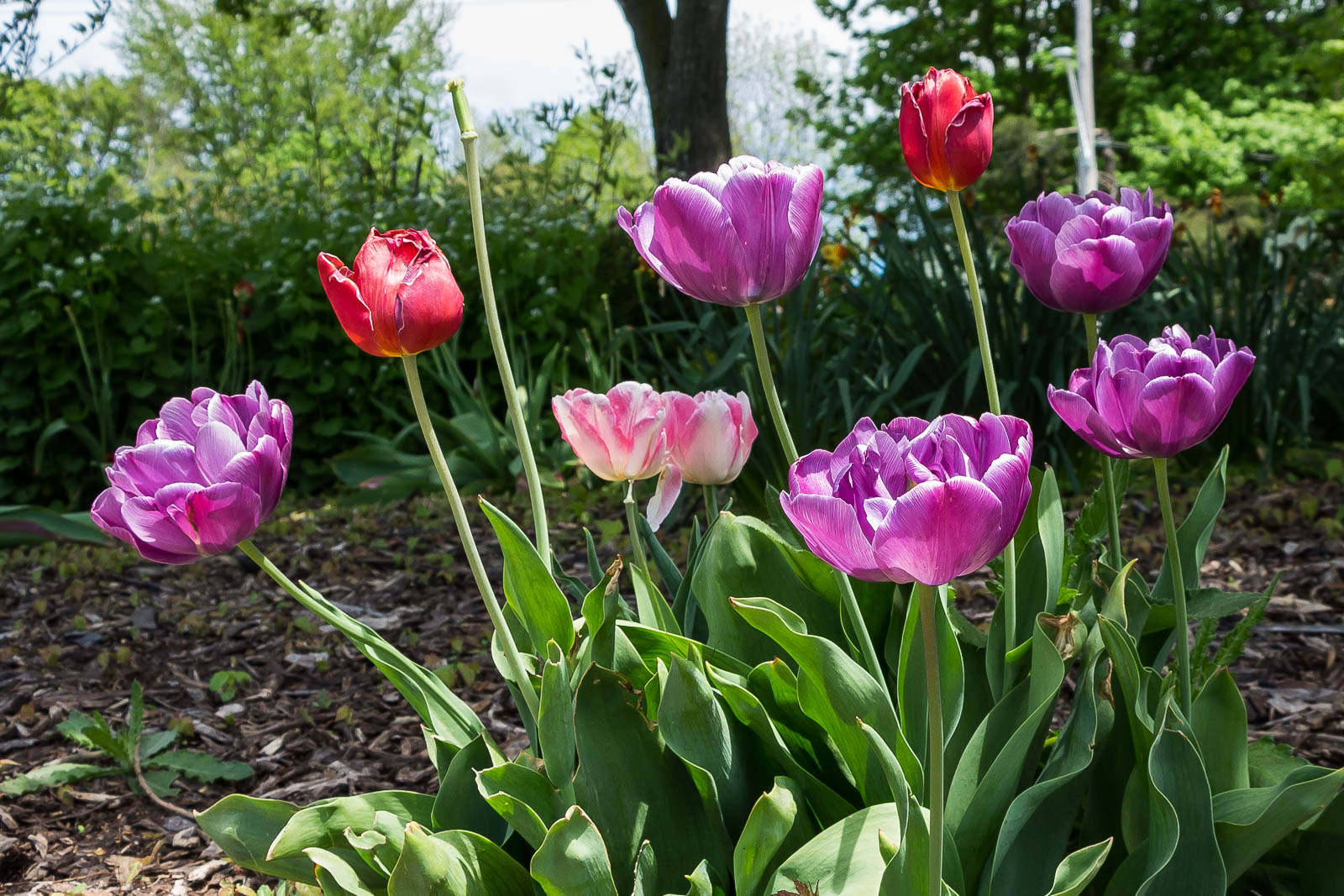
It’s raining today and rather than get muddy on one of our trails Jack and I decided to stay close to home and walk on the nice, clean concrete sidewalks in our own neighbourhood. We haven’t done that in a while and it was fun to check out everyone’s gardens and see what’s come up and what’s been newly planted. Yesterday we celebrated Victoria Day, and traditionally this holiday weekend is considered the safe date to plant outdoors with no risk of frost. That means that gardeners all around get busy and get their hands dirty. It also means the end of spring bulbs and I do hate to lose the tulips. They’re one of my favourite flowers and they come in so many colours, all of them bright and cheerful. To mark their ending I’m posting these beautiful tulips belonging to one of my neighbours. I think they’re a double tulip, but I don’t know the variety.
X Is For Xerophyte and Xerófito.

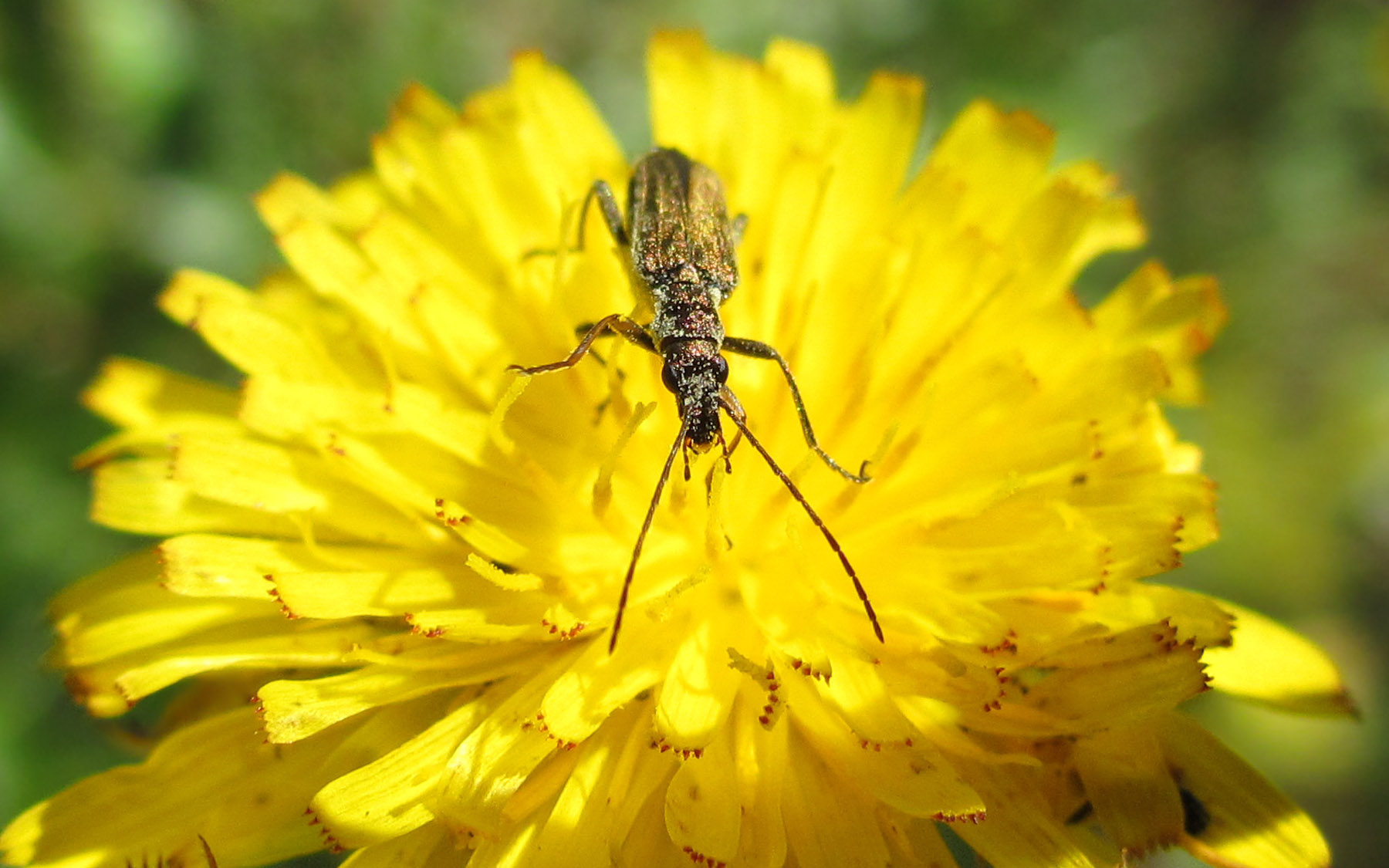
Xerophyte. Xerófito.

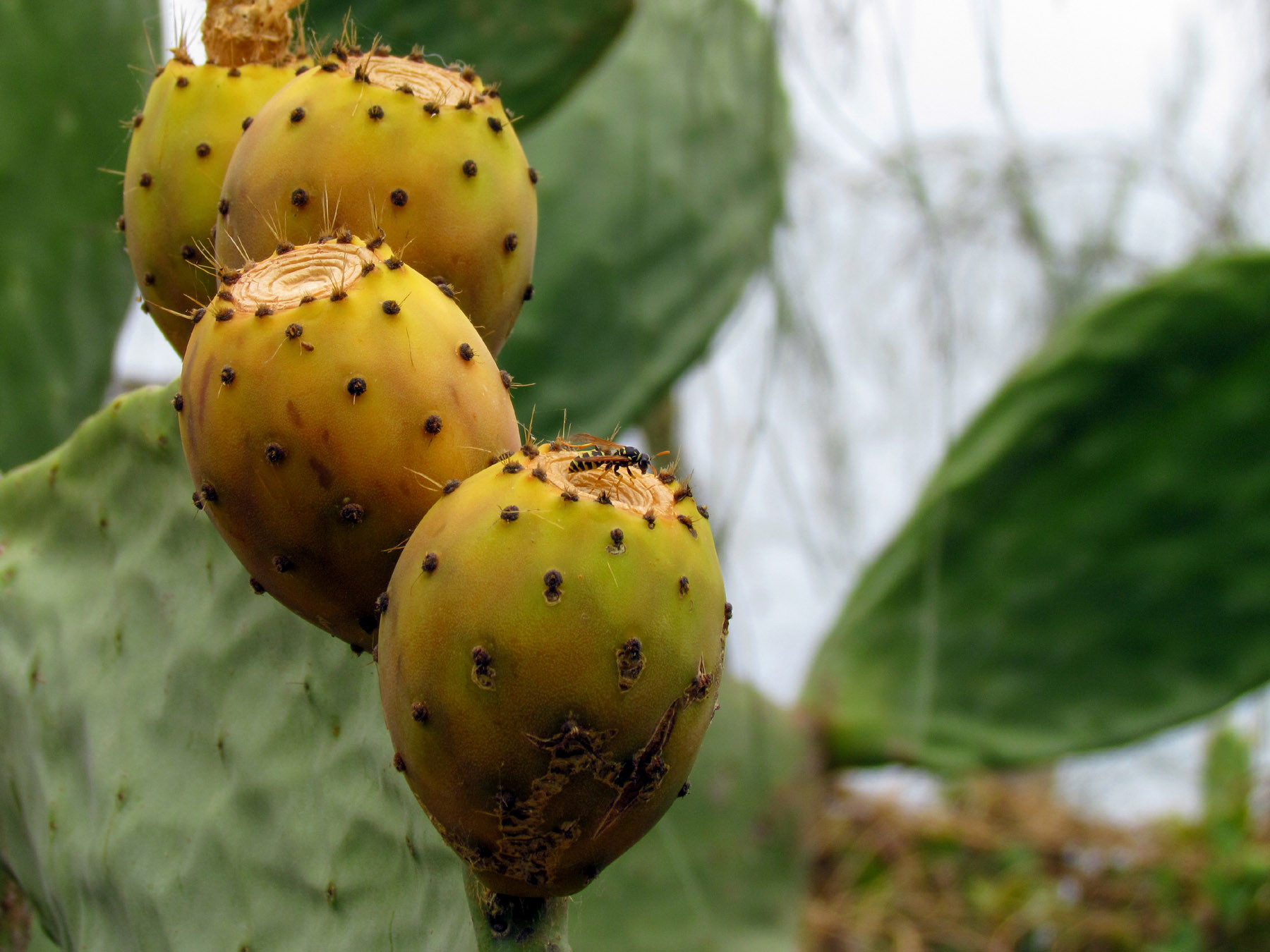
Xerophytes are drought-adapted plants, commonly found in environments where water is scarce.  An example is the cactus Opuntia ficus-indica. The fruits, seen here, are delicious but harvesting and peeling them can be quite tricky because of all the small spines, it is almost guaranteed that at least one will find its way into your skin no matter how careful you are (speaking from experience here). Bonus wasp!

The wasp looks so tiny! Click for full size.

© Nightjar, all rights reserved.

The Daily Bird #712.

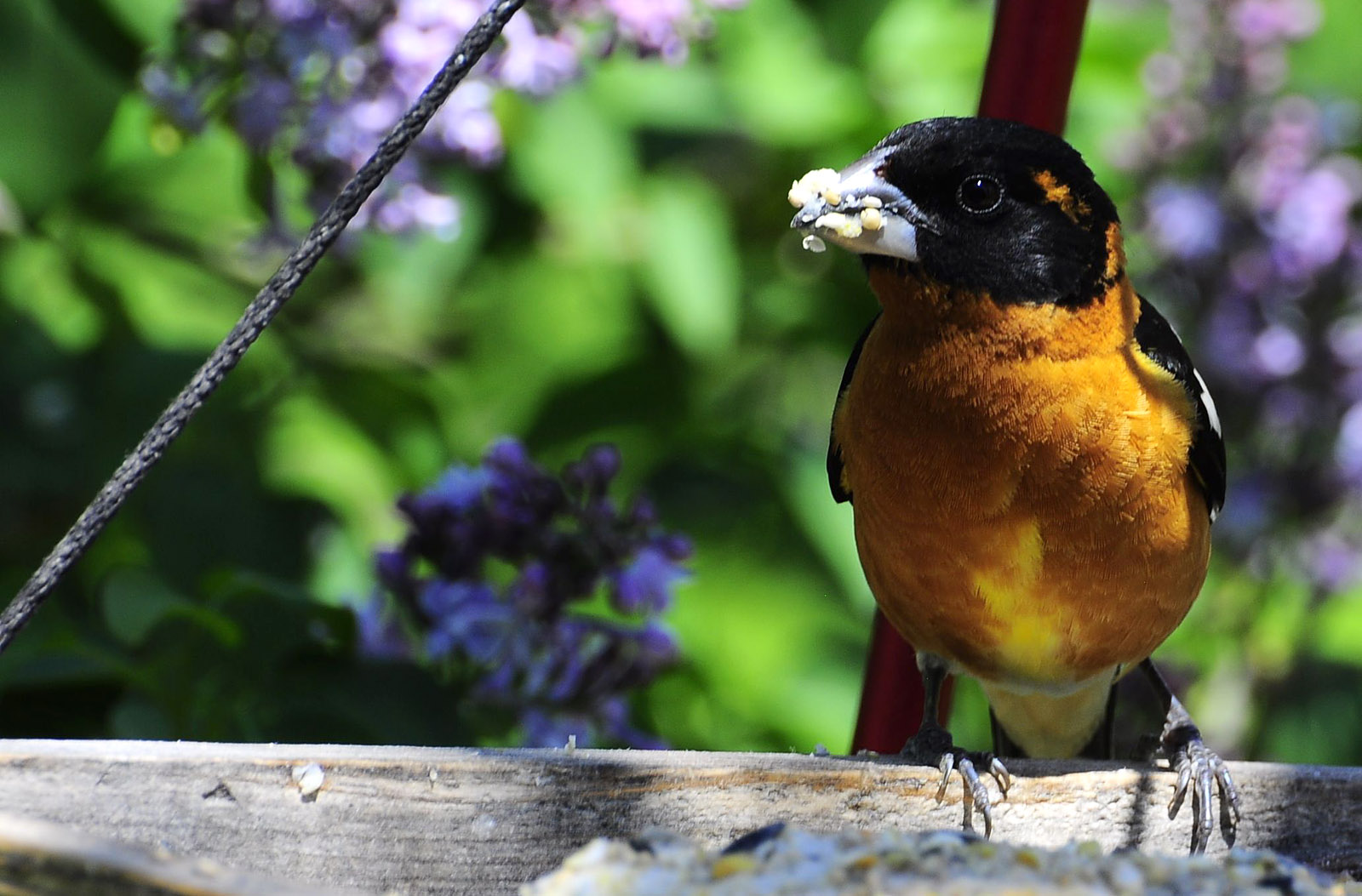
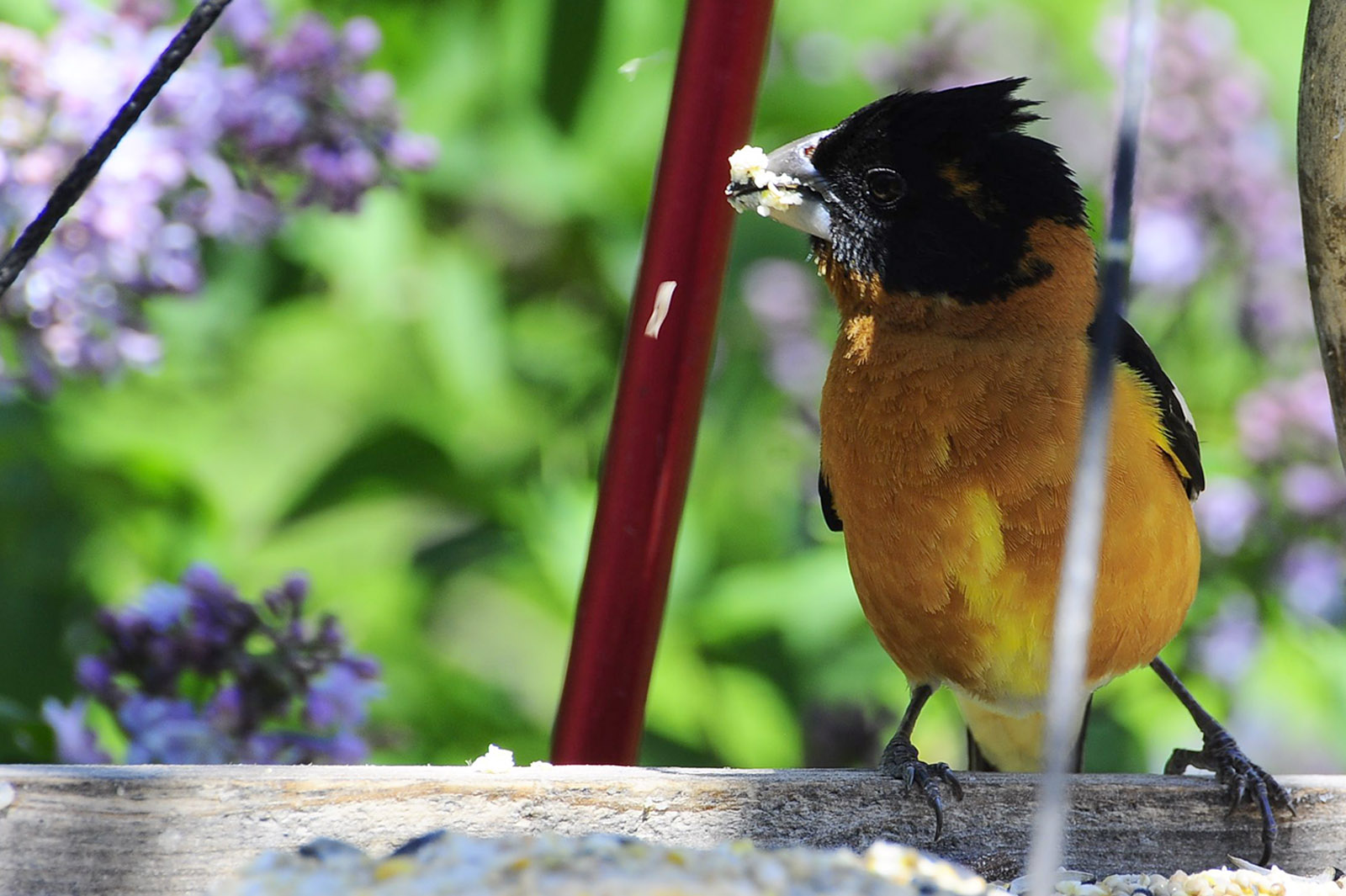
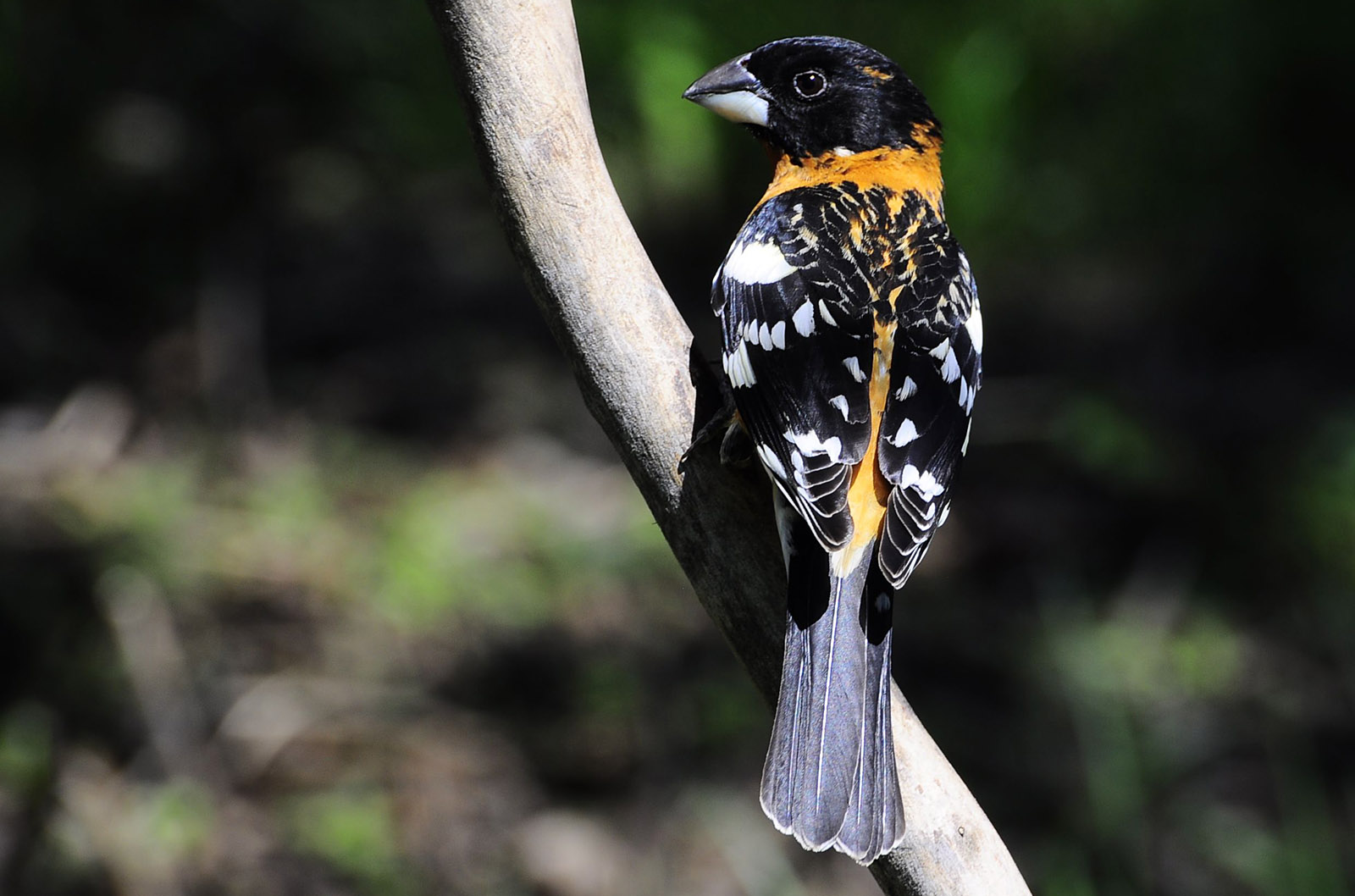
Black-headed Grosbeak, click for full size. It’s always a joy to see the Grosbeaks arrive. Around here, the males are notoriously cautious and shy; they’ll usually fly off if they spot the slightest movement from me. Happily, this fellow was an exception to the rule. He didn’t care that I was leaning on the windowsill, very close indeed, and making all that clicking. He just kept on eating with enthusiasm. The last shot was his first checking out the feed situation, from there, he flew to the top of the tray hook, then on to food!

© C. Ford.

Jack’s Walk

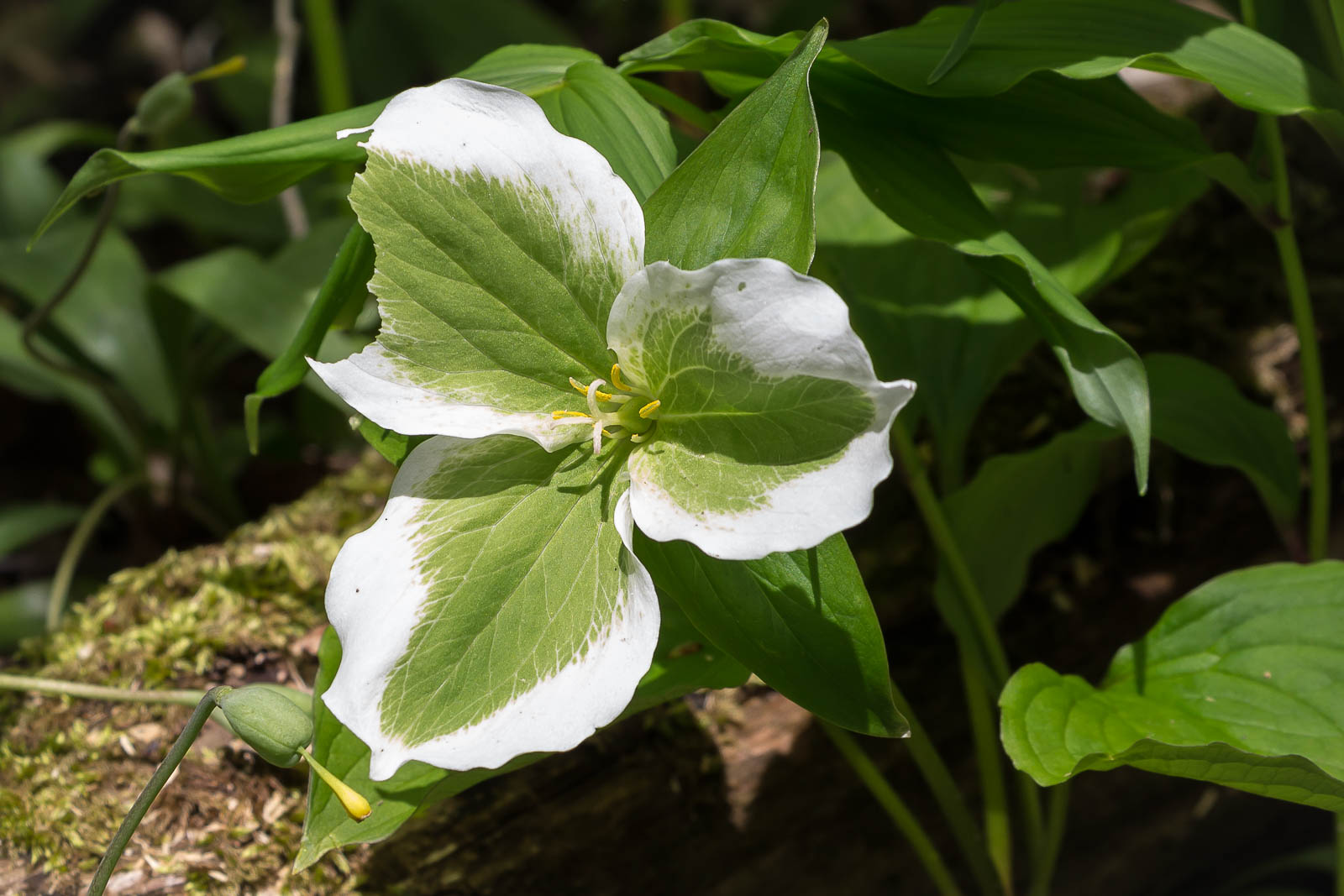
Jack and I found a few rare white and green trilliums today. The green tint on the blooms is caused by a mycoplasma infection that will eventually stop the plant from reproducing. They occur in a few areas around Ontario, including our favourite forest trail where they’re a common sight.

©voyager, all rights reserved