…John William Waterhouse

The Soul of the Rose, 1903, b John William Waterhouse. Image from Wikiart


©Giliell, all rights reserved
It’s something that became popular during the first wave of the pandemic: paint pebbles and leave them in parks, along trails… People see them, sometimes take them home (treasures for kids!), leave their own, arrange them in patterns. A way to feel connected with each other without actually being together. Just like the internet, but with pebbles…
… Impressionism, by Georges Seurat

A Sunday Afternoon on the Island of La Grande Jatte, 1886, by Georges Seurat. Image from Wikiart
This was an interesting project. Interesting in the sense that nearly nothing went as planned.
First I started to make five blades and I broke one after hardening, so I have made it into a smaller knife for my neighbor. But what happened after that was a real bummer – the four remaining blades stubbornly resisted my attempts at tumbling. After over a month in the tumbler, none of them had the pretty, regular finish that I have gotten on my full-width tang blades. Maybe the point of balance of these blades, or their width, or both, have played a role. I simply do not know. I only know that after over a month I took it as “lesson learned, you cannot tumble these, finish them or toss them as they are”. And because they are prototypes whose main purpose was learning, I have decided to use them as they were.
The first piece went on a bed of flowers into a land far, far away. What happens there is in the stars and out of my hands.
The second piece I have finished with an experimental piece of wood – one of the very rotten willow pieces that I have stabilized with resin during my first tests. Only the piece was just a tad thinner than I needed, so the resulting handle is slimmer and straighter than I intended it to be. I am keeping this knife for myself. I just cut onions for dinner with it and it works reasonably well. Whether it works better or worse than other chef knives I cannot evaluate, since I do not use chef knives regularly.

© Charly, all rights reserved. Click for full size.

© Charly, all rights reserved. Click for full size.

© Charly, all rights reserved. Click for full size.
The handle looks…. interesting, but not very kitchen-knifey. I have used dark brown dye for the resin on the assumption that it will give the wood the most natural look. And it did that. Only it gave the wood also a decidedly camo-tacticool look. I think it would be great for a bushcraft/camping knife, but on a kitchen knife, it looks a bit odd. But maybe infusing the wood with bright colored resin – yellow, red, green, or even blue – might lead to interesting results. I am definitively going to try that next time. The rotten log will not burn – yet.
I have made my first bolster from buffalo horn here and fitting that and the handle together with the curved spacer from bone went reasonably well right until the last step in the process. That last step was buffing up of the horn. I have used my DIY red hematite buffing compound because it worked well on the horn – it is less aggressive than industrial steel buffing compounds. But some of it got stuck in the pores in the bone and it is impossible to clean afterward. That is unfortunately a common problem with bone – it has nearly invisible pores that tend to pop-up at the very end of the work when the piece cannot be replaced. So working with bone is always a bit gamble and you often get some dark spots here and there. It is not plastic but a natural product after all. But these red spots look like someone bled all over it. Grrr.
The third piece got fitted with bubinga handle and bone bolster. It goes to my former colleague, who has been patiently waiting for it for nearly a year by now.

© Charly, all rights reserved. Click for full size.

© Charly, all rights reserved. Click for full size.
Nothing went wrong with the knife itself. I have fitted the bone bolster with the handle really well, there are no gaps between the white bolster and the blade. Nothing to complain about except the large cut in my right thumb during assembly because the blade cut during all that wiggling through several layers of cloth and masking tape.
Bubinga is beautiful and very hard, but it is not a wood that I would normally use. It is not grown sustainably and the species, while not endangered yet, are on a way to becoming endangered. But since I got this piece for free with a shipment of steel, I have used it. I think I got it for free because it had a worm-hole, but luckily enough it got completely ground away during work. And the piece was big enough for me to make the handle in a shape and size that I have initially intended. It has a trapezoid-profile with rounded edges, for better grip and edge-alignment.
The fourth blade was fitted with a horn bolster and cherry crotch wood with a bone spacer. And this is the closest to my intended design of all three. It is now in the possession of my main tester – my mom.

© Charly, all rights reserved. Click for full size.

© Charly, all rights reserved. Click for full size.
The cherry wood is very beautiful, all the more pitty for the unseemly cracks. I will have to devise and use some kind of end-cap for cases like this when it would be a waste to toss the wood but there are some blemishes on the end grain. My mother does not mid it as it is and I hope it will serve well. Apart from these cracks, the only thing that went wrong was a cut in my left thumb – yup, I got symmetrical cuts with different knives.
Stats for all these knives: blade ~210 mm length, 3 mm thick, 50 mm wide, grip ~130 mm long. They are more forward-weighted than my full-width tang kitchen knives, so they would be probably very effective choppers too – the point of balance is right at the heel of the blade.
… Hieronymus Bosch. (there’s a lot to see in this painting, so please click for full size)

The Garden of Earthly Delights, 1510-1515, by Hieronymus Bosch. Image from Wiki Art
… photography, by Ansel Adams

Jeffrey Pine, Sentinel Dome, Yosemite, c. 1940, by Ansel Adams. Image from The Seagrave Gallery
Avalus has been out capturing the natural world for us, and this set of photos is spectacular.
And this morning I had this big bird of prey pose and flex its wings for me. Quality is not the best, as I was shivering on my bike (cold! Forgot my gloves! Again!) and the autofocus had its problems focusing the bird from about 30 m away. It was a majestic sight. The pictures don’t do it justice.

©Avalus, all rights reserved
… Monet (it appeals to me today because our weather has felt quite summer-like, but without the right light!)

Women in the Garden, 1866, by Claude Monet. Image from Wikiart
… Gustav Klimt

The Tree of Life, 1909, by Gustav Klimt
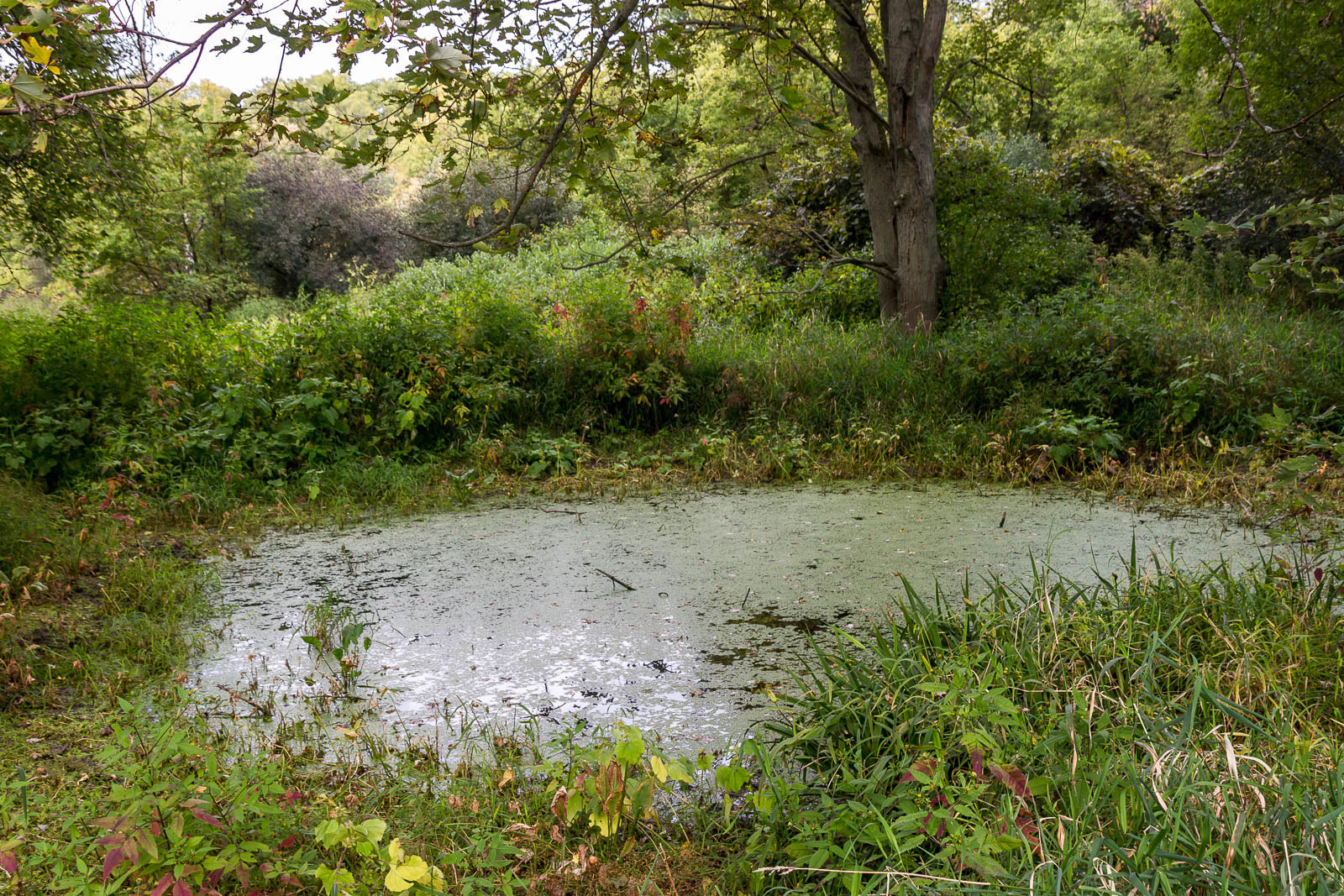
©voyager, all rights reserved
Our weather has been fabulous for the past few days, with lots of sunshine and temps hovering around 18ºc. It feels more like September than November, and Jack and I have been spending our days outside. Jack is still having trouble with an arthritic left shoulder, so we haven’t been going very far, but Bubba is content to lie on his bed, basking in the sun while I do yard work. We have the flower beds cut back and tucked in for winter, we’ve gotten rid of most of the carpet of leaves that fall from our 2 red maples ( I like to keep a light protective leaf cover), the hoses are put away, the patio furniture is covered, the annuals have been uprooted and tossed, and I’ve harvested the last of the tomatoes. There really isn’t much left to do outside, but it’s too darn nice to stay inside, so I might just take the day off and find a good book to read in the back garden. Housework can wait. I have a long winter of Covid confinement ahead of me to get caught up on indoor chores. Summer in November is a gift not to be wasted.
The good news is that Jack’s shoulder is improving, and he should be able to resume normal activity soon. He’s been getting bored with just short walks down the street and back, and he’s more than ready for a bit of adventure. Honestly, I am, too. I’ve hardly used my camera since Jack went lame, and short walks around the block are boring for me, too. I have a backlog of photos from the earlier part of autumn, though, and I thought I’d share them over the next few weeks. Both photos today were taken along the Thames River in mid-October.

©voyager, all rights reserved
… John William Waterhouse

Cleopatra, 1888, John William Waterhouse
Some serene early morning photos from Avalus, who took these pictures one day last week on his way to work.
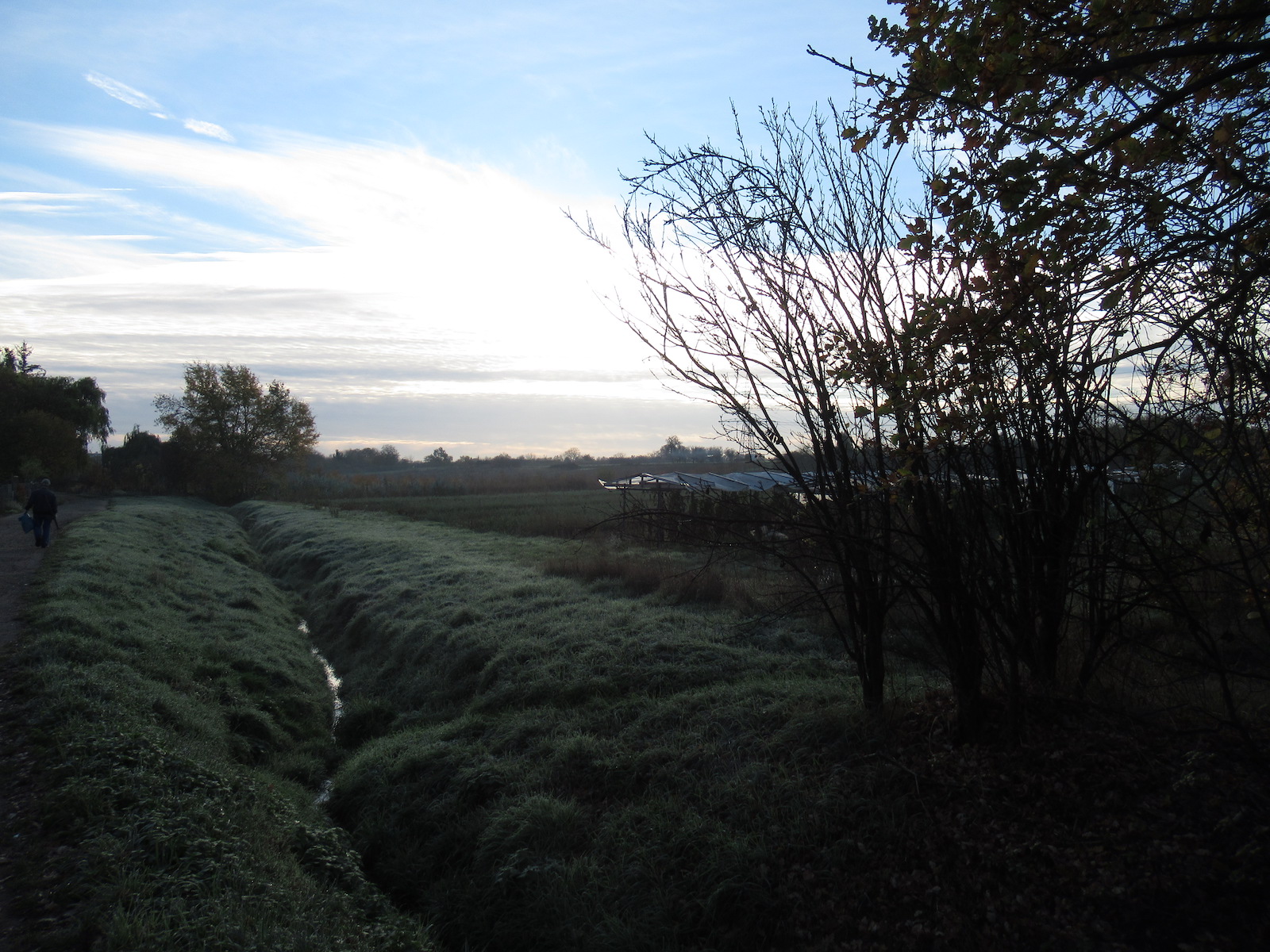
©Avalus, all rights reserved

©Avalus, all rights reserved
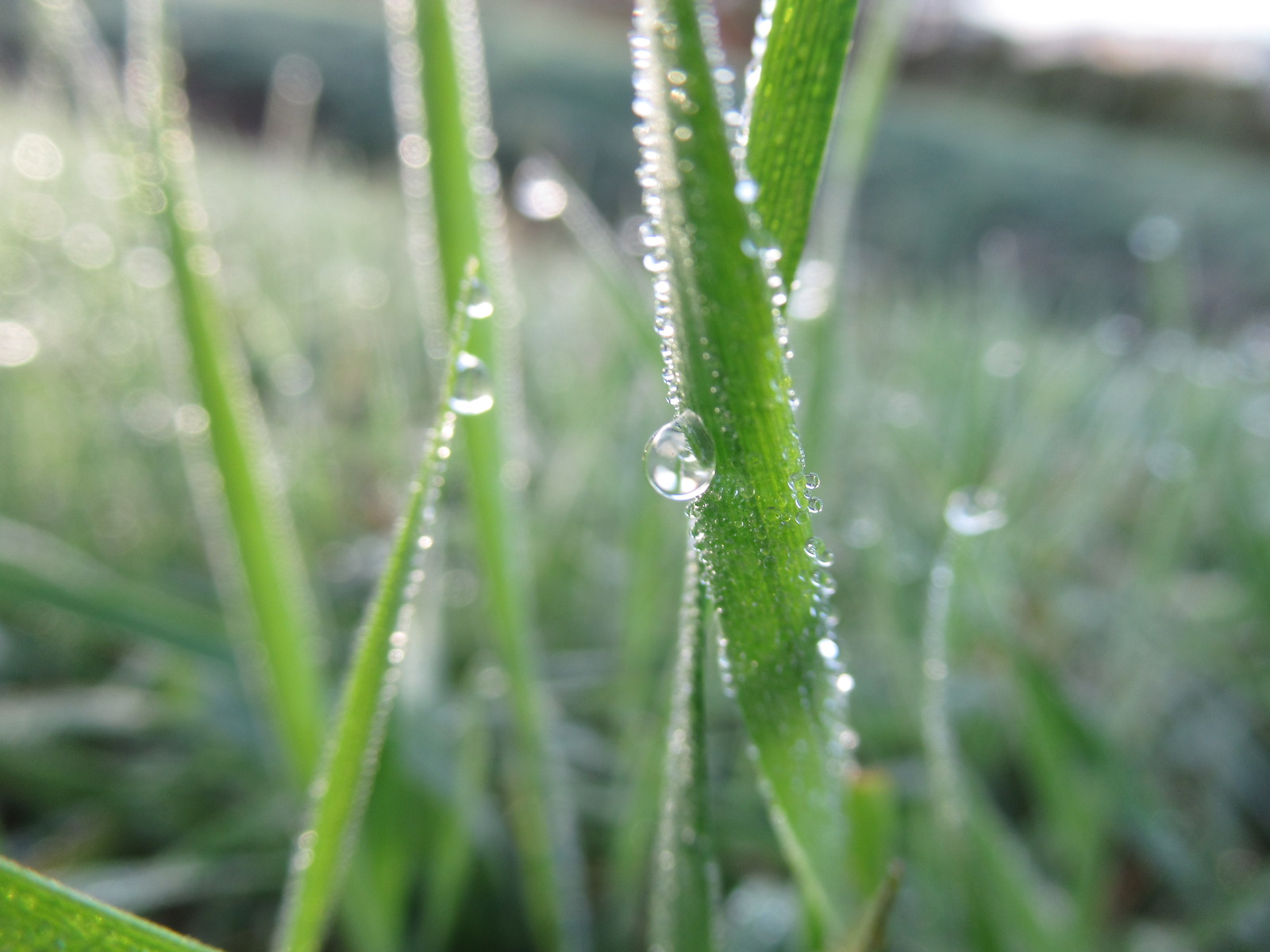
©Avalus, all rights reserved
… politics, by Illma Gore.

Make America Great Again, 2016, Illma Gore
