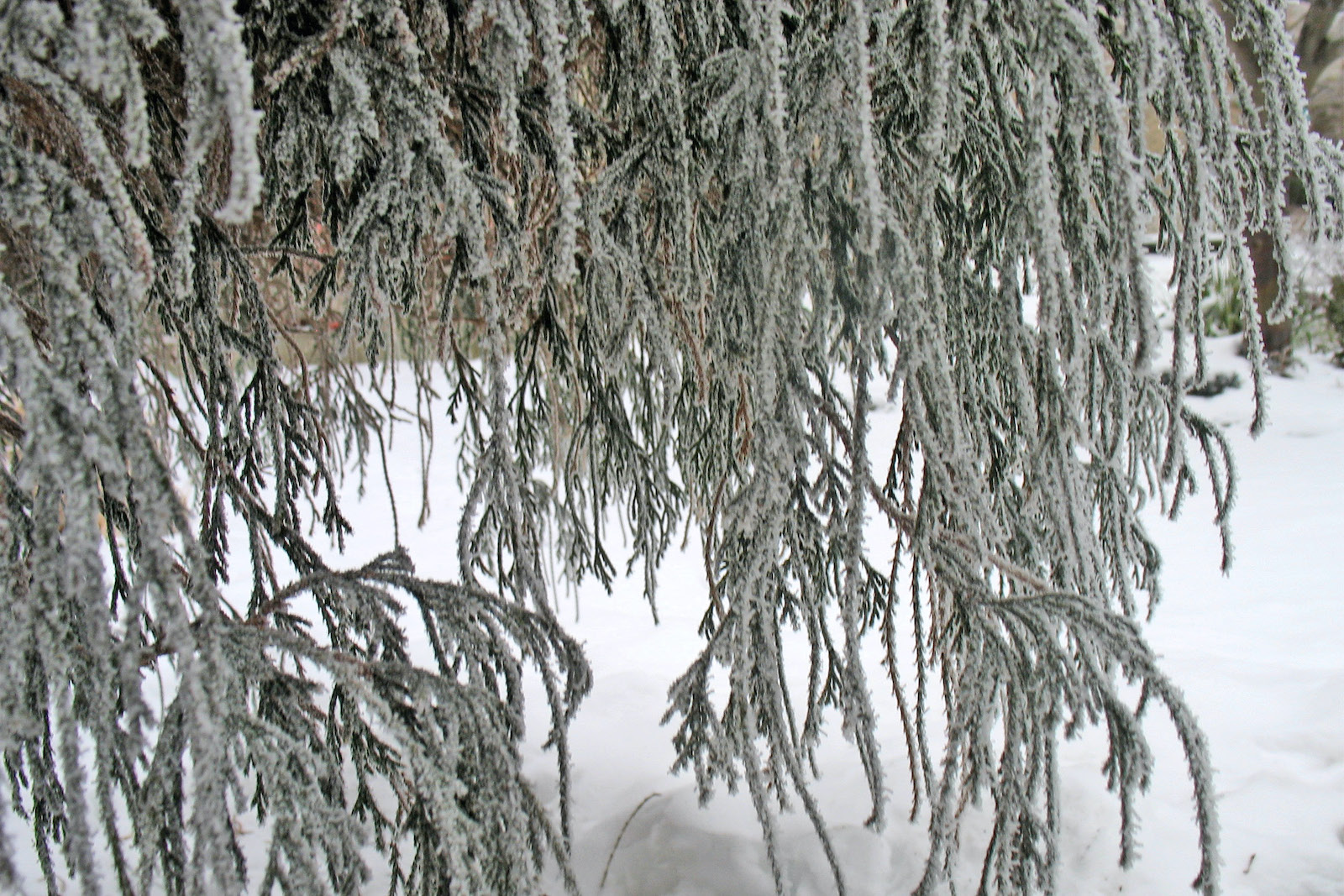
Winterfest Photofest

Welcome! Today we have 2 submissions that are all about looking at things close up, including a few birds and a wannabe bird at the end who will make you smile. Let’s go take a look.

First, a well-captured, tall bird with beautiful amber eyes from Pieter L. Harreman.  It reminds me of the heron who lives in or park, but the white hghlights of this bird make him look more dapper and elegant.
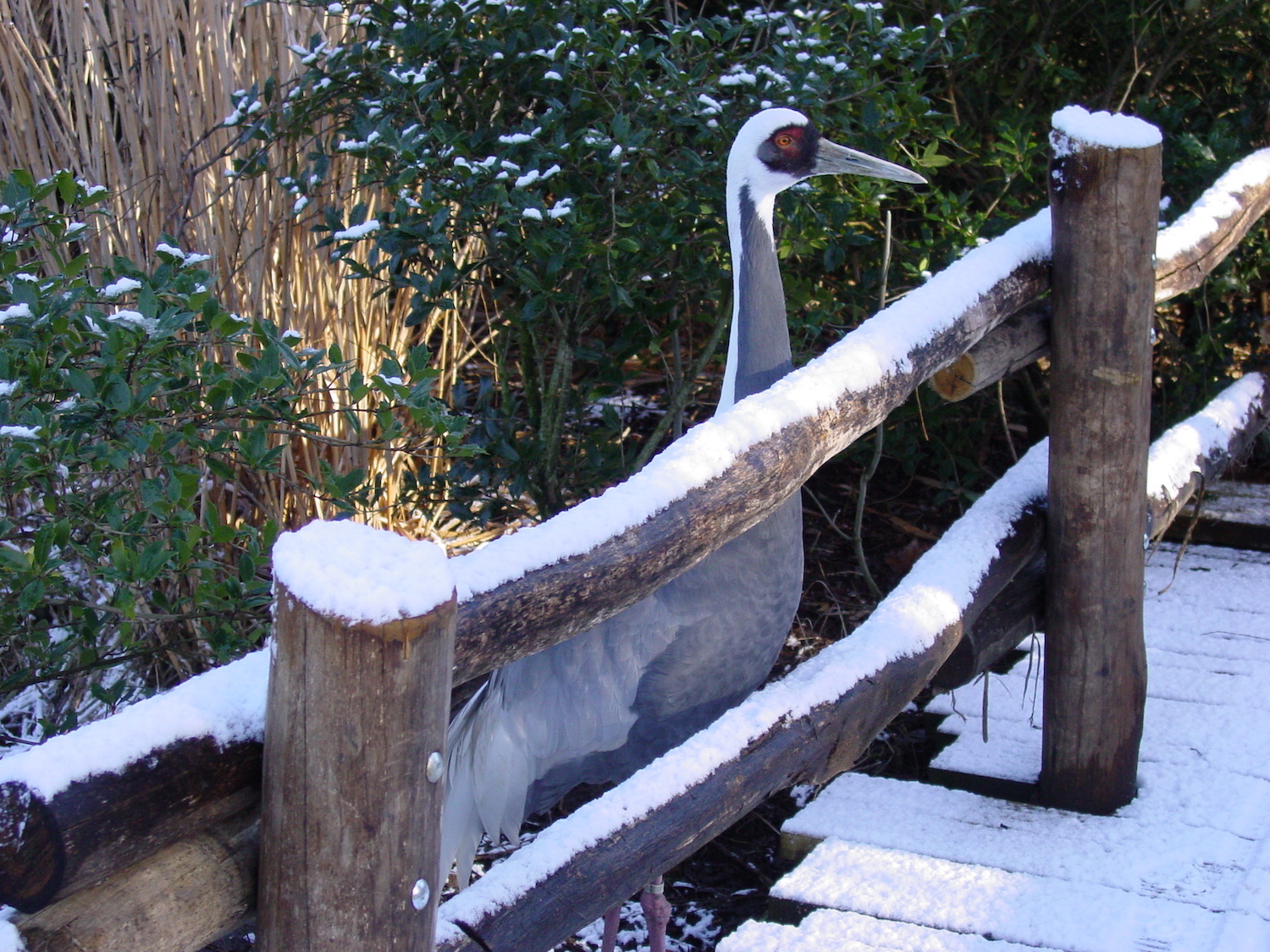
©Pieter L. Harreman, all rights reserved.

**********

Next, a set of photos full of pattern and texture from the camera of Dan Cates. (you’ll be seeing more of Dan’s photos tomorrow on our Winterfest wrap-up)
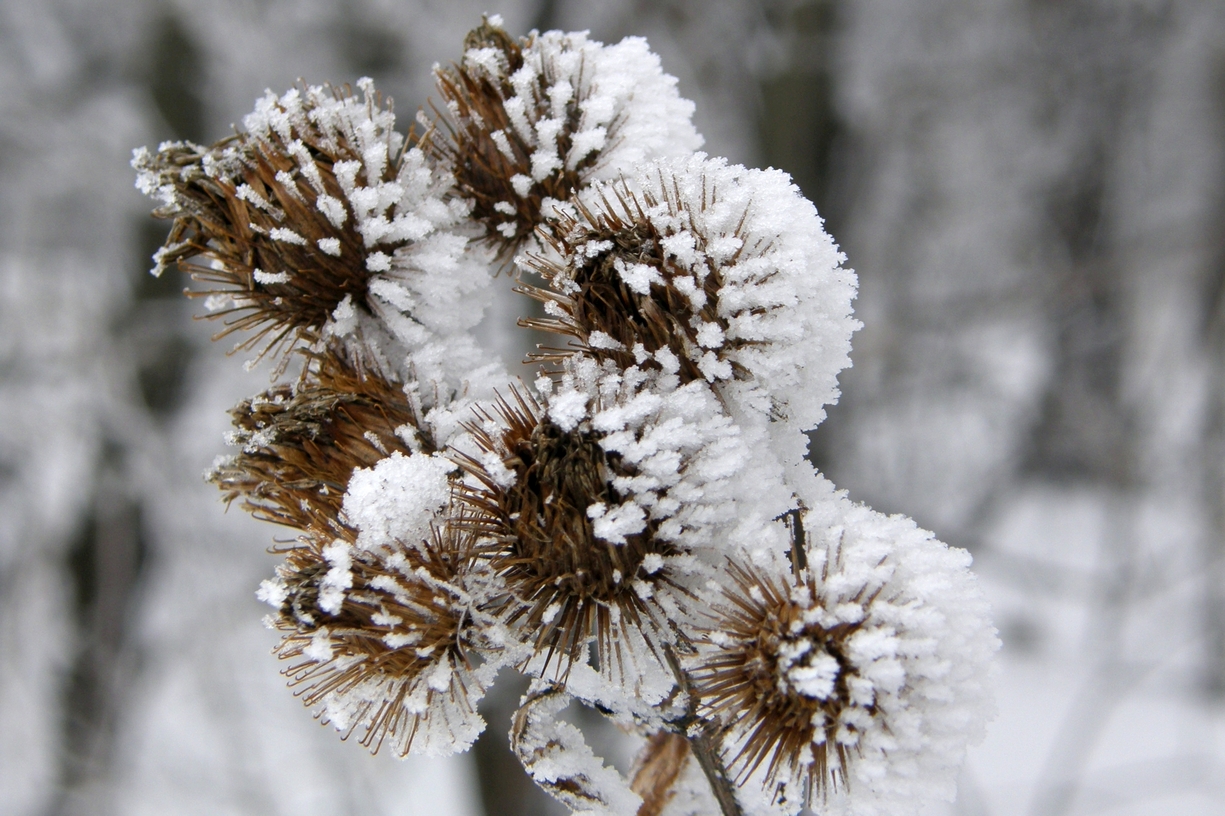
©Don Cates, all rights reserved.A

©Don Cates, all rights reserved.

©Don Cates, all rights reserved.

©Don Cates, all rights reserved.

©Don Cates, all rights reserved.

©Don Cates, all rights reserved.

©Don Cates, all rights reserved.

©
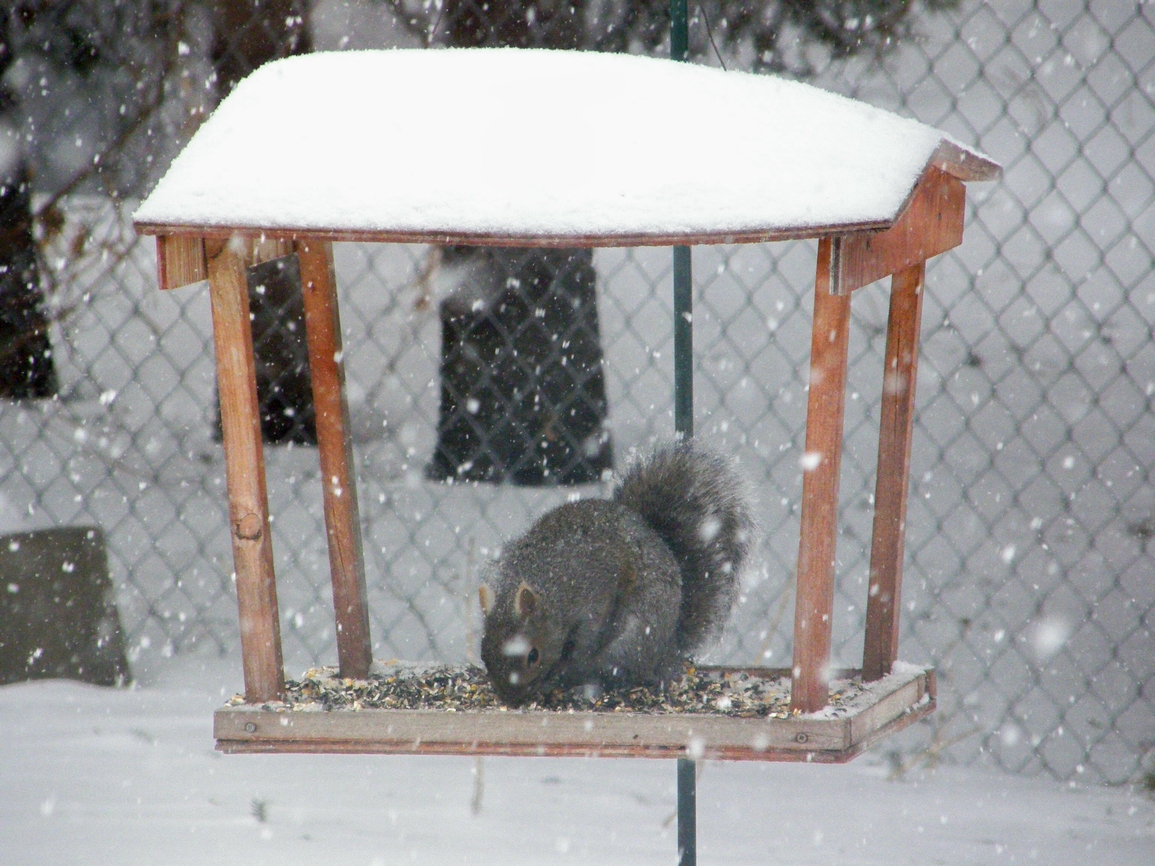
©Don Cates, all rights reserved.

Thanks to you both for taking the time to send these photos in. They all make wonderful additions to our Winterfest collection.



The Art of …

… history, by Benjamin West.

Today’s painting is interactive thanks to Jason Farago of the New York Times and his piece titled “The Myth of North America in one painting.” It’s a fascinating look at the history behind West’s 1770 painting The Death of General Wolfe, and why certain design choices were made. The battle the painting depicts on The Plains of Abraham is highly significant to Canada’s founding and is taught as part of our school curriculum. There were also implications for America’s founding, though, and I’m curious about how, or if, this battle is taught to American children.

Here is the link to the interactive painting at NYT, and below is the static image of the painting itself.

The Death of General Wolfe, 1770, Benjamin West. Static image from Wikipedia.

Winterfest Photofest

Welcome back. The first set of photos today is wildly creative and comes from the mind and camera of Avalus. I’ll let him explain,

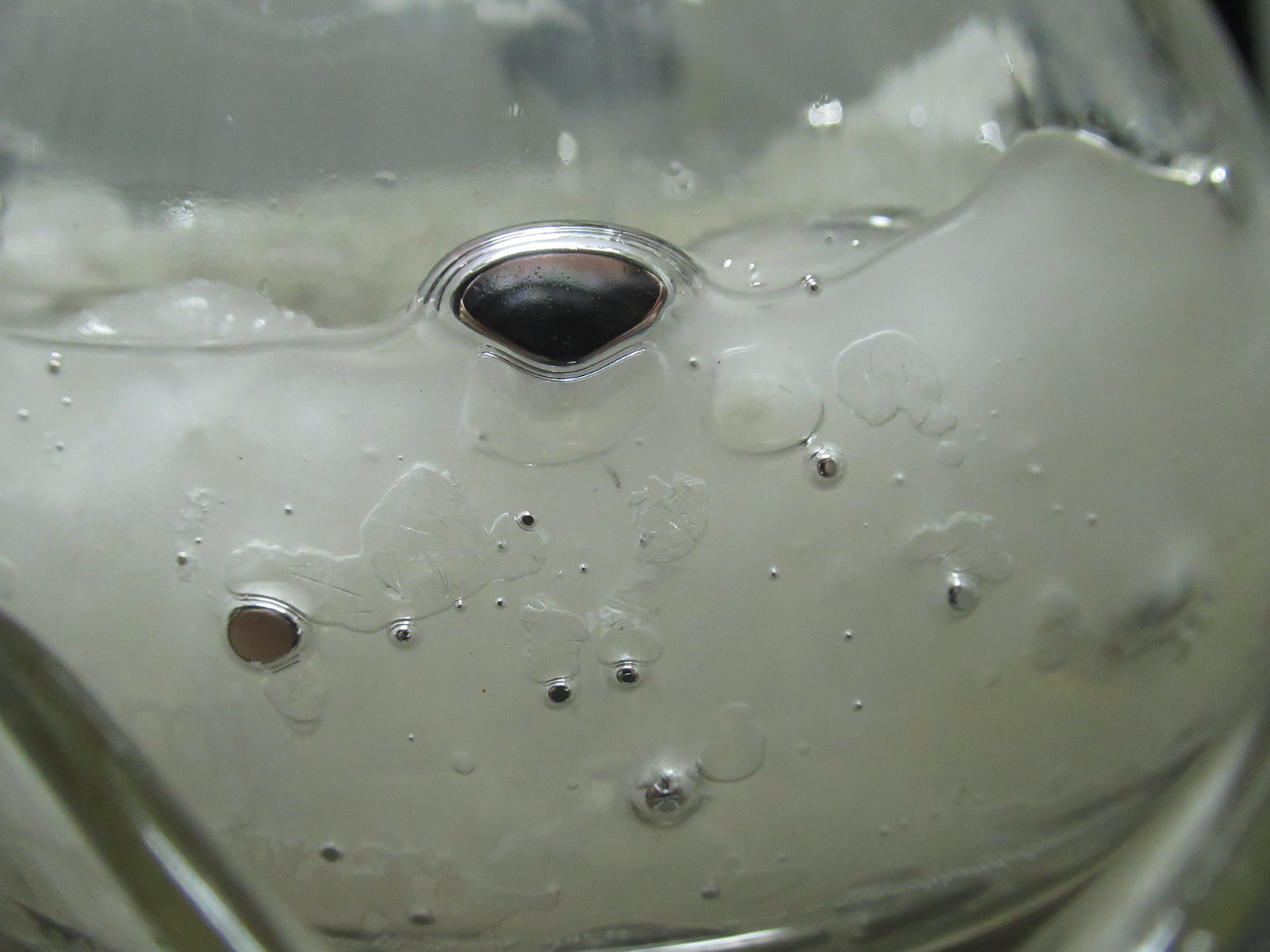
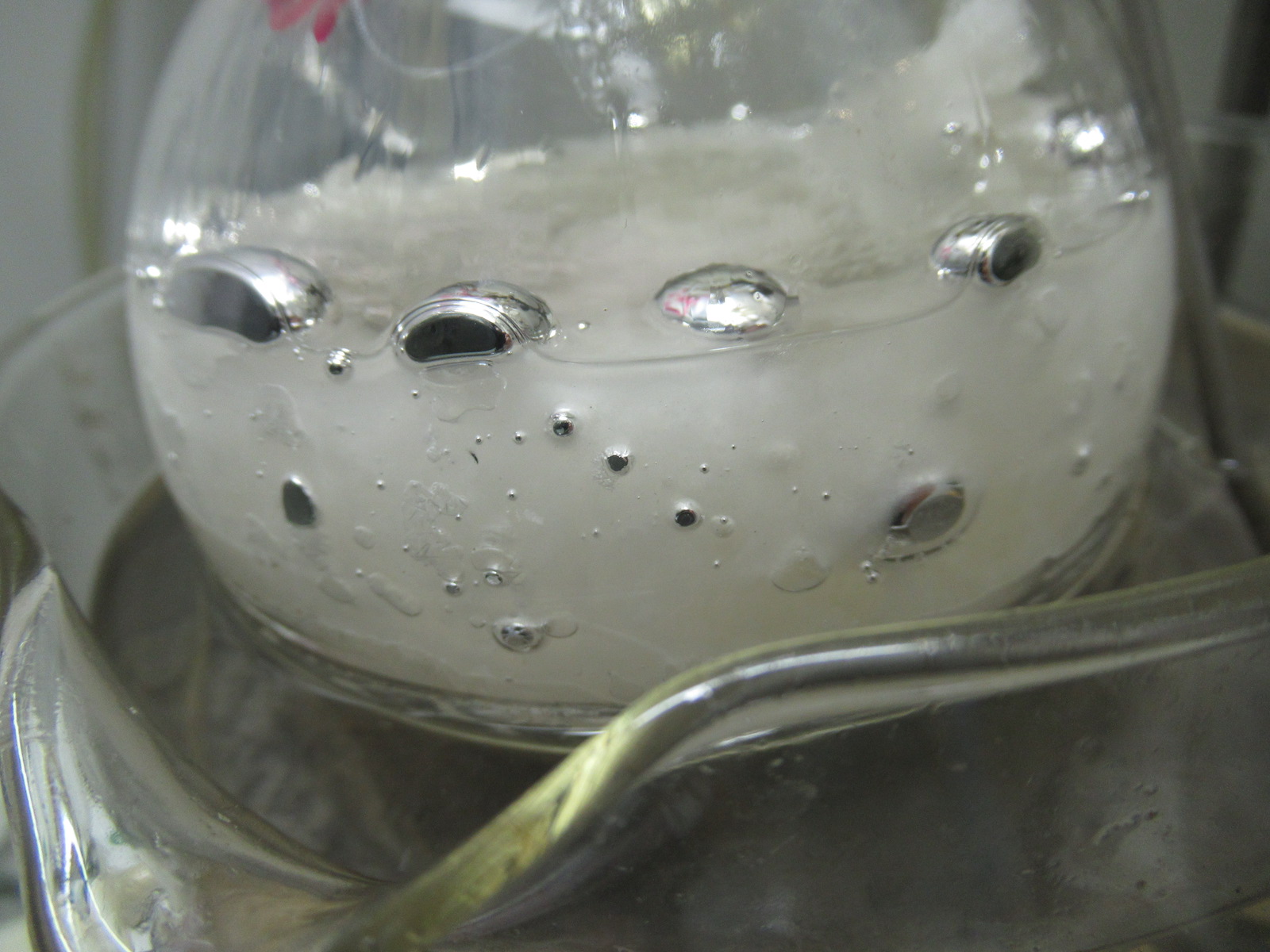
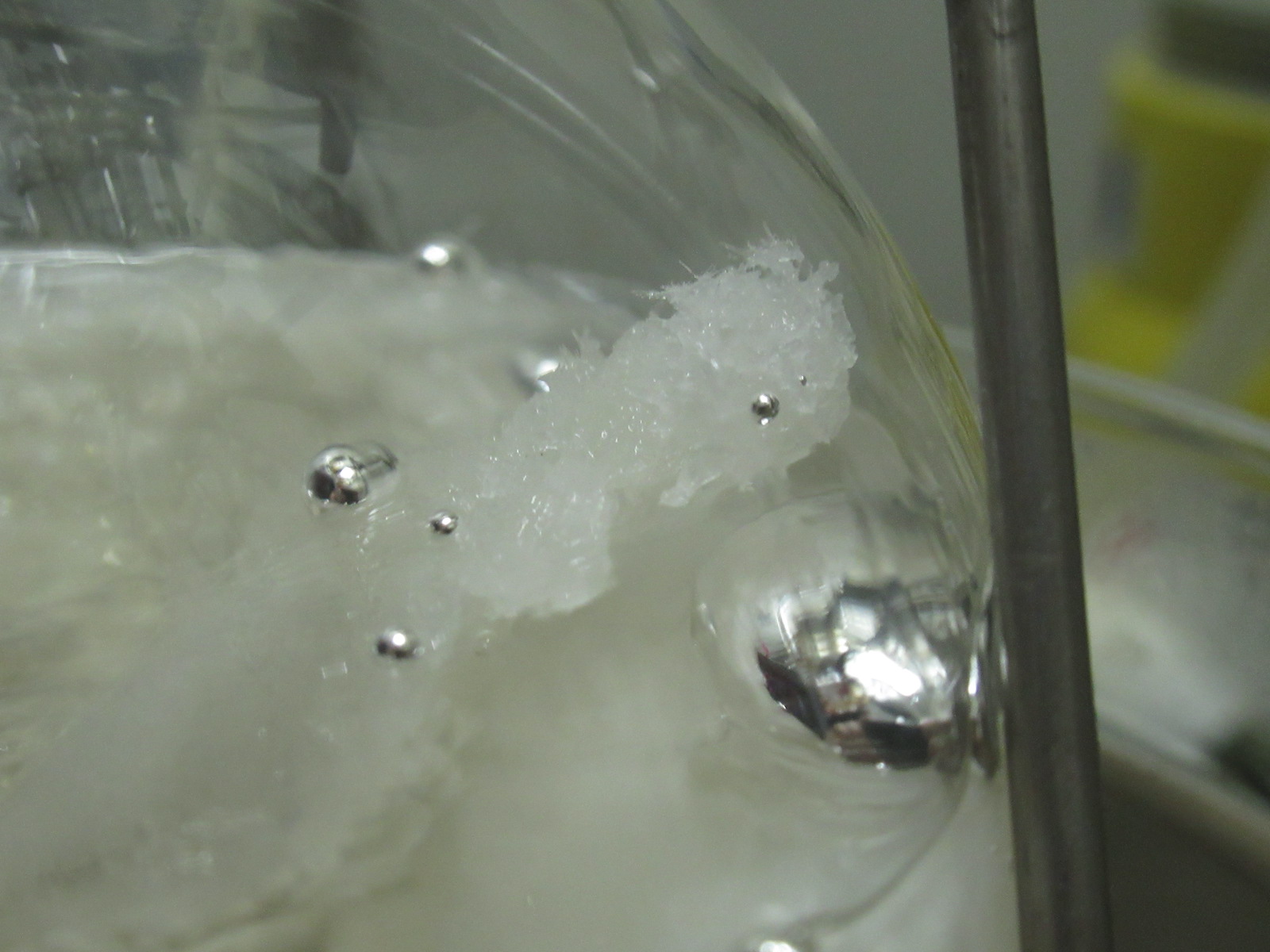
I don’t have a Christmas tree at home, but in the lab, a reaction I did today provided a splendid alternative. Here are some glittery fotos. Below them, I will go a bit into the details of what you see there. 

©Avalus, all rights reserved.

©Avalus, all rights reserved.

©Avalus, all rights reserved.

These shiny metal balls are beads of molten potassium sitting on top and inside of a potassium alcoholate/alcohol compound (the white crystalline, snowlike stuff) that slowly dissolves into the boiling hexane.

What happens here is that the potassium replaces the hydrogen of the OH group of the alcohol, forming a potassium-alcoholate and gaseous hydrogen, so the metal will slowly disappear over the next few days. In the end, the resulting potassium alcoholate will be liquid at room temperature, which is pretty cool, because most alcoholates are solids with high melting points.

This stuff will be used in my PhD research of weird alkalimetal organic complexes.

©Avalus, all rights reserved.

An accidental self-portrait on a liquid metal surface, warped by passing of hexane, running down the walls of the vessel.

Have a good (and maybe science-y) holiday season, everybody!


*******

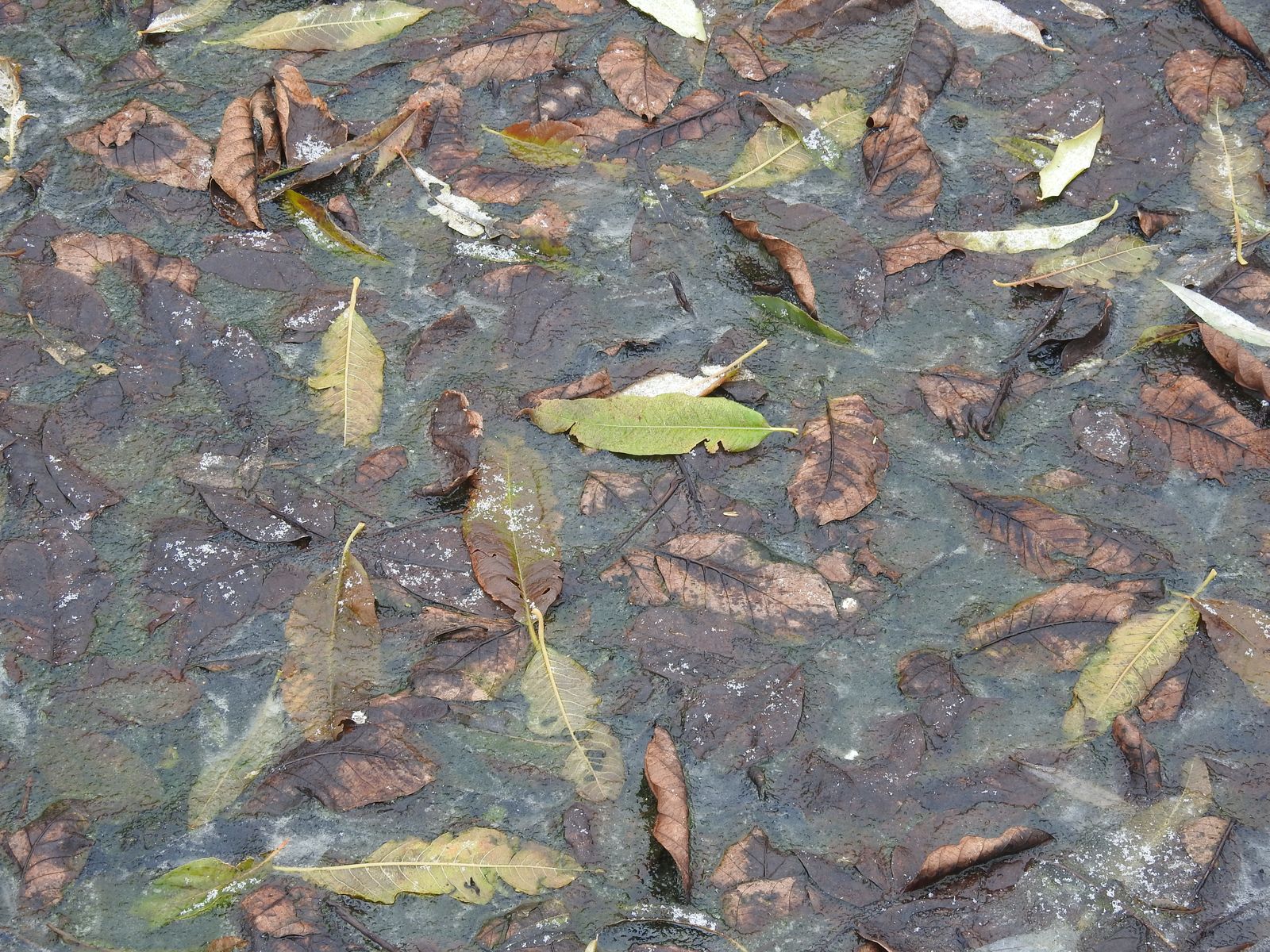
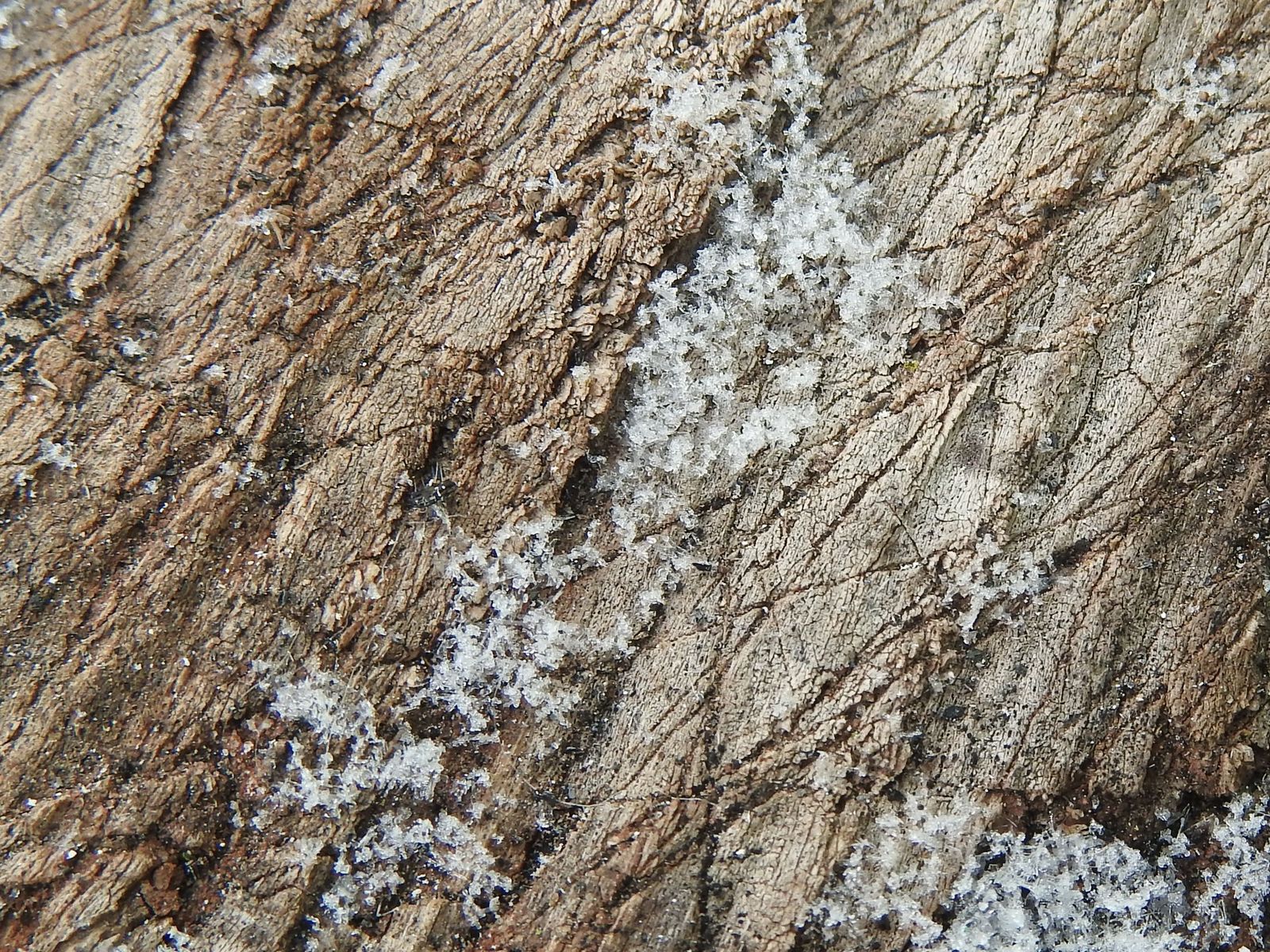
The next set of photos today are all about texture and pattern, and they come from the camera of our own Charly.

©Charly, all rights reserved

©Charly, all rights reserved

©Charly, all rights reserved


*******

Lastly is a compelling group of landscape photos sent in by Peter Lindsay. Peter lives in southwestern Manitoba (Canada) and tells us that the landscape there is quite unique. Peter does photography in every season but notes that winter is a favourite time of year. They also tell us that they’re fond of loan trees, which I’m sure you’ll note in these stunning pictures. Peter has sent us a link to their pubic Flickr site, which I encourage you to check out. The collection is brimming with delicious landscapes from around the world that are well worth seeing.

Dec. 1, 2020, ©Peter Lindsay, all rights reserved.

Dec. 2, 2018, ©Peter Lindsay, all rights reserved.

Dec. 22, 2018,. ©Peter Lindsay, all rights reserved.

Dec. 25, 2019, ©Peter Lindsay, all rights reserved.

Thanks to all three of you for sending in these photos.


Winterfest Photofest

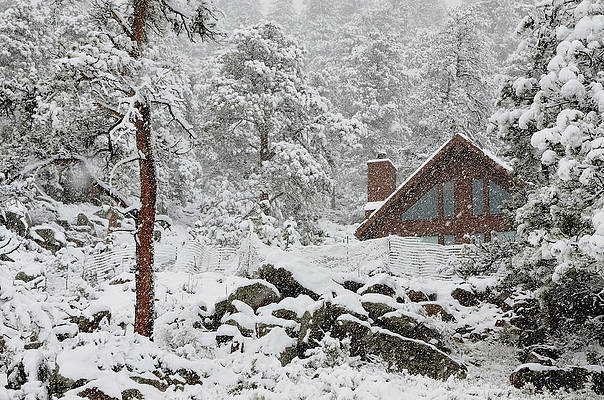
Today’s photographs all speak to the blanketing beauty of fresh snow.

First, we have a tranquil snow scene sent in by Kelvin L. Woelk.

©Kelvin L. Woelk, all rights reserved


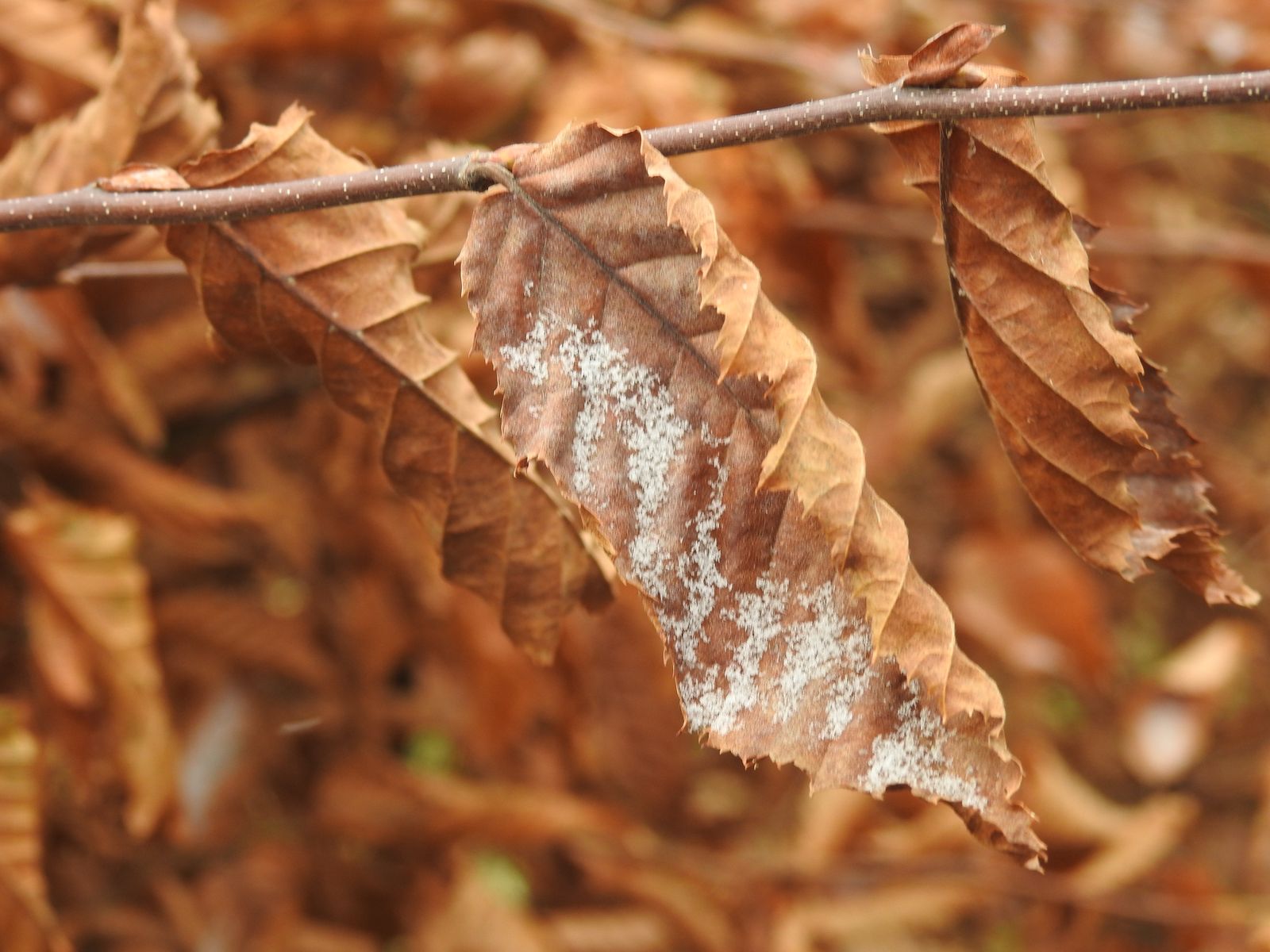
Next, some a few shots of this year’s first snowfall from our very own Charly.

©Charly, all rights reserved

©Charly, all rights reserved


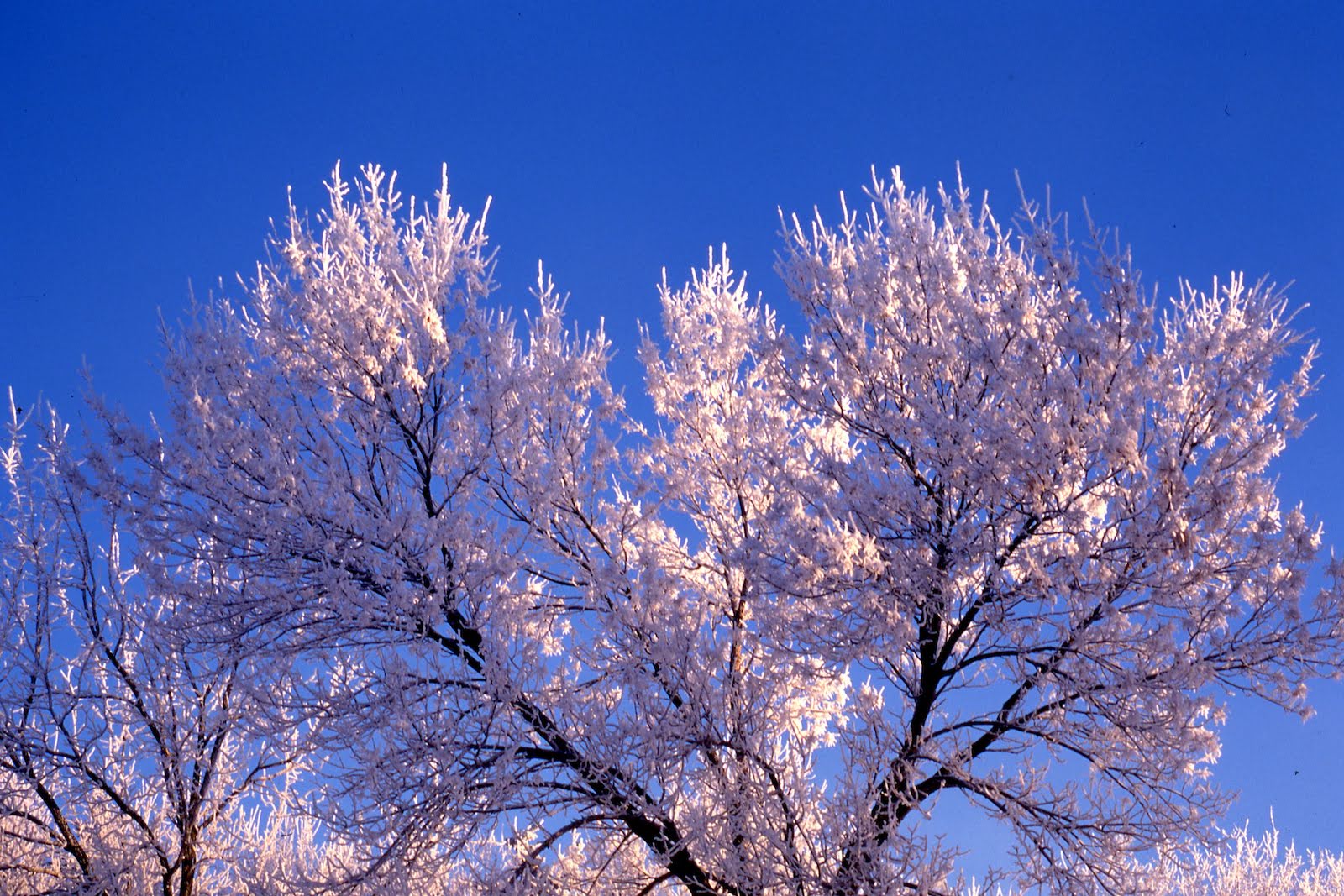
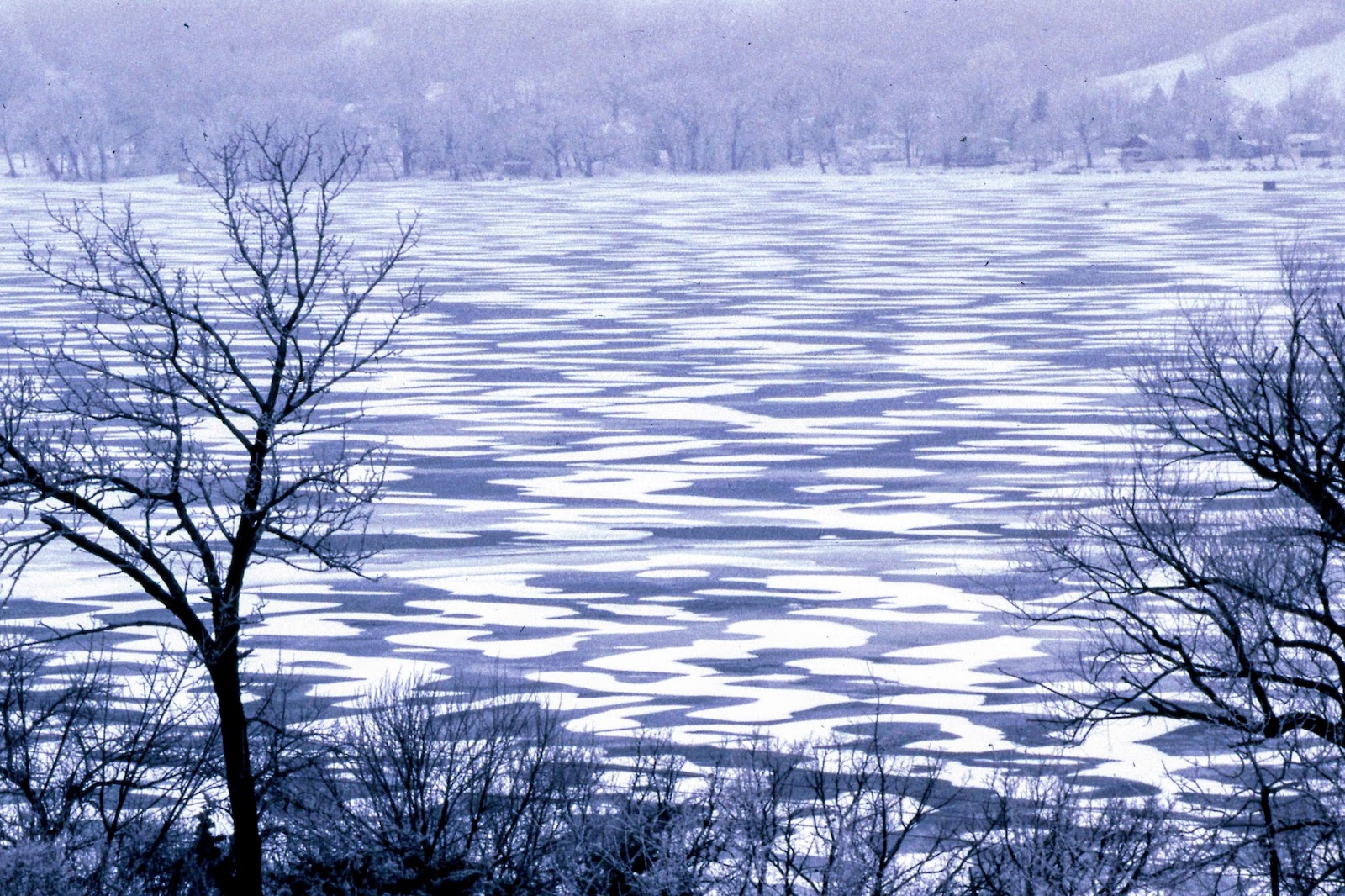
Finally, some quiet landscape shots full of pattern, taken in central or west-central Minnesota by Mark Hesse.

The one titled Hoarfrost was taken in Morris, MN, home of FTB’s own PZ Myers.”

Ice Houses ©Mark Hesse, all rights reserved

Hoarfrost,©Mark Hesse, all rights reserved

Ornaments,©Mark Hesse, all rights reserved

Big Stone,©Mark Hesse, all rights reserved

Thanks for taking the time to send in your photos.


Winterfest Photofest

We’ve been getting lots of submissions, so I have a few photos to share with you today.

First, two fascinating photos sent in by Sheila Crosby who tell us,

Just to be a bit different.
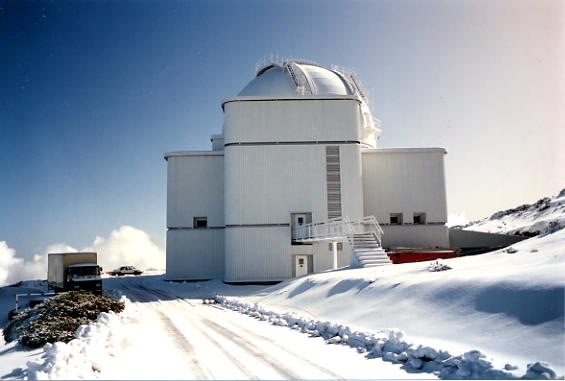
INTSnow is the Isaac Newton Telescope  To the best of my knowledge it’s the biggest telescope that’s ever been moved. It opened on the south coast of England in 1968, then they shut it down in 1979 and moved it to La Palma in the Canary Islands where it reopened in 1983. It’s my favourite telescope because I met my husband in the control room there.
WHTsnow is the William Herschel telescope. When I worked there it was the biggest in Europe, with a main mirror 13ft in diameter. Now it’s dwarfed by S¡Gran Telescopio Canarias, but I don’t think I have a snowy photo of that. one.
The observatory is only 28 º north of the equator, and the Canary Islands are a winter sun destination for much of Europe, but the observatory is at almost 8,000ft, so snow is fairly common in winter – less than it was 30 years ago though.
Sheila also has an interesting website, La Palma Island, that’s full of information about astronomy and the island itself. If you have a chance I encourage you to check it out.

INTSnow, ©Sheila Crosby, all rights reserved.

WHTSnow, ©Sheila Crosby, all rights reserved.

*****

Next, a beautiful home with a long driveway that speaks to the demands of winter from Suzanne Willis.

©Suzanne Willis, all rights reserved.

*****

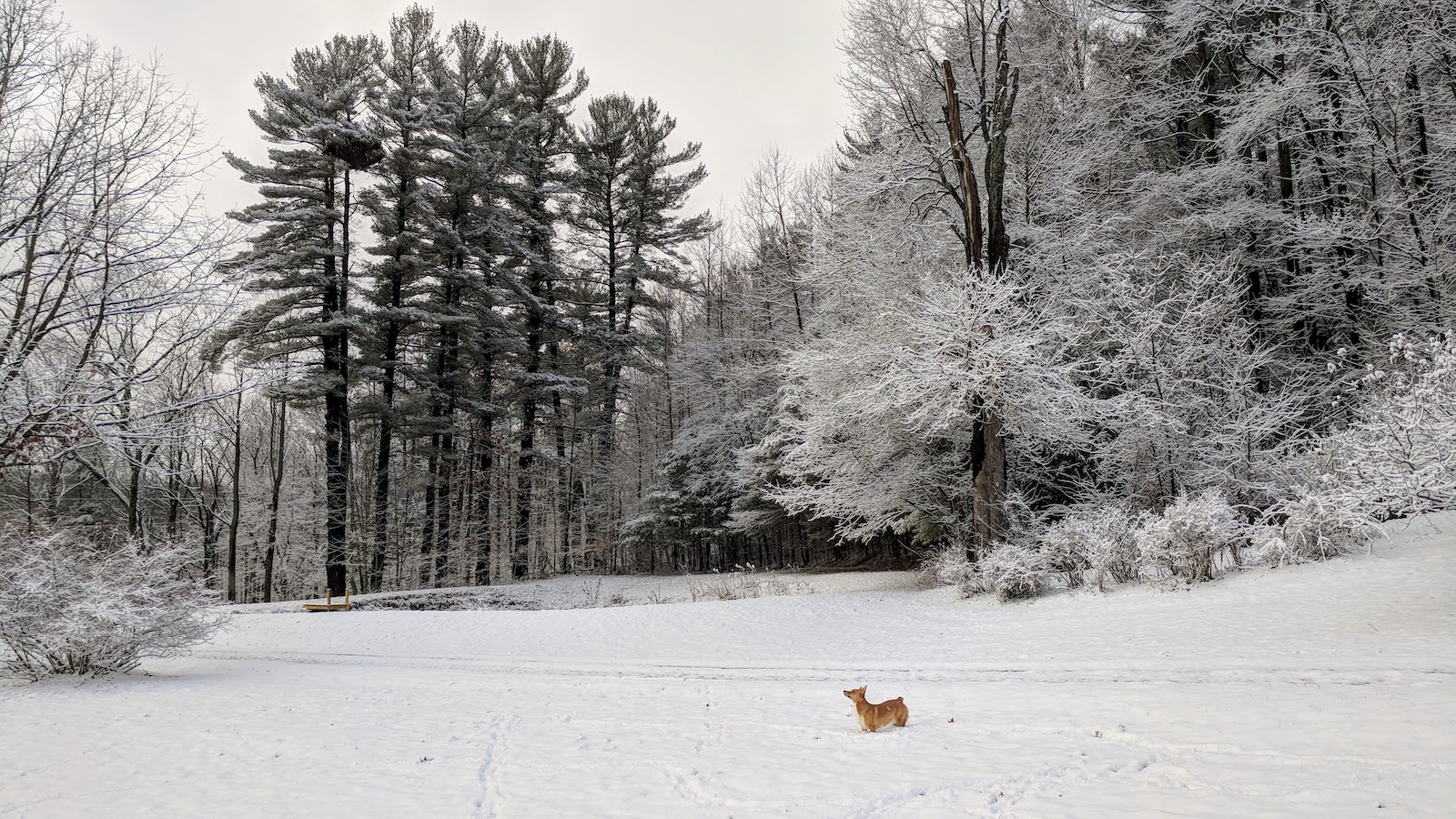
Finally, we have a beautiful and engaging photo from Todd R. I love the look of wonder on the dog’s face.

Corgi in the Snow,©Todd R.

Thanks to everyone who has sent in photos. We’ll be seeing them all over the next few days, and there is still time to send us your submission to [email protected]. The address is always on the left sidebar underneath the colourful, percolating head.


Jack’s Walk

©voyager, all rights reserved

I’ve been struggling to write this post for 2 weeks, but I can’t keep putting it off, so here goes.

Jack and I haven’t had many adventures over the past month because Jack’s gone lame. The problem is mostly with his front end somewhere, but we can’t quite pin down the problem, and his walking is continuing to deteriorate. It may be due in part to the return of Larry the Lump (warning – the bottom photo is gory), who has taken up residence in Jack’s Rt. elbow, but his left shoulder is also inflamed. We see the Dr. again tomorrow, and hopefully, an x-ray will give the vet a better idea of cause, effect and treatment options. He has been started on pain pills, and they allow him to rest comfortably at home, but he isn’t himself.

There is some small good news, however. We have successfully weaned Jack off of his steroidal allergy tablets and onto a plain cetirizine (Reactine) tablet, which means he’ll soon be able to take an anti-inflammatory to help with his arthritic hips and knees. Right now, it’s one day at a time, and I’m letting Jack decide how much he wants to do. On a good day, he goes to the end of the street and back, but on a rainy day like today, Jack only wants to go out to the yard.

About a month ago, when things were better, I took Jack to the wee woods for a walk and did some videotaping while we were there. I’ve put together a small youtube movie of our walk, and I’ll be releasing it on Saturday, Dec. 5th, as part of our Winterfest celebration. It’s my first attempt at videography, and there was a pretty steep learning curve, but I’ve managed to put together about a 5-minute clip that I’ll be releasing on Sat. Dec. 5th as part of our Winterfest celebrations. It’s nothing special, but I’m damned proud of myself for learning a new skill, and some of you might even enjoy it. I had hoped to add singing to the end of the clip, but Jack isn’t in the mood to sing right now, so that will have to wait for our next video. In the meantime, I’m hovering over Jack and waiting on him hand and foot. I’m also struggling with the existential crisis of figuring out what happens to Jack’s Walk if Jack can’t walk.

Kitchen Knives Set – Part 1: Thoughts and Design

So, this is my next big-ish project, I have decided to make a basic set of kitchen knives – three knives and honing steel. I am not entirely sure about how useful honing steel is with knives from N690, but I have used it on my mother’s knives and it seems to work. It does not appear to hurt. If this small set works out OK, I will make more in the future and perhaps add some specialized knives along the way, but this basic set is meant for casual cooks like myself (and indeed most of my friends), who do not need a special blade for every task and will be probably very content with one knife for 90% of work.

And because this time I am preparing perhaps for more future projects, I have made templates in photoshop, printed them out, and laminated them in transparent foil for future use.

© Charly, all rights reserved. Click for full size.

© Charly, all rights reserved. Click for full size.

The grid is metric, with the smallest scale being 1 mm.

The “meat” knife is a de-facto universal knife, one that I expect to take care of that 90% of work. Medium-sized blade with a round tip, ergonomic handle for firm grip, suitable for slicing protein as well as fine-dicing herbs and vegetables. And for remaining tasks, there is a small peeling knife with a sharp tip for piercing and a relatively straight blade for scratching-peeling, and a big chef knife for tackling difficult cabbage and for those occasions when cutting a lot of big-ish vegetables or huge chunks of whatever is necessary.

The chef knife has holes along the blade edge, which should help with reducing the sticking of whatever is being cut to the blade. It is easier to make than hollow grind or S-grind and it does work too. The handle is ergonomic as well but it is formed with a focus on two main uses of such a big blade. The thicker butt with a hook end prevents the knife from flying out of the hand when chopping, and the thin front with a lot of space for fingers allows for a choked-up grip with the index finger and thumb on the blade for fine slicing and dicing with a rocking motion.

All these designs should work as expected since they are based on knives that I have already made in the past. Of these, the least tested is the chef knife, but I still do not expect any trouble. I won’t follow the designs exactly, they are just approximations and I expect to tune them up a bit during the work. Any thoughts and remarks on the designs are welcome, as well as any suggestions for further additions to the set ( I am thinking about fish-knife and cheese-knife).

However, I will definitively introduce one new and relatively original feature right now. One that I have not seen used by another knifemaker (which does not mean nobody does it, I just did not see it done). As you can see, there are four-five holes for pins in each tang, which might seem a bit excessive and dorky-looking. That is because I need more pins – two will be wooden and two will be metallic. And they will not be visible. That is, the knives are designed as full-width tang, but the pins won’t appear on the outside of the handles. I have tested this idea on one broken blade and it seems to work perfectly OK for a kitchen knife that won’t get hit with a mallet or hammer too much. Or at all, as things should be.

So stay tuned for the following articles with a full write-up of my manufacturing process for this project. I am decently far already given that I only could work three days this week. And because a video was requested, I am filming (almost) all work as well. But I make no promises there – a future video is, at this time, uncertain and might or might not happen.