From Giliell, click for full size!

© Giliell, all rights reserved.

From Giliell, click for full size!
© Giliell, all rights reserved.
From Giliell, click for full size!

© Giliell, all rights reserved.
Vasco Stormrat taking his turn at candle sculpture. (No, it doesn’t harm them.) Click for full size.


© C. Ford, all rights reserved.
From Chigau, click for full size!

© Chigau, all rights reserved.
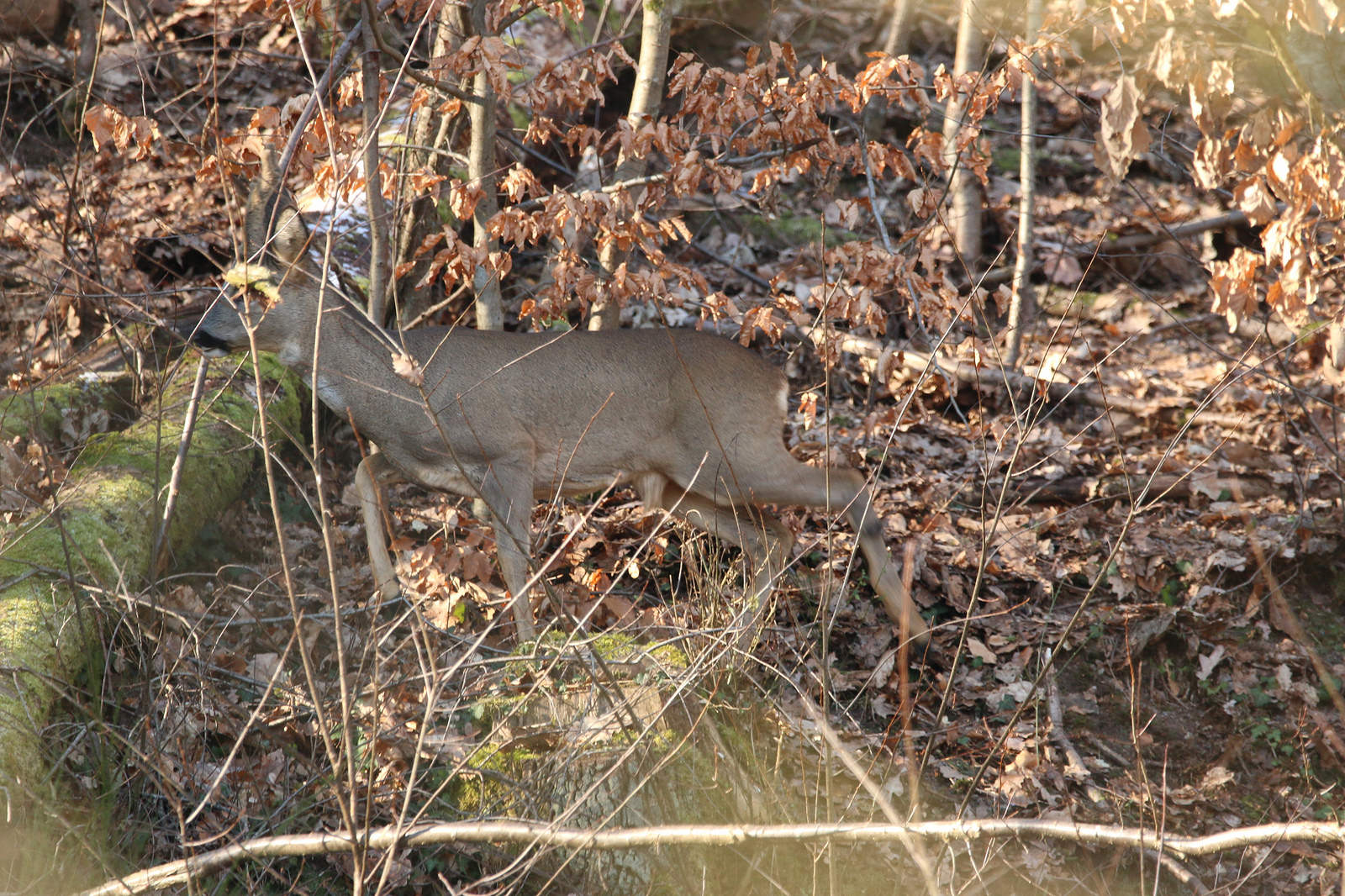
A beautiful series of Deer photos from Giliell, click for full size! My fave is the third.

© C. Ford, all rights reserved.
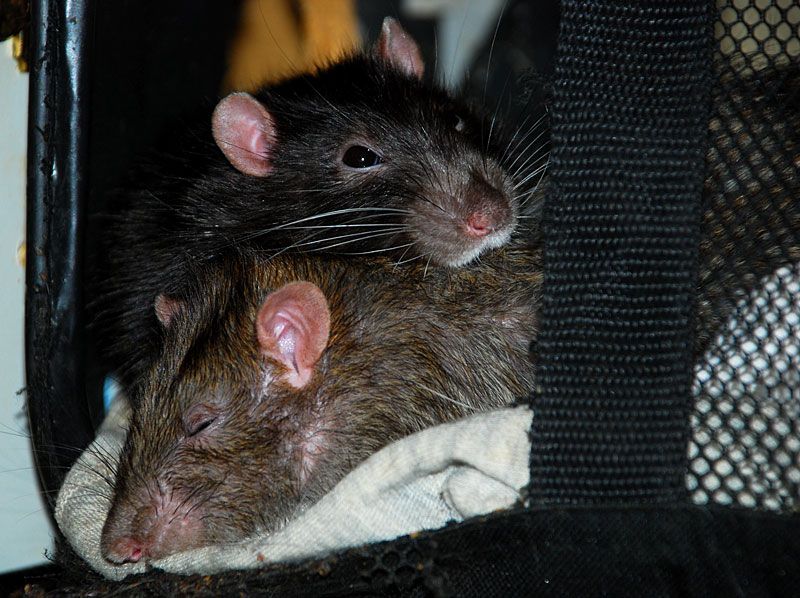
The photo is from when my beloved Chester was terminal, and all the other rats took turns caring for him, keeping him warm and letting him know he wasn’t alone. Phys.org has a couple of good articles up about rats:
Behaviour study shows rats know how to repay kindness.
Rats help each other out just as humans do.
Of course, none of this is news to those of us who are kept by rats.
Theo having some salad.

© C. Ford, all rights reserved.
From Giliell, click for full size!


© Giliell, all rights reserved.
From Giliell, click for full size!


© Giliell, all rights reserved.
From Giliell, click for full size!


© Giliell, all rights reserved.
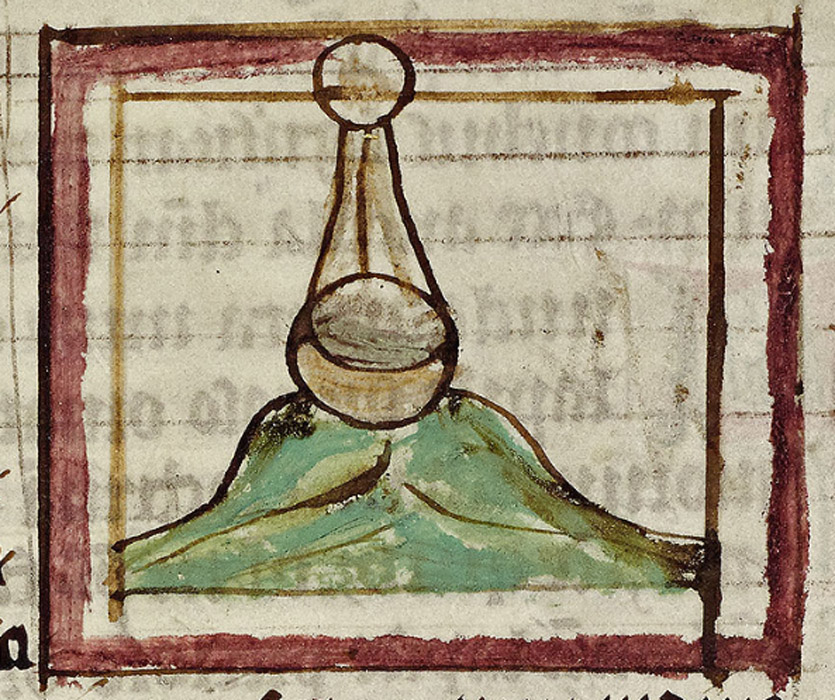
A poor sketch by the same hand as f.94r. The open stone, lying on green water, takes in the heavenly dew in order to grow a pearl.
Nothing but preaching.
Text Translation:
Of the stone called mermecoleon. There is a stone in the sea which is called in Latin mermecoleon and in Greek concasabea, because it is both hollow and round. It is, moreover, divided into two parts, so that if it wants to, it can close up. The stone lies at the bottom of the sea and comes to life early in the morning. When it rises from its resting-place to the surface of the sea, it opens its mouth and takes in some heavenly dew, and the rays of the sun shine around it; thus there grows within the stone a most precious, shining pearl indeed, conceived from the heavenly dew and given lustre by the rays of the sun. The stone, therefore, is called conchus; it symbolizes Saint Mary, of whom Isaiah foretold, saying: ‘There shall come forth a rod out of the stem of Jesse’ (Isaiah, 11:1). And again: ‘Behold a virgin shall conceive and bear a son’ (Isaiah, 7:14). Of the rod and the virgin, Saint Mary, it is said: ‘A flower was born of Saint Mary, our Lord Jesus Christ’. For just as the stone rises from the sea, so Saint Mary went up from the house of her father to the temple of God and there received the dew from heaven. These are the words which were said to her by the archangel Gabriel: ‘The Holy Ghost shall come upon thee, and the power of the Highest shall overshadow thee; therefore also that holy thing which shall be born of thee shall be called the Son of God’ (Luke, 1:35). Behold these words are the heavenly dew, just as before her, the patriarch Isaac, blessing his son, signifying that Christ would be born from his seed, said to him: ‘God give thee of the dew of heaven and the fatness of the earth’ (Genesis, 27: 28), signifying the chaste, untouched virgin Mary. ‘Early in the morning’ refers to the time of prayer. The mussel opening its mouth signifies the occasion when Mary says to the angel: ‘Behold the handmaiden of the Lord; be it unto me according to thy word’ (Luke, 1:35).
From Giliell, click for full size!


© Giliell, all rights reserved.

The adamas stone on a mountain.
Whole lotta preachin’ going on. The last paragraph is about the stone.
Text Translation:
Of the adamas stone. Physiologus says: There is a stone called adamas found on a certain mountain in the east. Such is its nature, that you should search for it by night, not day, since it shines at night where it lies, but it does not shine by day, since the sun dulls its light. Against this stone, neither iron, fire or other stones can prevail. The prophet says of it: ‘I saw a man standing on a wall of adamant and in his hand was an adamant stone in the midst of the people of Israel’ (compare Amos, 7:7). But a creature cannot prevail against its creator, and for this reason Christ is the adamas stone. He stands on a wall of such stone, on the holy and living stones of which heavenly Jerusalem is built. These are the Apostles, the prophets and the martyrs, over whom neither fire, nor the sword nor the teeth of beasts could prevail.