Spider deaths

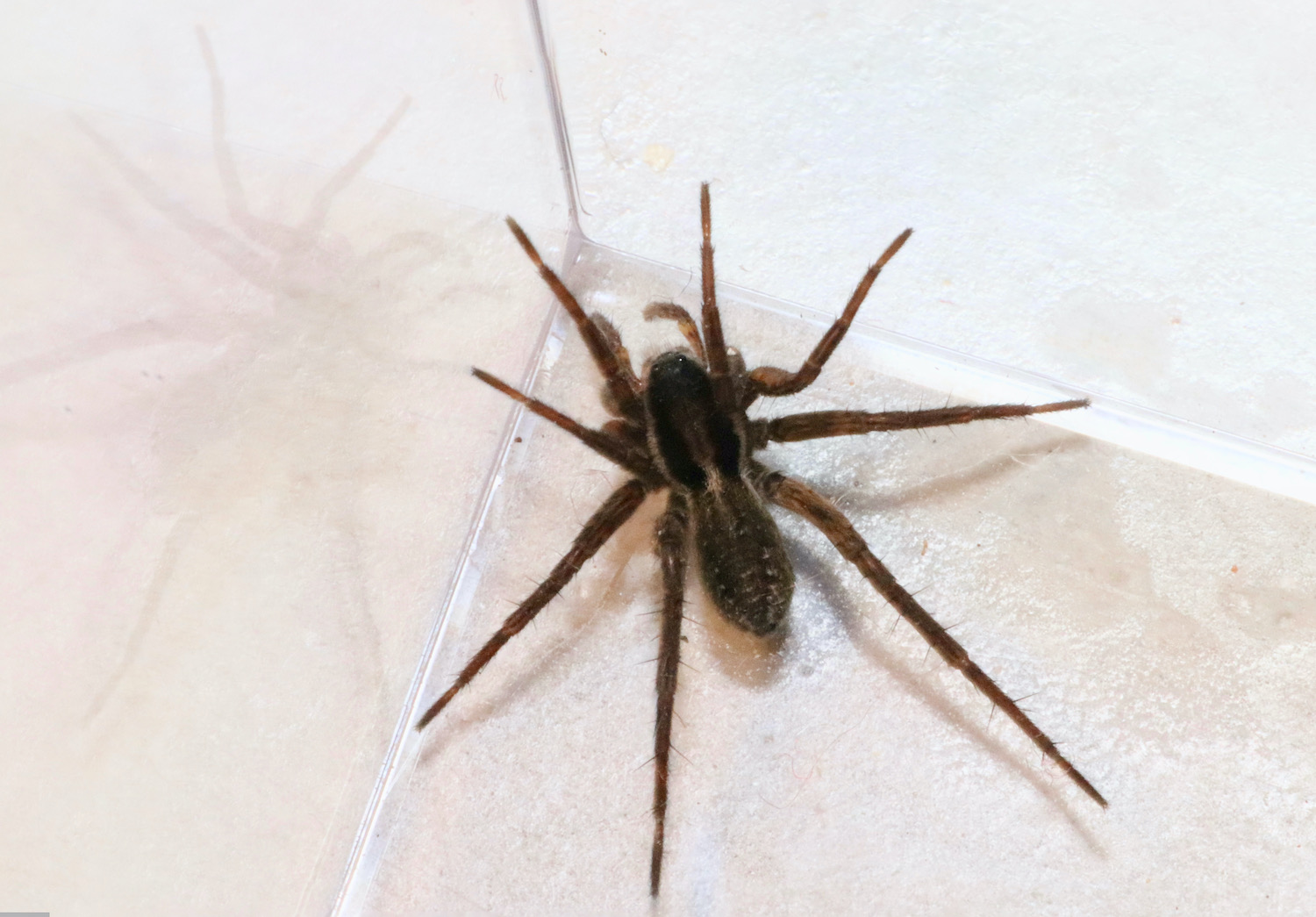
The spiders I’ve been raising live to be approximately two years old in the lab. What typically happens is that they start showing signs of decline: they aren’t as responsive, they begin to hide in small silken nests, they fall into lassitude, and then one day they fall to the ground, dead. I worry that I’m doing something wrong, that the cages are too humid or not humid enough, that some disease is spreading through the colony, but I’ve tried different regimes of watering them, it makes no difference. It’s not surprising that very small animals are not evolved to endure. I tend to think “The light that burns twice as bright burns half as long – and you have burned so very, very brightly, Roy,” about my little friends.

They live longer than they do in the wild, at least. The past couple of summers I’ve kept my eye on a few spiders that take up residence on the outside walls of my house. They thrive for a month or two, and then one day they’re abruptly gone. There are waves of spider species that flourish over time: early in the summer, I start to see young Parasteatoda and Steatoda building cobwebs along the downspouts and under the windows; mid-summer I see them being replaced by the denser webs of grass spiders; around the time of the first frost, they’re all gone or in decline. We had a large, beautiful cat-faced spider lurking under the eaves of our house all last summer, and then in the fall we found her unmoving corpse. Every year in late summer those big yellow garden spiders take over the grasslands, building their zig-zagged orb webs and growing large enough to hog-tie grasshoppers, and then they die as winter arrives, leaving behind another generation that will overwinter in egg sacs. It’s a tough life, being a spider, especially when you live in a region with strong seasonal variation and severe climate.
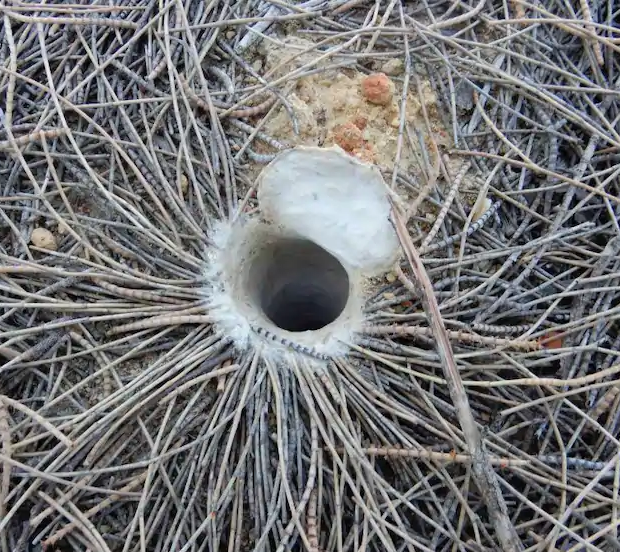
And then I read about a trap-door spider in Australia that was documented as living for 43 years. I don’t consider most of Australia to have a gentle climate, but what they did have was constancy, so they could be adapted to a fairly uniform seasonal environment. She also didn’t have to cope with months of sub-zero temperatures, which are harsh on little poikilotherms, and that also wipe out the prey these predators have to consume. Even spiders in the Australian wheat belt are going to die, sometimes in even more horrific ways.

When she arrived at the clearing that day, she noticed that the twigs around the door had lost their meticulous spiral fan shape. They lay scattered in disarray.

Mason looked at the silk door, and saw a tiny hole in the center, as if something had pierced it.

She lifted the door and lowered an endoscope into the burrow, and confirmed what she already suspected. The spider was gone.

A parasitic wasp had likely broken through the seal, and laid its eggs in 16’s body.

“She was cut down in her prime,” Mason said. “It took a while to sink in, to be honest.”

On April 19, Mason, Main and Grant Wardell-Johnson co-published a paper in Pacific Conservation Biology, announcing the death of spider 16 at age 43.

She was the oldest spider known to have existed, Mason wrote, eclipsing the previous record set by a 28-year-old tarantula.

Ugh. Parasitic wasps. I think I’d rather freeze to death, or gently fade away in the decrepitude of old age.


What next, Iowa?

After all, they elected this guy.

It’s going to be fun times in Iowa. Maybe they’re going to remove the requirements that you be licensed to drive, or practice dentistry, in the near future, and it’ll become a libertarian hell-hole where anything goes. At least, that’s the way it seems to be going, now that they’ve stripped out any licensing requirements at all to carry a handgun.

Iowa Gov. Kim Reynolds (R) on Friday signed a bill that allows people to purchase and carry handguns in the state without a permit.

“Today I signed legislation that protects the 2nd Amendment rights of Iowa’s law-abiding citizens while still preventing the sale of firearms to criminals and other dangerous individuals,” Reynolds wrote in a statement.

“We will never be able to outlaw or prevent every single bad actor from getting a gun, but what we can do is ensure law-abiding citizens have full access to their constitutional rights while keeping Iowans safe,” she added.

You won’t need a permit or any safety training at all to carry a gun into any public spaces! It’s an NRA wet dream! She defends it as a 2nd amendment issue; why do the gun nuts always forget the “well regulated militia” part of the Constitution?

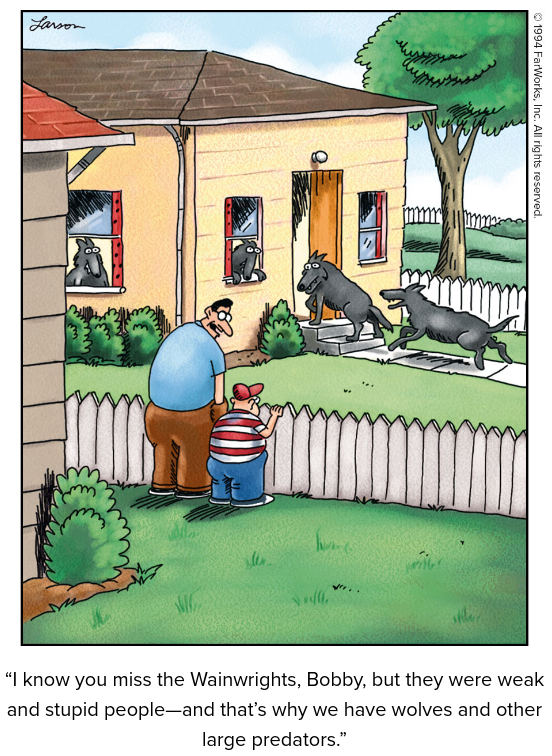
I’m feeling trapped. I’ve got the assholes of Iowa to the south of me, and the ignorant yahoos of the Dakotas to the west of me, and Senator Ron Johnson guarding the borders of Wisconsin to my east. I’ve still got Canada as a bulwark of relative sanity to the north, but I know one thing for sure: I won’t be visiting Iowa until they throw out their Republican governor and restore some competence to their government.

On top of pandemic woes, emerging technologies force me to revise my courses!

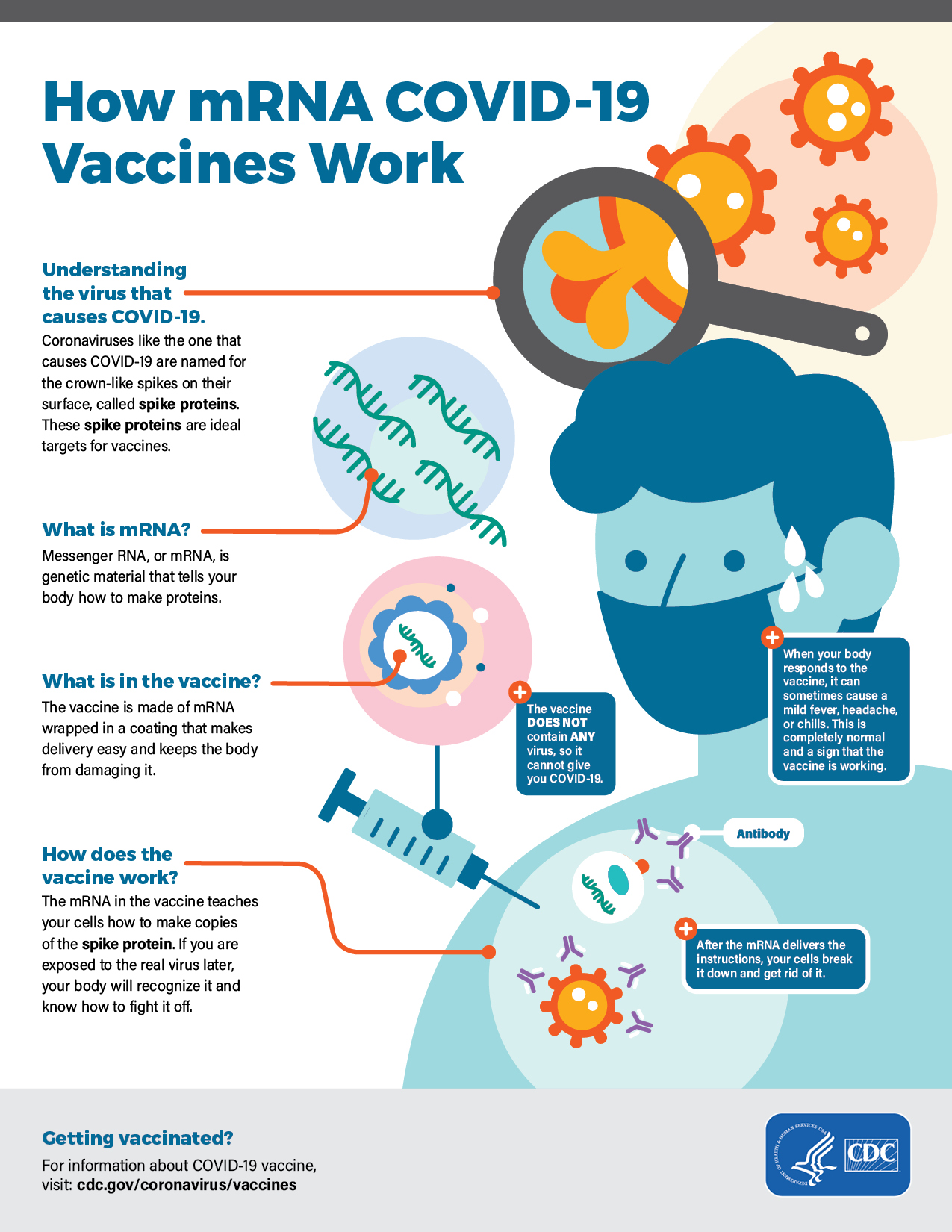
I am not an immunologist by any stretch, but I do teach a bit of basic immunology in my cell biology course every year — you know, just the basic concepts of immunological memory and core proteins and the innate and adaptive immune system, that kind of thing. I’d heard about the idea of mRNA vaccines, but if you’d asked me last year, I would have said that’s far too speculative for a course that was just an overview, I can’t possibly wedge such a tenuous proposal into the class, and why should I? It has no real world utility yet. Well, next year I’ll have to start wedging. Here’s an article that describes the importance of mRNA vaccines.

…mRNA’s story likely will not end with COVID-19: Its potential stretches far beyond this pandemic. This year, a team at Yale patented a similar RNA-based technology to vaccinate against malaria, perhaps the world’s most devastating disease. Because mRNA is so easy to edit, Pfizer says that it is planning to use it against seasonal flu, which mutates constantly and kills hundreds of thousands of people around the world every year. The company that partnered with Pfizer last year, BioNTech, is developing individualized therapies that would create on-demand proteins associated with specific tumors to teach the body to fight off advanced cancer. In mouse trials, synthetic-mRNA therapies have been shown to slow and reverse the effects of multiple sclerosis. “I’m fully convinced now even more than before that mRNA can be broadly transformational,” Özlem Türeci, BioNTech’s chief medical officer, told me. “In principle, everything you can do with protein can be substituted by mRNA.”

In principle is the billion-dollar asterisk. mRNA’s promise ranges from the expensive-yet-experimental to the glorious-yet-speculative. But the past year was a reminder that scientific progress may happen suddenly, after long periods of gestation. “This has been a coming-out party for mRNA, for sure,” says John Mascola, the director of the Vaccine Research Center at the National Institute of Allergy and Infectious Diseases. “In the world of science, RNA technology could be the biggest story of the year. We didn’t know if it worked. And now we do.”

At least the article does a lot of the work for me, organizing the history of the technology and explaining its strengths and weaknesses. Maybe I can just assign it as reading in the class, because I just checked the latest edition of our textbook, which seems to come out with a new edition every year, and there isn’t a whisper of a hint of a suggestion of this use for mRNA. That’s how fast this technology has emerged.

The last time this happened was when CRISPR/Cas appeared on the scene — 3 or 4 years ago I had to start including a segment on that in my course, because it was starting to appear in students’ senior seminars, and had such obvious research applications. But there was negligible clinical use, and none of my students had used or been the subject of CRISPR/Cas. Now this fall I expect every single one of my students to show up having been injected with an mRNA vaccine, so I’d better get it into the curriculum.

I do appreciate that the article also comes right out and explains that mRNA vaccines aren’t a miracle cure for everything.

“This is not a magic bullet, and it’s not perfect for everything,” Pfizer’s Dormitzer told me. His partners at BioNTech concurred. “I do not claim that mRNA is the holy grail for everything,” Türeci said. “We are going to find that there are diseases where mRNA is surprisingly successful and diseases where it’s not. We have to prove it for each and every infectious disease, one by one.”

It also makes it clear that this isn’t the product of a single genius making a breakthrough.

The triumph of mRNA, from backwater research to breakthrough technology, is not a hero’s journey, but a heroes’ journey. Without Katalin Karikó’s grueling efforts to make mRNA technology work, the world would have no Moderna or BioNTech. Without government funding and philanthropy, both companies might have gone bankrupt before their 2020 vaccines. Without the failures in HIV-vaccine research forcing scientists to trailblaze in strange new fields, we might still be in the dark about how to make the technology work. Without an international team of scientists unlocking the secrets of the coronavirus’s spike protein several years ago, we might not have known enough about this pathogen to design a vaccine to defeat it last year. mRNA technology was born of many seeds.

The one thing it’s missing is the growing awareness that the missing ingredient here isn’t technological, it’s sociological. The absurd opposition to vaccines in some quarters isn’t based on evidence or reason, it’s a phenomenon of irrational brains. I’ll resist the temptation to wedge a whole course on sociology or psychology into my biology class — that’s why I’m at a liberal arts college, because the students should be studying that with real experts in a different building on campus.

Don’t call it “childish”

Here’s a too-common story about how some citizens are responding to the pandemic by shirking their responsibilities.

Kelly Sills paid a small fortune for an enchanting trip to “the most magical place on Earth.”

Instead, the Baton Rouge resident — like several other Disney World guests who have defied coronavirus restrictions — visited the Orange County jail.

Amid heightened precautions for the virus at the major Florida tourist attraction, Sills, 47, skipped the temperature screening required of guests, authorities said. He was confronted by security about it at a Disney Springs restaurant, the Boathouse, when he yelled and refused to leave, according to an Orange County Sheriff’s Office arrest report from Feb. 13. When deputies insisted he would be charged with trespassing, he pointed to how much he spent on his vacation, according to body-camera footage released this week.

My first reaction: people spend $15,000 on a vacation? What? How?

My second reaction: you booked a trip to DisneyWorld during a pandemic? That’s nuts.

My third reaction: and then you’re so petty and obnoxious that you skip past basic health checks? That’s how plagues spread, ya bozo.

My fourth reaction: my two-year old granddaughter is more mature and responsible than Mr Sills.

Smarter, too.

The greatest Republican of all time

I am kind of impressed. Joel Greenberg totally filled out the Republican bingo card: cronyism, graft, gun fondling, sex trafficking, misogyny, pedophilia…oh, wait, he’s missing racism, so far. I’m sure there’s something in his history that will ooze out.

Rachel Maddow explains it all.

He does have an edge, though, being from Florida, and also being best buddies with Matt Gaetz. It’s nice to live in a country that is finally getting around to prosecuting these guys, rather than enabling them.

Portents and omens

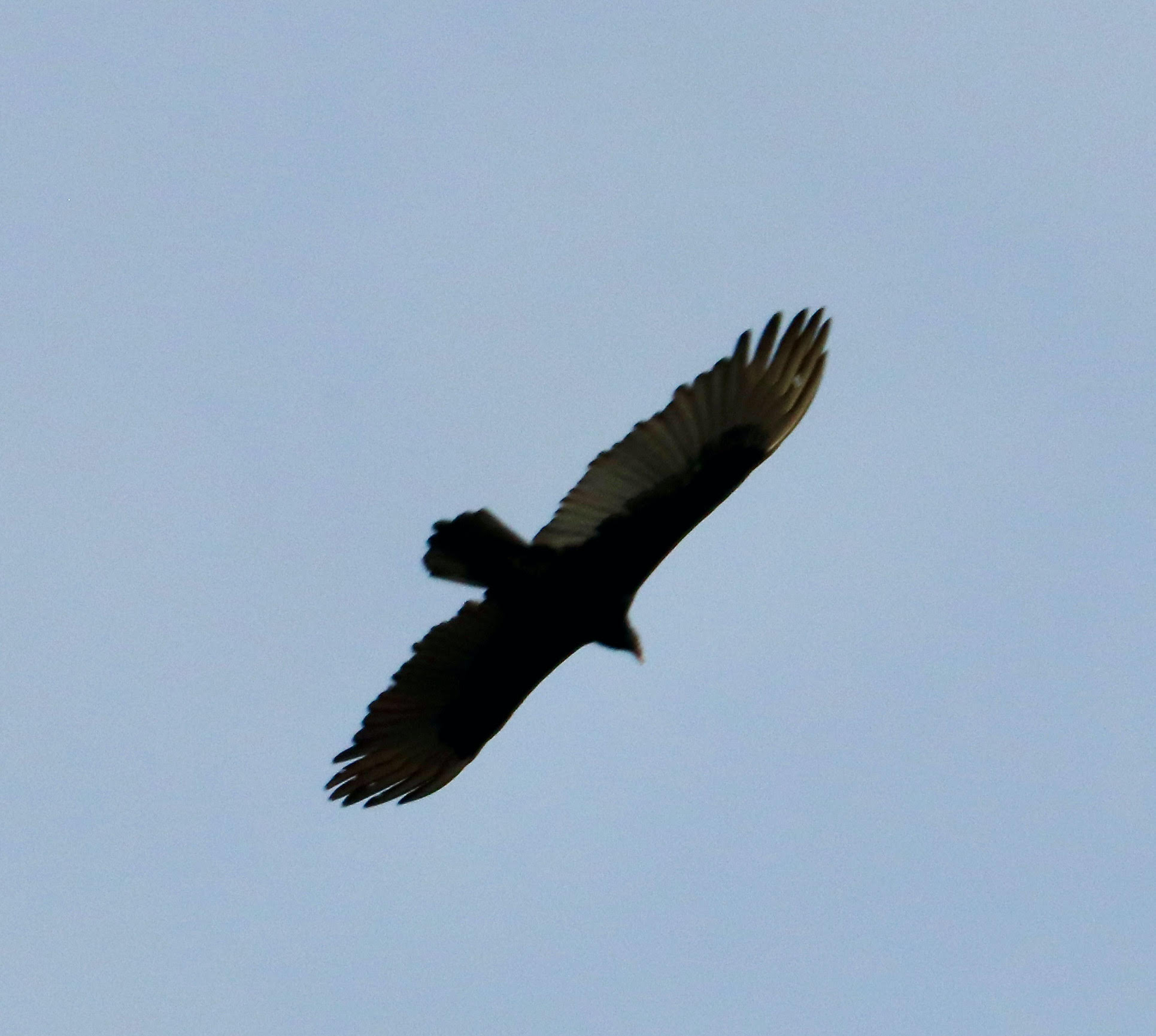
We went for a walk yesterday. We saw one of these soaring overhead.

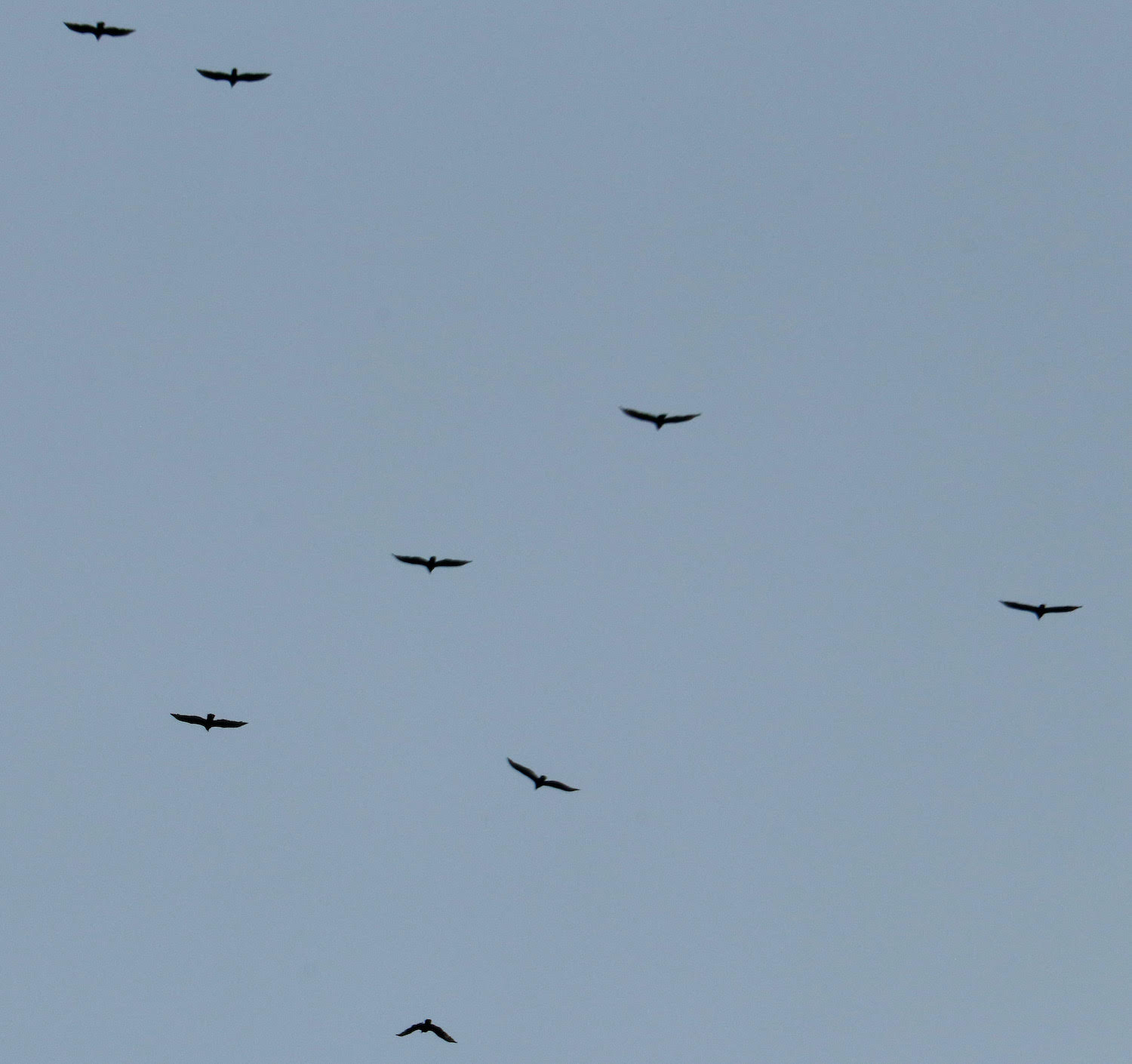
One is nice and impressive, but then there was a whole flock of turkey vultures wheeling overhead.

Then they followed us home.

I’m a little afraid to walk over to the lab now, but I must. My dental records are on file at the Dental Depot here in town, in case some skeletal remains need to be identified.