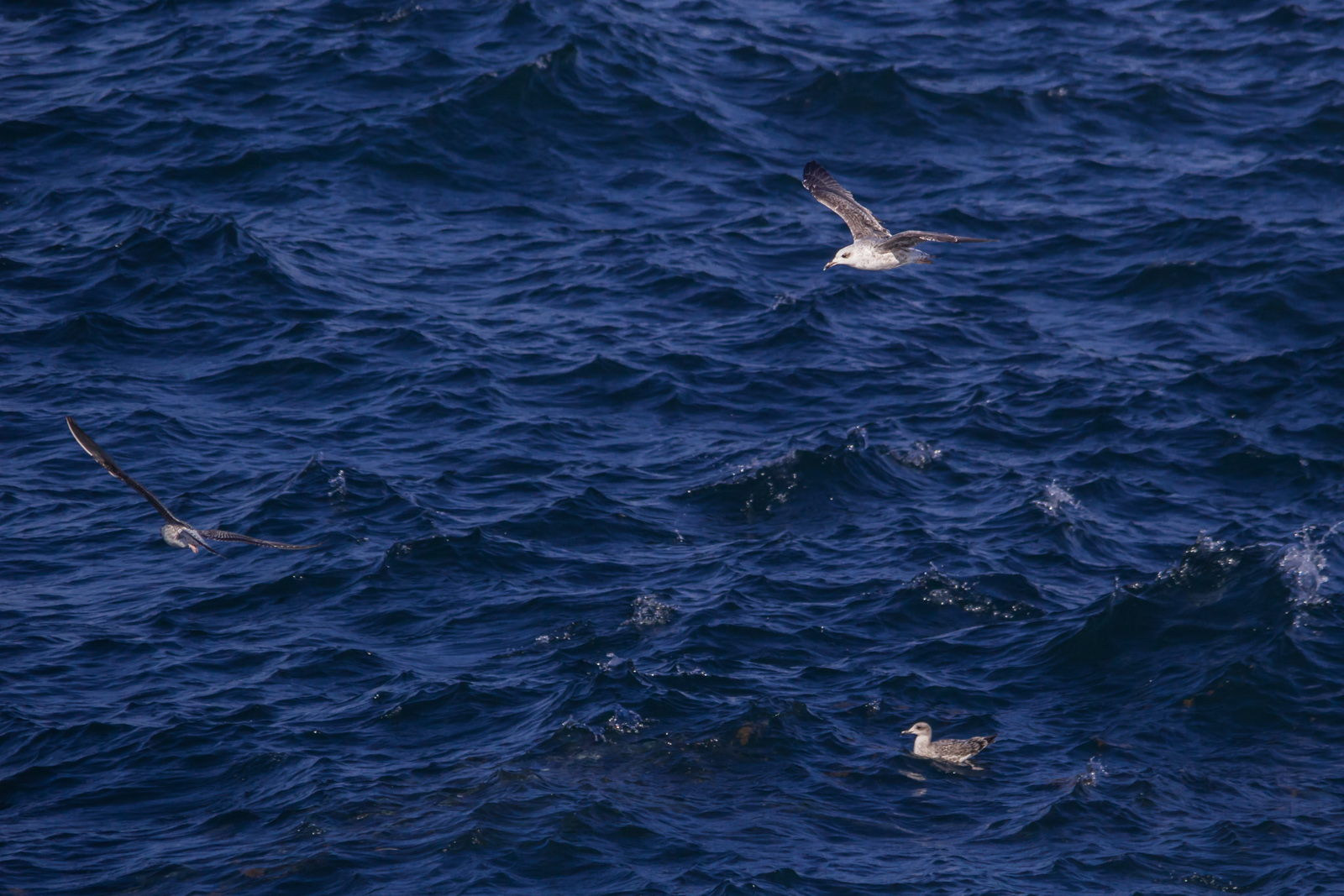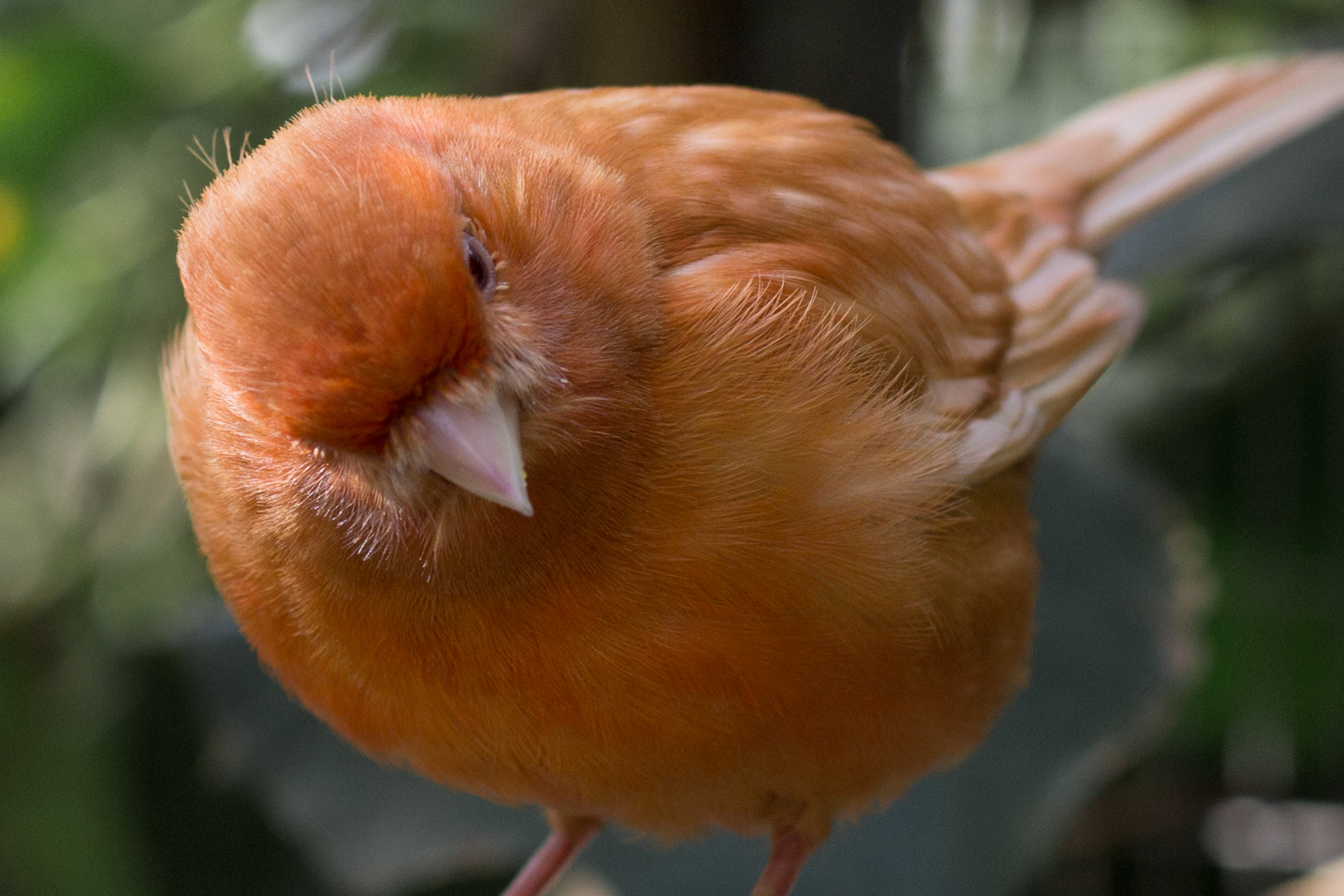
From Nightjar,
Ultramarine.
A deep blue pigment obtained from lapis lazuli. Its name means “overseas” referring to its history as an expensive good imported by sea from Asia, but sometimes it can be found in the sea itself, I think.
From Nightjar,
Ultramarine.
A deep blue pigment obtained from lapis lazuli. Its name means “overseas” referring to its history as an expensive good imported by sea from Asia, but sometimes it can be found in the sea itself, I think.
From Nightjar,
Teal.
I’ve noticed that some of my succulent plants display a teal hue that almost glows under certain light conditions. I tried to capture that here, although this one required a bit of post-production to bring it closer to what I had in mind. I still liked the result.
Some pretty-in-pink winter flowers from Australia courtesy of Lofty.
Although its midwinter here there are still plenty of bright little things to see on the non rainy days. These little flowers are around 1/2″ or 12mm long and were trying to hide in a dark corner, but a sunbeam surprised them. Described here: https://en.wikipedia.org/wiki/Epacris_impressa
We’re having a steamy day today with humidity at 93% and afternoon temps of 32° before the humidex and 44° with it factored in. Luckily, I had trouble sleeping last night (this weather sets off my fibro) so I was wide awake at 5 a.m. and decided it was probably a good time to take Jack out. He seemed a bit perplexed at being woken up so early, but he cheerfully joined me and off we went. Even that early in the morning the temperature was already a hot 27° and our walk was more of a plod. We did discover that 5 o’clock is a busy time of day for rabbits. We must have seen a dozen of them in front years around the neighbourhood and every time we spotted one Jack would stop and stare. I think he was hoping that one of them would hop over and say hello and he seemed disappointed when they didn’t.
A few Fridays back I posted photos from Avalus of some pretty cool fungi with the title of It’s Fungi Friday. Well, I’m pleased to say that for the next little while Fungi Friday is going to be a thing. Opus has sent in some sensational portraits of fungi and they’re going to roll out on Fridays because Fungi Friday sounds way better than Fungi Monday or Tuesday.
Here’s Opus’ first wonder-filled photo.
From Nightjar,
Red.
In a wild poppy.
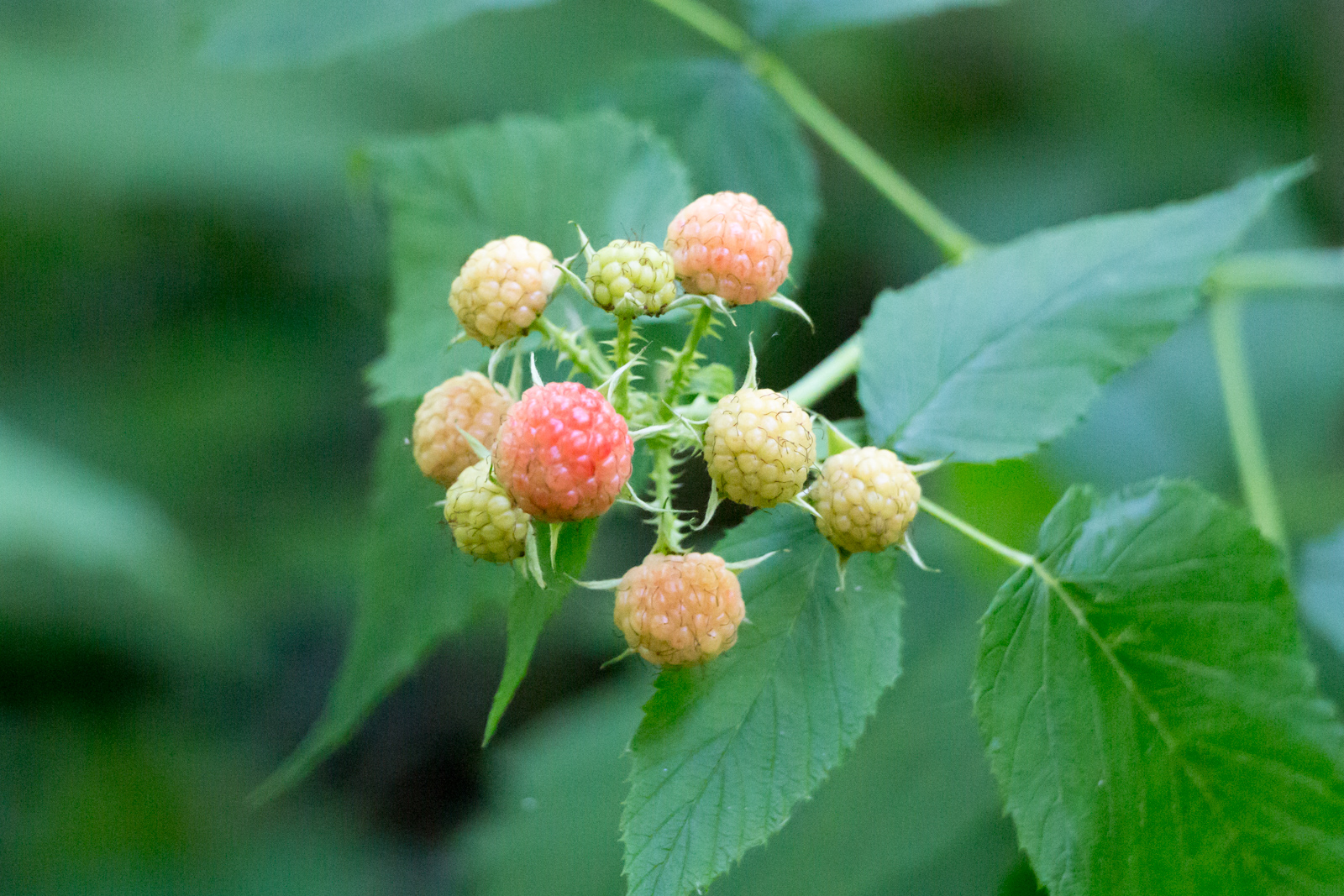
It’s a hot one here today and Jack and I didn’t get out as early as I hoped – a bit of extra gravity from the humidity slowed me down. Instead it was about noon and Jack was obviously anxious to go out so I decided the shade of the woods was our best option. Jack wanted to go swimming in the river, but there isn’t enough shade there for me so I pulled rank and we went to the forest. For once we didn’t run into any strange happenings, but we did find a patch of ripe wild black raspberries. YES! I picked and ate until my fingers were black and Jack was making the “Come on Mom” noises. I offered him a berry, but he looked at me like I was offering him poison and then he made the sad little whimper again. Sheesh! I’d pretty much denuded the patch by this point, but there are oodles more berries still to ripen so I think next time we come (very, very soon!) I’ll bring a bowl and maybe come home with enough wild, “organic” black raspberries for a pie. I know just how to make it good.
From Nightjar,
Quinacridone.
A family of widely used synthetic pigments with a deep red to violet color range. This opening Petunia flower is reminiscent of some quinacridone shades.
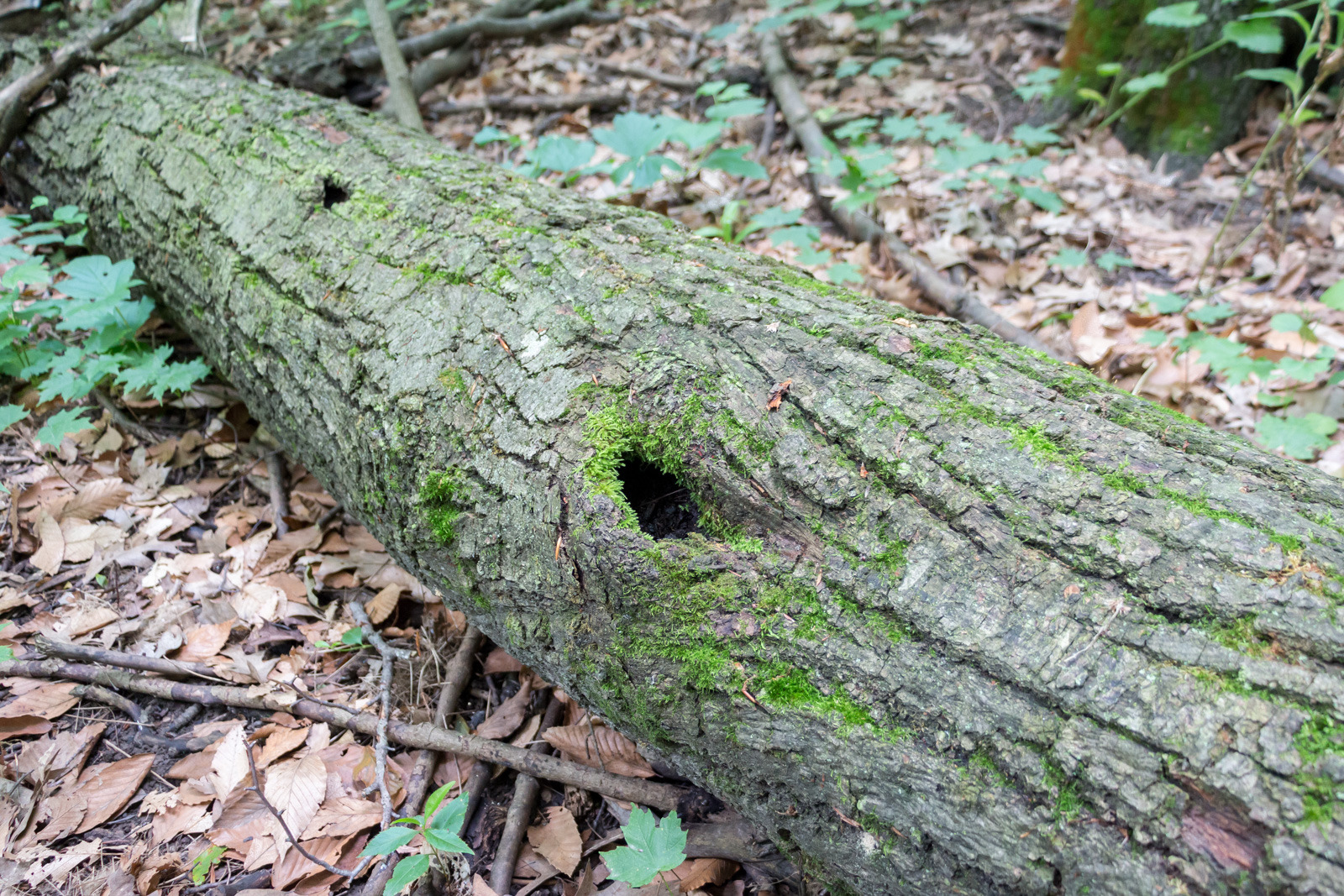
Jack and I went to the woods today hoping to see Drucilla and Murray from the Stone Tribe, but we couldn’t find them. Jack followed their scent to a hollowed out area in a log and told me he thinks they’ve gone inside. Inside? I told him it doesn’t look large enough for anything to hide inside. Jack took another sniff and said he was sure they went inside and he was just as sure that they hadn’t come back out. I bent down to take a closer look and could see that the opening was large enough for the Stones to pass into, but it was not large enough for them to hide inside. I grabbed a stick and poked into the hole. Surprisingly, the stick was almost a foot in before it hit the end of the tunnel, but at that point it felt solid all around and there were no Stone people hiding from my probe. Jack thinks it might be a corridor or a secret tunnel and that my poor human senses are too dull to find it. I couldn’t argue with that and there didn’t seem to be much point in hanging around so we went back to the path and hurried the rest of the way around because rain clouds were moving in.
from Nightjar,
Purple.
As displayed by an Iris flower.
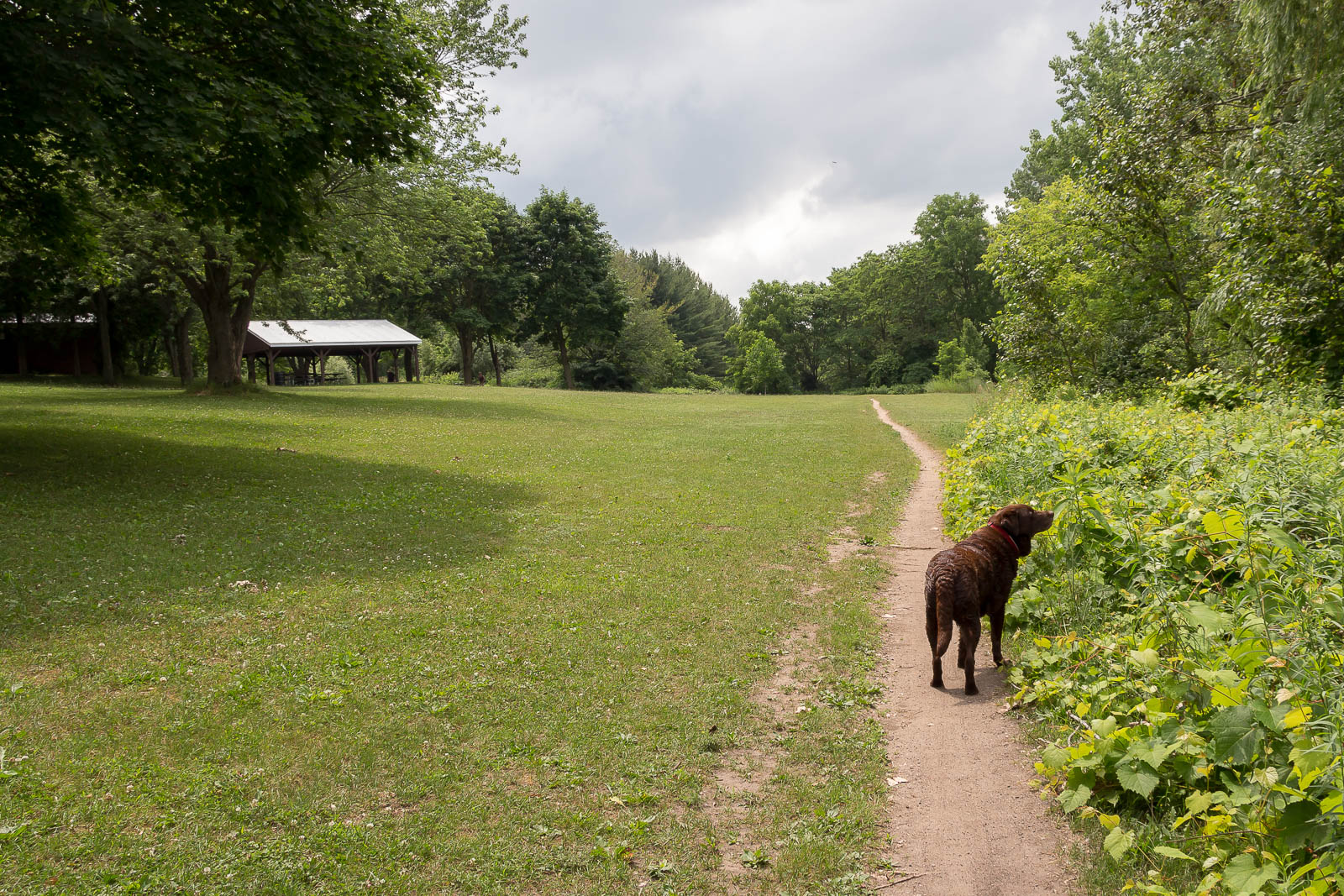
Jack asked to go to the park this morning. He said something about smelling pee or leaving pee to smell, but I wasn’t really listening and I might have that wrong. Anyway, I couldn’t think of a reason not to go to the park, so we grabbed some water and off we went. We aimed ourselves toward the gazebo because I wanted to check out the progress of the renovation to the small pond. The city has had it walled off for weeks and I was very curious to find out what they were doing. Well, they’re finished, but….they removed the pond and replaced it with a rock. It’s a nice enough rock, I suppose. It’s big and it has burbling water at its head that cascades in a fake waterfall sort of way, but it looks to me as if it belongs in a cemetery and it won’t have fish or frogs or tadpoles. Damn.

Photo by Dag Peak, flickr CC
One of my favourite perspectives for photographing trees is looking up, way up, because a tall tree silhouetted against the sky is majestic. In winter their uppermost bare branches create beautiful patterns in the sky that look sculptural to me. Some trees, though, create sculptural bare spaces in the summer, too, through a phenomenon known as “crown shyness.”
If you look up toward certain types of towering trees—including eucalyptus, Sitka spruce, and Japanese larch—you may notice a unique phenomenon: the uppermost branches don’t touch. Known as “crown shyness,” this natural occurrence results in rupture-like patterns in the forest canopy that seem to perfectly outline the trees’ striking silhouettes.
Numerous scientists have been studying crown shyness since the 1920’s and several theories have been put forward, but no one knows for certain what causes it.
One possibility is that it occurs when the branches of trees (particularly those in areas with high winds) bump into each other. Another suggested explanation is that it enables the perennial plants to receive optimal light for photosynthesis. Perhaps the most prominent theory, however, is that the gaps prevent the proliferation of invasive insects.
My favourite theory is the one that postulates the trees are trying to avoid bumping into one another. It seems so polite and I can imagine woody conversations along the lines of “oops – so sorry old chap – didn’t mean to crowd you. I’ll just move over here.”
I think it’s stunning and hope I get a chance to see it someday. If you’re lucky enough see it, please take a photo and share.
Here’s one last photo from the story, but I encourage you to check out the full story and look at all the photos. The link is below.
The full story and more photos are at: My Modern Met
My thanks to rq for sending this story my way.