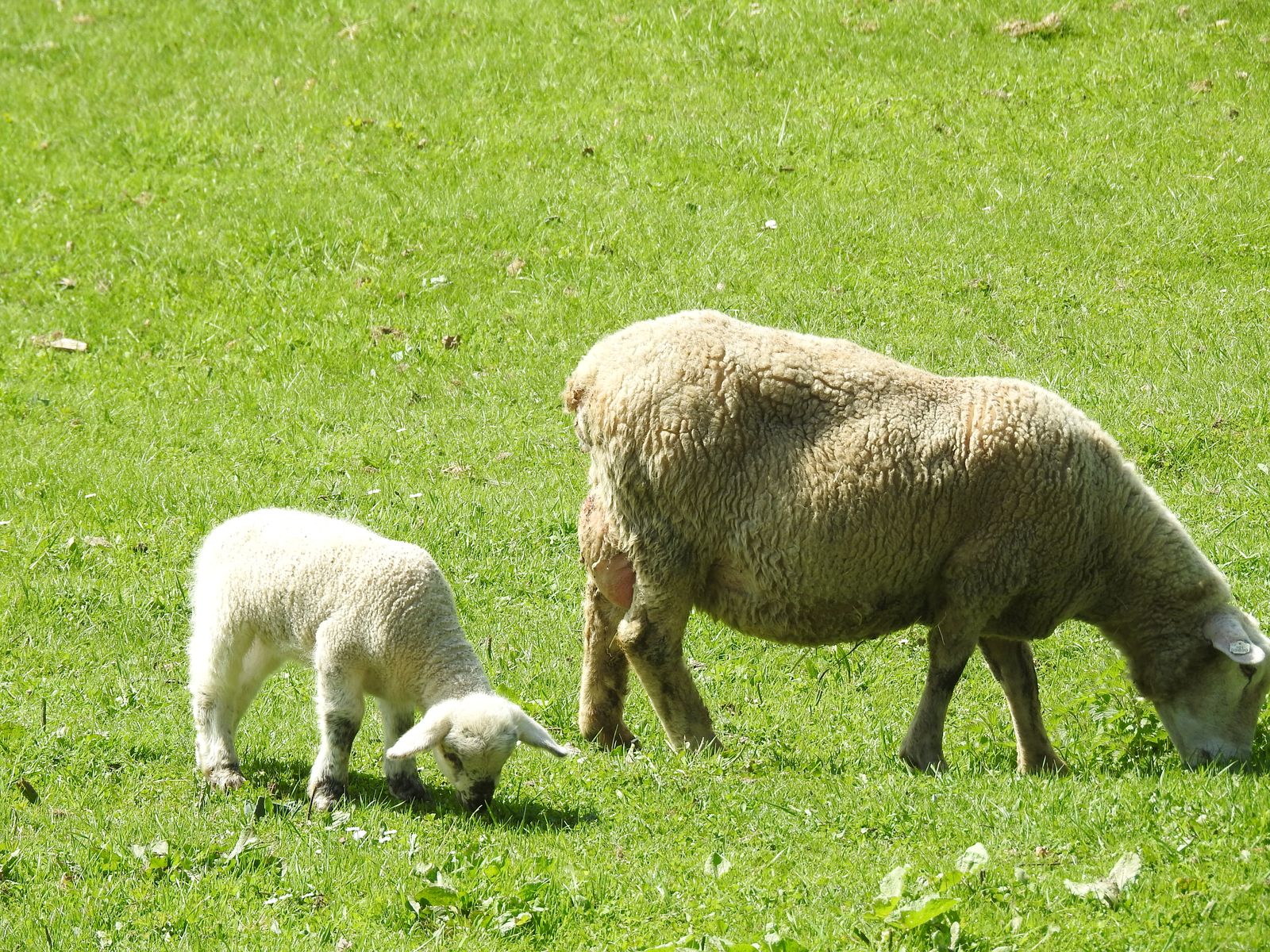
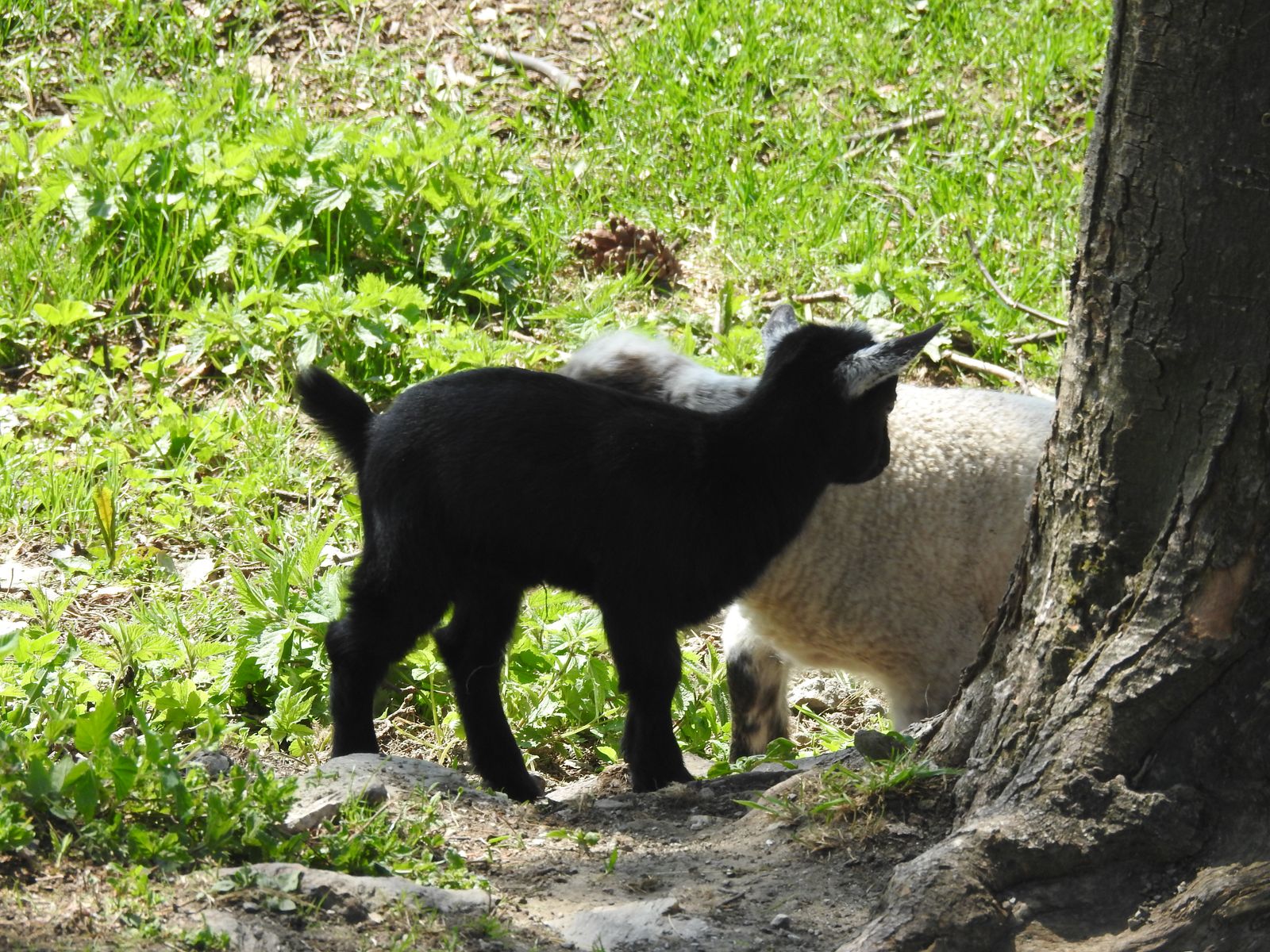
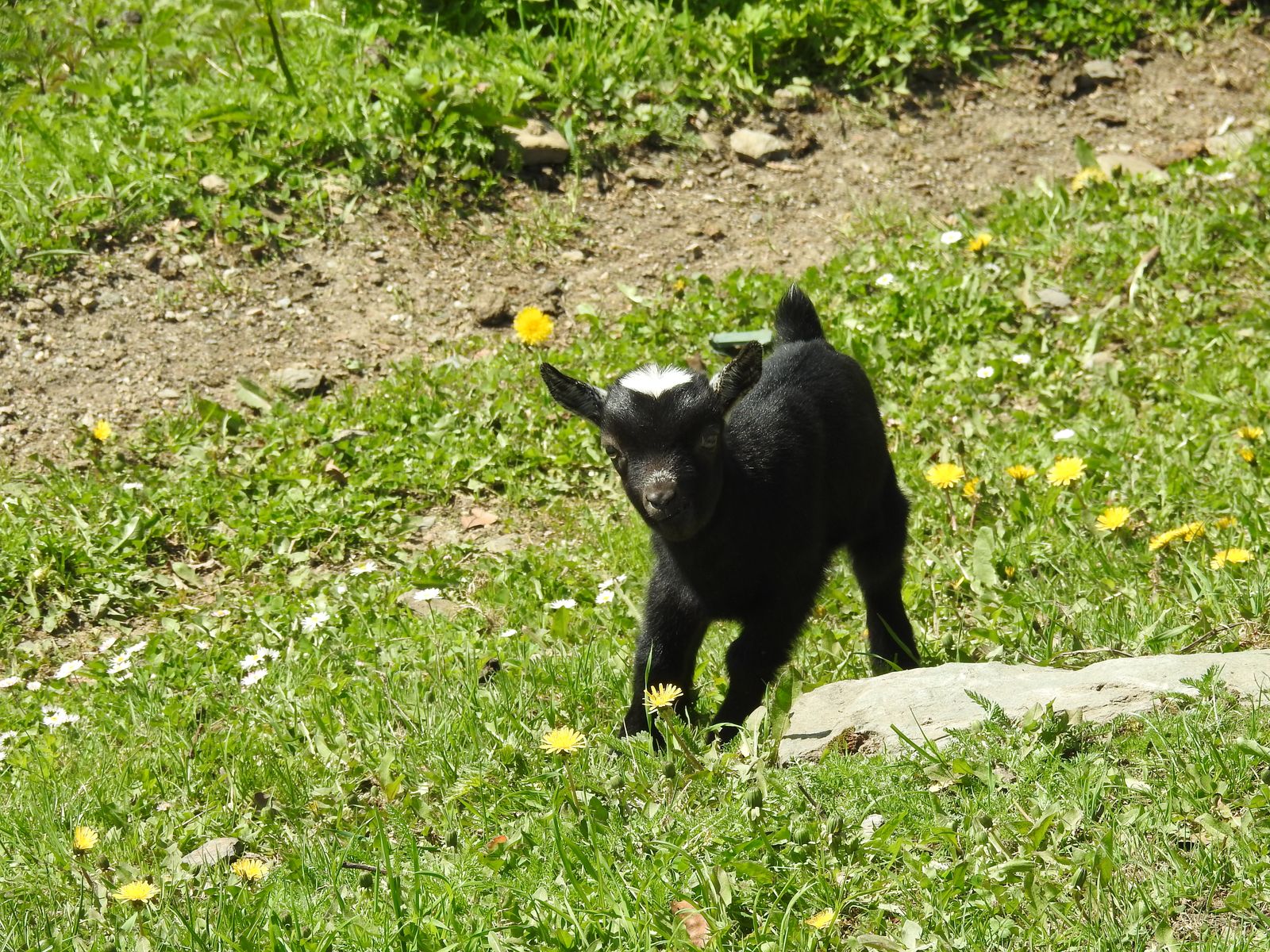
I was on vacation in Krkonoše and the resort at which we resided had baby goats and a few lambs. Baby goats are like kittens – inquisitive, lively and totaly adorkable.


©Charly, all rights reserved. Click for full size.

I was on vacation in Krkonoše and the resort at which we resided had baby goats and a few lambs. Baby goats are like kittens – inquisitive, lively and totaly adorkable.
©Charly, all rights reserved. Click for full size.
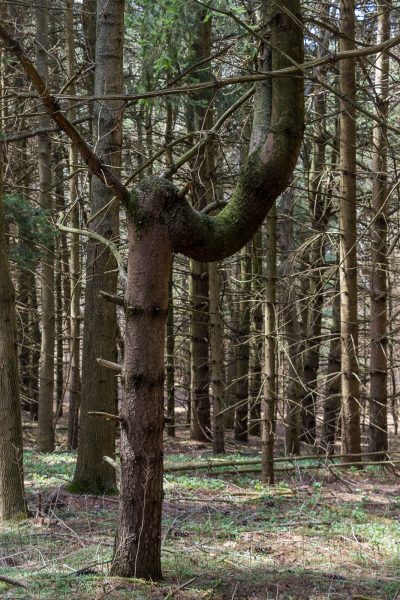
It’s another beautiful day so my boy and I went wandering around the woods up by the lake. I don’t walk those trails very often because there’s usually a lot of bugs, but it’s early in the season so I thought we’d give it a try. Jack loves new places so he had a great time and I found a few interesting trees to photograph. The first two trees are alive, but the last tree has been dead for a while. It left behind an interesting carcass, though, and was full of little sparrows as we approached it.


©voyager, all rights reserved
Gladiolus from Nightjar, click for full size!

© Nightjar, all rights reserved.
From Giliell, click for full size! So beautiful, wonderful shots.
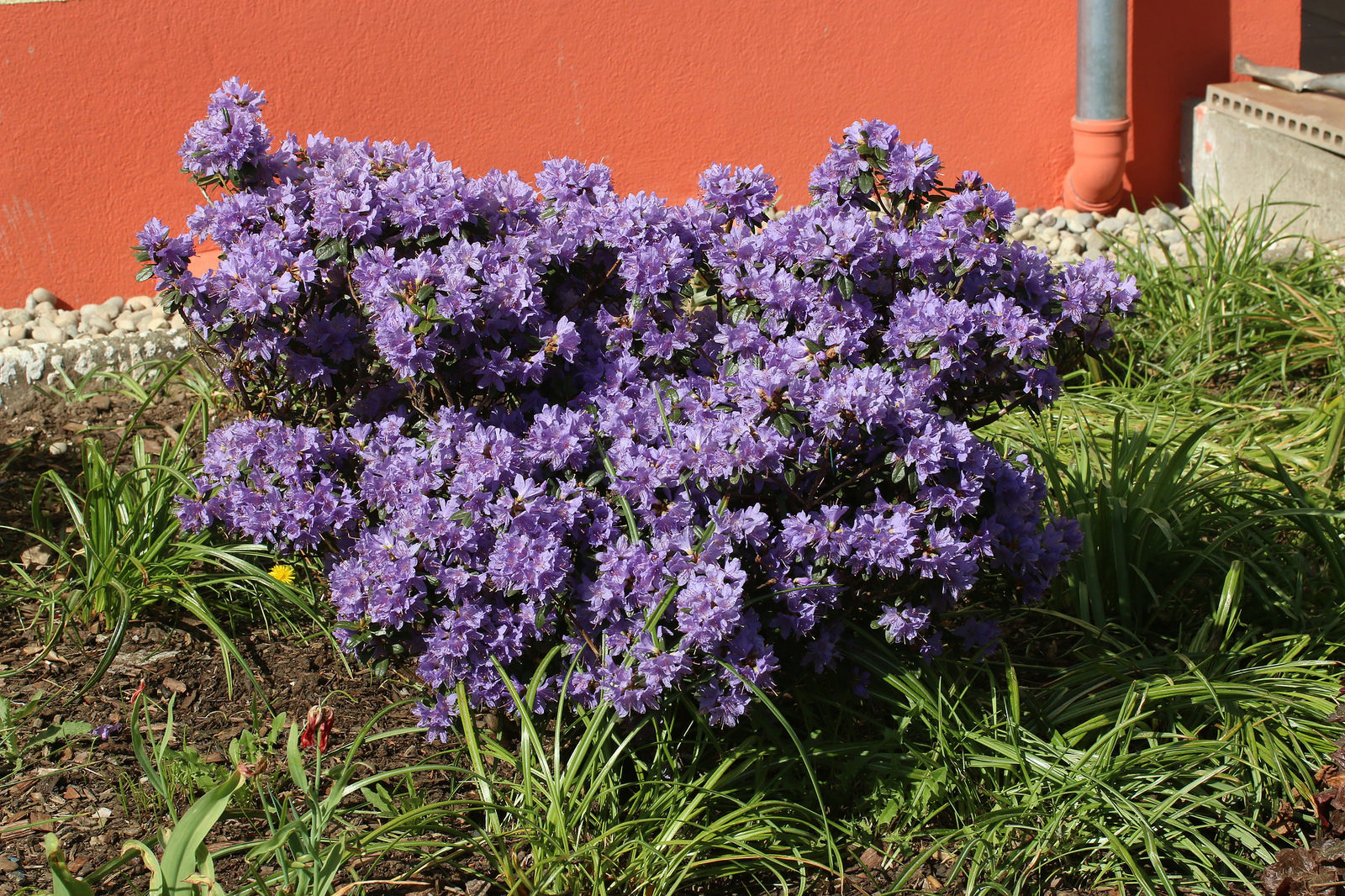
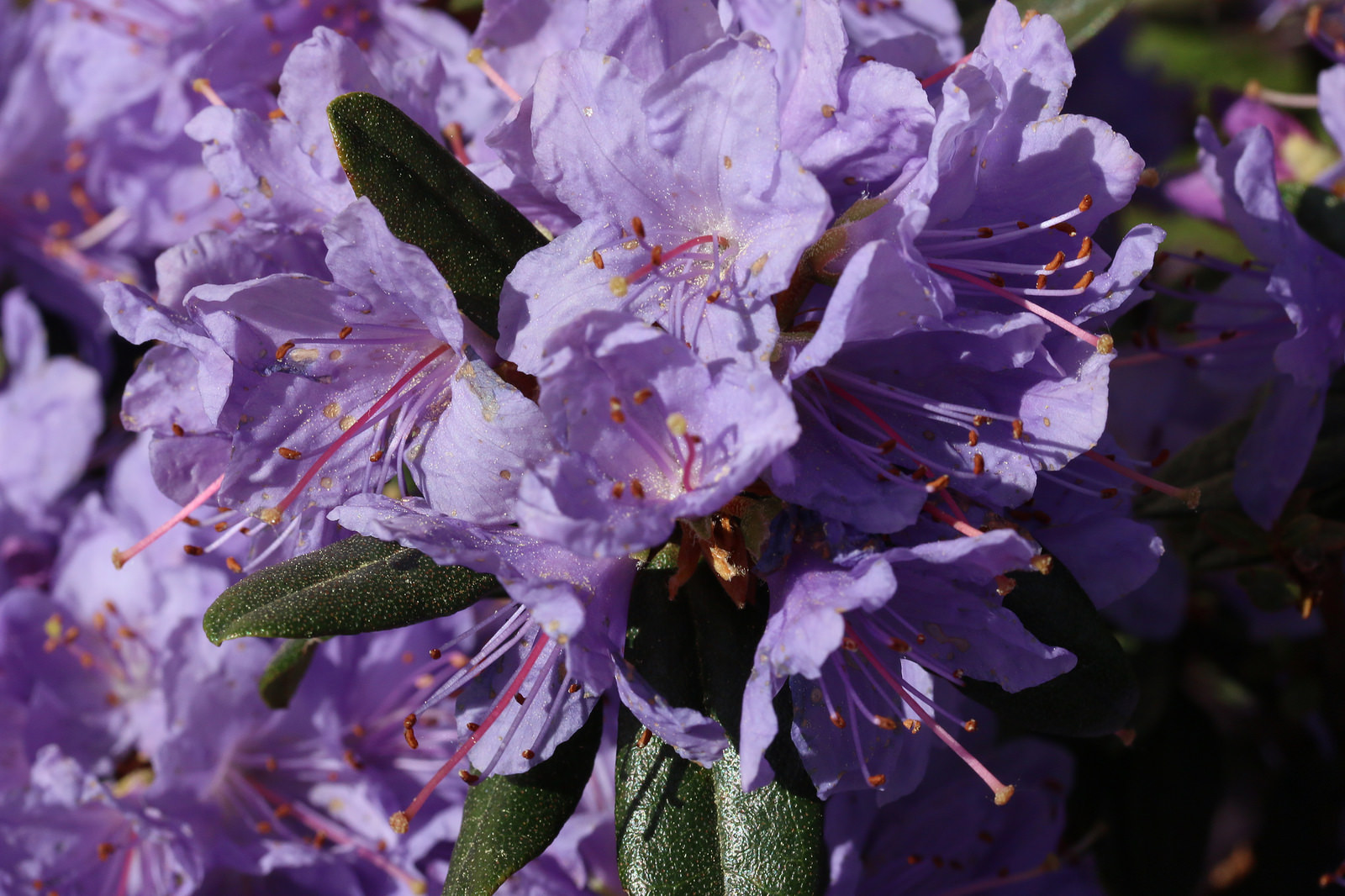

© Giliell, all rights reserved.
From Avalus, a bored tree (seems to have gotten the attention of woodpeckers), and a solitary Walnut in the evening. Click for full size!

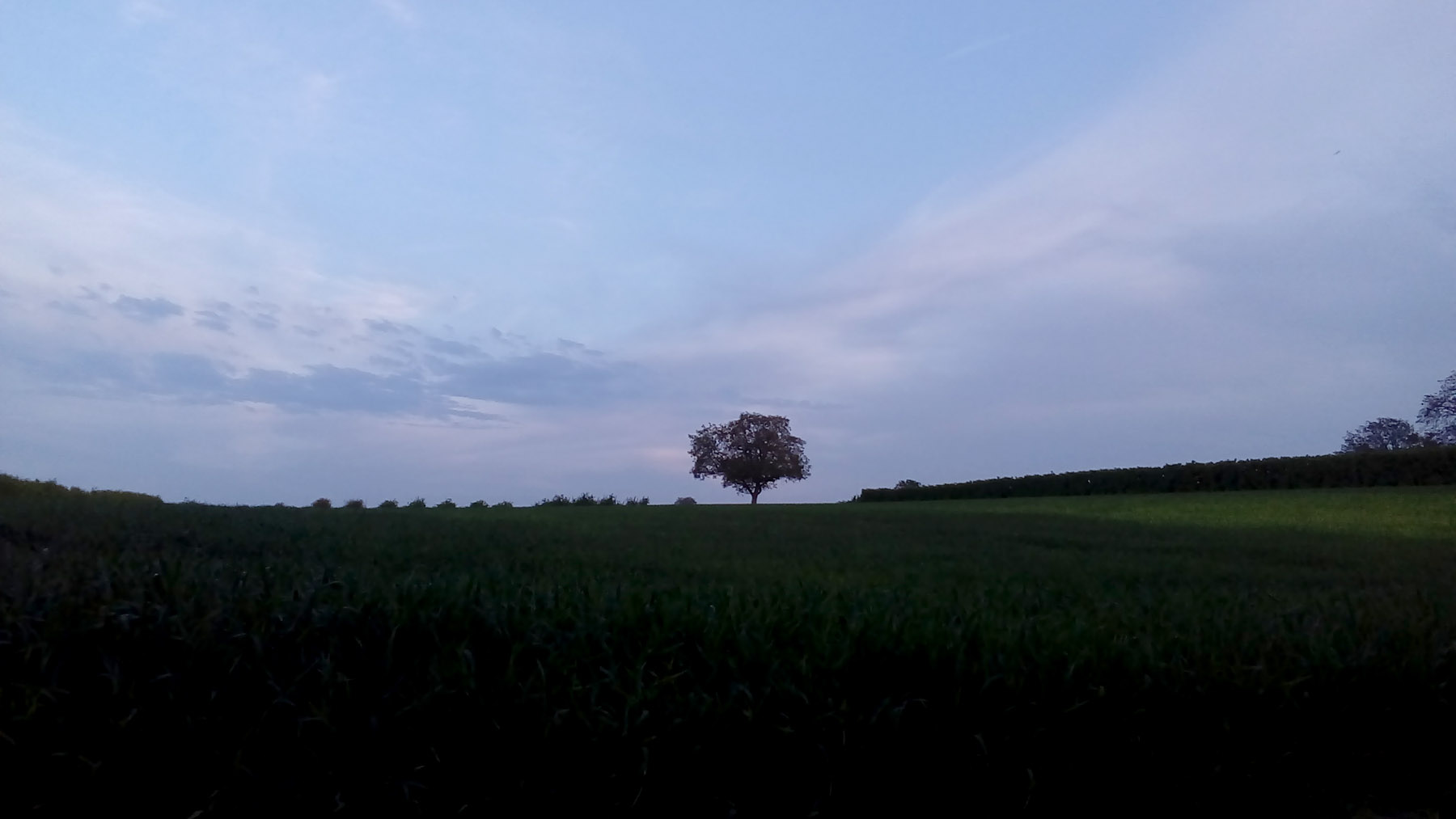
© Avalus, all rights reserved.
It’s a perfect day here. The sun is shining in a cloudless blue sky and it’s 21° with a light little breeze. Jack and I decided to go see if there were any flowers up yet at the park and we found daffodils. Lots of daffodils, all just newly opened and at their best. The tulips are up too, but they’re still a few days away from blooming. It was also nice to see the willows already fuzzy with new leaves. Now, I’m going to go find every excuse I can to be outside.
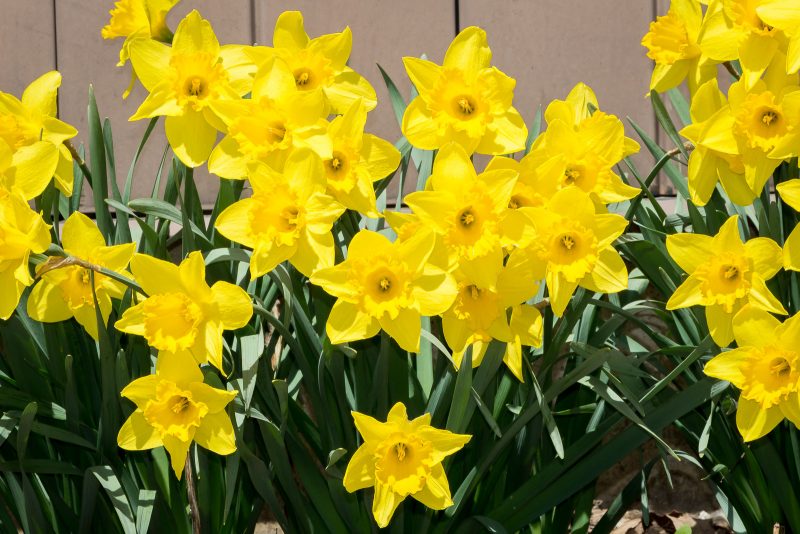

©voyager, all rights reserved
Fantail Warbler. Fuinha-dos-Juncos.
Common English and Portuguese names for the bird Cisticola juncidis, here perched on a maize tassel. It’s a small insectivorous bird with a characteristic “zit…zit…zit…zit” call and a zigzagging flight, easy to spot in flight but not always easy to figure out where it landed, as it rarely chooses such a conspicuous perch as in this photo. A funny thing is the Portuguese common name, which means marten-of-the-reeds. Yes, marten as in the mustelid. I don’t know why.
Click for full size!

© Nightjar, all rights reserved.
Last one, from Nightjar. Click for full size!

© Nightjar, all rights reserved.
From Giliell, click for full size!


© Giliell, all rights reserved.
It’s finally spring around here. The day is warm and sunny and little birds are twittering everywhere. My widows are open and that fresh smell of the season is positively intoxicating. Jack and I decided to go to the forest this morning and found the trout lilies up and getting ready to bloom. We also found a solitary patch of little yellow flowers. I have no idea what they are, but they were a welcome bit of colour. A few more trilliums are also around, but they are coming very slowly this year. We are expecting warm weather all week, though, and I hope that means the flower show will begin soon.

Trout lilies

The first forest flowers
©voyager, all rights reserved
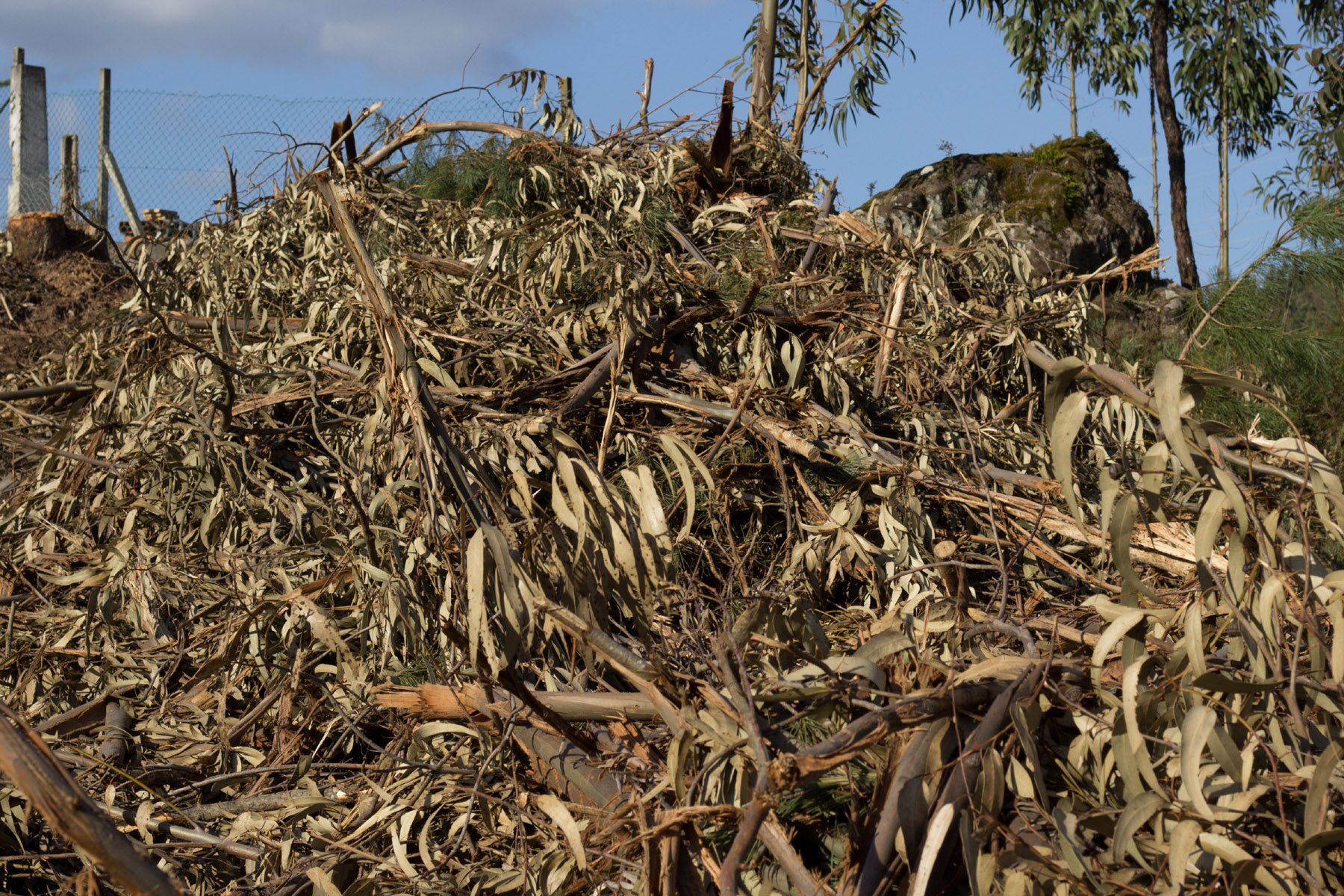
Eucalypt in English, Eucalipto in Portuguese.
This is, as you can see, a dead and dried branch, part of the landscape now. In fact, I decided to include an extra photo just so you can see what I’m talking about (part of that has already been burned in a controlled manner by my neighbours, a few days after I took the photos). It’s like this everywhere. What happened? Well, many things. First, Portugal has been replacing farmland and native forest by Eucalyptus plantations since the 80s, sponsored by the state and fueled by the demands of the paper industry. Our “green oil” as it was once called by a minister, alluding to its economical value (also like oil, it burns very well and destroys our ecosystem, but none of that was a concern at the time). Second, the process was completely unregulated and suddenly you had entire villages in the middle of one big, messy and chaotic Eucalyptus plantation, with branches touching the houses and no signs of any attempt at spatial planning. Third, we have always had a problem with forest fires, a problem that was arguably made worse by the flammable Eucalyptus and certainly made much worse by climate change. Last year, all of the above + severe drought + atypical weather = the whole country ablaze and 111 deaths. What you see here is part of a desperate attempt to correct 30 years of mistakes within a few months, in time to avoid another deadly summer.
Click for full size!

© Nightjar, all rights reserved.
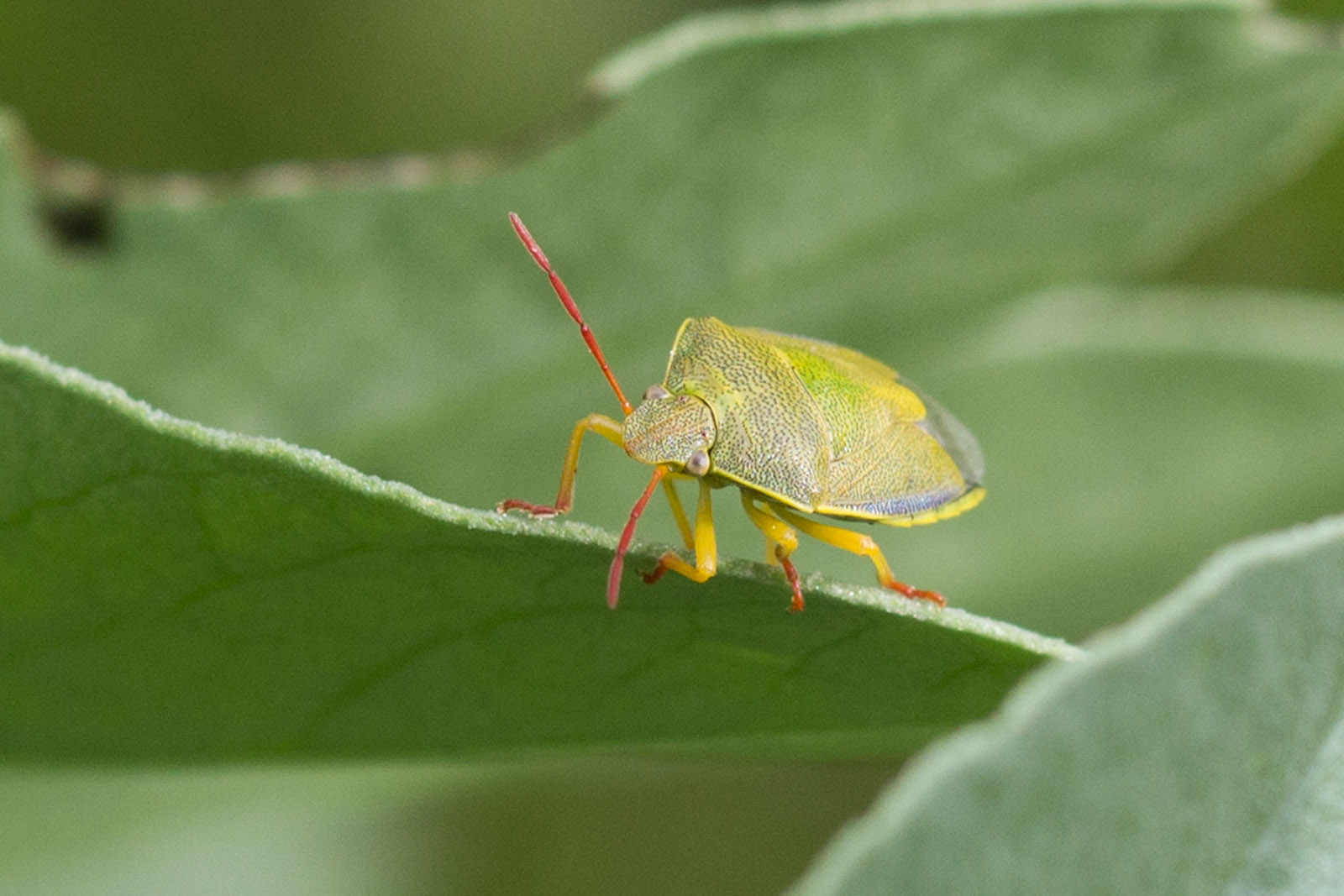
What a beauty, from Nightjar. Click for full size!
© Nightjar, all rights reserved.
From rq: It’s the best I could do before the security guard shut everyone down. Behind me in the second photo is the other end wall, which is a fantastical portrayal of the day of judgment and I’m very sorry I didn’t catch that one in time. Click for full size!


© rq, all rights reserved.