Jack and I went to the park today and found a flotilla of geese surrounding the island where the swans have nested.
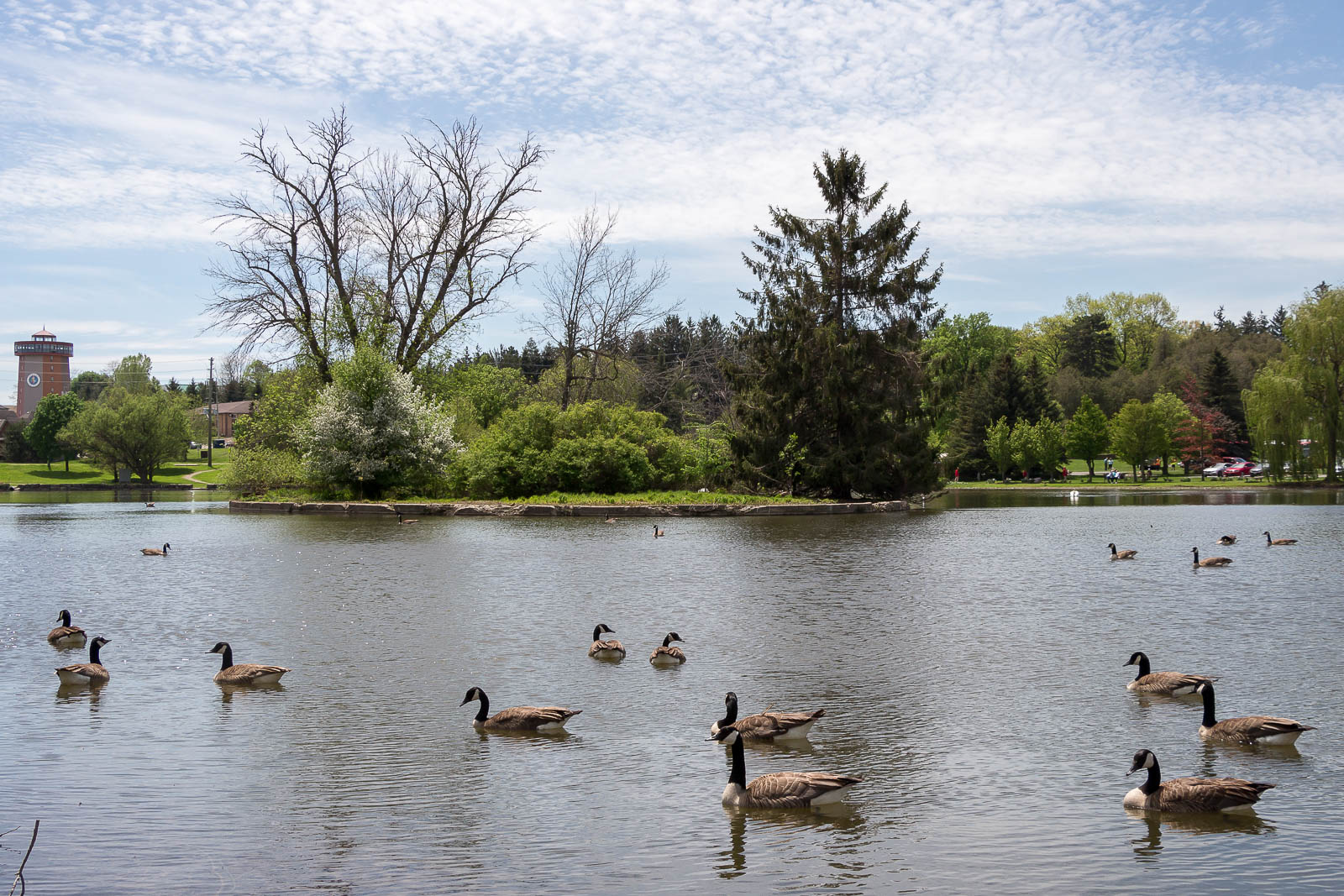
©voyager, all rights reserved

Jack and I went to the park today and found a flotilla of geese surrounding the island where the swans have nested.
©voyager, all rights reserved
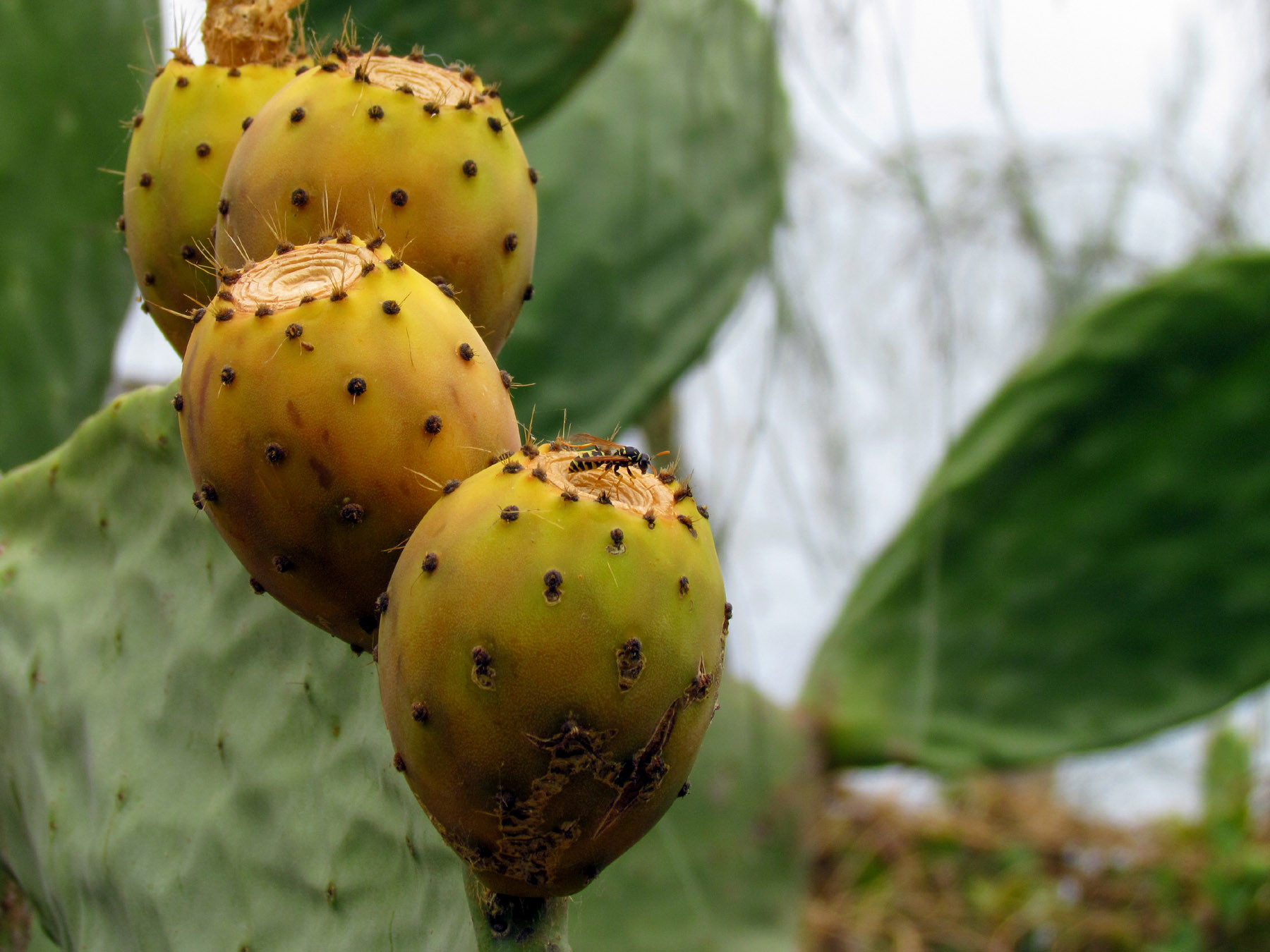
Xerophyte. Xerófito.
Xerophytes are drought-adapted plants, commonly found in environments where water is scarce. An example is the cactus Opuntia ficus-indica. The fruits, seen here, are delicious but harvesting and peeling them can be quite tricky because of all the small spines, it is almost guaranteed that at least one will find its way into your skin no matter how careful you are (speaking from experience here). Bonus wasp!
The wasp looks so tiny! Click for full size.
© Nightjar, all rights reserved.
Warthogs get such a bad rap. I think they are adorable. From Giliell, click for full size!

© Giliell, all rights reserved.
Jack and I found a few rare white and green trilliums today. The green tint on the blooms is caused by a mycoplasma infection that will eventually stop the plant from reproducing. They occur in a few areas around Ontario, including our favourite forest trail where they’re a common sight.
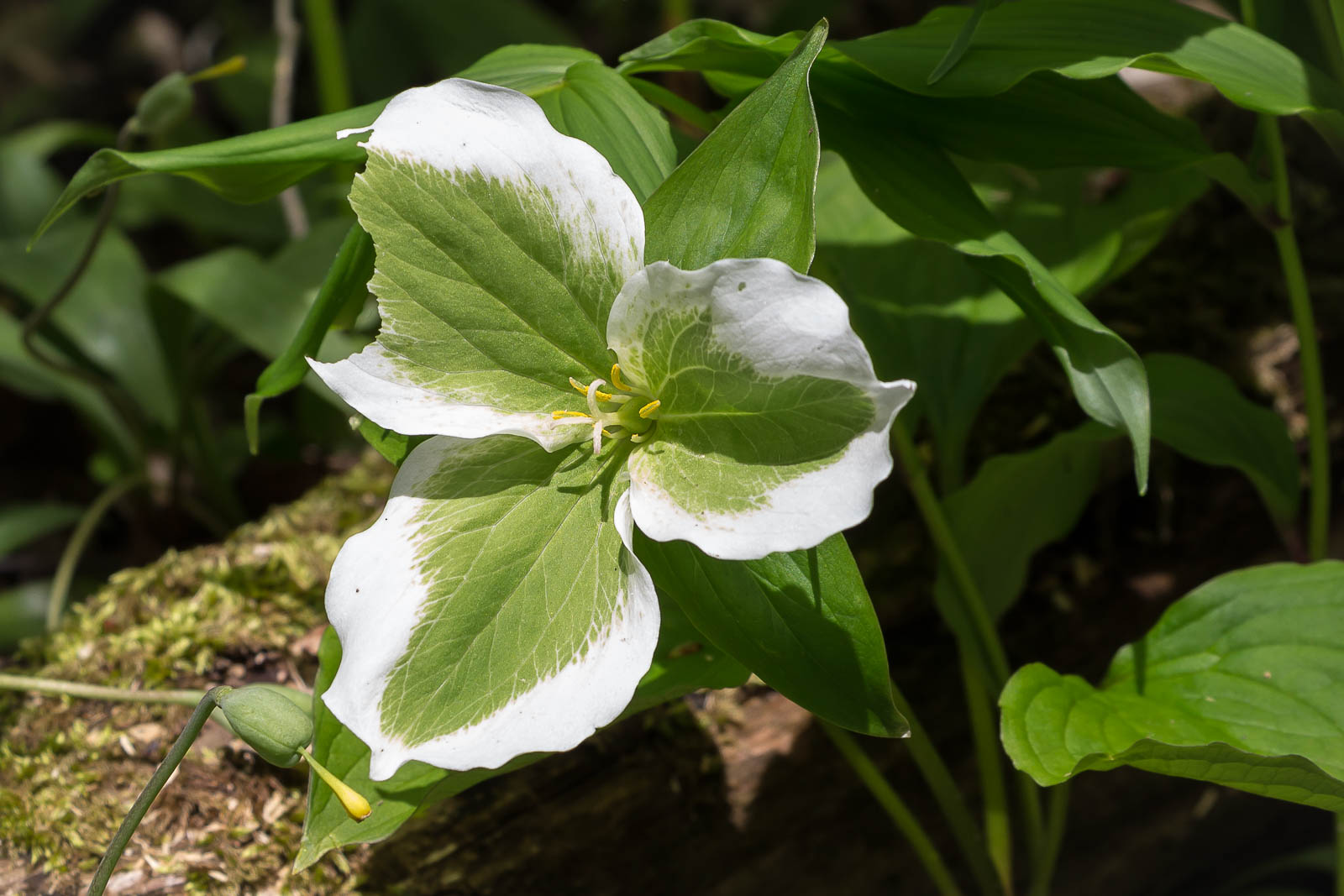

©voyager, all rights reserved
Wings.
I think this may be a Melecta albifrons, but I’m not sure. I am sure it has wings and decided to use them with excellent timing! :) Bees flying away when I’m taking a photo is not unusual, but staying both in frame and in focus is less frequent.
Stunning shot, click for full size!

© Nightjar, all rights reserved.
From rq, click for full sun! So beautiful.
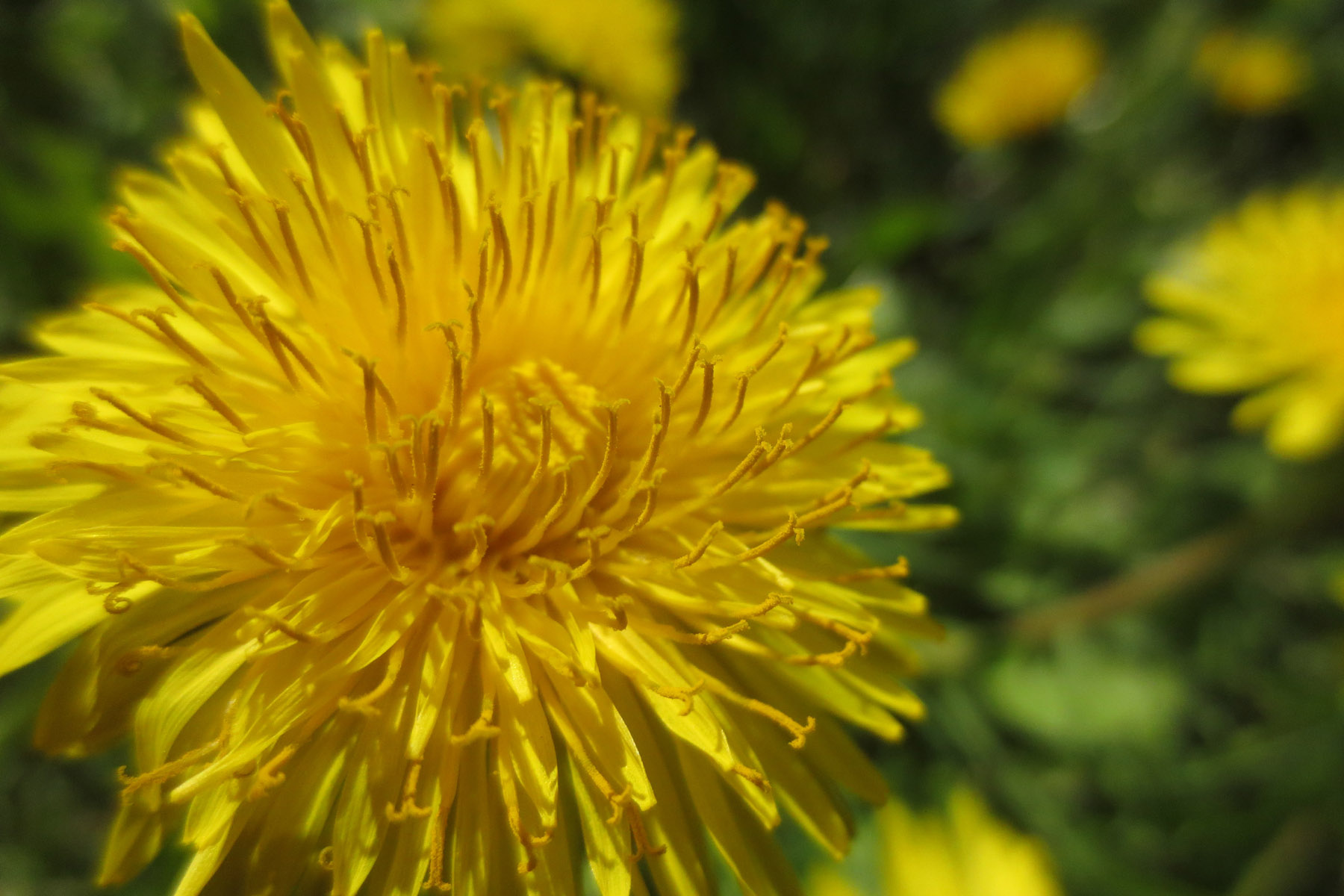
© rq, all rights reserved.
The cows are out in the fields again and today Jack and I met this trio of beauties on our walk. Too bad the fence was electrified. It would have been fun to scratch their noses and feel those big, soft ears.
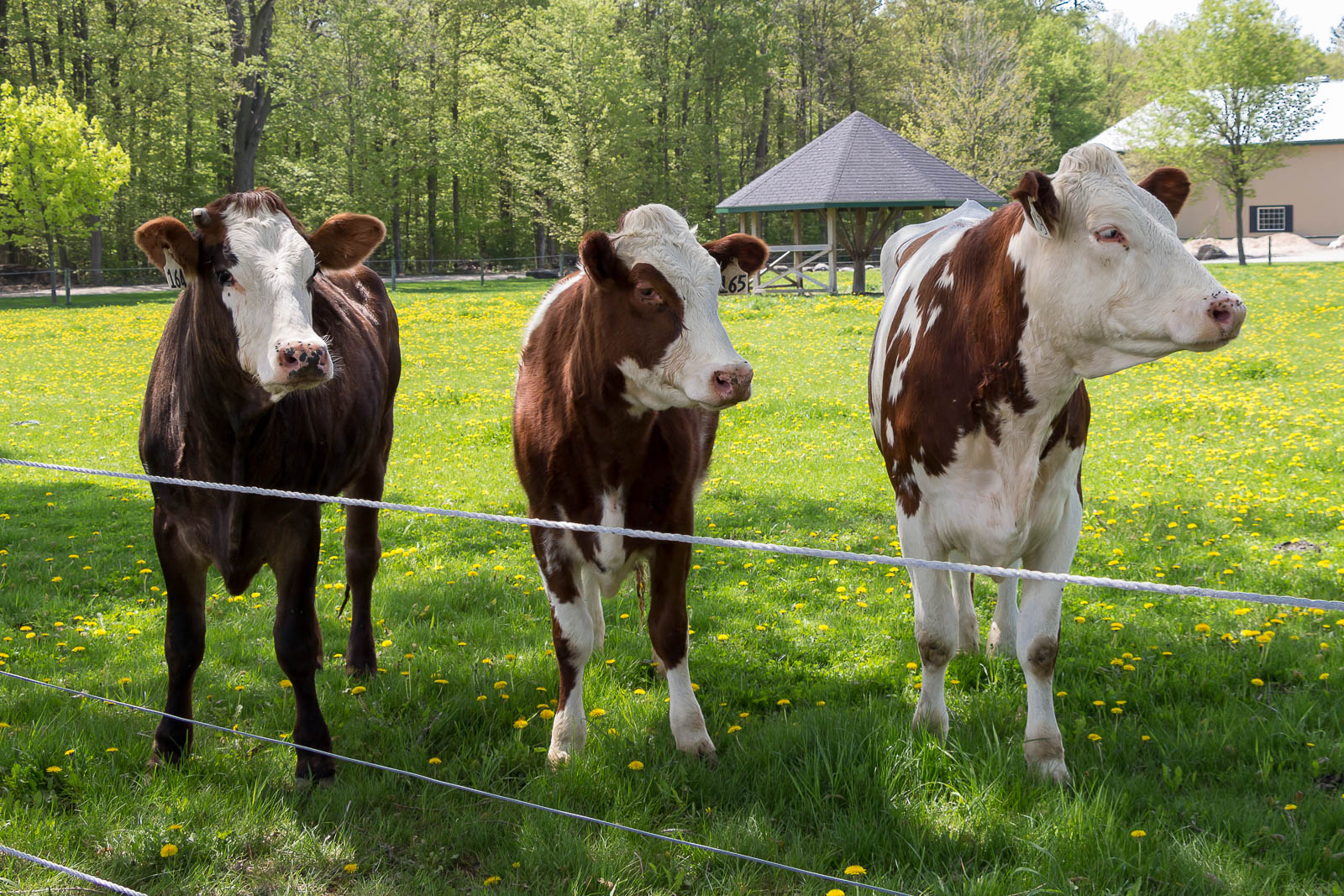
©voyager, all rights reserved
To finish up the chat in the last Raturday, about Amelia having a taste for gold buttons… (click for full size)
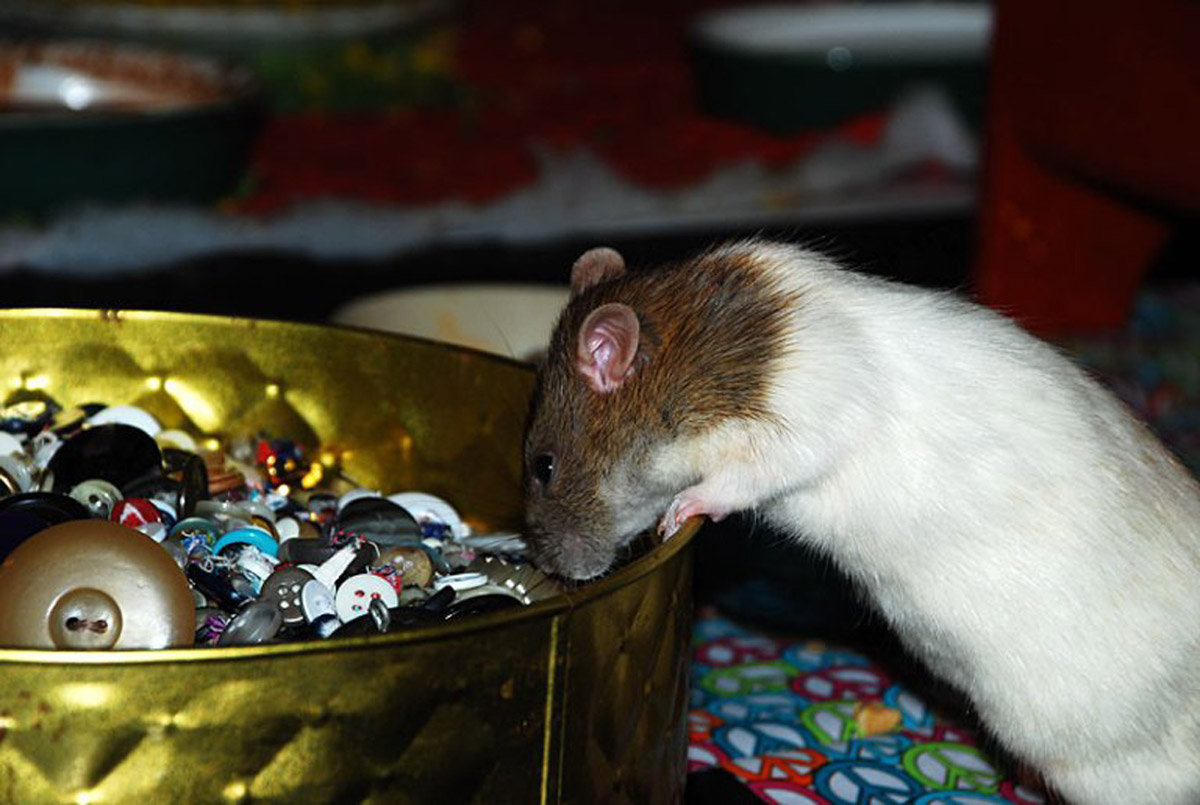


© C. Ford, all rights reserved.
Violet. Violeta.
A wild Viola flower. This photo was taken in March, now it’s already too late for them. It’s always a joy to find a patch of wild violets on the forest floor.
Click for full size!

© Nightjar, all rights reserved.
Click for full size.
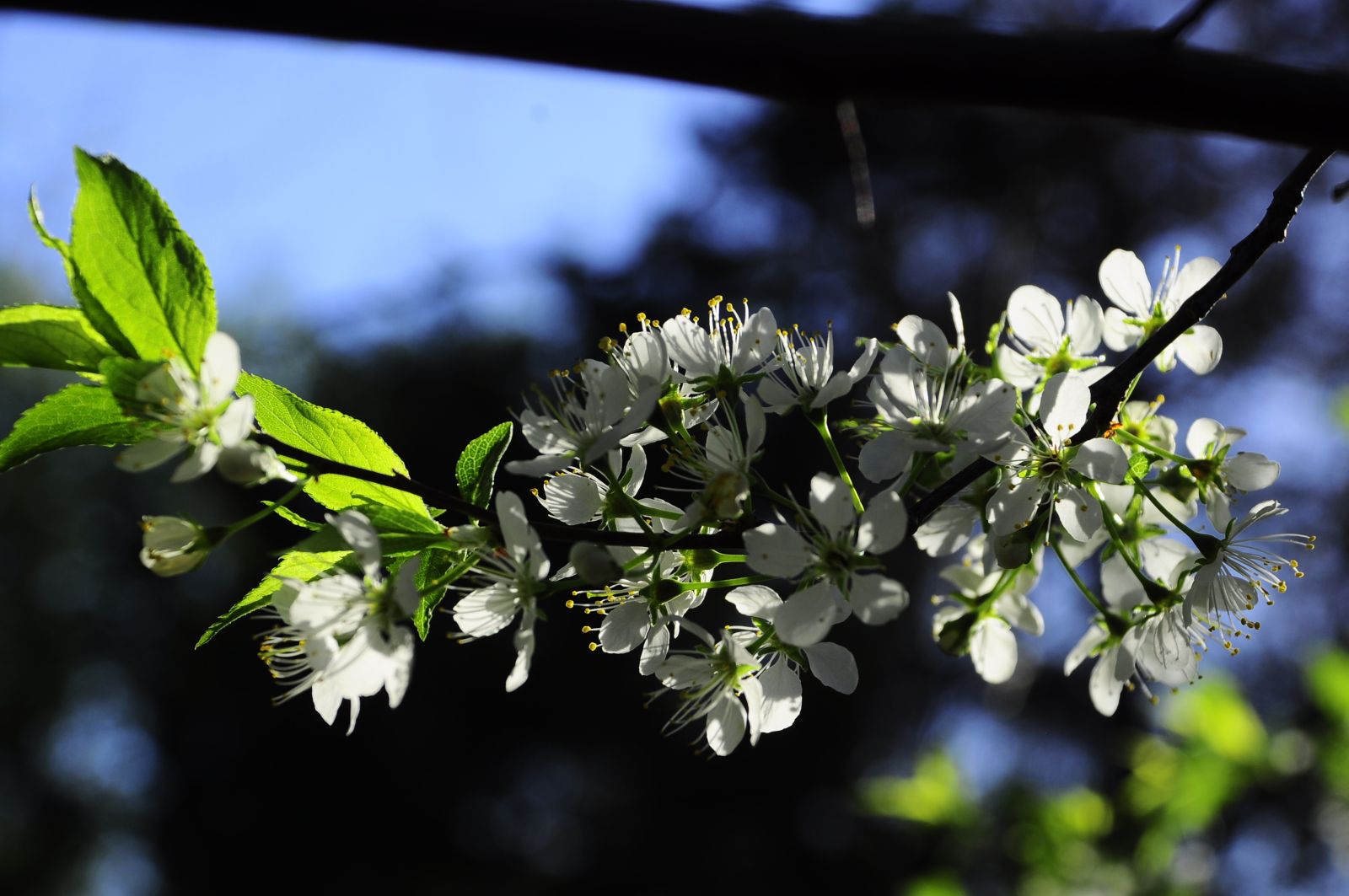
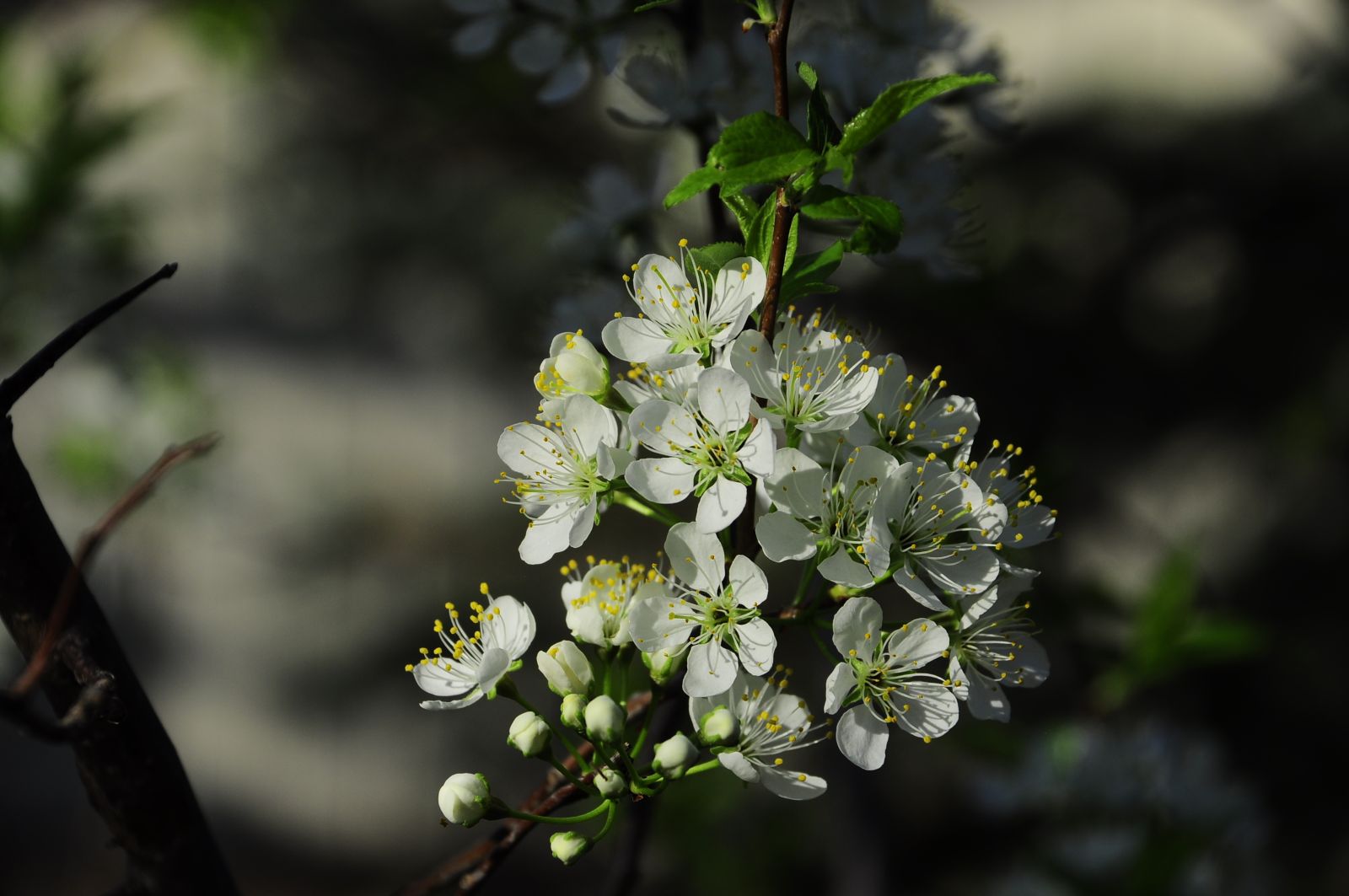
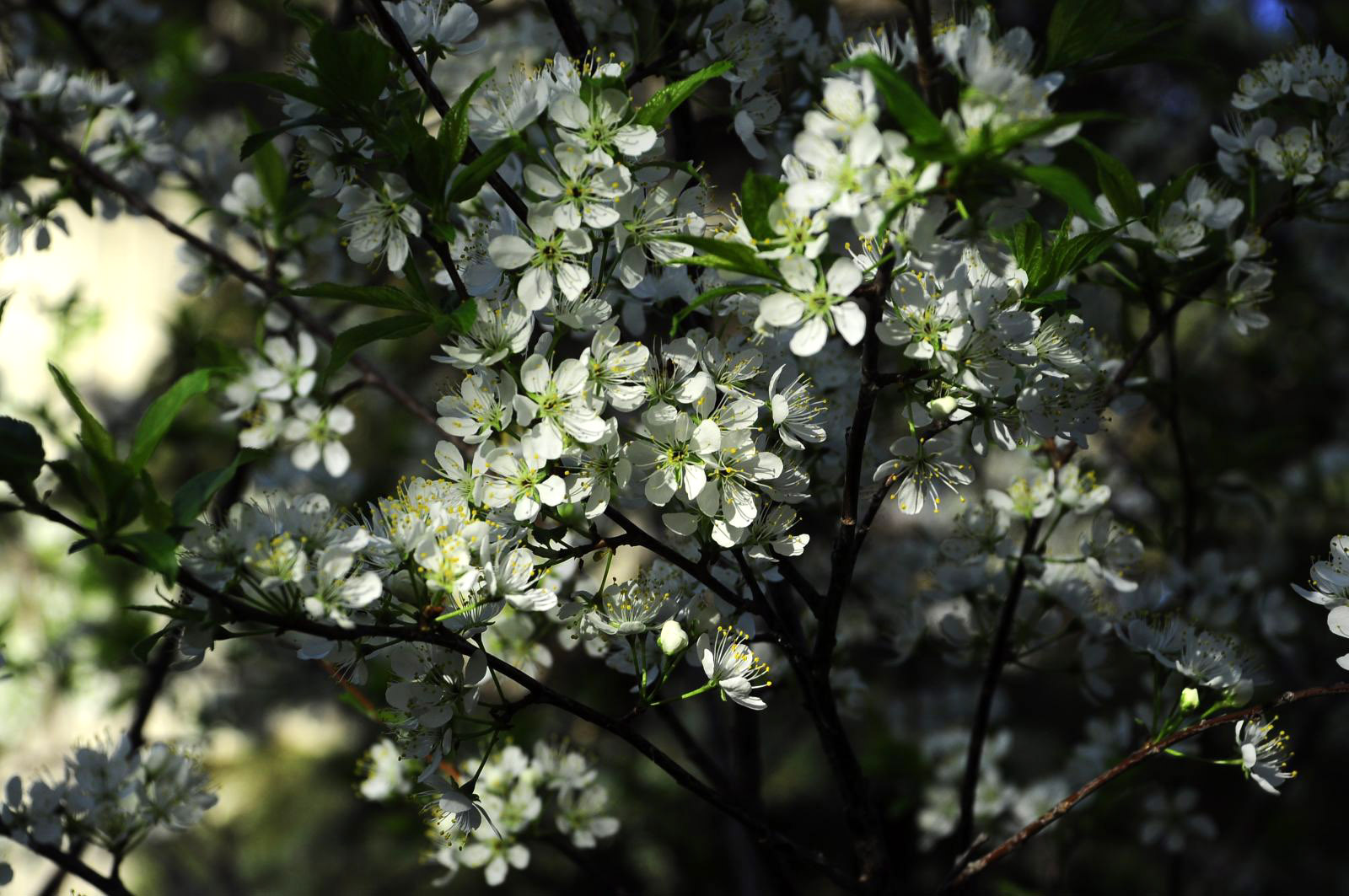
© C. Ford.
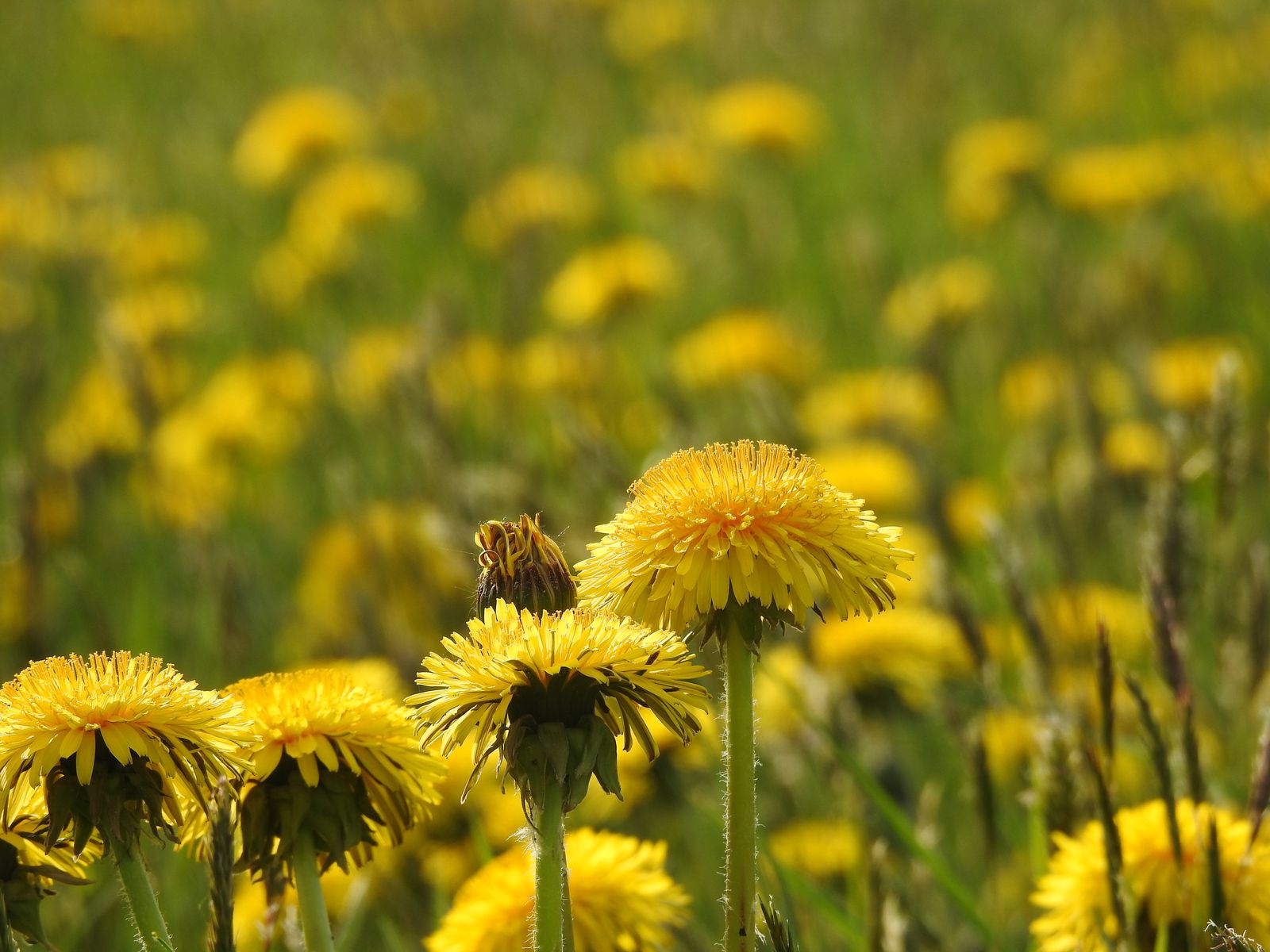
Today Jack and I were out in the country and we found this beautiful field of bright, cheerful dandelions.
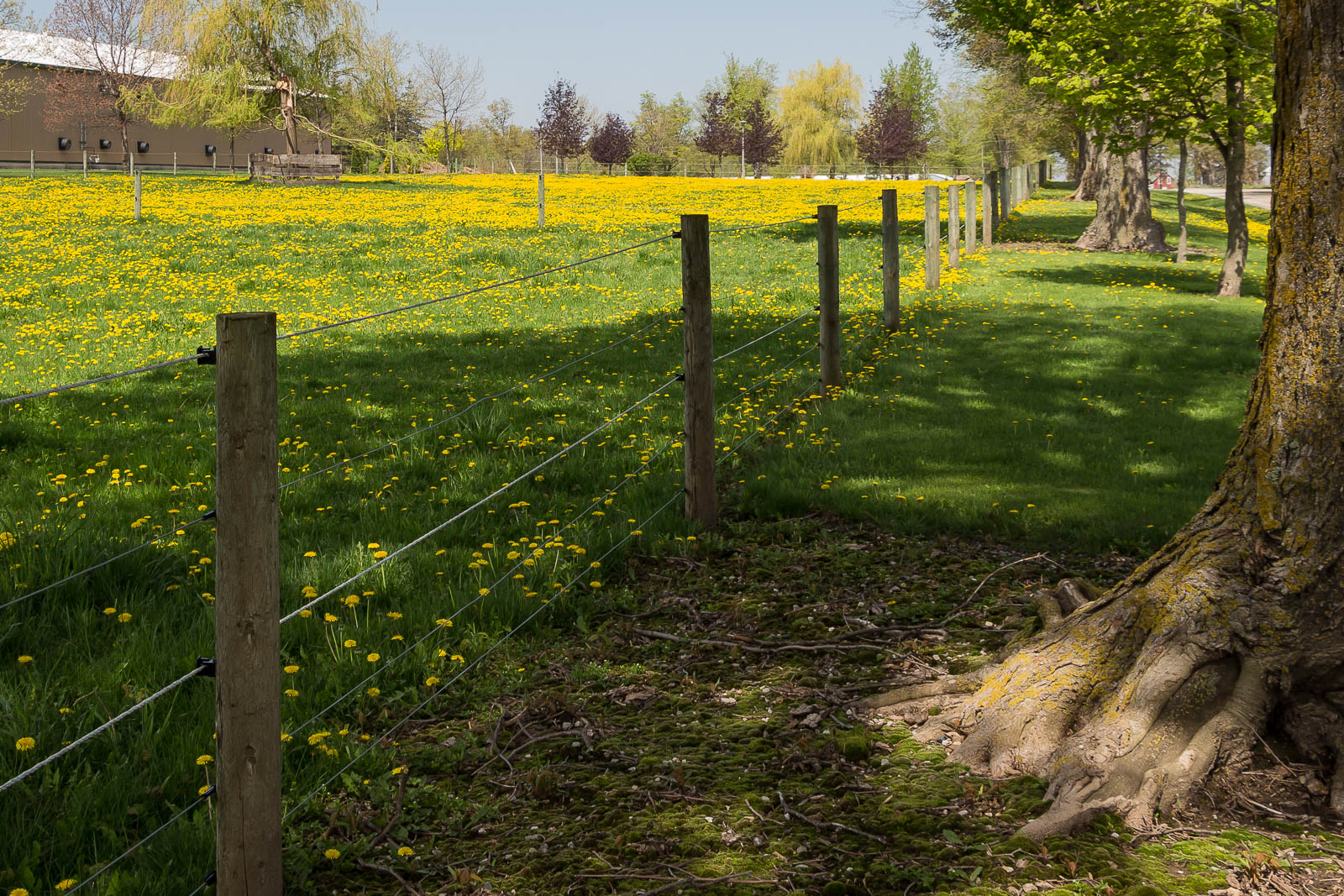
©voyager, all rights reserved
When the spring is in full swing.
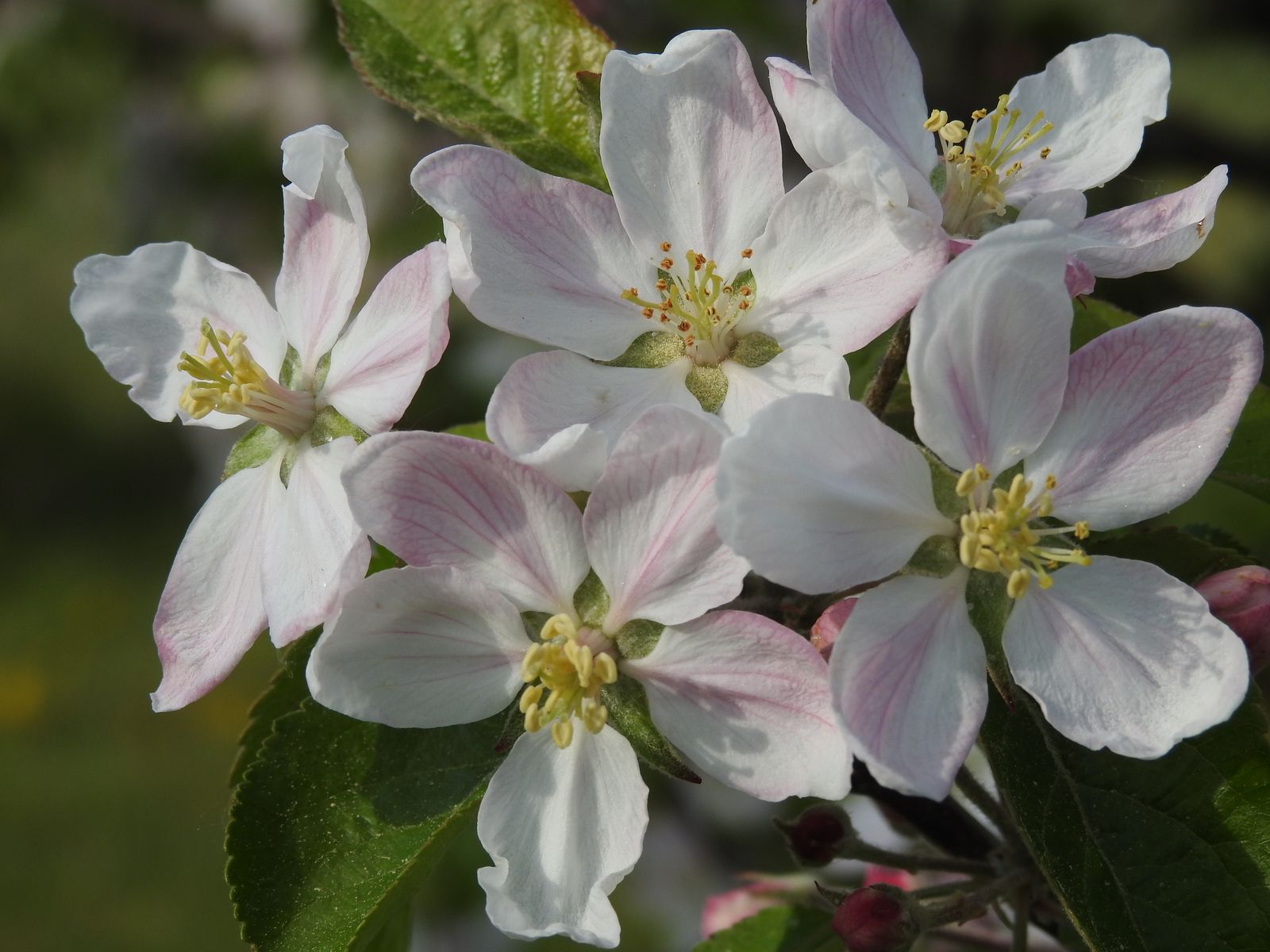
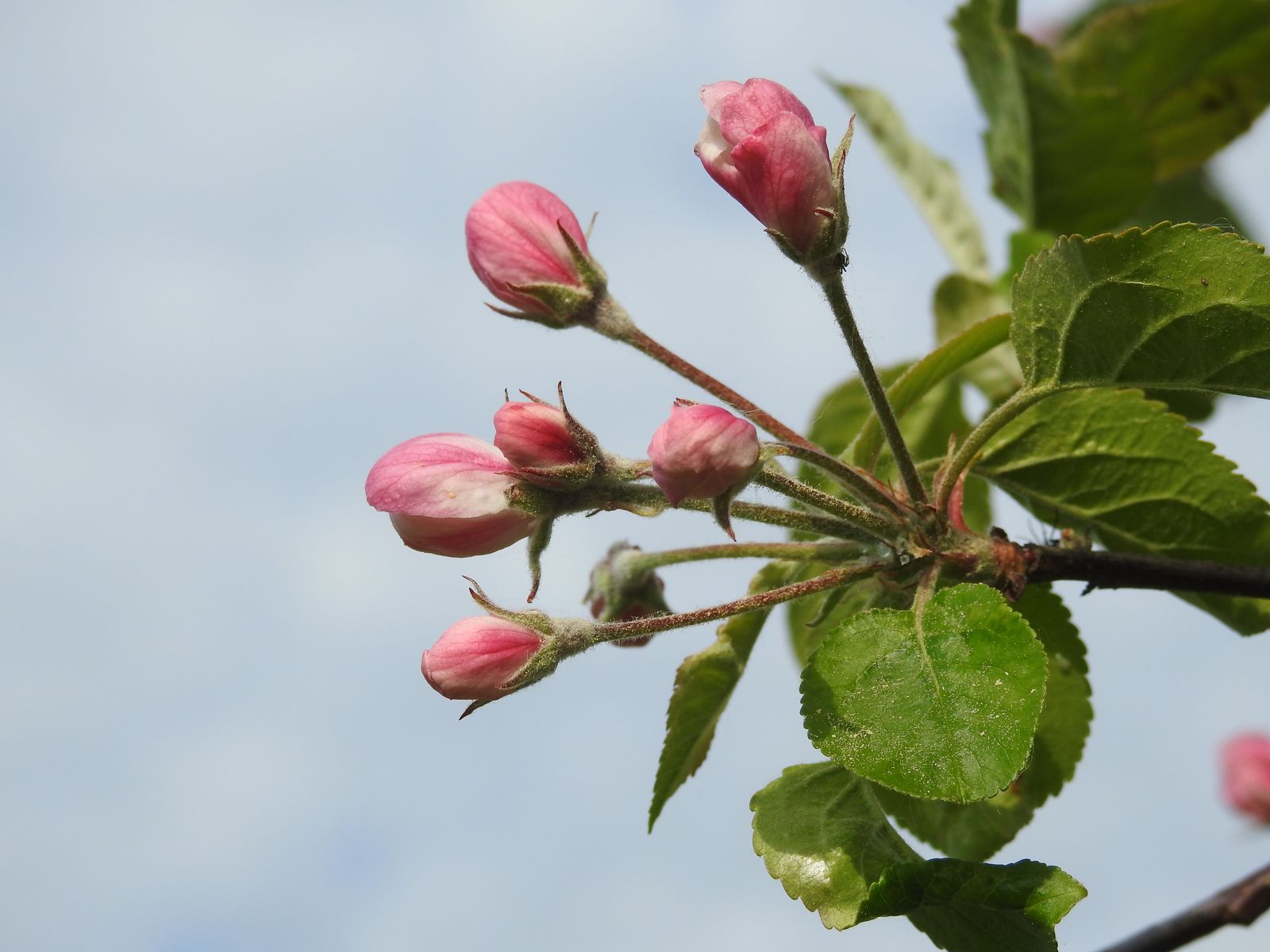
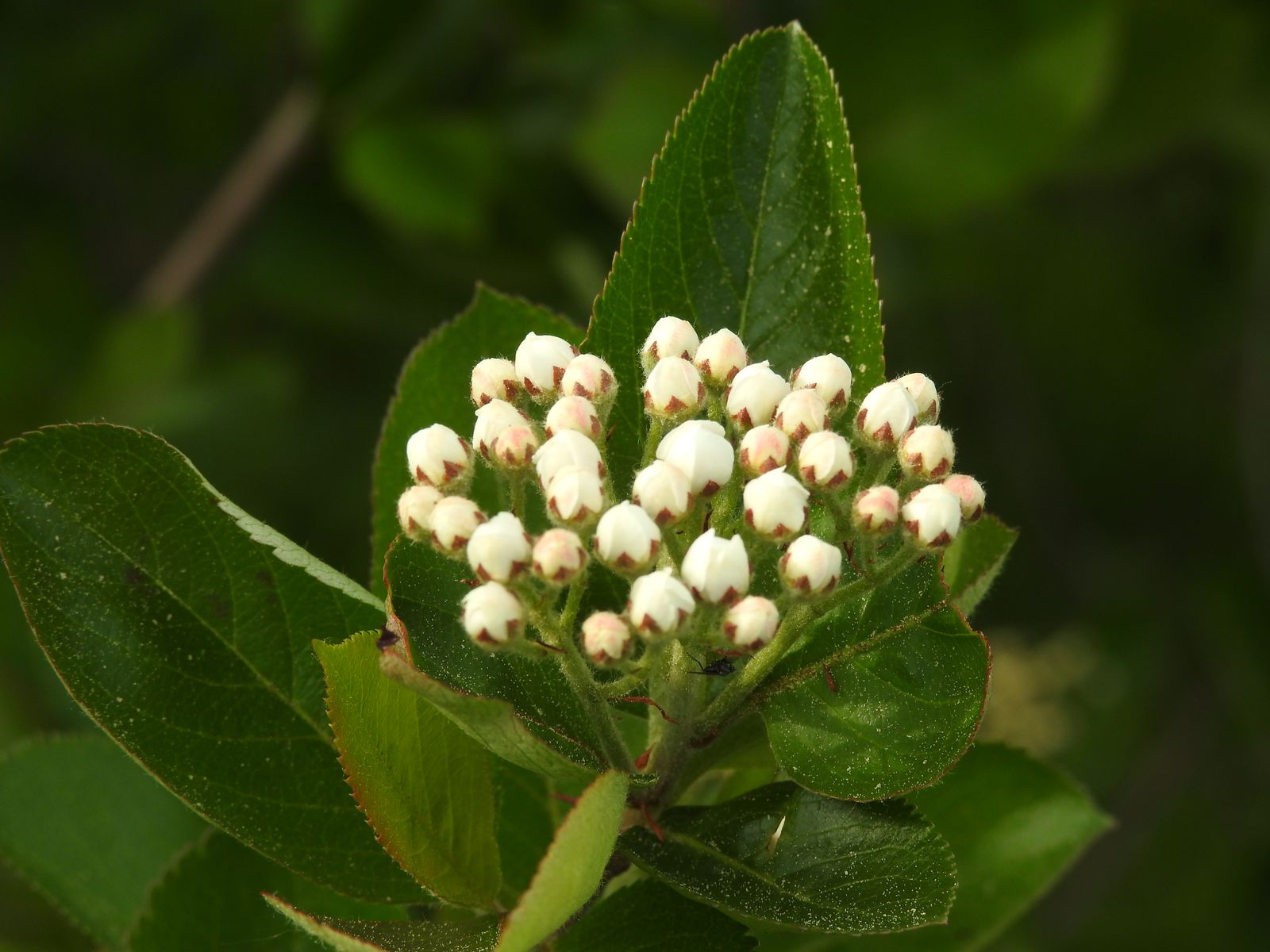
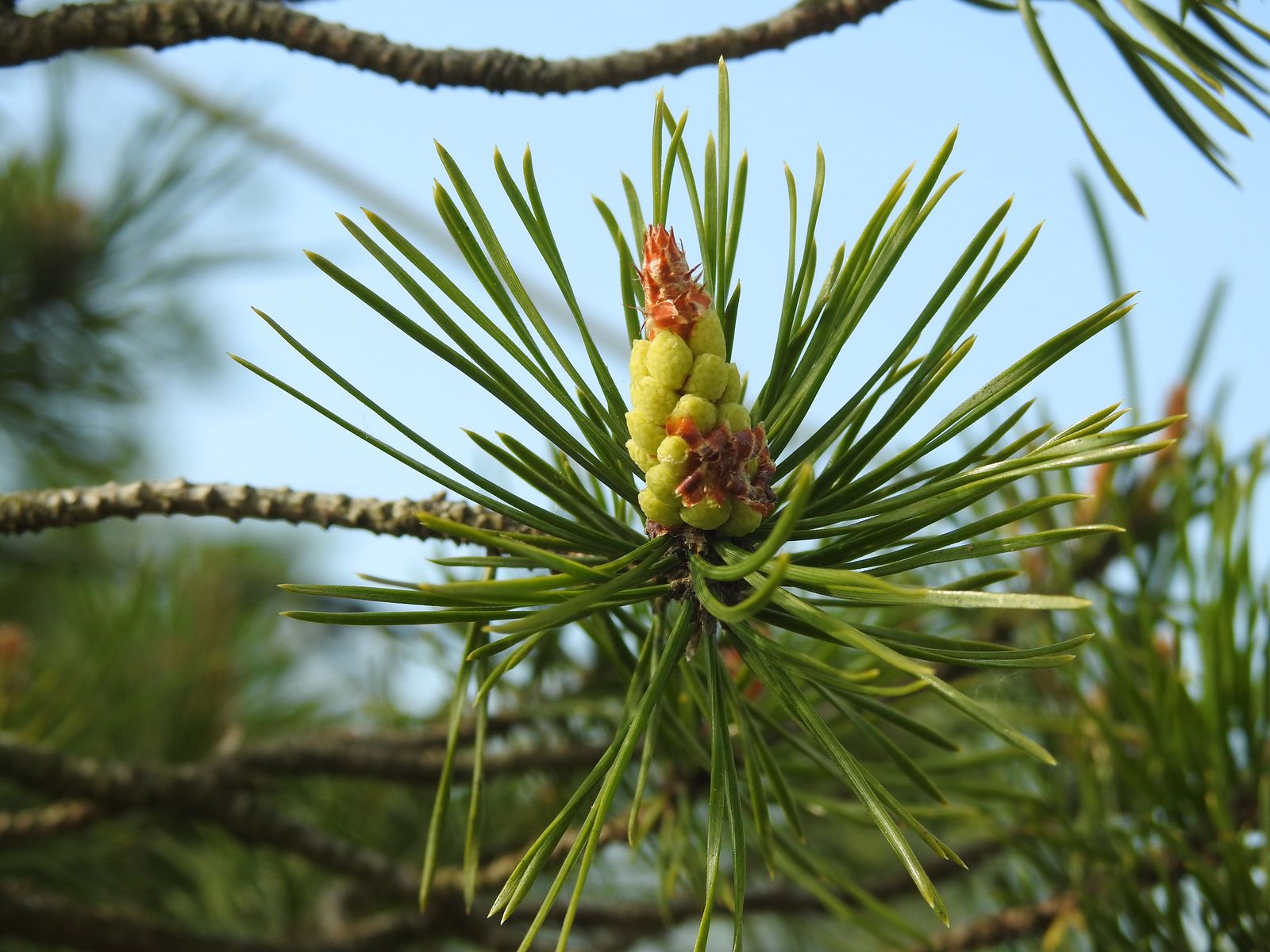
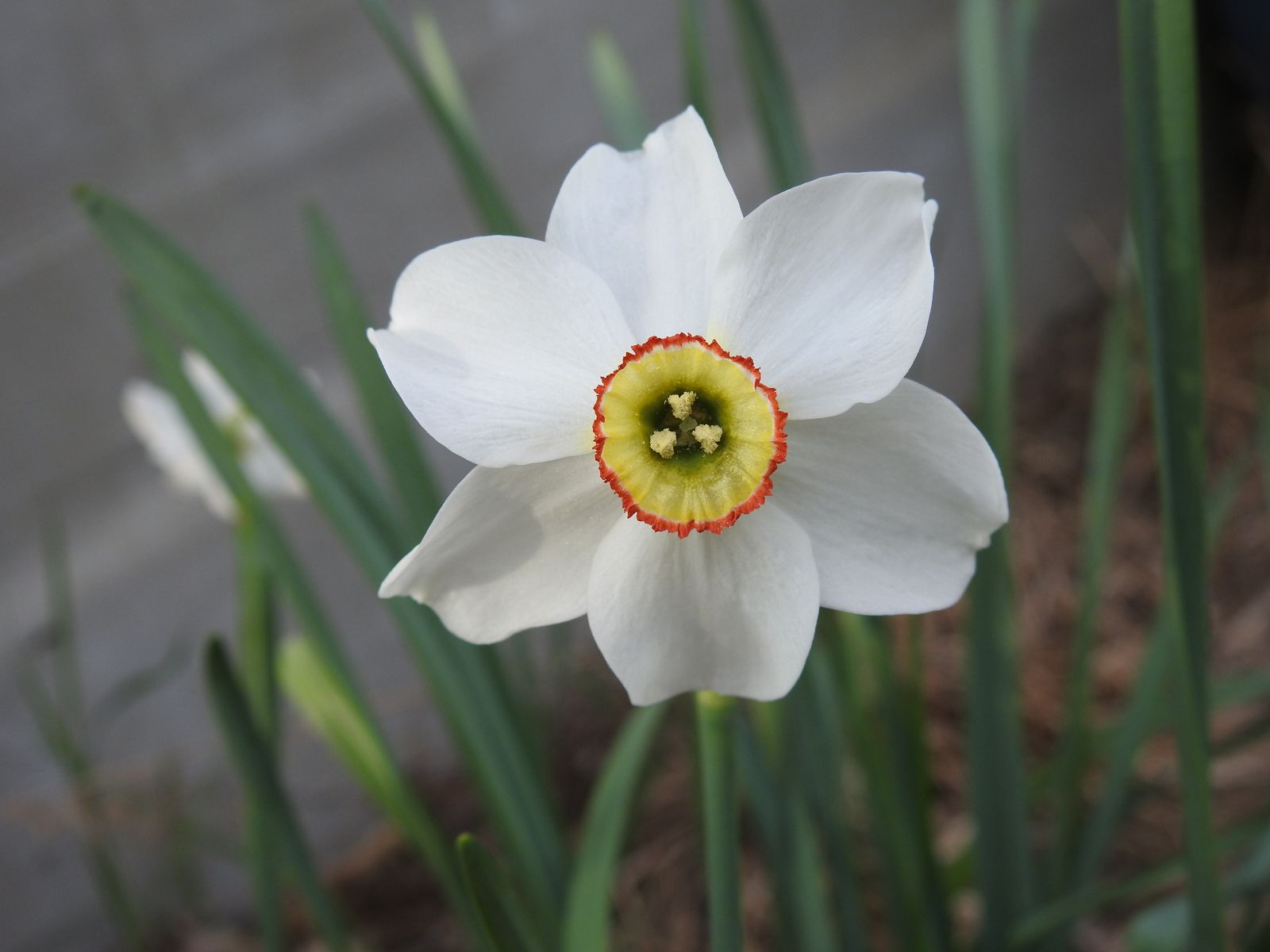
©Charly, all rights reserved. Click for full size.