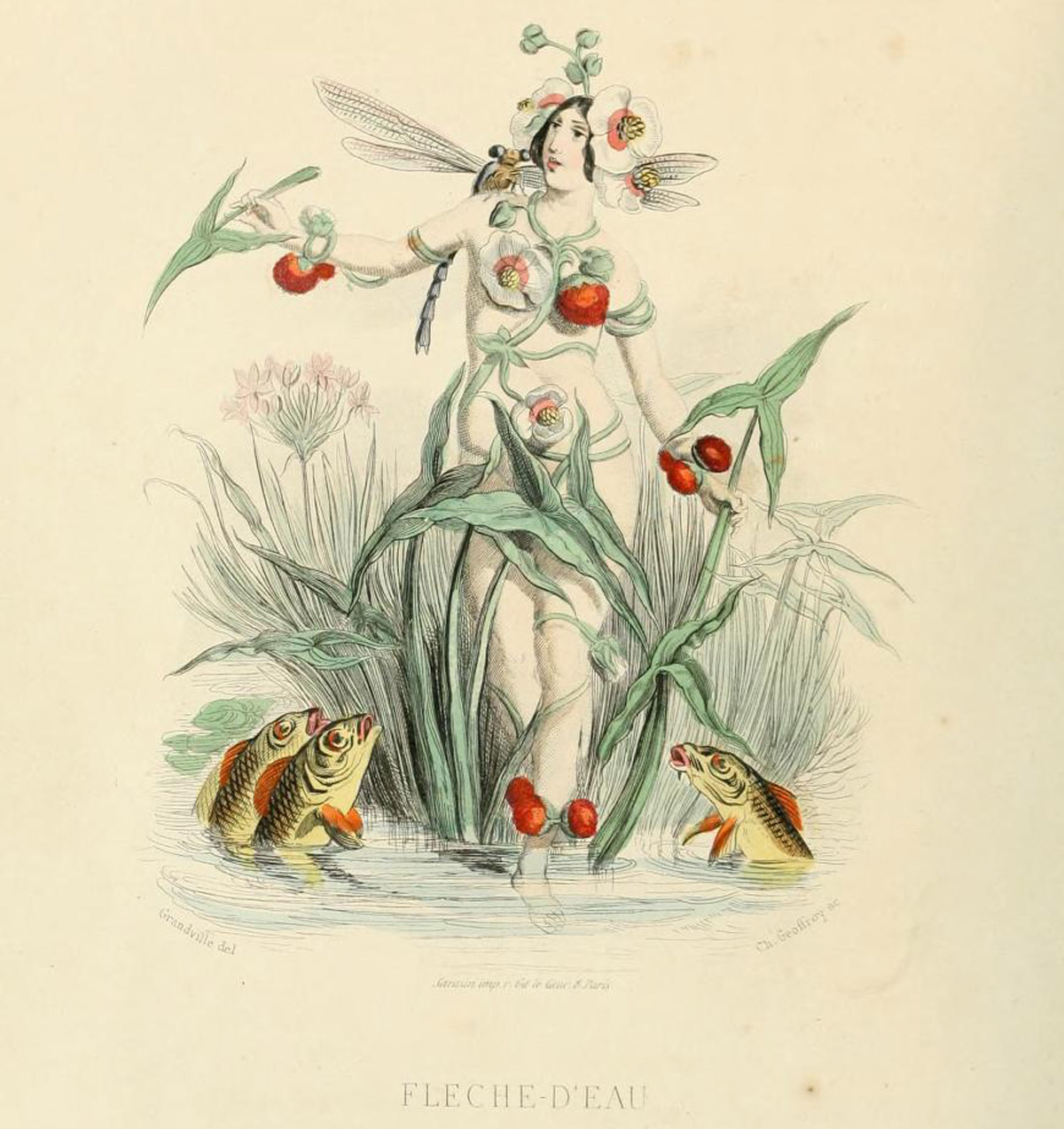
Fleche – D’Eau. J.J. Grandville, Les fleurs animées. So very sensual, yet captivatingly innocent.

Fleche – D’Eau. J.J. Grandville, Les fleurs animées. So very sensual, yet captivatingly innocent.
I hate trying to get this with a flash, I’ll drag it outside in a few days for better. Click for full size. Now to clean up until makin’ a mess tomorrow.

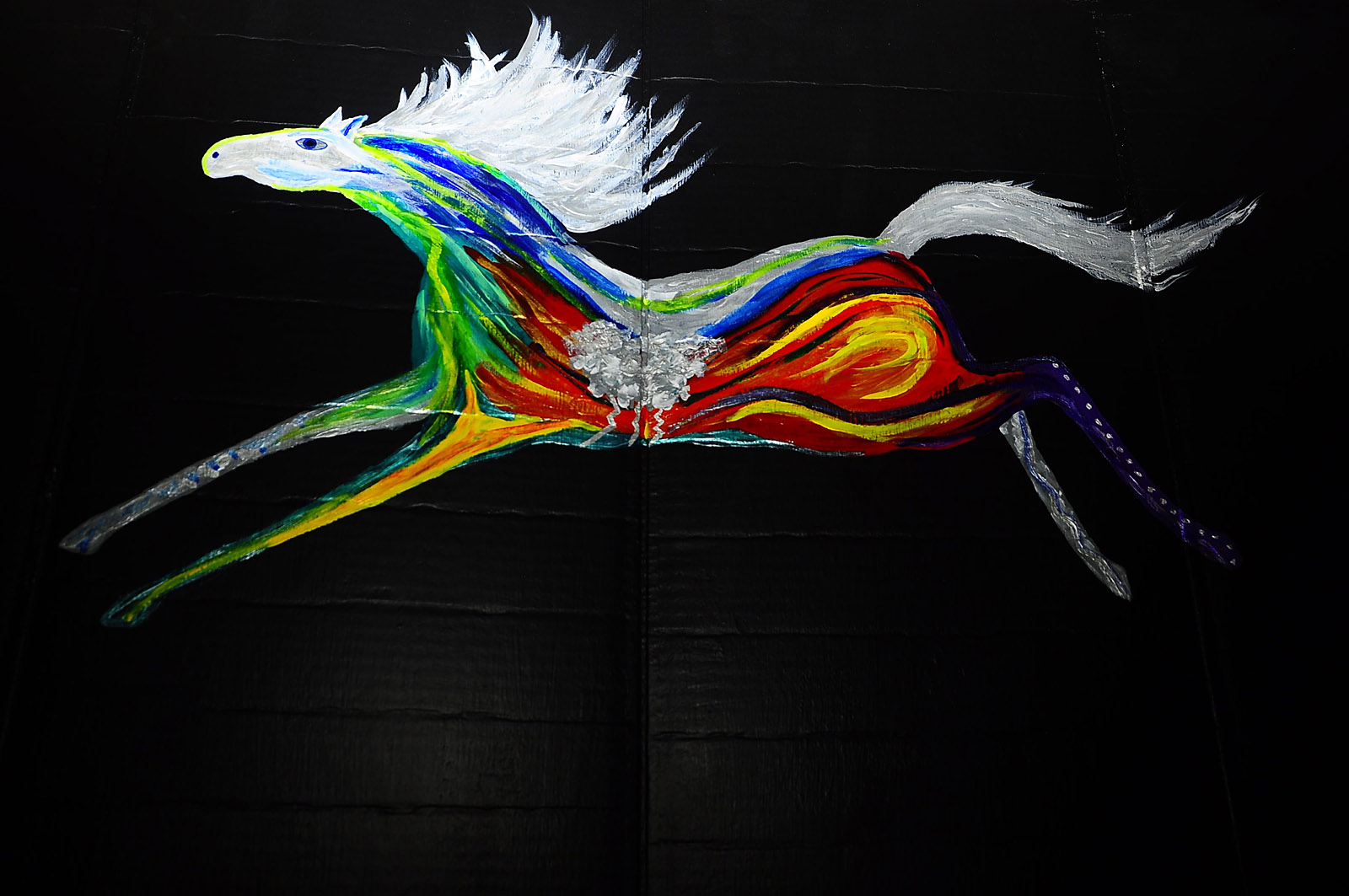

© C. Ford, all rights reserved.
Gonna be a while, lots and lots of area to cover.
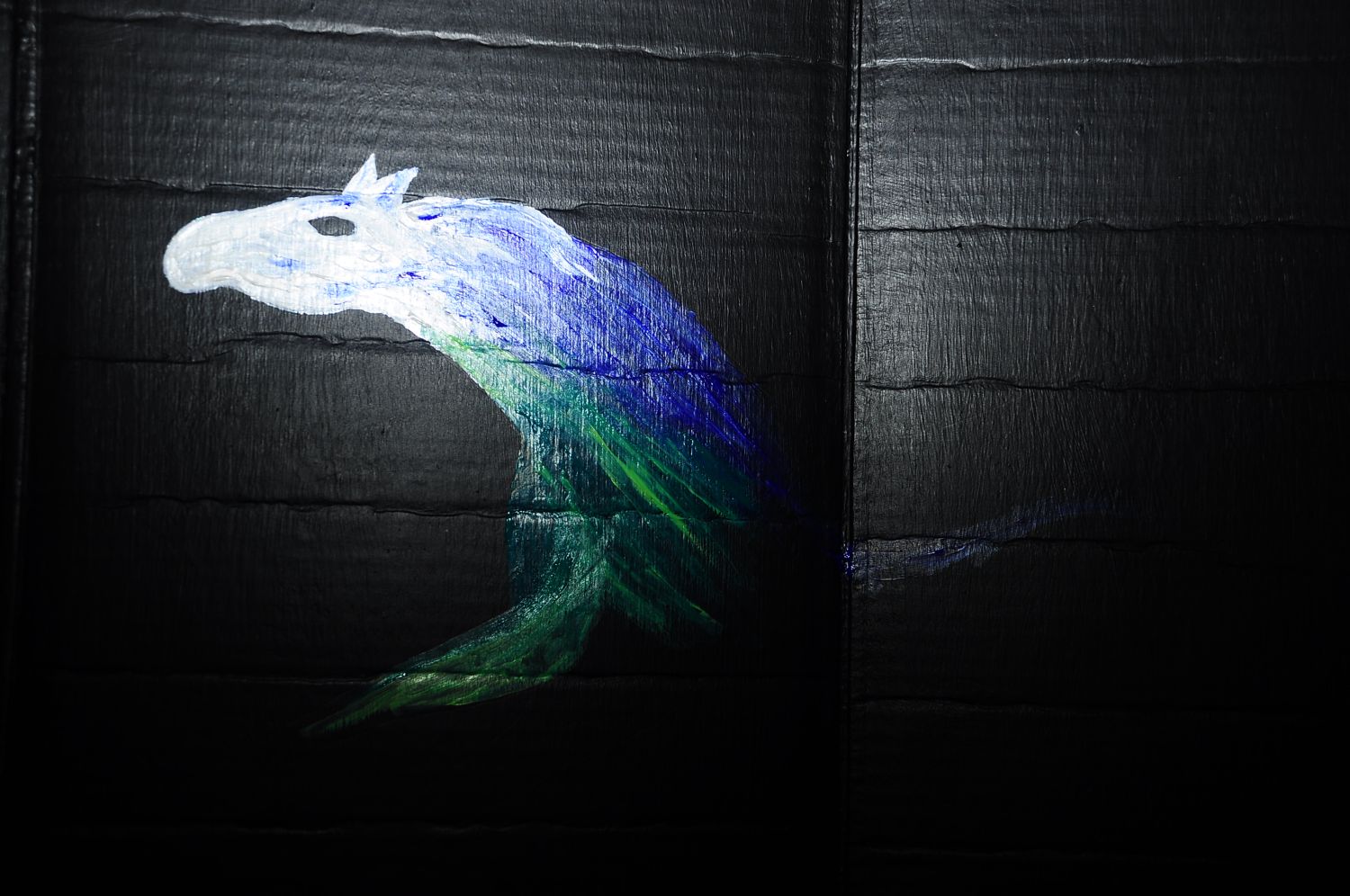

© C. Ford, all rights reserved.
Companion piece to Cold Heart. 11″ x 14″. Acrylics and swarf on canvas.
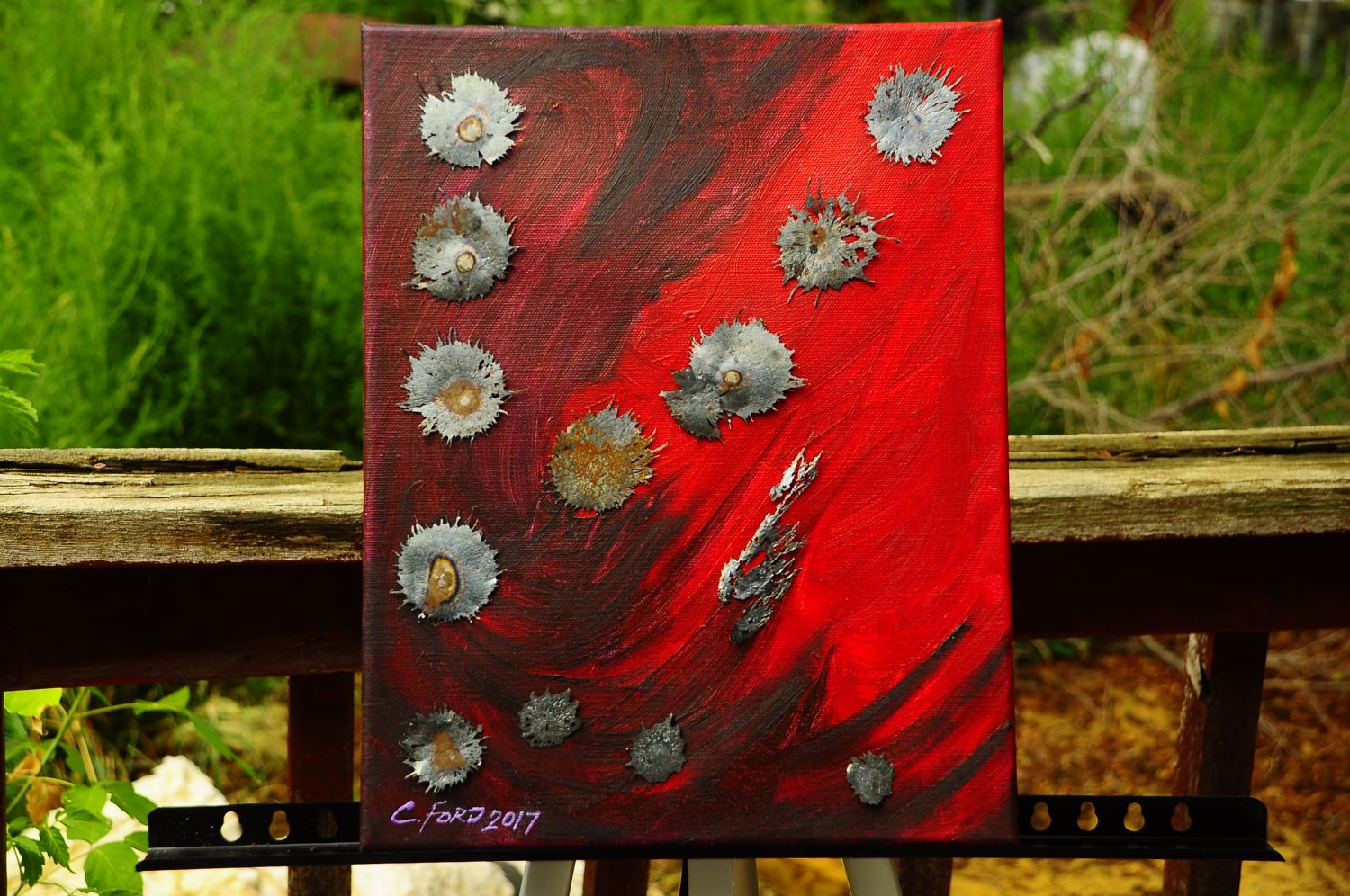
© C. Ford, all rights reserved.

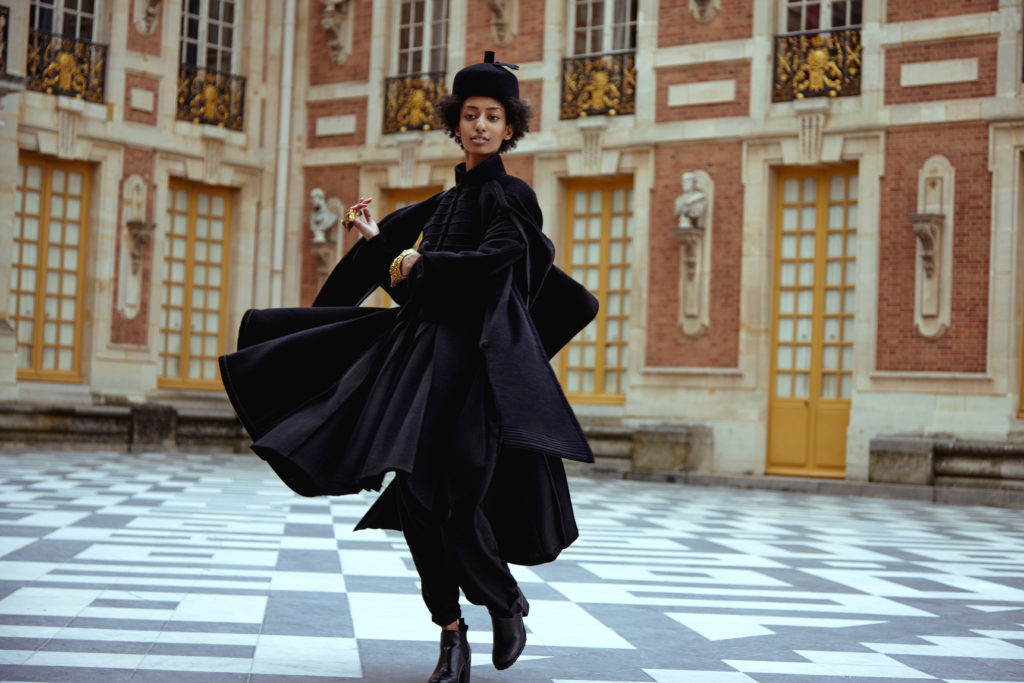
Headed by fashion director Maida Ghide, The Halo Cult is Paris-based media and design team whose latest editorial, titled “Coup D’Etat”, gives a new spin on Black elegance to “capture the essence of true royalty.” Shot by photographer Ishmil Waterman “Coup D’Etat” features the collections of Theodora Bak and Angostura adorned by two emerging creatives who rock the flowy black looks in front of the Chateau du Versailles.
“In a time where inequality is prevalent in all aspects of society, (we are) speaking out for black art, design and literature,” explains Ghide. “Despite millennia of development and influence, African achievement has been widely understated in a world that wishes to abuse and undermine the marginalized voice . (we aim) to bring power to that voice in a creative overthrow of a supremacist establishment.”
rq emailed me about this, and this was my reply:
I. Want. It. All.
See, now if men went walkin’ around looking like that, they’d understand how women feel a whole lot better. I’d be whistling.

Œillets (Carnation). J.J. Grandville, Les fleurs animées. I think people tend to devalue carnations these days. I have always liked them, beautiful flowers.
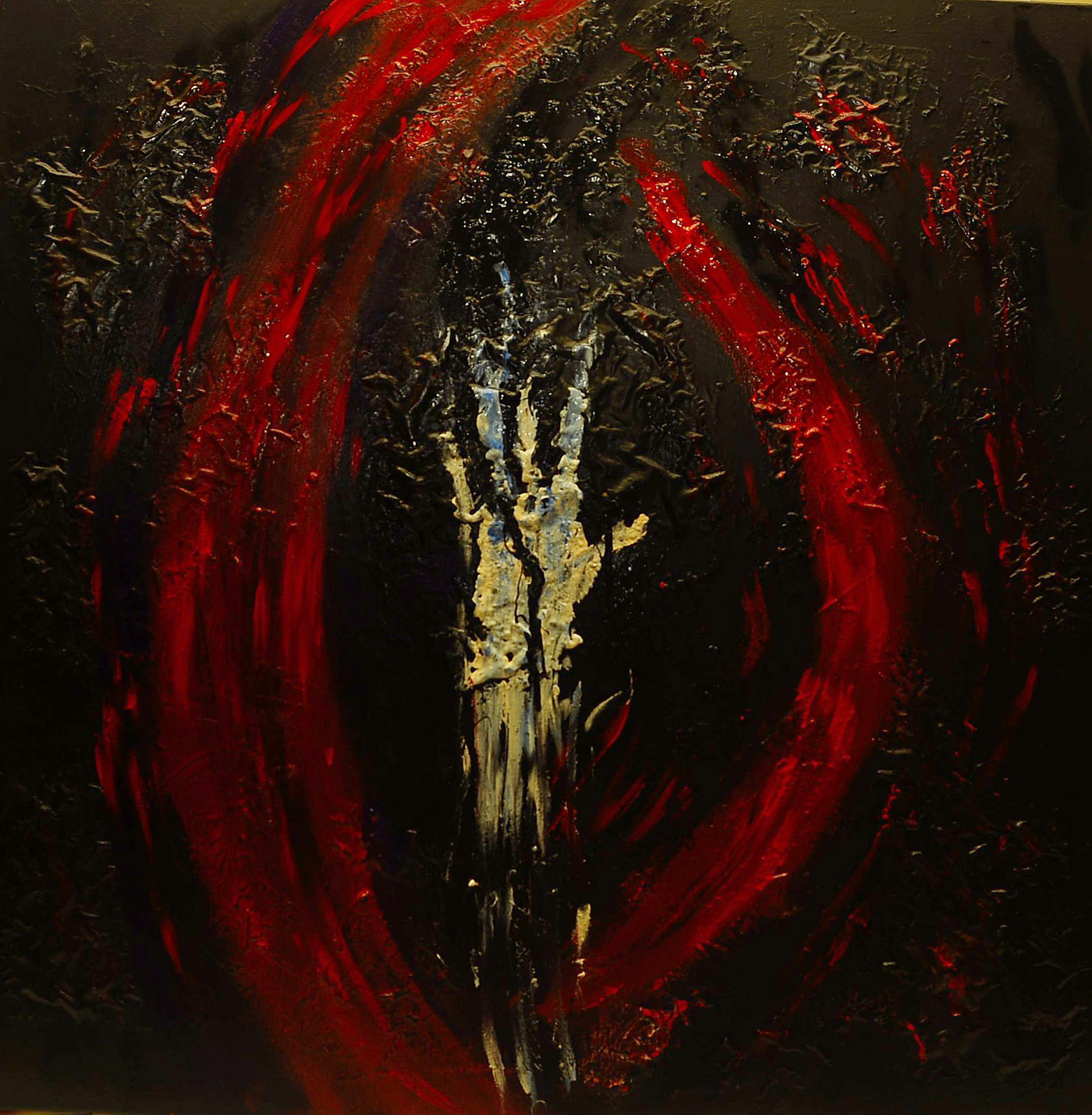
BIG pics, do the clickin’ for full size. Cloudy today, so lovely light. And I remembered to sign it. If I didn’t have metal tip squeezies, I’d never sign anything. Acrylics on canvas, 36″ x “36”.


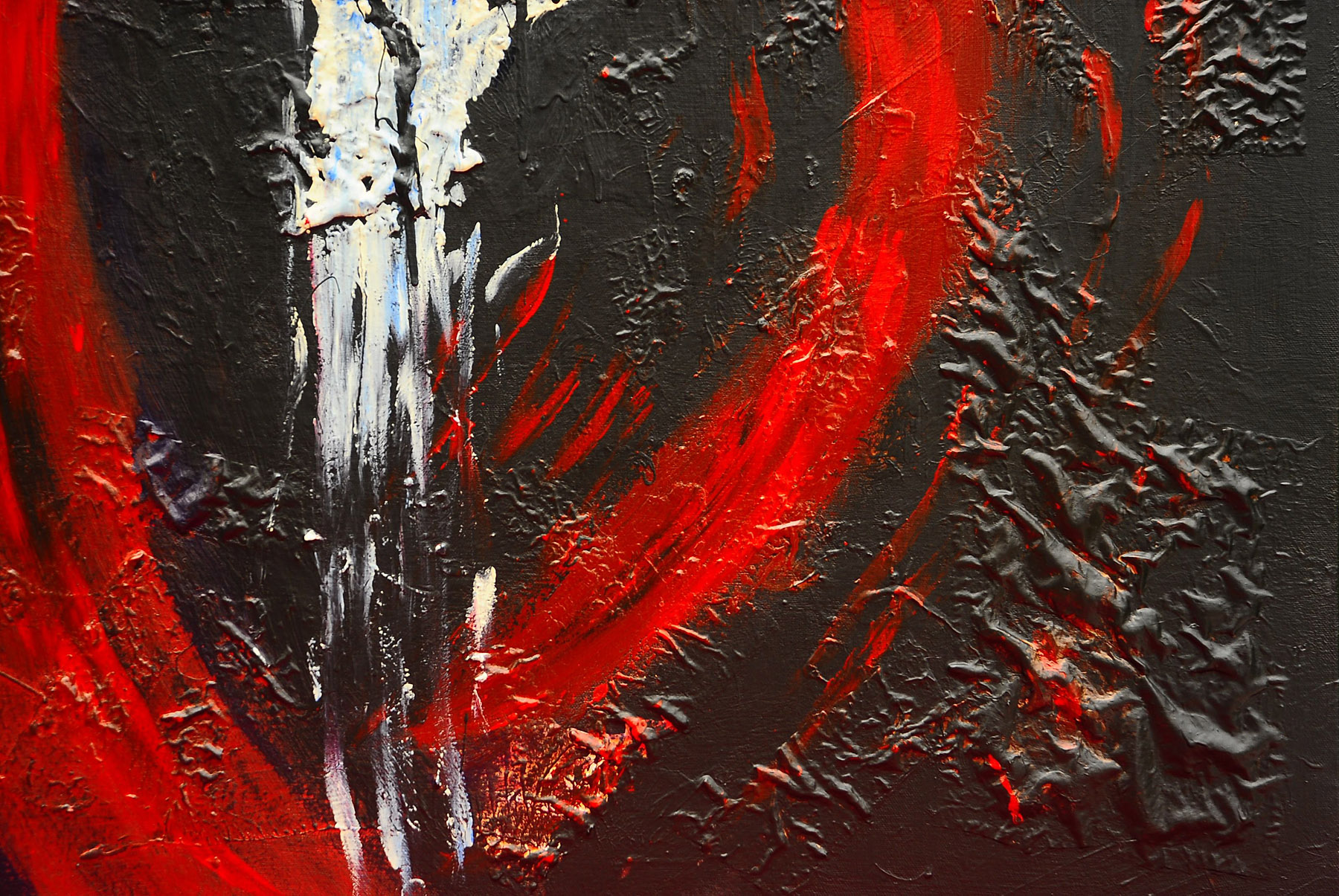


© C. Ford, all rights reserved.

Tabac (Tobacco). J.J. Grandville, Les fleurs animées.
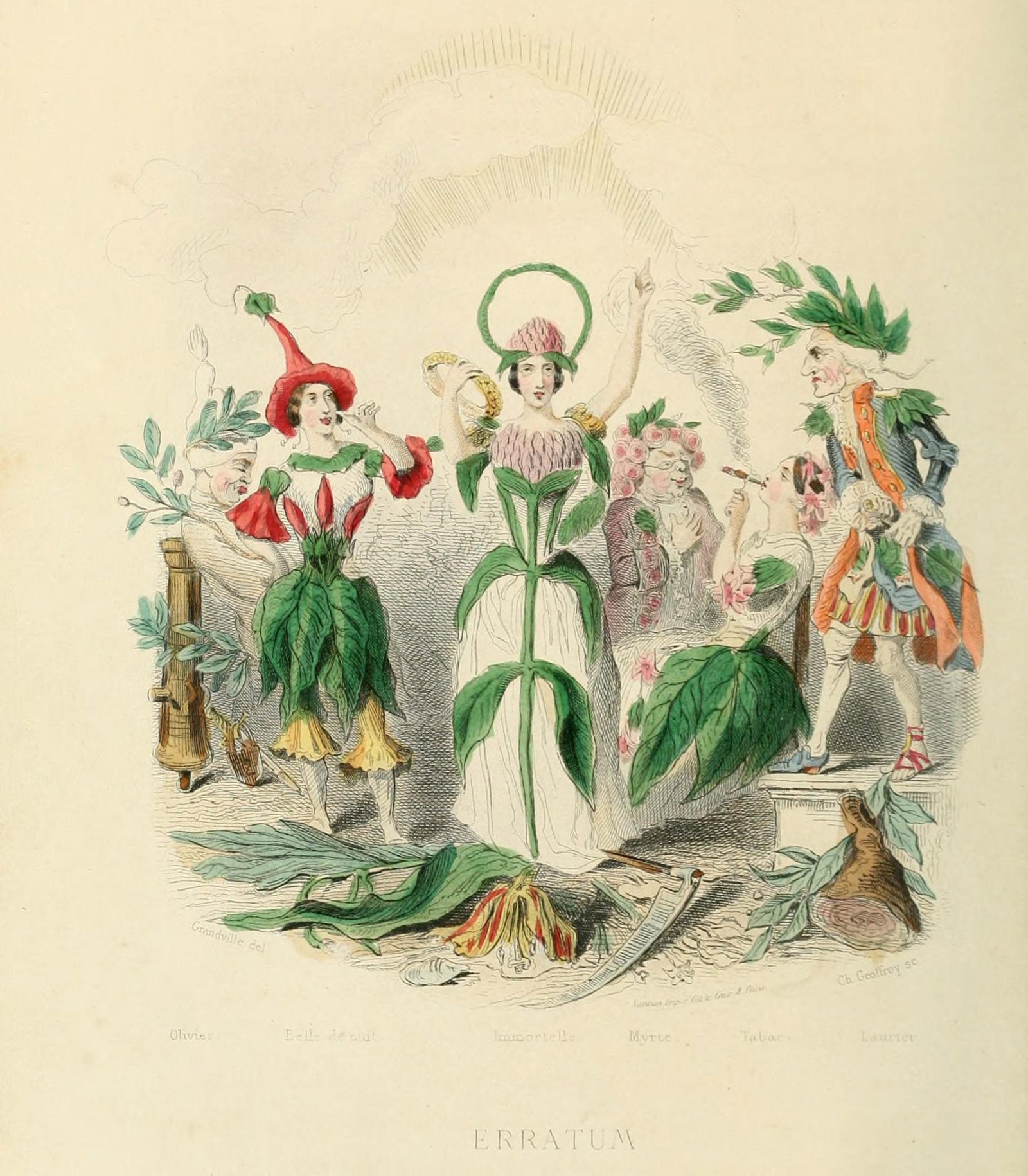
Olivier, Belle de nuit, Immortelle, Myrtle, Tabac, Laurier. J.J. Grandville, Les fleurs animées.
Not the best shot, still wet. I certainly can make a fucking mess. :D The canvas is heavily textured, I’ll get a better shot in the next couple of days. 36″ x 36″. Click for full size. ETA: For much better photos, in proper light, see here.
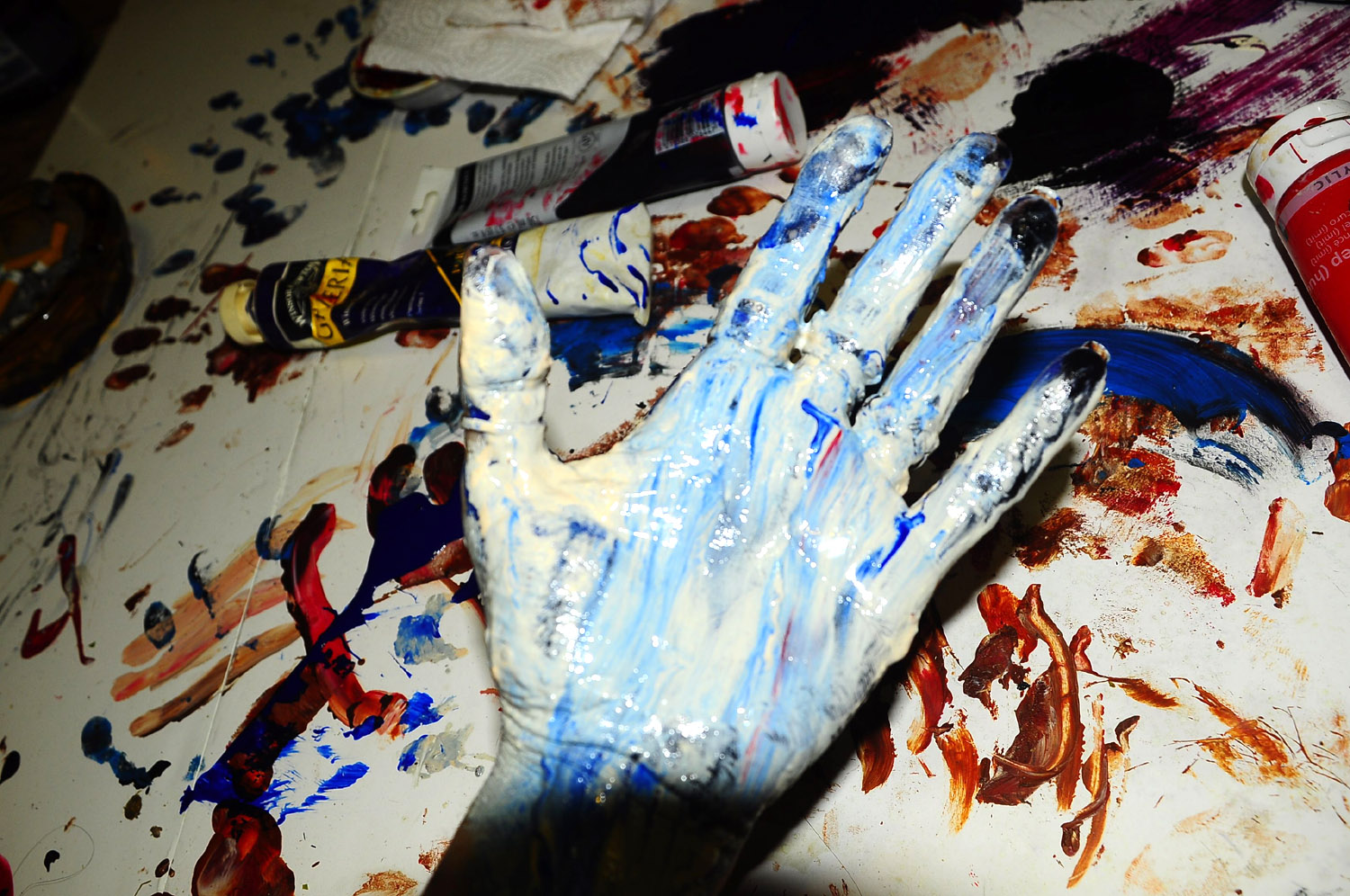

One thoroughly used work surface.
© C. Ford, all rights reserved.

The setup consists of 40 Nikon DSLR cameras and two large light diffusion lamps. Photo: @lovesickfrankie.
The future of avatars is here.
How exactly does one become an emotionally competent and reactionary 3D avatar of oneself? I found myself in the midst of precisely 40 DSLR cameras strapped onto poles aimed at my face, with a heavy weight atop of my head, while going through a series of emotions and sounds I wasn’t aware I was capable of. Not exactly a scene from a Tarkovsky film, but not unlike other ventures into life-like technology.
Recently, London live-event design company Immersive presented a new technology created by Expressive AI called Emotion Capture, where, as demonstrated in the above process, avatars are created to be emotionally responsive and as human-like as possible.
You can see and read all about this at The Creators Project.

The Bride of Frankenstein, 1935. Courtesy of the Kirk Hammett Horror and Sci-Fi Memorabilia Collection and Universal Studios Licensing, LLC.
Metallica lead guitarist Kirk Hammett was six years old when he first saw Frankenstein, in the late 1960s. When it was released in 1931, the film was so successful that it spawned multiple sequels, including The Bride of Frankenstein, Son of Frankenstein, The Ghost of Frankenstein, Abbott and Costello Meet Frankenstein—and earned it a place as one of The New York Times’ 10 best films of the year. It also made an impression on young Hammett. It started his lifetime obsession with horror movies.
For three decades Hammett has fueled this interest—and his own creativity—with a collection of classic horror posters and memorabilia. “My collection takes me to a place where I need to be,” he says. “Among the monsters, where I’m most comfortable and most creative”.
[…]
For the Metallica guitarist, part of the reason he collects horror memorabilia is to share it—in his 2012 book Too Much Horror Business and his Fear FestEvil conventions, for example. Now, a selection of his prized posters and other memorabilia are on display at the Peabody-Essex Museum in (appropriately?) Salem, Massachusetts. Atlas Obscura has a selection of his posters, which are on view from August 12 through November 26, 2017.
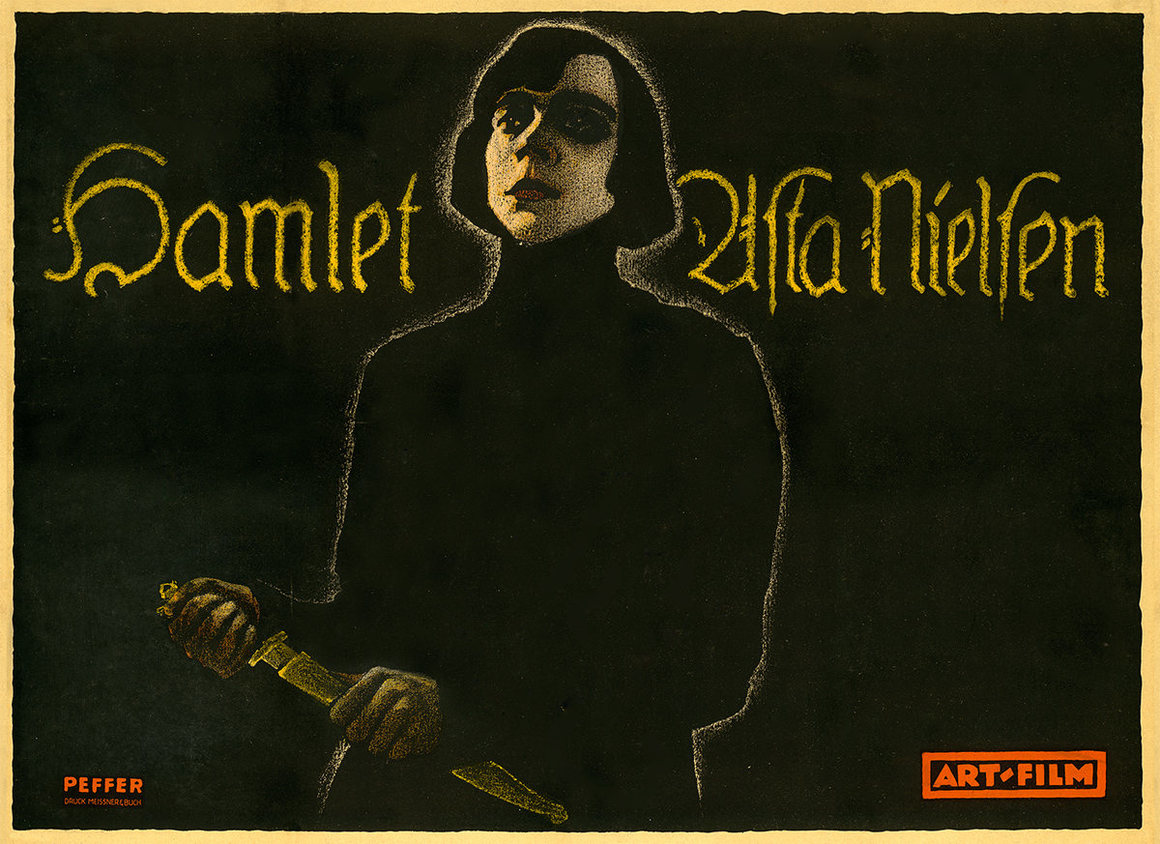
Hamlet, Franz Peffer, 1920. Courtesy of the Kirk Hammett Horror and Sci-Fi Memorabilia Collection.
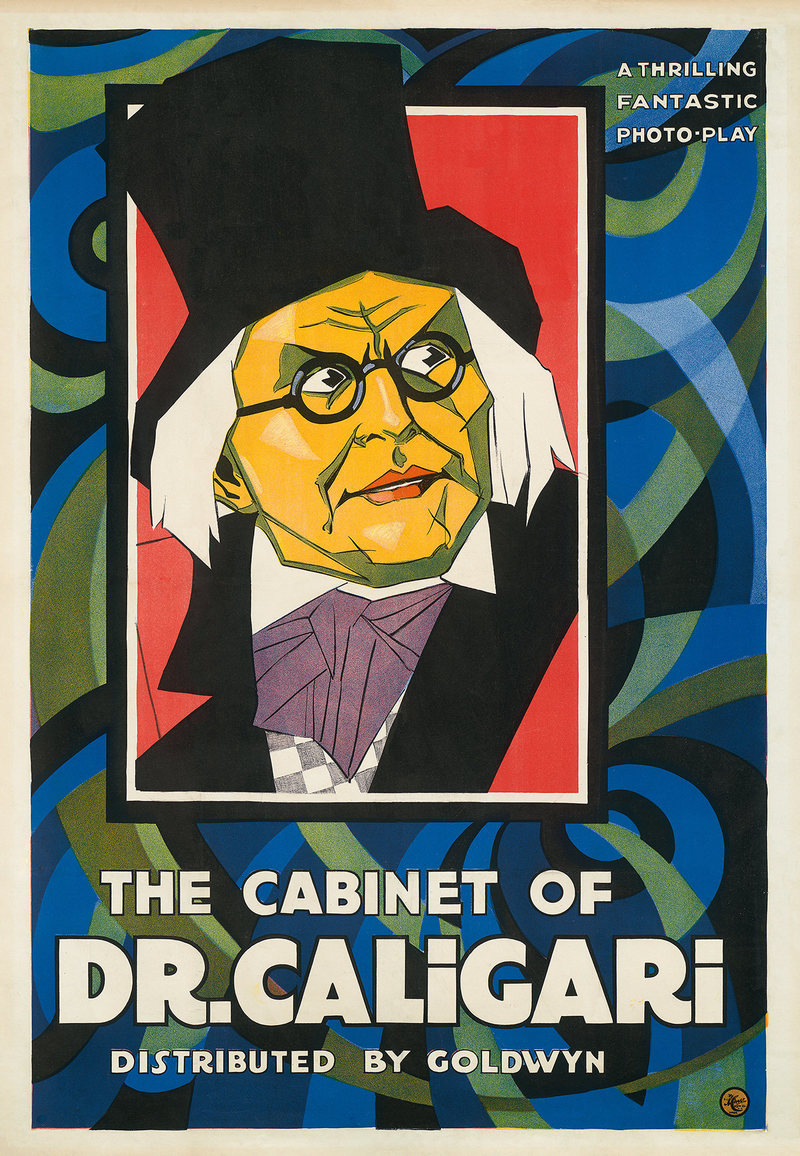
The Cabinet of Dr. Caligari, Lionel Reiss, 1921. Courtesy of the Kirk Hammett Horror and Sci-Fi Memorabilia Collection.
You can see much more at Atlas Obscura! I’ve loved these movies from an early age, I wish I could collect such memorabilia.

William and Frederick Langenheim, “Eclipse of the Sun” (1854), daguerreotype (courtesy Metropolitan Museum of Art).
On this August 21, a total solar eclipse will be viewable across North America, a rare occurrence that will likely be greeted by a wave of iPhones and digital cameras raised to the sky. Although photographing an eclipse relies a bit on luck, timing, and preparation, our ability to document the celestial event is more accessible than ever. In the 19th century, it took years of experimentation with the newly invented photographic medium to successfully capture a fleeting eclipse.
Attempts at solar eclipse photography are recorded going back to 1842, including Gian Alessandro Majocchi’s photograph of a partial eclipse taken on July 8 in Milan (an image which has not survived). Stefan Hughes, author of Catchers of the Light on the history of astrophotography, writes on his blog that Majocchi’s daguerreotypes only caught the before and after of the totality (or total obscuring of the sun), with the ultimate eclipse just a big blank. It wasn’t until the eclipse of July 28, 1851 that the moment of eclipse was successfully photographed. At the Royal Prussian Observatory in Königsberg (today’s Kaliningrad in Russia), a daguerreotypist named Johann Julius Friedrich Berkowski carefully exposed a plate through a small refracting telescope attached to a heliometer. The daguerreotype revealed the moon perfectly positioned over the sun, exposing the solar corona for the first time in photography, hovering like a halo around the darkness.
You can read and see more about these fascinating ventures in astrophotography at Hyperallergic.
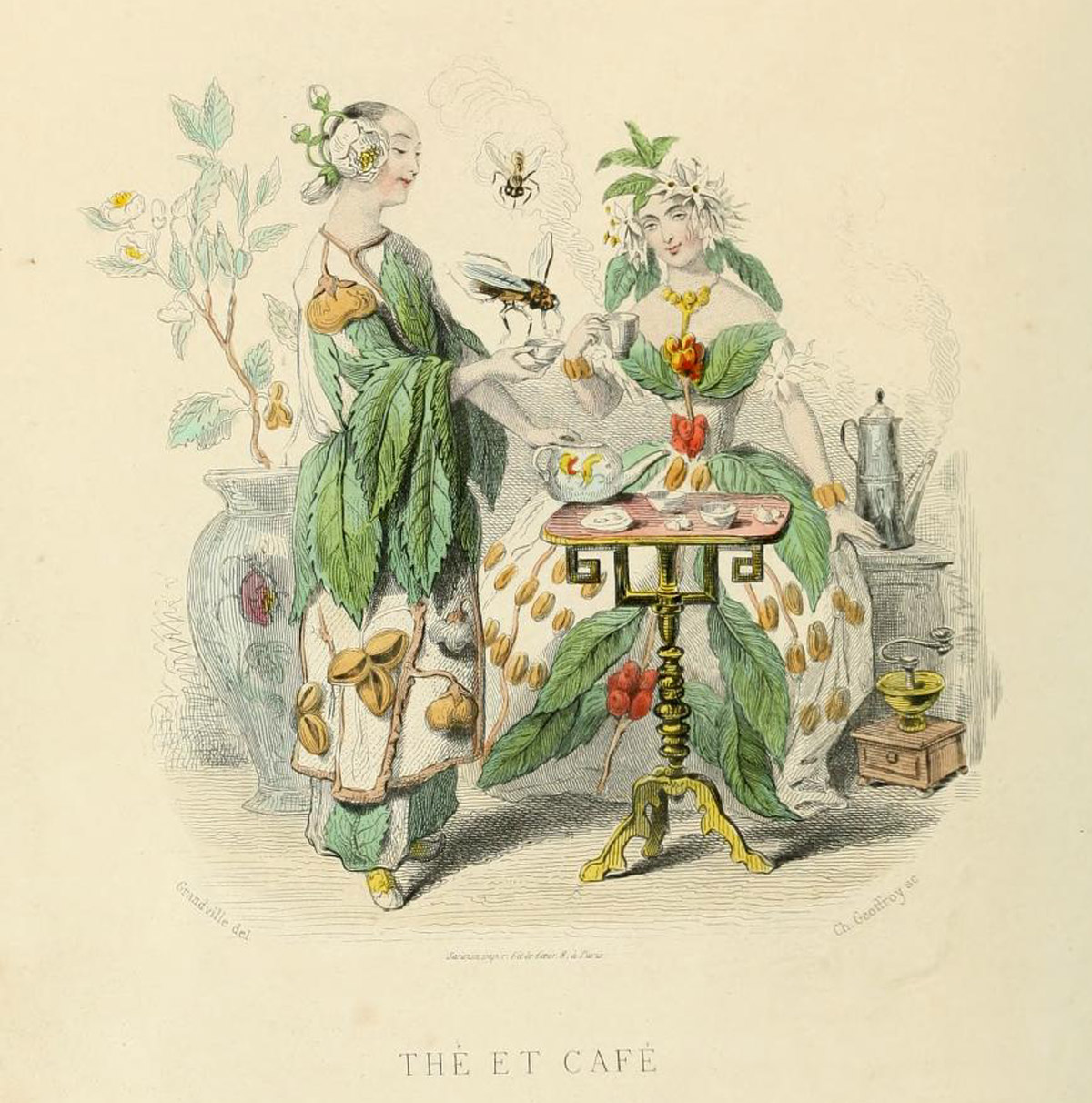
Thé Et Café (Tea and Coffee). I haven’t noted it before, but all of these can be clicked for full size. J.J. Grandville, Les fleurs animées.
Café looks absolutely blissed out. Now I want coffee.