
Lavender Files 11.


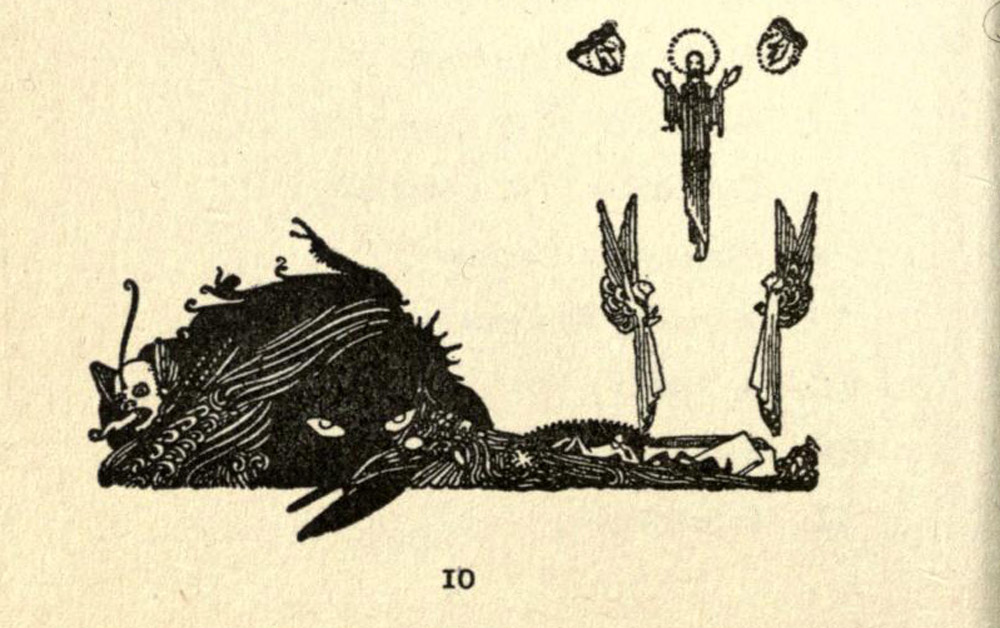
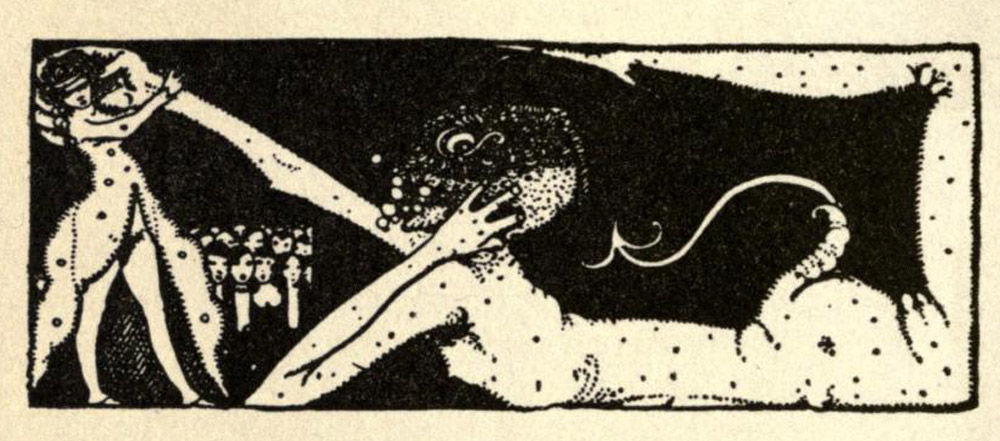
Decoratives by Harry Clarke.
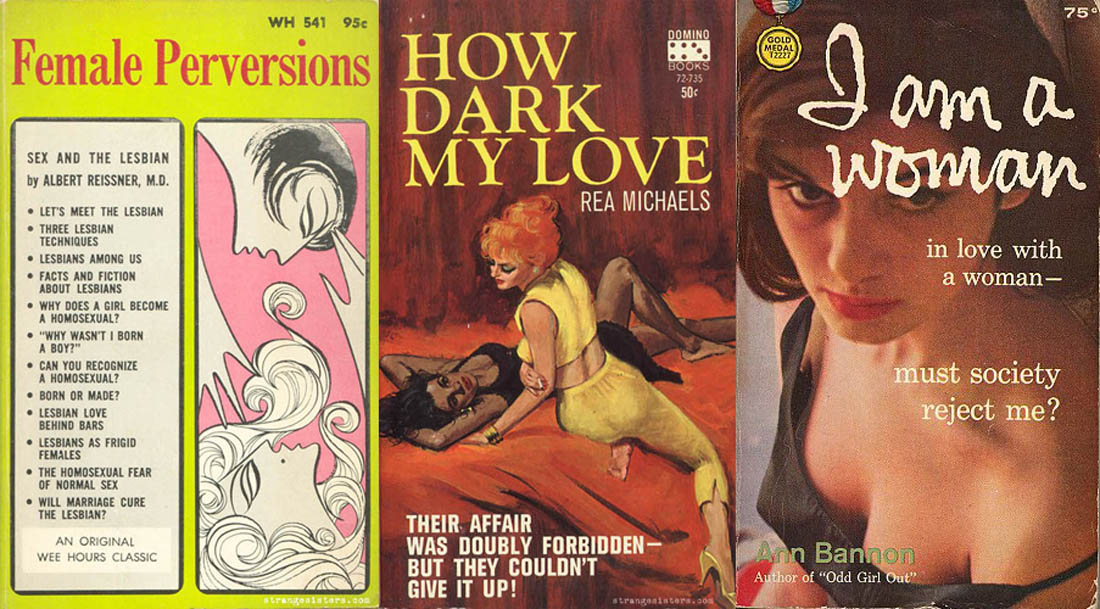
Note: Rea Michaels, writer of novels including Cloak of Evil and Duet in Darkness, stands out as one of the only pulp authors to include people of color and interracial relationships in her books and to have representations of lesbians of color on the covers of her novels. The majority of Queer pulp was overwhelmingly white.
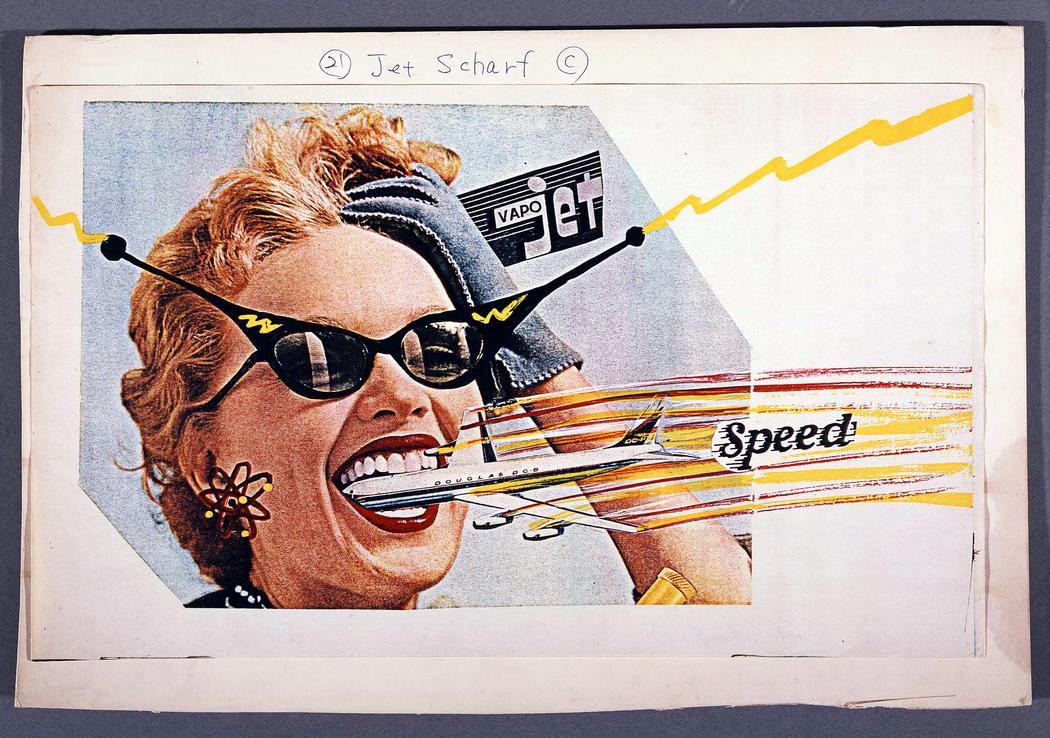
Kenny Scharf, Untitled #6 (Speed), 1979. Mixed media on board. Courtesy the artist and Honor Fraser Gallery, Los Angeles.

Lady Wrestling at Club 57. Pictured: Tom Scully, Tish and Snooky Bellomo. 1980. Photograph by and courtesy Harvey Wang.
MOMA is revisiting Club 57, in all its various glories. Club 57: Film, Performance, and Art in the East Village, 1978–1983 is on view at the Museum of Modern Art, New York, through April 1, 2018.
You can read about this at Garage.*
*This seems to be where the never updated Creators Project went. The writing has become extremely pretentious.
Title page and opening pages of Faust, by Harry Clarke. Note the beautiful self-portrait in the last image (Clarke as Faust, figure on the right). One thing that’s fun to do with all of the illustrations is to count all the eyes. Many, lots! :D There are some noted phalluses, too, but those are a bit later on.


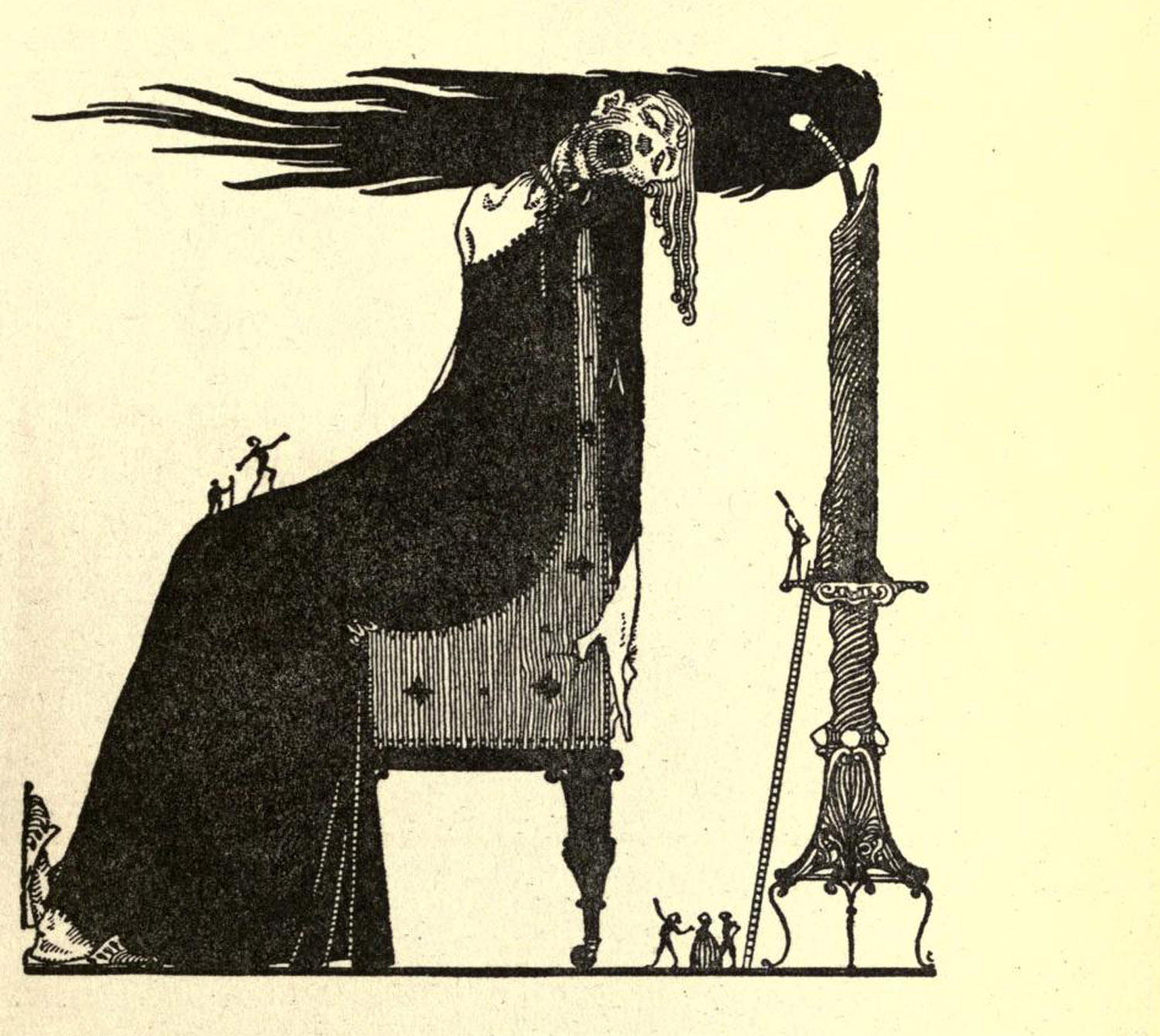


The Trouvelot astronomical images end today, and tomorrow, we’ll start with Harry Clarke, a prolific and incredibly talented stained glass artist and illustrator. Clarke died very young, age 41, but left an amazing amount of work, and most of the books he illustrated are still in print today. Clarke had a habit of incorporating self-portraits into most all of his work, including his stained glass work:

Left: Photograph of Clarke in the posture of crucifixion. Right: Detail, Crucifixion (1920).
All of Clarke’s illustrations are amazingly beautiful, even when they depict the macabre. In 1914, a decade before he would illustrate Goethe’s Faust, Clarke depicted himself as an absinthe drinking Mephistopheles:

Mephisto (1914), Clarke’s self-portrait as an absinthe drinking Mephistopheles.

Clarke’s The Last Hour of the Night (1922), the frontispiece for Dublin of the Future, the prize-winning design for an urban planning competition staged in 1914 (but not published until 1922 because of the intervening violence and devastation).
It took me a while to decide on doing Clarke’s illustrations, simply because it would make for a very long series, but they are all exquisite. So, we’ll start with Faust, then move on to the illustrations for Poe’s Tales of Mystery and Imagination, then on to Hans Christian Andersen’s Fairy Tales. We’ll be traveling with Harry Clarke for a bit over three months.
Most of the posts will have more than one image – opening pages will be together, as will decoratives, and beginning and chapter ends.
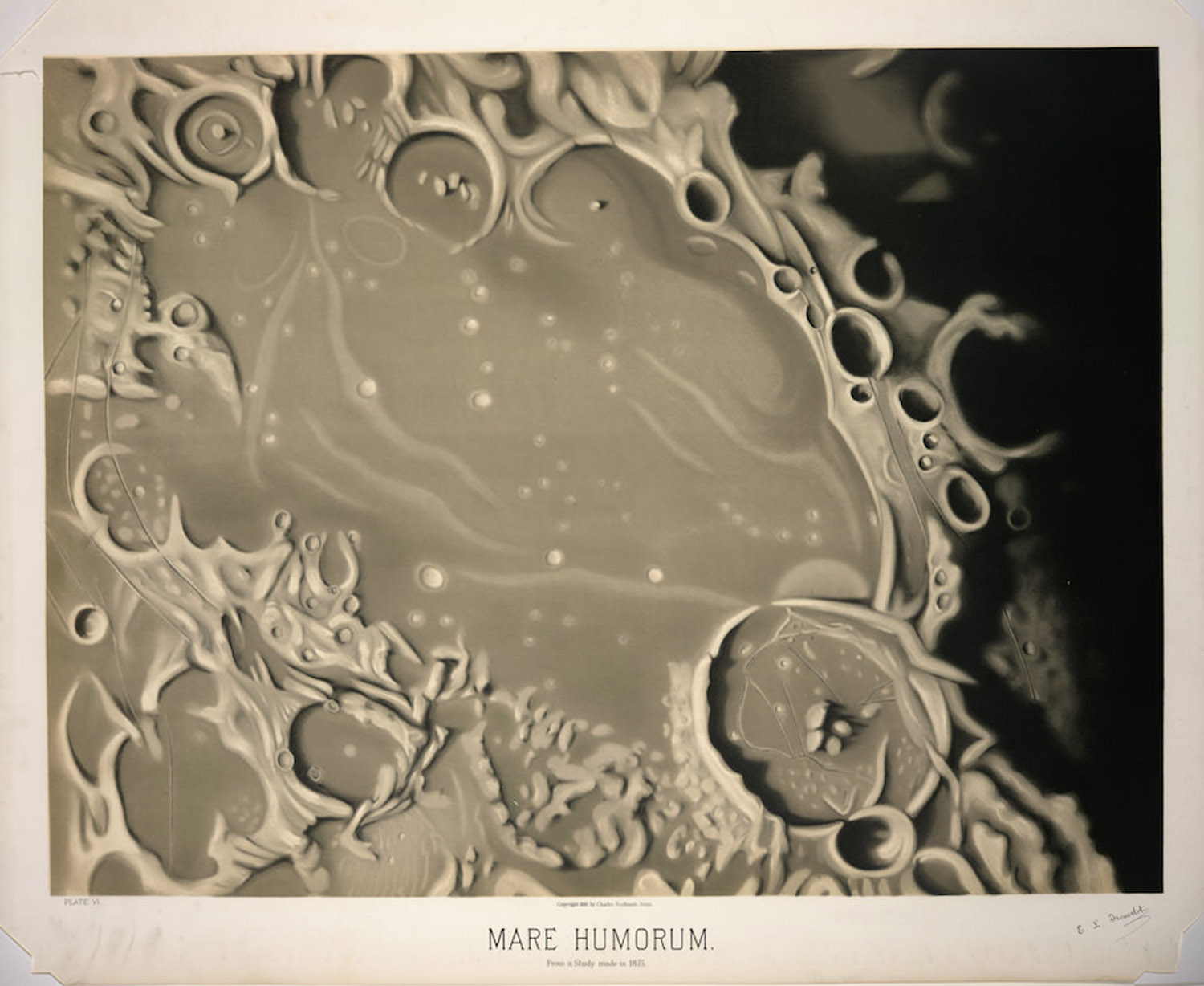
Mare Humorum. From a study made in 1875. Étienne Léopold Trouvelot. This is the end of Trouvelot.

These amazing photos rocked my world, and there are so many of them! These are not paintings, they are photographs. From Vintage News:
The project named Super Flemish by Goldberger has created a series of photographs that portray ultimate pop culture characters of the caliber of Spiderman, Yoda or even villains such as Darth Vader, in a Flemish treatment. The photos largely resemble 16-th century paintings, and it has taken Sacha two years to complete the ambitious project. A team of twelve people has put efforts in making the flawless makeup, hair and special effects that can be noticed on the photographs.
“A lot of the job was done before and during the shoot. Pierrick and Sebastian, my digital retouchers, helped me to get the precision and the perfection I was looking for in this series,” says Sacha. “All of it was incredible; it was like a dream come true.”
“When you see the Hulk in front of you and you, ask him to look romantic, it’s crazy. The Joker was also very impressive. He endured three hours of make-up and started to act like Heath Ledger in the movie, The Dark Knight,” adds the French photographer.
And from Sacha Goldberger’s site:
What if Superman was born in the sixteenth century?
And what if the Hulk was a Duke?
How might Van Eyck have portrayed Snow White?Sacha’s discovery of these characters, which goes back to childhood, gave birth to a desire
to re-appropriate them, to take them back to a time forming the cornerstone of modern western art. Sacha wants to confront these icons of American culture with contemporary painters of the Flemish school. The collection demonstrates the use of 17 century techniques counterpointing light and shadow to illustrate nobility and fragility of the super powerful of all times. It also invites you to celebrate the heroes of your childhood. These characters have become icons to reveal their humanity: tired of having to save the world without respite, promised to a destiny of endless immortality, forever trapped in their character.
The superheroes often live their lives cloaked in anonymity. These portraits give them a chance to « fix » their narcissism denied. By the temporal disturbance they produce, these images allow us to discover, under the patina of time, an unexpected melancholy of those who are to be invincible.As science fiction meets history of art, time meets an inexhaustible desire for mythology which is within each of us.
Oh, go have a wander and look at all of them! Super Flemish and Sacha Goldberger’s main page, and Flemish in the Stars (Renaissance Star Wars). Look at everything! And thanks to PZ for yet another timesink, I really needed another one. (Just a pinch of sarcasm there…)

The zodiacal light. Observed February 20, 1876. Étienne Léopold Trouvelot.


Illustration from Spectropia, or, surprising spectral illusions showing ghosts everywhere and of any colour by J. H. Brown (1864) (via Wikimedia).
The 1864 Spectropia used optical illusions to manifest ghosts in Victorian homes, and was designed to attack the quackery of Spiritualism. You can read and see more here.

“Hallowe’en morning” (John O. Winsch, 1914) (via Special Collections Department, Postcard Collection, Enoch Pratt Free Library).
Look, witches were into biofuel! :D Hyperallergic has a host of entertaining vintage Halloween Cards.
On the more serious side, today marks the opening of a new exhibition of Cornell University’s Witchcraft Collection:

Image from the Cornell University Witchcraft Collection (courtesy Cornell University Library).
You can read and see much more at Hyperallergic. It’s the largest witchcraft collection in North America, and will run through August of 2018.


