Harakka Island – Chapter 6

It’s time for the next chapter in Ice Swimmer’s series Harakka – an Island. Our guide will take it from here. Thanks, Ice Swimmer.


Chapter 6 – Top of the Island


1. Odd Spruce, Rocks and open sea, ©Ice Swimmer, all rights reserved

This view is from the top of the island, towards southeast. I wonder what has happened to the spruce.

[Read more…]

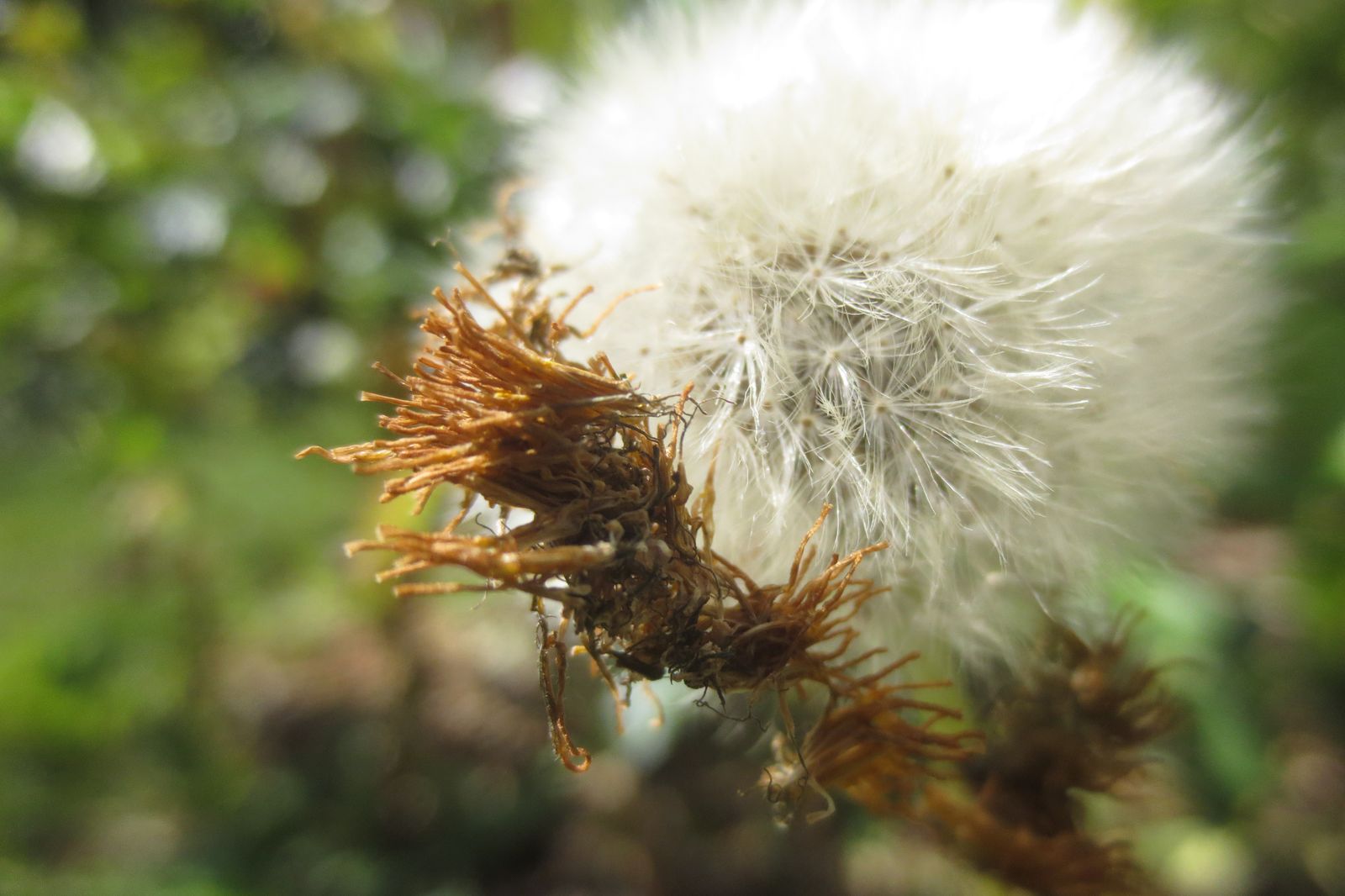
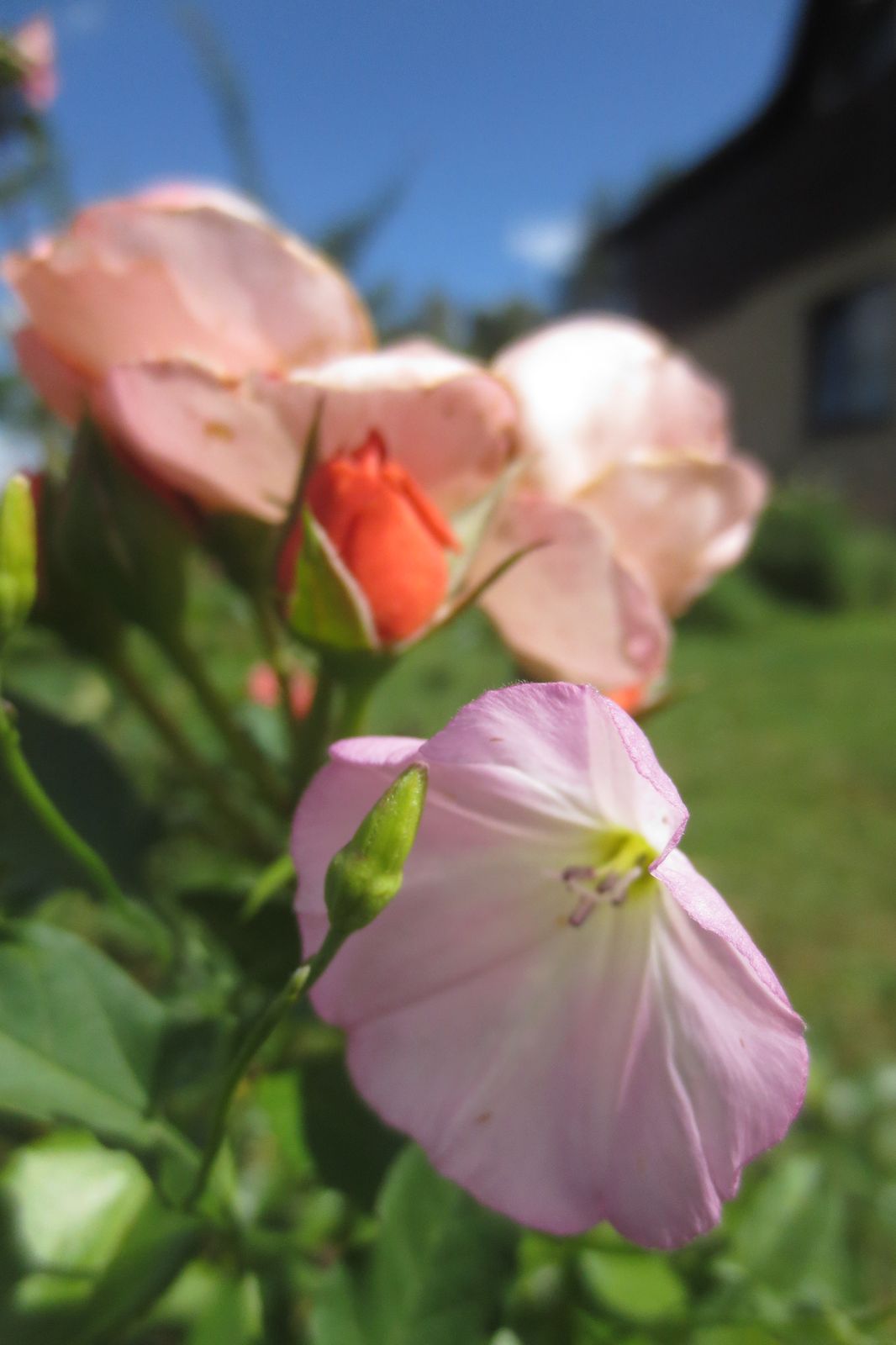
Fluff and … Fluff… and Flowers

And as a finale of his week’s series from rq, mostly fluffy pictures.

©rq, all rights reserved. Click for full size.

One has to admire thistles. Fluffy flowers, fluffy seeds and spiky everything else.


Bumlebees and bees have similar combination of fluff and spiky, I sense a theme here.


More fluff, but where are the sharp bits?


No fluff, no sharp bits. Just a wannabe tough guy.

And finally no fluff and no shar bits whatsoever. Just perfect depth of field. I love this picture.

Wot Lives in the Bog

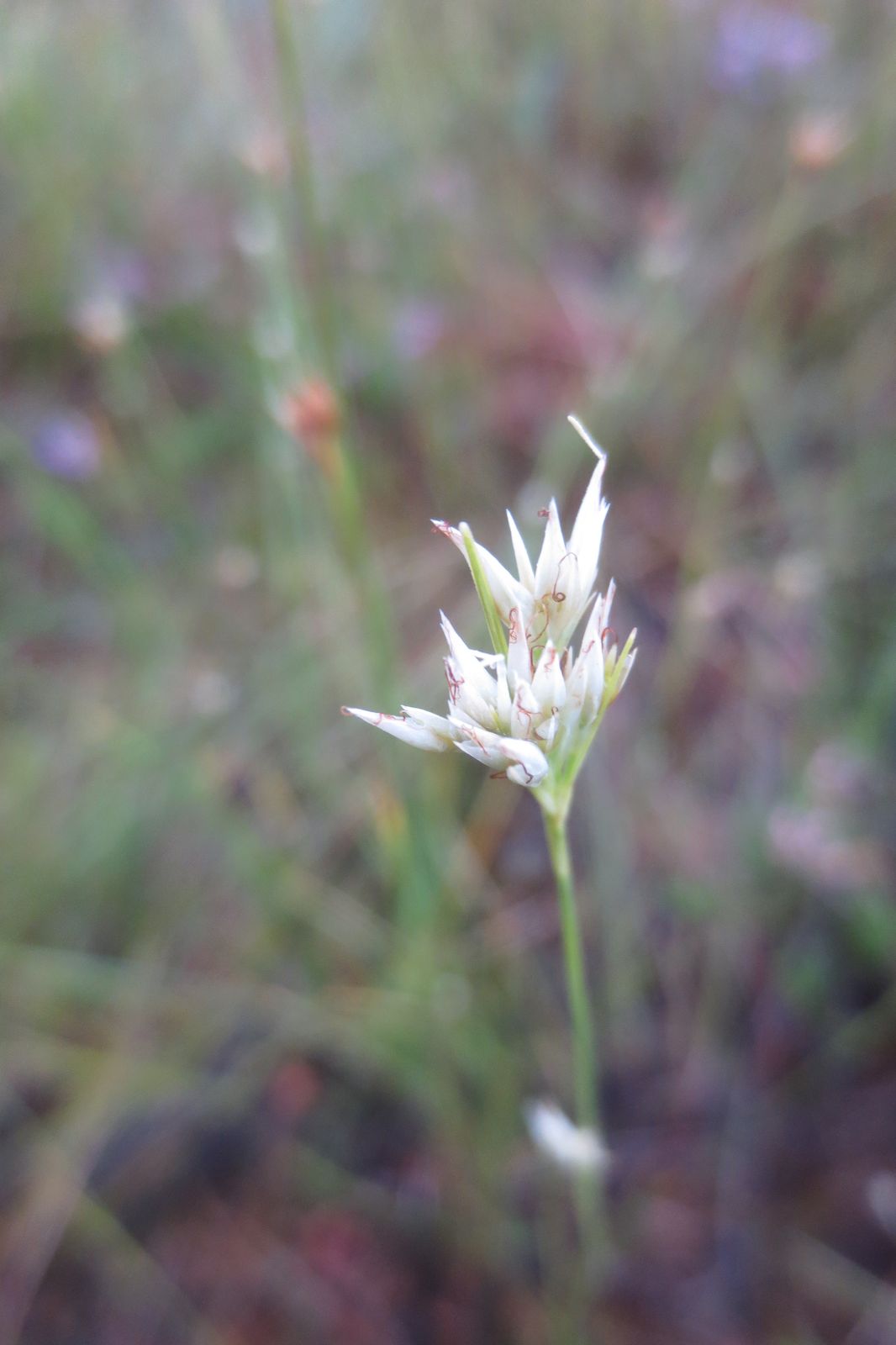
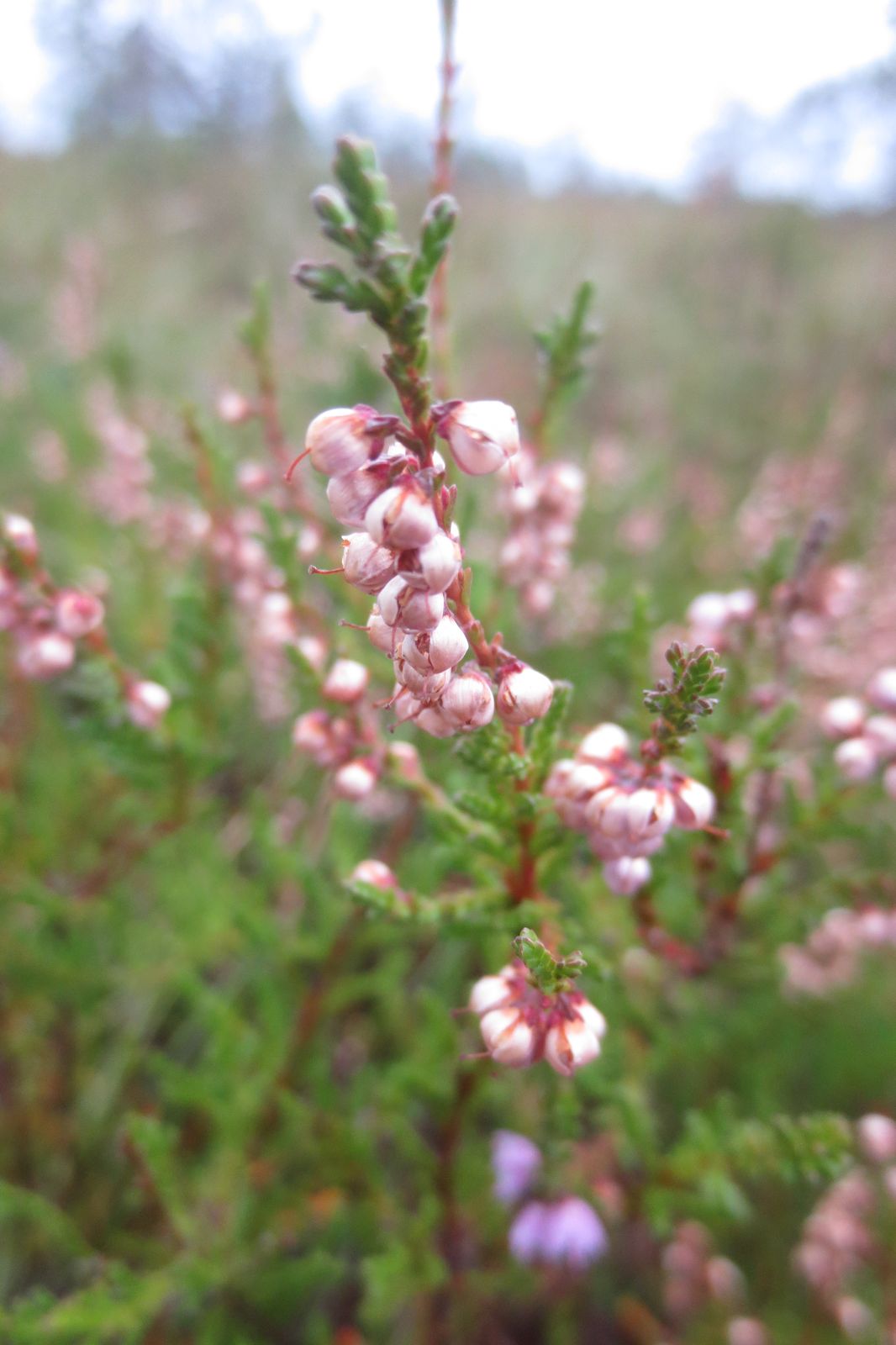
Second in this series from rq are plants growing in a bog. I hope she did not get too wet trying to get these pictures for us. They are beautiful and they do illustrate the biodiversity of an acidic bog nicely. There is even a predator here, hidden bellow the fold.

©rq, all rights reserved. Click for full size.

Possibly a plant from the Cyperaceae family

Calluna vulgaris

Calluna vulgaris

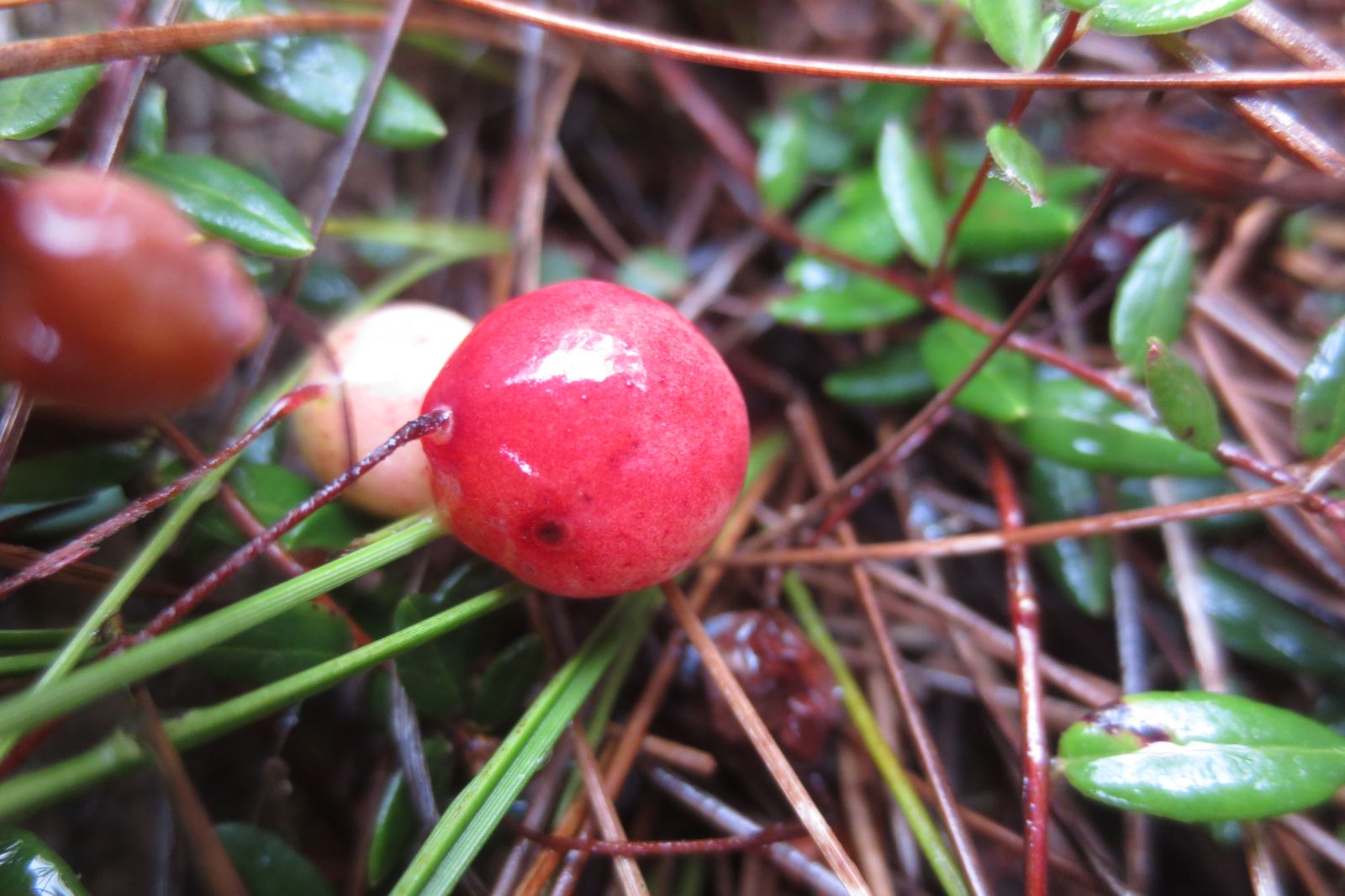
Vaccinium vitis-idaea L

Vaccinium vitis-idaea L

[Read more…]

Anatomy Atlas Part 22 – Eye

For humans the eyes are probably one of the most important senses. They are definitively for me, so two years ago when a willow twig slashed me across one eye the pain was a mere secondary concern to the fear that an infection might cost me the whole eye. I did not hesitate and immediately sought medical help, got antibiotics and atropine and the eye healed in just a few weeks. Ever since then I am wearing eye protection when pruning willows, in addition to all the other jobs I am used to do so.

Description of an unpleasant  and cringe-worthy incident follows.

©Charly, all rights reserved. Click for full size.

Incidentally just a few days ago I had a short conversation with the cleaning lady at our lab about this. I have made some mess that I did not manage to clean up before she arrived to mop the floors and I was apologizing to her for this. Her response was that it is her job to clean the floors and mine was that I know but that is no reason for me to do her job unnecessarily harder by not sweeping the aluminum shavings after I am done. After which she remarked in a passing that her former boyfriend was drilling aluminium when doing some renovations, he was too macho to wear an eye protection and got an aluminium shaving in one eye. And after that he was too macho to go to the doctor immediately, saying “it will rot away”.  And it did. With the whole eyeball. She finished “now he has one glass eye, and I have found myself a better man.”.

An example of how toxic masculinity is harmful, if I ever saw one.

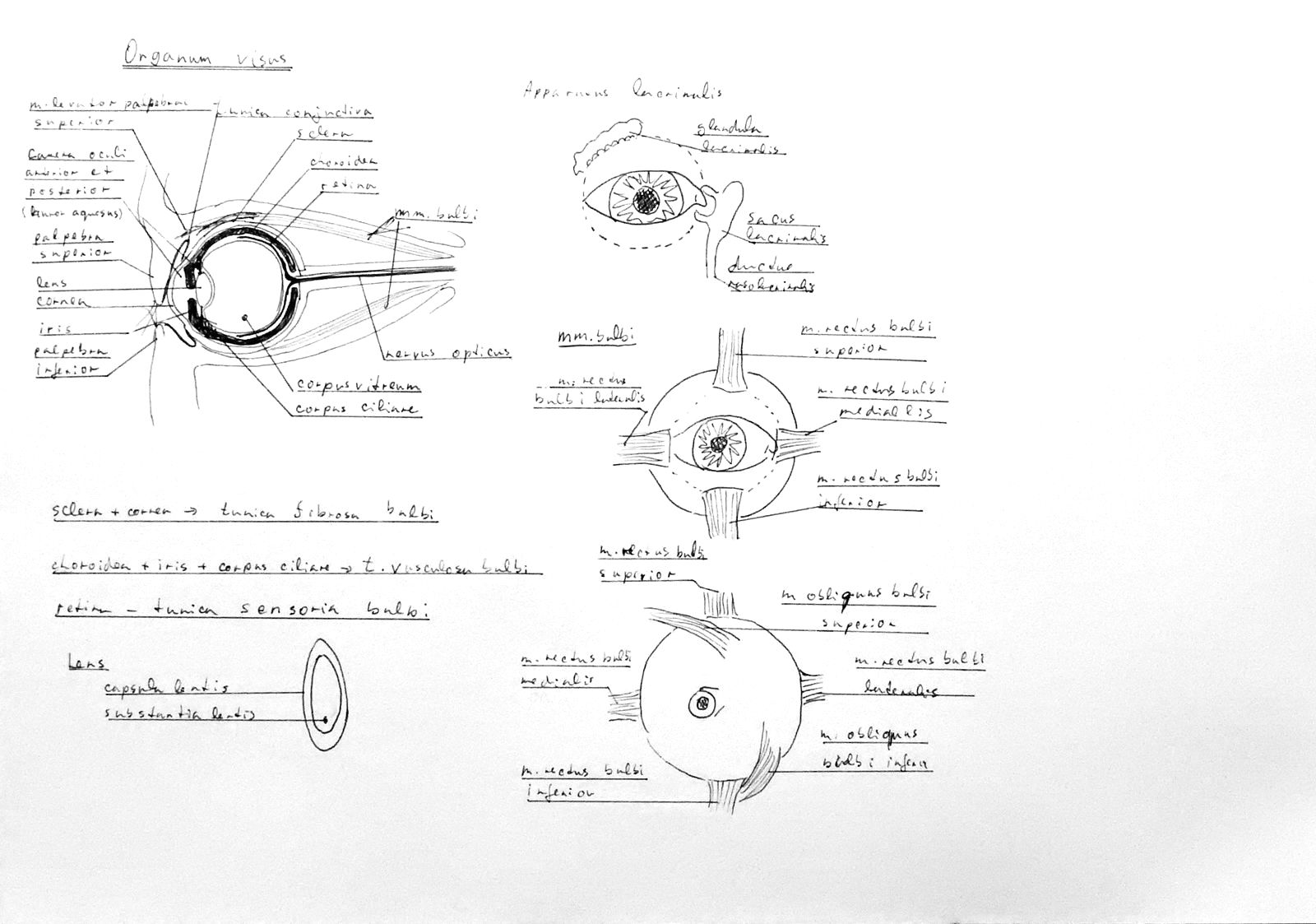
Most people know at least something about the eye anatomy I guess, but I would bet most people do not know about the muscles musculus obliquus bulbi superior and musculus obliquus bulbi inferior.

These muscles can rotate the eyeball slightly around the front-back axis. Why is this? you might ask.

Generally the muscles around the eye, when you are looking at something, try to keep the picture you see static and at the center of focus, even when you move. So when you look at your monitor right now and tilt your head to left and back, your eye bulbs will rotate in the sockets in such a way as to keep the light falling on the same parts of retina throughout. That is also one of the reasons why human eyes cannot “pan” like a camera, but always skip from point to point.

It was explained to us that the purpose of this is to save the brain from getting overloaded with constantly changing stimuli. When the eye is fixed, it delivers constant signal to the brain from most of the retina, and the brain then can concentrate only on that which is really important – i.e. that which changes on its own.

I do not have the knowledge to challenge this notion, but I must say that the brain-software that keeps the eye focused and immobile relatively to the thing we are looking at must be pretty impressive too, with all those feedback loops reacting so quickly as they do.

Harakka Island- Chapter 4

We’re on to chapter 4 of Ice Swimmer’s series, Harakka, an Island and today we’re heading toward the water. I’m always drawn to big, open water and these photos show off the sea beautifully. I’ll let Ice Swimmer fill you in on the details.


Chapter 4 – West

The western shore of Harakka is visible from Uunisaari and one conversation with Nightjar in the comments of a posting with a picture of Harakka from Uunisaari sparked the idea to go and explore the island.


1. Open Sea in the Southwest, ©Ice Swimmer all rights reserved

There is a path from near the northwestern corner of the Artists’ Building to the other side of the earthworks behind the building. The path leads to cliffs on the western shore of Harakka. When looking southwest from the path one can see some islands, but also open sea.

[Read more…]

Making a Rondel Dagger – Interlude 3 – Dubbin

With the work done, I have to protect both the leather covering of the scabbard and the iron fittings against the elements and medieval appropriate medium for that is so-called dubbin or leather food. Google does yield some recipes, but I did not bother searching for or following an exact recipe much – once I have known the rough composition, I plunged right into it as is my wont.

Ingredients in the mug.

So I took a stainless steel mug, put in it a piece of lard, about the same amount of unrefined beeswax (twenty years old, btw.) and I poured an “adequate” amount of olive oil on top of it. Then I lit the fire and stirred until it all melted together. It was quite interesting to watch – the pig fat dissolved of course first and the big beeswax piece last, but it did not take too long. In fact, it was over in mere minutes. I have measured the temperature and when it all was blended together the liquid had about 80°C. High enough to be dangerous, but not so high as to melt plastic or hiss in contact with water. It remained liquid long enough to touch with bare hand.

Finished dubbin in a plastic container.

Even so when pouring it into a plastic container for keeping, I have put said container in an even bigger one and poured cold water around it just to be sure. As you can see, the liquid has had a honey-like colour that I have found rather pleasing to the eye. It does not smell too bad either and when the product cooled enough to be touched by bare hands, I have simply dipped my fingers in it and applied it to the scabbard in no small amount. In fact I sloshed liberally all over it, making an uneven layer that was in parts over 1 mm thick.

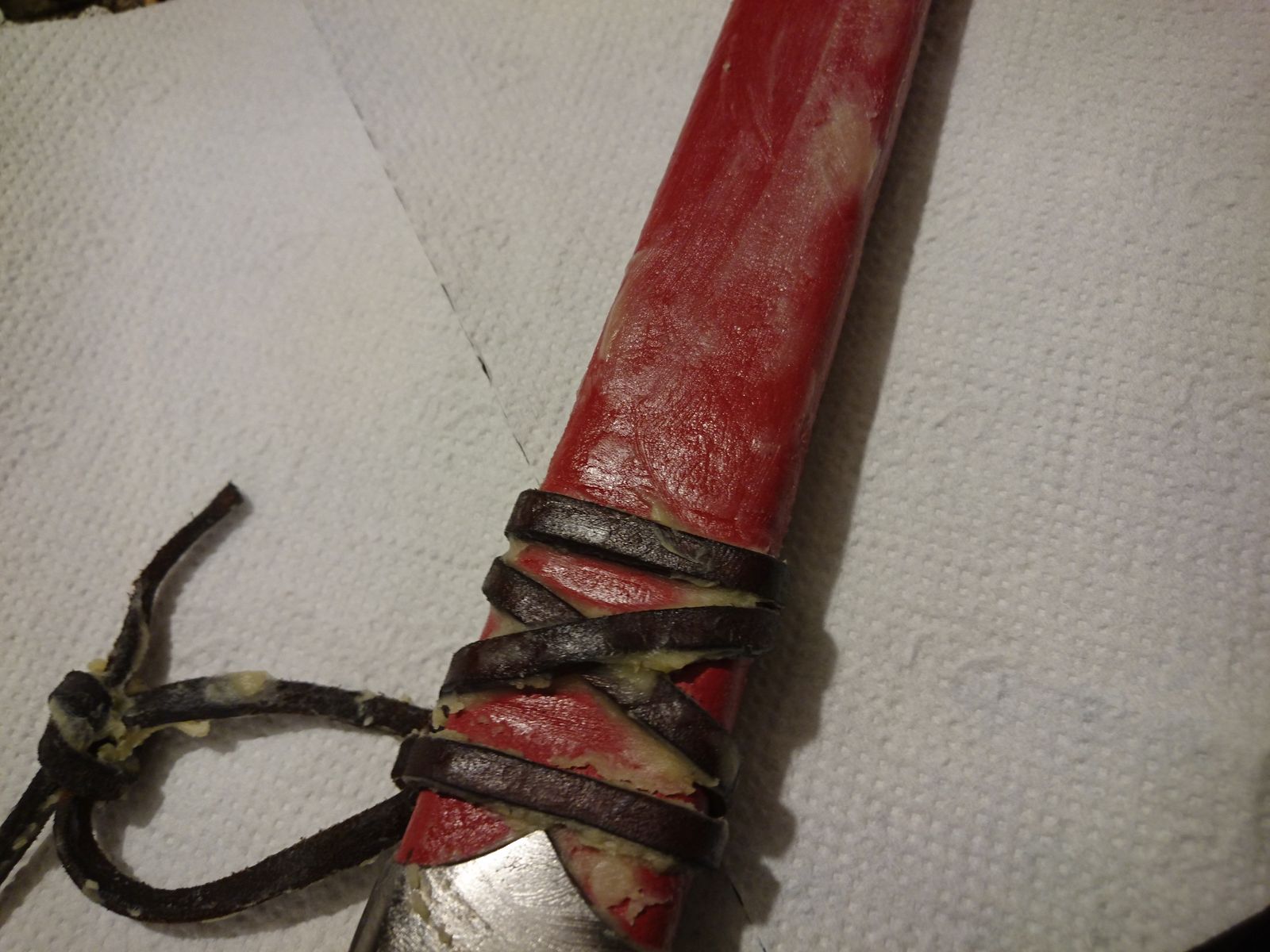
Dubbin applied to the scabbard.

That of course does not look very pretty, so I took a heat gun and melted it all until it sunk into the surface. I was careful however to not heat it too much – just about to melt it and no more. Leather does not respond too well to heat and I did not want to damage it.

When that was done I rubbed the scabbard first with a paper towel which took off some of the excess dubbin, then simply by hand. The dubbin is actually relatively pleasant to touch – not unlike a hand lotion in fact, although it is more solid.

The leather strap tied around the scabbard unfortunately did not survive this – it was made from recycled leather of poor quality and tore off. I have cut a new one and this time I plied it with dubbin before tying it around – and that seemed to have worked rather well. The dubbin made the old leather soft and pliable and also sleek, so it was much easier to pull it through the holes and tie the knots than in my previous attempts.

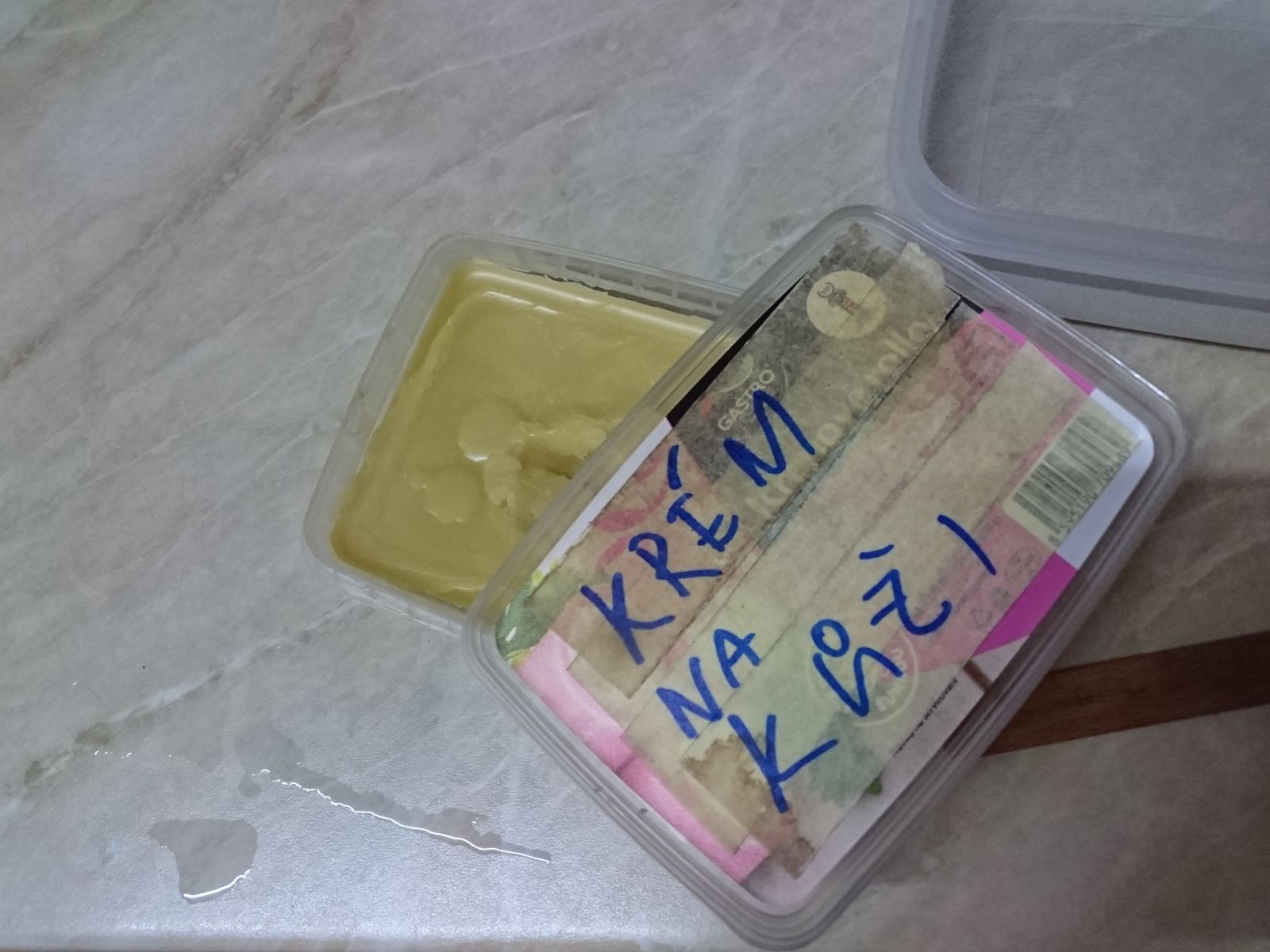
I intend to buy a soft bristle brush at nearest opportunity that will be used for this substance exclusively. It has hardened into a yellow mass that looks like refined beeswax but is much softer to the touch – but not creamy as a hand lotion. I have labeled the lid of the plastic box and I have stored it in my workshop for future use. I think I got carried away a little here and made possibly a life’s worth supply.

If it goes rancid I will let you know. I hope not. And next time you see the “Rondel Dagger” title, there will be pictures, I promise.

Dubbin.

Harakka Island – Chapter 3

It’s time for the next chapter of Ice Swimmer’s series, Harraka – An island. Thanks again, Ice Swimmer. I’ll let you take it from here


Chapter 3 – Former FDF Building


1. Main Door, Former FDF Building, ©Ice Swimmer, all rights reserved

The building is from 1928 and it used to belong to Finnish Defence Forces and nowadays it is used by artists who can hire studio space for five years at a time there. This is the main entrance.


2. The building and the Birch, © all rights reserved

There is a big birch next to the building.


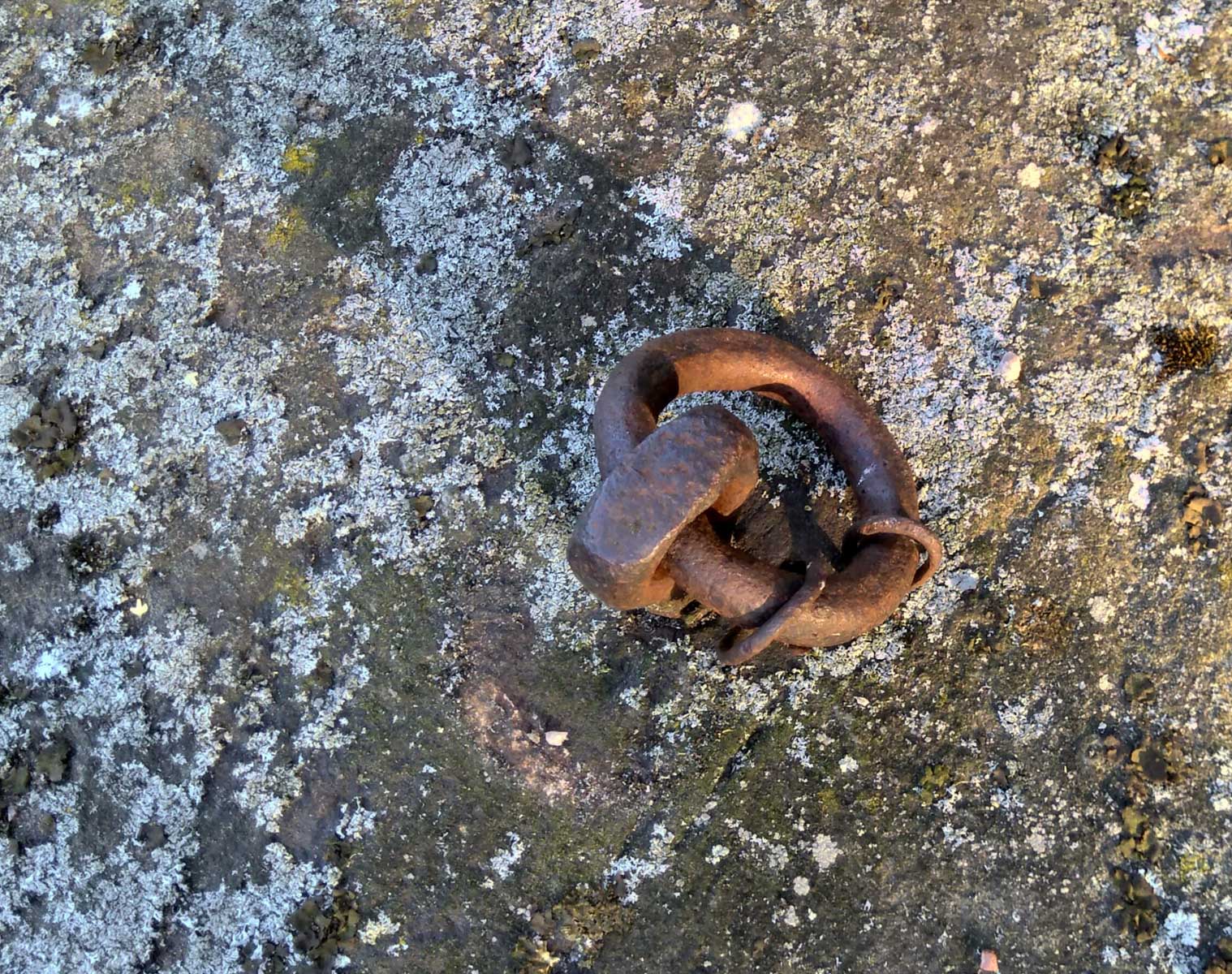
3. Rusty Ring, ©Ice Swimmer, all rights reserved

A ring fixed into bedrock next to the building. As for the picture, Caine was definitely an influence for me in this kind of photography.


4. Corner, ©Ice Swimmer, all rights reserved

We’re going around the building. This is the northwestern back corner.


5. Backyard and Fireweed, ©Ice Swimmer all rights reserved

There was a lot of fireweed in bloom on the island. Now we’re in the backyard of the Artists’ Building, looking at earthworks built when Harakka was partially fortified.


6. Tractor, ©Ice Swimmer, all rights reserved

The little tractor is probably used for hauling various things.

7. Chemistry Equipment, ©Ice Swimmer, all rights re

The building was used by the FDF as a chemical laboratory. For that reason, while there were plenty of wild raspberries, strawberries and other berries growing on the island, tasting them didn’t feel too attractive. The building is actually the third site for the FDF Chemical Laboratory. At first, the laboratory was in downtown Helsinki, in the same building that housed the University of Helsinki Chemistry Department and after that in one of the garrisons in Helsinki before it was moved to the island.


8. Whose Island part II, ©Ice Swimmer, all rights reserved

The ratio of shoes / webbed feet is fairly small.


9. Birch stump, ©Ice Swimmer, all rights reserved

At the southwestern corner of the building, there used to be a birch.

Now we have seen the building used by military chemists and subsequently artists and some of its surroundings. Next, we’ll go a back, a bit south in the backyard of the building.

(link to previous post, Harakka an Island: Chapter 2)


Youtube Video: Nurgle Plague Sword Build

Michael Cthulu is not a smith, he is a welder. And he does not make historically accurate replicas, he makes ridiculous, humongous swords from computer games that have no chance whatsoever to being actually functional in the real world.

But he is entertaining to watch and he has shown some tricks in his videos that are valuable to me in my workshop – like his unique working goggles with replaceable glasses.

He also seems to be a genuinely nice person, at least judging by the ammount of his products he auctions for charity ever since he makes enough money for comfortable living.

Mild content warning – the video takes almost an hour and contains half-naked and very hairy dude in his fifties doing dangerous things with fire, electricity and fast spinning machinery.

Fancy Bats

Joseph Zowghi has sent us another of his fancy bat portraits. This time it’s a group of Ectophylla albas, otherwise known as Honduran white bats, gathering under a leaf. I was happy to find this submission because I’m fond of Joseph’s drawings. The rounded, repetitive lines draw me in and the artist has a talent for making bats look appealing. Thanks so much for sharing, Joseph.

Harraka Island – Chapter 2

Today we’re back with Ice Swimmer for the next chapter in his series Harakka, an Island. Thanks, Ice Swimmer. I’ll let you take it from here…


Chapter 2 – Uphill


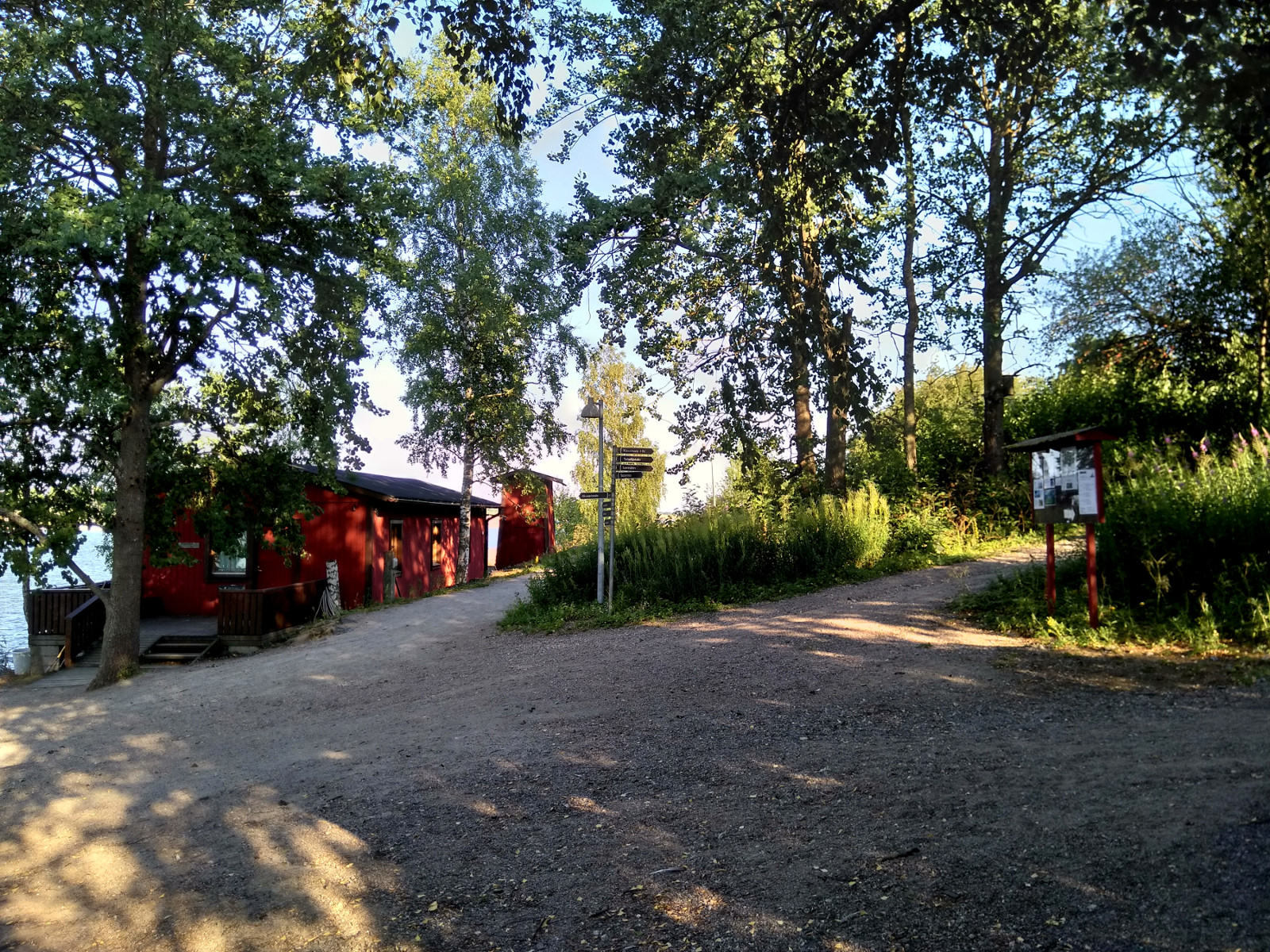
1. Crossroads, ©Ice Swimmer, all rights reserved

In picture 1 we’re looking south. The low wooden building is the brackish water aquarium building. We’re going to go uphill, to our right.


2. Geese Uphill, ©Ice Swimmer, all rights reserved

A barnacle goose family is blocking our way. They’ve got little ones so the parents may get aggressive.


3. Geese Uphill in More Detail, ©Ice Swimmer, all rights reserved

A closer look at the geese.


4. Uphill, © all rights reserved

After a bit of an undocumented detour, the goose family is elsewhere so we can try going up the hill. It seems there’s a dead tree at the end of the road.


5. Dead Tree and a Windmill, ©Ice Swimmer, all rights reserved

Indeed, a dead tree, a lamp post and a windmill/wind turbine. And there are a few gulls.


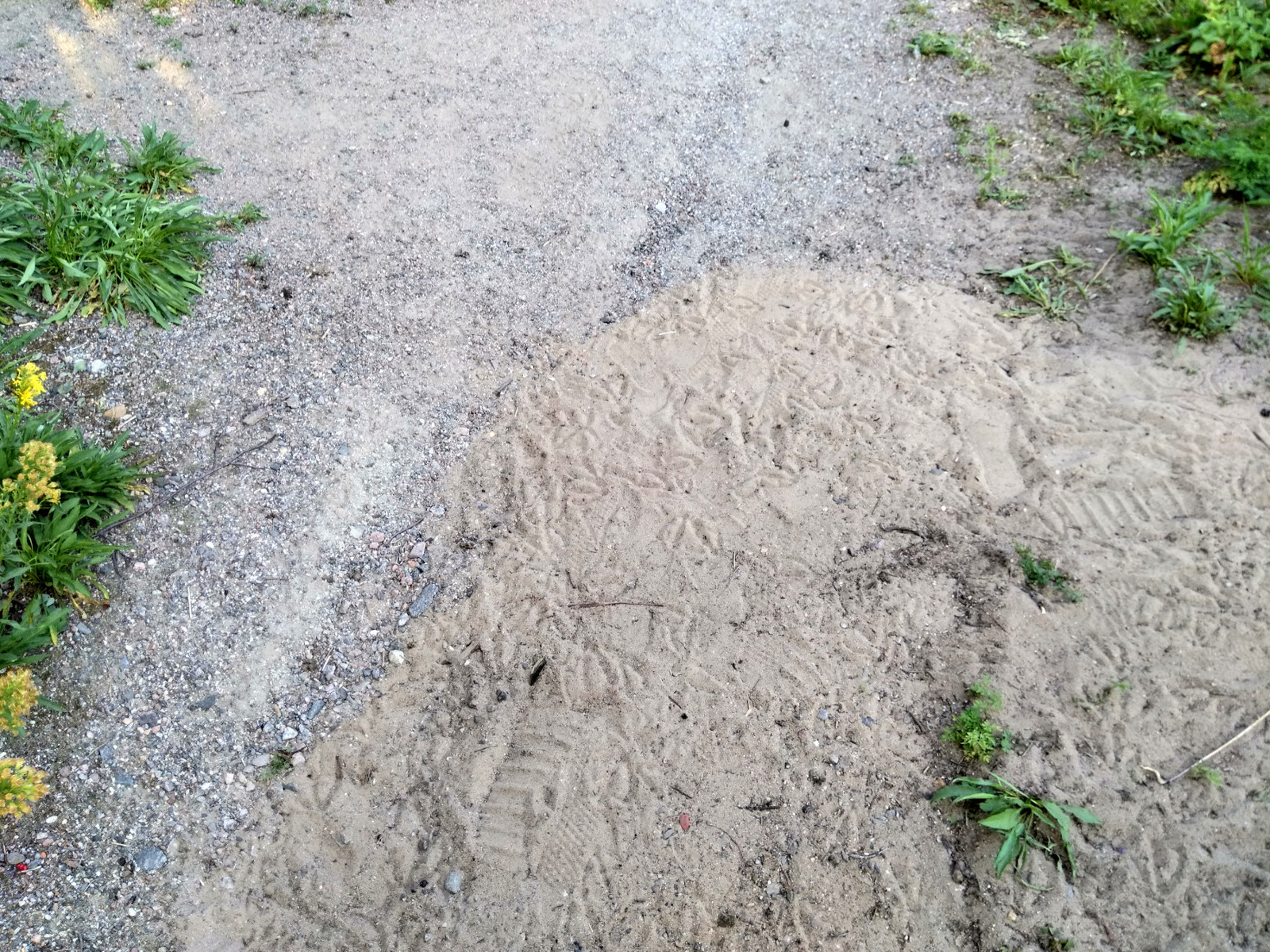
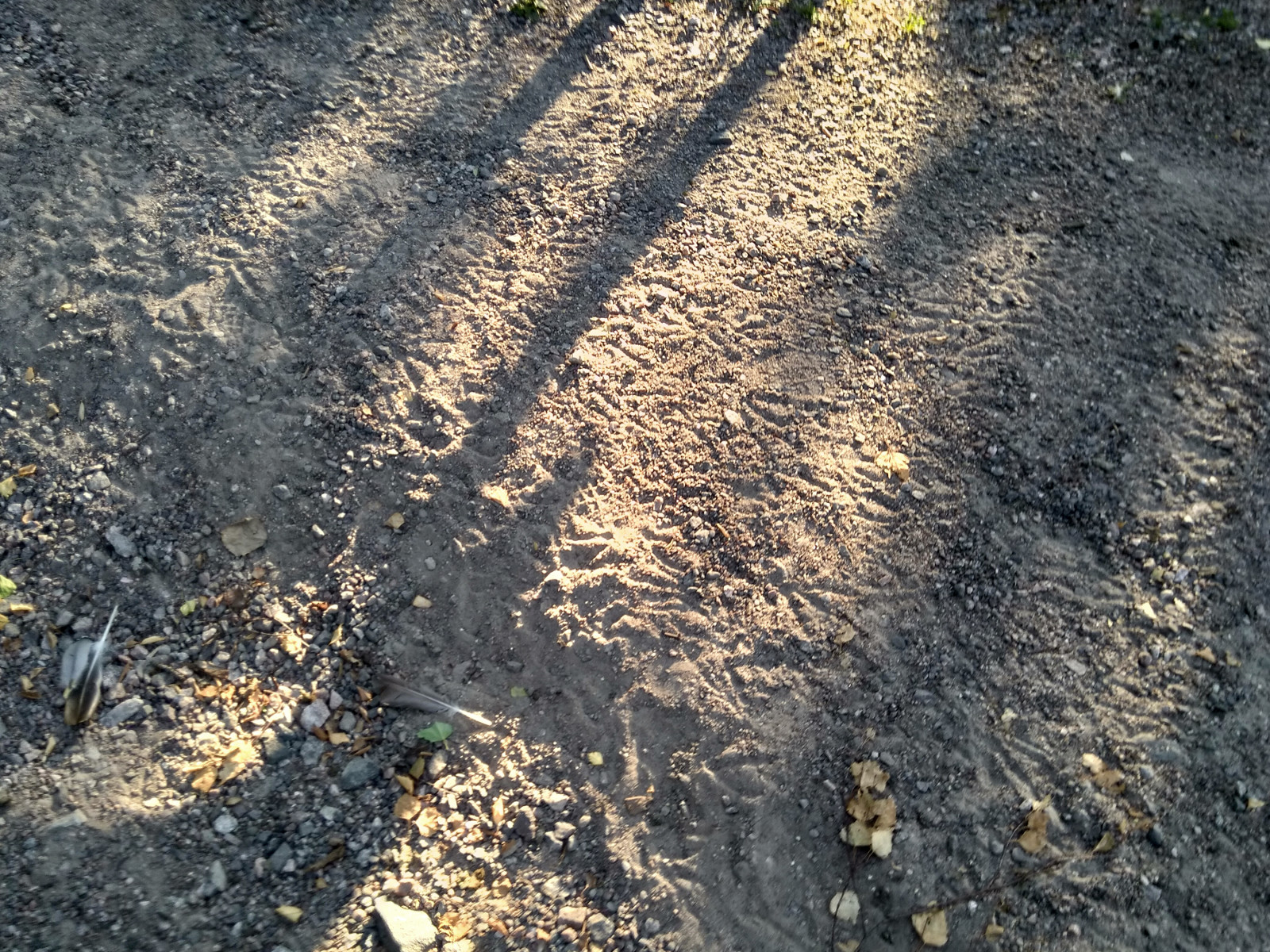
6. Footprints, ©Ice Swimmer, all rights reserved

Going up the hill and looking at the gravel, one begins to wonder: “To whom does this island belong?”


7. Building, ©Ice Swimmer, all rights reserved

The gulls are observing their surroundings and we can see a vaguely neoclassical building.

(link to previous post, Harakka an Island: Introduction)

Itsy Bitsy, Lean and Mean

This is the last in this Itsy Bitsy Spider week, that has gone on for almost two weeks. That does not mean however that spider contributions are not welcome anymore. Should you come across some pretty specimen, definitively take a picture to share.

Today’s picture is from rq: Just a lean, mean, bug-eating machine hanging out.

Picture is bellow the fold.

[Read more…]

Tree Tuesday

This week Tree Tuesday comes to us courtesy of Opus who took these photos on Mt. Batchelor near Bend, Oregon. The first shot shows just how windswept the location is with a tree that could only manage to grow in a single direction. The next two photos further demonstrate the harshness of the landscape in images of rock, scrub and the carcasses of long dead trees.  I find the set quite poignant, especially the last shot showing how the remains of a once proud giant breaks down to feed a whole new generation of trees. Thanks for sharing, Opus.

Mt. Batchelor, near Bend, Orgeon, ©Opus, all rights reserved

©Opus, all rights reserved

©Opus, all rights reserved