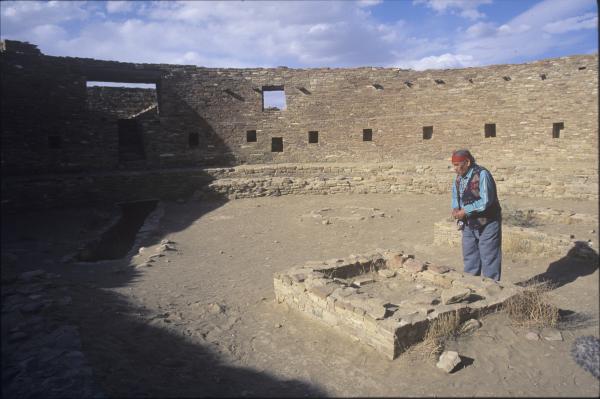
The Dakota Access Pipeline would run perilously close to the Missouri River, above, the main source of drinking water for the Standing Rock Sioux Tribe. Credit: Thosh Collins.
Dakota Access Pipeline has been approved. All the work, all the protests, all the meetings, all the talking…pointless. That photo reminds me of one of my favourite places along the Missouri, north of Lake Oahe, and to think of oil spilling, oh, it doesn’t bear thinking about, but it must be thought about, and the fight has to continue. This is wrong, so very wrong.
Despite the strong opposition of several tribes, the Army Corps of Engineers has approved nearly all permits to build the Dakota Access Pipeline project. Construction has already begun in all four states along its path.
“We are saddened to hear of this permit approval but knew the writing was on the wall,” the Indigenous Environmental Network said in a statement. “The Corps has a long history of going against the wishes and health of tribal nations.”
The $3.4 billion, 1,134-mile-long pipeline proposed by the company Energy Transfer, is also known as the Bakken pipeline, since that is the type of crude that would be transported through it. The battle to stop the project began months ago, when word of its potential construction began to spread. Activists and individual landowners who did not want the pipeline crossing their land immediately began to resist.
Soon after, the Standing Rock Sioux Tribe launched a massive campaign to improve understanding of the devastation that a pipeline spill could cause. The “Rezpect Our Water” efforts included dozens of children from Standing Rock who worked hard to try bridge understanding between the tribe and the outside world. Through a series of videos and grassroots efforts, the youth of Standing Rock asked that their lands and livelihood be taken into concern.
The Standing Rock Sioux Tribe met with the U.S. Army Corps of Engineers on several occasions in the past year in hopes of convincing them to deny permits. All water crossings along the pipeline’s path needed federal approval. The Corps would have had the power to stop the pipeline from crossing the south-flowing Missouri River near the Cannon Ball community on Standing Rock’s northern border. This crossing point poses a particularly dangerous threat to the Standing Rock community as a pipeline break would contaminate the Missouri river, damaging the entire water supply of tribe, destroying land and creating a public health disaster for the reservation.
The tribe’s efforts and the youth of Standing Rock generated attention and support from thousands of supporters across the nation.
The Corps’ decision, however, did not reflect concern for the tribe or for the youth of Standing Rock. They granted permits to all 200 water crossings along the pipeline’s path, including the most potentially destructive point near the Reservation’s northern border. The Corps also ignored a plea by three federal agencies requesting a full environmental review.[…]
“This decision will not deter the resistance against the dirty Bakken pipeline,” stated the Indigenous Environmental Network. “This decision merely highlights the necessity for the Corps of Engineers to overhaul the Nationwide Permit No. 12 process, which has been used by Big Oil to further place our lands, indigenous rights, water and air at greater risk for disaster. We demand a revocation of this permit and advocate for the rejection of this pipeline.”
The Pipeline will bring tax revenue to all counties and states along its path. While the land and people of Standing Rock face great risk of seeing damaging environmental impacts, they will not see any of the benefits. The pipeline crosses just north of Sioux County, where the Standing Rock Reservation is located. Tax revenue will not be generated for the tribe.