Got some more work done today, a bit more of the background is finished, and the last bit of background started. Current Hours: 1,007. Skeins Used: 146.


© C. Ford, all rights reserved.

Got some more work done today, a bit more of the background is finished, and the last bit of background started. Current Hours: 1,007. Skeins Used: 146.
© C. Ford, all rights reserved.
Beautiful shrooms, from Kestrel. Click for full size.

This is the quintessential mushroom, Amanita muscaria.

Who is that hiding in the kinnikinnick? Oh look! It’s Suillus sibericus! Not all mushrooms have gills. Suillus are what’s called a bolete, and instead of gills they have tubes neatly stacked together.

Suillus sibericus.

Pleurotus ostreatus. This entire log was covered. It was amazing to see such a large fruiting. I took a photo of only one small clump.
© Kestrel, all rights reserved.
From Giliell:
There’s an old tree in the yet to be rented property behind our garden, mostly overgrown and partially dead.. I don’t know if and how it can be saved, but it is glorious in its current decay.
Click for full size.

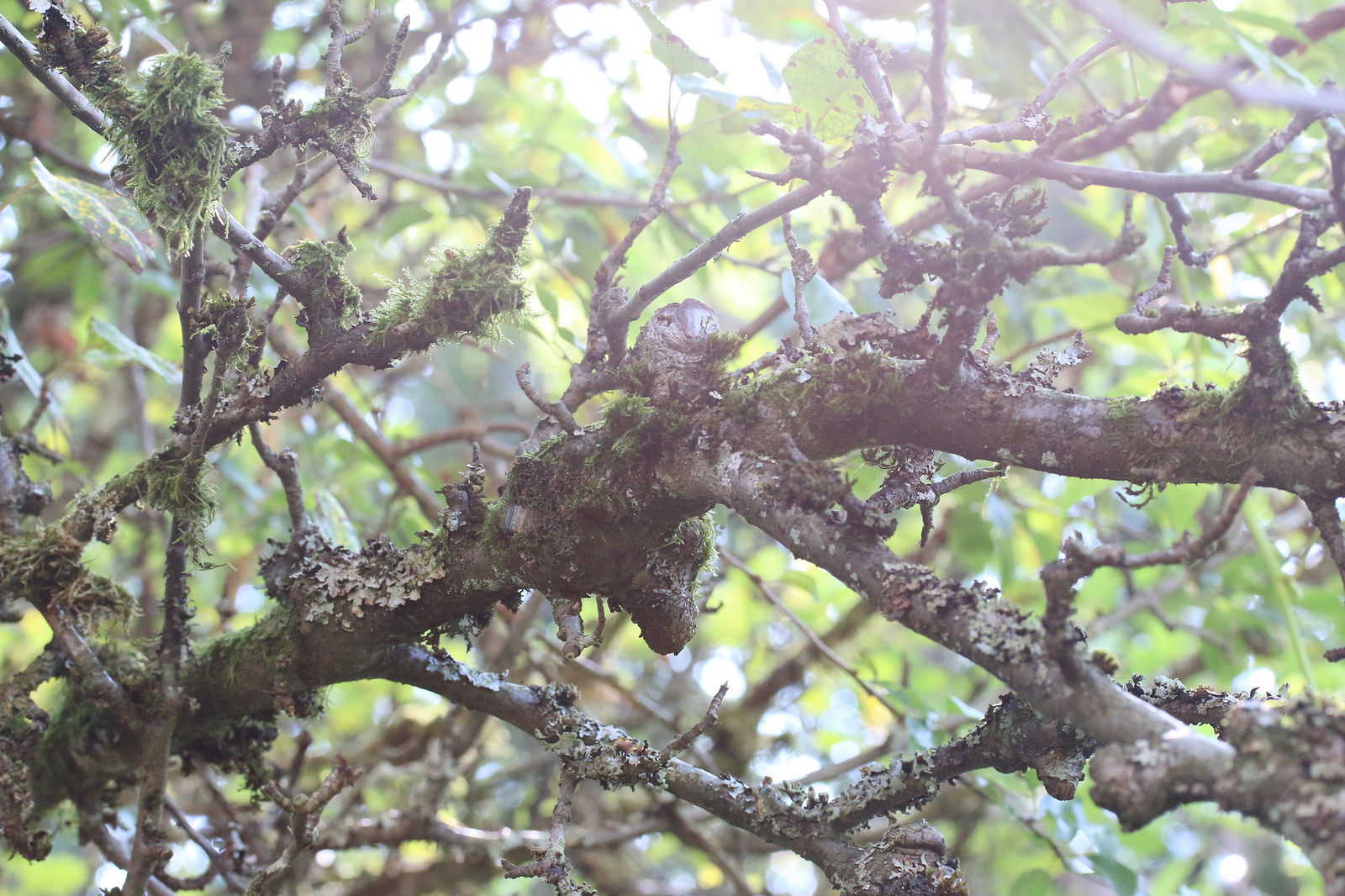
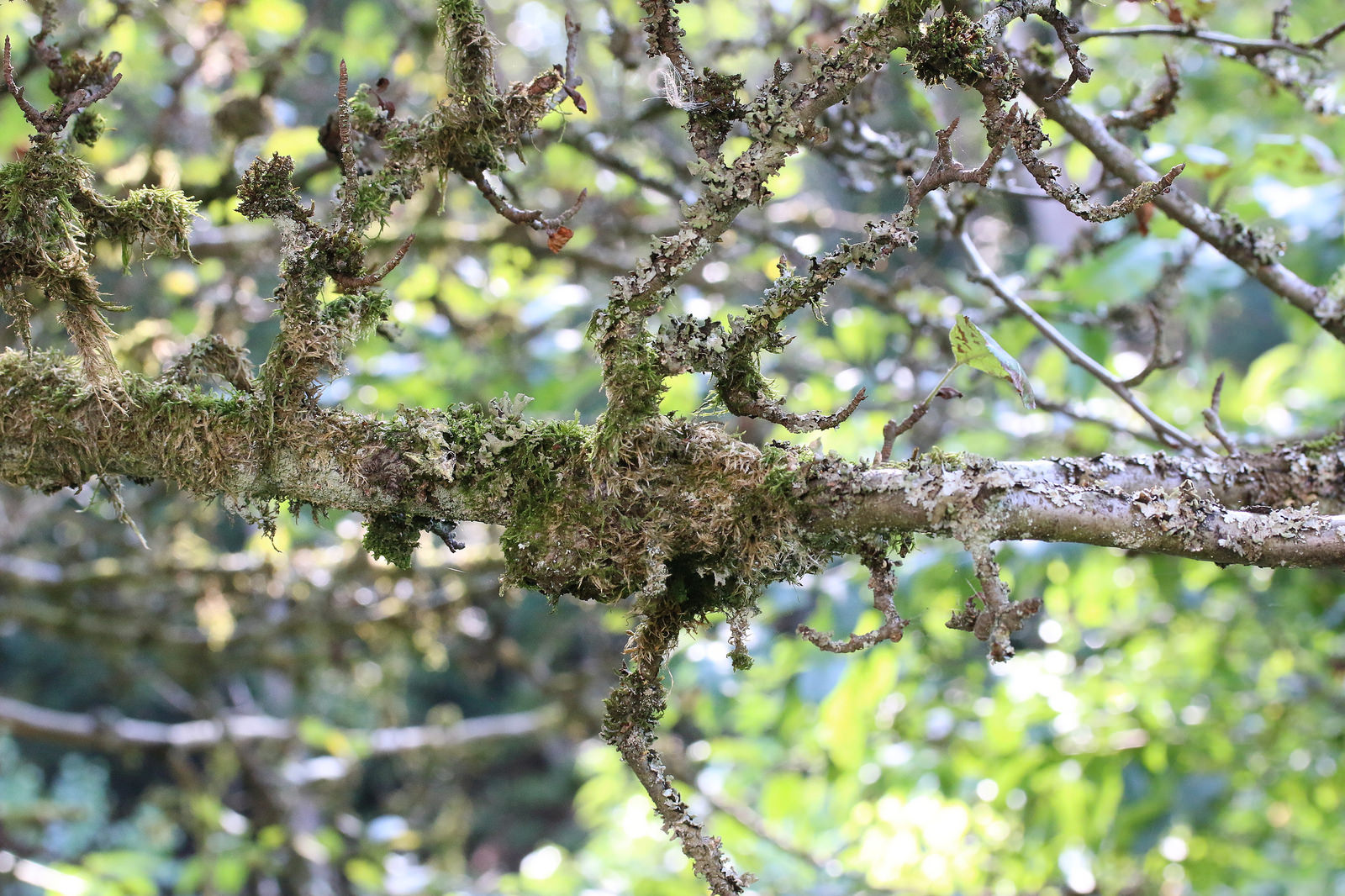


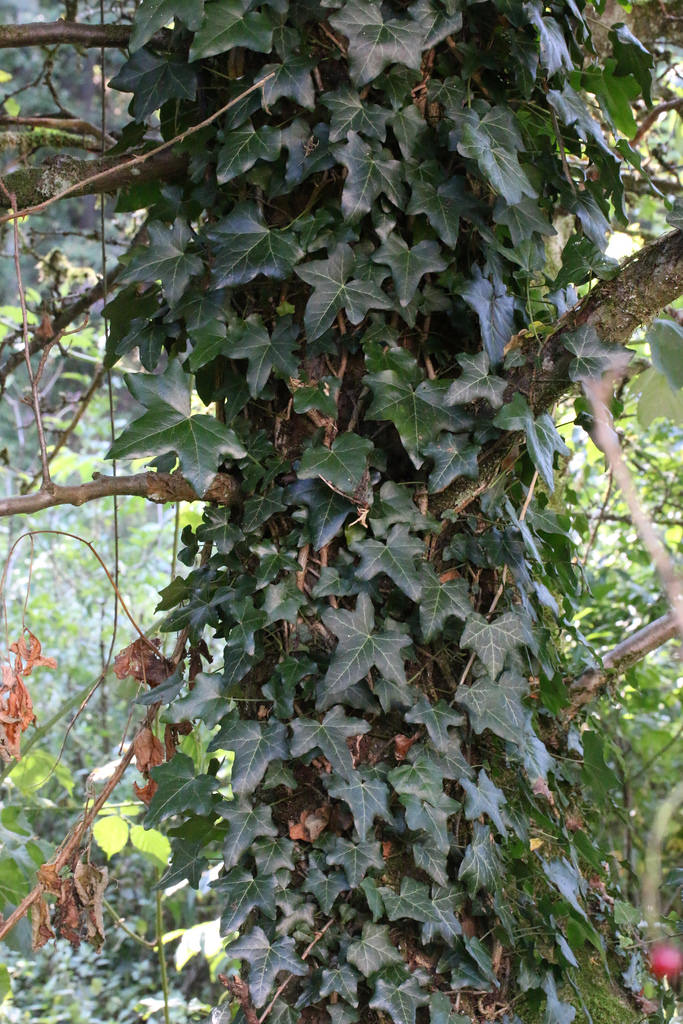
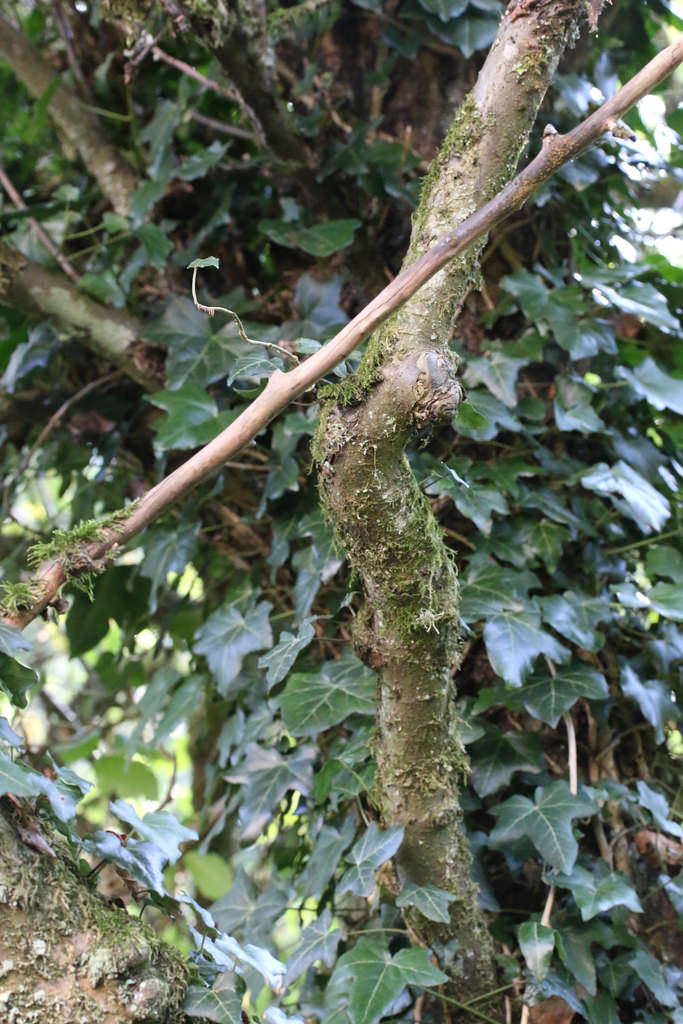
© Giliell, all rights reserved.
A very young female Downy Woodpecker. Click for full size.
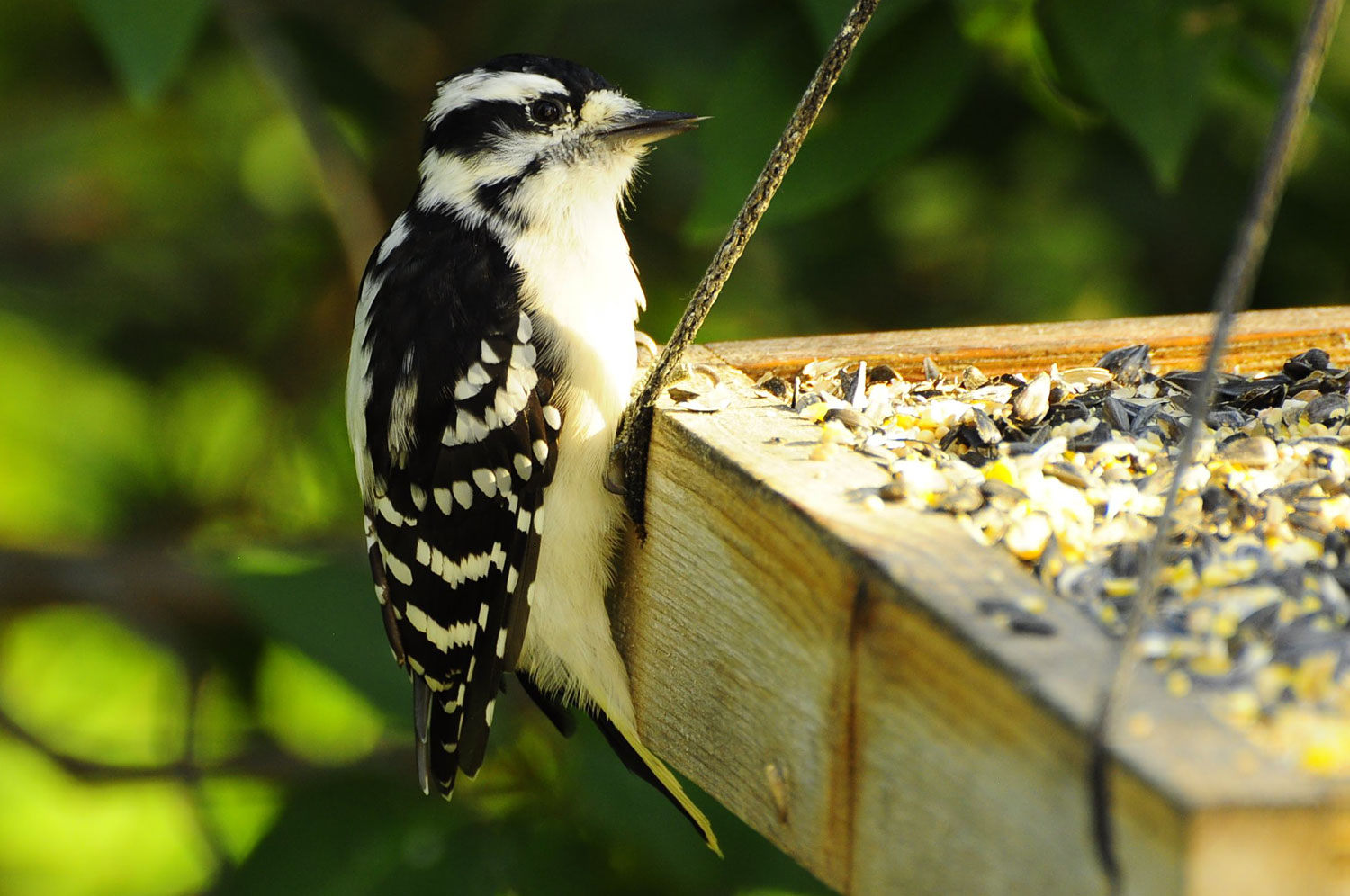


© C. Ford, all rights reserved.
Take a stand for #StandingRock Thursday in Reno! #NoDAPL #DakotaAccessPipeline #Bismarck #DakotaAccess #NDoil pic.twitter.com/1ZE8Go9Czp
— PLAN (@PLANevada) August 24, 2016
Support Sacred Stone Camp. Legal Fund Help. Rezpect Our Water. Sign the Petition. Sign urgent petition.

Indianapolis police shoot homeowner (Vic Ryckaert/Twitter).
Officers were called shortly after 4:30 a.m. to a robbery call at a home in the Warren Woods neighborhood, reported the Indianapolis Star.
The homeowner opened his garage door when officers arrived, and they found him standing inside armed with a gun.
Police shot the man at least once in the midsection, believing he was the robbery suspect.
They soon realized their error, after initially reporting the suspect had been shot, and the man remains in serious condition at an area hospital.
Police learned the homeowner’s wife had arrived home from a work a short time earlier and was held up at gunpoint by a robber who then took her car keys.
The robber was unable to start the car and then fled on foot, but not before the couple reported the attempted carjacking.
The suspect remains at large.
Other residents of the neighborhood, which is 59 percent black according to U.S. Census records, said the shooting was outrageous.
“I think that’s really crazy,” said resident Angela Parrott, who has lived in the neighborhood for about a year. “What do we have, trigger-happy police officers out here now?”
The homeowner’s name has not yet been released, and police said the shooting remains under investigation and will be presented before a grand jury.
“Our prayers and thoughts are with him and the rest of the family,” said Randal Taylor, the assistant chief of investigations for Indianapolis police. “Just an unfortunate occurrence.”
No. No Mr. Taylor, this was not an unfortunate occurrence. An unfortunate occurrence is something like dropping your keys in a deep puddle of mud, when you’re running late and dressed up. Shooting someone in the abdomen? That’s intentional. It’s also bloody stupid, because the way cops are trained to act is bloody stupid too. You cops know damn well that just about every person in uStates is armed, you know that very well, given the sheer amount of cops who are against gun control, so cops going on autoshoot is especially stupid. Stupid isn’t strong enough. Words, need better, newer words for the depth of this ongoing malicious paranoia. What happened to “drop your weapon” before opening fire? Is that passé now? What about all that chemical spray, tasers, all that stuff? It would seem that every cop out there has decided to go full on scaredy pants and just open fire on anything and anyone.
Not sure why I'm the only reporter at this corner pic.twitter.com/URVIikjYOm
— Vic Ryckaert (@VicRyc) August 23, 2016
Oh, I know the answer, pick me! The answer is 59 percent black.
Via Raw Story.
Evacuation drills for the children were conducted at #NoDapl camp. In case the soldiers come. pic.twitter.com/bQ1S0CCRsB
— Black Buffalo Woman (@RedRoadWoman) August 23, 2016
Support Sacred Stone Camp. Legal Fund Help. Rezpect Our Water. Sign the Petition. Sign urgent petition.
Saturday, Aug 27, in Los Angeles #NoDAPL. Please share! pic.twitter.com/mIQIBbFip7
— Grace (@curanderismo) August 23, 2016
If you’re in the LA area and can make this, please, please do! Get in the face of mainstream media, ask why we aren’t worth news? We promote protection, peace, responsibility for and allegiance to our earth, the water that is our life, and the protection of all the lives which go forward from here, all the children, all the grandchildren. If we do not stand, if we do not resist, if we do not say no, then the black snake gets to devour us all, leaving us with a dying earth and poisoned water. We must not be resigned, we must care.
As for media, why is peaceful protection not worth a story? Why is an obligation to our earth boring? Why is a commitment to non-violence so non note-worthy? Why do Native lives never matter?
We can change this. Stand with us. Join us. Add your voice. Whatever can be done, please do it. We need everything. We need you.
Support Sacred Stone Camp. Legal Fund Help. Rezpect Our Water. Sign the Petition. Sign urgent petition.

Mark A. Tilsen, Sr., President, Native American Natural Foods.
We are proud to be able to share our Tanka Bars with true water warriors. I just got back from delivering another 5,700 Tanka Bars to the Standing Rock water protectors. Spending four days at the camp, you realize that we are at a historic moment!
The unity and deep commitment to peaceful, nonviolent protest and the respectful way in which people of many nations – native and non-native – are living together to form a solid resistance is a very moving and powerful statement from which I think we can all learn. While some have expressed a willingness to die to protect their communities, Tribal President Dave Archambault asked in a speech to the entire camp that the young people make a commitment to live! Fight and work for Native communities by being great fathers, mothers and grandmothers. He recognized that this fight is part of a long history to stop exploitation of the Standing Rock community and a new movement toward building a healthy, sustainable future. He expressed his love and appreciation for to every tribal member and supporter there.
President Archambault’s open expressions of love of his people was refreshing to hear from a politician and is in sharp contradiction to the governor and state government of North Dakota, which is completely controlled by the oil industry. The state pulled out all water and safety services without notice to the more than 2,000 people at the camp on a day when temperatures were hitting 100 degrees, and is preparing to remove the water protectors when given the first excuse!
The next 72 hours will be critical. Please read the following New York Times article and share it with your friends. Contact the White House, the Army Corps of Engineers and give donations of money, water, food or your talents to help.
Occupying the Prairie: Tensions Rise as Tribes Move to Block a Pipeline Join us in saying it’s no longer OK to keep oppressing and threatening the Indian communities that we have and let us all stand together and support those who are leading the transition from a petroleum-dependent economy that is threatening our planet to a new economy that can provide true sustainability and full employment.
Other progressive natural foods companies who would like to join Native American Natural Foods, and over 80 tribes, organizations and other food companies from across the country help feed the over 2,000 water warriors at Standing Rock, send your full pallets to:
Water Defenders of the Standing Rock Sioux tribe
Blg # 1 North standing Rock Ave
Fort Yates, ND 58538If you are sending perishables or frozen products, please notify Standing Rock Sioux Tribe Executive Secretary Johnelle Leingang at 701-854-8524 or [email protected]
They have a major need for fresh fruits and vegetables but prepackaged healthy foods will be great as well.
Via the Tanka blog. Tanka’s products are absolutely delicious, by the way, all of them.
Support Sacred Stone Camp. Legal Fund Help. Rezpect Our Water. Sign the Petition. Sign urgent petition. And Washington DC people, don’t forget – the hearing is tomorrow! Susan Sarandon has tweeted that she will be there, among many others.

Nearly a month after the NBA announced that it would move the 2017 All-Star Game from Charlotte, N.C., in the wake of the state’s anti-LGBT law, league leadership announced today that the game will take place in New Orleans.
CNN reports that the February 19 game will be played in New Orleans’s Smoothie King Center, marking the third time the Big Easy has hosted the All-Star Game.
“New Orleans is a world-class destination for sports and entertainment and we are very appreciative that the city is once again hosting our All-Star festivities,” NBA commissioner Adam Silver said in a statement today. “We are grateful to Tom and Gayle Benson and the Pelicans organization and to Governor John Bel Edwards, Mayor Mitch Landrieu and the Greater New Orleans Sports Foundation for inviting us back for what promises to be another exciting and memorable celebration of the game.”
The news comes as tens of thousands of Louisiana residents work to rebuild after historic flooding that has destroyed an estimated 40,000 homes in the southern part of the state, killed at least 13 people, and prompted more than 86,000 to seek federal disaster assistance. The NBA and its National Basketball Players Association have promised to contribute financially to the recovery effort, in addition to volunteering time and resources during the weeks leading up to the game.
“Even in the midst of a historic crisis, I am excited that the NBA has recognized how great the city of New Orleans and the state of Louisiana are,” Gov. John Bel Edwards said in a Friday statement. “In Louisiana, one of the strongest bonds that unites all of us is our passion for sports. Not only will NBA fans be able to participate in the All-Star Game events, they will also be a part of our world-famous Mardi Gras festivities. The fan experience can’t get any better than that.”
Full Story at the Advocate.

Family Research Council leader Tony Perkins.
Yes, that’s right, Tony Perkins, head of the Family Research Council, a rabidly anti-queer religious extremist.
Donald Trump has reportedly donated $100,000 to help Louisiana residents affected by disastrous floods — but he’s put it in the hands of an anti-LGBT church whose interim pastor is Tony Perkins, head of the infamously homophobic Family Research Council.
I want to emphasize that reportedly, because supposedly, Trump has made donations before, but they have an interesting way of never showing up anywhere.
Trump visited the church, located in the Baton Rouge suburb of Greenwell Springs, and made other stops in the area at the invitation of Perkins. The church is affiliated with the Southern Baptist Convention, the nation’s largest Protestant denomination, which believes that being LGBT is a sin. The Greenwell Springs church’s website includes a “Statement on Marriage and Sexuality,” which reads in part:
We believe that any form of sexual immorality, such as adultery, fornication, homosexuality, bisexual conduct, bestiality, incest, pornography or any attempt to change one’s sex, or disagreement with one’s biological sex, is sinful and offensive to God.
It asks church employees and volunteers to “abide by and agree to” the statement and “conduct themselves accordingly.”
[…]
Perkins, as a Louisiana delegate to this year’s Republican National Convention, took credit for helping to create what even the Log Cabin Republicans, a gay conservative group, termed the most anti-LGBT platform in party history. It continues to oppose marriage equality, denounces the Obama administration’s call for transgender students’ access to gendered facilities of their choice, and contends that parents have a right to enroll their children in any kind of therapy. The last is a thinly veiled endorsement of “ex-gay” therapy, even though major medical groups condemn it as ineffective and harmful, and several states and cities have barred licensed professionals from subjecting minors to it.
The Advocate has the story.

August 18th, 2016. Reuters.
Indianz.com reports:
Sheriff Kyle Kirchmeier of Morton County has been largely responsible for law enforcement at the site and he has accused protesters of shooting guns, carrying weapons and even threatening to use pipe bombs against his officers. But tribal members told The New York Times that the “bombs” were mistaken for sacred Chanunpa pipes used in ceremonies.
It’s bad enough the feds and “homeland security” has decided to lie about why they pulled the camps’ water supply and air conditioned trailer. This wouldn’t have anything to do with intimidation and force, oh no. *spits* And seriously, Chanunpa are pipe bombs? Please, the last thing we need is stupid cop paranoia.
WE ARE STANDING. WE ARE RESISTANCE. JOIN US.
Support Sacred Stone Camp. Legal Fund Help. Rezpect Our Water. Sign the Petition. Sign urgent petition. And Washington DC people, don’t forget – the hearing is tomorrow! Susan Sarandon has tweeted that she will be there, among many others.
North Dakota Authorities are now blocking the shit trucks to prevent cleaning of port-a-potties. That's just evil. #NoDAPL
— Kevin Carter (@wapimaskwa69) August 23, 2016
Live news from the camp, I’ll update when possible.
@andersoncooper @billmaher @VICE @Trevornoah @iamjohnoliver#NoDAPL #HonorTheTreaties #WaterisLife pic.twitter.com/z3fIX07x0E
— LaughingMoons77 (@LaughingMoons77) August 23, 2016
#NoDAPL camp under the Milky Way. Photos via KILI radio. pic.twitter.com/EjjHZM6BuB
— Black Buffalo Woman (@RedRoadWoman) August 23, 2016
Steven Newcomb (Shawnee, Lenape) has an excellent column up at ICTMN, and it’s very relevant to the state’s latest moves against the Lakota people.
The state of North Dakota has removed water tanks from where those standing against the Dakota Access Pipeline are camped. #Inhuman #NoDAPL
— Simon Moya-Smith (@SimonMoyaSmith) August 23, 2016
Onto the column…
When I saw the news of Chairman Archambault’s arrest, it made me think of something our great Shawnee leader Tecumseh said to an audience of Native people:
“The Great Spirit in His wisdom placed you here and gave it [this land] to you and your children to defend. But ä-te-wä! [alas!] the incoming race, like a huge serpent is coiling closer and closer about you.”
Of the pipeline, Chairman Archambault says, “We don’t want this black snake within our Treaty boundaries.” He continues, “We need to stop this pipeline that threatens our water. We have said repeatedly we don’t want it here. We want the Army Corps of Engineers to honor the same rights and protections that were afforded to others, rights we were never afforded when it comes to our territories. We demand the pipeline be stopped and kept off our Treaty boundaries.”
The proposed pipeline will carry millions of barrels of crude oil. It only takes one break and a massive release of the hydrocarbons to poison sacred waters for the Standing Rock Sioux Tribe with toxicity. The Standing Rock Hunkpapa know that water is the basis of life and ought to be held in the highest regard.
Ms. Taliman says the conflict is taking place in “Hunkpapa Territory near Cannon Ball.” To an extent this is what the Dakota Access pipeline project comes down to: Whose territory is it, and whose values shall prevail in that territory? The values of the American empire? Or the spiritual and ecological values of Original Nations such as the Standing Rock Sioux Nation?