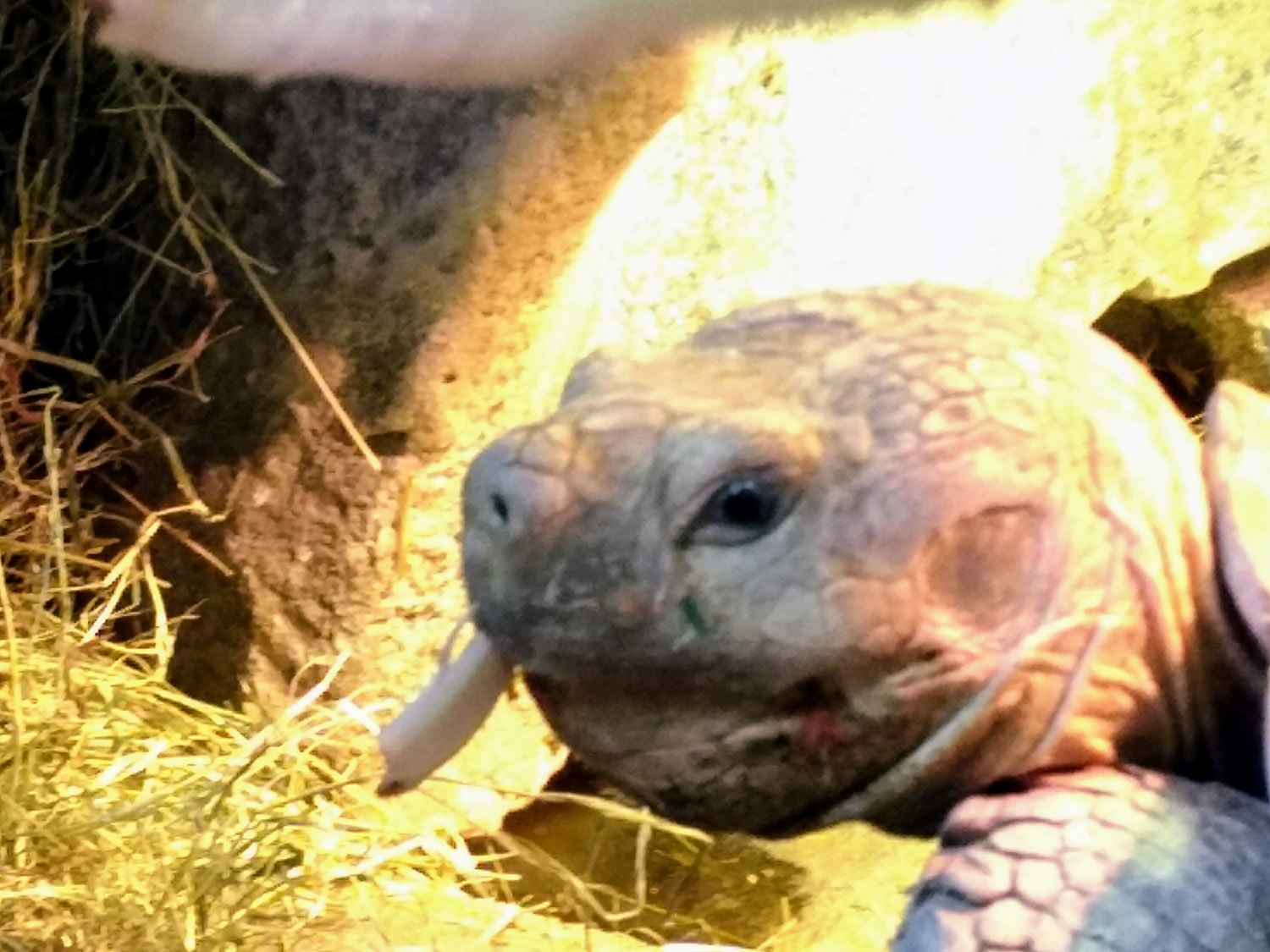
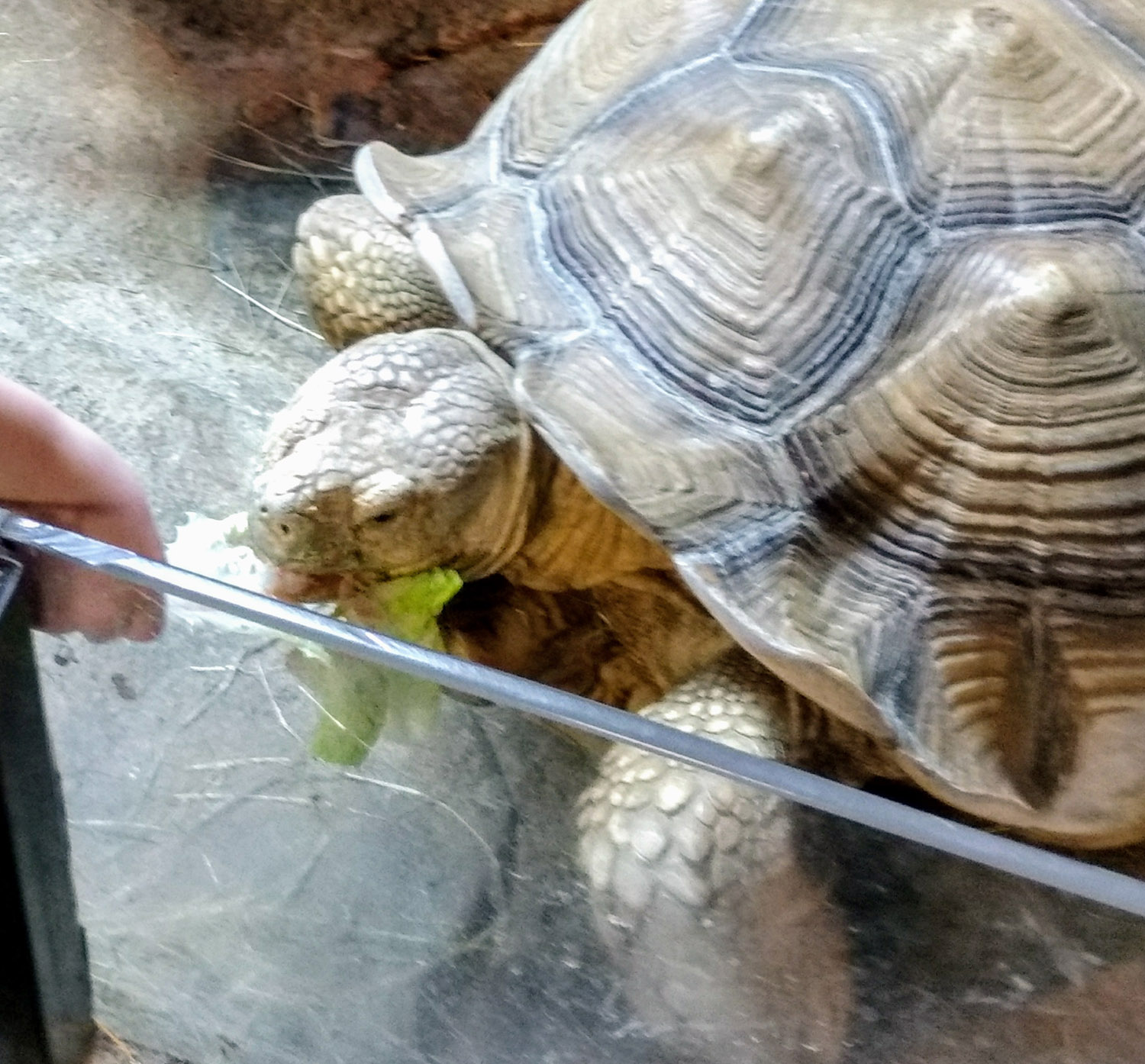
A tortoise named Spartacus from Raucous Indignation, click for full size!


© Raucous Indignation, all rights reserved.

A tortoise named Spartacus from Raucous Indignation, click for full size!
© Raucous Indignation, all rights reserved.
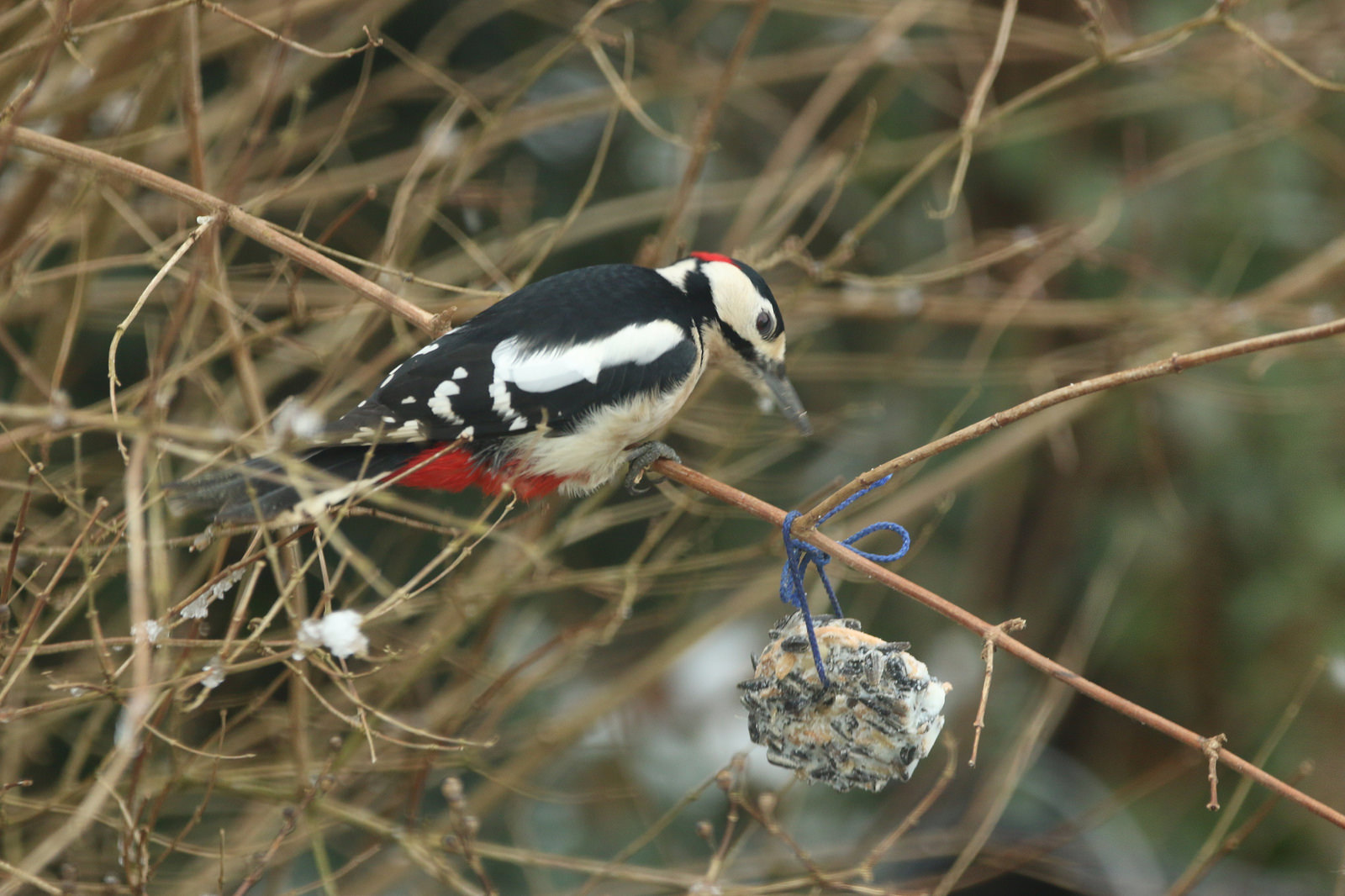
From Giliell, click for full size! Grand shots, all.



© Giliell, all rights reserved.

“Staying Alive” is among the buckets of emergency food available from “The Jim Bakker Show” for a donation. Inside: 241 servings of buttermilk pancakes, potato flakes, vegetable stew blend, Morning Moo’s low fat milk alternative and more. Tim Funk, Charlotte Observer.
Oh The Bakkers, always shilling. They’re just trying to stay alive! They have some seriously nice digs for people who are supposedly hangin’ by fingernails.
Televangelist Jim Bakker used Friday’s episode of his television program to warn that the volcano under Yellowstone National Park will soon erupt and urge his audience to buy his buckets of survival food to prepare. Bakker, whose business dealings around his prepper food are murky, told his audience that he was selling them the food at a very low margin. “I feel like we’re more of a co-op, you help me and I’m helping you, and we’re a co-op,” he said.
Mmm. Feeling like you’re a co-op doesn’t make it so. I suspect that Bakker doesn’t even know what an actual co-op is or how one works. I imagine he’d be horrified by the idea.
After offering his audience a soon-to-expire deal on food buckets, Bakker explained that his ministry takes “a piece” of the payment. “A little part of it goes to keep us on the air,” he said, “and it’s really a small part, it’s not even what a big store would have, a lot of stores would have a lot more profit in it than we do, but it’s what we do. It’s keeping us alive, but it’s going to keep you alive.”
Oh just a bit, a tiny bit! And everyone has to take him at his word, because the Bakkers have their con registered as a church, and they disclose nothing. This is their “church”:

Morningside Church, in Blue Eye, Mo. Tim Funk, Charlotte Observer.
Perhaps it’s just me, but that looks considerably higher than ‘stayin’ alive’ to me.
He went on to explain that he keeps buckets of food stored away in “hidden places” in his house so that he won’t get robbed in the End Times. “Just keep it a secret at your house,” he advised. “Because in the last days, perilous times comes, and see what kind of people are going to roaming around? Killers, without any love, without mercy. They’re just going to hate each other and judge each other.”
This is Bakker’s routine chorus, he’s been preaching end times for one hell of a long time now. I always find this interesting, because it always comes across like there’s no expectation of getting swept up by the rapture. I think if the whole planet is going to be 90% killers running about, perhaps having a stash of ick inna bucket might be a low priority. If Jim truly believes this line of crap, I’d think he’d be fervently in favour of gun control, but no.
“Remember that song you sang, ‘Staying Alive’?” he asked his wife, Lori. “Well, we’ve got to stay alive and we’ve got to pay the bills, that’s all. I feel like we’re more of a co-op, you help me and I’m helping you, and we’re a co-op.”
Everyone has to stay alive and pay the bills, Lori. It’s not a problem unique to you. Most people work honest though, rather than grifting and fleecing people, and doing it in the most gruesome of ways:
Yes, this is the compleat slaughter of My Girl. :shudder:

Clem Albers, “San Pedro, California, April 5, 1942” (courtesy National Archives and Records Administration).
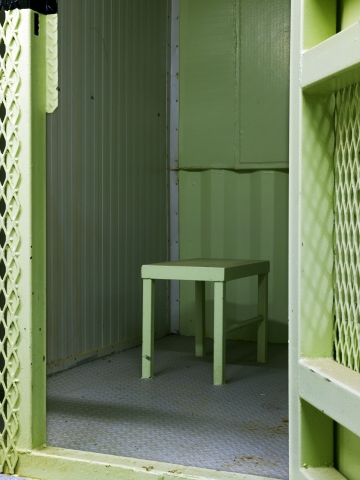
Edmund Clark, “Camp 1, isolation unit” from the series Guantanamo: If the Light Goes Out (2009) (© Edmund Clark).

Edmund Clark, “Camp 6, Immediate Response Force equipment,” from the series Guantanamo: If the Light Goes Out (2009) (© Edmund Clark).
The exhibition Then They Came for Me: Incarceration of Japanese Americans during World War II is what brought me to the International Center of Photography. After all, the wartime photos of Dorothea Lange, Ansel Adams, and Toyo Miyatake are much celebrated today, historical artifacts in themselves. But I felt compelled to stay for The Day the Music Died, British photographer Edmund Clark’s eight video, music, and photography installations on the post-9/11“War on Terror” around the globe.
The pairing of the two exhibitions invites viewers to search for parallels between US national security efforts more than 70 years ago and today: How does the forced relocation of virtually all ethnic Japanese people residing in the US during World War II resemble the dragnet of the current anti-terrorism apparatus around the globe? Both shows shed light on people, more that half a century apart, swept into detention by the US government without due process, in the name of national security. And the juxtaposition has become all the more timely since President Trump’s late January signing of an executive order to keep Guantánamo Bay’s prison open.
[…]
The exhibitions Then They Came for Me: Incarceration of Japanese Americans during World War II and Edmund Clark: The Day the Music Died continue at the International Center of Photography (250 Bowery, Lower East Side, Manhattan) through May 6.
You can read and see much more about these terribly poignant photographs and their history at Hyperallergic.
From Ice Swimmer: These footprints in snow were on dry land and on the sea ice, or both in Helsinki, first four near the former Presidential Residence, Tamminiemi and the museum island Seurasaari and the last two near the Hietaranta beach and Hietaniemi cemetery. Click for full size!

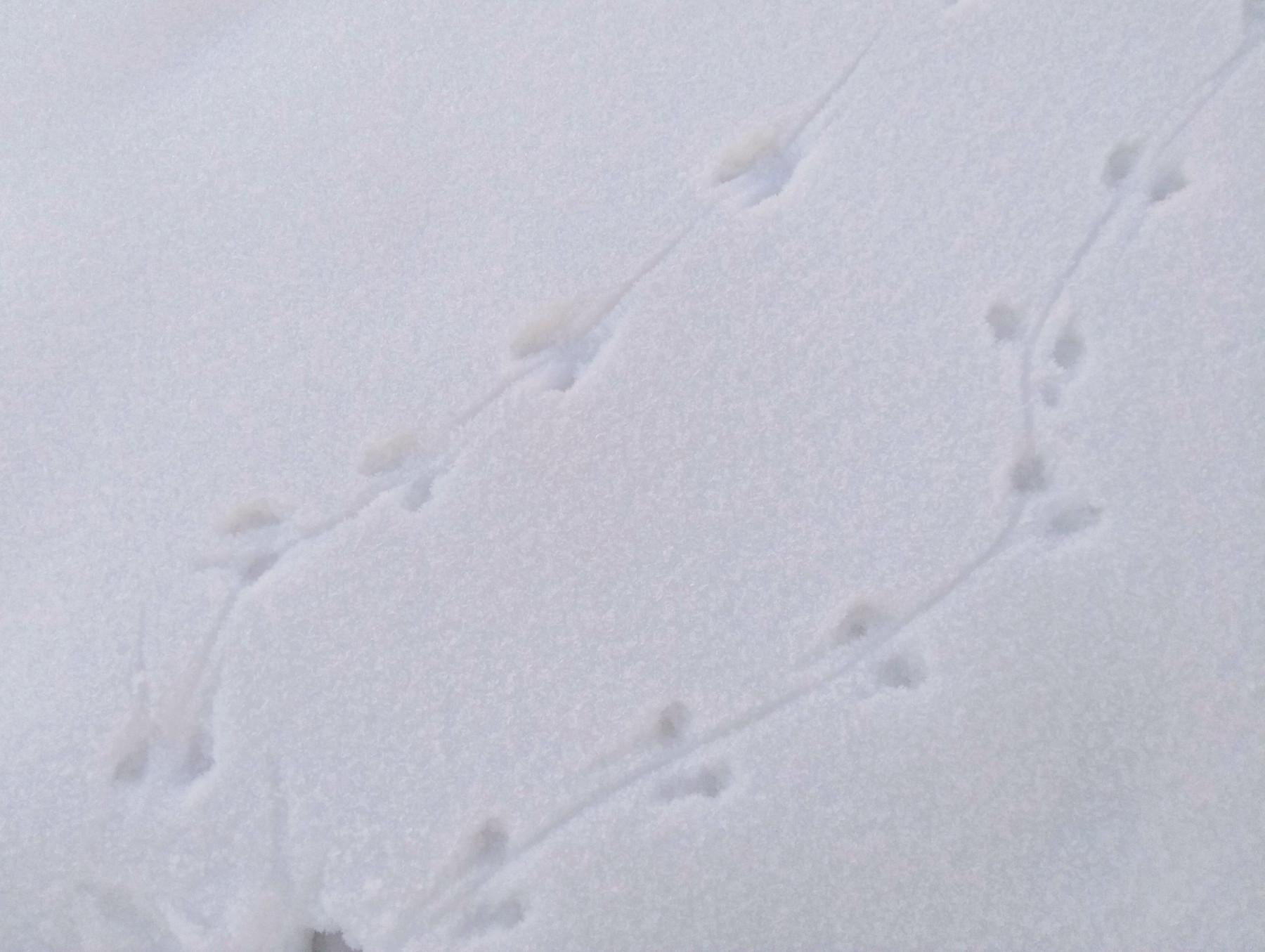
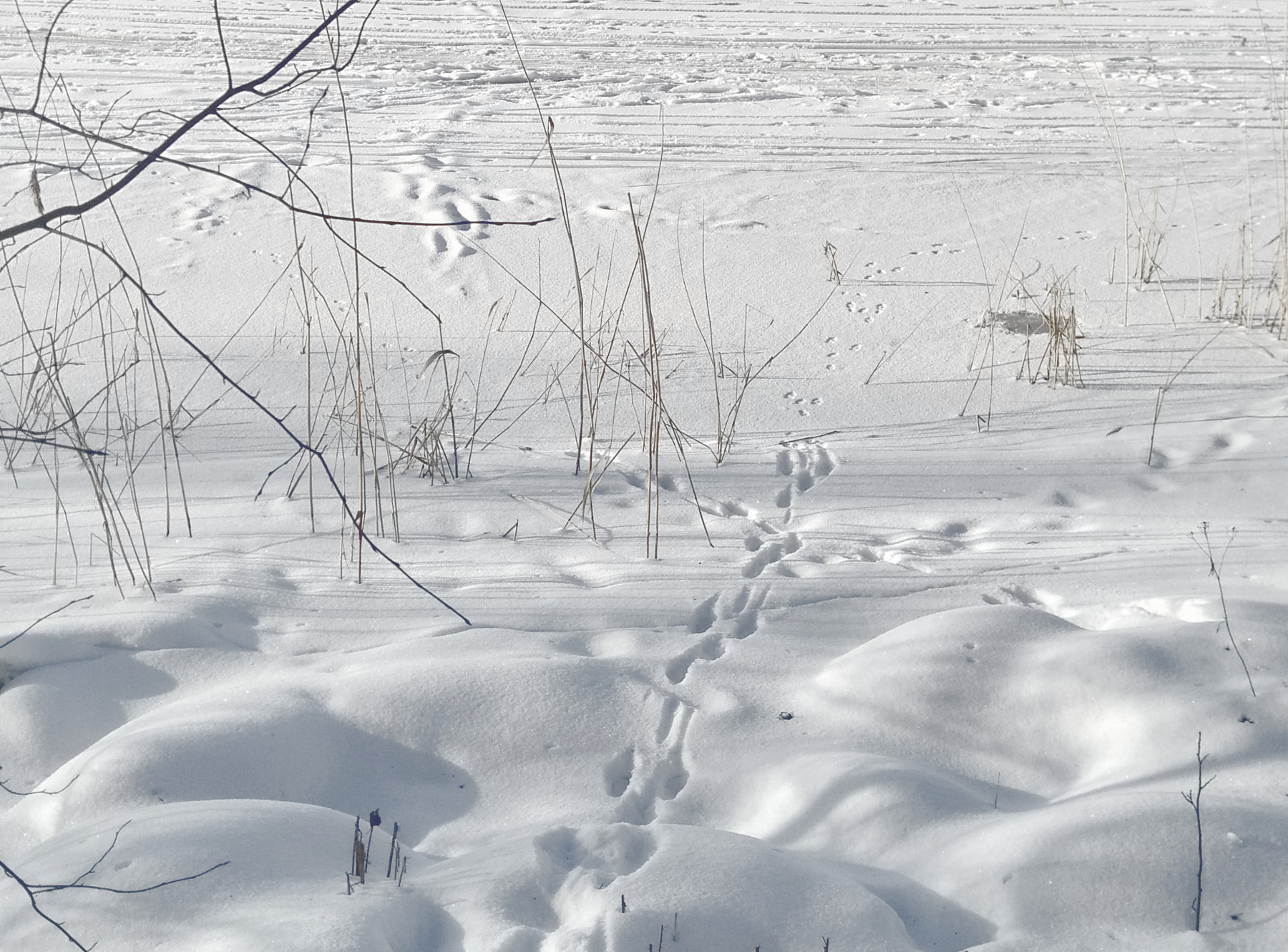
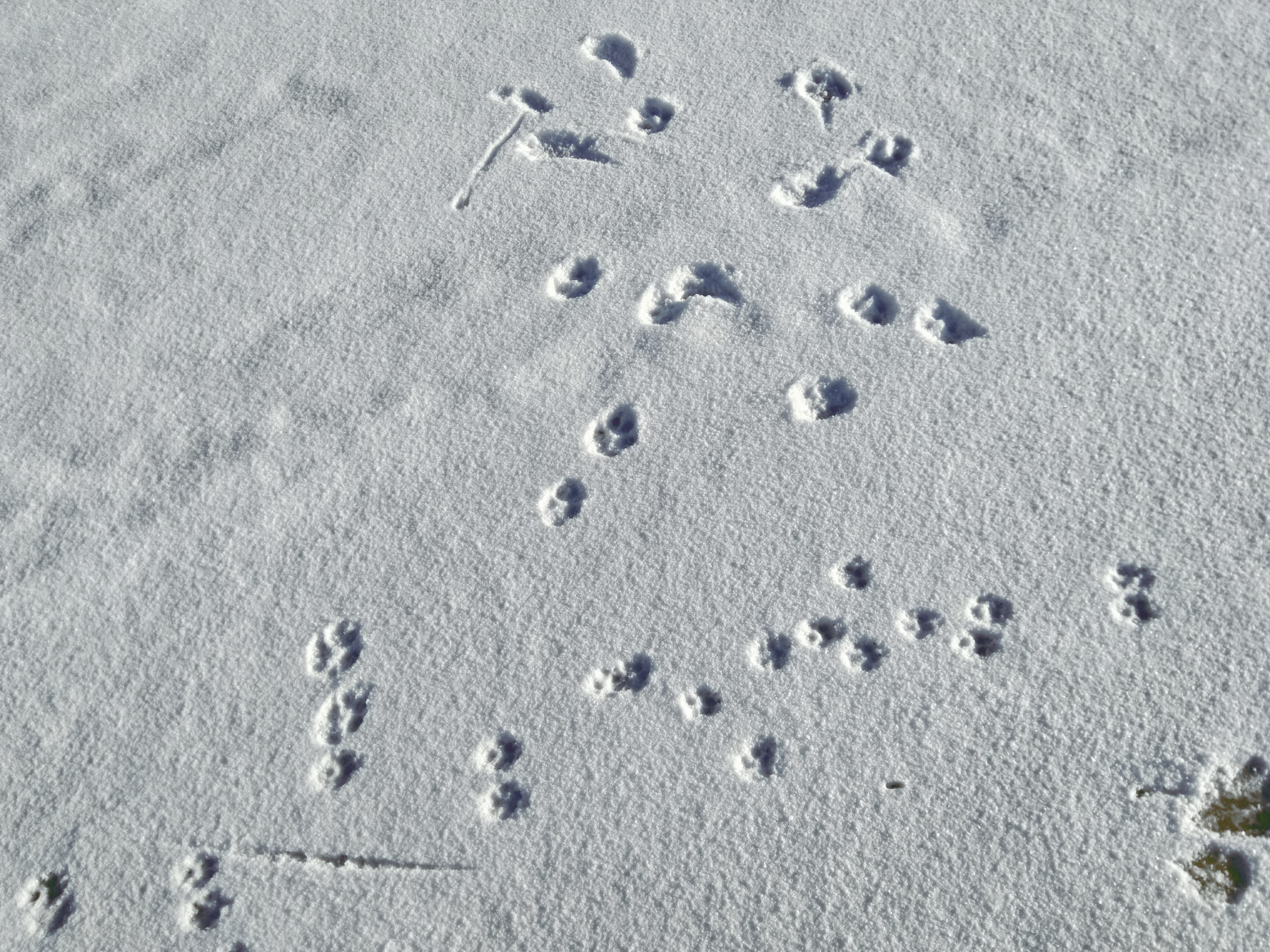
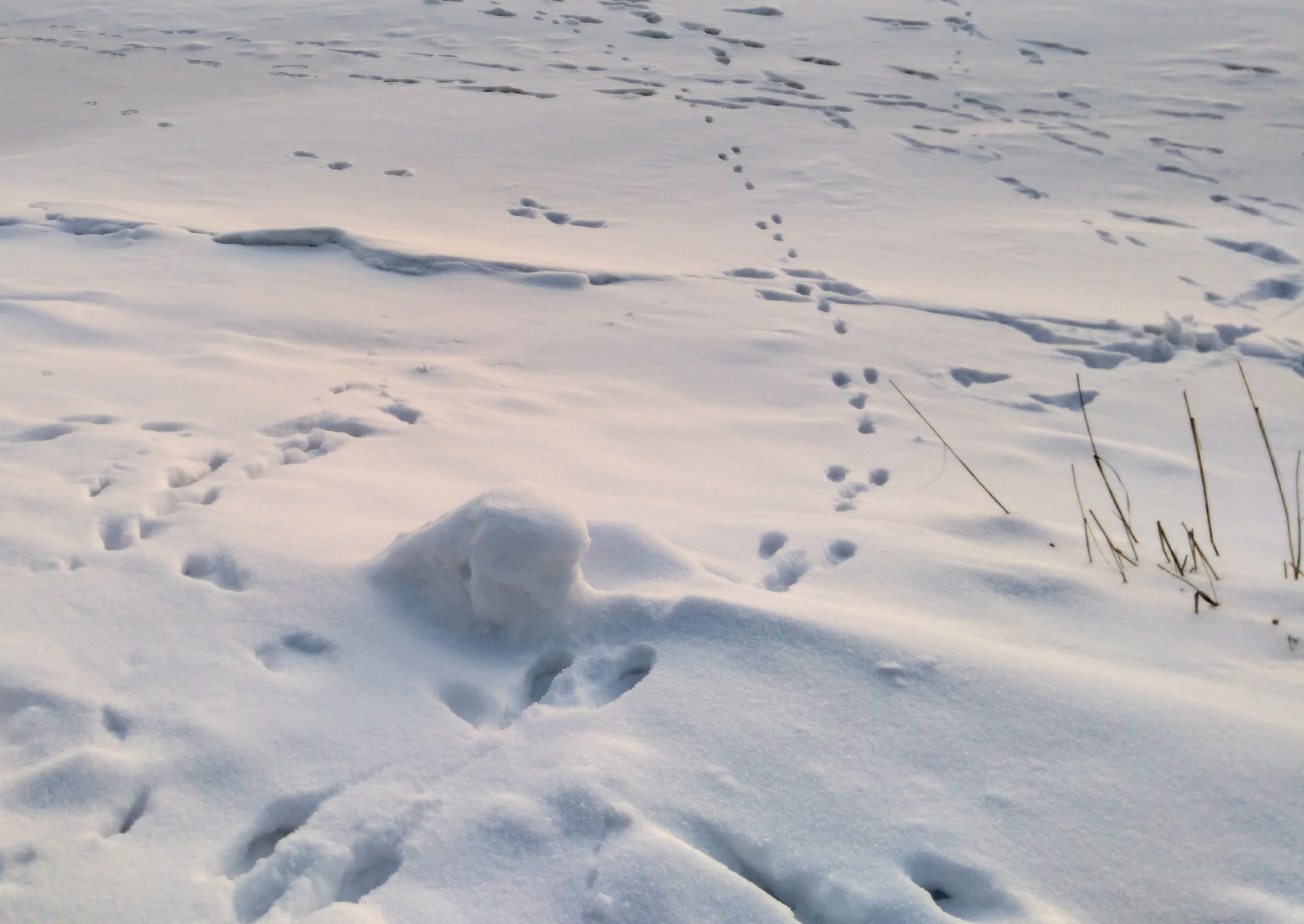

© Ice Swimmer, all rights reserved.
A Grackle samples brunch, from Raucous Indignation, click for full size!


© Raucous Indignation, all rights reserved.

Peter Williams, “Resistance II” (2017), oil on canvas, 48 x 36 inches (photo by Carson Zullinger).
[…] Williams uses caricature to invite viewers — whatever their political persuasion— to reflect upon how they see people of a race different from their own, as well as underscore the intolerance, distrust, and fear running throughout our everyday lives. A brave and intrepid curator ought to buy “Mass Murder” and install it near the entrance of a museum.
Walking home, I remembered something a black artist friend told me about raising his son in New York City: “I told him never to run down the street.” This is the reality we inhabit. There is nothing “united” about the United States, something artists as different as Jasper Johns and Peter Williams have known their whole lives.
Peter Williams: With So Little To Be Sure Of continues at CUE Art Foundation (137 West 25th Street, Chelsea, Manhattan) through March 29.
Hyperallergic has an in-depth article on Peter Williams’s latest works and show, well worth a detour in your day to read and see many more art pieces.

Panel 78 in La Pasiega cave, which includes red horizontal and vertical lines that date to more than 64,000 years ago, long before Homo sapiens arrived in the area (photo by C.D Standish, A.W.G. Pike and D.L. Hoffmann used with permission).
Neanderthals have done it again. They’ve reminded us Homo sapiens that we’re not as creative, original, or special as we’ve thought for the past 150 years. Last week, archaeologists published two astonishing reports that provide the most compelling evidence to date that our evolutionary cousins not only had the cognitive wherewithal to create art — specifically cave paintings — but they also did so well before modern humans entered the European Pleistocene.
In the journal Science, an international team of archaeologists reported that three caves in southeastern Spain — La Pasiega, Maltravieso, and Ardales — contain cave art that’s at least 64,800 years old. These sites are not new or unknown to archaeologists. But pinning down exactly when the cave art was painted has been a problem for decades. (The La Pasiega panel was originally sketched by researchers in 1913.) Dating experts, working in conjunction with archaeologists, developed a new set of techniques, carefully sampling geological material near the art in order to pin down the most likely time of painting.
The results have rocked the archaeological world, because the paintings appear to predate the arrival of modern humans in Europe by 20,000 years. In other words, the art comes from a time when the area was only occupied by Neanderthals.
Exciting! You can read and see much more, and there’s video at Hyperallergic.
Wonderful fox captures from KG, click for full size!


© KG, all rights reserved.
A happy contortionist from Charly, click for full size!


© Charly, all rights reserved.
Current progress on The Fight. Now to get the background started. Click for full size. Pencil and Markers on Bristol, 19″ x 24″.
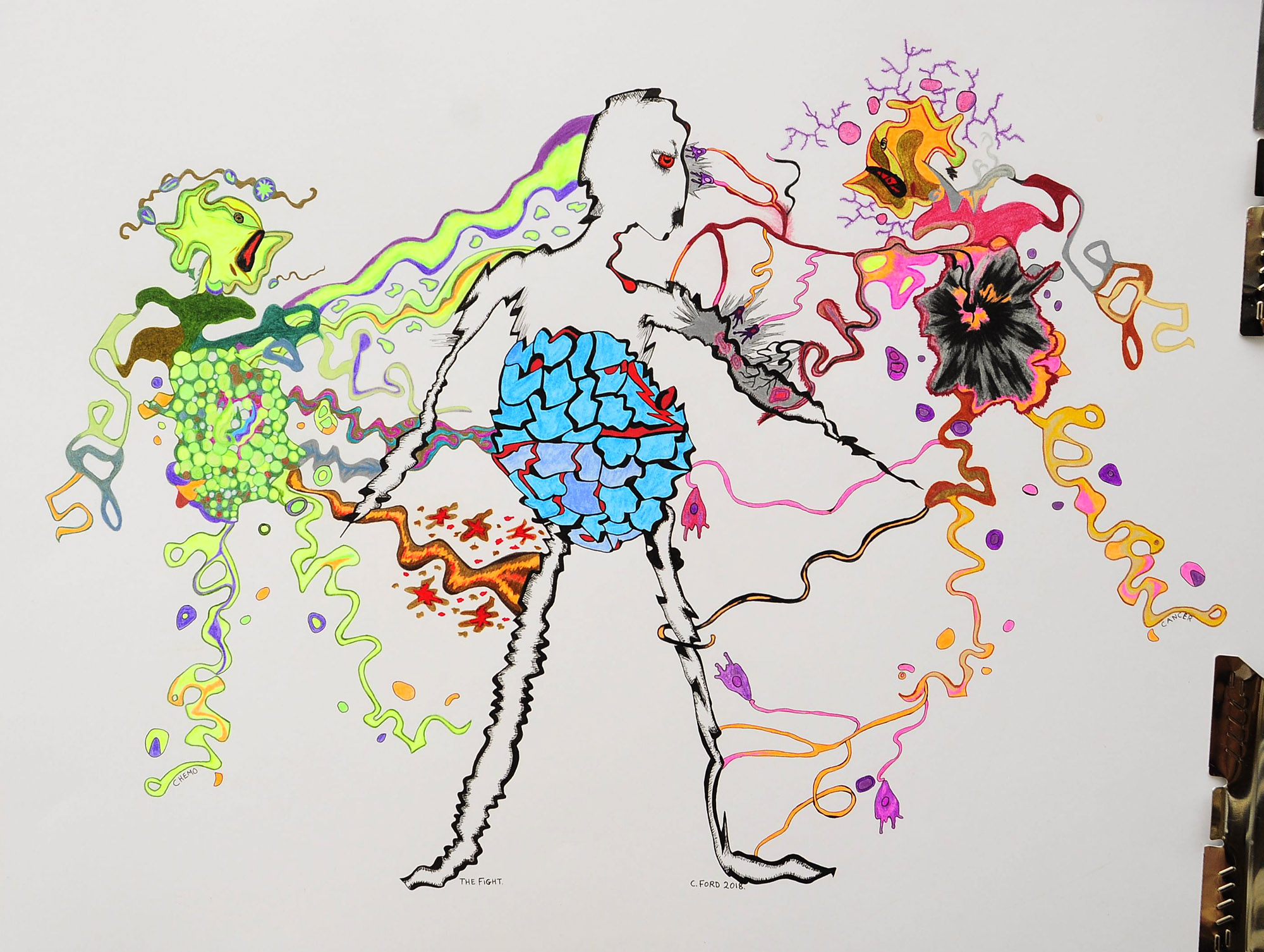
The Fight © C. Ford, all rights reserved.
© C. Ford, all rights reserved.