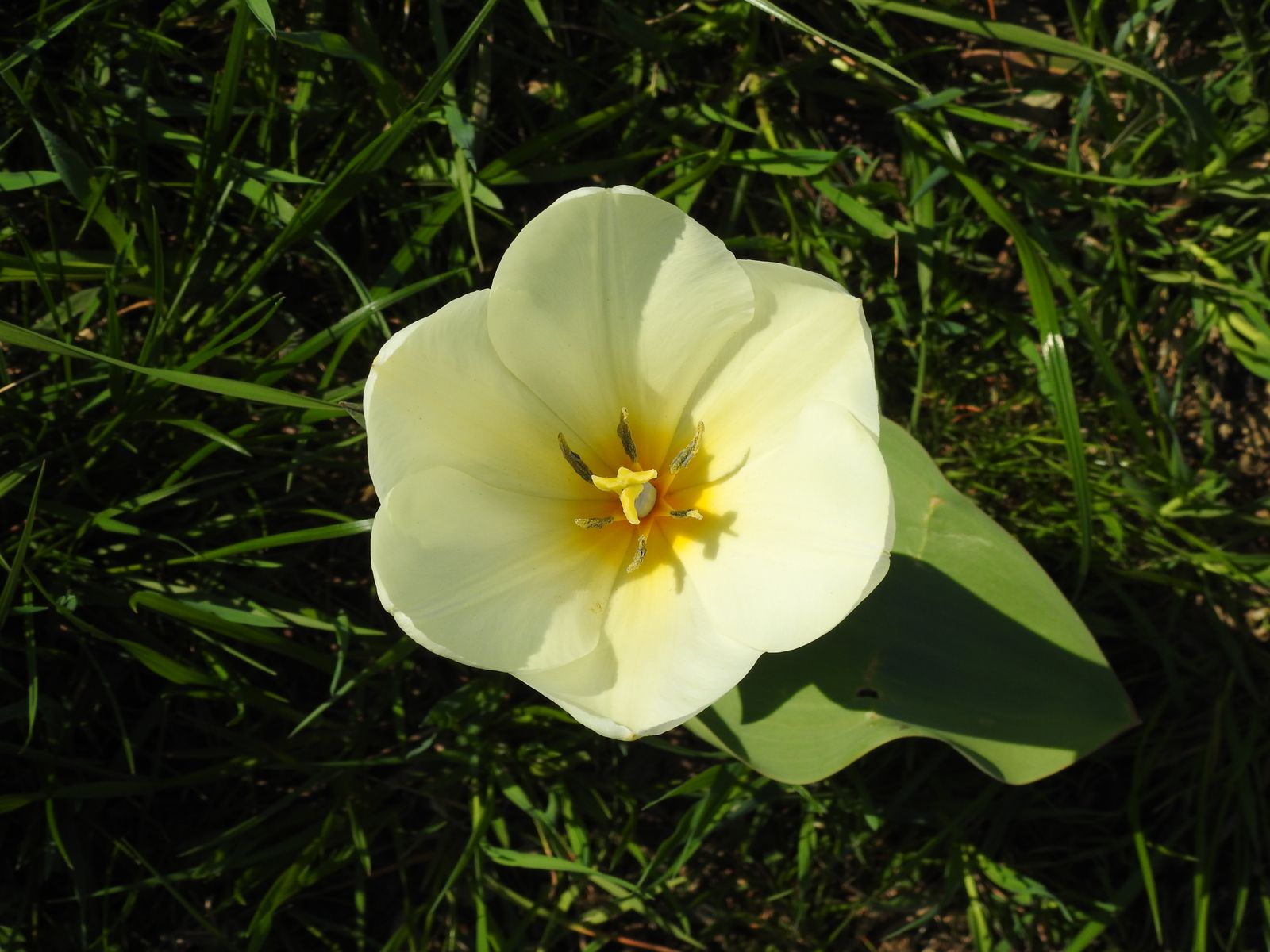
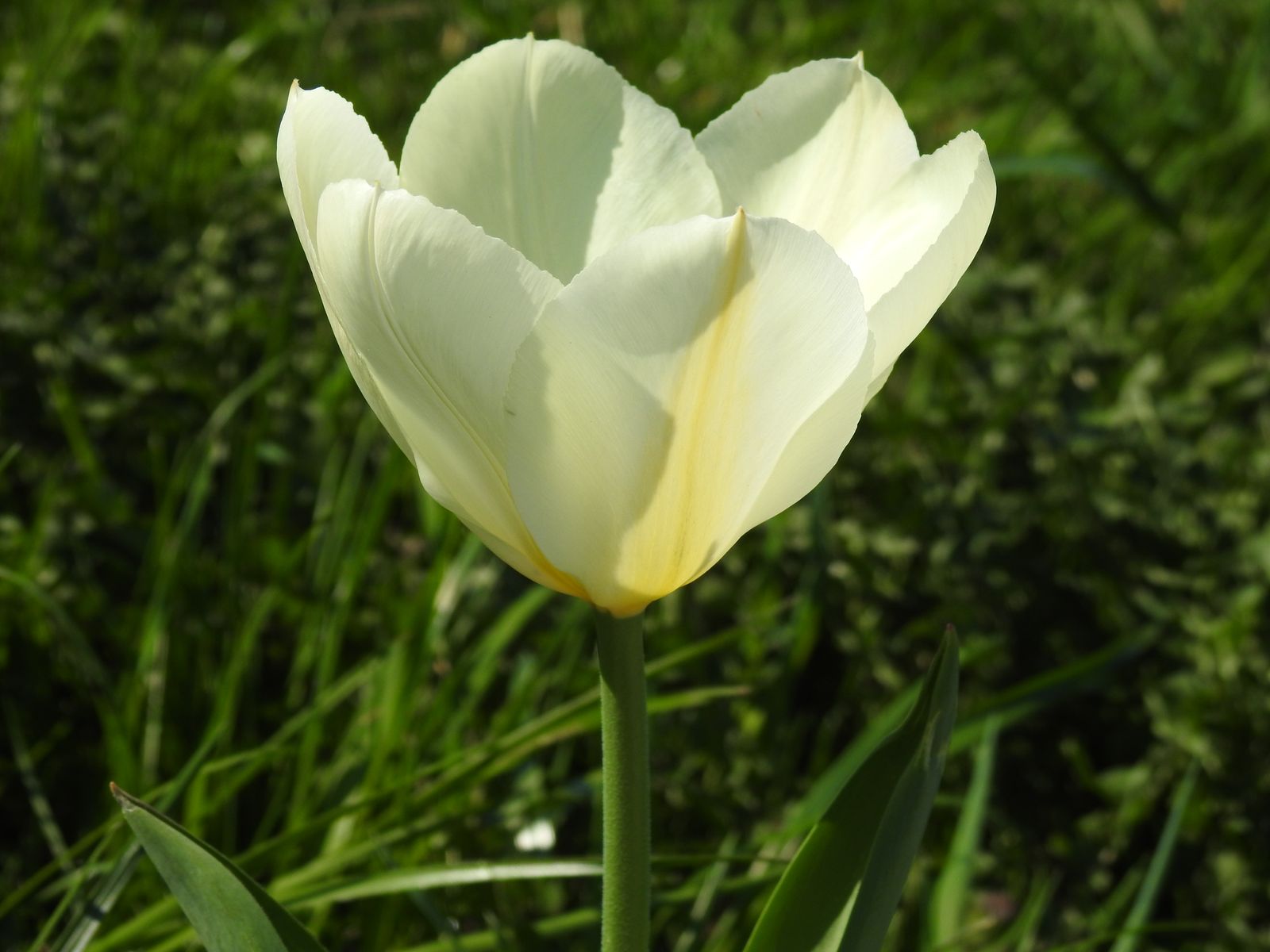
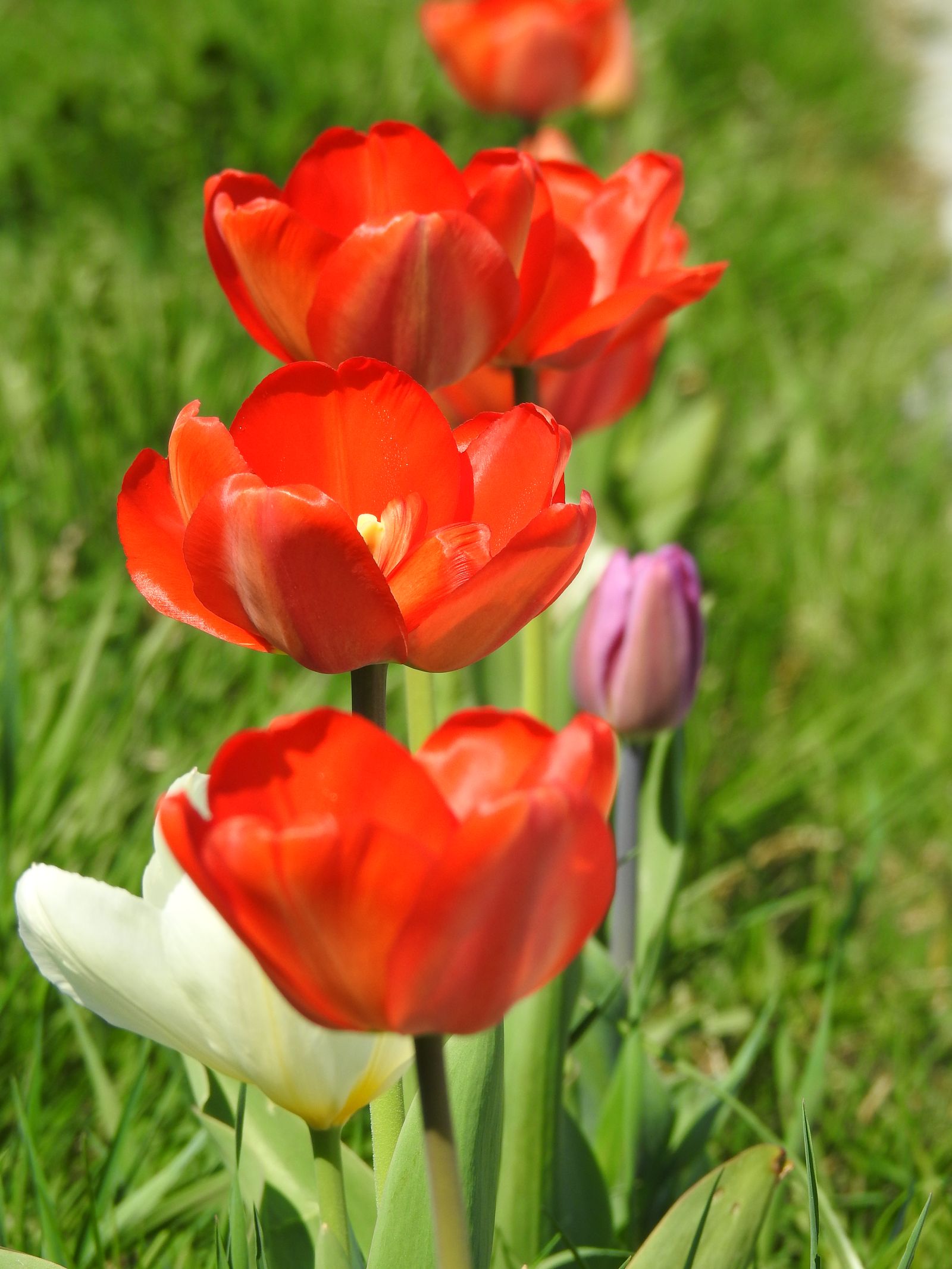
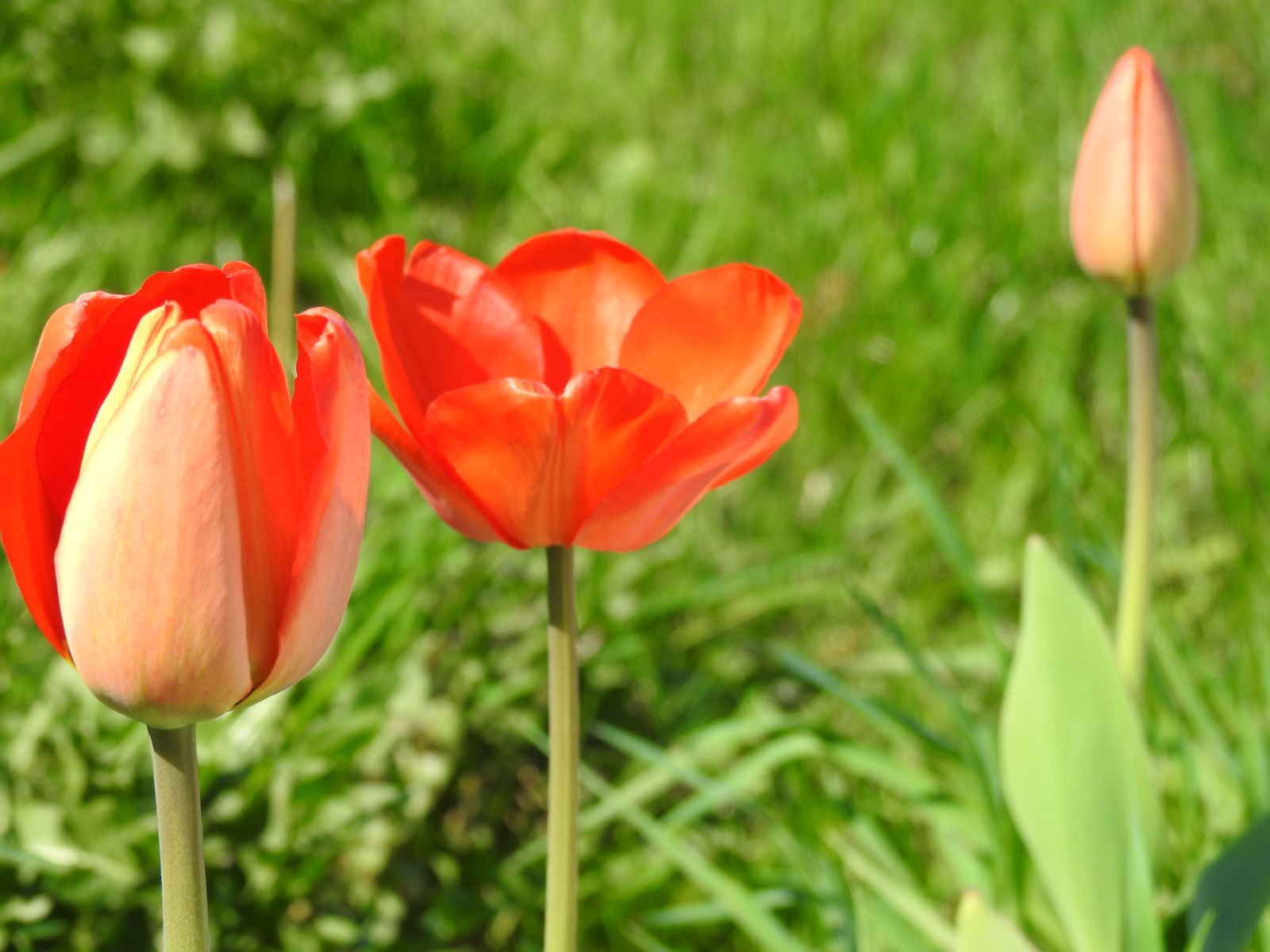
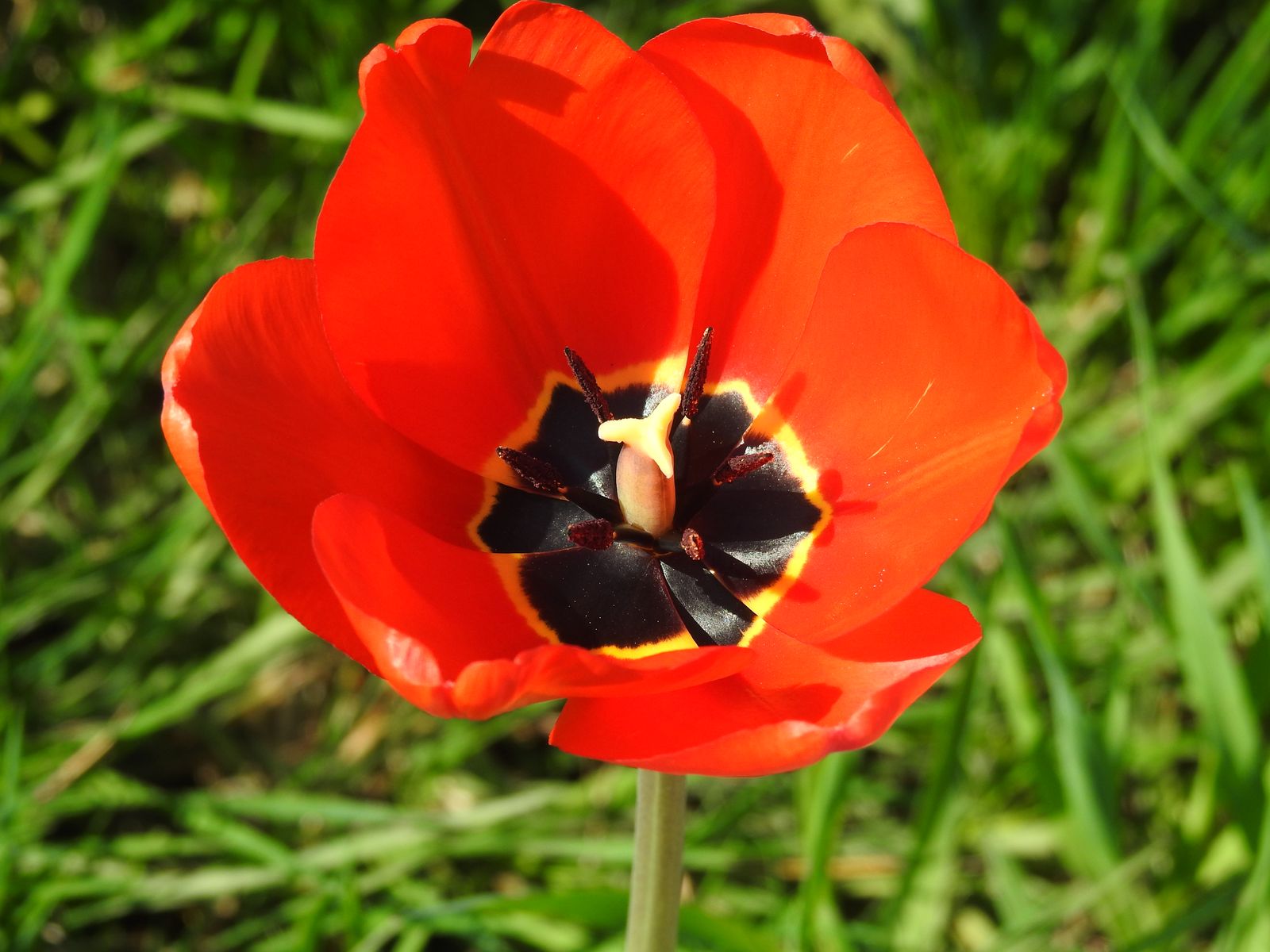
Tulips blossomed this weekend, mostly the red ones. I only have a few lila ones and those open slightly later.
Click for full size and enjoy.
©Charly, all rights reserved.

Tulips blossomed this weekend, mostly the red ones. I only have a few lila ones and those open slightly later.
Click for full size and enjoy.
©Charly, all rights reserved.

Yeah, it’s that time again. For once, we were scheduled for a decent time, and I took advantage to sleep in, heading out now. If all goes well, we’ll be back very late; if things don’t go well, I’m sure you’ll all hear about it. (I developed a…complication yesterday.)
Anyroad, I leave you all in the more than capable hands of Voyager & Charly. Have a good Monday, everyone.
Tom Rosenthal – Don’t Die Curious (Official Lyric Video) from Chloe Jackson on Vimeo.
Open Thread, don’t be an asshole. Thanks.
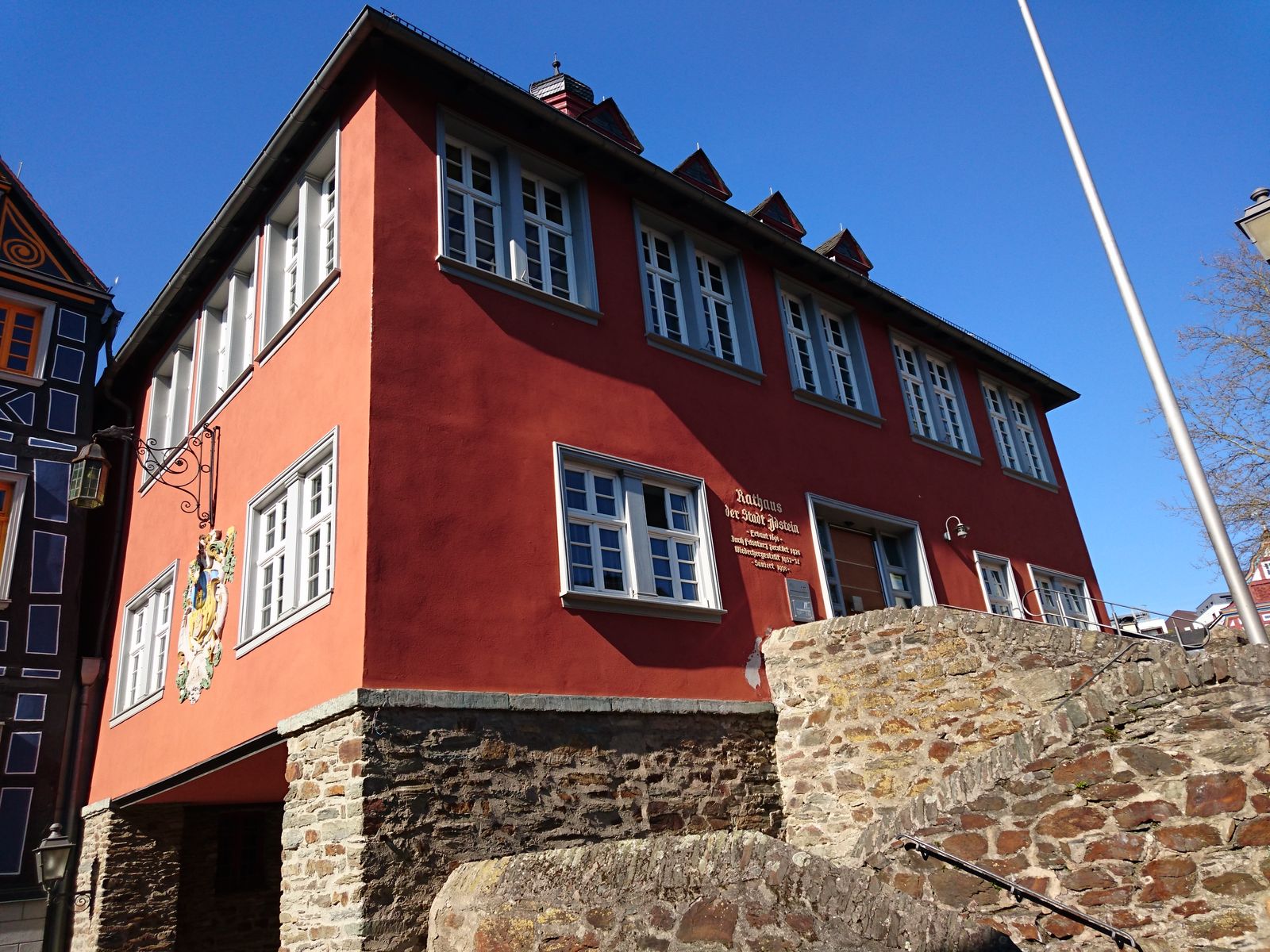
Rathaus has of course nothing to do with rats, unless you mean politicians. Which would be insulting to rats, I guess. Rathaus is from german words for a counsel (Rat) and a house (Haus) and means town hall.
The building is nothing extraordinary in the context of the town, but to the right side of it is a beautiful gate to the castle. Unfortunately you can only imagine the gate, because it was being repaired at the time of our visit so I could not take good pictures of it . And I did not have time to spend with the various plaques around the staircase either.


©Charly, all rights reserved. Click for full size.
Parkway Drive – Wishing Wells. Winston is kinda scary, but it’s a great song. Lyrics below the fold.
Äng.
Äng is meadow in Swedish. The sunset picture is a variant version of a picture from the Laajalahti Nature Preserve I’ve used before and sent to this blog. While there are trees in the picture, there’s open land that is used for as a cow pasture there, in order to restore traditional seashore meadowland.
The night time picture is from summer 2017. I was walking home from my cousin’s wedding and decided to take some night photos.
Ä is used in at least Finnish, Swedish, Estonian and German. In different languages, different pronunciations are used, but it’s generally a wovel pronounced in the frontal part of the mouth. In Finnish and Swedish it’s the second to last letter in the alphabet.
Click for full size!


© Ice Swimmer, all rights reserved.
From rq, click for full size!


© rq, all rights reserved.
A colourful dinosaur from Giliell, click for full size!


© Giliell, all rights reserved.
Today, after finishing with my bonsai trees for now, I got an hour or so to use and get a shot at hardening the blade.
I was so stressed from working almost non-stop the whole weekend and trying to manage to replant all my outdoor bonsai trees that I forgot to take pictures of the process and only could take pictures afterwards. So here is a picture of my setup. I was hardening two blades.
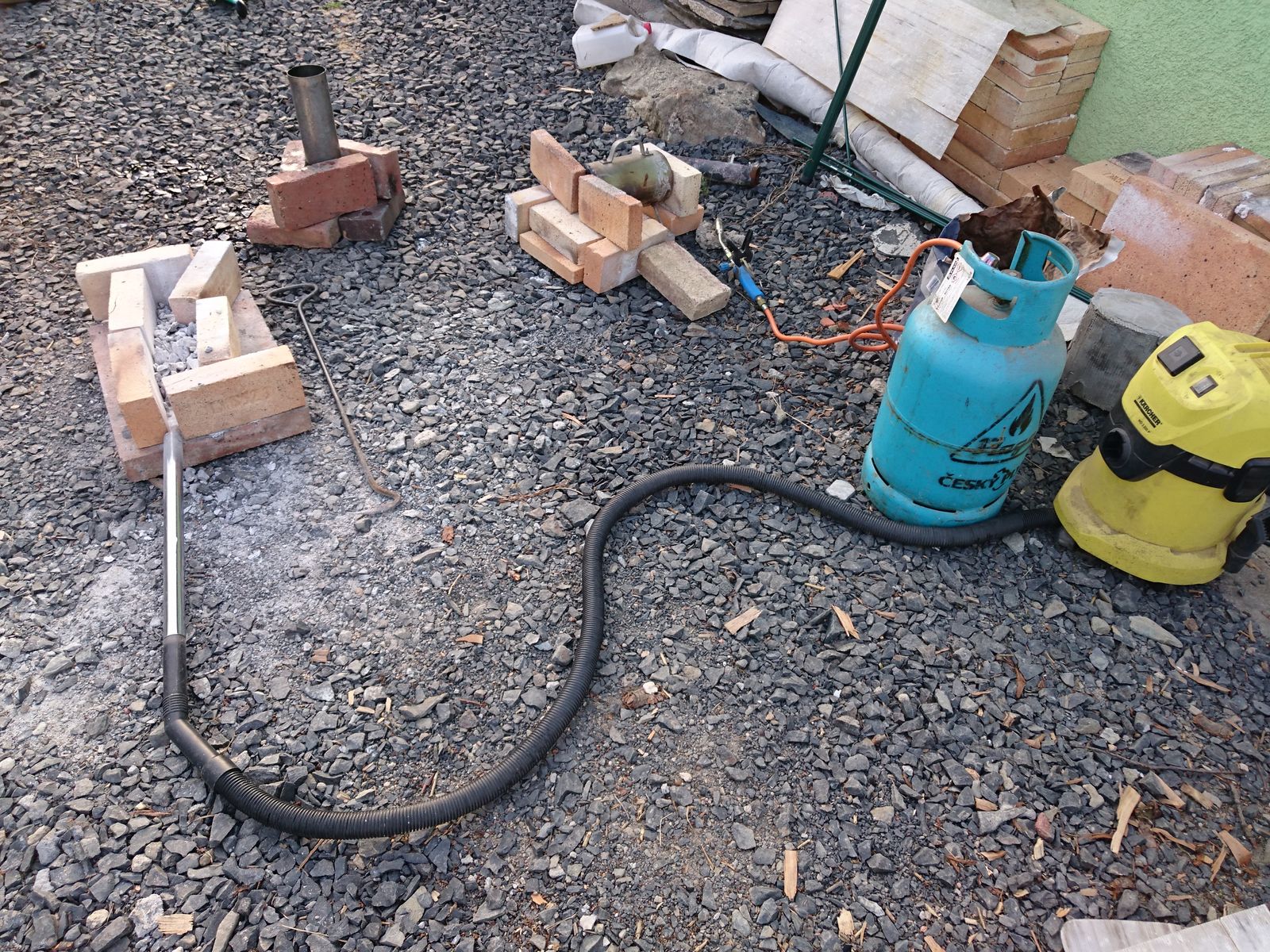
Blade hardening setup.
Slight contrast with Marcus’s fully equipped workshop I guess :-). On the right is gas mini-forge where a future kitchen knife was heated up most of the time, on the left is a charcoal fire between fireclay bricks for the dagger and in the middle is quenching oil. This is the main reason why I cannot harden blades in bad weather – I have to go outside to do it.
And here are the blades after hardening and before tempering, covered in burned oil and, in the case of the dagger, slag and scale.

Blades after quench.
I am not all together sure It was a complete success. I am sure it was a 50% success. I definitively successfully hardened the kitchen knife. Which is slightly strange, because the kitchen knife is made from N690 steel that is allegedly difficult to harden in impromptu settings, whereas the dagger is simple carbon steel that should have been easy-peasy. The kitchen knife is completely without deformation, the dagger got a very slight bend that I was able to correct after tempering the blades in kitchen oven at 150°C for an hour. In fact, it was maybe too easy to correct. File skids on the kitchen blade like on glass, but it is possible to make a shallow bite with it into the dagger.
The problem might be that I tried to coat the dagger with an experimental anti-scaling solution that unfortunately did not work as intended. Back to the drawing board there I guess. So it might be that the blade is hardened, but a few tenths of a mm on the surface have slightly lowered carbon content due to decarburization. The N690 steel blade was not covered in the solution, but was covered with stainless steel foil that burned through towards the end.
I have no way to measure the hardness of the steel, and I am probably not going and try to re-harden the blade. I will proceed and we will see what comes out of it.
The most prestigious cemetery in Russia lies on the other side of Lenin’s tomb, directly in the Kremlin wall necropolis. That is where the greatest of Russians lie. There you will find Stalin, Brezhnev, Chernenko and astronaut Yuri Gargarin. Very few are up to this highest of honors, though, so where do the rich and famous of Russia go when they die? The answer is likely the Novodevichy Cemetery in Moscow.
The cemetery is large and active with many visitors, some to visit specific graves and others to view the entire site as an outdoor gallery filled with history and graced by the best of Russian art. Despite large numbers of people the cemetery maintains a quiet, reflective quality. Some graves have small chairs for guests. Many graves have small offerings of fruit or sweets. Many more have fresh flowers and there is, conveniently, a florist’s shop at the front gate. There are several graves that I photographed that I was unable to locate information about. They are so beautiful that I include them anyway. I really wish I’d had more time here. Lots more time. What a very special place. (I apologize about the quality. My real camera broke and I was using an old spare)
First, I’ll start with the well-known graves.

Boris Yeltsin

Nikita Krushchev
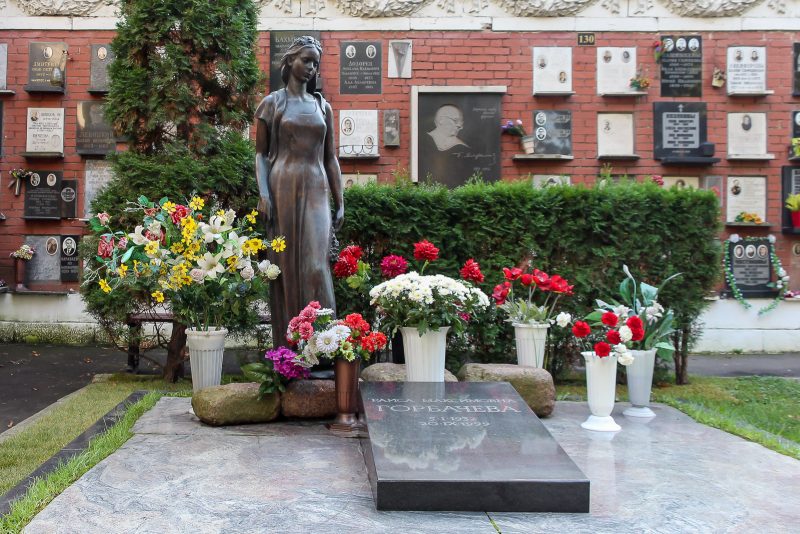
Raisa Gorbechov, wife of Mikhail Gorbachov

Anton Checkov

Yuri Nikulin, beloved actor and clown with his dog

General A Lebed
And now for the beautiful graves I could not identify. The last is my favourite. But first, the flower shop. (note: some names have been added to the original post. See below.)

Florist, Novodevichy Cemetery

Russian entertainer Boris Brunov

Cat lover Valentina Reinholdovna Gliere

Come and sit

Russian singer

Someone to keep watch, Yelizaveta Kairova

Agony

Young lovers

Living tree
©voyager, all rights reserved
Edit note: Thanks to meaderborn and Ice Swimmer for helping me fill in a few names on my unidentified list. I have added their names in respect.
Link to previous Post – Russia – The Novodevichy Nunnery
I’m skipping down happy street today. The sun is shining, the air is warm (12°c!) and Jack and I even found some colour in the landscape.
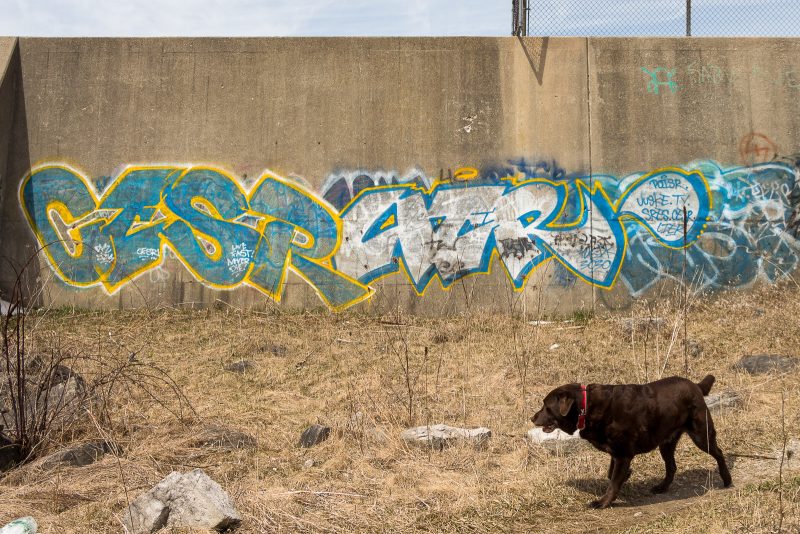
©voyager, all rights reserved

Frank Amedia and his Potus Shield clown circus are back at it, just praying their little red noses off. If you aren’t familiar with Mr. Amedia, you can pretty much find out all you care to know in his recounting a miracle he performed: the resurrection of an ant. Today, they are all trembling over the “deep state”, witches, warlocks, and the antichrist.
“I think we need to be wise to understand that this presidency is going to be taken to the edge of destruction by evil forces, by deep state forces, by a conspiracy that has already been named,” Amedia warned. “We know it’s coming. We need to withstand against that. We need to be the watchmen that say, ‘Don’t take your eyes off, the storm is coming.’”
“We prayed for the Lord to just stir up that storm,” he continued. “Stir up that storm of that president. We declare right now, in Jesus’ name, stir it up. Stir him up like a tornado, don’t let him stop. Let everything fly out that needs to fly out, let everything be exposed, don’t let anything be put back into a place that could come back and linger again.”
That’s a veritable treasure chest of filthy jokes, just waiting to be made. Speaking for myself, I don’t want to see anything flying out of the Tiny Tyrant, and I most emphatically don’t want to see anything exposed. :shudder: Okay, now that my mind has jumped out of the gutter, as far as exposure goes, the Tiny Tyrant and his crew of incompetent cronies are doing a fine job of that themselves. No assistance is required.
Amedia, Mark Gonzales of the U.S. Hispanic Action Network, and Bishop Harry Jackson then initiated a spiritual warfare prayer against Trump’s enemies and critics, with Jackson taking specific aim at the “witches and warlocks” who have cursed the president.
“We lift up witches and warlocks who have been a part of this assignment,” Jackson said, “as they have gathered in numbers almost immeasurable to curse this specific president. We cancel, we bind their authority, we bind their curses, we lift up your word that says you shall not revile the gods and neither shall you bring a curse upon the rule of God’s people. We declare those assignments null and void and we claim the souls of many of the witches and warlocks.”
The Gods? Hmmm. Anyroad, I think we need a serious rule here. This is the 21st century, and people with views that are the same as those prevalent during the inquisition and witch trials? They have no place in a modern society. What they do need is a nice re-created 13th century village, lots of land surrounding, where they could play at witch hunting all they liked, and they could leave the rest of us in the current century alone.
Å.
Å is Swedish for river. These pictures are from the two biggest rivers flowing in Helsinki. Vantaanjoki (Vantaa river, the Swedish name is Vanda å) and Mätäjoki (rotten river, the Swedish name is Rutiån). Mätäjoki was the original channel through which Vantaanjoki flowed into the sea, west of Helsinki peninsula, but about 3000 years ago, Vantaa changed its course eastward and started to flow into the sea east of the peninsula.
Mätäjoki is more like a brook, even though it’s called a river, a few kilometers long, flowing in its oversized channel. Vantaanjoki, on the other hand is 101 km long and a proper river.
The first two pictures are from Vantaanjoki at the Vanhankaupunginkoski (old town rapids, the modern Swedish name is Gammelstadsforsen). The city of Helsinki was originally sited near the rapids at the moutgh of the river in Helsinge parish (the name is a Swedish name, the population was mostly Swedish speaking).
The third is a picture of Mätäjoki flowing through a park in Pitäjänmäki, Helsinki.
The fourth is Vantaanjoki a bit upriver from Vanhankaupunginkoski.
The fifth is from the same park as the third and the sixth is a bit upriver from the park, Mätäjoki is flowing between a street and a residential area.
In the seventh and eighth it is again Vantaanjoki at Vanhankaupunginkoski. There’s an island in the river at the rapids. The western channel has been dammed and there’s a power station there (nowadays a museum, but it produces electricity), but the eastern channel has been restored closer to the natural state and the salmon and trout can swim through the eastern channel upriver to breed in the river.
The letter Å is one of the so called Scandinavian letters. It originates from late medieval Swedish and is nowadays used in Danish and Norwegian as well. It is used in words which used to have long a A in Old Norse but the pronunciation changed to an O (think of Latin or Standard German wovel sounds, not English).
More photos under the fold, click for full size!
