Vasco being a spaghetti monster.

© C. Ford, all rights reserved.

Vasco being a spaghetti monster.
© C. Ford, all rights reserved.
I swear these birds are taunting me. They show up just above our abode whenever I do NOT have camera. And untill I get it they are far away. I had to crop an awful lot of clear blue sky out of these shots.


©Charly, all rights reserved. Click for full size.
When working in US some twenty years ago I borrowed from the local library in Ketchum (ID) the Ed Fowler’s book Knife Talk: The Art & Science Of Knifemaking. Unfortunately I did not have time to read the whole book so I basically just skimmed most of it and therefore I do not remember all. I can recommend the book with good conscience though, because I did read one chapter in full and remember its title and contents well – “Knifesharpenophobia”. I consider that a sign of good and persuasive writing.
I have remembered about this book and this particular chapter recently when I was obsessing over properly hardening a blade for a knife that in all likelihood will never be used to cut anything harder than a mushroom or perhaps some soft wood during a walk in the forests. And maybe not even that.
In the past I have made knives from improperly hardened steel. Not that I wanted to, I did not have much choice. I did not have high-quality knife steel available just a few mouse clicks away, and even if I had I was so poor I could not afford it. And I lacked a lot of the knowledge I have now so I could not improve the steel I had.
Two of those knives are occasionally still in use (by me) whenever I go to the forest.

©Charly, all rights reserved. Click for full size

©Charly, all rights reserved. Click for full size
I let you in on a little secret: They cut perfectly well. With the second one, made from low-carbon structural steel, I was able to do even quite a lot of wood carvings and heavy cutting/chopping when I was camping in the past.The first one is made from some unknown martensitic stainless steel that I was not able to harden for unknown reasons.
However the softer than normal blade did not impede work in the slightest. All that was needed to do was to sharpen the blade a bit more often than is perhaps usual and it was much quicker to sharpen than other blades. Just like Ed Fowler says in his book:
…Granted, edge holding is a fine attribute for a knife. The problem is, knives that seldom need sharpening generally are usually too hard to sharpen when the time comes to sharpen them…
I could not agree more.
I think that for anyone who starts to learn the knife making trade it is vitally important to keep in mind the fact that for thousands of years people were perfectly capable of hunting, cooking and fighting with blades made from soft metals like copper, bronze and wrought iron. Sure, steel was the ideal material of choice once discovered, but untill the invention of blast furnaces it was hard to come by in larger amounts and it rarely had consistent properties.
I hate it when I come across some smug knife maker who berates some young beginner for forging or making knives out of the steel they can get their hands on. Some people even feel the need to hurl derogatory epithets at knives made from rail spikes or structural steel. I wish they stopped doing that, because it accomplishes nothing except maybe discouraging a future master from pursuing further the hobby they enjoy. Obsessing about the frequency of sharpening and edge retention is not necessary for a beginner, I would even argue the opposite. And why the aversion to knives that need sharpening? Well, I let Ed Fowler have a say again:
…What is knifesharpenophobia? …I define it as an irrational, excessive and unnecessary fear of sharpening knives. This is a malady that strikes fear in the hearts of all too many knife lovers and users.
And to make the point even finer you can watch this video where it is demonstrated that properly sharpened flat bar from 5,-€ low-carbon structural steel can cut just as well as 100,-€ katana:
I mentioned already that all three of my fig trees and most of my pomegranates seem to be dead. Today I glimpsed a hint of green at the base of all three fig trees and although most of the pomegranates are indeed dead, a few of them sprouted fresh leaves from their trunks too.
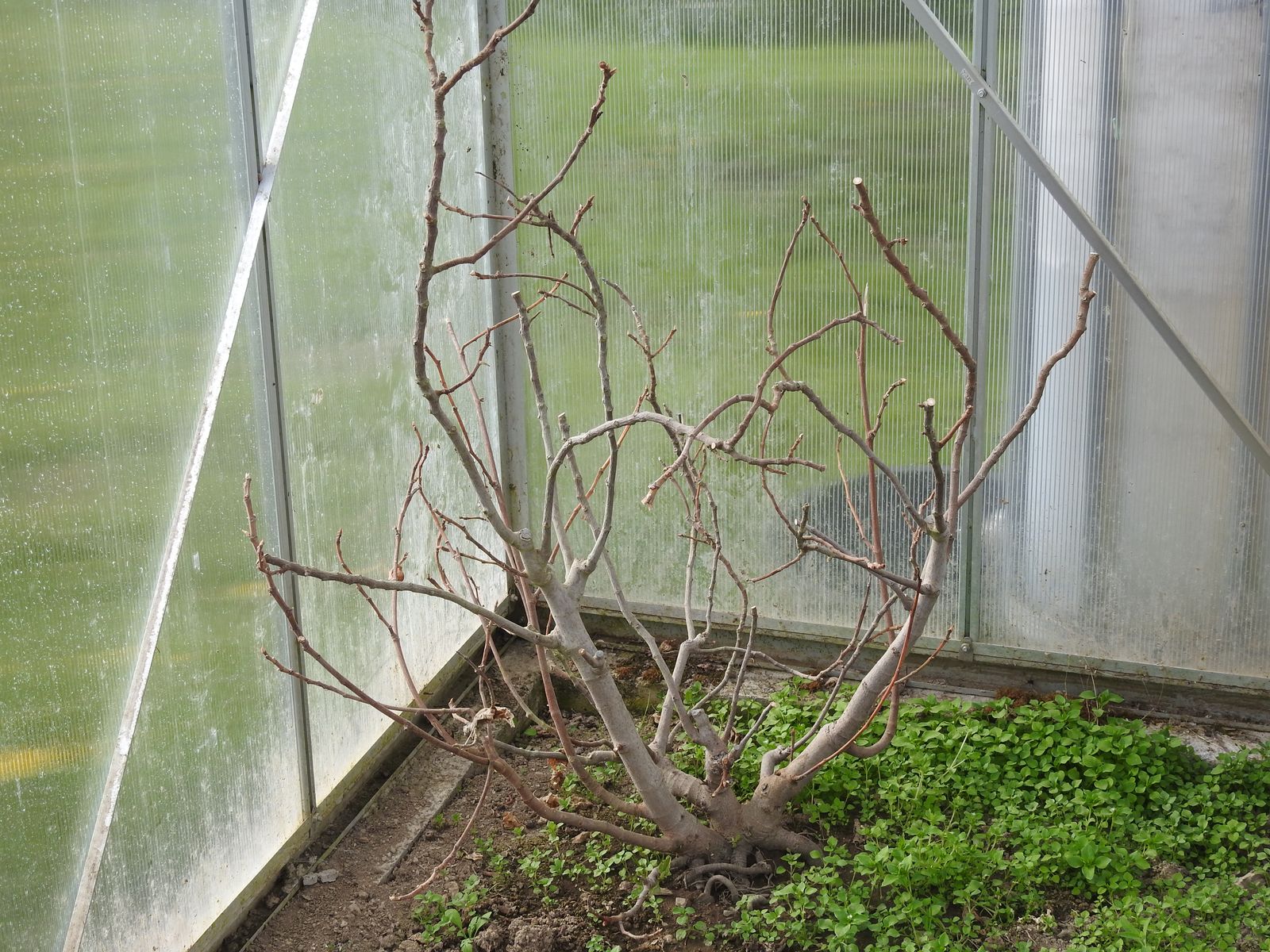
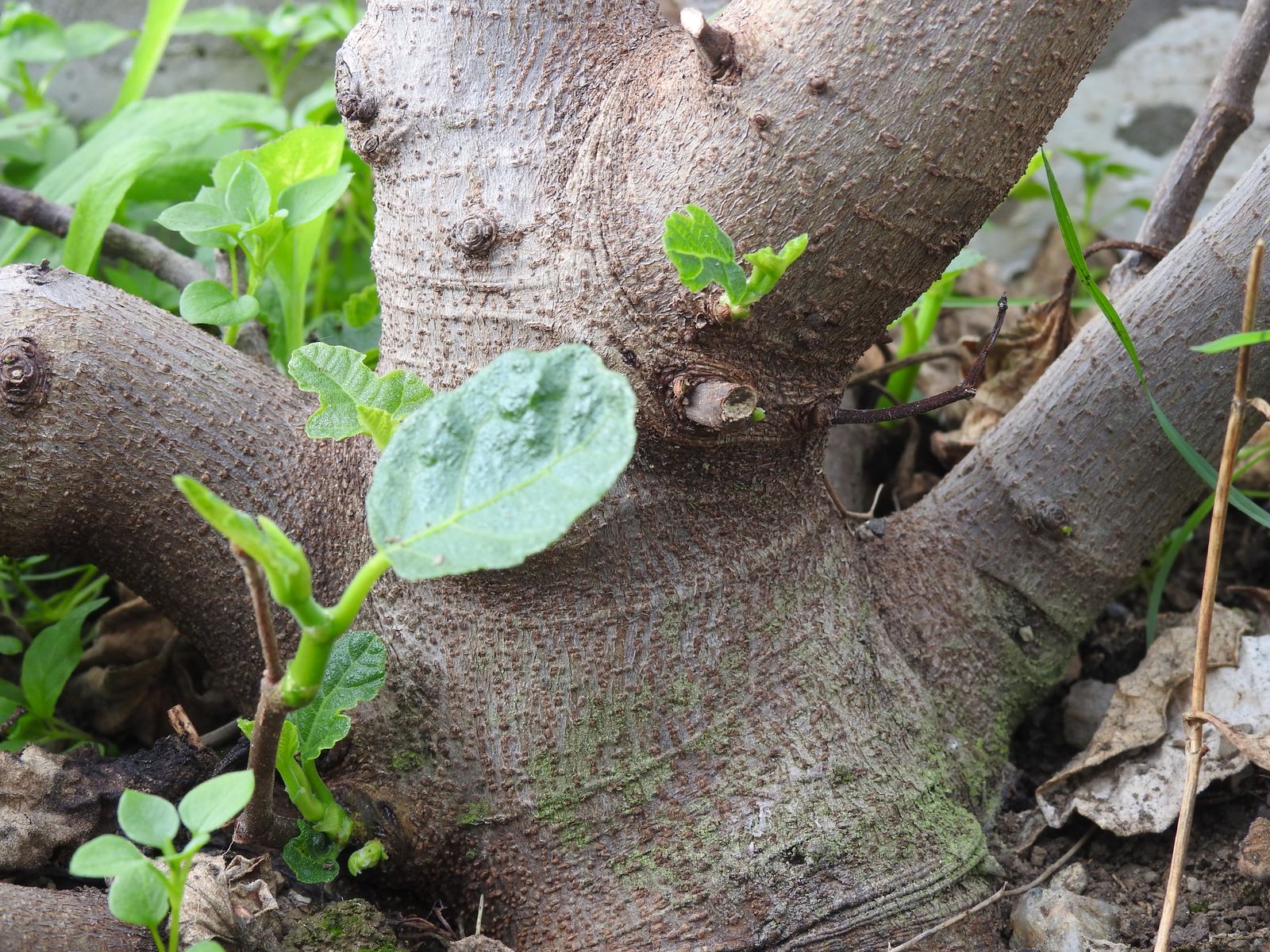

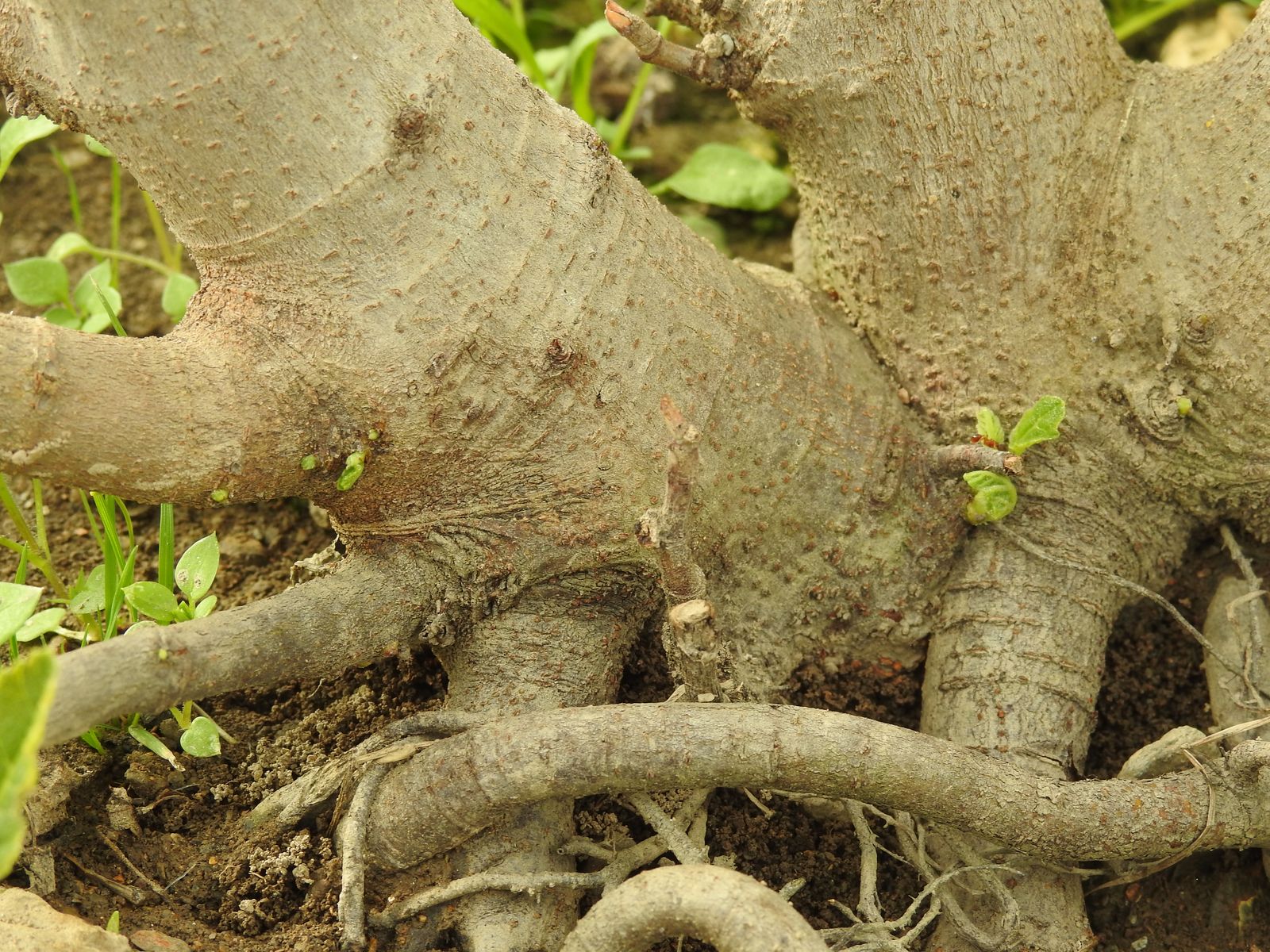
There is still substantial and irreparable damage that nearly makes me cry, but if the roots are alive and strong, these buds can grow into a meter and half long and on the fig two centimeters thick sticks, so I might have figs again next year. Provided the winter will not be totally wacky again and will not finish what this one has started.
I think this is one of the personally visible consequences of global warming. Frost bellow -20°C would not be a problem for neither of these trees – all of them have survived multiple winters like that. But this year the frost came suddenly in February, after it was abnormally warm from November through to January. So it came when the trees were already preparing to wake up. I will have to think of something to shelter them from such abnormal weather in the future.
I was relieved to see that the grapevines survived without damage and are growing like mad. And a little surprised too – I expected the figs survive without problems and vines suffer damage..

©voyager, all rights reserved
Who’s a happy, wet, smelly boy?
From Joseph: I’ve begun a series I call Fancy Bats. This one is the first in the series. It’s pen and ink on Bristol board.
I focus on bats because, well, bats are awesome. They’re such fascinating marvels of evolution, and they don’t get enough love in mainstream U.S. culture. Whether it’s the puppy-dog cuteness of large fruit bats or the otherworldly intricacy on the faces of echolocating microbats, I’m always drawn to the magnificent aesthetics of these creatures.
As for the style, it’s largely based on my idle doodling. When I’m bored and not focusing on any particular image or idea, I draw repeating patterns of curves and points, so this is an extension of my instinctual habits. Also, I’ve been intrigued with the stylized depictions of animals in ancient Mesopotamian and Persian sculpture, from bulls and lions to fantastic beasts like lamassus and manticores. It’s been a source of inspiration for years.
This is just the beginning, and I don’t know exactly which direction this series will go. I just know that this ties together several ideas that mean a lot to me, and I hope you all enjoy the results.
I’m with Joseph, I love bats and find them fascinating. Our local bats are Myotis lucifugus, and I love watching them. I also love Joseph’s beautiful drawing, be sure to click for full size!

© Joseph Zowghi, all rights reserved.
Hose. Horta, Portuguese for a vegetable garden or a small farm.
This photo shows onions being watered with the help of a large hose, simulating rain. It was late in the afternoon and I couldn’t resist the way the light illuminating the young and wet onion leaves from behind was giving them a lovely translucent green appearance. This is an old photo, from 2013, back then my grandmother was still alive (this is on her yard) and my mother was still healthy (she was the one holding the hose here). I miss those times.
Click for full size!

© Nightjar, all rights reserved.
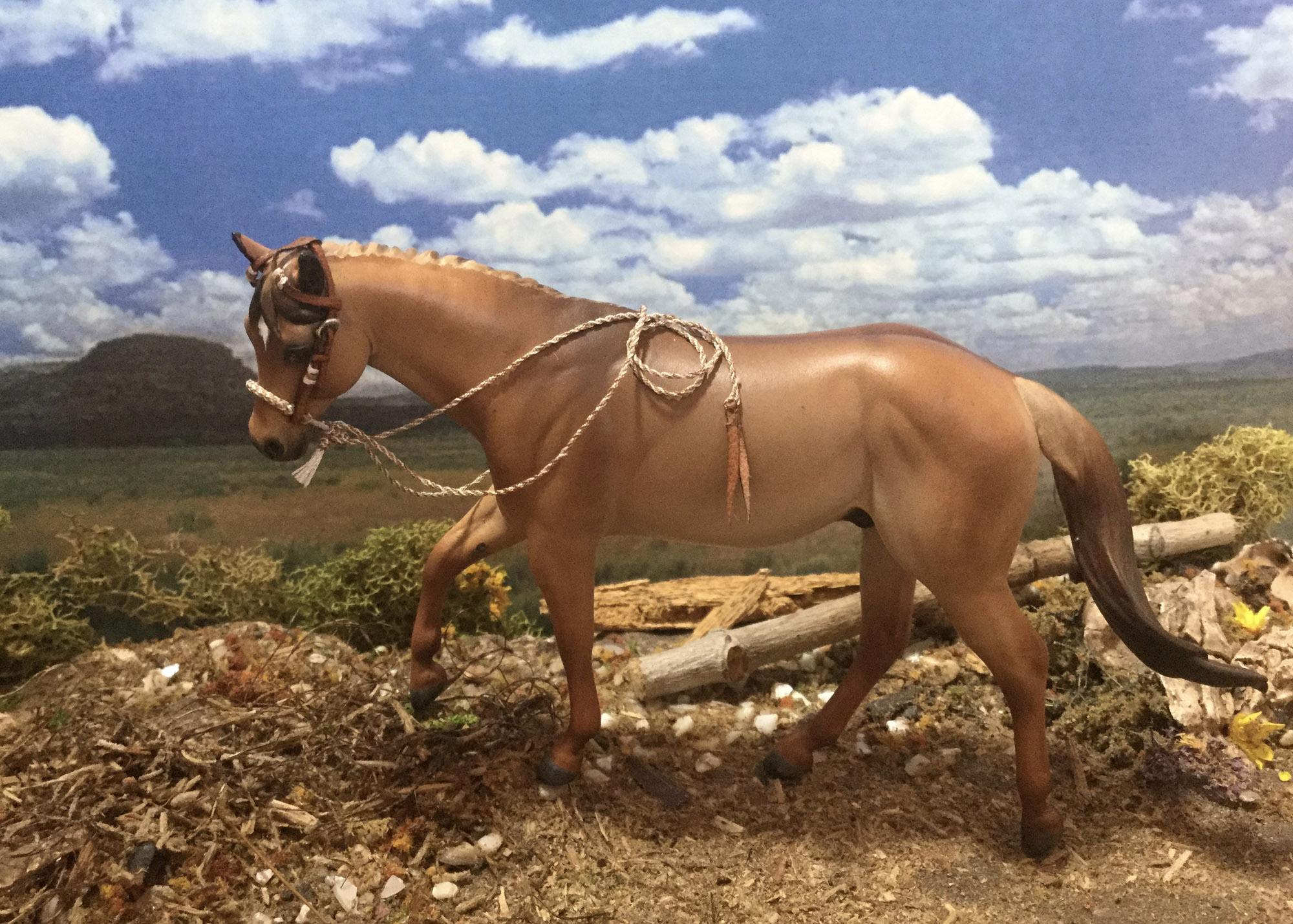
An astonishing work, from Kestrel: There is a group that issues a fun challenge to model horse tack makers: push your skill set and see if you can make a nice piece of tack in one month. For the project I chose to make a hackamore in 1:32 scale (normally I work at 1:9) and the goal is to make it look as much like a piece of tack for a living horse while being in scale and as detailed as possible. This was hard… it really was a challenge for me to go this small.
Click for full size!
It all started with a single white horsehair. I braided 8 strands of very fine silk over the hair, to create the base of the noseband (bosal) for the hackamore. I have to check to see if it will look in scale:

Then I tie a series of braided knots in the silk, to create the finished bosal, a very complicated little device:
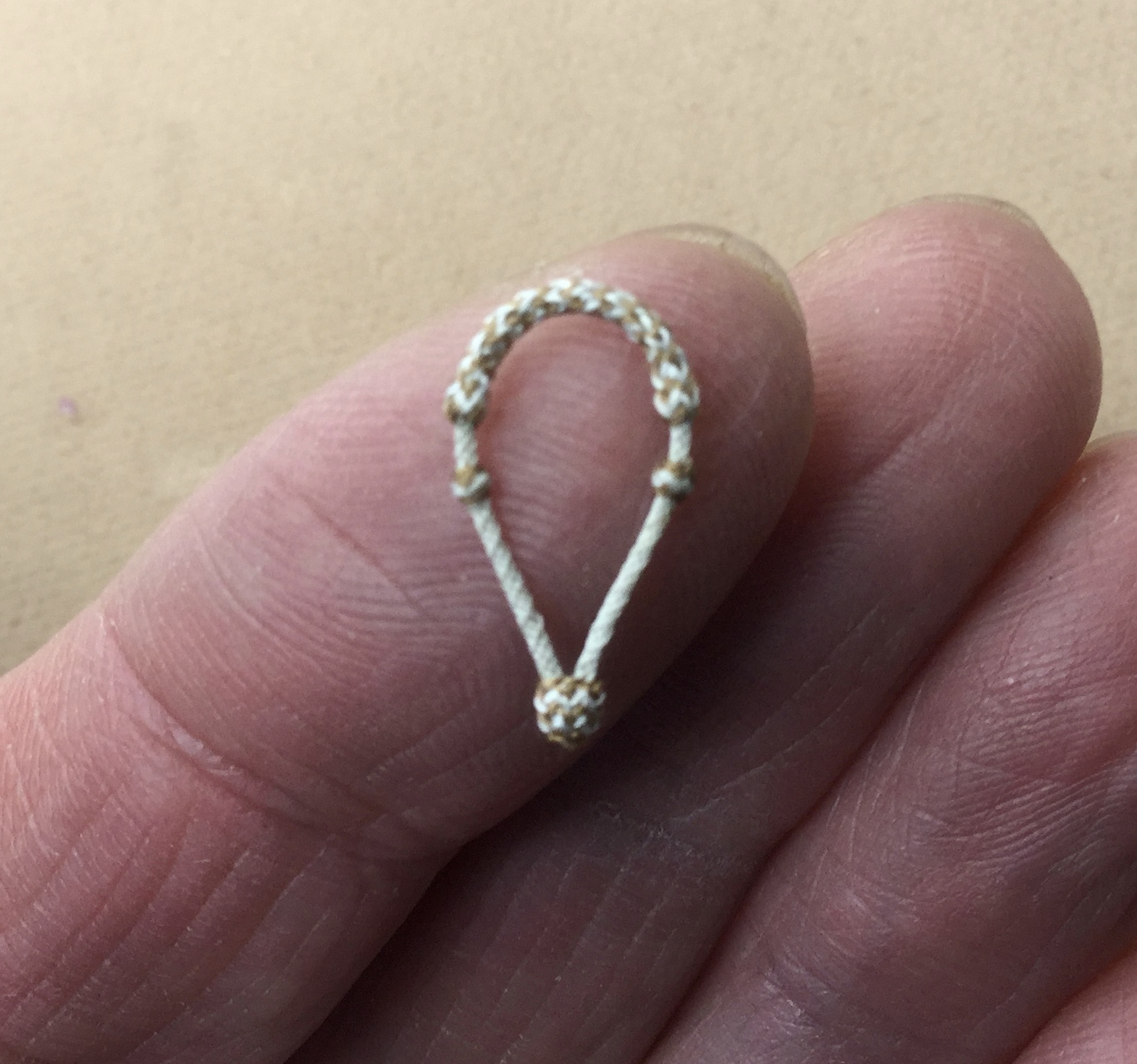
We need some buckles for the headstall to hold the bosal on the horse’s head:

Next I have to make the headstall of leather, and why not tie a few more braided knots on it to make it decorative. Also I need to braid a long rope with a tassel at one end and a leather popper on the other (mecate) which is the traditional way of rigging reins and a lead rope:
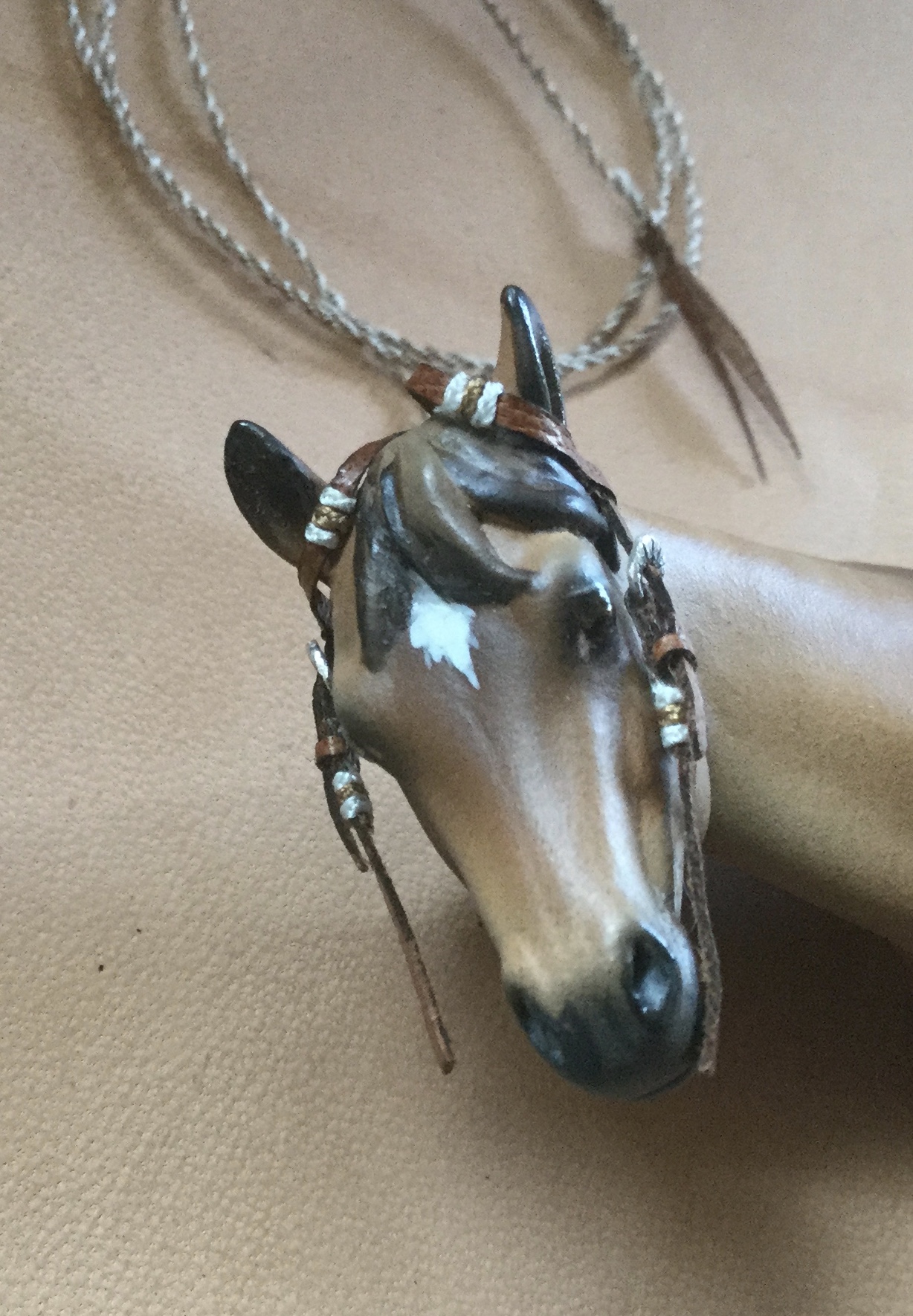
The finished piece, which hopefully looks like it could be full-sized on a live horse:
From Giliell, click for full size!


© Giliell, all rights reserved.
A gorgeous Jay from Giliell, click for full size!


© Giliell, all rights reserved.

©voyager, all rights reserved
Yesterday I noticed a lot of dead or dying trees in the forested area up by the lake so today Jack and I went back to do a bit more exploring. I know that some of the damage was caused by the emerald ash borer beetle which decimated a nearby park, but there are also a lot of dry, brittle fir trees and I don’t know what’s causing that. I’m also curious to see how healthy the underbrush is, but we need a few weeks of growing time before I’ll really be able to tell. In the meantime, the trails are easy(ish) and Jack is having fun.
I was on vacation in Krkonoše and the resort at which we resided had baby goats and a few lambs. Baby goats are like kittens – inquisitive, lively and totaly adorkable.
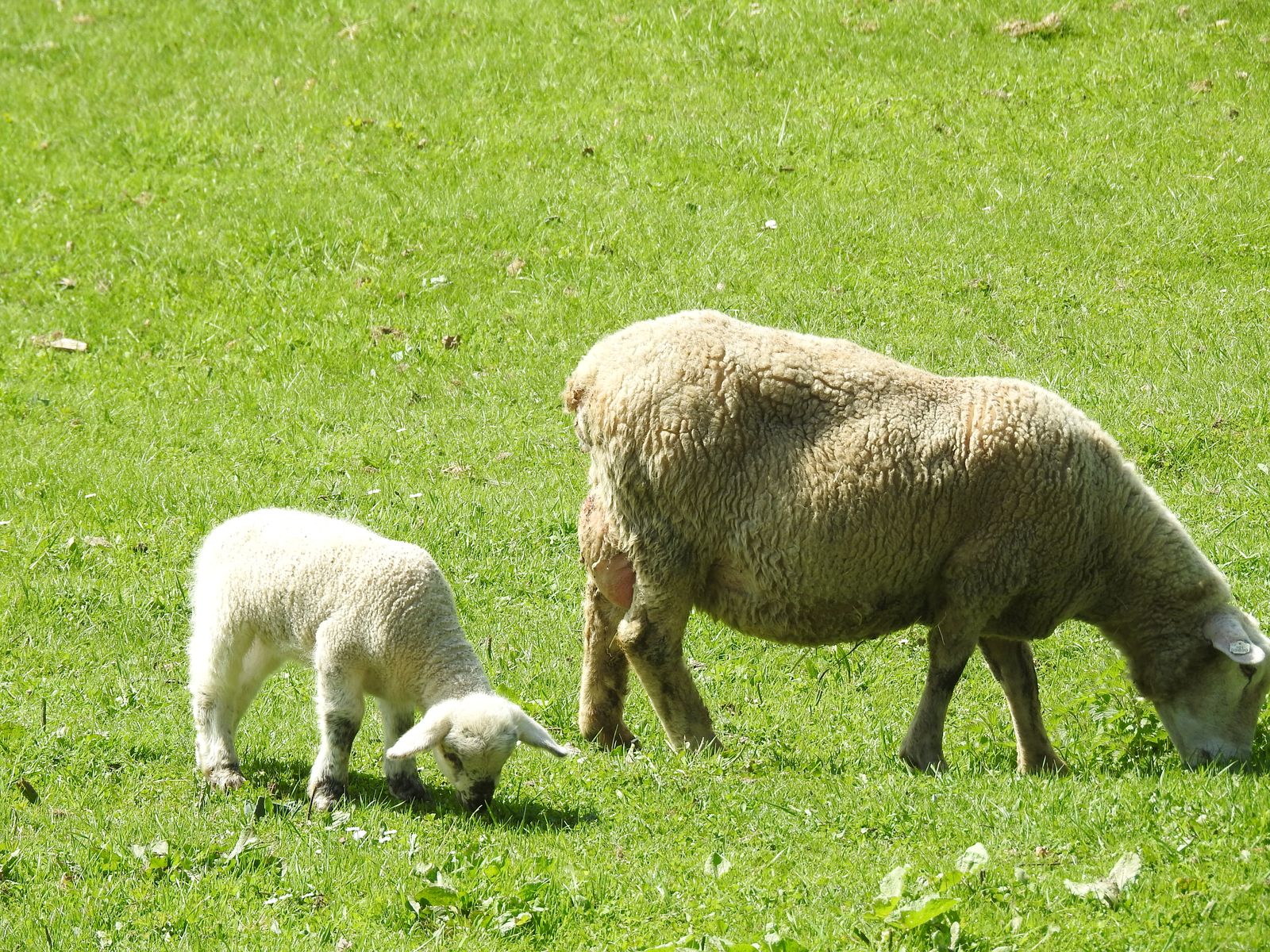
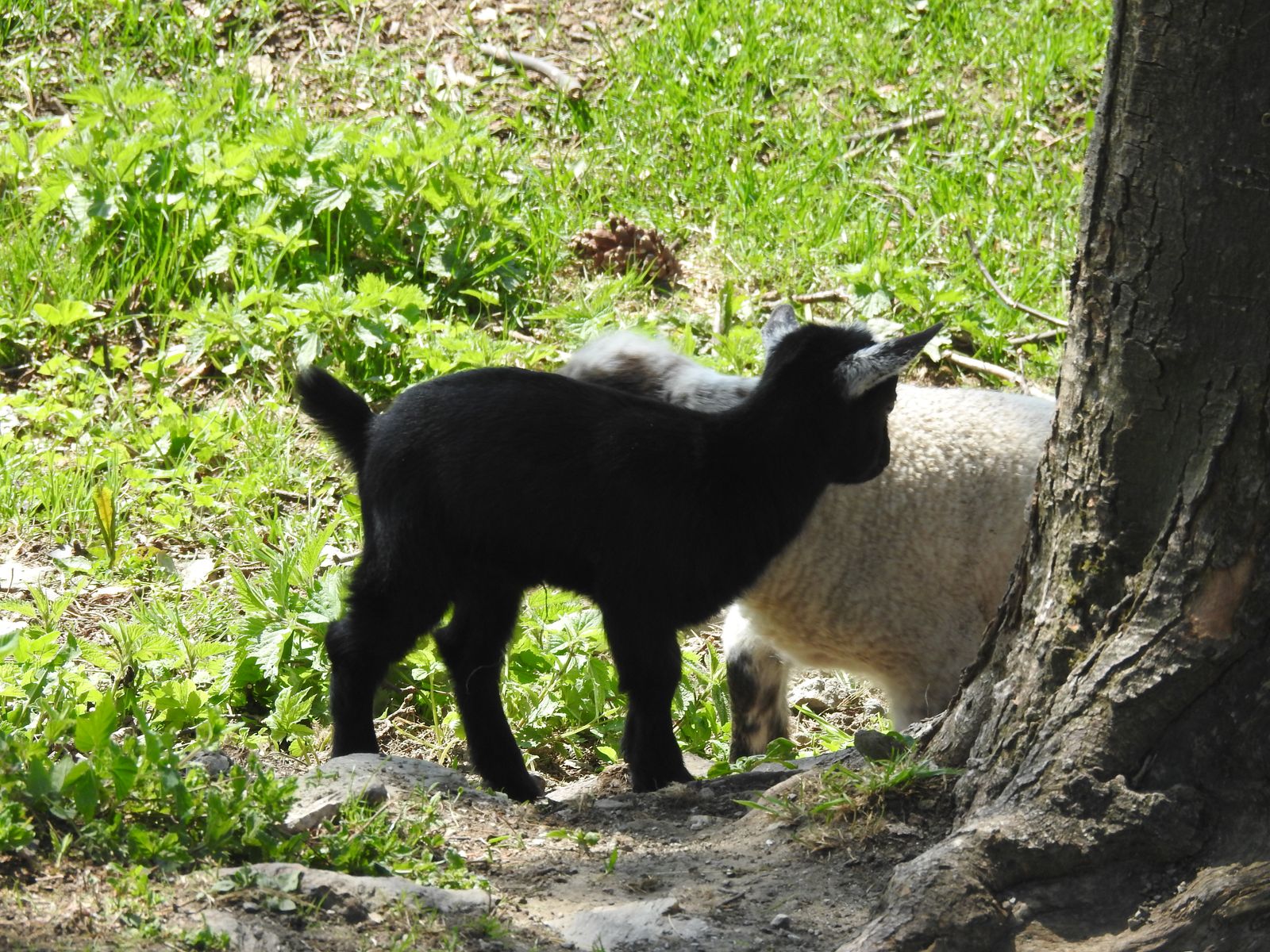
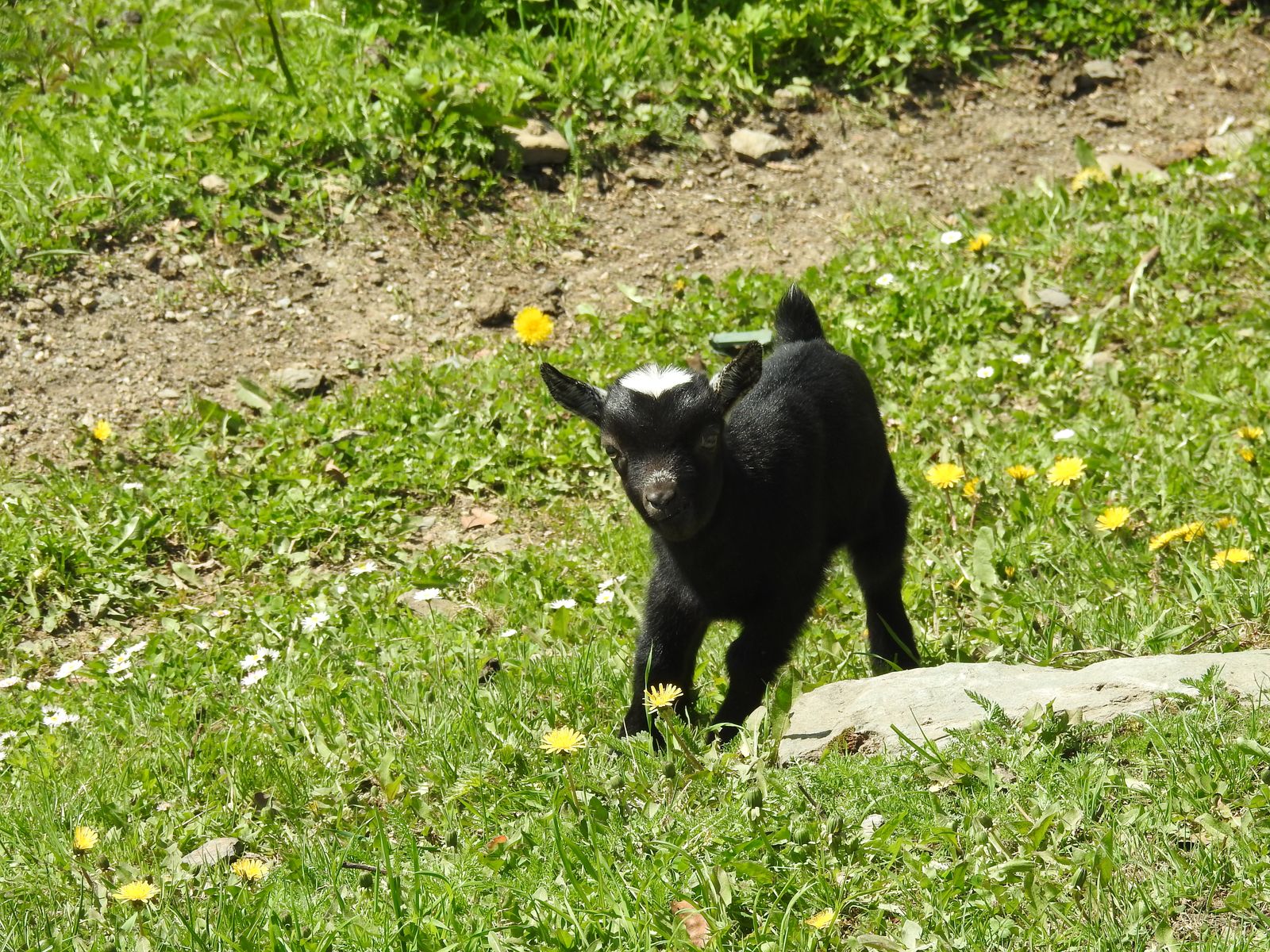


©Charly, all rights reserved. Click for full size.