
Lucy S. Crandall. The Fairy Glass. A Story for Boys And Girls. Philadelphia, Claxton, Remsen & Haffelfinger, 1872.

Lucy S. Crandall. The Fairy Glass. A Story for Boys And Girls. Philadelphia, Claxton, Remsen & Haffelfinger, 1872.
Some trivial trivia about Czech beer.
The juvenile joke about feminism aside, it is indeed true that one of the persistent gender-assigned “roles” in the Czech republic is that men drink 0,5 l beers and women drink 0,3 l beers.
I did drink a fair amount of beer during my studies in Pilsen, but I have never heard the terms “šnyt” or “mlíko” shown in this video. That leads me to believe that either they are relatively new, or they are Prague-specific.
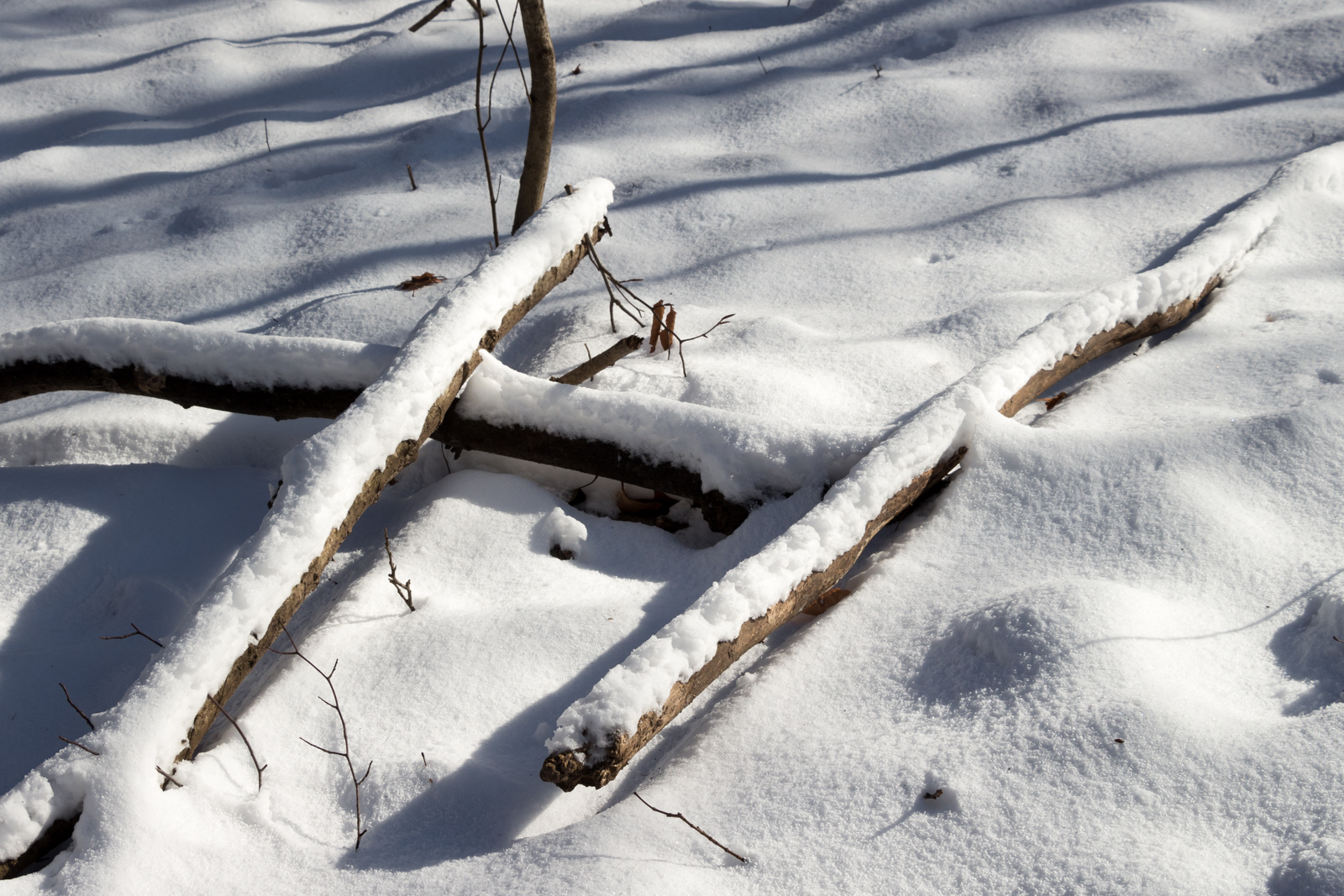
H is for happy. ©voyager, all rights reserved
Winter has returned! It’s properly cold (-6°c) and the forecast is predicting snowfall of about 15 cm. over the next 2 days. Then, next week the temp is supposed to rise a few degrees above zero again. Great, it’s another round of snow – shovel – melt – mud, but I’m not going to complain today.
Instead, I’m going to tell you that’s it’s been a wonderful day here. I awoke to a bright cornflower blue sky full of sunshine, and it made the getting out of bed ever so much easier. I made coffee and drank 2 cups while getting dressed and coifed, then Jack and I took a slow stroll around the neighbourhood. I could see that the sun was sitting higher on the horizon, a sure sign that the days are finally getting longer, and I could feel my mood brighten. The glittering rays of the sun warmed my cheeks and my nose and the bite of cold air couldn’t compete. Neither Jack nor I, wanted to go back inside so we lingered a bit longer at electrical poles and trees. We talked of this and that, as we meandered past the school and towards the park, and we even stopped to sing our song* as a train droned past in the background. When we arrived back home, Jack found a sunbeam in the living room and chose the spot to stretch out and nap. When he awoke a few hours later, we went for another walk, just to enjoy the wonder of the day. Tomorrow will come in its own time and there’s no sense worrying about it. Today, Jack and I lived in the moment and it was grand. I hope your day was just as pleasant.
*This is Jack’s favourite song
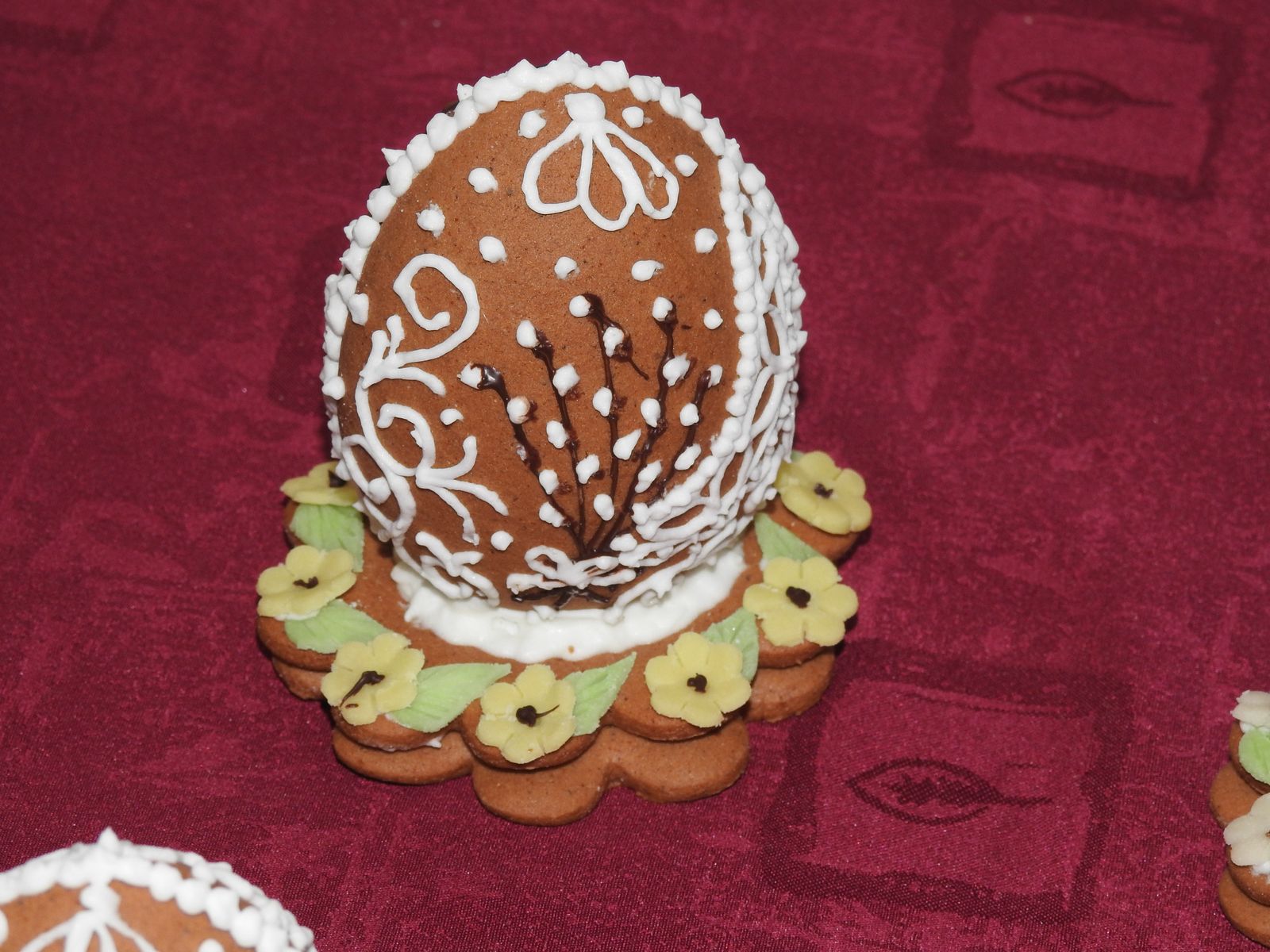
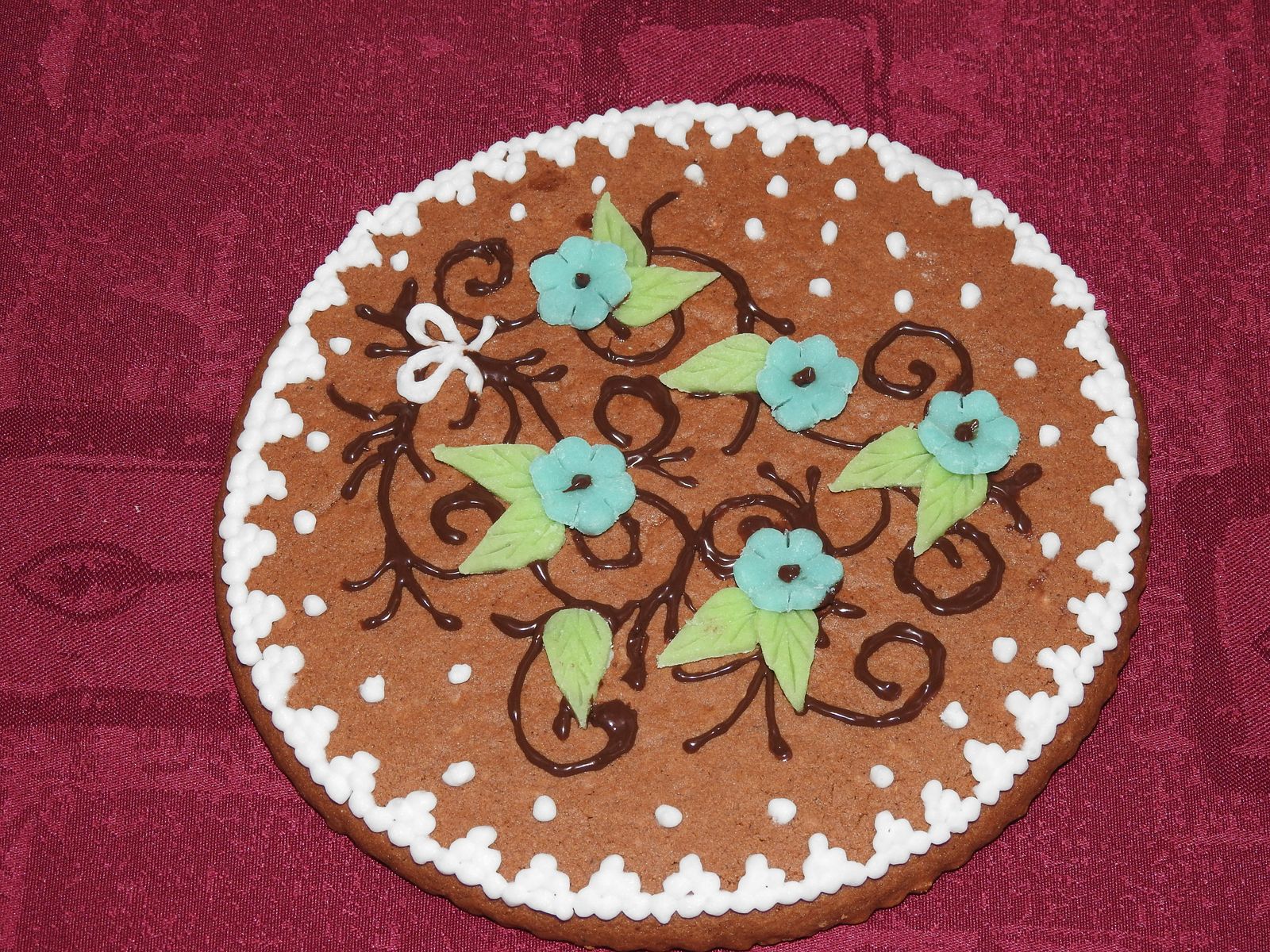
More details of the gingerbread eggs from yesterday – the backsides.
The eggshells are baked on a special form. Before we had that, we baked them on impromptu shapes made from alluminium foil with the help of a spoon. but the results were mixed.

© Charly, all rights reserved. Click for full

© Charly, all rights reserved. Click for full

© Charly, all rights reserved. Click for full

© Charly, all rights reserved. Click for full

© Charly, all rights reserved. Click for full
© Charly, all rights reserved. Click for full
© Charly, all rights reserved. Click for full

Gustav Putlitz. What was Said in the Woods. Translated from the German (Was sich der Wald erzählt) London, Longman, Brown, Green & Longmans, 1851.
via: The George A Smathers Library at the University of Florida

Jack in the yard today, ©voyager, all rights reserved
We had a few flurries of snow today, but it didn’t amount to much, and it won’t stick around. The ground isn’t frozen yet, and the temp doesn’t want to stay below zero this winter. We’ll get a few relatively cold days at -4°c, which is warmish for here in January, then it swings up to a few degrees above zero and stays there for a few days. I know I’ve been talking a lot about the unseasonable weather this week, but I have one more observation that I want to share. It’s about the grass. I think it’s been growing.
I know that sounds ridiculous, but I can see it with my own eyes. Yesterday when Jack and I were at the park, I noticed that the grass looked green. Not the dull brownish-green of winter, but rather the bright Kelly green of late summer or early autumn. It was shaggy, too, and looked ready for a cut, but maybe that’s the way the parks department left it in the fall. I wasn’t really paying attention, so who knows. I do remember how my own grass was left in the fall, though, and it was a lot shorter than it is now. Our grass cutting service came by on Halloween and did the last cut for the year, and it was left nicely short and snipped. Then November got cold and nasty and I didn’t pay a lot of attention to the grass anymore.
Until today, when I checked it with a critical eye. It is definitely looking shaggier than it did in November. I can’t prove it. I didn’t think to take measurements at the time, and it wouldn’t make sense to take measurements now, but it looks like it could use a cut. Maybe there’s another piece of evidence, though – Jack. More specifically, Jack’s feet. My Bubba is allergic to grass, and he takes a mild steroid combined with an antihistamine in the summer. We usually stop giving it to him around the end of October, and he’s good until spring without it. It’s called a drug holiday, and it’s better for Jack’s overall health. This winter, we’ve tried several times to discontinue the drug, but within a few days, Jack starts to gnaw and fuss with his feet again, and we have to restart the drug. I thought it might have something to do with road salt because he has less hair this winter, including around his foot pads, but it’s probably the grass. It’s growing.
Today was my first real workday since the beginning of the year – today was the first day I did not feel like crap. So I have decided to assemble handrail (or a balustrade?) around the entrance to the attic, which was on my backlog for a few years by now.
I did not make the handrail, and I did not even pay the full price for it. I am not normally a difficult customer, I do not haggle, I pay on time and I am forgiving of a miss-hap here and then. But this is one of the instances when I really lost my patience. The carpenter did not object, he knew he screwed up. And when I was assembling the handrail today, I found out the screwed up even more than I knew. Initially, I was only angry about his inability to either keep a deadline or to inform me in advance that he needs a delay (which he got three times after he failed to show up). Today I found out that he did a poor job too.
For example, two screws holding the frame together had their heads twisted off and the whole thing was all wibbly-wobbly because there were huge gaps between the parts.

A really unseemly gap. Unstable too. © Charly, all rights reserved. Click for full size.
In addition to these gaps, the frame was not even properly square – not even close! The handrail was fixed 5 mm higher on one column than on the other, which was enough to be noticeable with the naked eye. So I had to glue-up the pre-drilled holes and make new ones.
That is not something a professional carpenter should demand to be paid for. As a professional, he has a fancy workshop full of tools that I can only dream of. Surely he has some long clamps that would allow him to screw the thing together without such huge gaps. Nevermind that fancy modern clamps are not even necessary, as I am going to show you.
You need a rope, a piece of wood and… and that’s it. You tie the rope loosely around two parts that are perpendicular to the desired force vector, as close to the joint as possible (in this case the column and the closest vertical bar in the frame). Then insert the piece of wood into the loop (in this case a hammer handle) and start twisting the rope until it tightens the joint together. For best result, the rope should be so long that you get a tight fix at just 1-2 full revolutions, less and you have poor control, more and the strands will be unevenly stressed.
When tightened to your desire, you can either hold or tie the piece of wood in position and screw the parts together.

Hammer inserted into the loop and turned around two times to tighten the rope. © Charly, all rights reserved. Click for full size.
Thus you can get a nice fit between the parts, without unseemly gaps that make the joint not only ugly but also unstable.

A proper joint without a gap. © Charly, all rights reserved. Click for full size.
To give credit where it is due, I did not invent this trick. It is a centuries-old technique used, among other things, by ottoman bow-builders for getting a very tight bond between layers in their composite bows while the glue sets.
After I have spent one hour fixing the poor work, I needed two more hours to assemble the whole thing again and fix it in place.

Mah “new” handrail finally in place. © Charly, all rights reserved. Click for full size.
Something special from Lofty today.
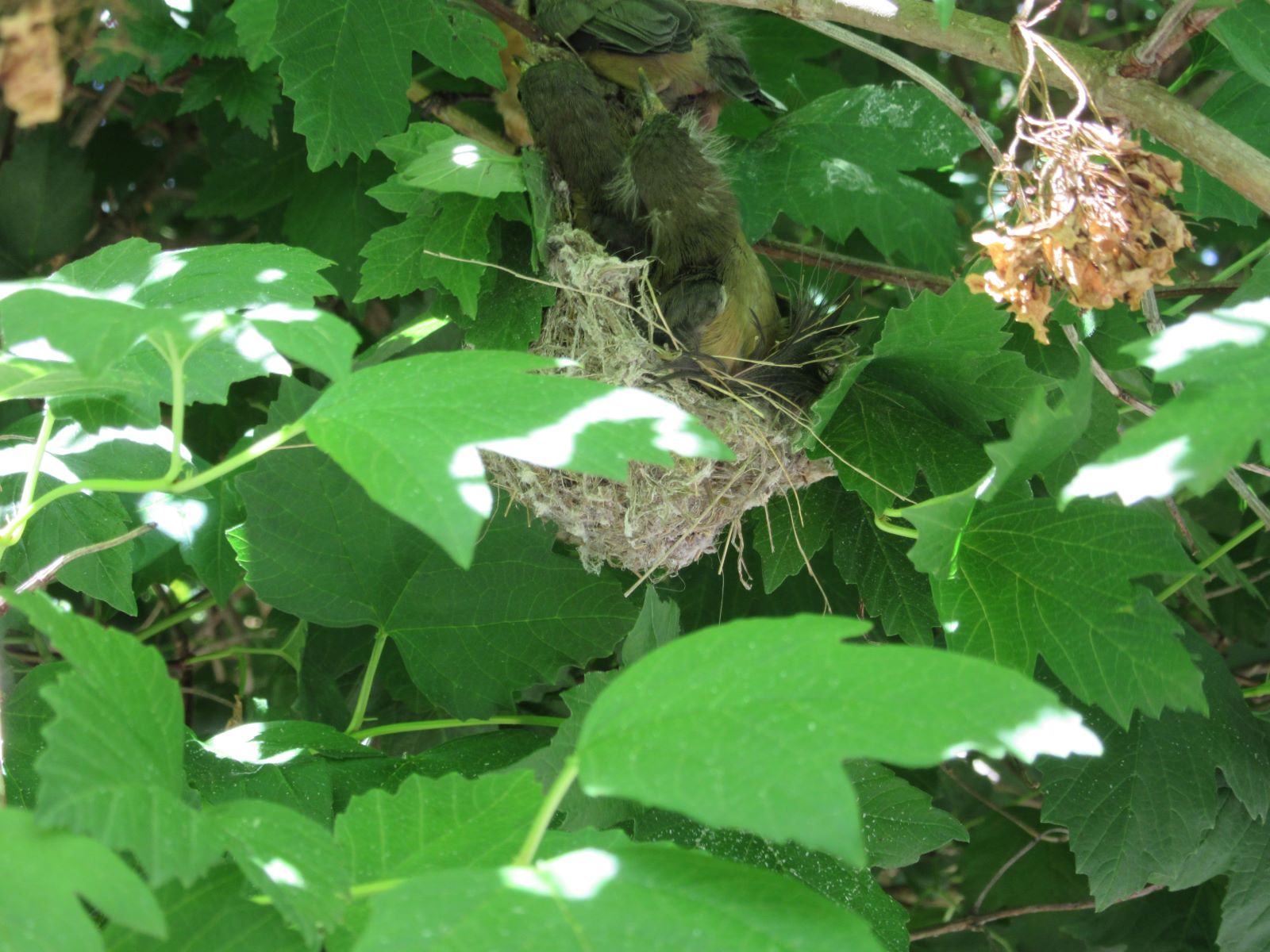
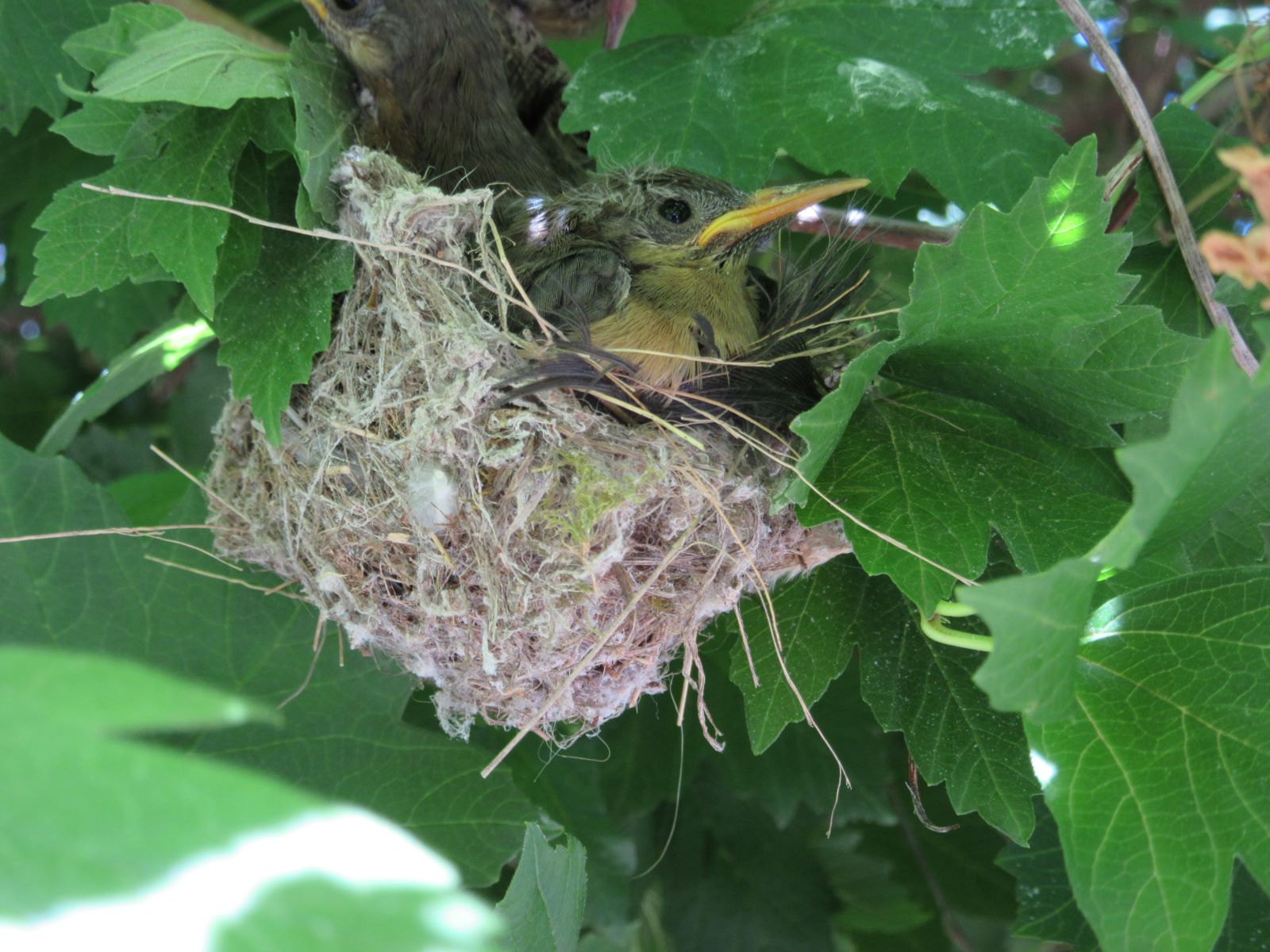
I thought that it’s about time I added some spring cheer into the blog. Attached are pictures of the Eastern Spinebill chicks nearly ready to leave the nest. I first noticed them as I brushed under our snowball tree and they made a thin piping noise. Carefully pulling down the branch to see into the foliage must have made the babies think that a parent with a meal had arrived. The first picture includes the parent that was too quick to catch in a second photo. The next day the chicks were looking much readier and a couple of days later they were gone, leaving only a pile of baby feathers on the ground below.
https://en.wikipedia.org/wiki/Eastern_spinebill
©Lofty, all rights reserved
©Lofty, all rights reserved
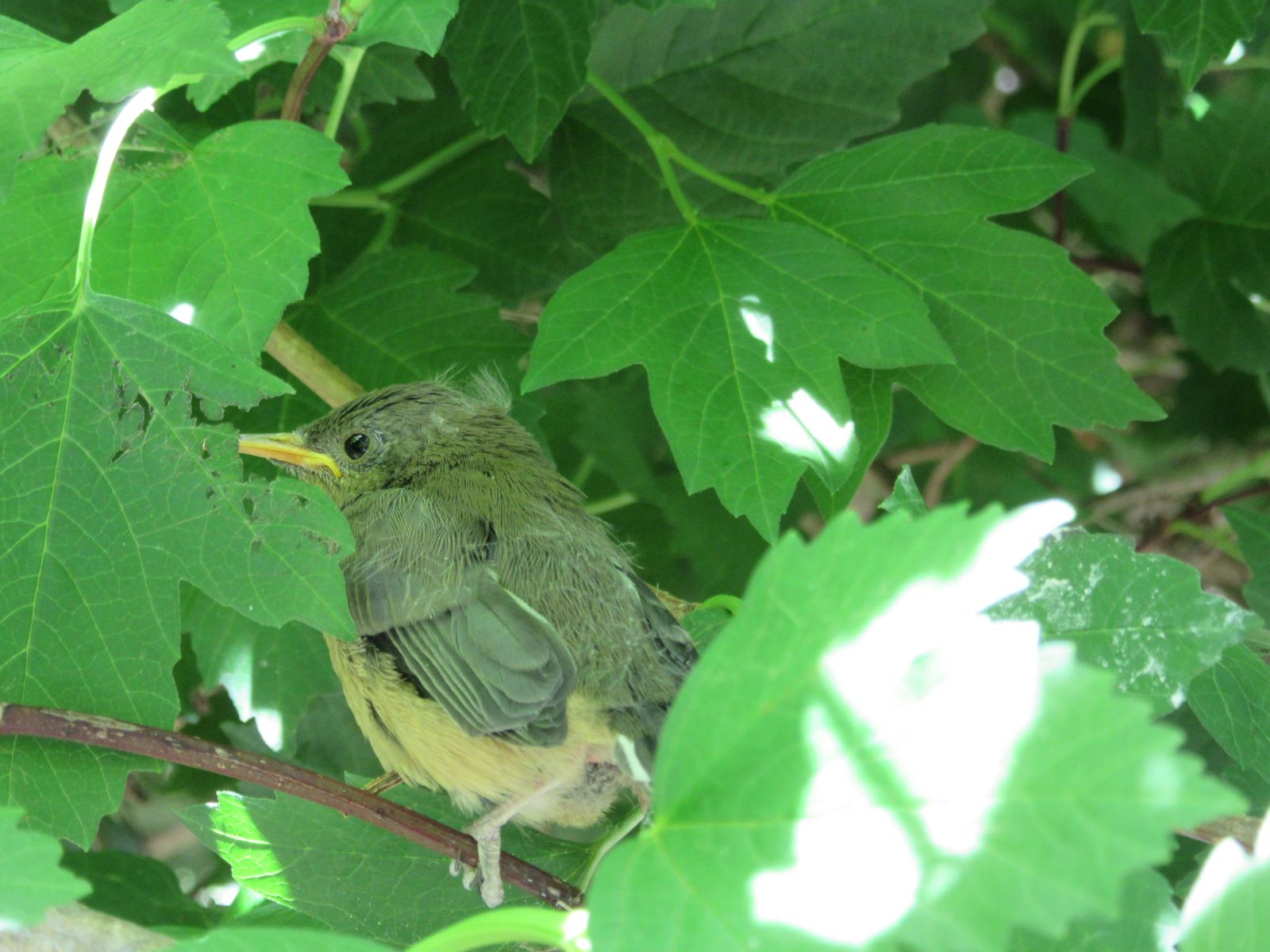
©Lofty, all rights reserved
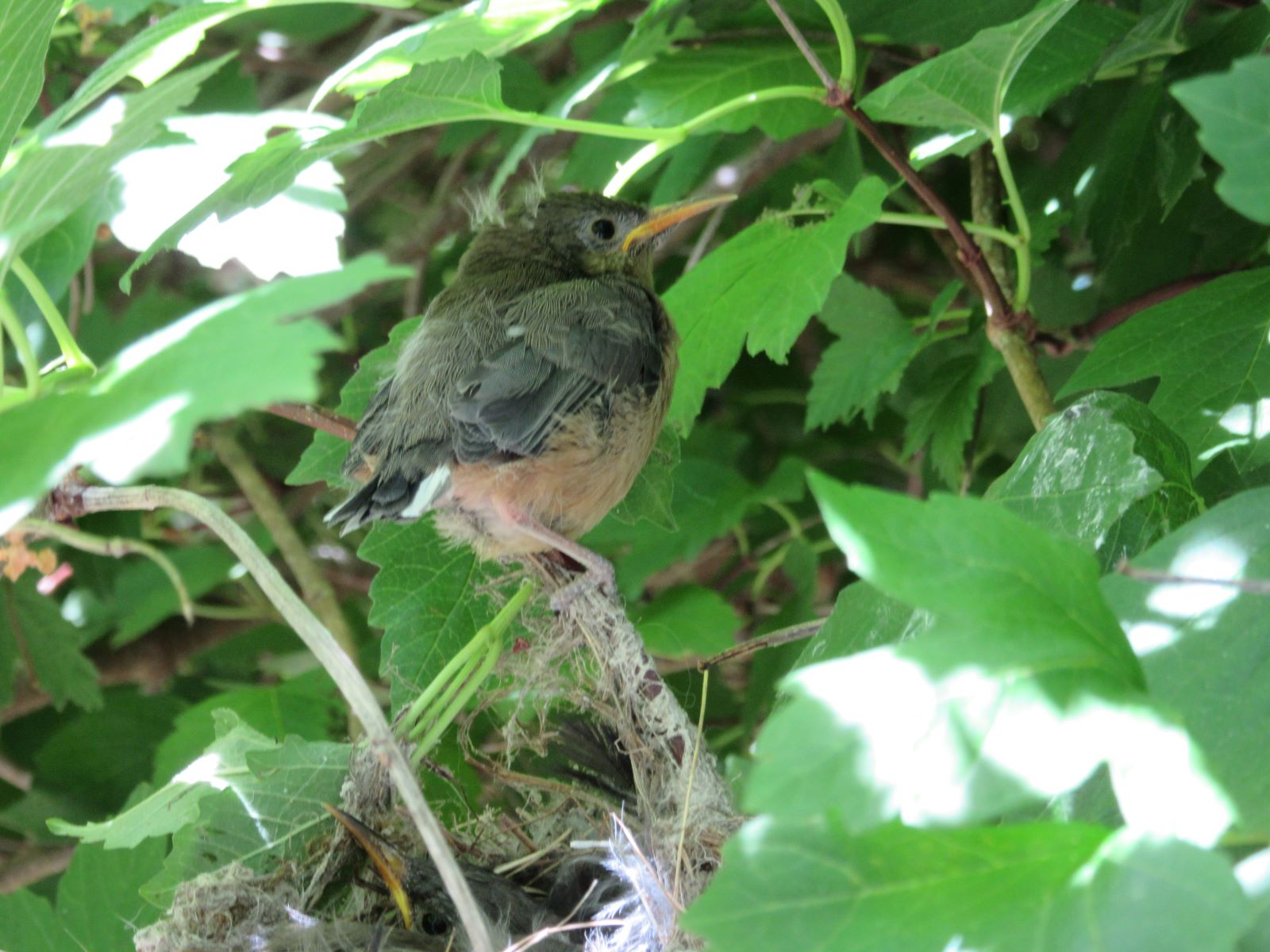
©Lofty, all rights reserved

Mutual Life Insurance Company of New York. PlainDirections for the Care of the Sick and Recipes for Sick People. New York, S.W. Green, printer, 1875.
And now for some gingerbread Easter eggs.

© Charly, all rights reserved. Click for full size.

© Charly, all rights reserved. Click for full size.

© Charly, all rights reserved. Click for full size.
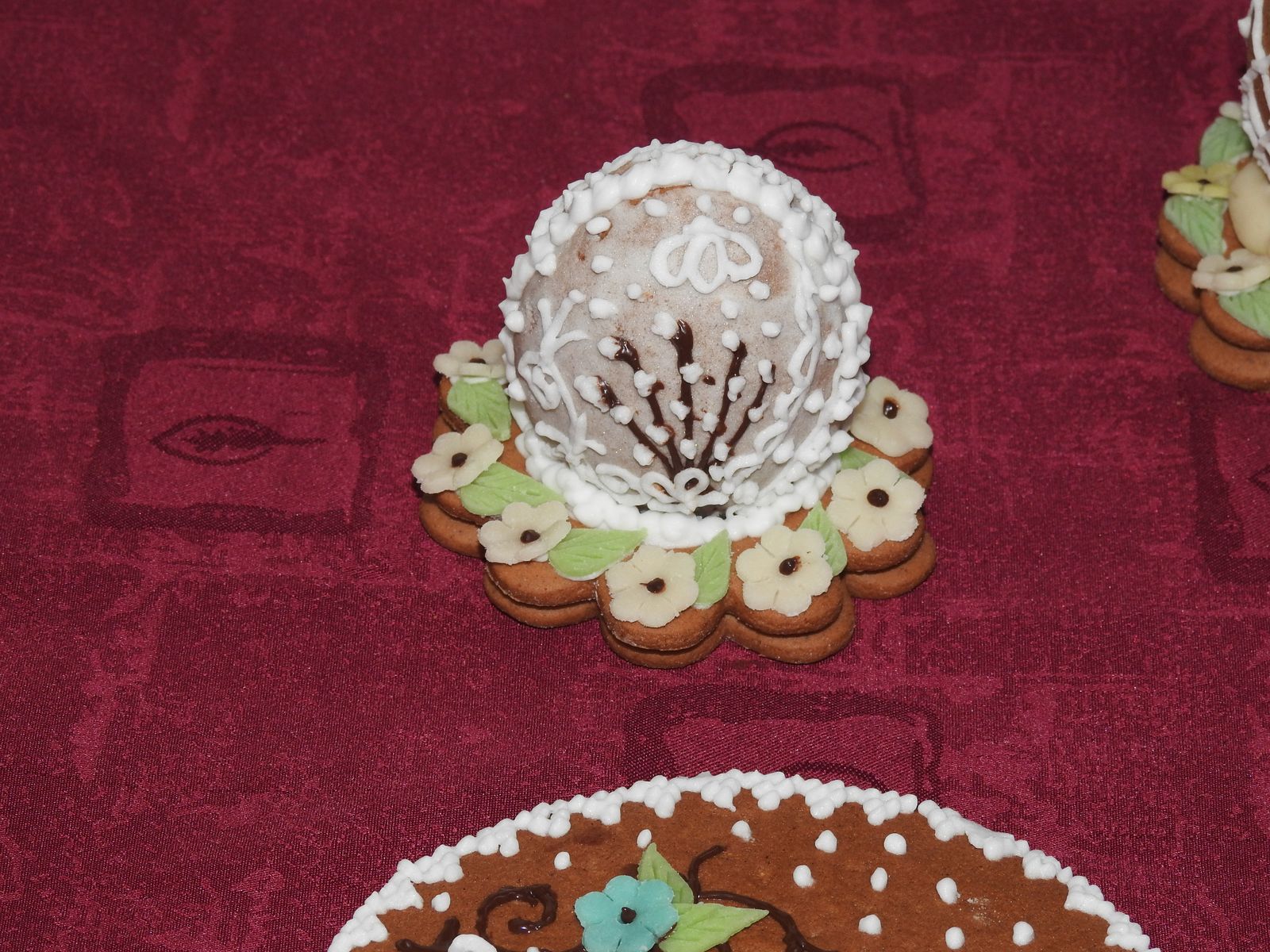
© Charly, all rights reserved. Click for full size.

© Charly, all rights reserved. Click for full size.

© Charly, all rights reserved. Click for full size.
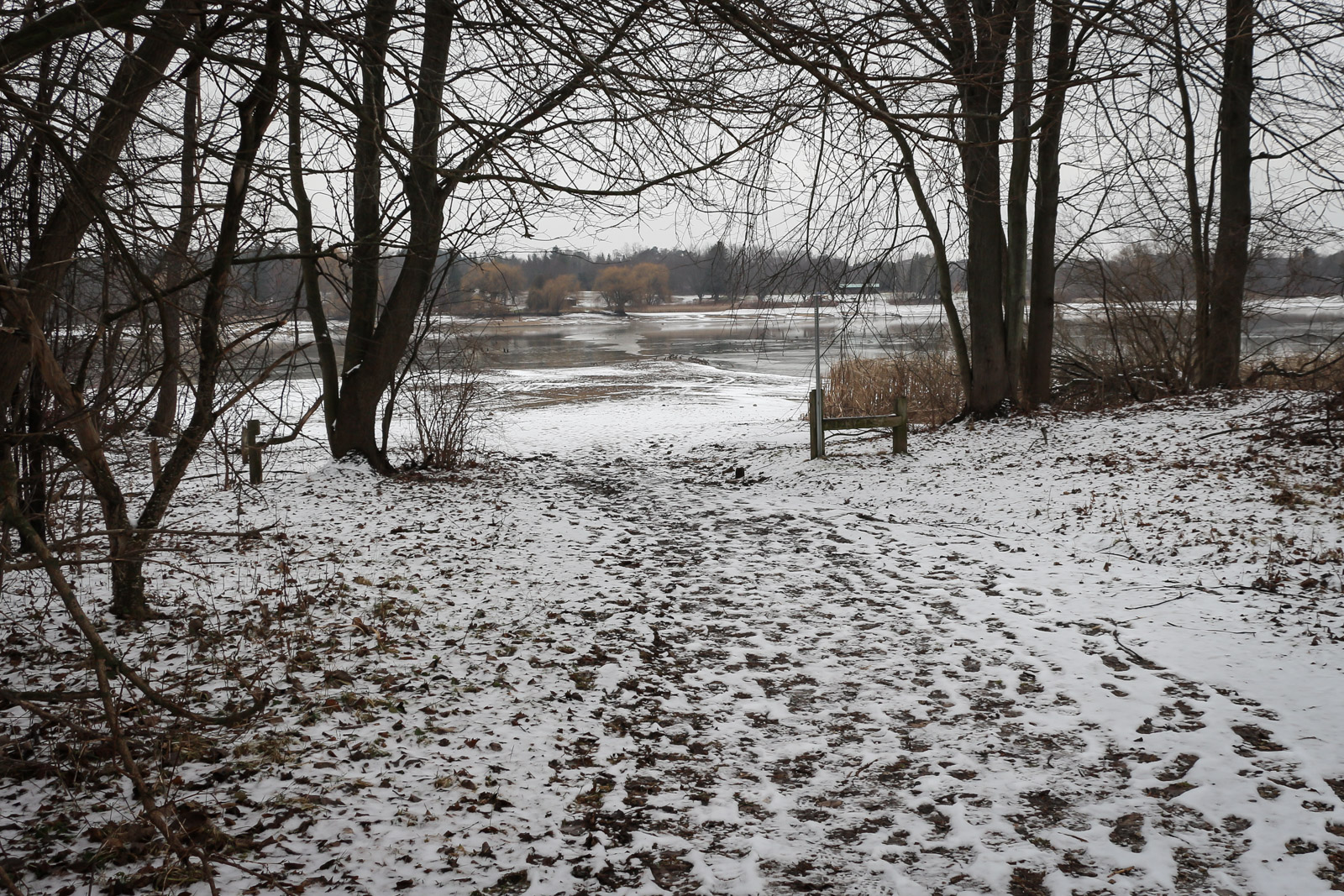
New Year’s Eve, 2018
The lake in our town was created with the installation of a dam in the early ’60s. It acts as a reservoir for flood management of the downstream Thames River, which runs through many small towns and eventually into the big city of London (Ontario.) Yesterday when I was out driving, I noticed that the river looked full and close to spilling its banks, which is odd because that’s what the dam is supposed to prevent, so this morning I threw a few dog towels in the car and took Jack up to the lake to have a look-see. Before I show you what we found, though, I want you to see what nearly normal looks like. That’s it up there in the first photo, which was taken at the canoe launch on the last day of December 2018, so about a year ago. In summer, the water level reaches all the way to the feet of the big trees in the photo, but in winter they keep it much lower. In fact, the water level is often so low that you can walk out nearly to the centre of the lake and not get your shoes wet. Here’s Mr. V and Jack doing just that.
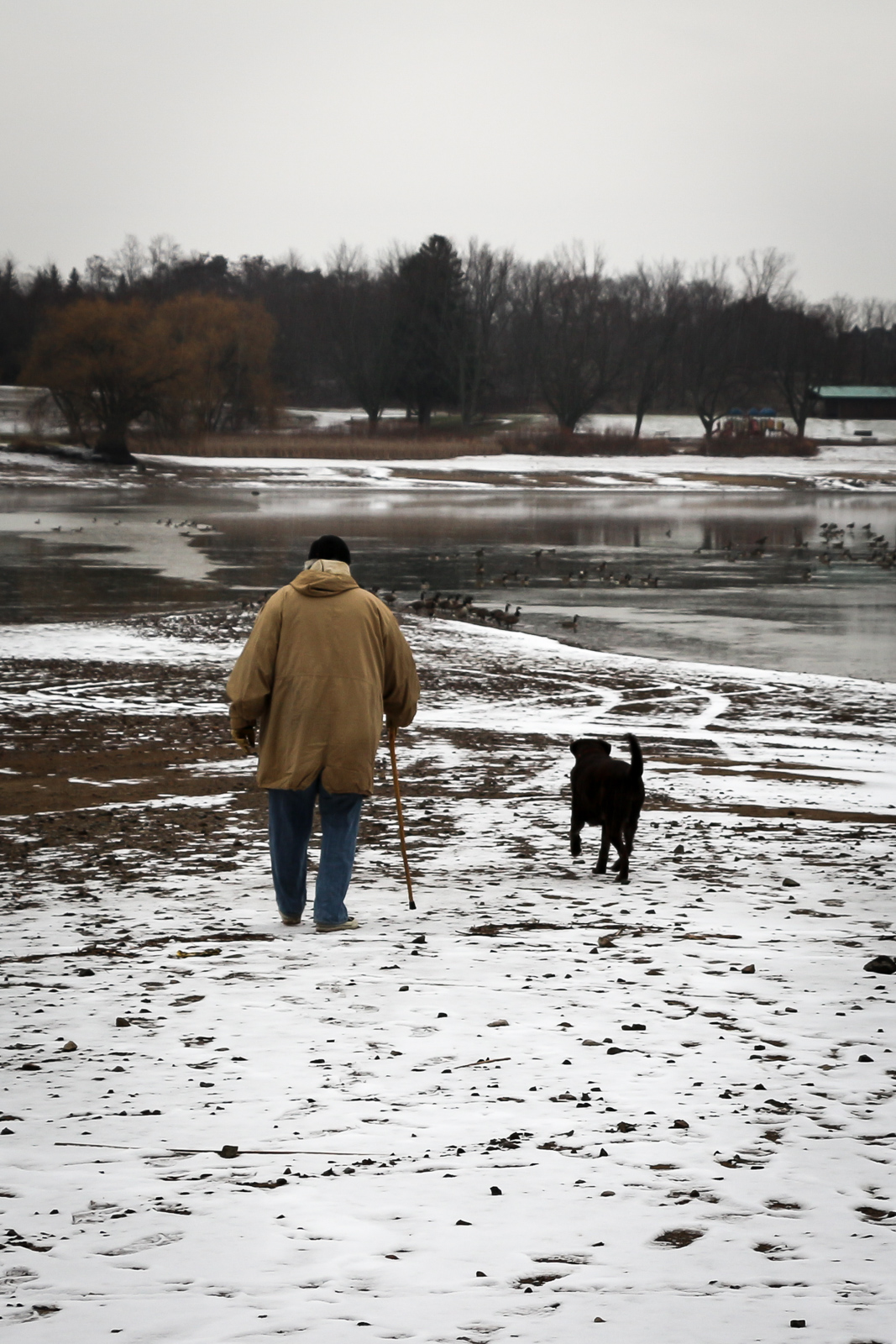
©voyager, all rights reserved
Except for the open water instead of ice, that’s how the lake usually looks in the winter. You can walk on it. (It’s a local haha joke)
Well, today you cannot walk on it. Not even with Jesus’ magical shoes, could you walk on it.
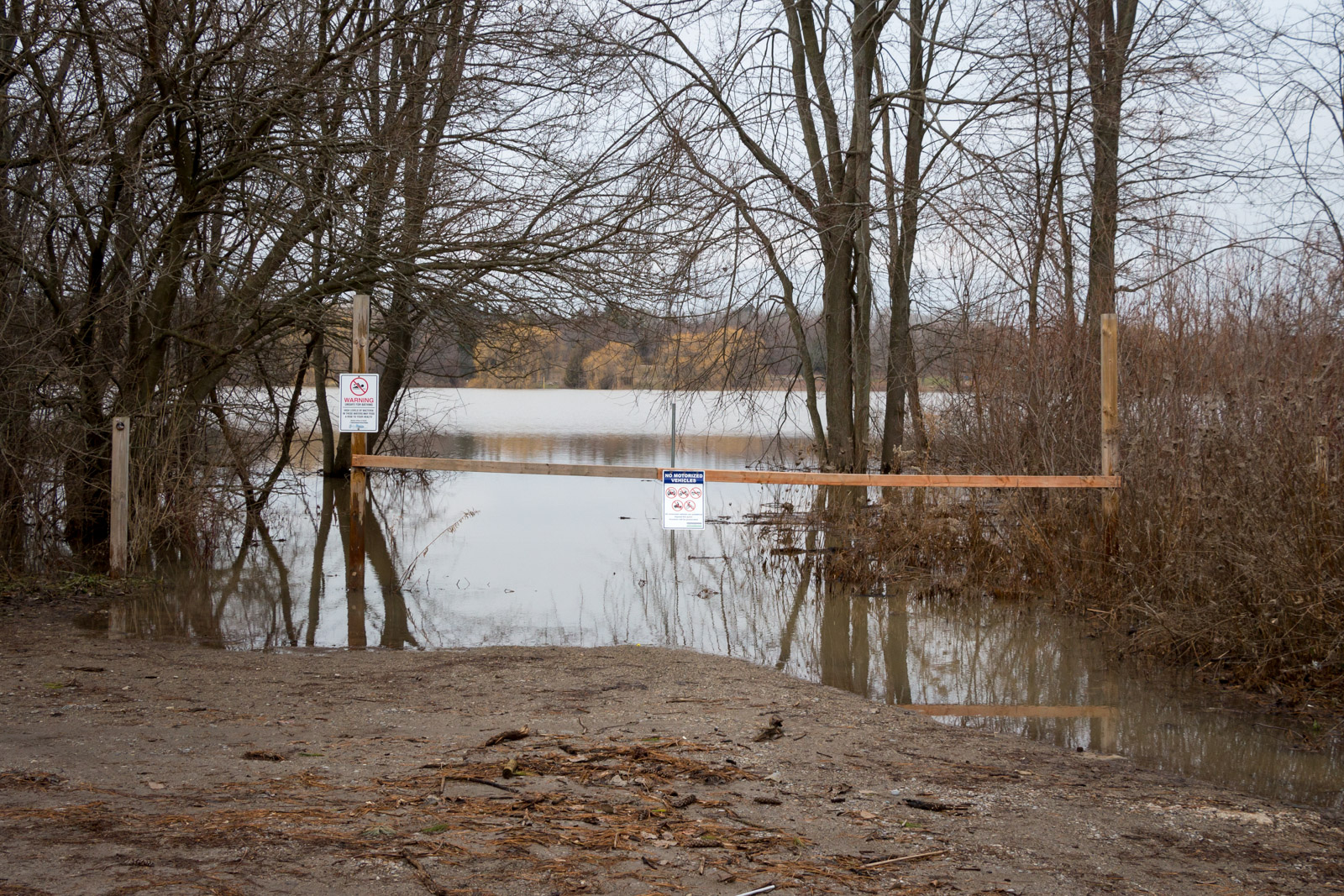
©voyager, all rights reserved
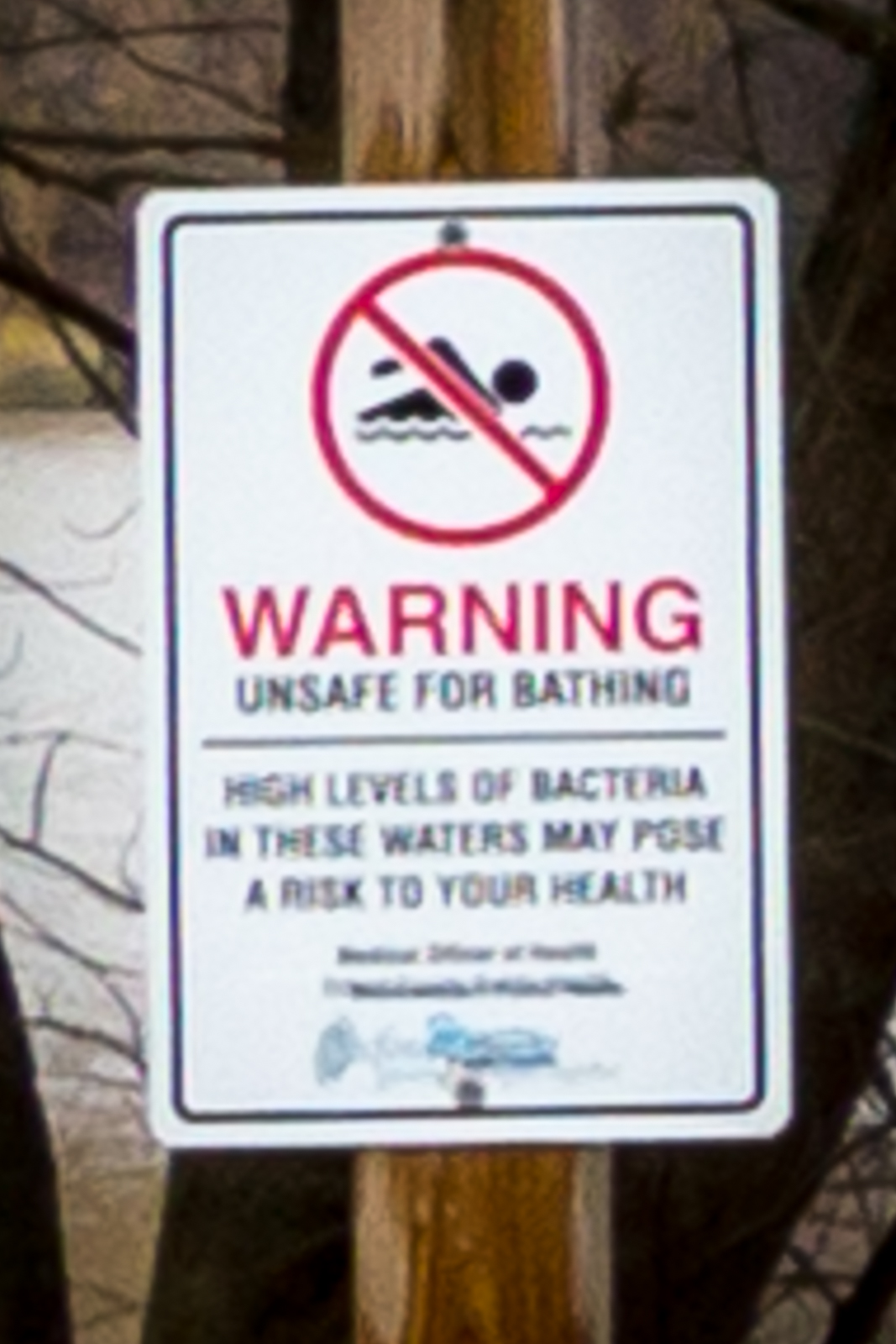
©voyager, all rights reserve
It’s hard not to like a milder winter, but it comes at a pretty high cost.
See that sign up there on the left post? It’s a warning that the water has bacterial contamination and is unsafe for bathing. Which means that Jack couldn’t go swimming today, because our winters aren’t cold enough for long enough to kill germs anymore.
Jack and I have seen this sign before, but never in January, and it makes me think about a few things.
Moar Easter-themed gingerbread.
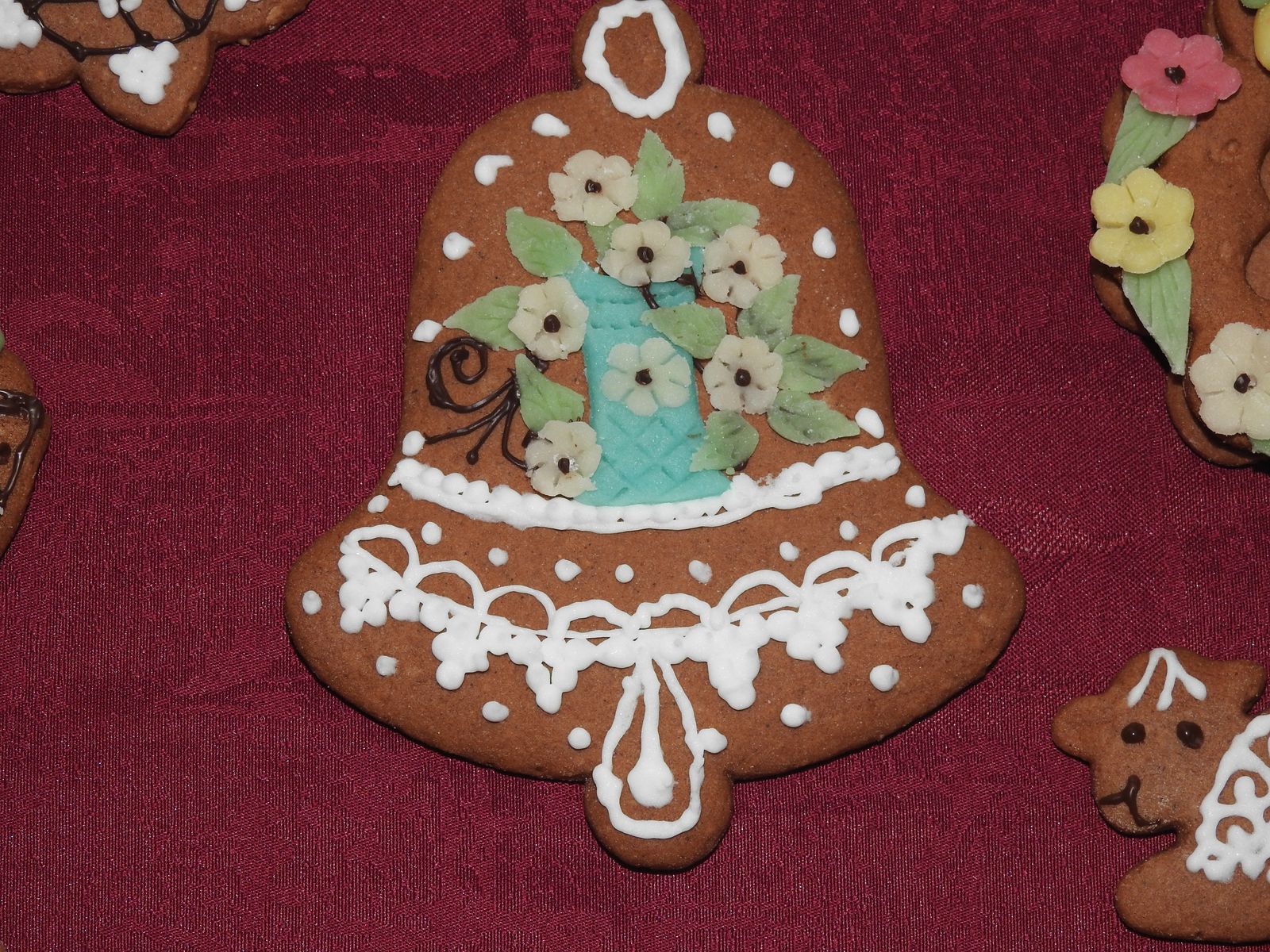
© Charly, all rights reserved. Click for full size.

© Charly, all rights reserved. Click for full size.

© Charly, all rights reserved. Click for full size.

© Charly, all rights reserved. Click for full size.
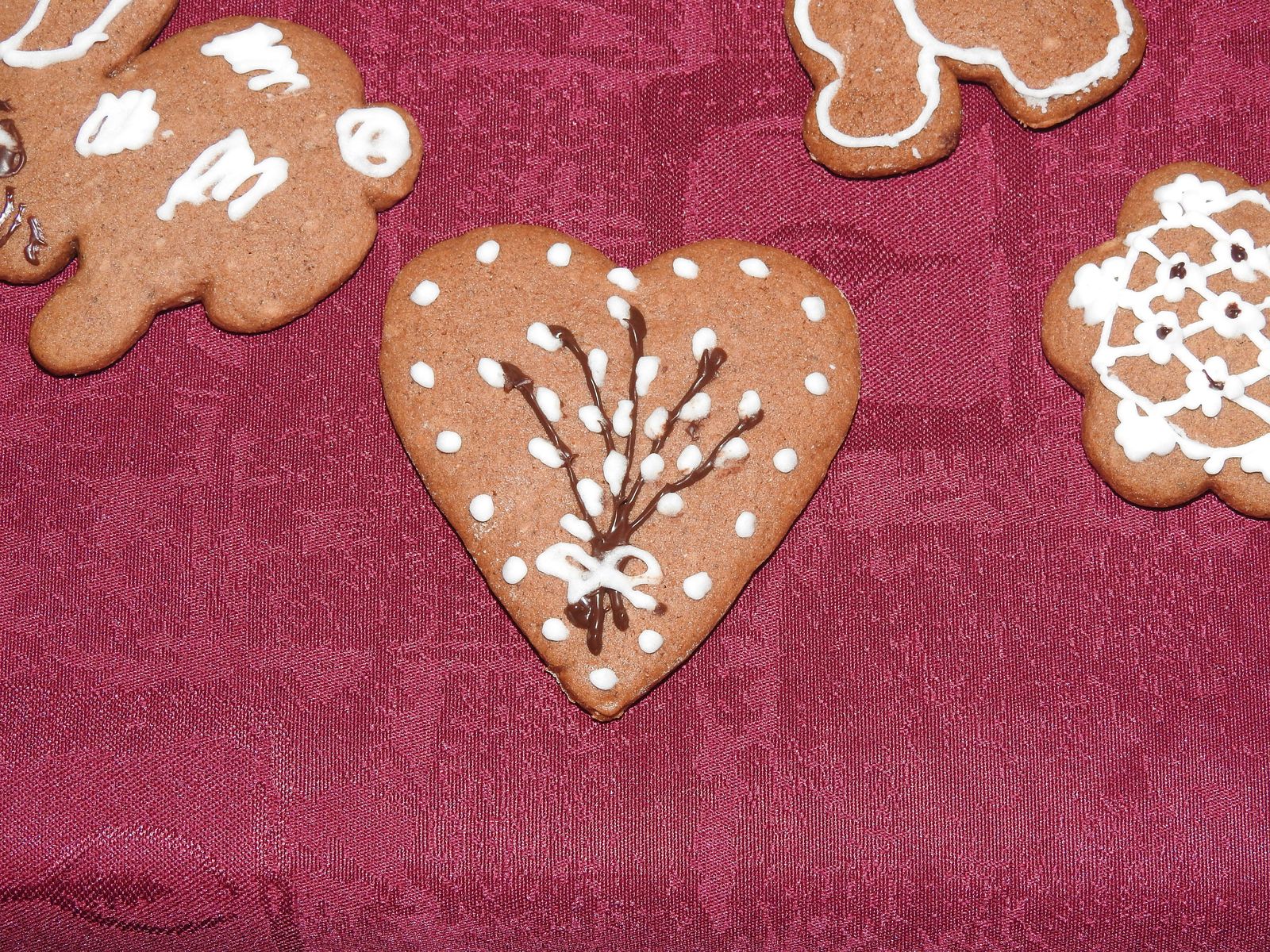
© Charly, all rights reserved. Click for full size.

© Charly, all rights reserved. Click for full size.

George Edwin Hawes. The Fresh Air Child. Pittsburgh, The United Presbyterian Board of Publication, 1907.
via: The Internet Archive