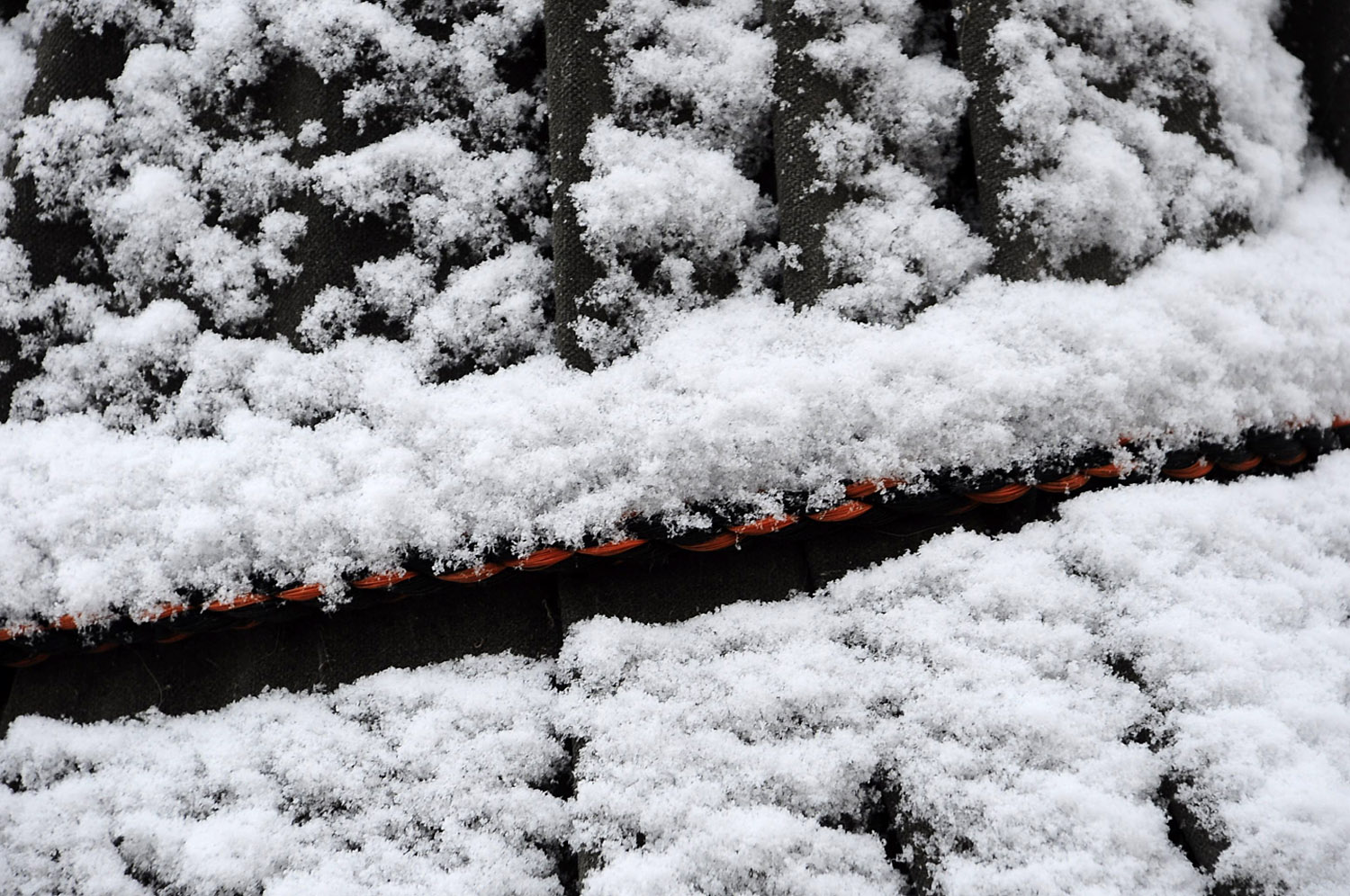
I have the feeling we aren’t getting a Spring this year.


© C. Ford, all rights reserved.

I have the feeling we aren’t getting a Spring this year.
© C. Ford, all rights reserved.
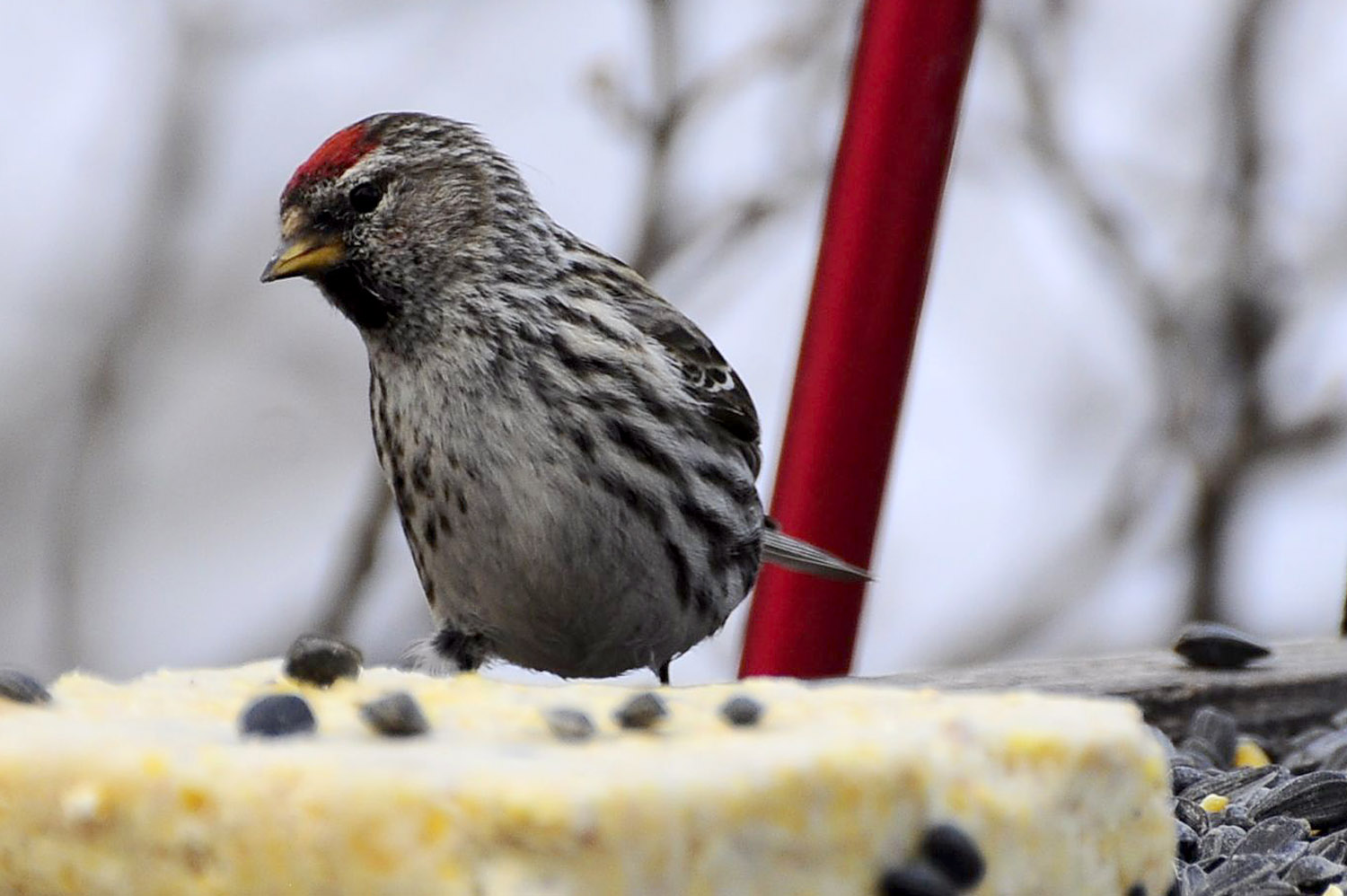
Going to keep on snowing through tomorrow, too. Gonna be 5 F tonight. Lots of fussing and fighting going on studio side, Redpolls, House Finches, Goldfinches, Chipping Sparrows, House Sparrows. Click for full size.


© C. Ford, all rights reserved.
This handsome team was giving free wagon rides today at our local sugar bush.

©voyager, all rights reserved
Exile.
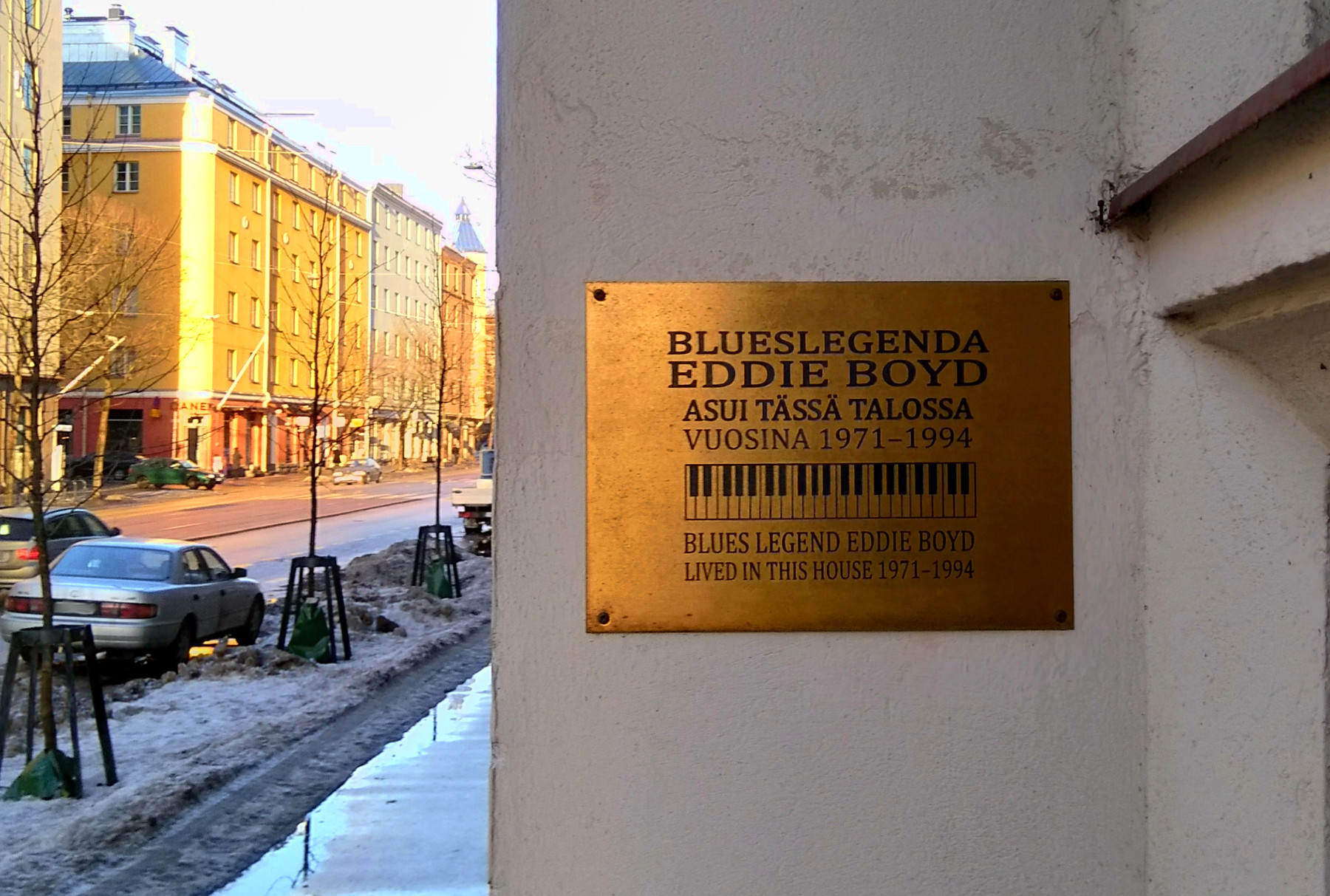
Eddie Boyd (born 1914) was an African-American blues artist (singer, songwriter and pianist) who moved to Europe to get away from the racial discrimination in the U.S. in the late 1960s, ending up in Helsinki, Finland in 1970. He married his Finnish girlfriend in 1977 and died in Helsinki 1994 at the age of 79.
Boyd had some hits in the U.S. in the early 1950s, the biggest one being Five Long Years. In Europe he recorded and toured with Fleetwood Mac ja John Mayall Bluesbreakers and various Dutch and Finnish musicians. He performed blues until 1984, concentrating on gospel music in the last decade of his life. Click for full size!
© Ice Swimmer, all rights reserved.
Stephen Shames photograph archive.
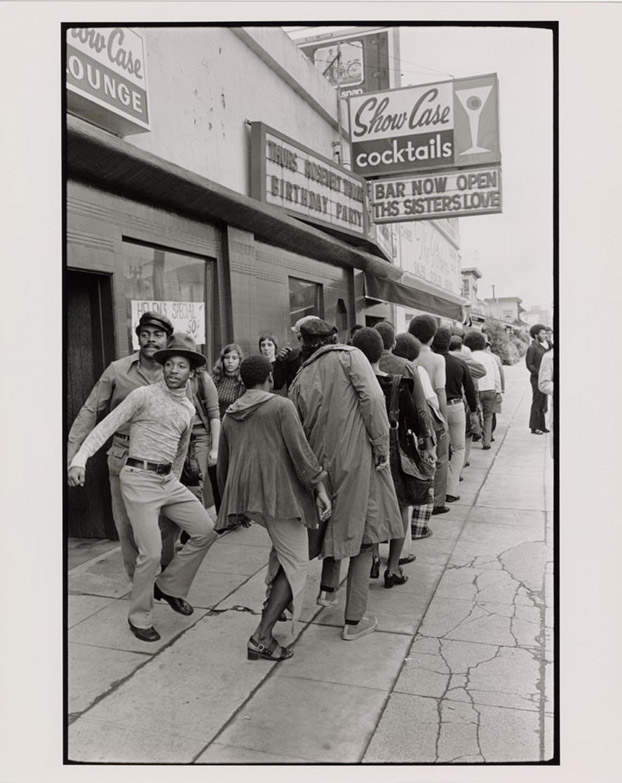
The Briscoe Center has acquired the photographic archive of Stephen Shames. Perhaps best known for his role as the Black Panther Party’s photographer between 1967 and 1973, Shames has also documented many political and social issues over a 50-year career.
“Shames has used his camera to document the intimate histories of a wide range of subjects, including black political activism in the Bay Area, everyday life in New York City, and child poverty across America,” said Don Carleton, executive director of the Briscoe Center. “His archive will not only be preserved here at the center, it will be actively utilized in our mission to foster exploration of the American past, which is why a selection of his work prints is currently on display in the center’s exhibit hall.”
[…]
“As a young man I was privileged to have inside access to the Black Panther Party. Later, as a photojournalist and artist I traveled the world and embedded myself in the lives of many living on the edges of society,” said Stephen Shames. “I hope students and scholars can use these archives to enter worlds they cannot see in person, but can experience through historic photography. I learned a great deal from the people I photographed. I hope others can expand their knowledge and understanding of our world through my work.”
An exhibit of Stephen Shames’s photography is now on display at the Briscoe Center, University of Texas at Austin. You can read more here.
Redpoll, click for full size.
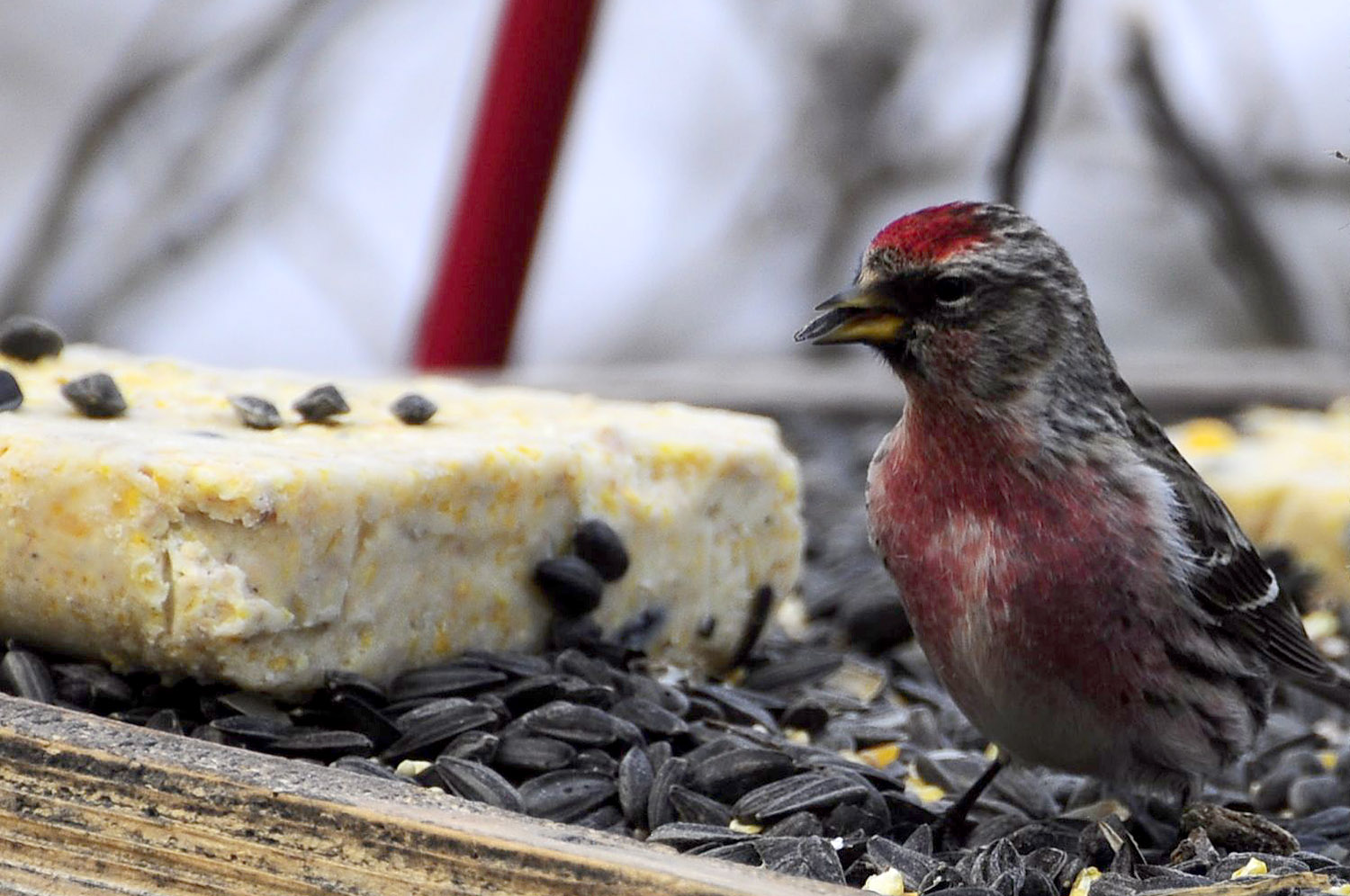
© C. Ford.
I took my mother yesterday to visit her sister, my favourite aunt. She has a really exquisite garden, but unfortunately the spring is not that advanced here yet to see it at its best. And I also have forgotten my camera, so I could only make pictures with my phone. Which sucks, but I think they still are worth looking at. Click for full size.
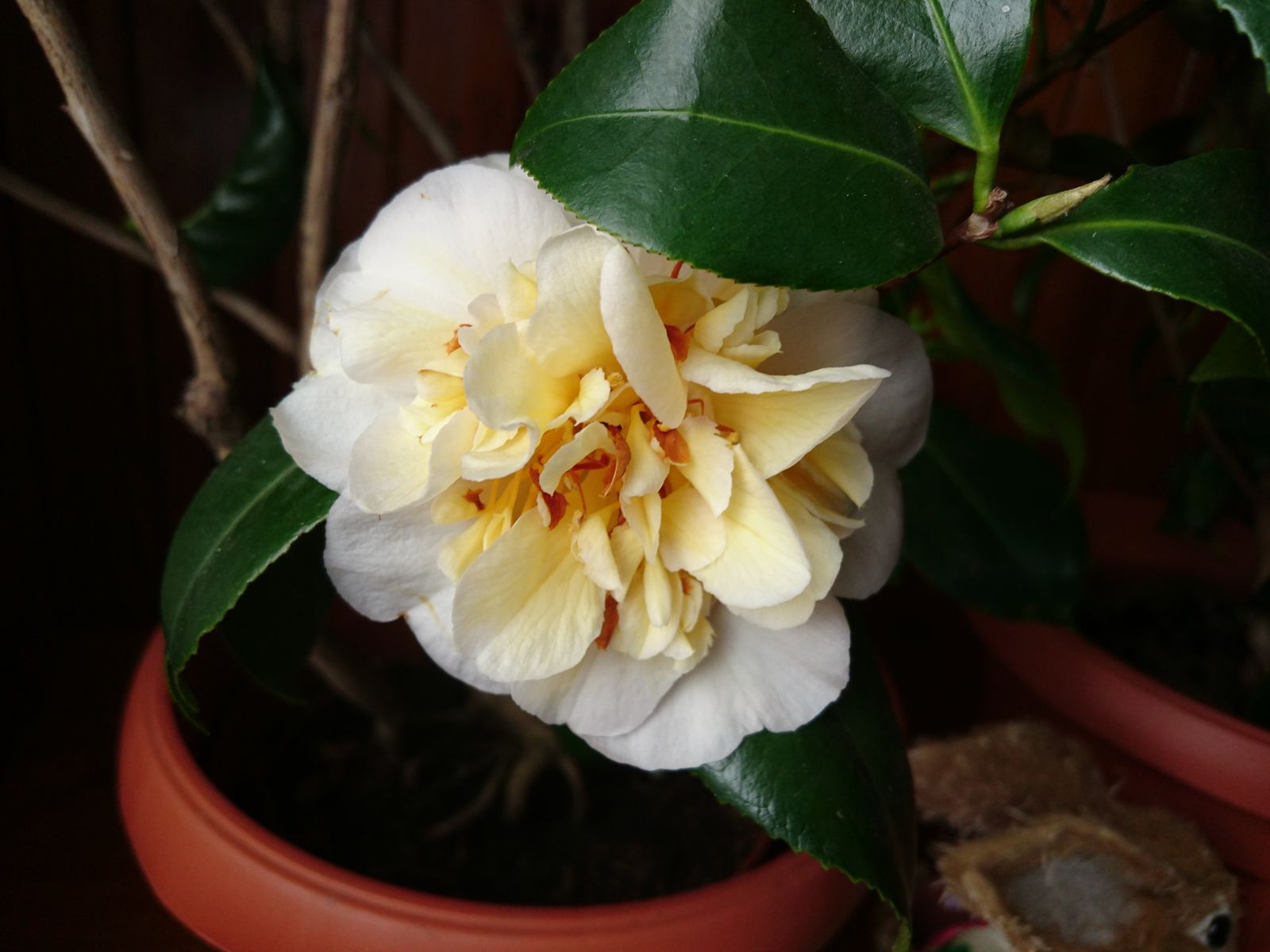

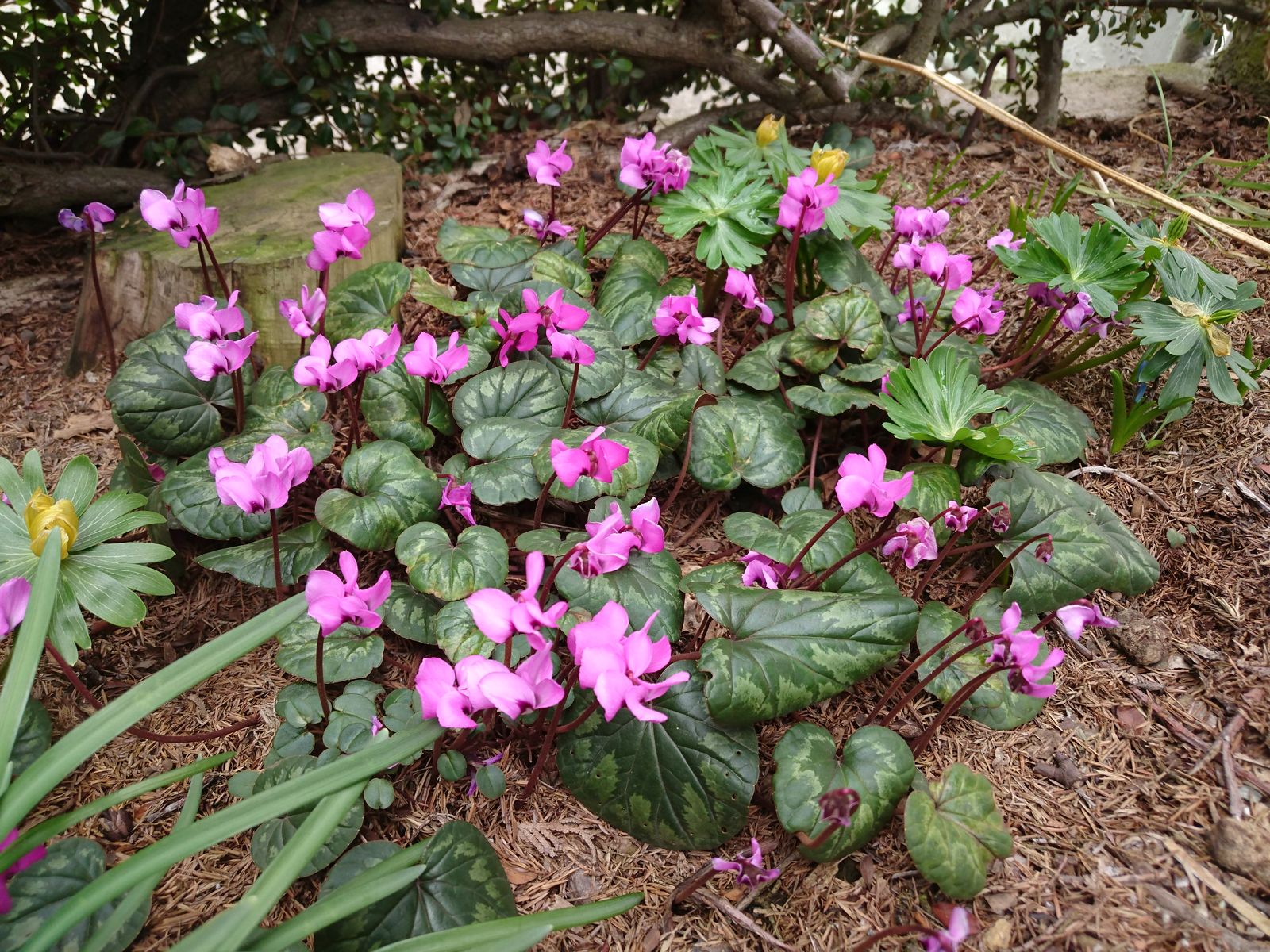
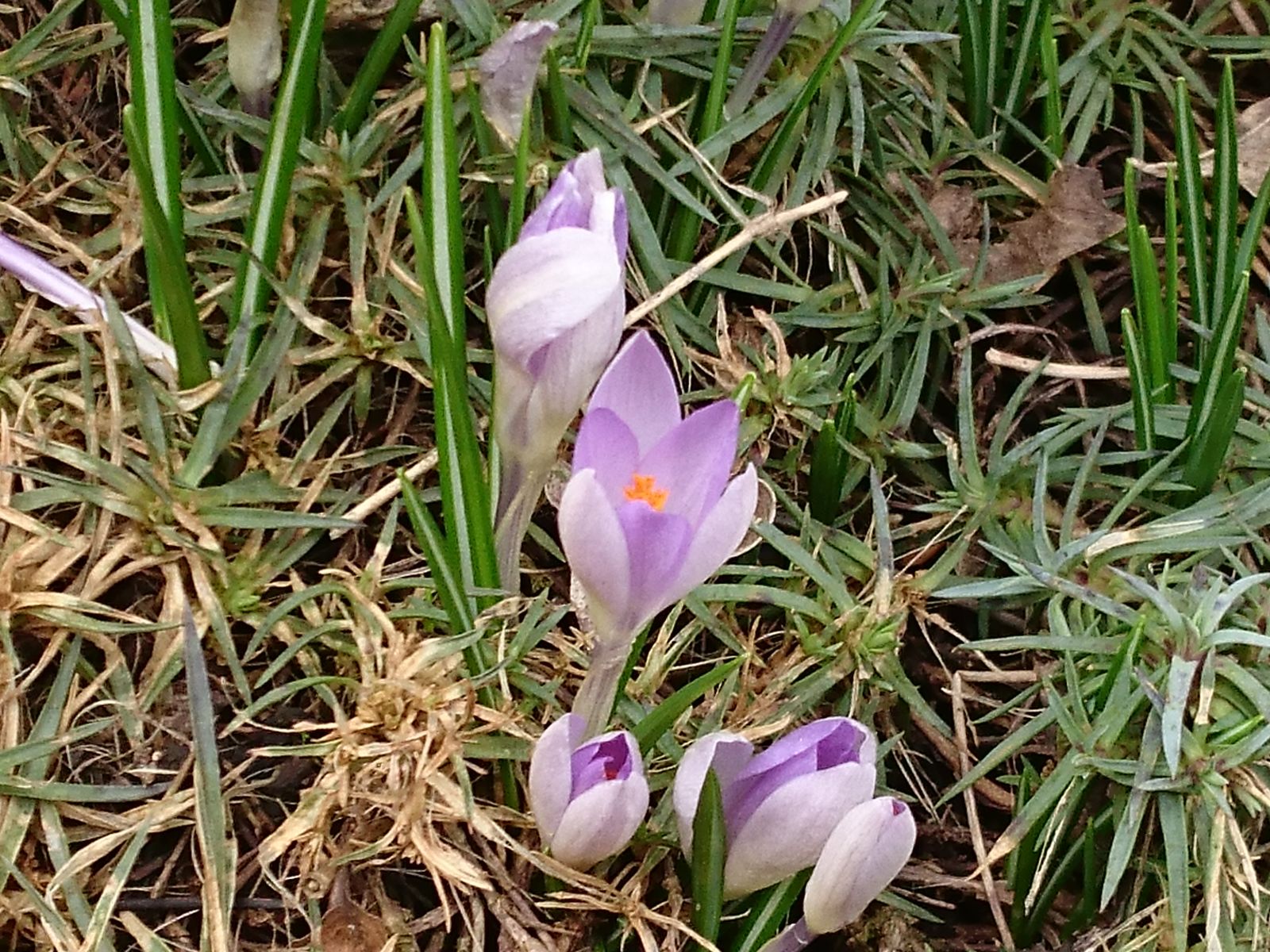
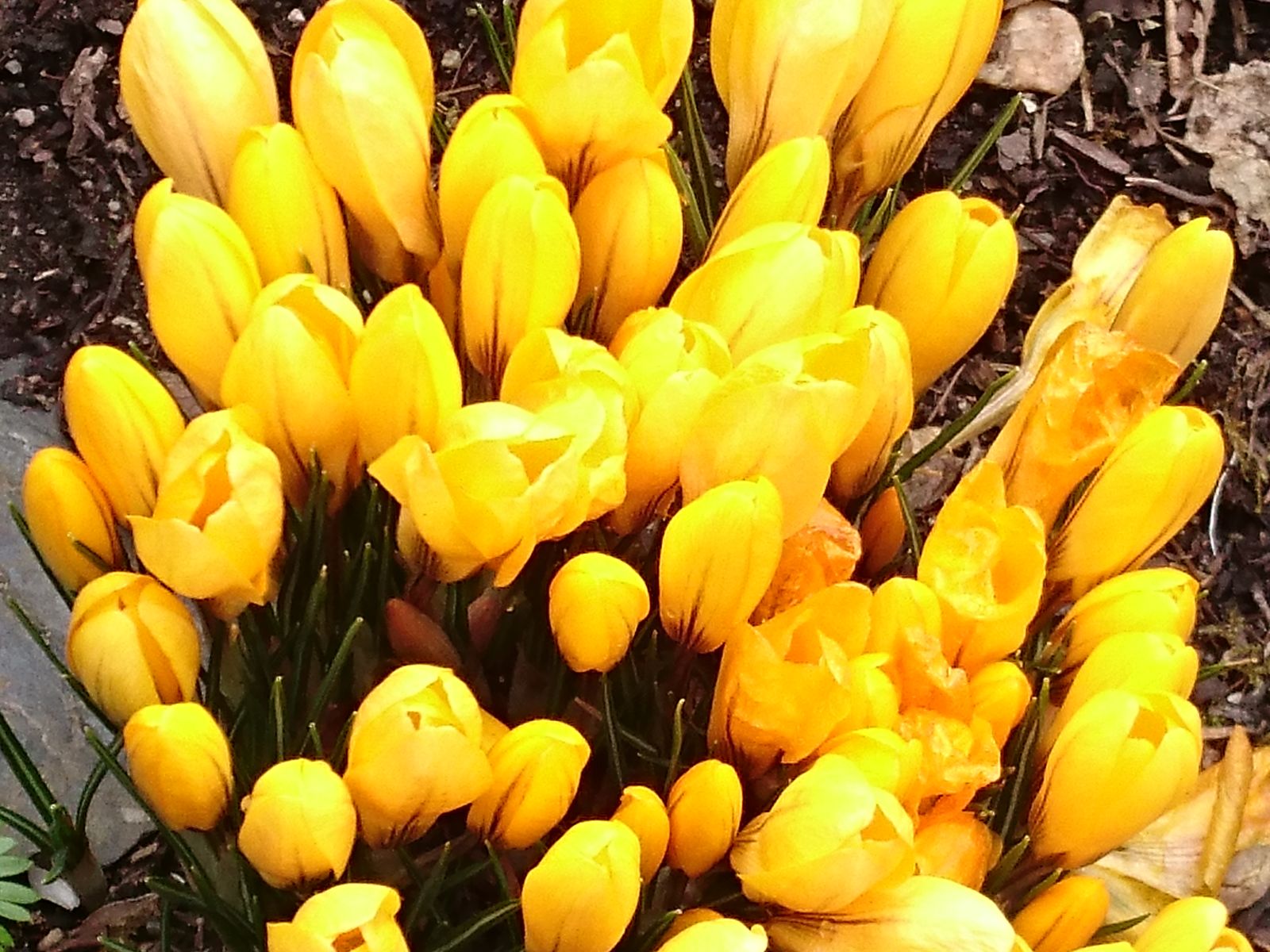
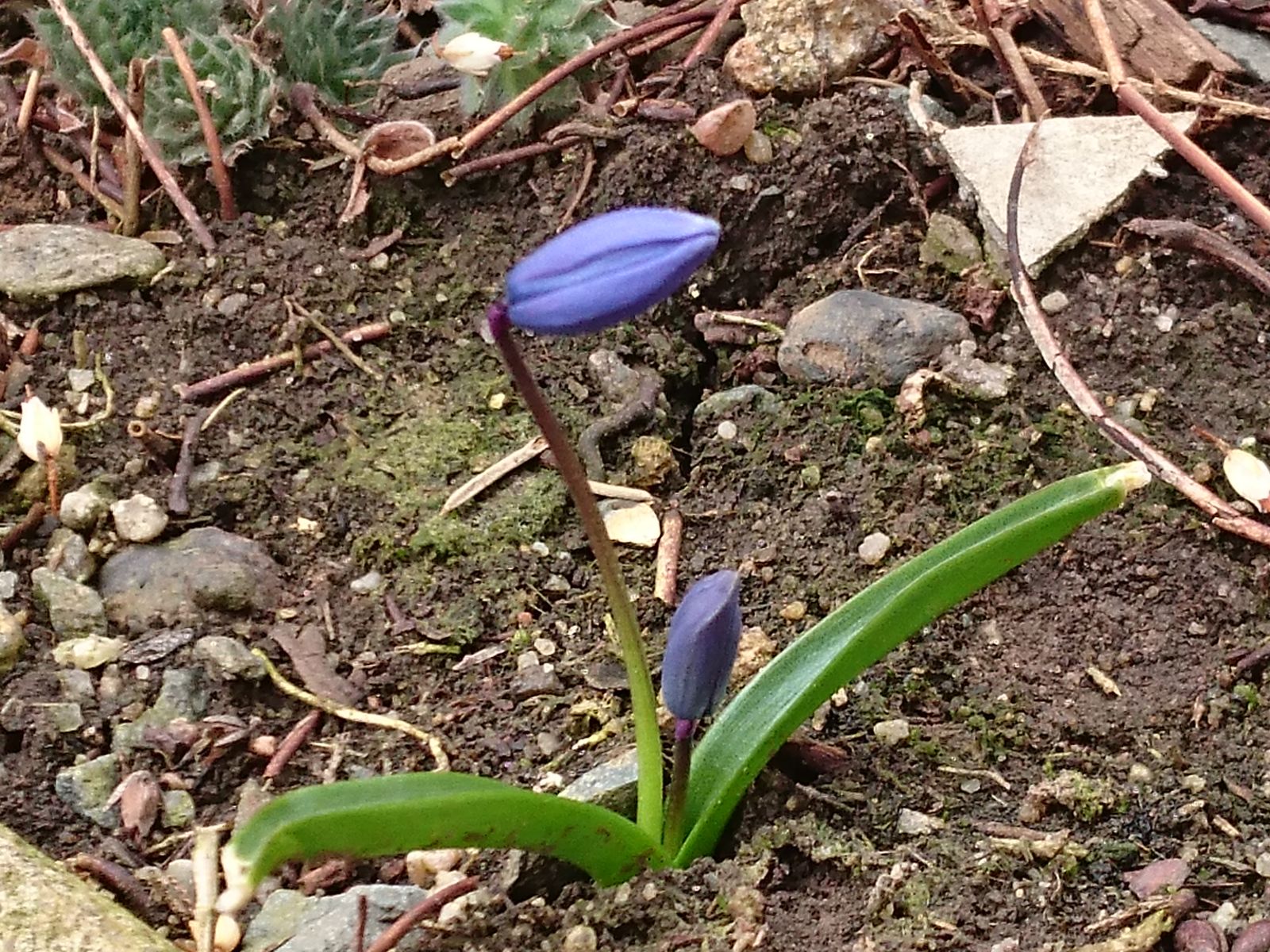
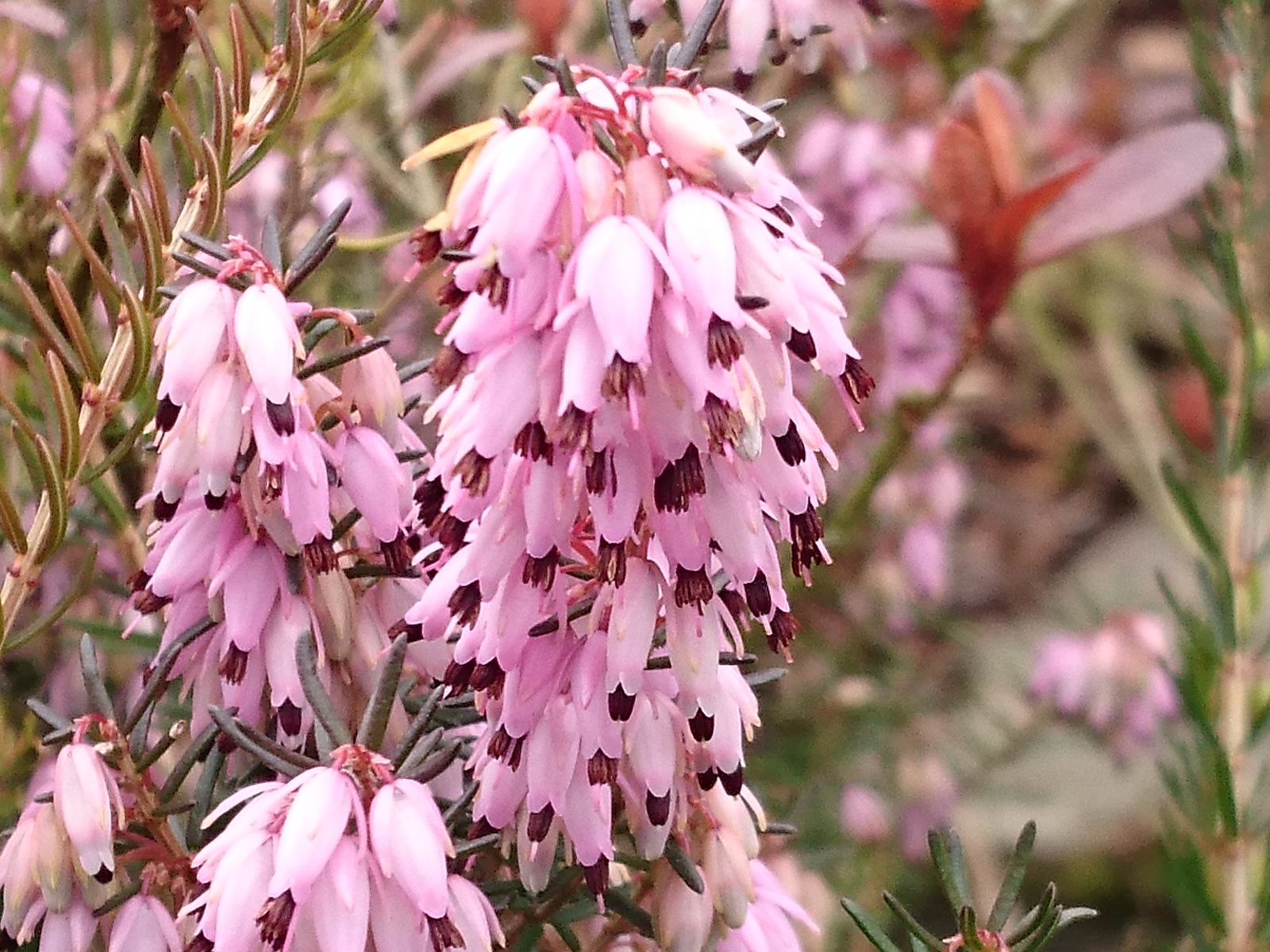
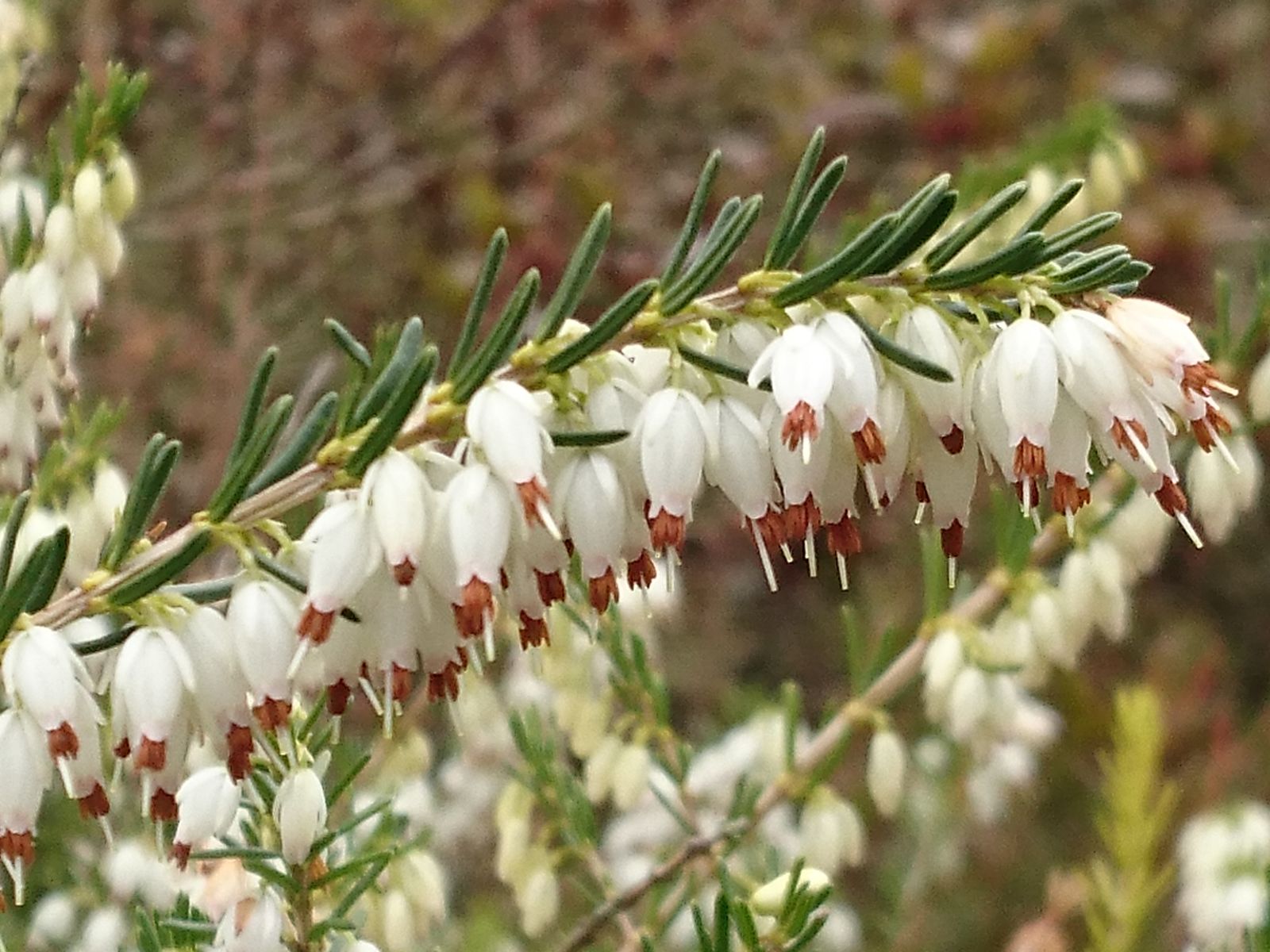
©Charly, all rights reserved.
which was predicted a couple weeks ago has arrived. Click for full size.


© C. Ford, all rights reserved.
Today Jack and I went out to the country for our walk. It was another dull and chilly day, but we found this lovely horse to talk to. He wouldn’t come closer because of Jack, but we did slowly walk the fence line together. The horse has a bit of a crook in his left back leg with a slight limp, but he wanted to keep us with us and we walked together for quite a while. It was very peaceful.

©voyager, all rights reserved
Dimma.
Swedish for fog. This fogtograph is taken in April 2017 from Taivallahti cliffs towards the Meilahti hospital area in Helsinki. Click for full size!

© Ice Swimmer, all rights reserved.
From Giliell, click for full size!
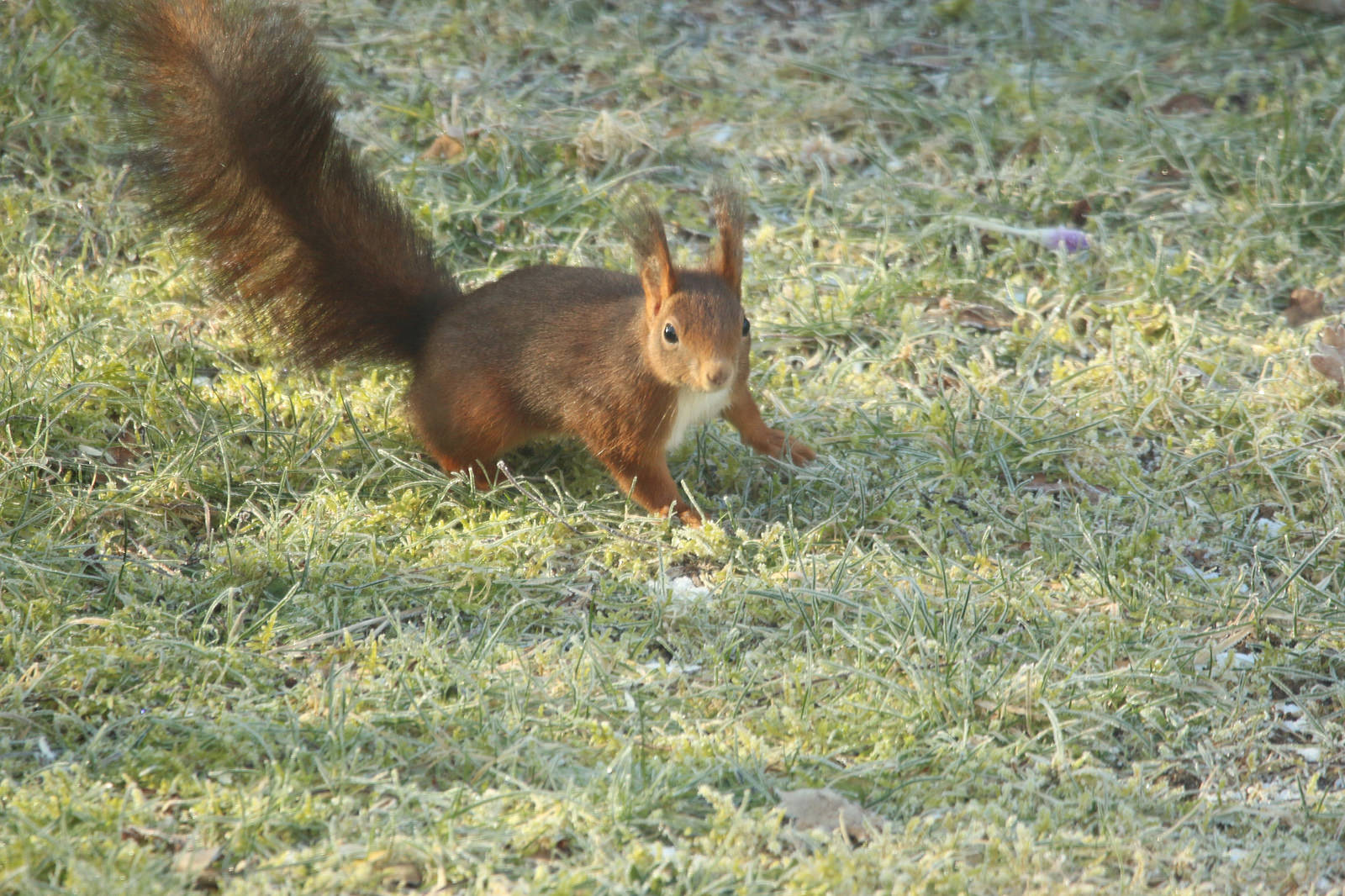
© Giliell, all rights reserved.
From Giliell, click for full size!

© Giliell, all rights reserved.

Back in the 70’s my best friend’s father guided tours for Canadian teachers through Russia. In those days they had a KGB escort and there were many places that tourists just weren’t allowed to go. There were also many places where cameras weren’t allowed and the KGB kept close watch. He always spoke of how beautiful the country was and how warm and welcoming the Russian people were, so for most of our lives Jane and I have been curious about the place.
Fast forward 40 years or so to 2017 when Jane told me that she was finally ready to cross Russia off her bucket list. Then she told me that she couldn’t imagine taking the trip without me and so as a gift for my birthday she was taking me with her! I spent weeks just trying to wrap my head around it. We’re pretty ordinary people and this was an extravagant gift, but Jane was insistent and she was so excited that I couldn’t help but get excited too.
We left on September 15th for a 2 week river cruise from Moscow to St. Petersburg. It was an amazing journey and I came away with love and respect for Russia and her people. There were so many surprises along the way, but the overarching theme that I kept seeing was art. The Russian people care about art. They decorate their buildings, their parks and their cities. Even the most modest of Russian houses has some bit of decorative whimsy. All Russian schools teach art history along with drawing, painting and traditional Russian handicrafts. There’s a national pride in the art and architectural treasures of the country and a real desire to maintain and protect them. And their cities are spotless. I did not see a single piece of litter during our entire trip. Not one gum wrapper or cigarette butt. Not at the docks and not in the city centres.
It’s a madly visual place and I took hundreds of photos. I’d like to share some of those photos with you. Don’t worry, I’ll only share a small portion of those hundreds, but I thought I would post a few at a time every now and then with a short story about the place.
Our journey started with 3 days in Moscow and our home away from home was a mid-sized river ship docked in the Moscow Canal. From there we sailed up the Volga River, into the Volga-Baltic waterway and onto Lake Onega. Finally, we sailed down the Svir River to Lake Ladoga and on to St. Petersburg where we finished our trip with another 3 day stay. We made daily stops along the way and every day was filled with beautiful and interesting things.
I hope you’ll enjoy following along.
Today we start with a few views of the Moscow skyline.

I apologize for the quality of these last two photos. Our first day in Russia was rainy and cold and I couldn’t stop shivering here. These shots are taken from atop one of Moscow’s seven Hills. Patterned after Rome, which is the best known of many seven hill cities, Moscow sits nestled among seven distinct elevated land masses. Our guide told us that this area is known as Surprise Hill because the view seems to come out of nowhere. Surprise! Despite the rain, the view was breathtaking. The building in the last shot is the Luzhniki Stadium. It was built during Soviet times in the 1950’s and was originally known as Central Lenin Stadium. It served as an Olympic venue in 1980 when it hosted both the opening and closing ceremonies. Tragically, it is also the site of a well-known disaster. In 1982 during the final minutes of a European Football Association game there was a crowd rush of people that claimed 66 lives.


©voyager, all rights reserved