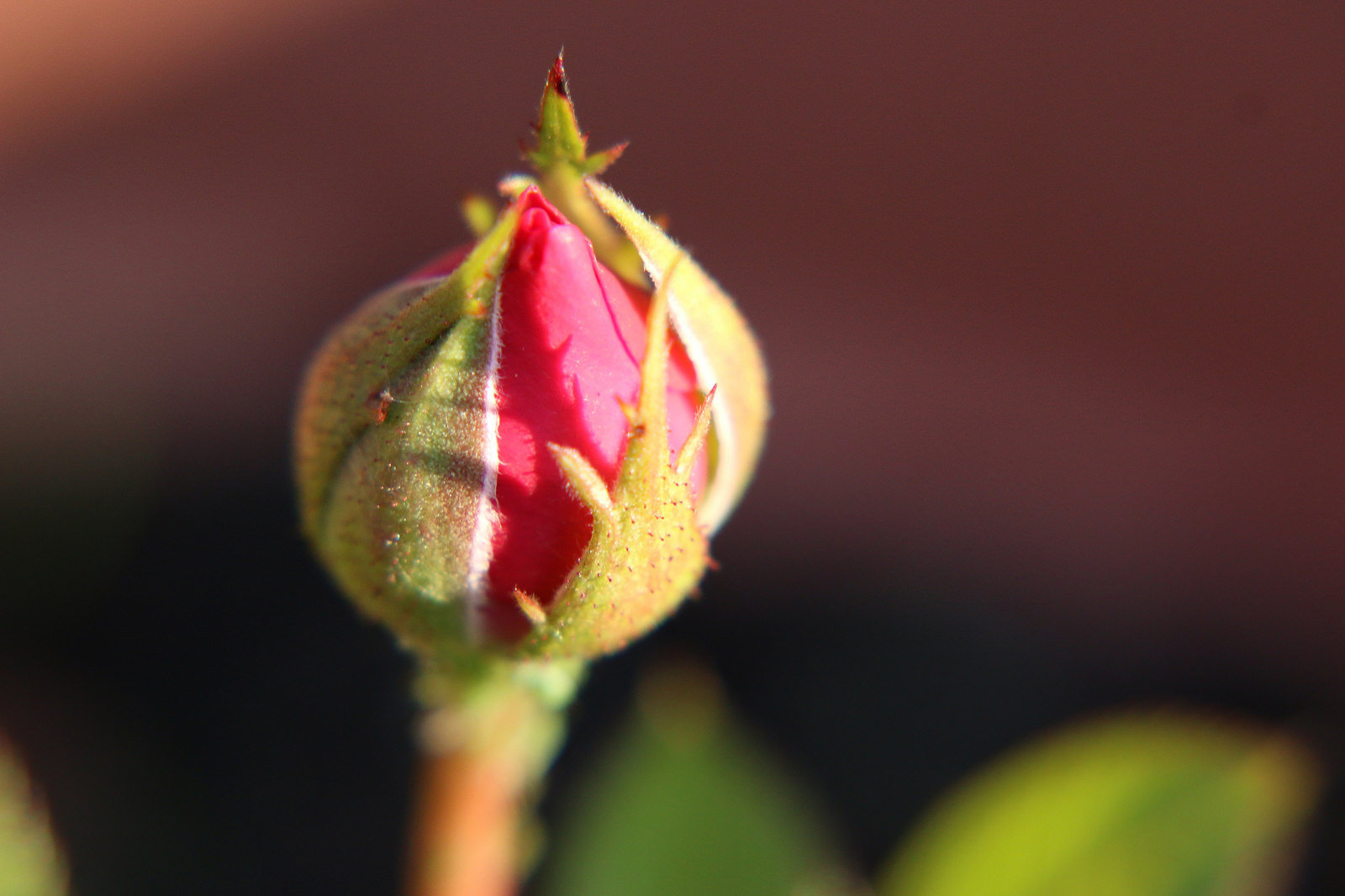
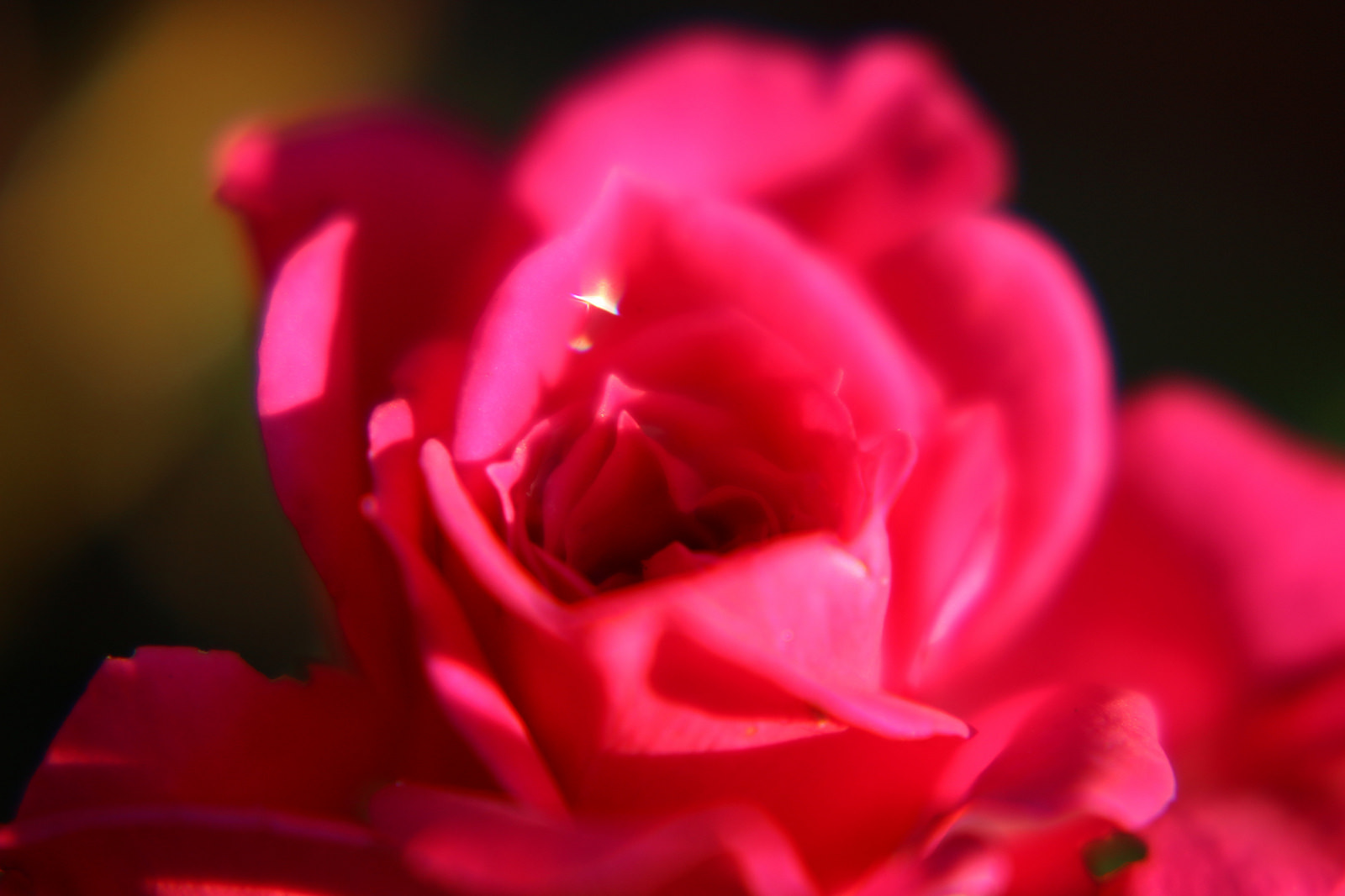
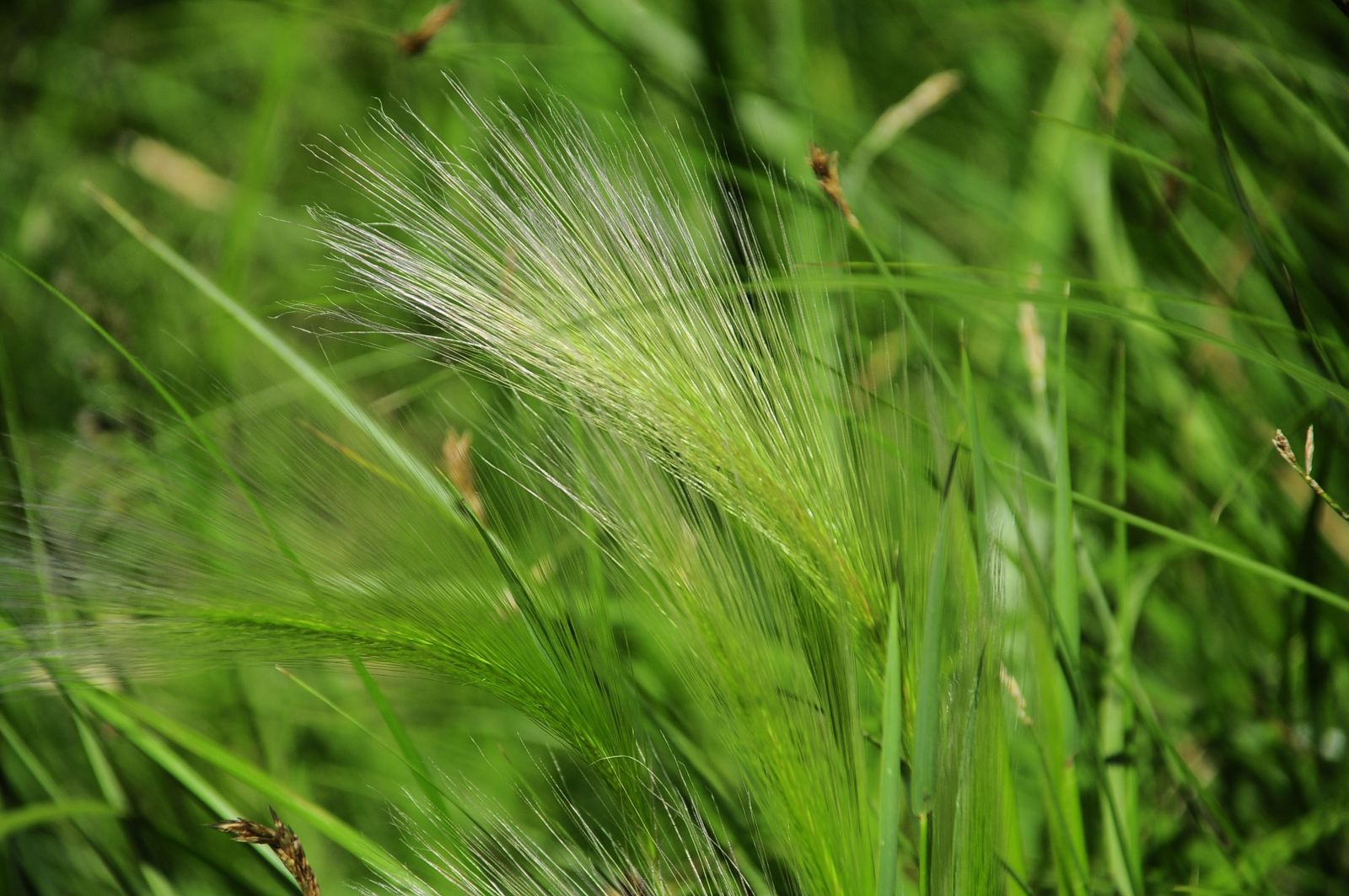
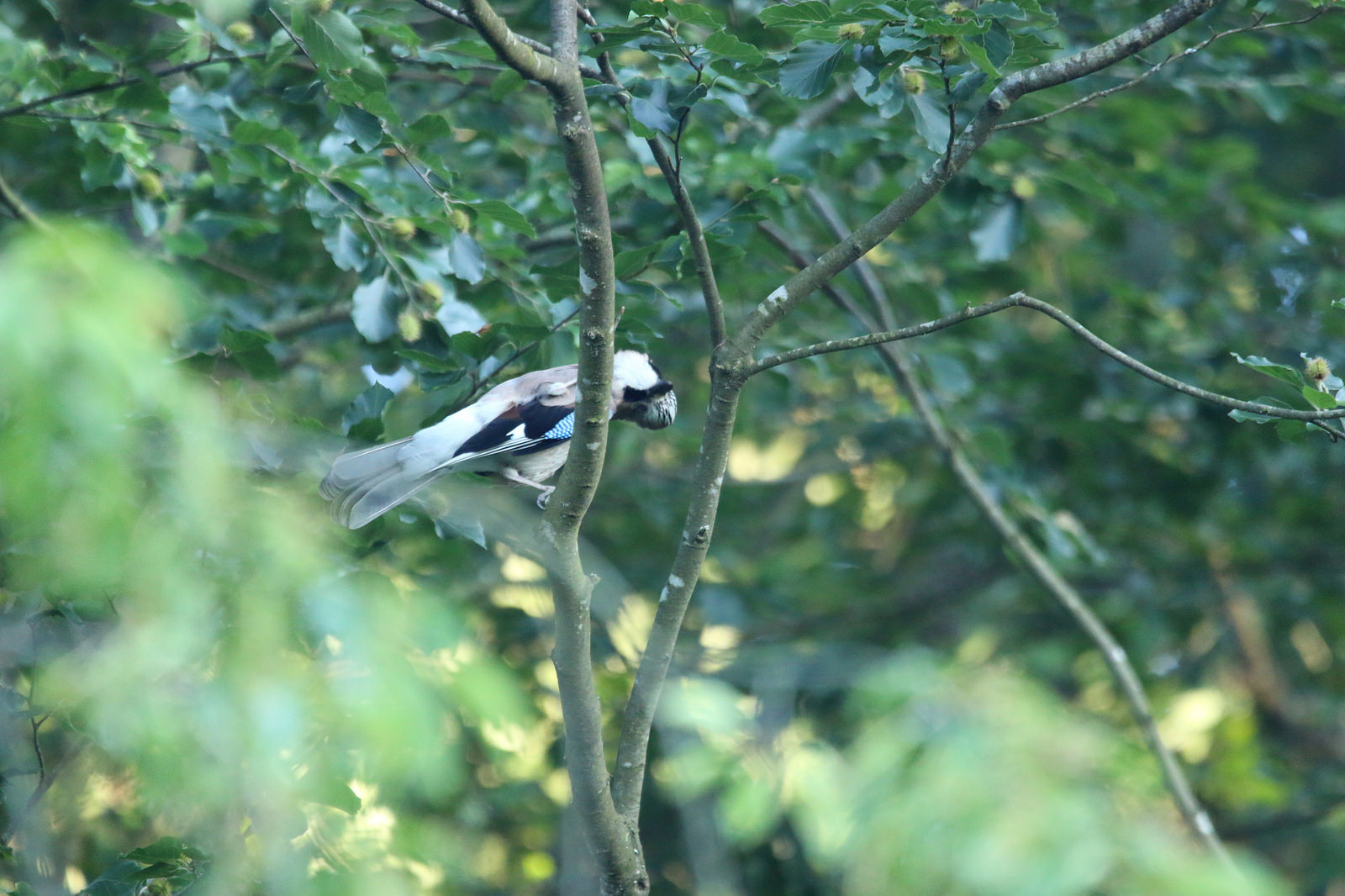
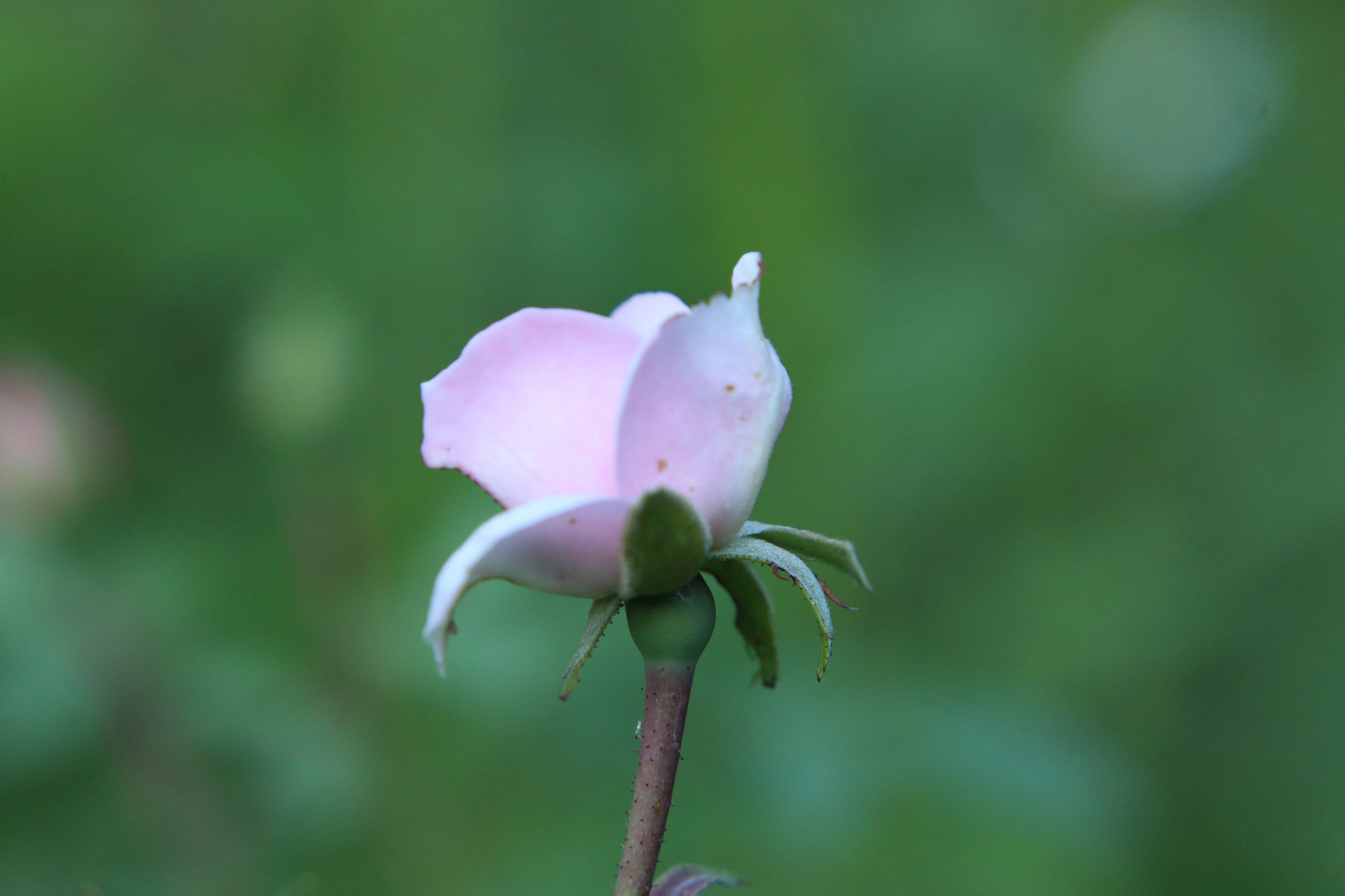
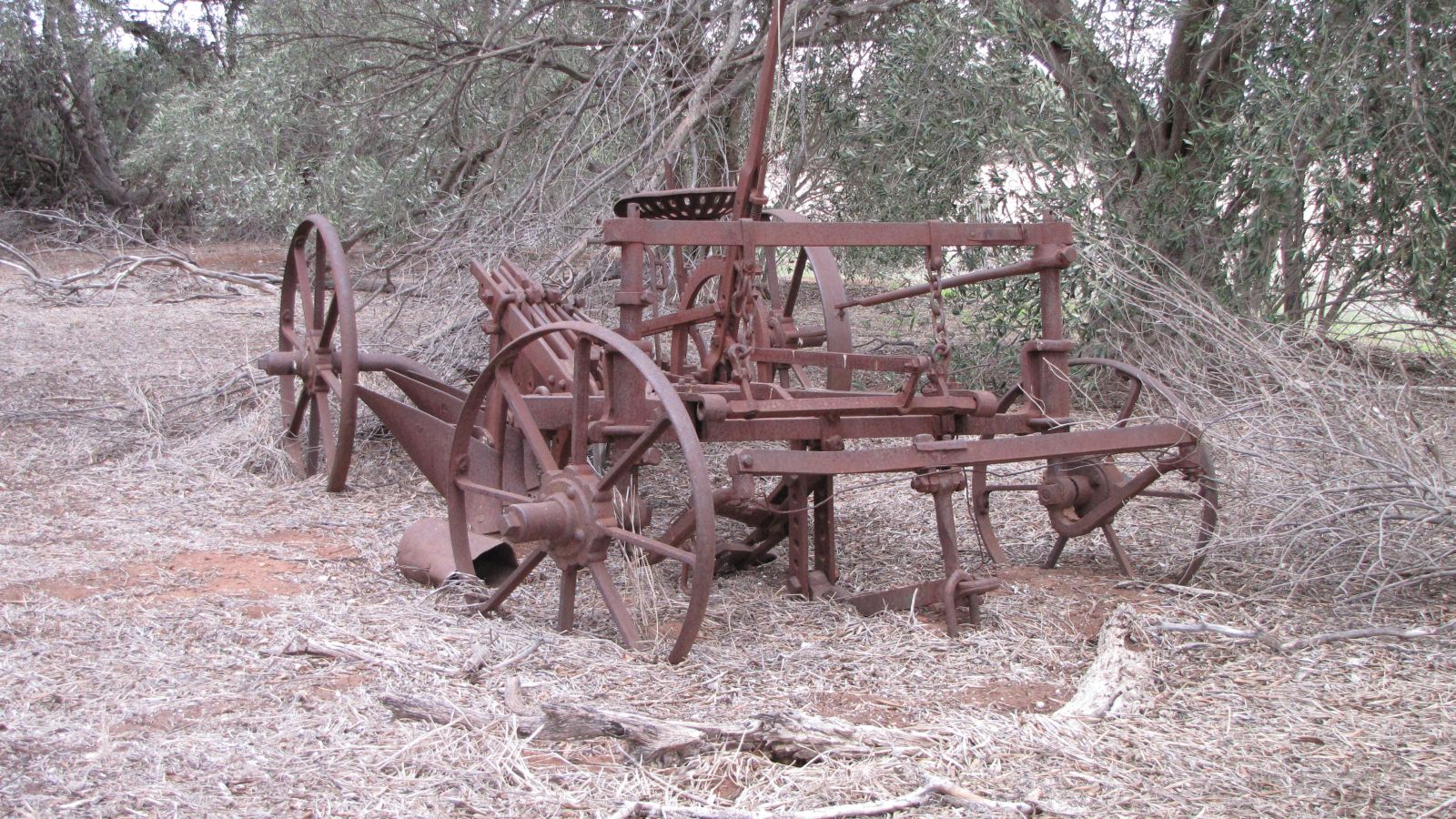
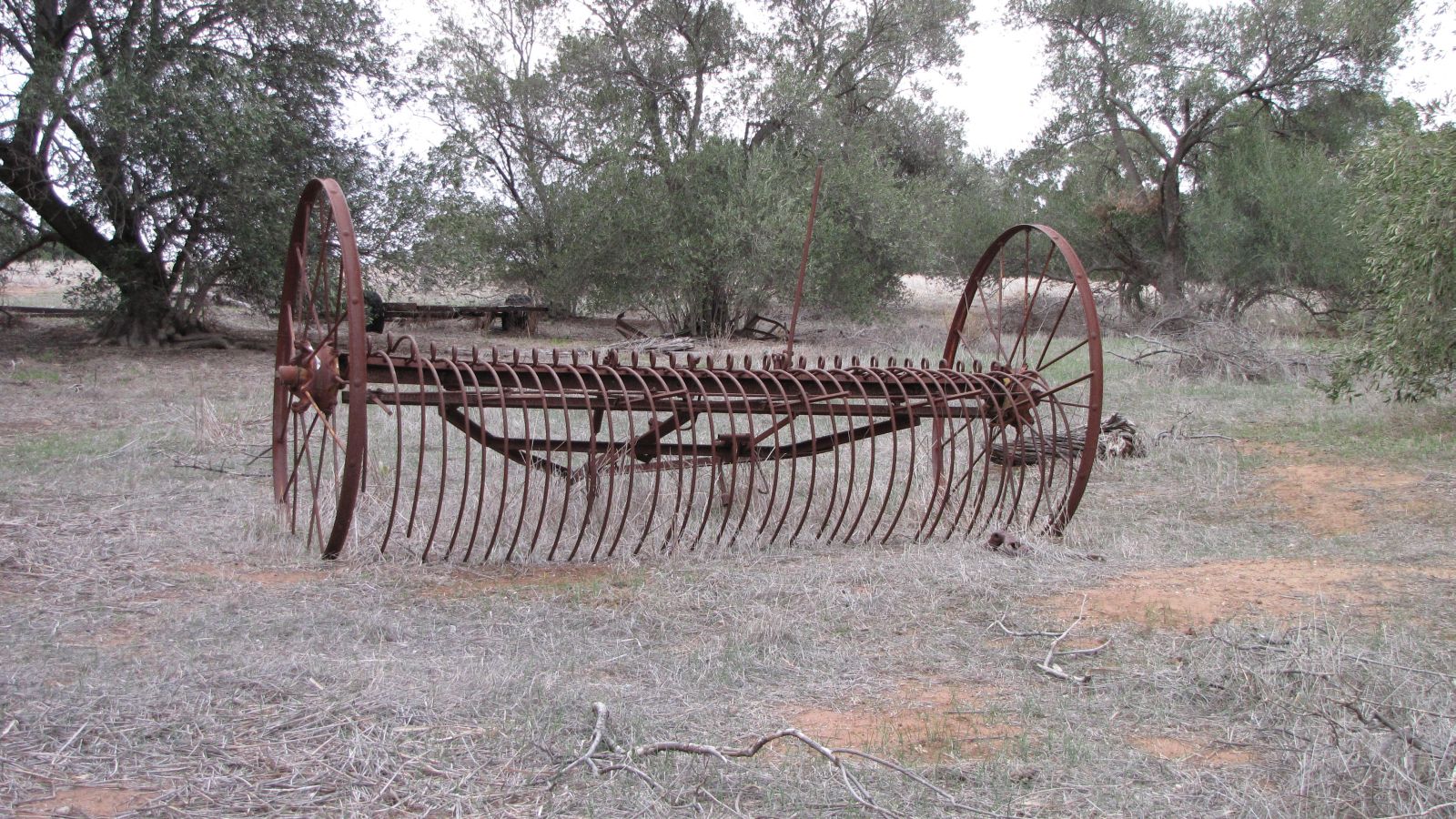
From Giliell, click for full size! Oh, that last shot, love.
© Giliell, all rights reserved.
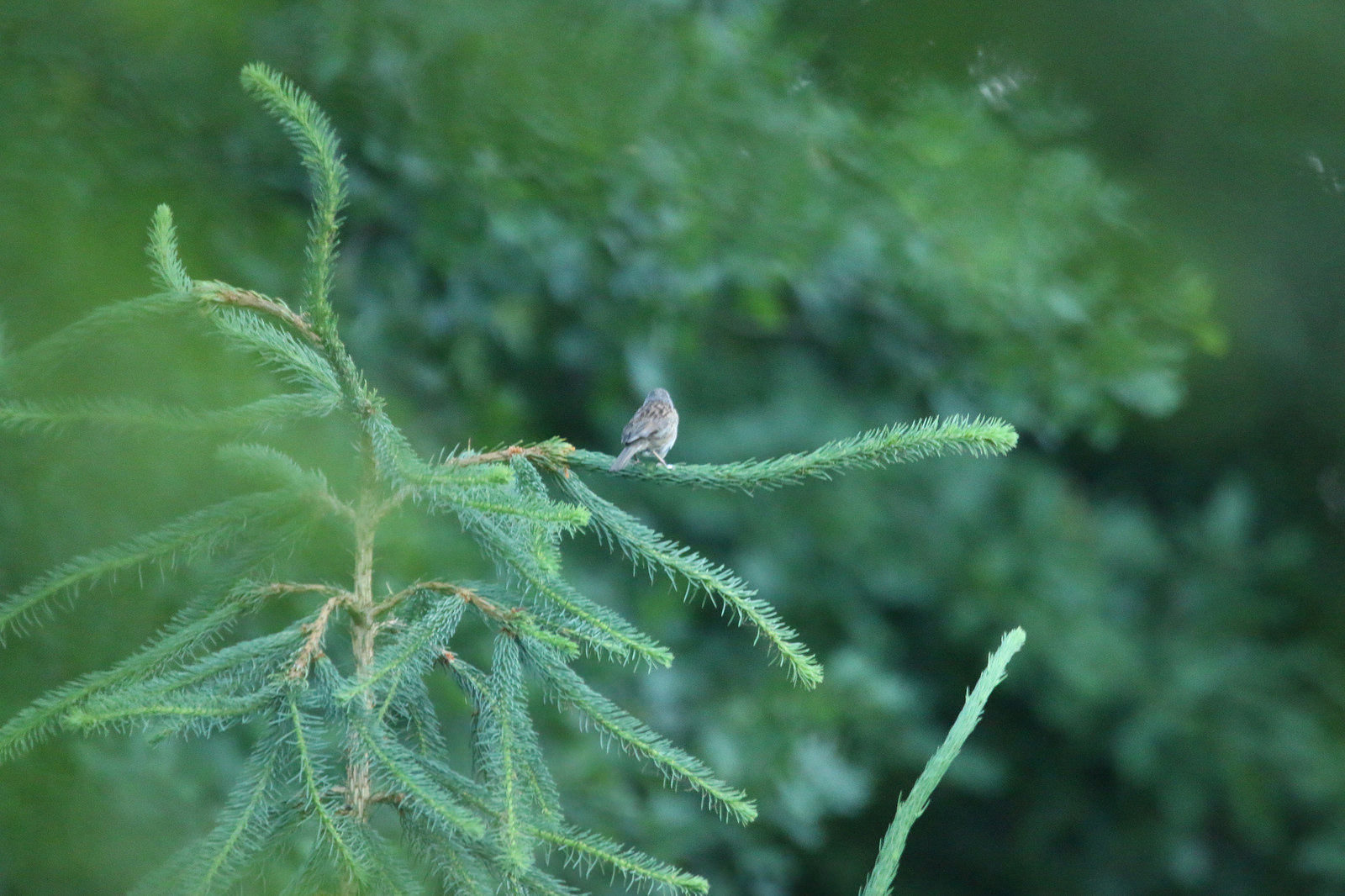
Kestrel’s fledgling Swallow is still hangin’ in there: “My” swallow, tonight. I put him in a tree last night to protect him from predators, and there he is tonight in close the the same place. Click for full size!
© Kestrel, all rights reserved.
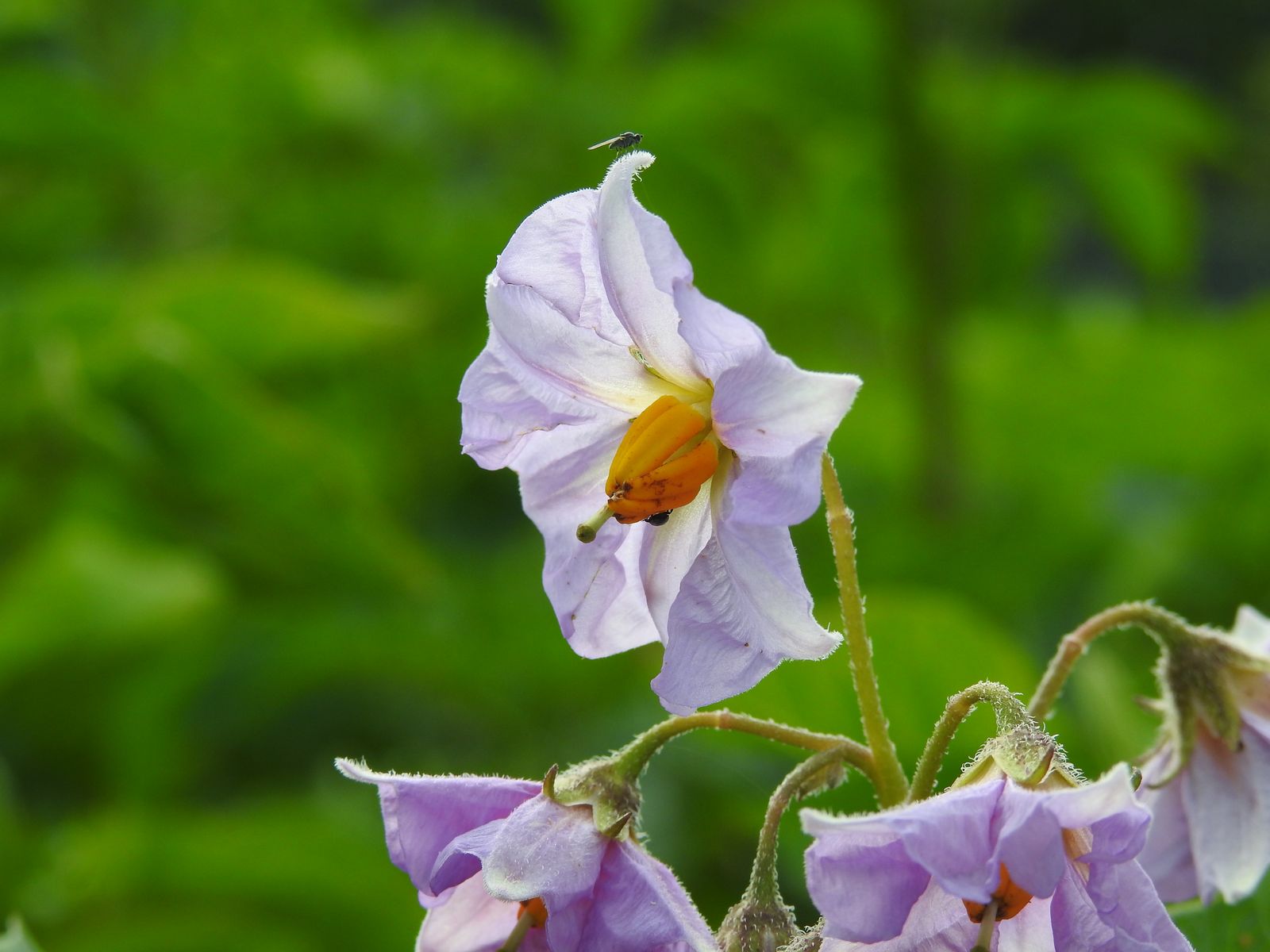
Some potatoes have lilac colored blossoms, I do not know why. It does not seem to be entirely dependent on which variety it is, since there are both white and lilac in one row and that row allegedly contains only one variety. My suspicion is however that my dad mixed up the tubers inadvertently and that the lilac blossoms are those from the red potatoes (I do not know the exact variety we bought this year).
This is common self heal and it’s a small plant, not much taller than the grass and it usually grows in clumps. This poor fellow was all alone, and I probably would have missed it except Jack decided to poop beside it. Thanks buddy.
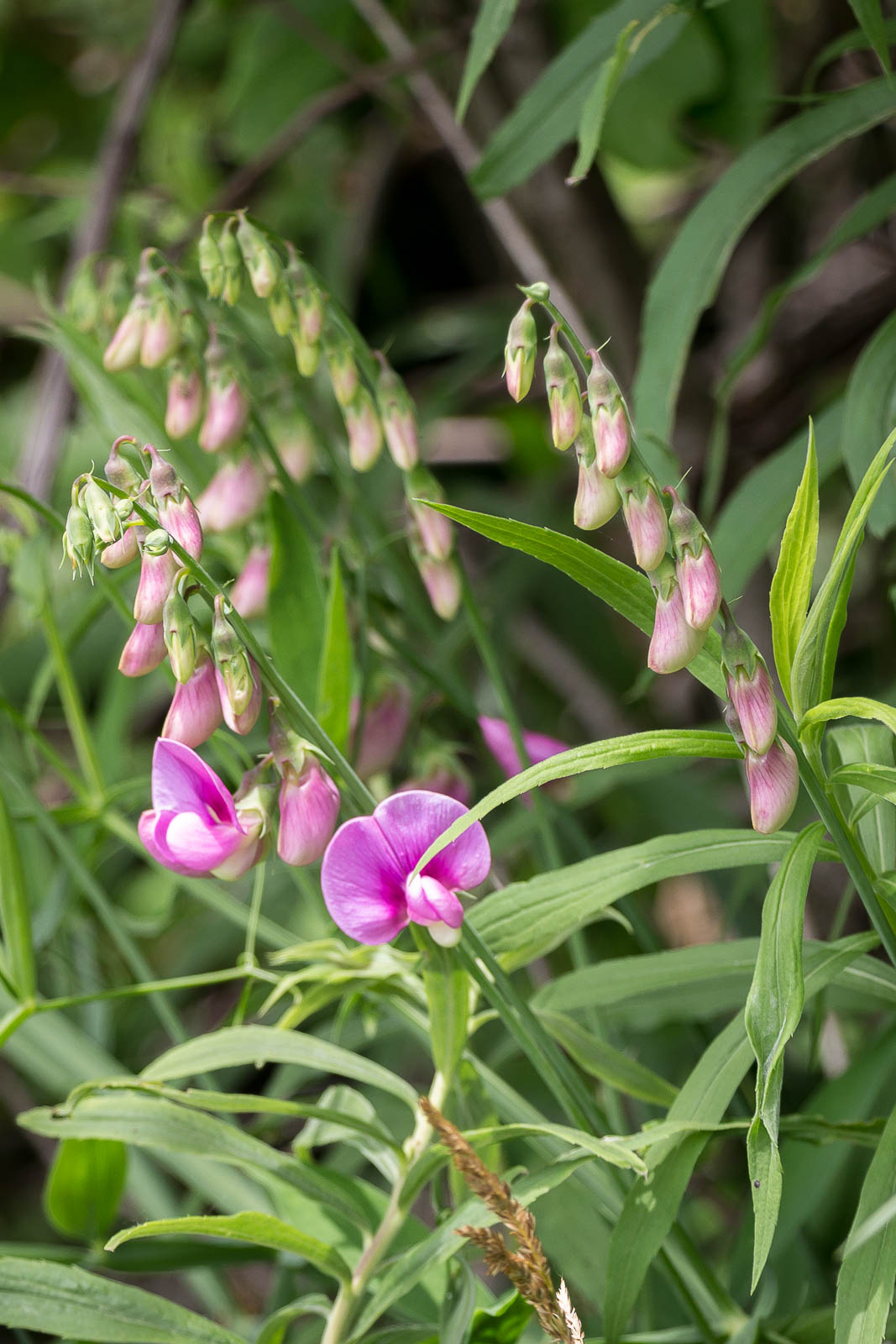
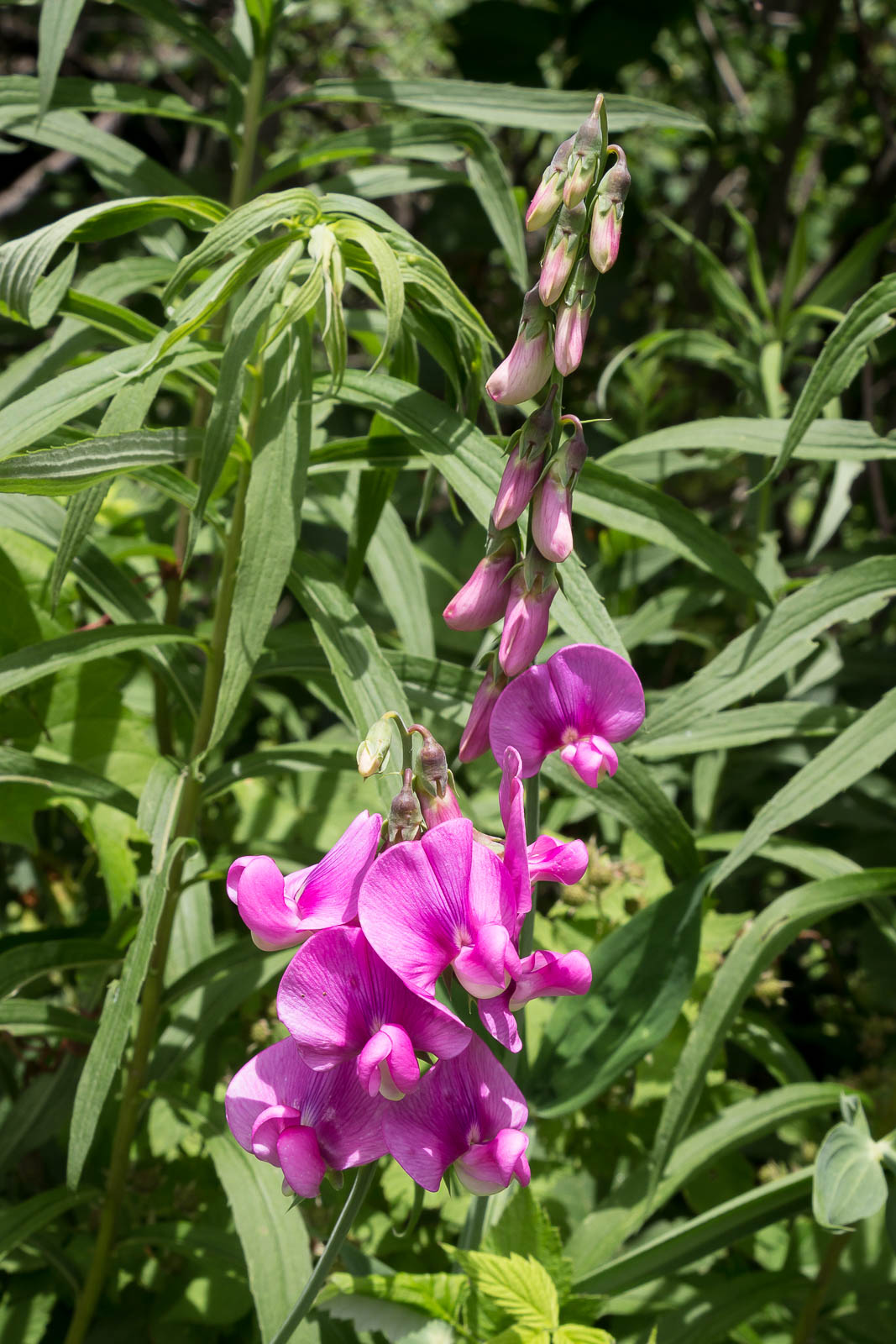
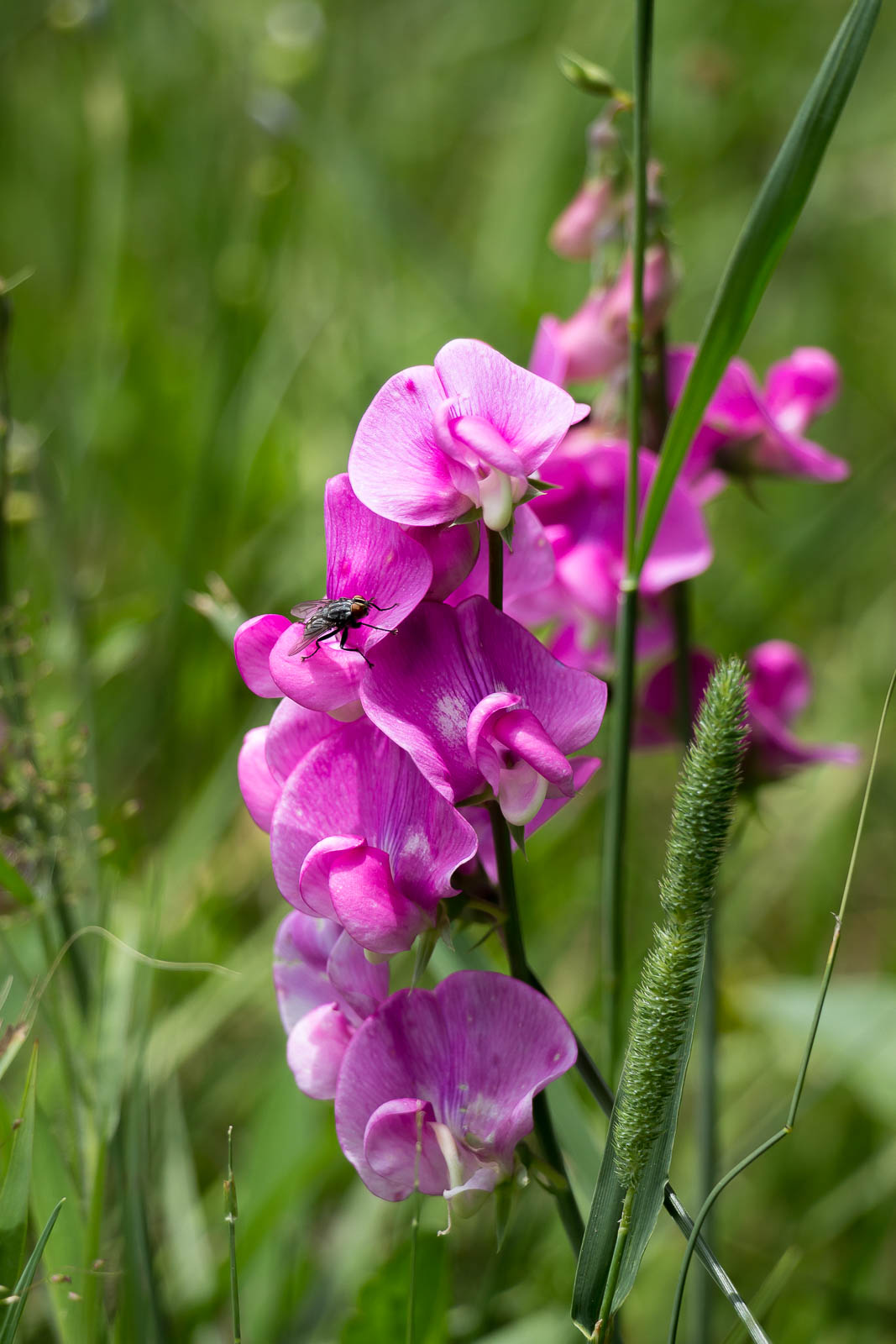
This beautiful flower is Tuberous Vetchling and I don’t see it very often. It’s mostly a meadow wildflower and the places Jack and I go are more wooded in nature. Today, though, as we were driving along I saw this bright shock of pink just on the edge of a field so we stopped to investigate. The plant is a cousin of Sweet Pea and the blooms are similar, but without the scent.

Nomenclature of human bones in Sòng Cí: Xǐ-yuān lù jí-zhèng, edited by Ruǎn Qíxīn (1843).
Song Ci (Sung Tz’u) is considered to be the founder of forensic science. In 1247, Song Ci wrote Collected Cases of Injustice Rectified or The Washing Away of Wrongs.
Different versions of the book exist, but the earliest existing version was published during the Yuan Dynasty, containing fifty-three chapters in five volumes. The first volume describes the imperial decree issued by Song Dynasty on the inspection of bodies and injuries. The second volume contains notes and methods on post-mortem examinations. The third, fourth, and fifth volumes detail the appearances of corpses from various causes of death and methods of treatments to certain injuries of a wounded person.
Song Ci ruled regulation about autopsy report for court, how to protect the evidence in the examining process, the reason why workers must show examination to public impartiality;how to wash dead body for examining the different reasons of death. At that time, the book had given methods to distinguish suicide or pretending suicide.
The particulars of each case must be recorded in the doctor’s own handwriting. No one else is allowed to write his autopsy report. A coroner must not avoid performing an autopsy just because he detests the stench of corpses. A coroner must refrain from sitting comfortably behind a curtain of incense that masks the stench, letting his subordinates do the autopsy unsupervised, or allowing a petty official to write his autopsy report, otherwise any potential inaccuracy is unchecked and uncorrected.”
He also said:
“Should there be any inaccuracy in an autopsy report, injustice would remain with the deceased as well as the living. A wrongful death sentence without justice may claim one or more additional lives, which would in turn result in feuds and revenges, prolonging the tragedy. In order to avoid any miscarriage of justice, the coroner must immediately examine the case personally.” [Source]
Medievalists has a list of ten observations Song Ci made when it came to discerning murder, and different types of murder.
Last year, photographer Robert Shults did a photographic series called The Washing Away of Wrongs, all taken at a forensic research facility in Texas.

Robert Shults, photograph from The Washing Away of Wrongs, with flowers from a nearby tree fallen across a donor’s body (courtesy the artist).
You can read all about that, and see more too, at Hyperallergic. There are some graphic photos, so have a care.