I is for Indigo

From Nightjar,

I is for Indigo ©Nightjar, all rights reserved

Indigo.

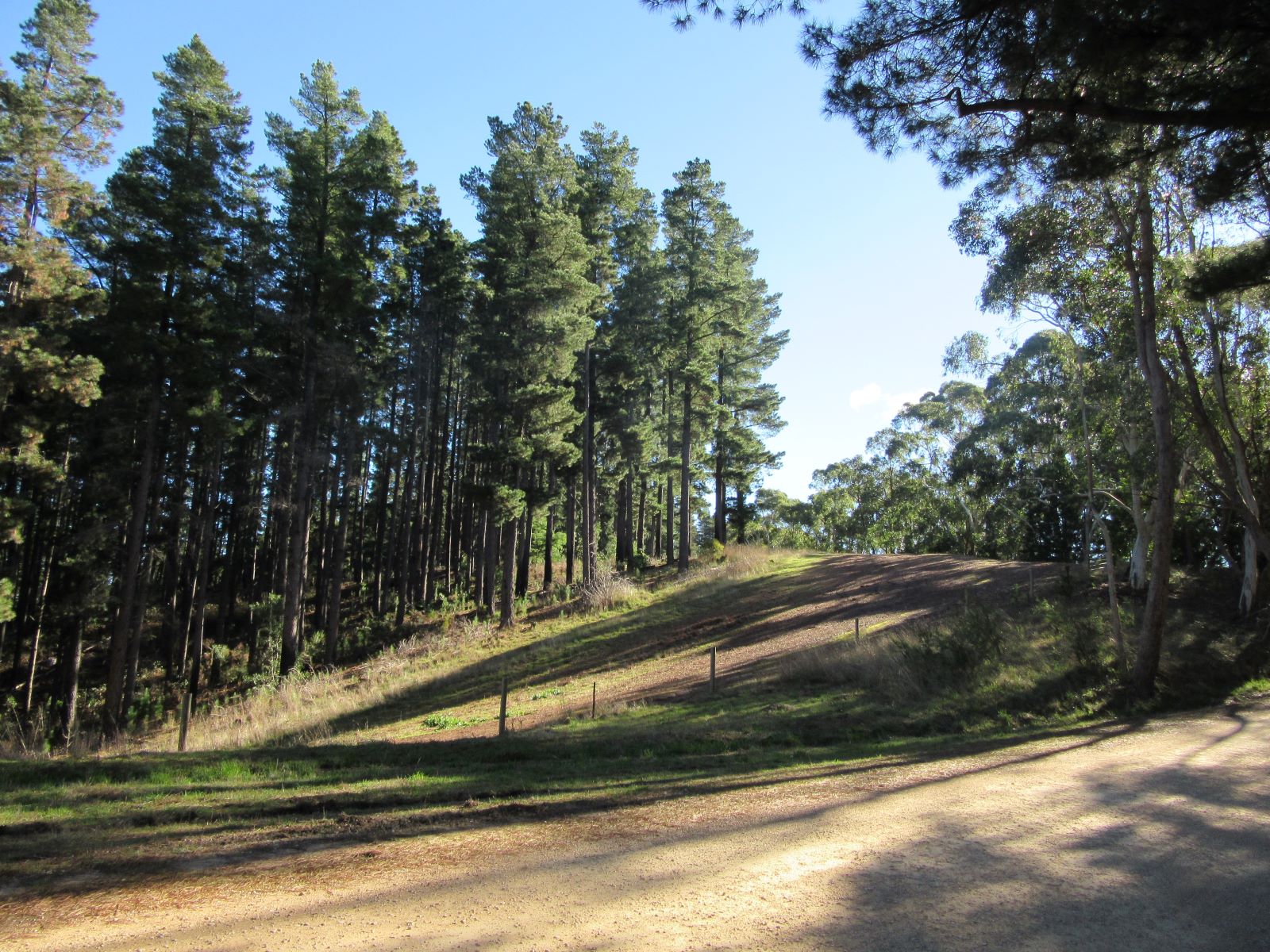
A deep rich blue, inclining towards violet, and one of the seven colors of the rainbow as named by Newton. The indigo dye is one of the oldest dyes known, historically extracted from plants of the genus Indigofera, but I think I found it on the berries of a Viburnum shrub.


Link to previous alphabet post

An Unexpected Treasure

I do not intend to use tropical hardwoods in knifemaking too much. Especially I do not intend to buy and use wood from endangered species, but even tropical hardwoods of not-endangered species are problematic – habitat destruction and all that is unfortunately still a thing, not many tropical hardwoods are grown in a sustainable and renewable fashion (although many species can be grown in a coppice, when handled properly).

I think that local species have very often beautiful wood too, and the high price of some tropical hardwoods has nothing to do with how they look, but with their rarity. However, I will use them if I get my hands on some pieces by accident (for example I received some pieces free of charge with the steel I ordered, as an advertisement gift).

One such accident just happened. I was ordering online wood dust briquettes for winter and when doing that I searched for some wood for kindling. The description on the webpage on one product was something like “Hardwood cuttings from furniture manufacture, size up to 15 cm, 320 kg, extra dry, jatoba and black locust”. And I thought to myself “OK, black locust is an invasive species in Europe, and jatoba is not an endangered species. And anyway these are probably mostly chips and splinters that will be burned regardless, but maybe I get lucky and there will be some 10-15 pieces usable for knife handles in there and that would be nice.” So I bought the palette for the circa 100,-€ it costs. That is a lot for a mere 320 kg of firewood.

This is how the palette looked like in my garden.

Sacks full of wooden cuttings.

Nothing special but you can see a nice big rectangular chunk of wood bulging in there, so I reckoned, “There are 12 sacks on the palette, if in each is one such nice piece – big enough for 2-3 knife handles – then the palette has paid for itself in knife handles already, I will get wood for about 25 knives. Nice!”.

Oh, little did I know. The very top sack was brittle and tearing, I suspect it was standing for a long time in the sun so the plastic deteriorated. I reached into the hole and pulled out one random piece of wood. And I could not believe my eyes.

A piece of jatoba.

This is not what in my workshop counts as “a cutting for kindling”. This is a piece big enough for 4-5 knife handles (circa 25x100x200 mm). Jatoba is not very expensive (for tropical hardwood that is), but even at its cheapest, I would pay 4,-€ for a piece like this when buying it extra. But the price could be somewhere between 10 and 20,-€ as well for this amount of top knife-handle material. And then I pulled out five more pieces – four were like this, only the fifth was really crap fit for kindling only.

I am not exaggerating – I could barely wait and sleep after this. But I had other work to do than to muck about, so it had to wait until today evening when I finally got to taking this wood under the roof. The uppermost sack nearly disintegrated on touch and this is what I saw.

Jatoba bonanza.

My jaw dropped. That is wood for about 50 knife handles right there, in the picture, and twice as much not seen. This one sack alone has set me for life as far as jatoba wood goes.

I did not open every one of them, but by the feel on the surface 6 sacks contain big chunks like this, and 6 contain splinters and small unusable cuttings that I initially expected. So I estimate I have enough material for 600 fat knife handles made from jatoba, enough to start small manufacture if I were so inclined.

Oh, there was one piece of black locust too. That is ordinary and real cheapo wood (except for burls, those are costly), but it is pretty, durable and really environmental-friendly to use, since it is a pest.

A “cutting” of black locust.

To summarize, the ratio between the two species was reversed to my expectations (at least in the first sack) and I need to order some more kindling because I do not have nearly enough now.

I still dislike the idea of using tropical hardwood at all though, it just feels wrong. Although I am not a moral philosopher capable of dissecting the morals and ethics of a situation like this. I should probably heed one Czech saying and “leave these musings to a horse, he has a bigger head.”. What do you think?

H is for Heliotrope

From Nightjar,

H is for Heliotrope ©Nightjar, all rights reserved

Heliotrope.

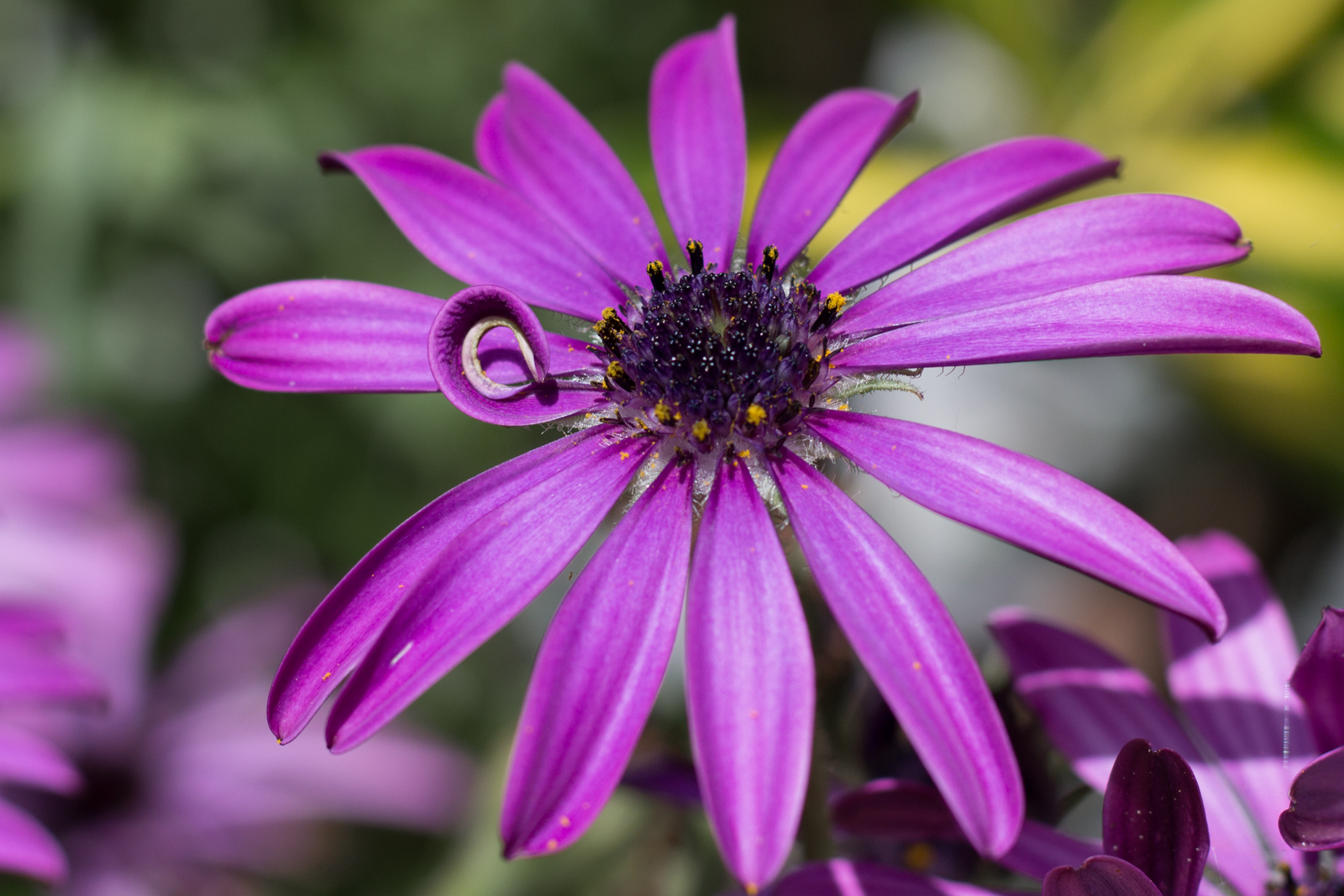
A pink-purple tint that represents the color of the garden heliotrope flower. I couldn’t find the flower, but I found the tone on an African Daisy. I wish I could have shared this photo with Caine, she loved daisies and I know she would have loved that curled petal.


Link to previous alphabet post

The Art of Book Design: Stained Glass Tours of France

Charles Hitchcock Sherrill. Stained Glass Tours in France. New York, John Lane Co. London, John Lane The Bodley Head, 1908.

Last week we looked at Stained Glass Tours in England by Charles Hitchcock Sherrill, from the collection of Anne, Cranky Cat Lady. It seems the author took his theme on the road and made it all the way to France.


Cover photo via: New York Society Library

The Book is available to read at The Internet Archive

The Art of Book Design: Invisible Links

Invisible Links. Selma Lagerlof. Translated from the Swedish by Pauline Bancroft Flach. Boston: Little Brown, and Company, 1899. First edition in English.

It has the look of a book about nature, but nope, it’s a book of short stories told in archaic, melodramatic prose.


Cover photo via: Books and Art

Available to read at The Internet Archive

F is for Fuchsia

From Nightjar,

F is for Fuchsia, ©Nightjar, all rights reserved

Fuchsia.

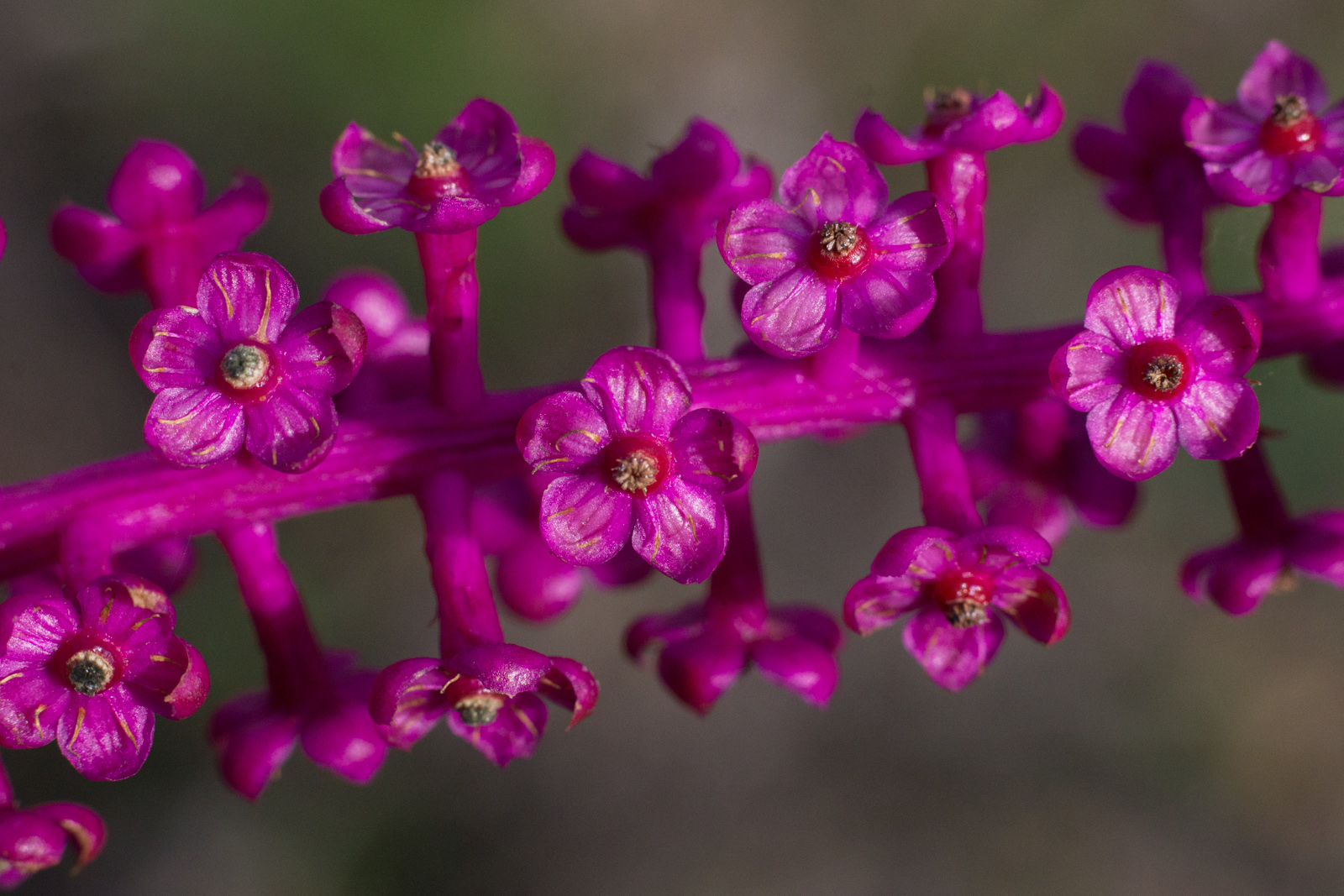
A vivid purplish red color associated with the flowers of fuchsia plants. Instead of an obvious fuchsia flower, I give you the empty flower stem of a pokeweed. The local birds were kind enough to remove all the berries to expose a vivid fuchsia.


Link to previous alphabet post

The Art of Book Design: The Book of Saints & Friendly Beasts

Abbie Farwell Brown. The Book of Saints and Friendly Beasts. Illustrated by Fanny Cory. Boston, Houghton Mifflin, 1900.

A children’s book full of stories about Christian saints and their friendships with animals. The stories are very loosely based on legends, but the author has spun them into fantastic folk tales of adventure. Abbie Farwell Brown was a prolific writer and published many children’s books, including a book about the Norse Gods. I rather like the idea of making fictional stories of the saints. I think it strips them of power and makes them easier to dismiss as merely characters in a children’s book, like Cinderella or Red Riding hood.

Unlike the graphic artwork in most books about Christian saints, the illustrations in this book are charming and sweet and very typical of their time at the height of the Art Nouveu period. My favourite drawing is St. Bridget & the King’s Wolf, followed closely by the energetic Saint Keneth and the Gulls.

[Read more…]