Nightjar is here to share her beautiful, monthly photos of the light in her world.

©Nightjar,all rights reserved

Nightjar is here to share her beautiful, monthly photos of the light in her world.
©Nightjar,all rights reserved
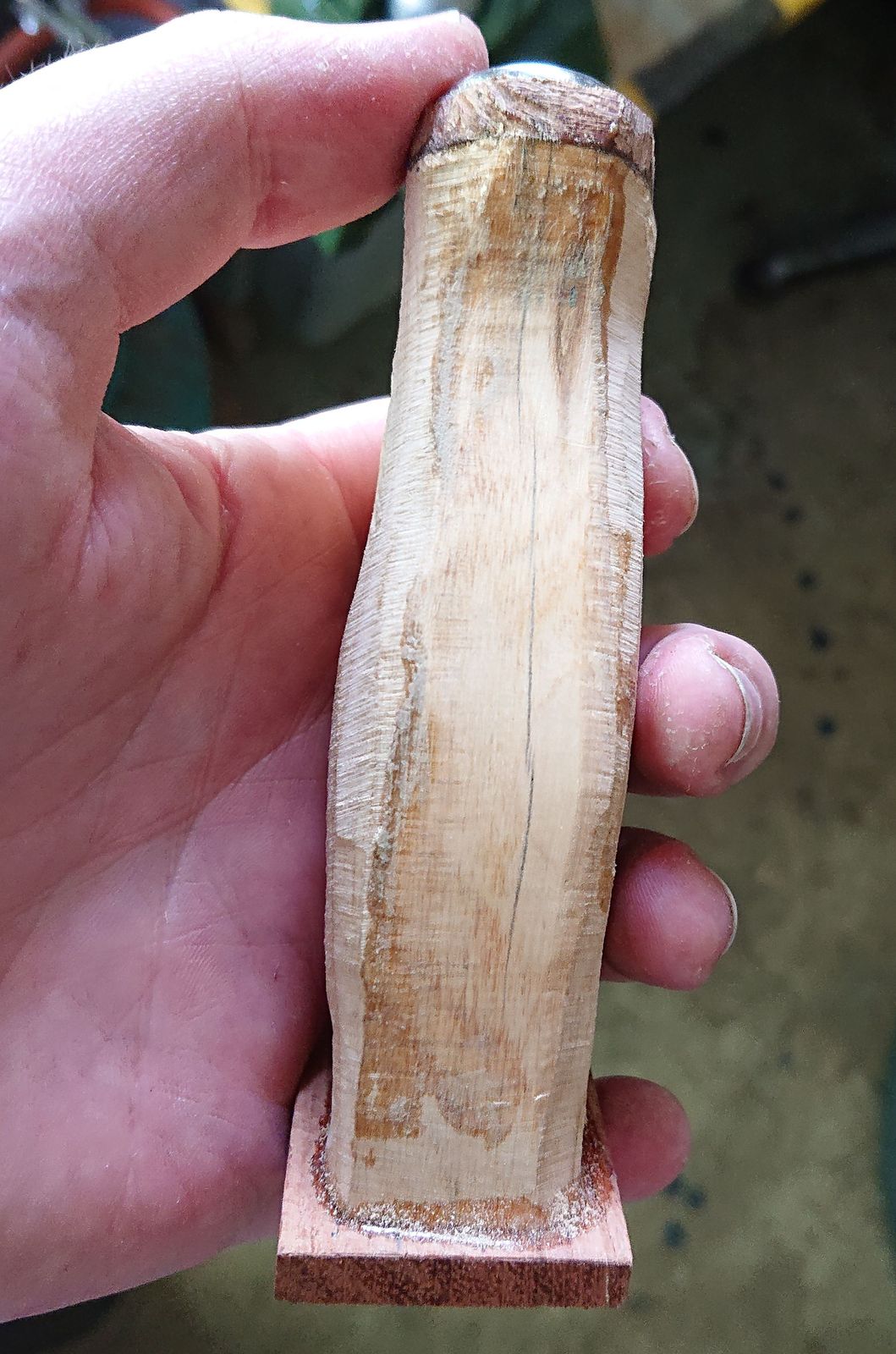
I thought I will finish shaping the handle today. Instead, I have to start all over again – the piece of cherrywood that I used had some deep cracks (they were not on the outside) that got too wide and too visible in addition to two unseemly knots. The knots themselves could be seen as a part of the wood, but the cracks kill it definitively.
I have just spent some 2 hours shaping a piece of firewood.
The fungi in this photo from Opus look like they’re having fun.

Orange moss ©Opus, all rights reserved
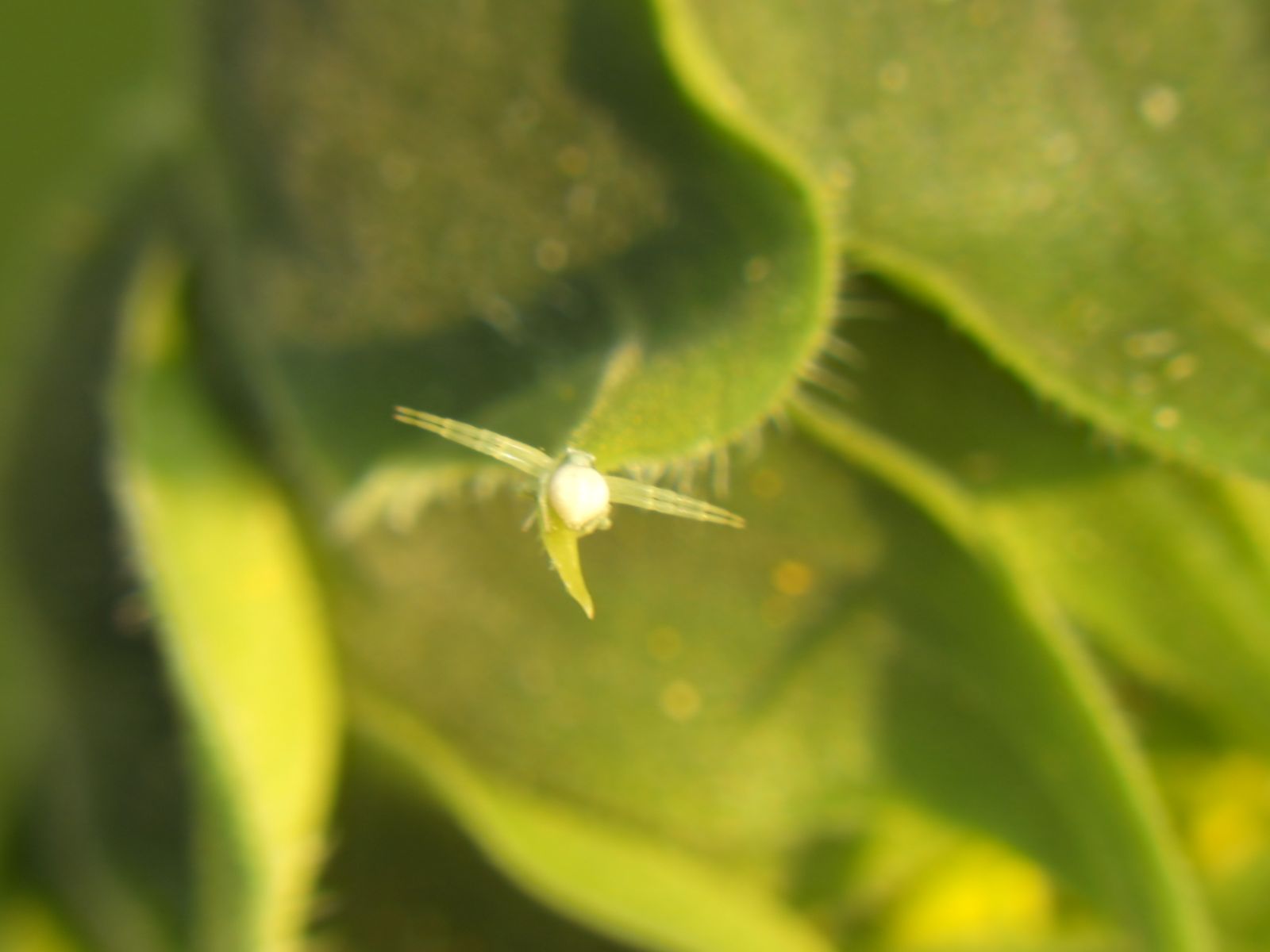
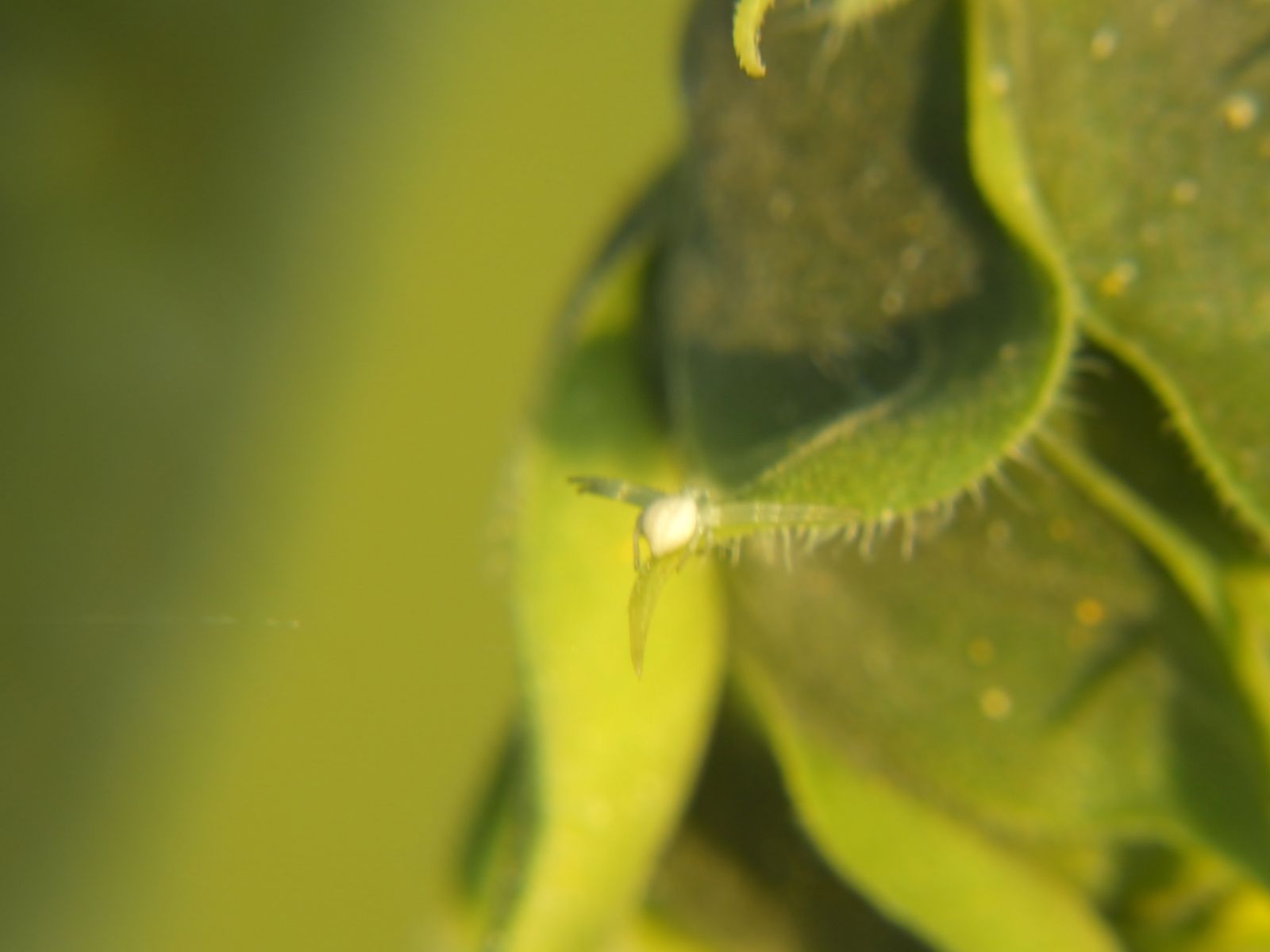
Last year I have shown you bright yellow crab spider who was munching on bees. This year I did not see a grown-up one, only this one little baby. Still white, slightly translucent and tiny, about the size of a pinhead. Sorry for a bit blurry pictures, but the little bugger did not stop, it kept wandering about and performing strange gymnastics. And I have forgotten to take my monopod with me, so this is shot completely freehand.

© Charly, all rights reserved. Click for full size.

© Charly, all rights reserved. Click for full size.
© Charly, all rights reserved. Click for full size.

© Charly, all rights reserved. Click for full size.

© Charly, all rights reserved. Click for full size.
© Charly, all rights reserved. Click for full size.
What I find the most interesting about his video is the realization that our modern perceptions of what is and is not beautiful are heavily skewed towards unreasonable and sometimes unachievable perfection. Sometimes perfection that you can only evaluate up so close, that you need a magnifying glass and calipers.
I blame the industrial revolution and mass-produced machined goods.
Of course. But not as many as I would like, unfortunately.
Our neighbor had beehives in her garden – her brother in law was a beekeeper. But he died a few years ago and none of his two sons took over. And thus bees disappear from the landscape, one old beekeeper dying at a time
And even solitary bees are becoming distressingly rare as they are increasingly more deprived of suitable food sources due to excessive rapeseed cultivation in our country because rapeseed brings biggest profits to the corporate oligarchs ruling our agriculture. Rapeseed all around is for bees about as healthy as nothing but dry bread and water is for humans.

© Charly, all rights reserved. Click for full size.

© Charly, all rights reserved. Click for full size.

© Charly, all rights reserved. Click for full size.

© Charly, all rights reserved. Click for full size.

© Charly, all rights reserved. Click for full size.

Carolyn Verhoeff. Love Me Love My Dog. Boston, The Page Company, 1922.
A sweet, feel-good story about an orphan girl and her dog.
via: The Internet Archive

Julius M. Price. My Bohemian Days in Paris. Cover art and included drawings by the author. Philadelphia, D. McKay, 1913.
via: The Internet Archive
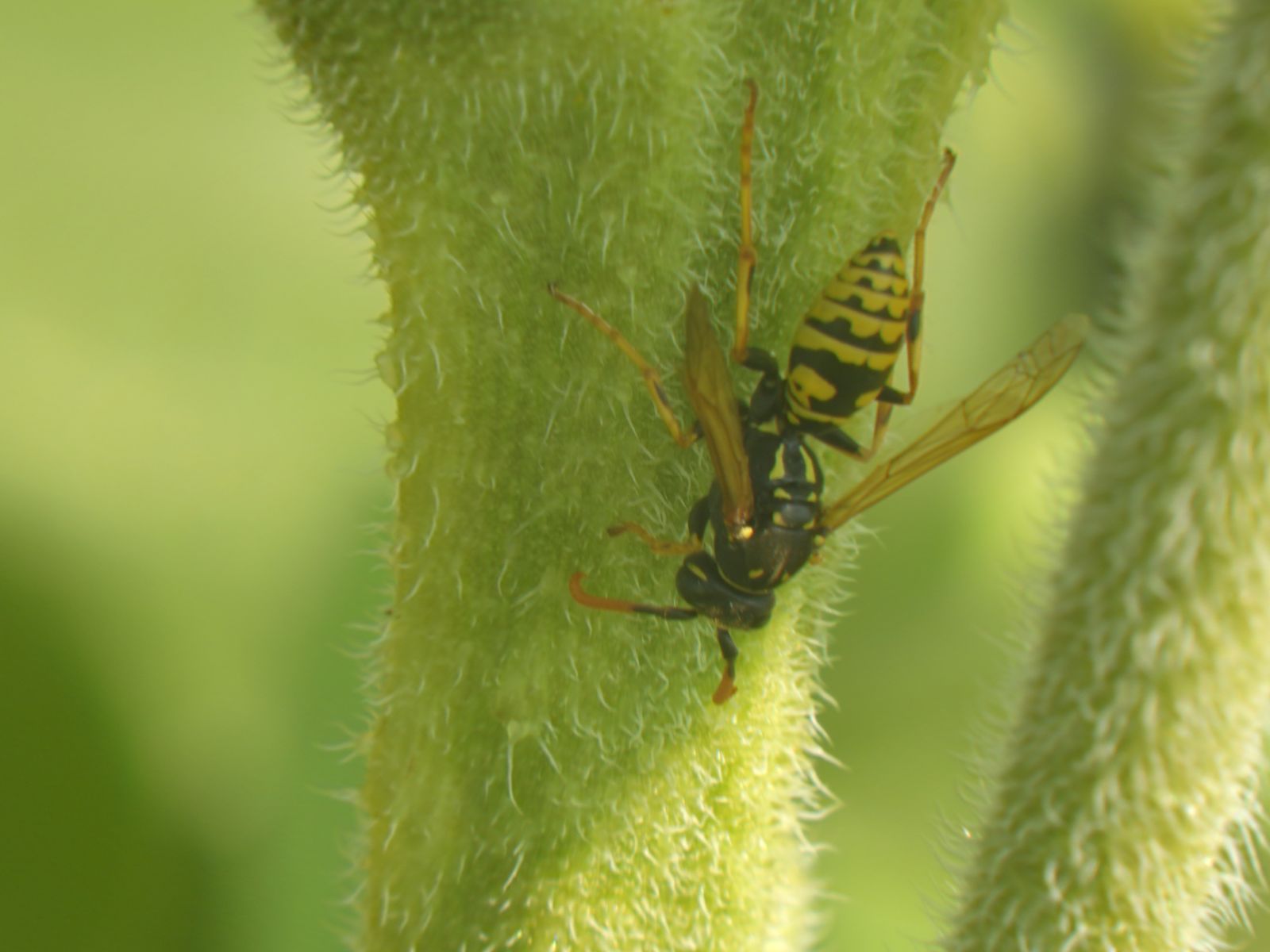
Not sure what these are doing there, but they sure do like them sunflowers, the green and fuzzy parts especially.
Funny thing is that I get the best results with macro photography with my cheapo macro lens that I have build from a magnifying glass, paper tube and a thread reduction ring for lenses. But all pictures made with it have significant chromatic aberration. Someday I will write about how to correct it in Photoshop. The first photo in this post is ideal for that.

© Charly, all rights reserved. Click for full size.

© Charly, all rights reserved. Click for full size.

© Charly, all rights reserved. Click for full size.

© Charly, all rights reserved. Click for full size.

© Charly, all rights reserved. Click for full size.

Louise Chandler Moulton. In the Garden of Dreams: Lyrics and Sonnets. Boston, Roberts Brothers, 1890.
Cover Photo via: Liveinternet.ru
Available to read at The Internet Archive
A lovely blue flower courtesy of Avalus who says,
A beautiful Cornflower, next to a field of wheat. Since last year, farmers are encouraged to leave the borders of their fields unplowed and many plants have found new niches. I have cycled this road for over 7 years and these are the first cornflowers I have seen there. I hope next year, there will be more.

Kornblume ©Avalus, all rights reserved
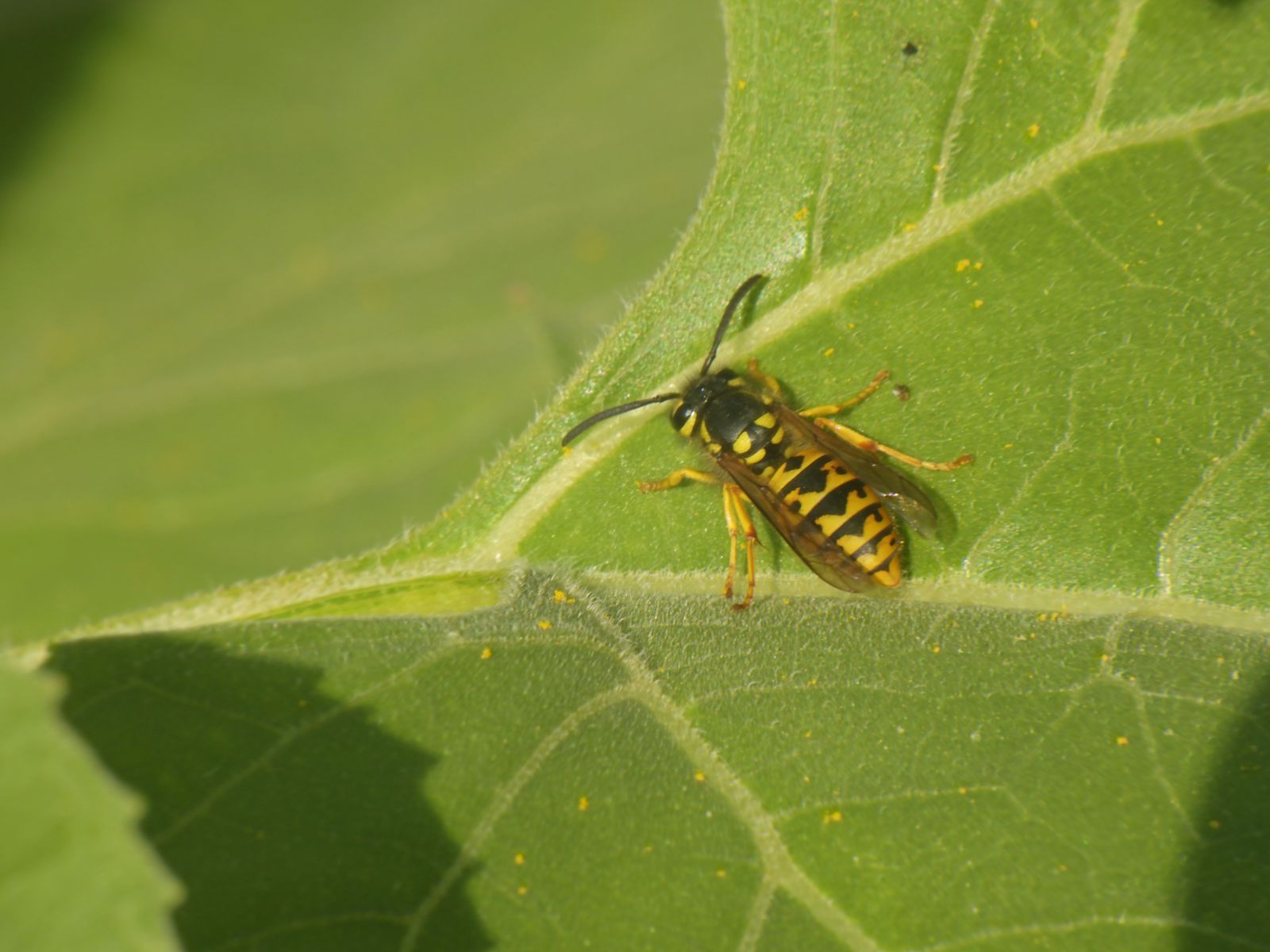
Yellowjackets are lousy pollinators. From a gardening point of view they are pests. They scavenge and steal and eat whatever they find and sometimes destroy. In this particular case, I have caught one munching on the stem. The wasp has bitten into it and probably munched on the sap. It definitively was not just cooling off its heels in the shade, her mandibles were moving and she took her time on that spot.
What the ones on the leaves were doing I have no idea, but I never saw one even near the blossoms.
© Charly, all rights reserved. Click for full size.
© Charly, all rights reserved. Click for full size.

© Charly, all rights reserved. Click for full size.
