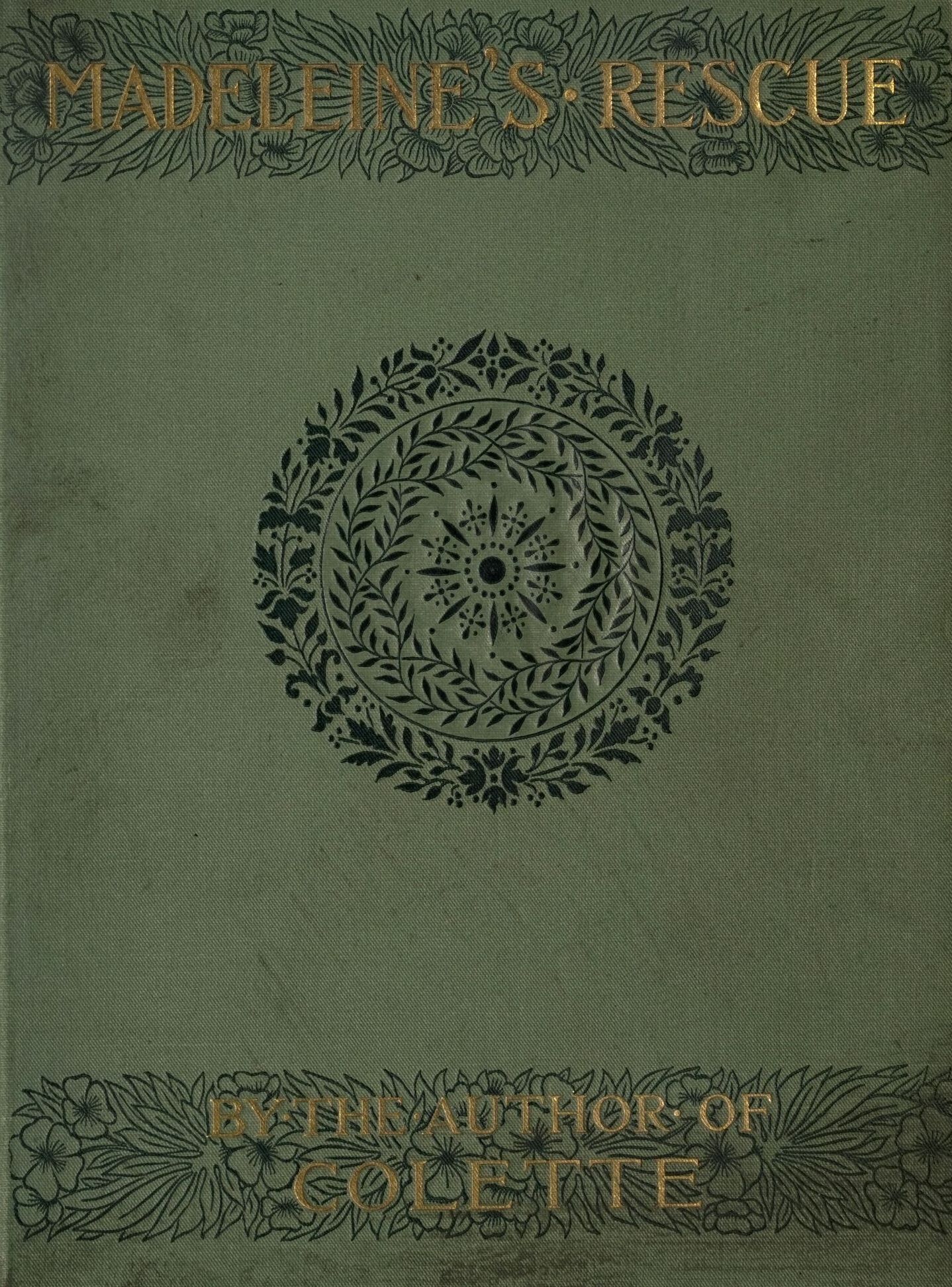
The Art of Book Design: The Renewal of Life, How and When to Tell the Story to the Young

Margaret Warner Morley, The Renewal of Life, How and When to Tell the Story to the Young, Chicago, A.C. McClurg & co., 1906.

This book notes in its introduction that any child old enough to ask a question is old enough to know the answer, the real answer, which I find enlightened for the period. Ms. Morley notes that parents only do their children harm by withholding truthful information and that it is best to give geared to age responses that the parent may elaborate on as the child matures.

via: The Internet Archive

Resin Art: Fitting a Square Peg in a Round hole

Yes, I’ve been productive last week. Last night I sanded down some pieces I had cast some days ago, finally revealing their true shape. One piece contains some of Marcus’ burl and I wanted to try something new and I’m quite happy with the result, unlike with yesterday’s catastrophe.

The piece started out as your basic square block. I drew the oval shape I wanted it to be on the back and the front and then set to shape it with the belt sander (this time without also sanding my hand in the meantime. It’s a nice scar I got myself the last time). After I had the general shape I set to creating a dome so it would become a regular cabochon. I’m sure you have already spotted the problem here: taking out one sharp edge with the belt sander creates two more, so I only worked out the basic shape and then went to hand sanding.

©Giliell, all rights reserved

This is what I got after the belt sander. You can see the shape and also the deep, deep scratches. Now sanding paper creates the same problem as the belt sander, unless you keep the piece still and move the sanding paper. I prefer a different method for smoothing edges: First I like working with sanding fleece anyway. For the rough sanding it’s much more durable than the sanding paper. It#s also thick so it creates naturally smooth curves. Once the rough sanding was done I simply placed my wet sanding paper on top of a piece of fleece and kept sanding. It’s a hell lot of work, but I can tell you, the moment when you wash off the grit and for the first time it becomes really transparent and shiny? Pure magic! With this piece that happened at a 3000 grit and got “fixed” with abrasive paste.

©Giliell, all rights reserved

©Giliell, all rights reserved

Now I have to figure out how to turn it into a necklace…

But wait, there’s more!

©Giliell, all rights reserved

This little fellow is a scrap of pear wood. It is part of a longer piece. the top got turned into something else and the bottom got turned into this. Isn’t that wood gorgeous?

©Giliell, all rights reserved

I tried to give it roughly a crystal shape, but it would not hold the edges. I’m not sorry, I love it the way it is. Also, it’s shape just nice to hold.

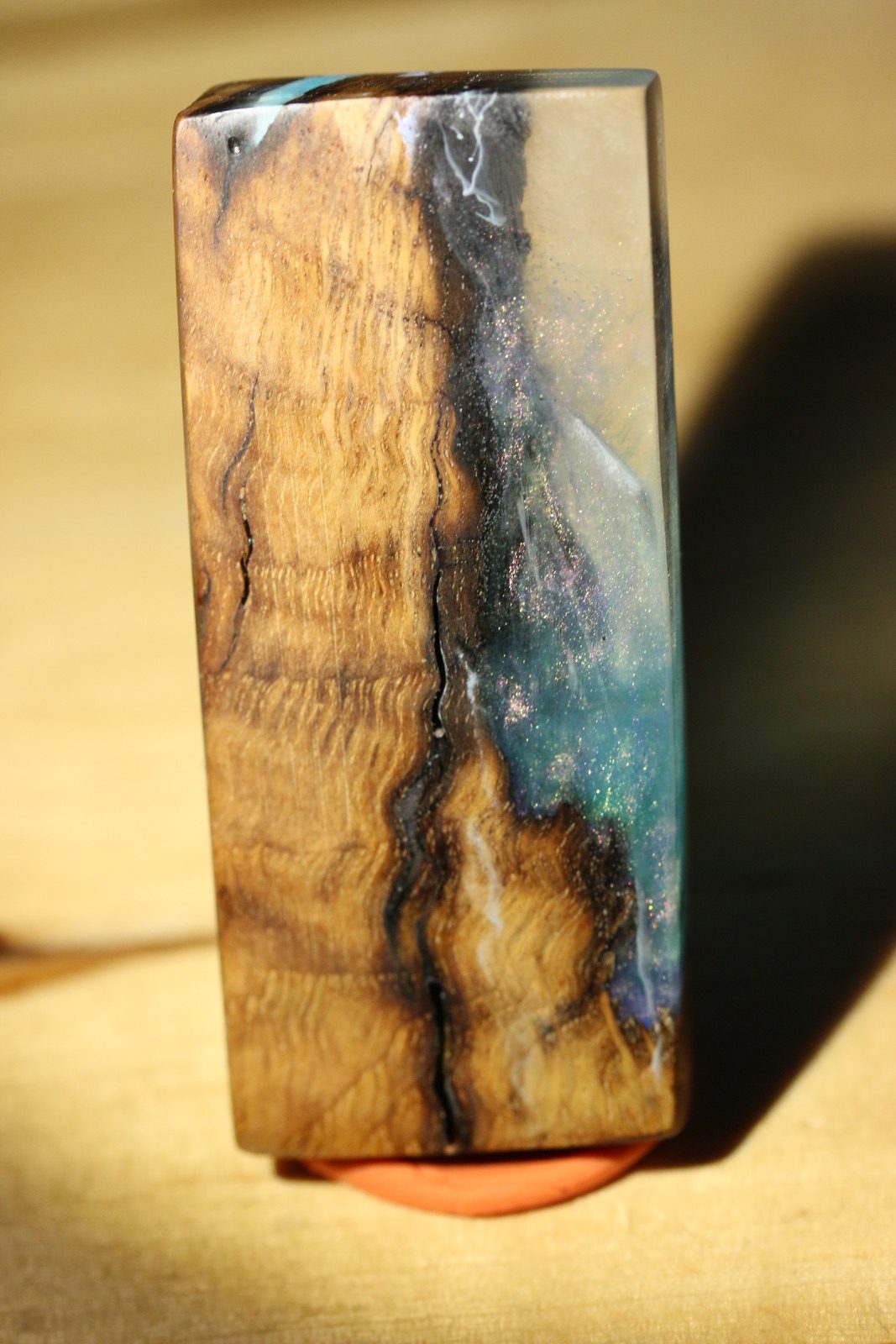
The last piece is oak wood. I experimented with some cheap pearl pigment and I quite like the effect:

©Giliell, all rights reserved

©Giliell, all rights reserved

Since I had some problems with the sticky tape that enclosed the cast getting stuck in the resin I had to take off quite a lot of material, but I am please with the result nevertheless.

Resin Art: a learning experience

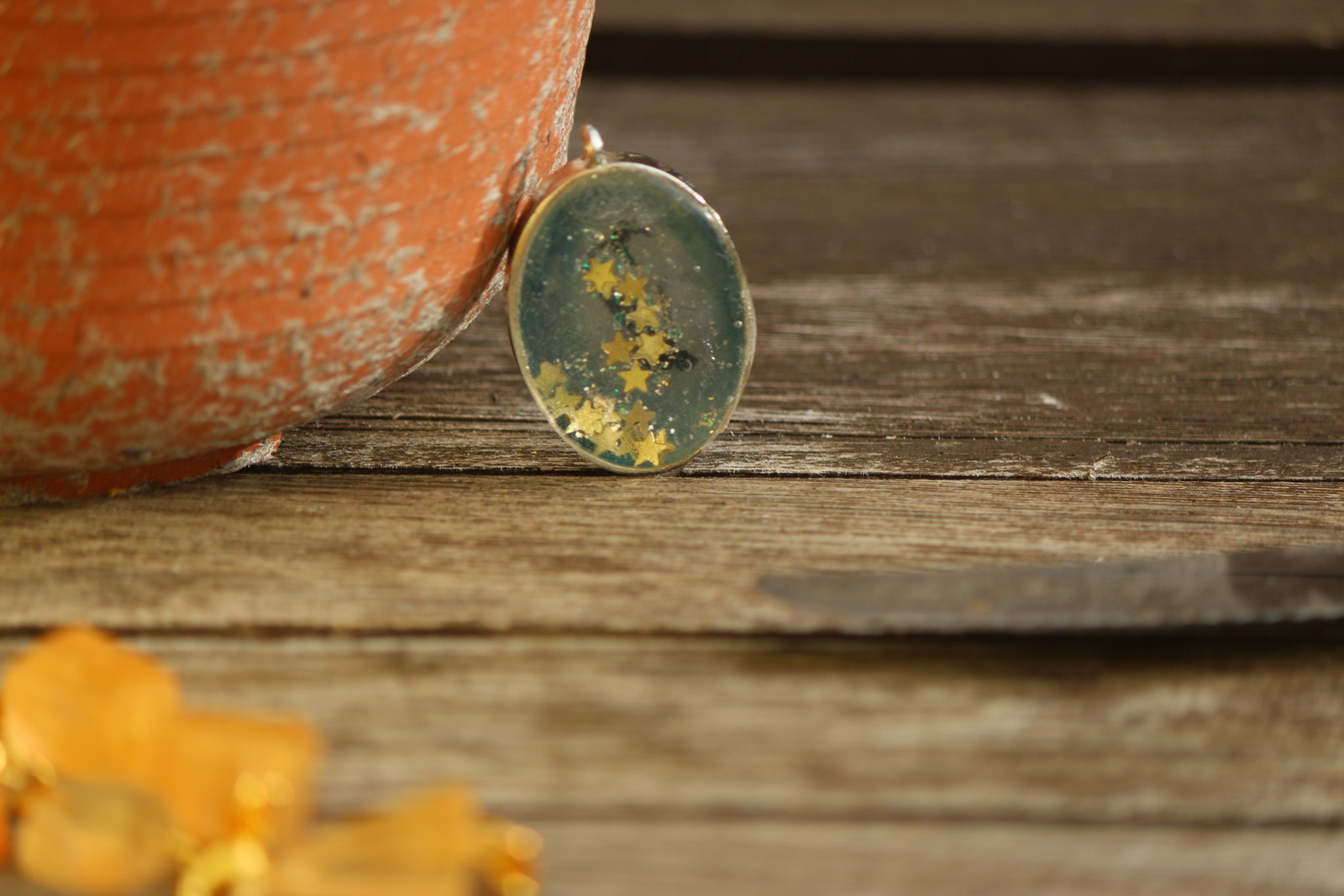
Some time ago I watched a youtube video on making shaker charms with open bezels. Keyword is “a while ago”. It looked simple enough, so I decided to give it a try: you put your bezel onto some tape, add a layer of UV resin and harden that. Then you add your glitter, mix water with some glue, put it into the bezel, freeze it solid, add UV resin to the now solid top, harden, done.

So far, so good. Only that of course it didn’t work out like this, leading to these rather pitiful examples:

©Giliell, all rights reserved

©Giliell, all rights reserved

©Giliell, all rights reserved

The unicorn one is the best of the batch, but still nowhere near acceptable. I figured out a couple of problems myself:

One: I’d overfilled the the bezels. I need to leave space inside for the resin to go. Two, working on three of them at the same time isn’t a good idea. Inevitably condensation happens on the other ones as you’re dealing with the first one. Three, my UV resin is too thick. It’s quite thick anyway and the cold from the frozen bezels makes it impossible to spread quickly and evenly.

While I figured out those three things. One thing remained a mystery: the surface of the ice. If this surface isn’t smooth, you’ll never get a clear resin layer. While I didn’t think the video in question was one of those fake craft videos, I kept wondering about it. Rewatching the video I saw that the person used distilled water, which I think will make quite a difference.

Next try: distilled water.

I’ll also add in another step: Once the water is frozen really, really solid, I’ll put another drop of water on top. It should hopefully create a super smooth surface and also create a barrier between the resin and any glitter that might have floated to the top. Wish me luck.

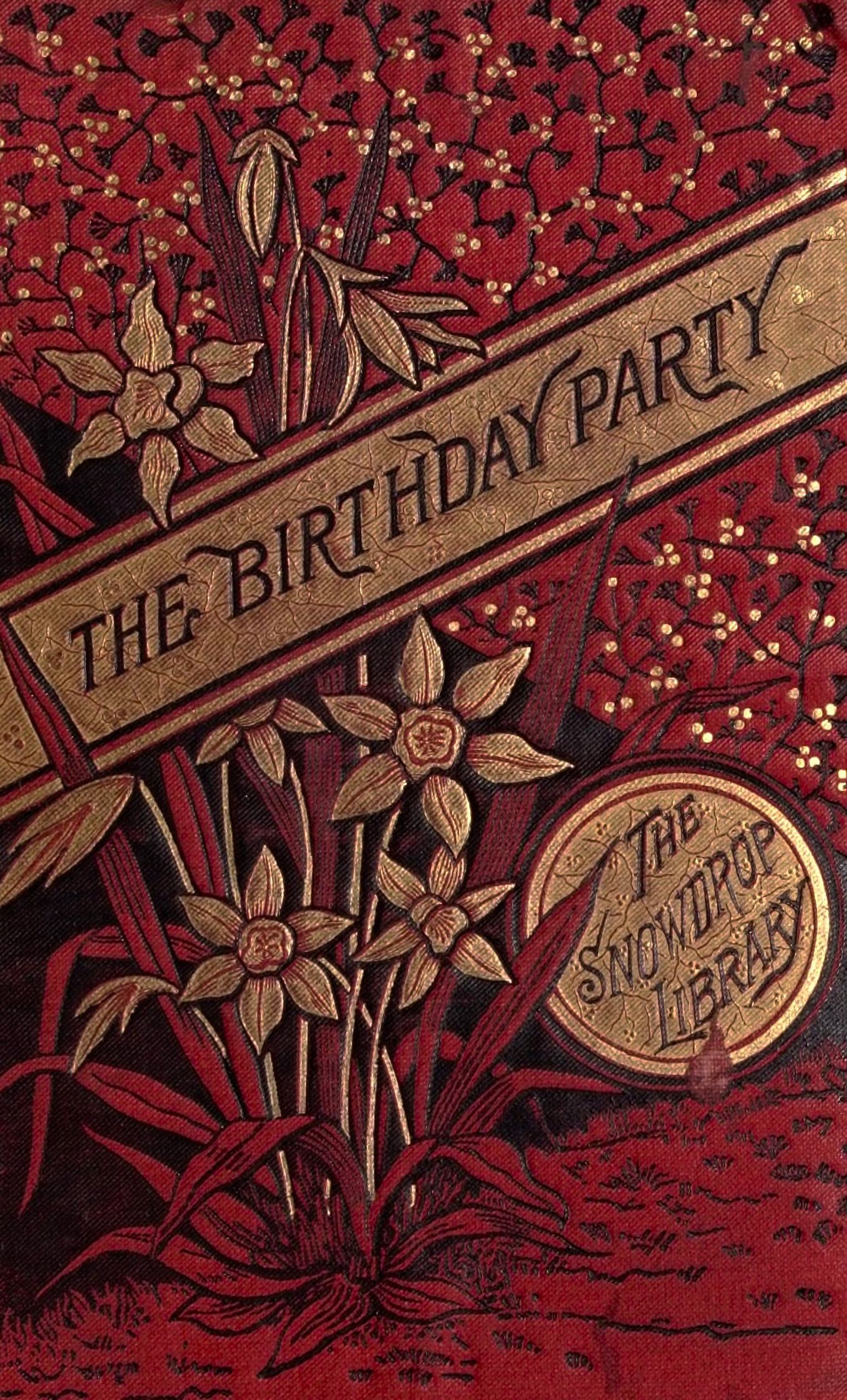
The Art of Book Design: The Birthday Party

Various Authors. The Birthday Party and Other Stories, A Book for Girls. Boston, T. B. Noonan, 1885.

February is my busy month for birthdays. Today’s birthday belongs to my friend Janet with whom I travelled to Mexico. Today is also the day she closes the sale of her house here. Double congratulations, Janet, dinner’s on me tonight, kiddo. Oh wait, you’re older than me again. Ahem, dinner’s on me tonight, Grandma.

via: The Library of Congress

Russia – Welcome to Uglich

Welcome to Uglich. ©voyager, all rights reserved

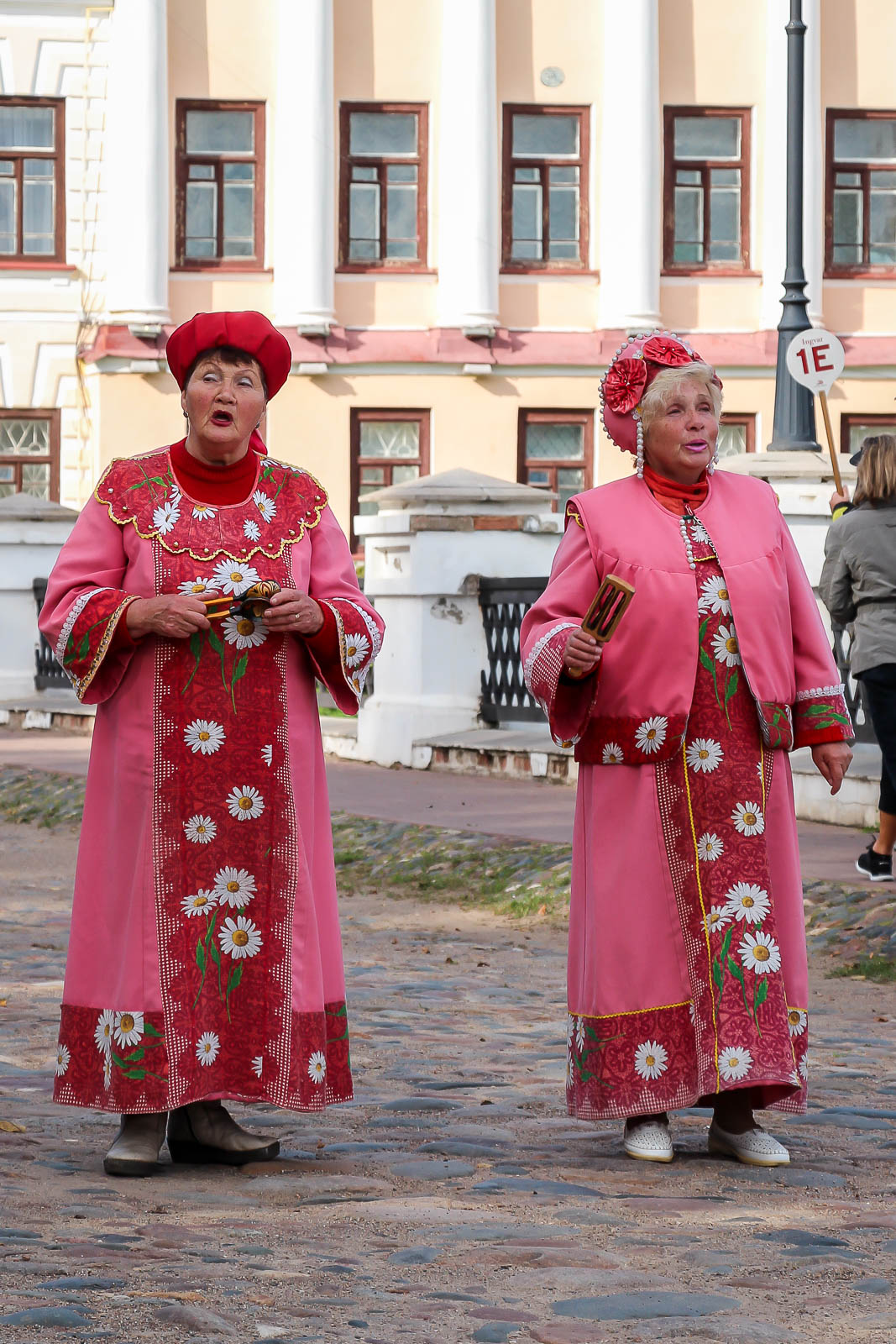
When we disembarked in Uglich we crossed a cobblestone bridge into the city where we were greeted by a duo singing a traditional Russian folk song. Their voices were clear and strong, and it was a charming welcome to the first of Russia that we saw outside of the big city of Moscow. On the other side of the bridge, we met our local tour guide who was to take us on a planned tour of the city. Being a tour guide is a noble profession in Russia, and once upon a time, the tour companies had a full-time stable of guides. There have been cutbacks, though, and now the guides all work as private contractors on an as-needed basis. For most of our trip, the guides were outstanding. They were all multi-lingual, friendly, thoroughly professional, and each of them had a comprehensive knowledge of the history and geography of the country. There was one guide, though, that we disliked.

Our Uglich Tour Guide. ©voyager, all rights reserved

This fellow was our guide in Uglich, and everyone in our group was unhappy with his performance. To begin with, he walked too fast. Way to fast for all of us. My friend and I were the youngsters on our cruise, with most of the other people being in their 70’s and 80’s, and everyone struggled to keep up. He also spoke while he was walking, without turning around at all, so that most of us missed what he had to say. We figured out the reason for the rush at the end of the tour, though, when we were taken into a woodcarvers shop and told that we had 15 minutes to look around and buy. We all suspected that the haste at the beginning of the tour was to make sure we had enough time to shop and that some sort of kick-back was likely involved. Working on an as-needed basis is difficult, so we understood the circumstances, but we’d signed up for the “slow” tour (most of the tours had an option for a quick, active group or a slower group with less walking) and this walk was anything but slow. We managed, though. It’s surprising how fast you can go with the right motivation. Turns out that I’m quicker when I’m worried about being left behind and lost in an unfamiliar place where I don’t speak the language and even the alphabet looks strange. We did have our guide books with us so we could at least recognize what building or church we were passing or were about to visit.

**************

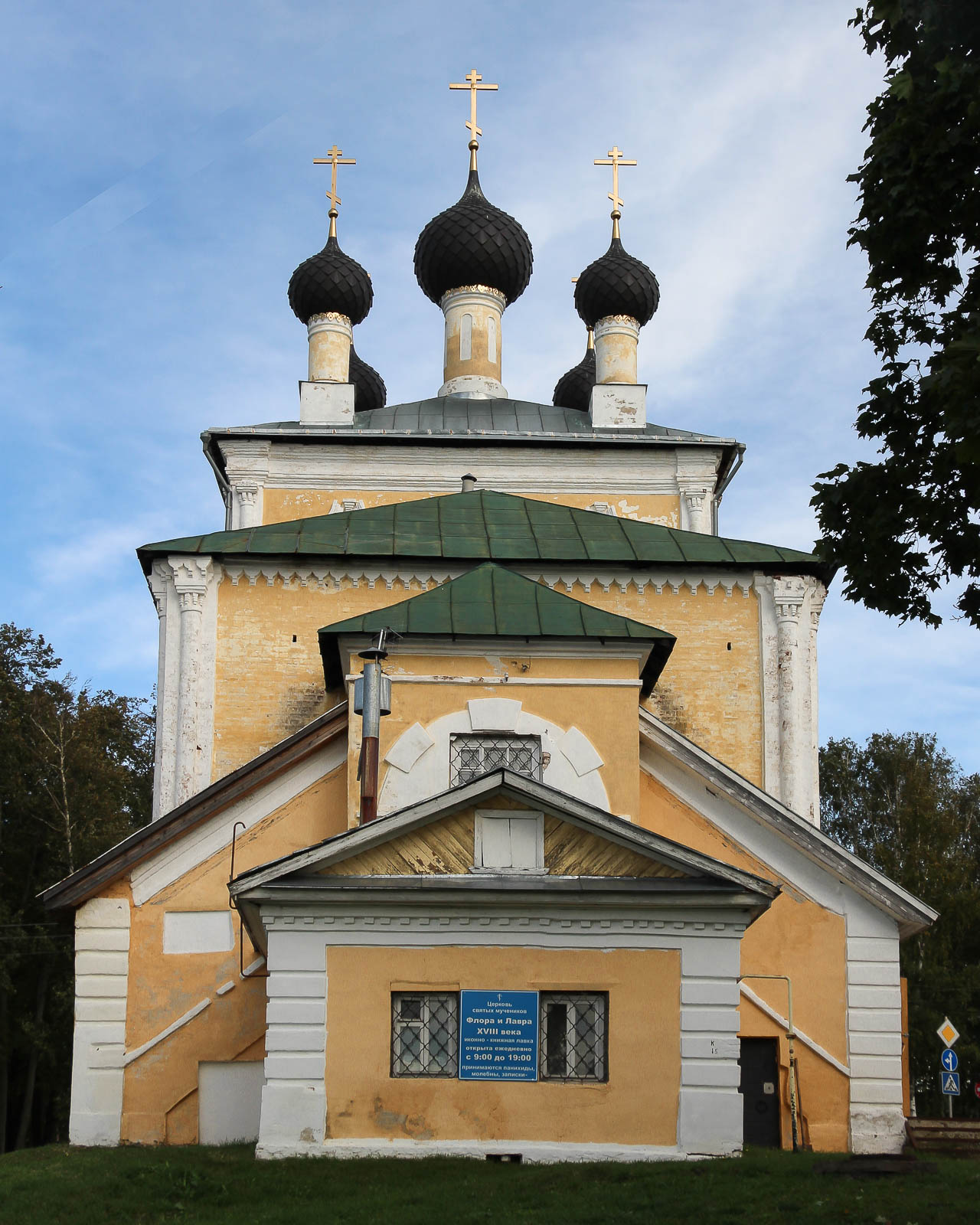
The city of Uglich is first mentioned in the All-Russia Chronicles of the Ipatievsky Monastery of 1148, however, there is archeological evidence that settlements have existed at the site since the First Millenium. The city houses many ancient churches, and we were able to visit three of them. Our tour began with a walk through the main area of churches viewing them from the outside before attending a 3 man a capella concert in a modern building used as a civic centre.

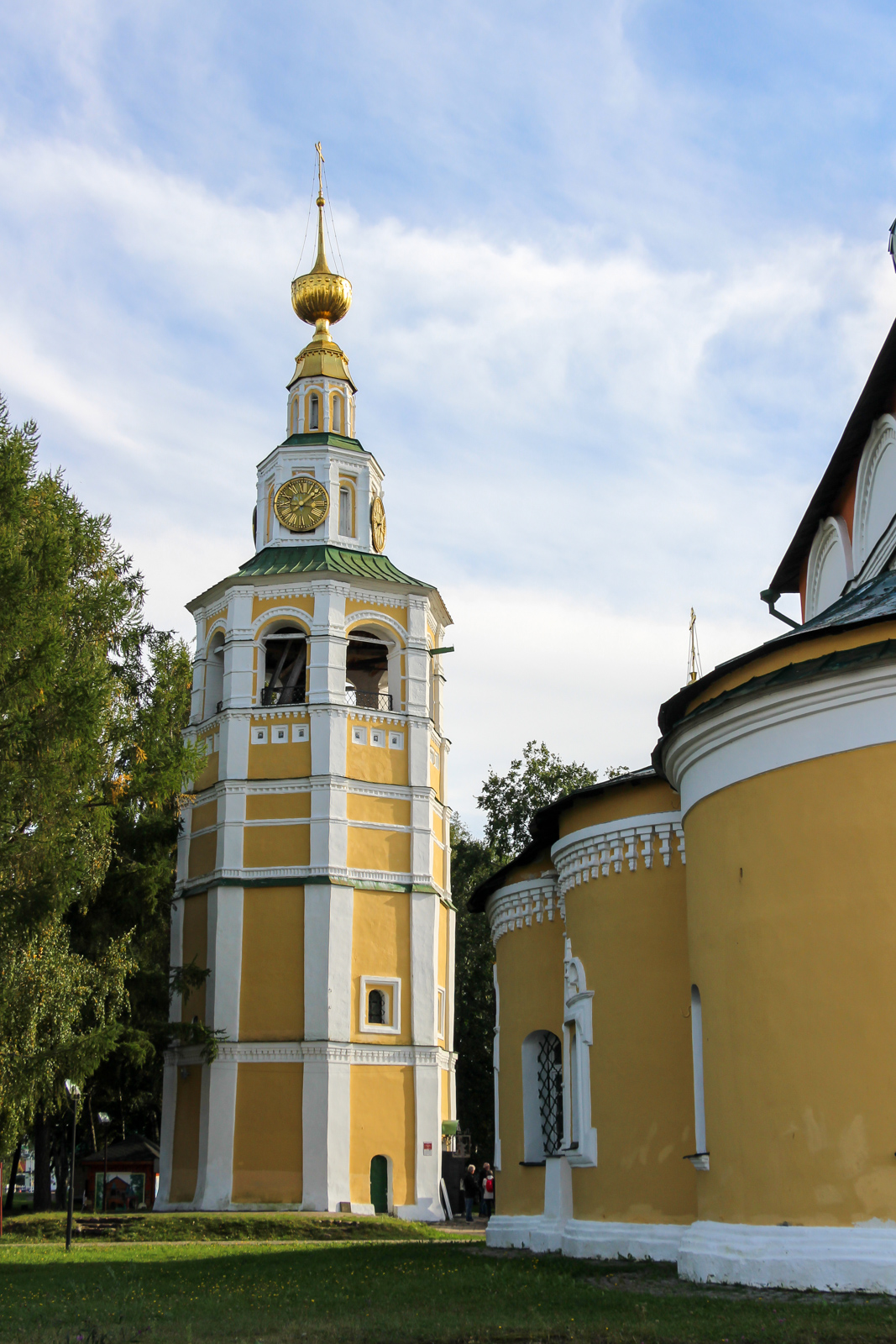
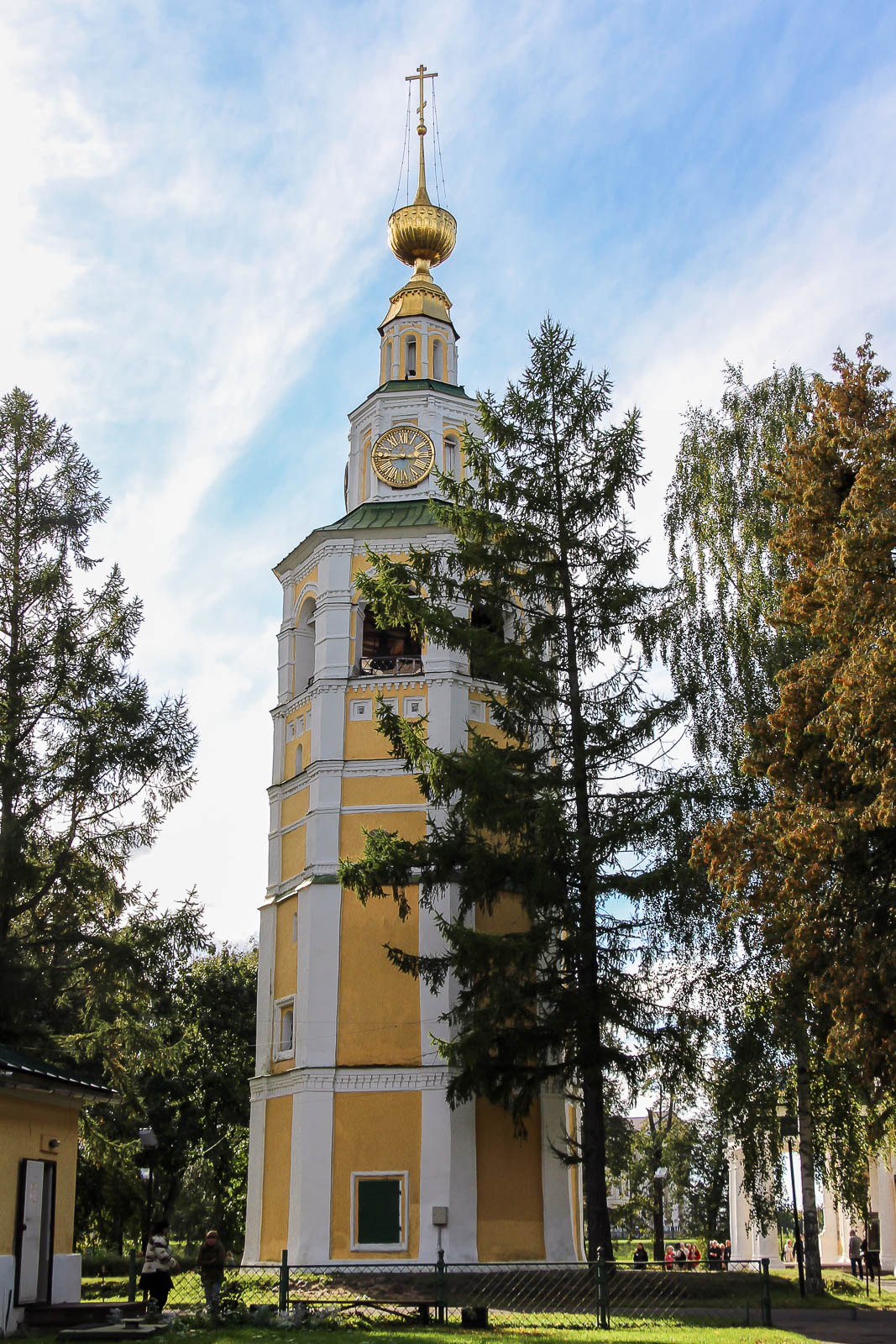
Our first stop after this was at the Transfiguration Cathedral, which is part of the city’s Kremlin (fort). This cathedral was first built in the early 1200s and it’s been rebuilt several times since then. The current church was built in 1713 and it’s the bright yellow building with orange trim and dark green onion domes that greeted us as we came into port. Beside the Church is the Bell Tower, which was erected in 1730.

The Transfiguration Cathedral, Uglich. ©voyager, all rights reserved

Transfiguration Cathedral and Bell Tower ©voyager, all rights reserved

Transfiguarion Bell Tower

Transfiguration Cathedral ©voyager, all rights reserved

We were given a very brief tour of the interior of the church later in the tour, just before being whisked off to the woodshop to buy souvenirs. Our guide told us the church is still in use and, as with all churches in Russia, there are no seats. All worshippers are expected to stand for services, including dignitaries and in previous times, the Aristocracy. Many of these services can go on for 4 hours. Gold was a prevailing detail in almost all of the churches we visited here and throughout Russia and every church has a unique set of icons.

The Icon Wall, Transfiguration Cathedral ©voyager, all rights reserved

Icon Wall, Transfiguration Cathedral ©voyager, all rights reserved

Icon Wall and cupola, Transfiguration Cathedral ©voyager, all rights reserved

That’s it for today. In the next installment, you’ll hear the curious story of Dmitri and see the church built in his honour.


Voila, la Viola

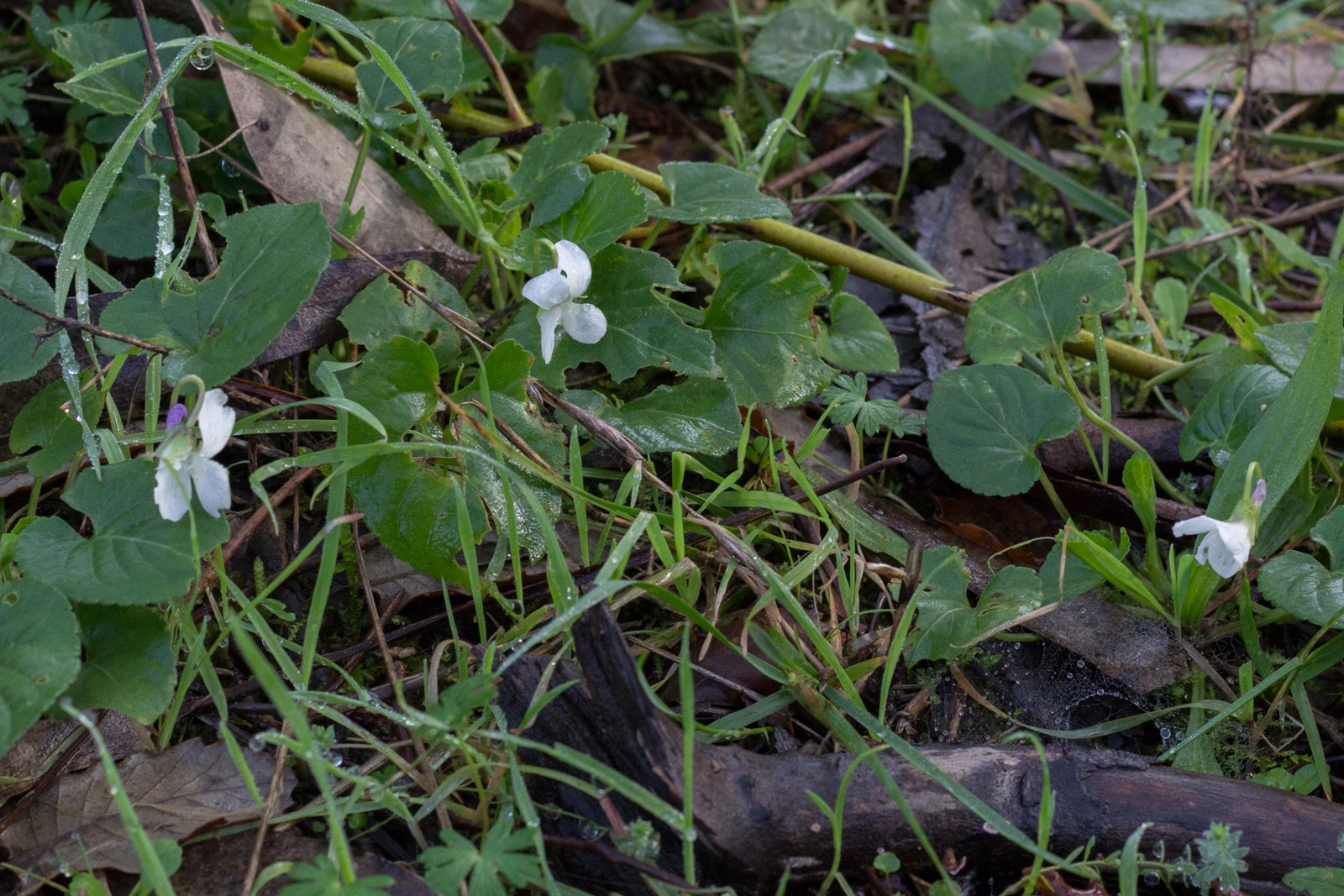
Nightjar has been searching out wildflowers for us,

Viola riviniana or dog-violet. A completely unexpected find, not only because it is too early for wild violets but also because I rarely find completely white dog-violets. And there were only white violets, no signs of any purple ones nearby. I expect that to change in about a month from now.

©Nightjar, all rights reserved

©Nightjar, all rights reserved

©Nightjar, all rights reserved

Resin Art: Breeding Dragons (hopefully)

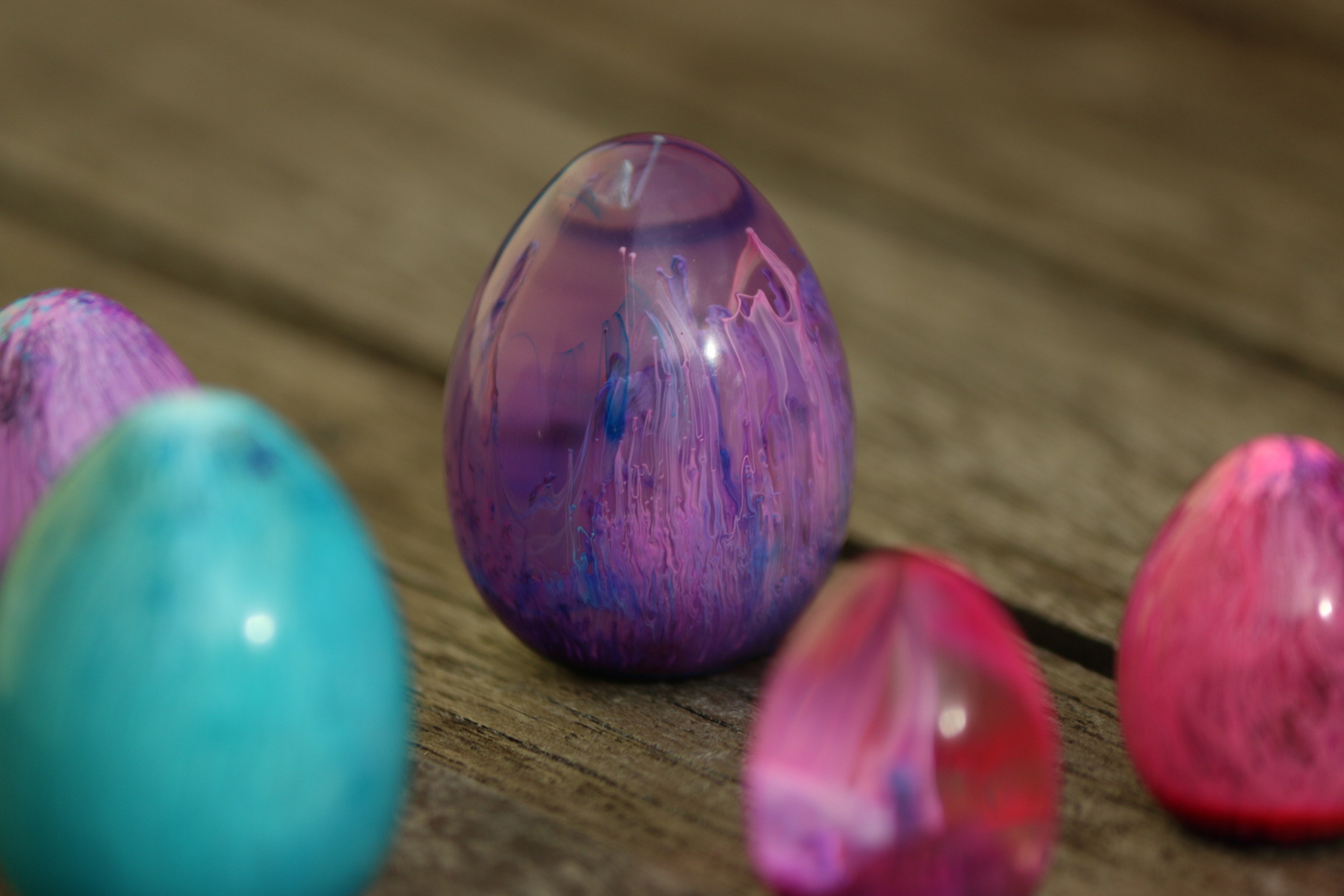
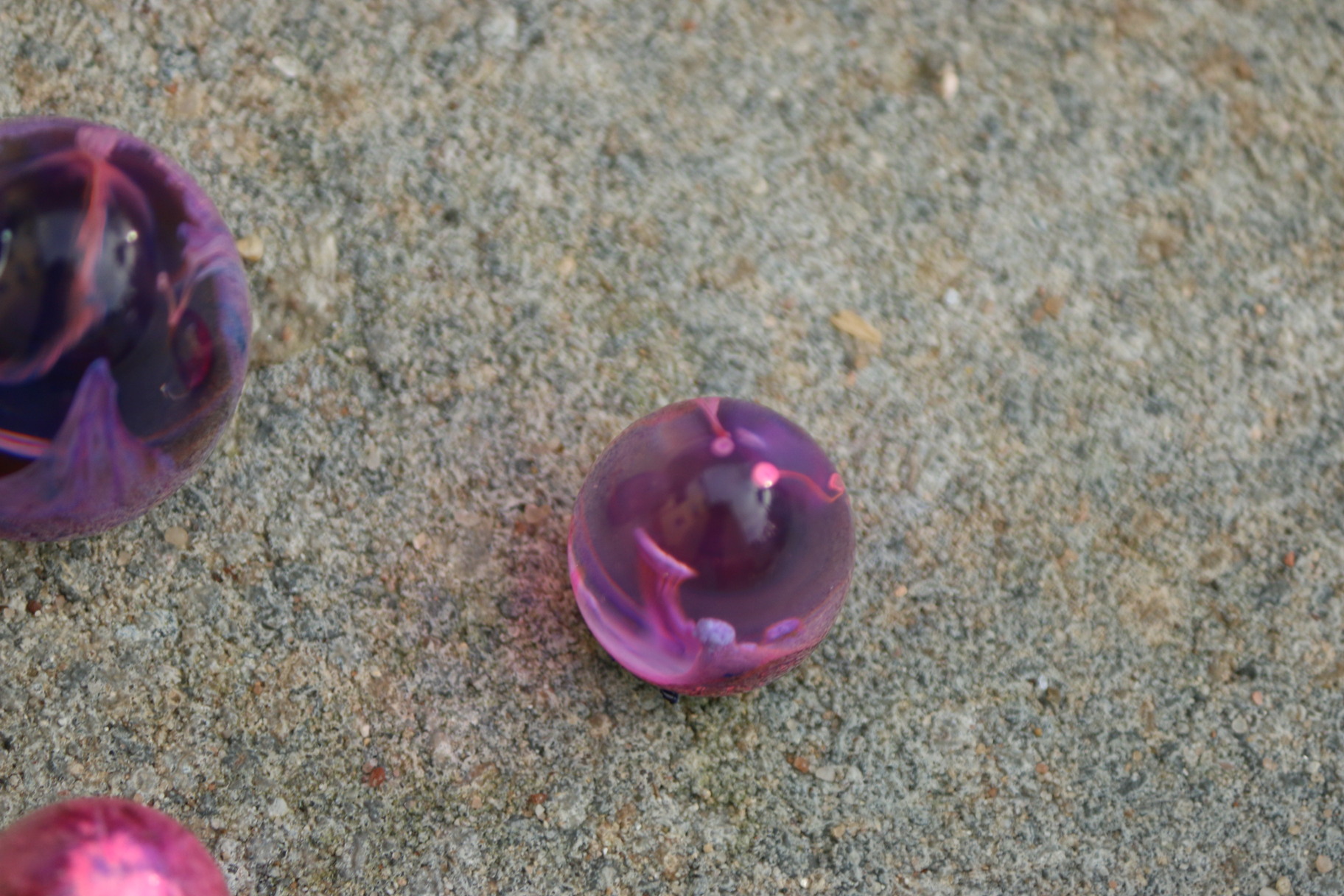
I’ve been using my holiday to get some creative work done. Let’s start with the items that gave this post its title: Dragon eggs:

©Giliell, all rights reserved

Working with alcoholic ink is always such fun. You never know what you get until it’s done. The effect is created by dripping the ink on the resin. You always need to add some white ink. This is heavier than the resin, while the other ink is lighter. The white ink takes the colourful ink down with it, creating what is often called a petri dish effect. I love them and now I#ll have to do something with them.

©Giliell, all rights reserved

©Giliell, all rights reserved

©Giliell, all rights reserved

©Giliell, all rights reserved

Next one is another wood and resin project. A while ago Marcus sent me some of his spalted maple. Did I mention  that Marcus like to send challenges? These pieces were really thins, way too thin to do the usual “break it and then sand it down” method. So what I did was making bezels to go around the resin.

[Read more…]

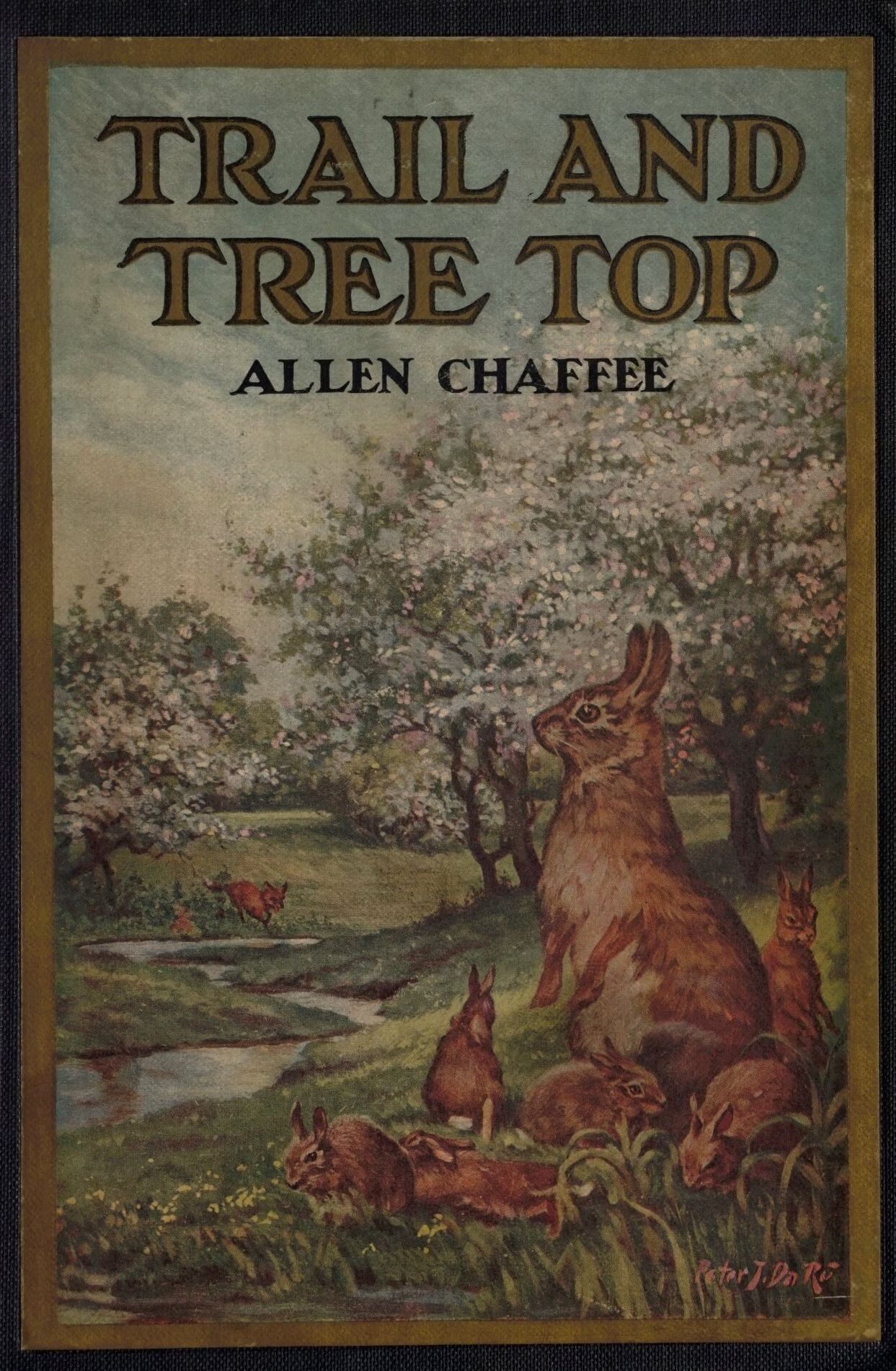
The Art of Book Design: The Little House in the Fairy Wood

Ethel Cook Eliot. The Little House in the Fairy Wood. Illustrations by Mabel Hatt. New York, Frederick A. Stokes, 1918.

This is another short children’s storybook with delightful artwork. There are only 3 colour illustrations in the book, but I’ve included them below the fold. I love the picture of the fairies dancing. They look so free and full of joy. I hope you enjoy this book as well. [Read more…]

Bonsai for Beginners – Part 3 – Basics of Tree Physiology

Previous part.

Of those many books that I have read about the art of growing bonsai trees, only one goes sufficiently in-depth about this issue. Unfortunately, that one book is probably only available in Czech. I will not go too much into depth here, just the basics for your own research should you wish it.

The distinction between a tree and a bush/shrub is not clear-cut, but there are properties that some plants have that make them definitively shrubs – like roses – or definitively trees – like spruces. A rose, no matter how big and old will be unruly and bushy. Spruce, no matter how small, will be a tree, with a definitive main stem.

The most important factor in this is the absence or presence (and strength) of so-called apical dominance. In plants with strong apical dominance, the main stem produces hormones that regulate and/or inhibit the growth of secondary branches. That is the reason why spruces almost invariably have one upright stem with comparatively thin branches – they have very strong apical dominance like most conifers do. Roses, on the other hand, do not have apical dominance worth speaking of. They continuously sprout new twigs from the base of the stem near the roots. Common hazel is somewhere in between – at the start it has strong apical dominance, but the bigger the main stem gets the smaller inhibiting influence it has, it slows its growth and inevitably suckers start to sprout from the base even when the main stem is perfectly healthy and strong.

Apical dominance applies to roots too. Some plants tend to grow long, thing, non-branching roots, some have bushy ones.

It also changes during each season – in many plants with leaves the hormones are produced by the leaves, thus the more leaves there are on the branch/stem, the more it inhibits those below it. That can be used to your advantage for certain species – more on that when talking about them.

For a beginner, plants with strong apical dominance should be avoided, especially fast-growing ones. Many such plants when cut do not branch out but simply the bud nearest to the cut continues as the main stem. Some might even die. Best are plants with some apical dominance, but not a very strong one. But also not so weak as to tend to sprout suckers each season.

That, unfortunately, means that for a beginner or a small-scale grower, the most iconic of all bonsai trees – pines – are not suitable, as well as most of the coniferous trees overall. They are the most difficult to manage and to form, and some of them are downright snowflakes. Best suited are leafy plants, with moderate growth rate.

I will go into more detail when talking about specific species in due course.