A quick way to chop 10 apples up for the rat crews. :D Also had some fun with photos.

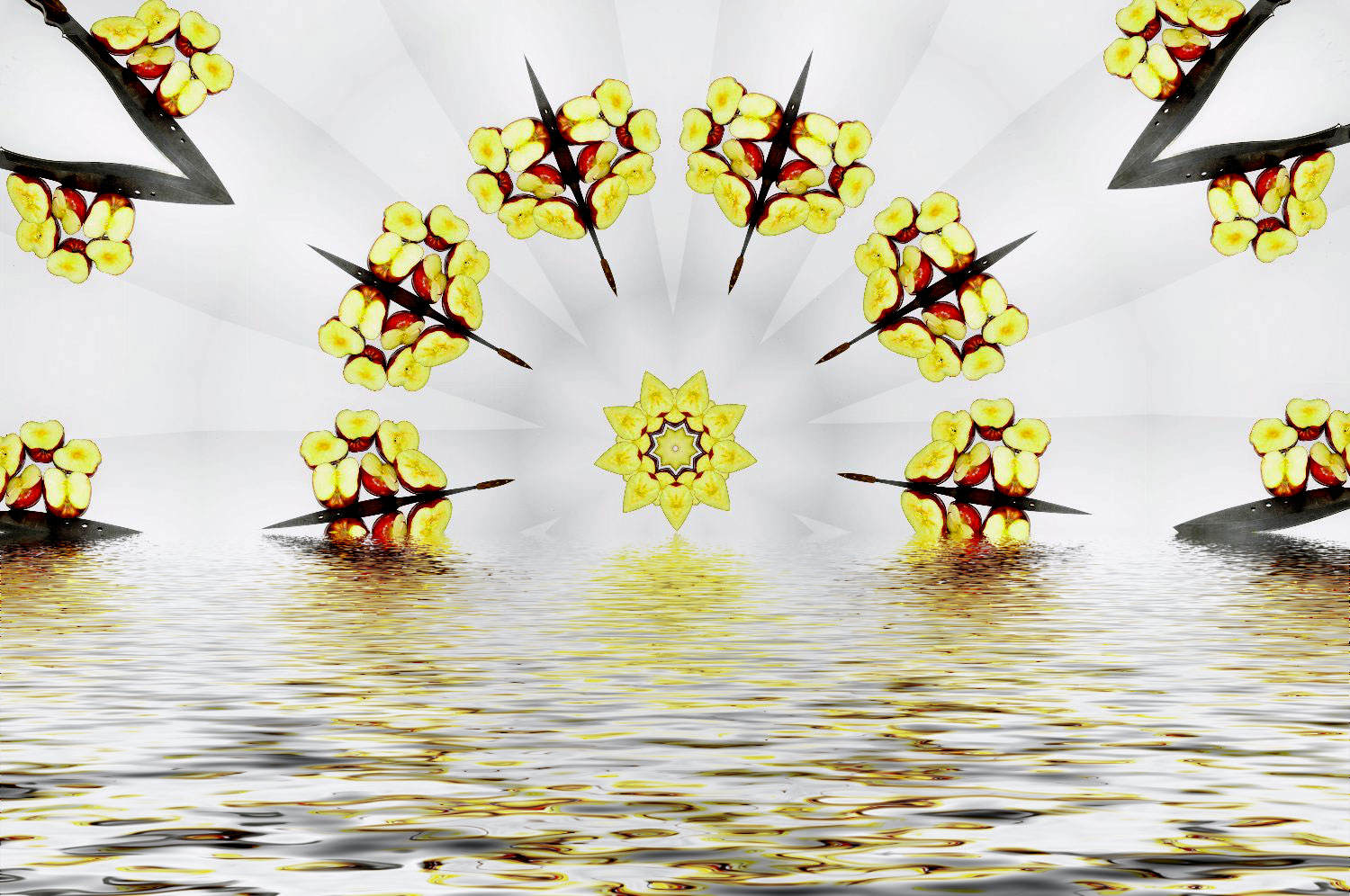
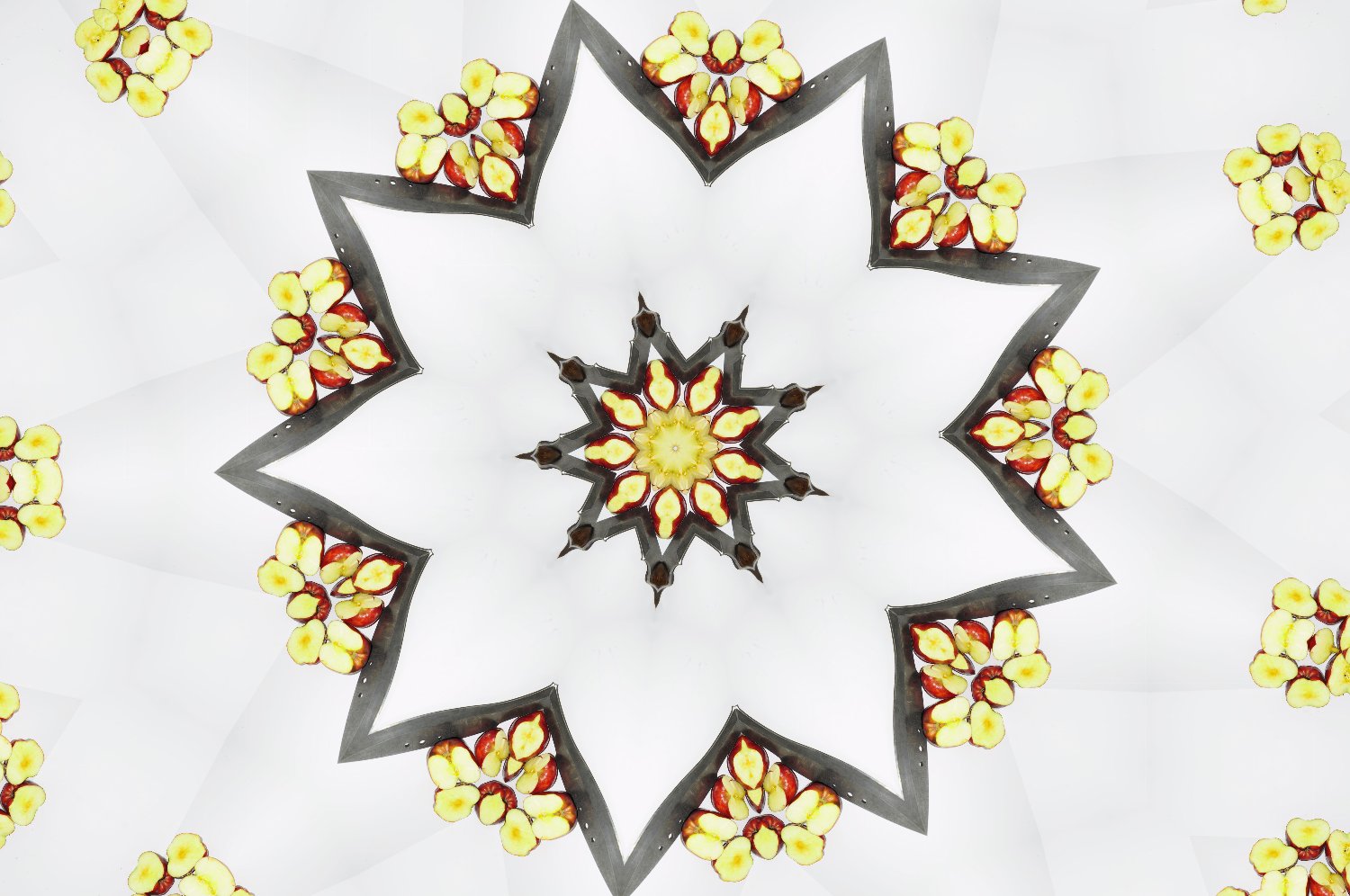


© C. Ford.

A quick way to chop 10 apples up for the rat crews. :D Also had some fun with photos.
© C. Ford.

Greg Rucka said Wonder Woman’s queer identity was important to the narrative. Photograph: Frank Cho/DC Comics.
Time to get drunk on tears once again. Some screenings of Wonder Woman have had a Women Only night, and all the dudes are upset.
“Wonder Woman” may be a feminist icon, but some male moviegoers aren’t happy about some scheduled women-only screenings of the film.
The controversy began when the famous Alamo Drafthouse cinema in Austin, Texas, announced it would be hosting a screening of the new movie, which stars Gal Gadot as the superhero.“Apologies, gentlemen, but we’re embracing our girl power and saying ‘No Guys Allowed’ for one special night at the Alamo Ritz,” the announcement read. “And when we say ‘People Who Identify As Women Only,’ we mean it. Everyone working at this screening — venue staff, projectionist, and culinary team — will be female.”
That didn’t go over well with some men, judging by the comments on the theater’s Facebook page.
“Apparently ‘equality’ is only selective nowadays,” one person wrote. “How about a ‘men’s only’ showing of a movie or is that not how equality works?”
Why no, that is not how equality works, you crybaby of a cupcake.
The Alamo responded to many of the negative comments, pointing out that they have hosted screenings for select groups before, including veterans for military films, and that it’s about a celebration of the Wonder Woman character.
Hmmm, I’ll just bet there wasn’t any leaking of man tears over a veteran’s screening. So, cry some more, dudes, cry enough for us all to get drunk!
Full story at CNN, beware autoplay. Hat Tip to Saad.
Archive Dreaming from Refik Anadol on Vimeo.
Archive Dreaming, a stunning project, and one I hope becomes a reality before I die, because it would be an amazing experience! You can read all about this, and see more at The Creators Project.

Minutiae Photos.
There’s a new app in town, but it’s not like other social media in any way. This one is to document entirely mundane moments of your life, and you don’t get to do it at any given time.
Thus was born Minutiae, an anonymous photo-sharing app that, unlike uber-serious photography apps, encourages people to embrace the boring and mundane instead of meticulously sculpting the digital replica of their everyday lives.
Once a day, at random, all participants receive an alert to take a photo simultaneously, regardless of time zone. After taking the photo, the user is paired with a random stranger somewhere in the world who also just took a photo, and they are given 60 seconds to browse their chronological timeline or that of the stranger with whom they were matched. When the minute expires, the app shuts down, and the users must wait for the next alert to use the app again. Beyond the anonymity and its focus on the quotidian, Minutiae also prevents users from following anyone.
Despite Minutiae being a fully functioning app, Adolfsson and Wilson agreed that it should really be an artwork in and of itself. As Wilson tells Creators, it helped that they had a bit of a Swedish Arts Council funding instead of venture capital, so they were able to make what they see as a collective embrace of global mundanity.
“Our thesis is not that social media is ‘bad,’ just that it ends up making us look at the world, and documenting our experiences, in a very particular way,” says Wilson. “Through our use of Facebook and Instagram and Snapchat, etc., we are in the continuous process (often unconsciously) of refining filters that determine how we capture our lives… Minutiae frees us from this pressure to perform since you no longer have the option to choose what you are documenting—connections are singular and random.”
Another way Minutiae frees users, according to Adolfsson, is by restricting the time spent on the app to one minute per day. This flies right in the face most apps, which are designed to keep users locked in for as long as possible, or returning again and again like an addict.
“The app is a tool to help participants document their own in-between moments of life,” says Adolfsson. “The type of moments that we usually don’t think of as important enough to capture.”
You can see and read more at The Creators Project. Minutiae.
Metalliferous Streams from Eric Bellefeuille on Vimeo. All I have is WOW.

Paris at night by Roberto Estupinián.
Giliell’s budding artist does some street art, click for full size!


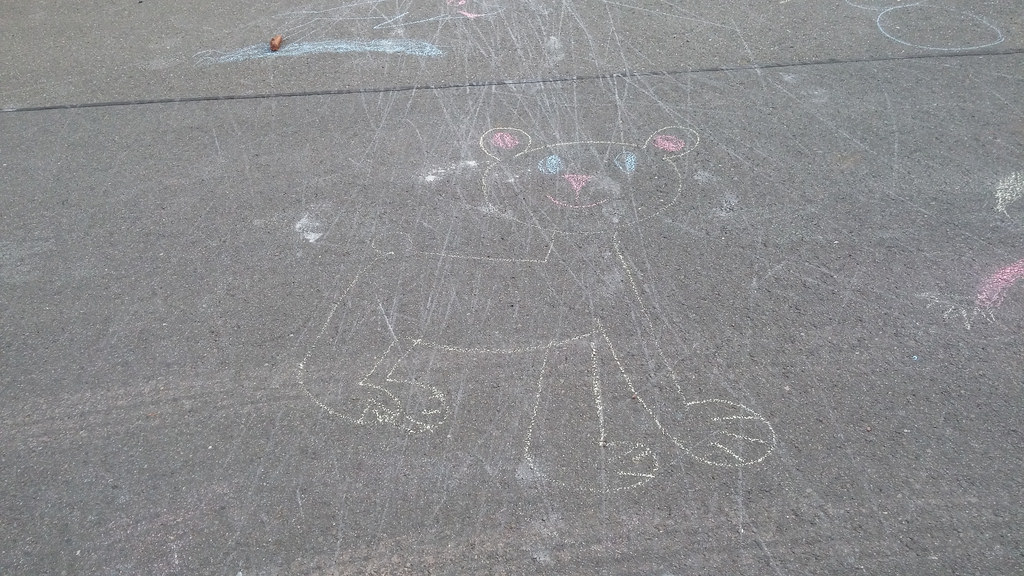
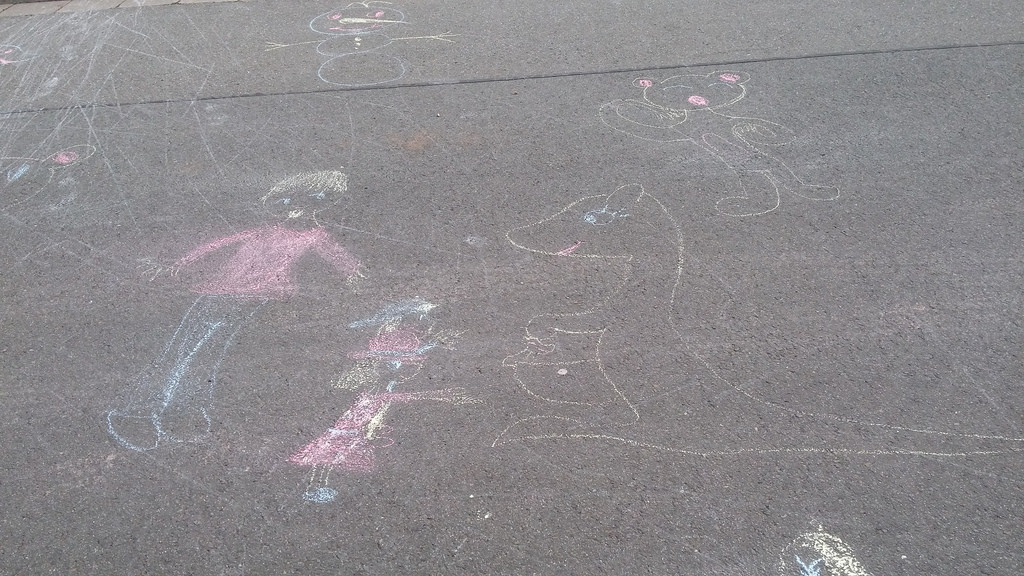
© Giliell, all rights reserved.
As it’s been one year since I did any work on it, I figured I’d get a leaf or two done on the Peace Quilt before getting back into the Tree Quilt. Not the best photo, because very windy outside. The quilt is around 60″ x 60″, the peace sign is 40″ x 40″. Click for full size.


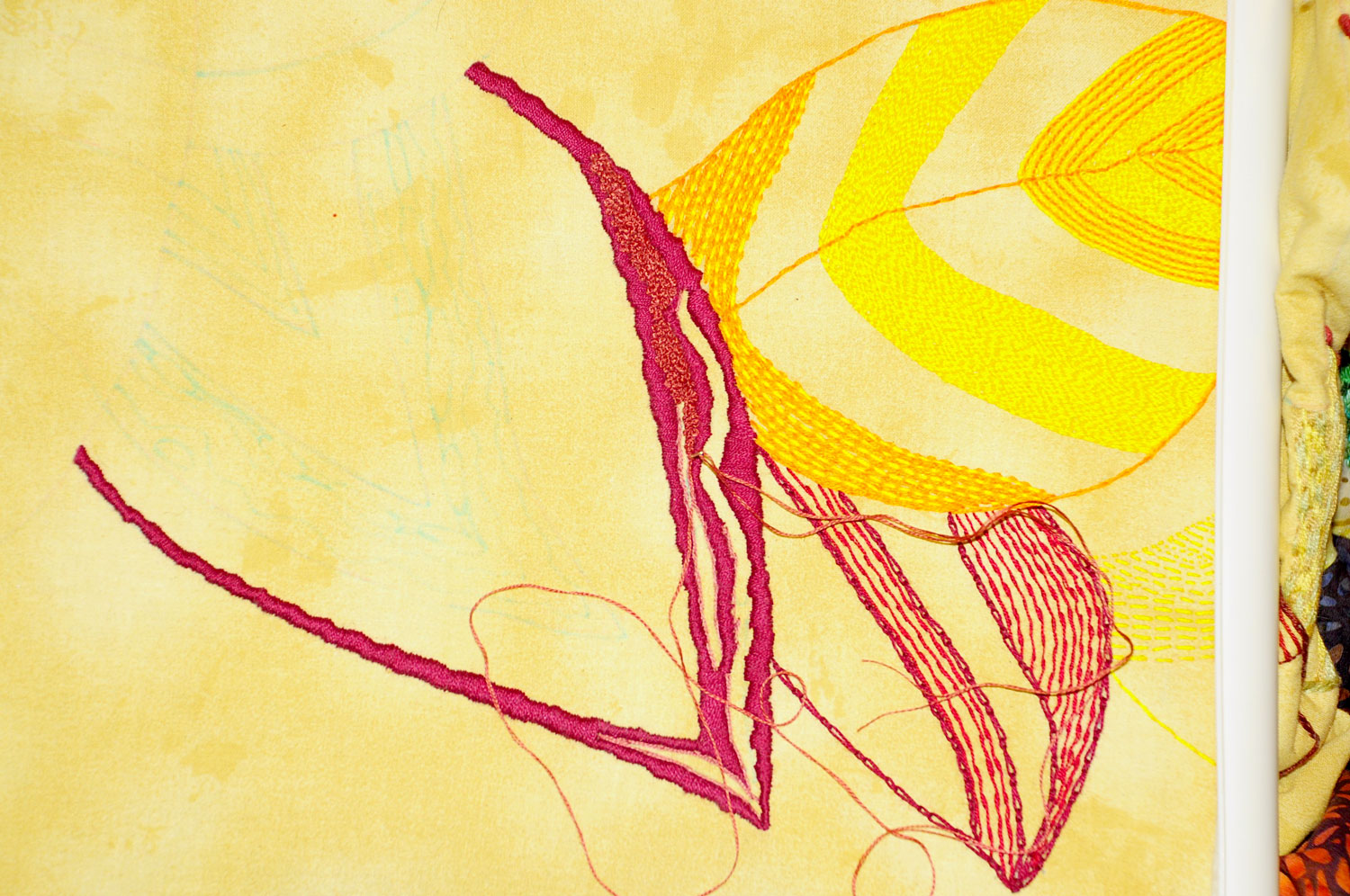
© C. Ford.
*Whew*
© C. Ford.
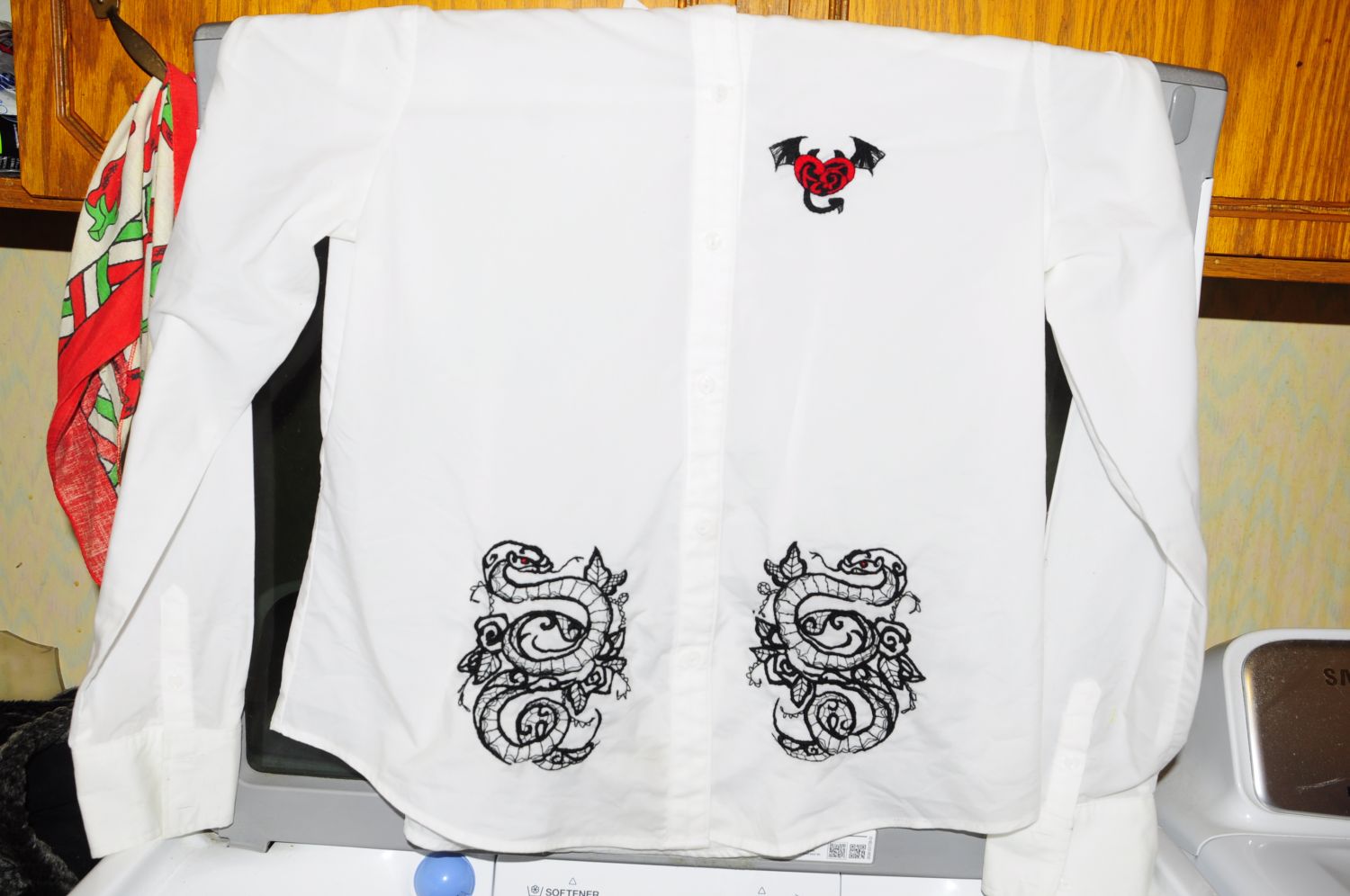
The embroidery on the shirt is done. Finally. I swear, the small things can take bloody forever and ever. Not quite finished, the dread wash test is up next, here’s hoping it survives well. The designs are from Urban Threads. Serpents are 6″ x 5″, little black heart 2.5″ x 2″. Shirt is Liz Claiborne, bought at Goodwill, natch. Click for full size.


© C. Ford.
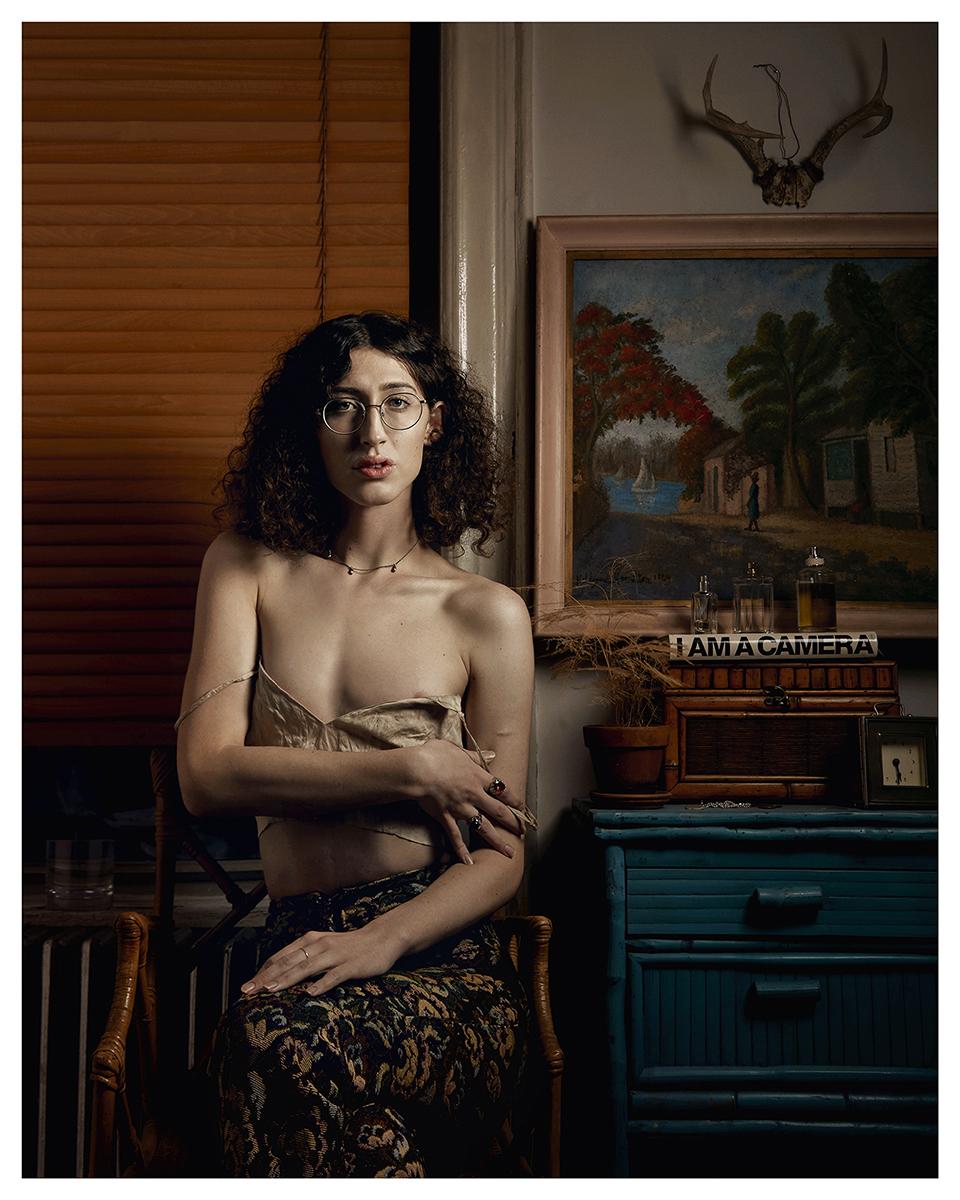
Stevie.
Absolutely wondrous portraiture by Yuki James, who does everything except conventional. I like ‘unconvential’ portraits of people, which simply means capturing people as they actually are, and how they wish to be portrayed, rather than the stiff, dressed up, traditional type of portraits. Just a few here, and most under the fold, possibly NSFW, so have a care.
The portraits feature a mélange of individuals caught in domestic moments to capture a provocative, elegant otherness that defies commonly accepted notions of race, gender, age, and individuality.
“Portraits are my passion and this show is a collection of my favorites,” James tells Creators. “I only shoot fashion or commercial work if the commissioning publication or client feels that what I do, and my voice, works with their brand. Or if I’m asked to collaborate with another artist or designer that I truly admire.” James recently collaborated with Jeremy Scott for Rollacoaster Magazine. “I love beauty in the unconventional. I love sensuality in those not expected to express it.” The portraitist says, “Emotions and feelings appeal to me. The things that tie us together as humans even when we seem so different.”
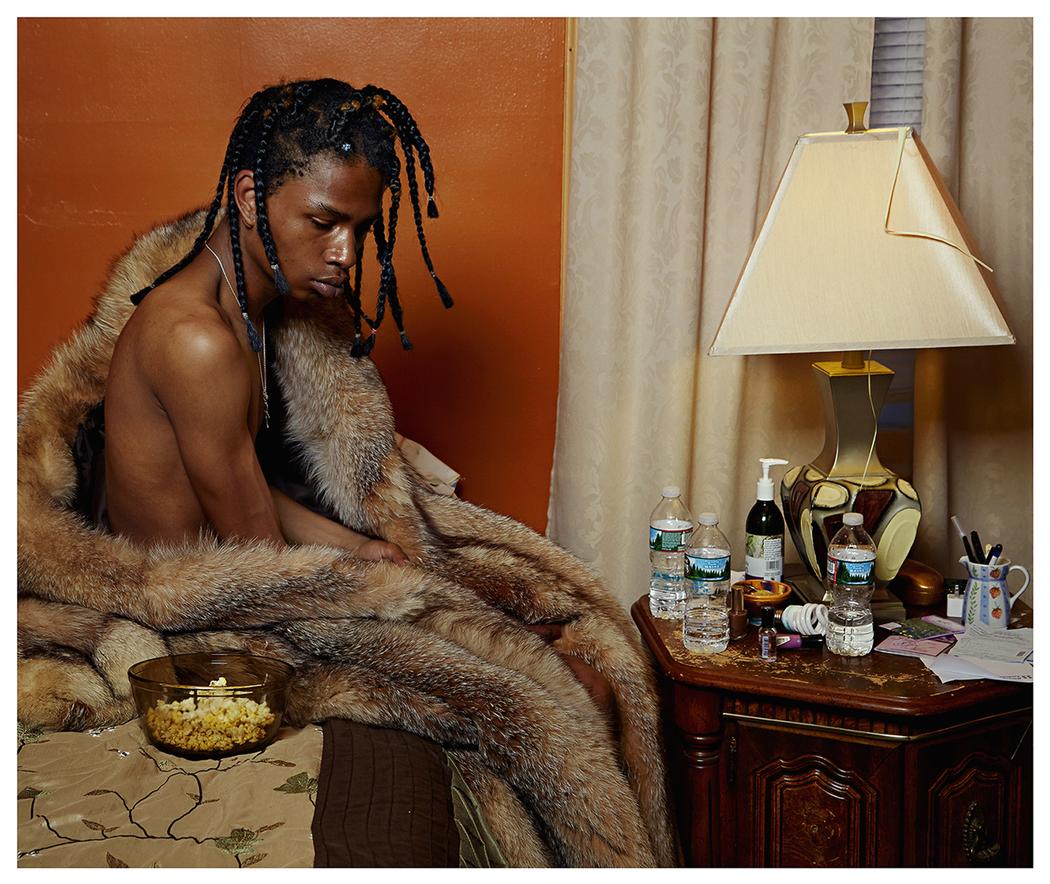
Tawan.
“An element of intimacy is something I strive to have with every person I shoot,” explains James of his process. “I take my time and ease into a space that feels comfortable and open, and then look for what they will give me. What poignancy can we tap into? In that way, each shoot is a collaboration.” Okachan, a picture of an older Japanese woman with a silk scarf covering her hair and a ball gag in her mouth, speaks to the contradictions of domesticity. The image is from a series of portraits the artist shot of Japanese women who are all over the age of 50, showing that modesty does not preclude tendencies like rough sex at any age.
As the ongoing Apocalypse was the subject of today’s Sunday Facepalm, it reminded me that I’ve had some time to look at the artwork in The Bamberg Apocalypse, an 11th-century richly illuminated manuscript containing the Book of Revelation and a Gospel Lectionary. Look at those beautiful beasties! One day, I shall embroider them. Click for full size!

Bamberg Apocalypse Folio029v Woman And Dragon.

Bamberg Apocalypse Folio031v Dragon Pursuing Woman In Wilderness.

Bamberg Apocalypse Folio033v HornedBeast.

Orpiments, Kremer Pigments Inc.
Yesterday, I wrote a bit about art pigments, and naturally, I left things out because morning. I don’t function well in the morning. I did manage to mention that historical pigments are still available, and often used by artists. There’s a lot to love about the old pigments, look at that colour! There’s a lot to love in making your own paints, too. One of the best places to acquire your pigments, in varying grades of coarse to very fine, or bits of mineral, resin and so forth, is Kremer Pigments. If I was ever to find myself in NYC, I’d make a beeline for them, and it might not be possible to get me out. Ever. Fortunately for me, there’s also online shopping.
You do have to go through the requisite red tape on a number of pigments, like the Orpiment pictured above. These days, you don’t get to just buy a pocket full of arsenic without red tape. As these things go, it’s fairly painless. I’m saving up for a few different things, Cinnabar, Dragon’s Blood, Tyrian Purple, aaaaaaaaaaaand so much more. There’s a lovely set of Icelandic Earth Pigments I’d like too. Okay, I want all of it.
So have a visit, and get lost for a while in the awesome world of colour.

The Deep Sea Diver Giant marionette began his journey through the city starting in the Old Port Friday afternoon. (Sarah Leavitt/CBC).
While I delight in gigantic, mechanical spiders and dragons, I’m not so delighted with gigantic humans. We naked apes are a dangerous species, and seeing humongous, mechanical humans leads me more towards uncanny valley. I don’t find the idea of human giants charming. That said, they were all over Montreal for the 375th Birthday celebration.
Giant marionettes are taking over parts of Montreal starting this morning, with a larger-than-life street performance as part of the city’s 375th anniversary bash.
The marionettes, one of which is five storeys high, were made by a French company called Royal de Luxe. They made their Montreal debut today, winding their way through the city streets and along the river.

Berliner Blau . Saalebaer, Wikimedia.
Recently, a neural network was loaded with information, and tasked with creating new colours, and the difficult task of naming them. The result is generally considered to be an amusing failure, but I’m not so sure. As an artist, I think there’s a probable market for colours with names like Bylfgoam Glosd, Horble Gray, and Rose Hork (If a rose, or variety of roses vomited, what would it look like?). Artists tend to be an odd lot, generally speaking, and have a tendency towards being easily amused and inspired. Naming various hues is not an easy task, but it’s also reached a point of absurdity, given the sheer amount of interior decorating paints and requisite accessories. Those names are more to do with selling a decorative concept than anything else. After all, what colour, exactly, is ‘tradewind’? Or ‘spice’, a designation which gets right up my nose.
The article about the AI colour naming experiment is here.
The history of art pigments through the ages is a fascinating one, and pretty much as old as we humans are. All manner of things have been used to create pigments, with artists pursuing the holy grail of this, that, and those colours. One of the most coveted colours in days of yore was Lapis Lazuli Blue, also known as Ultramarine. It was made of ground lapis lazuli, and was much more expensive than gold in Renaissance years. You can still obtain powdered lapis lazuli pigment for painting, with prices ranging from standard to low quality at $30.00 per 10 grams, to $260.00 to $1,200 for premium and superior pigments, per 100 grams to 2 lbs.
Which brings me to Berlin Blue, a coveted colour since its accidental creation in 1704:
The artist, one Heinrich Diesbach, was a born experimenter. He spent hours in the laboratory of a Berlin chemist, trying to create a new shade of red paint. He swirled together wilder and wilder mixtures, eventually mixing dried blood, potash (potassium carbonate) and green vitriol (iron sulfate), then stewing them over an open flame. He expected the flask to yield a bloody crimson, but instead a different brilliance appeared – the deep violet-blue glow of a fading twilight. Diesbach called the vivid pigment Berlin Blue; English chemists would later rename it Prussian Blue. – The Poisoner’s Handbook, Deborah Blum.
Berlin blue is still a widely used colour, and made in the same way, using cyanide salts. It’s considered to be non-toxic because the cyanide groups are tightly bound to iron, so no, you can’t kill yourself by sucking down a tube of Berlin Blue. As for the ingredient of blood, body bits are part and parcel of art pigments. Bone black is still made from bones, and is much preferred by many artists to lamp black. If, like me, you have small animals, keep the bone black locked up, they love it. There was also the case of Mummy Brown, made from ground up bits of mummies. Did I mention that artists tend to be on the eccentric side?
The early history of art pigments is a highly poisonous one, as many poisons facilitate brilliant colours. Sometime back, Hyperallergic did a series on pigments of yore, in two articles: one, two.
Pigments Through the Ages is a great resource for exploring art pigments, many of the names being familiar to most people. While some previously highly toxic pigments have been converted to non-toxic synthesis, many of them are still made the same old way, and it’s best to not be in the habit of wetting your brush the old fashioned way, or be unmasked when mixing your own.
Okay, that’s enough. One thing about falling into a rhythm with unexciting stitches is that it tends to be soporific. So, now sleepy. Maybe I’ll be feeling a bit more energetic tomorrow. Click for full size.

© C. Ford.