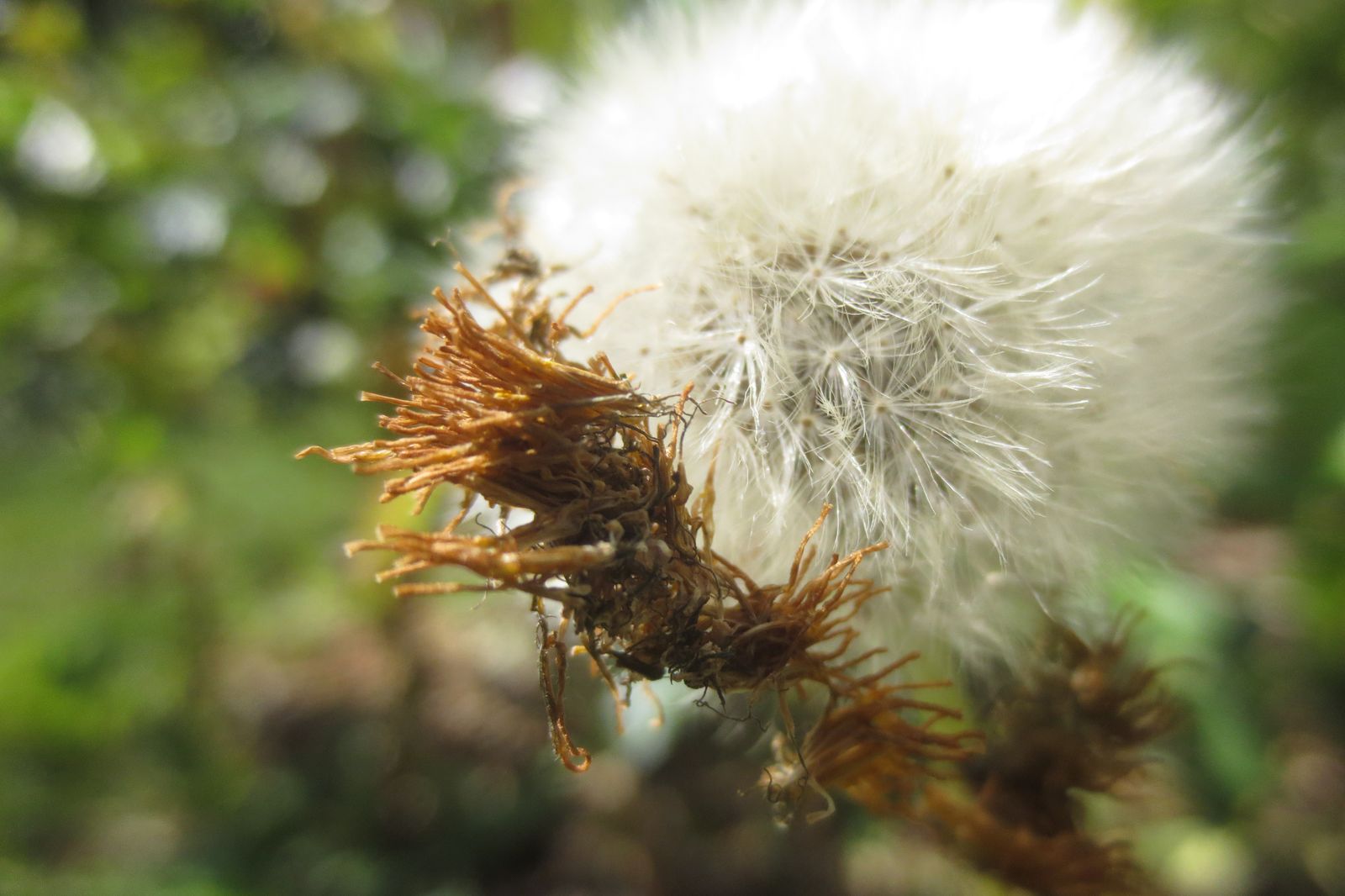
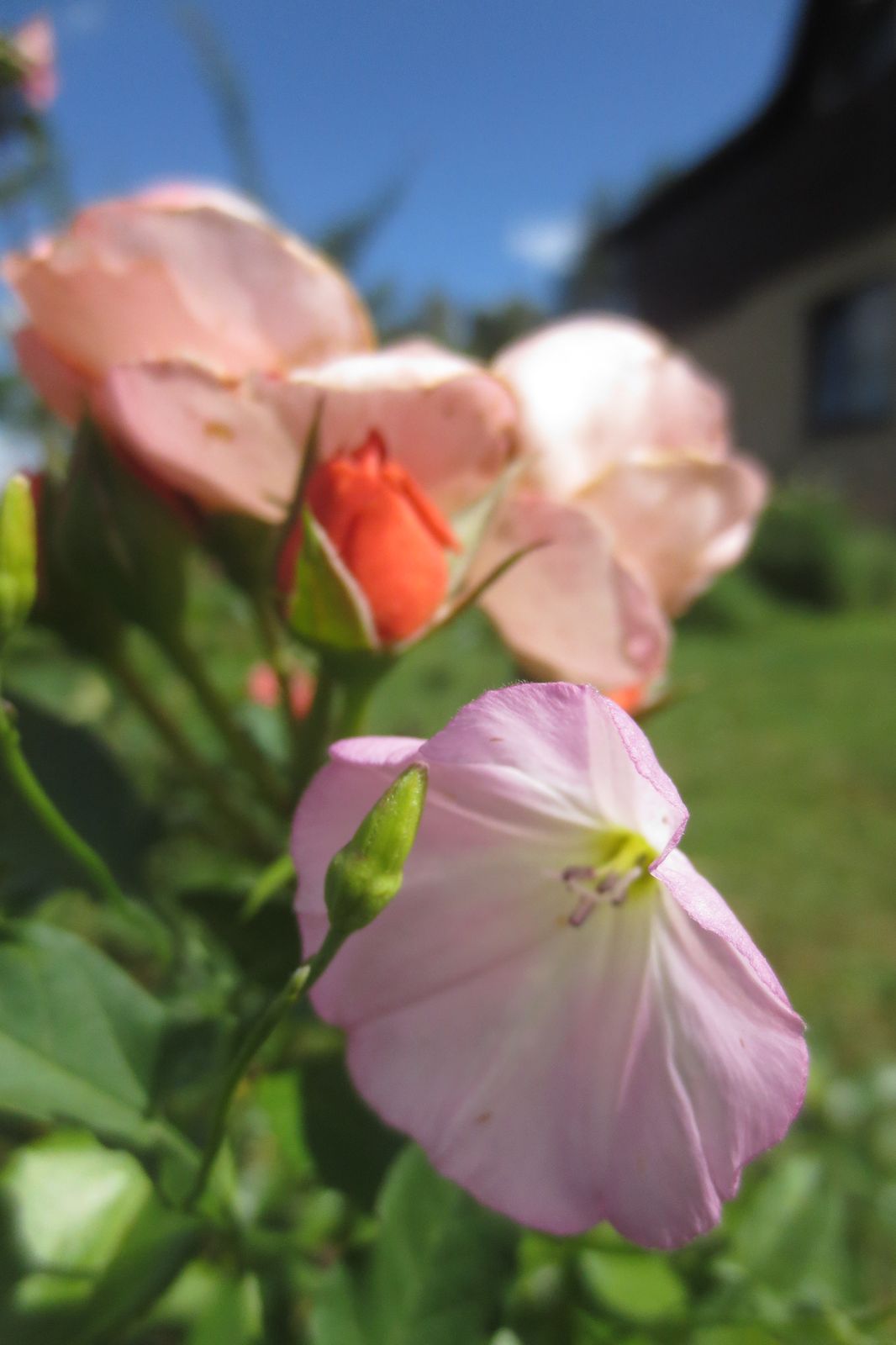
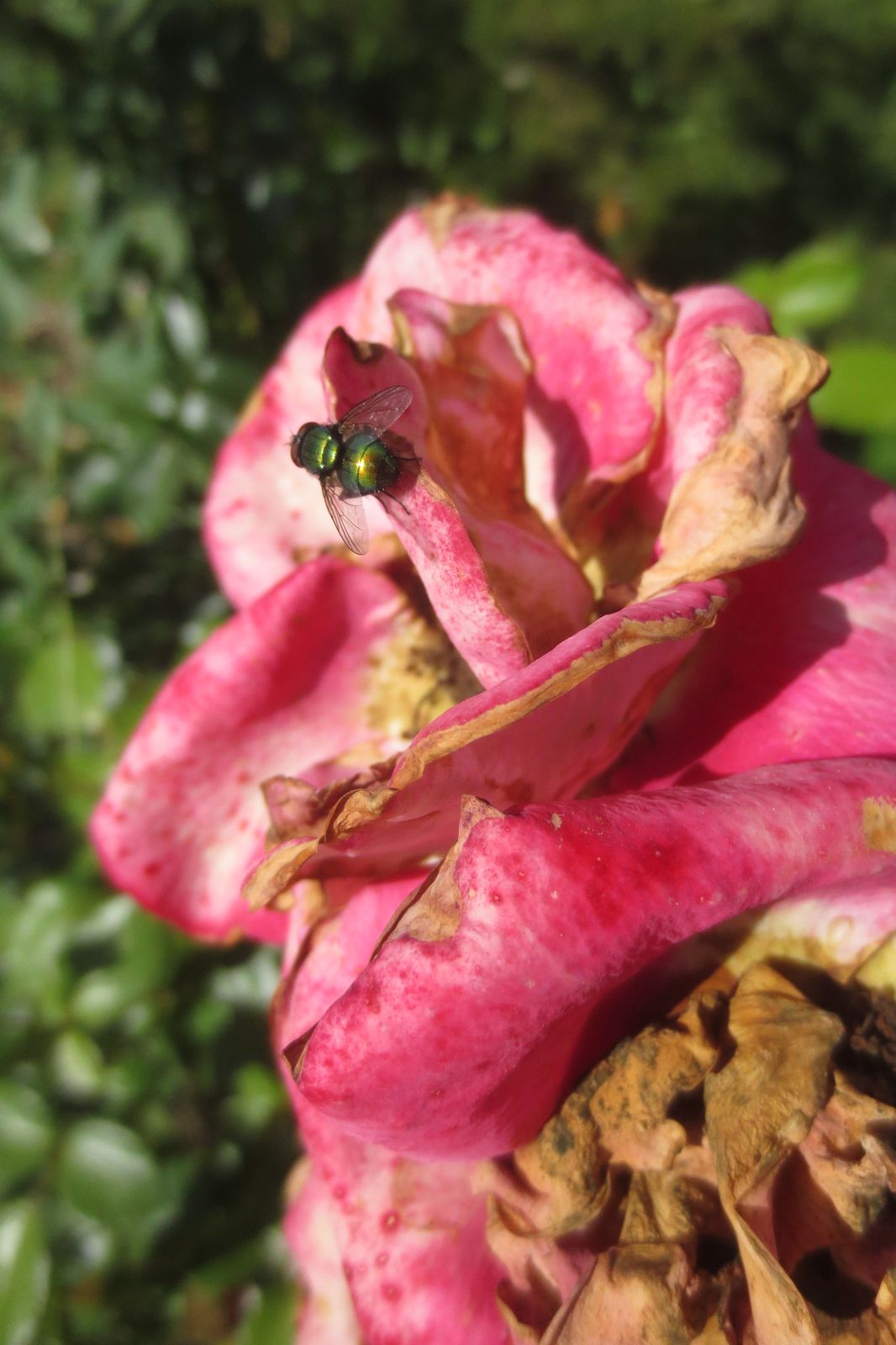
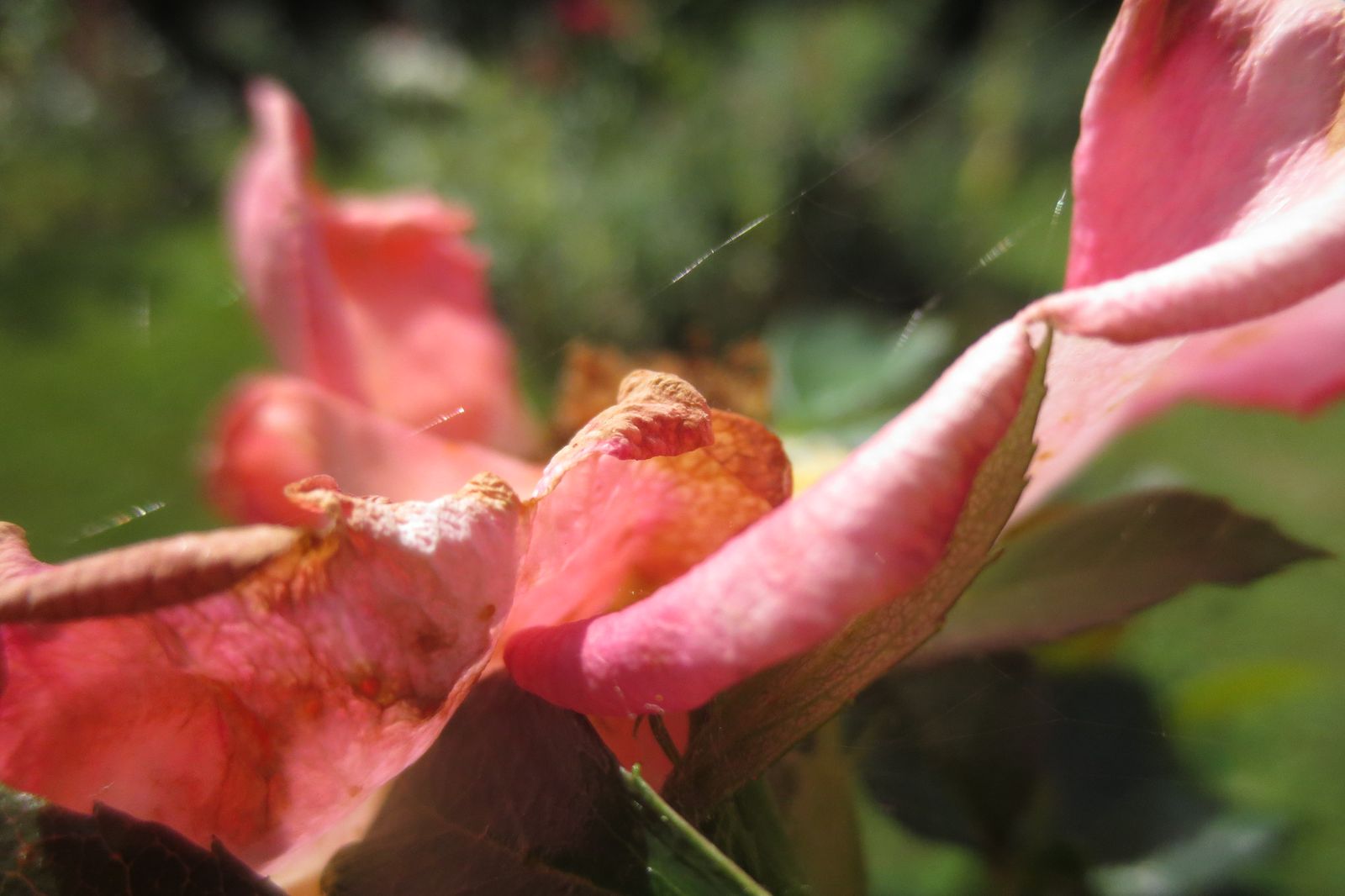
This lovely shot was sent in by rq. Obviously the trees don’t know that it isn’t autumn yet.
When I have made my first, very crude, knife some twenty years ago, my friend’s father commented:
Charly, people want it to be handmade, but they do not want it to be immediately apparent that it is handmade.
That advice stuck in my mind so when I have read Feet of Clay from Terry Prattchett much later, following line resonated with me:
The thing looked like the kind of pots Igneous despised, the ones made by people who thought that because it was hand-made it was supposed to look as if was hand-made, and that thumbprints baked in the clay were a sign of integrity.

I tried to tie the leather strap as close to how it is done on the in-game model as I could manage. The only significant difference from the game model is the red leather on the scabbard, instead of brown.

If you look closely, here you can see that the hand guard does not stick out symmetrically on both sides of the scabbard.

Overall length ca. 395 mm, blade ca. 257 mm long, 23 mm wide at the guard, single-edged. Good cutting ability although not as good as a dedicated cutting blade would have. It is still a stabbing weapon.

Handle is turned out of maple wood. Rings are allingend perpendicularily to the blade so the shiny lignin spots are symmetricaly with it on both sides of the handle.

Rondel has ten hammered grooves giving it a daisy like look. All metal parts are polished to mirror finish and buffed with jeweler’s rouge.

Although the handle looks massive, the knife is weighed towards the tip when put on a flat surface. I guess it could be thrown, but I do not intend to try it for fear of the blade breaking.
Today’s snippet is from my home country.
It is a symphonic poem “Vltava” from a series of six such poems in a musical epos “Má Vlast” (My Country) written by Czech composer Bedřich Smetana. Vltava is the most known from the six and in my opinion rightly so. It is an astounding piece of music, all the more impressive for the fact that Smetana composed it at a time when he was deaf. So he never actually got to hear it except in his head.
Truth be told I do not much care for most of Bedřich Smetana’s works, because he mostly wrote operas. And I was to one of his opera’s once, in school, and it was boring as hell. The singing, the implausible stories and lack of acting in my opinion destroy the beautiful music. But I did not care much about Má Vlast either at that time, partly because of natural tendency of children to oppose anything that is a part of the curriculum and partly probably because my brain was not mature enough to enjoy this kind of music. Maybe nowadays I could enjoy opera done properly?
This recording has the added dimension of being made in Prague Spring Festival in 1968, a year when Czechoslovak Socialist Republic had also a political Prague Spring, when its people peacefully stood up to the USSR bully in wanting to determine their own fates and got beaten into submission in return.
And finally, before you can enjoy the music, author’s own words explaining what it means (a rare and very specific occurrence):
The composition describes the run of Vltava, beginning at its both springs, the warm and the cold Vltava, the confluence of both streamlets into one, then Vltava’s flow through woods and meadows, through landscapes where merry feasts are held; in Moon’s night glow veela dance; on the cliffs proud castles and their ruins stand; Vltava foams in St. Johns rapids; flows in a broad stream towards Prague, Vyšehrad shows up, and it ends its majestic flow n the distance in Labe.
It’s time for the next chapter in Ice Swimmer’s series Harakka – an Island. Our guide will take it from here. Thanks, Ice Swimmer.
This view is from the top of the island, towards southeast. I wonder what has happened to the spruce.
And as a finale of his week’s series from rq, mostly fluffy pictures.
©rq, all rights reserved. Click for full size.
A short video from michaelcthulum, one of the charity things I was talking about last time. This one is only 13 minutes and be sure to watch it until the very end.
I laughed so hard I nearly fell of my chair. And I sure as hell do not regretting being this man’s patron on patreon.
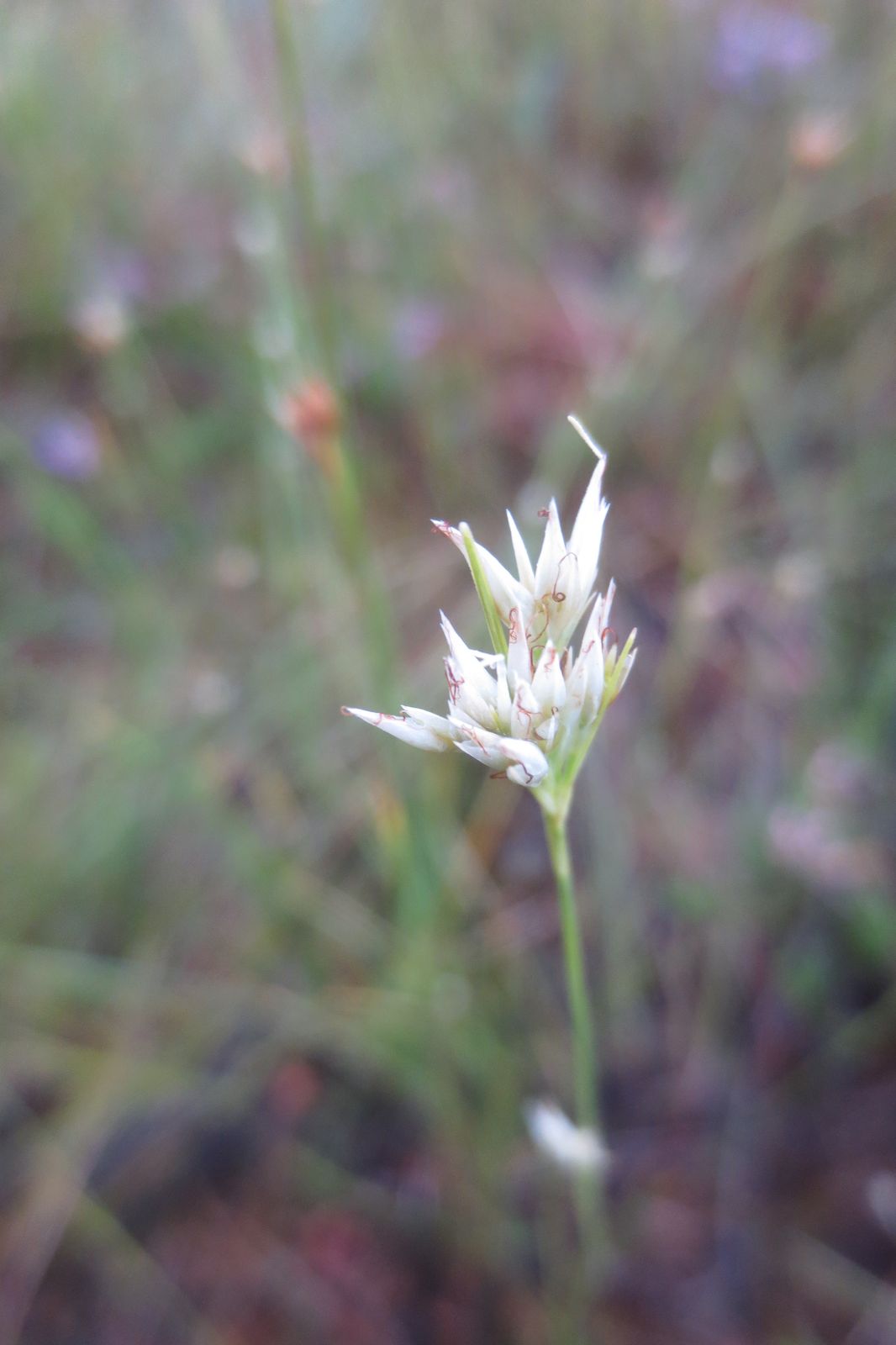
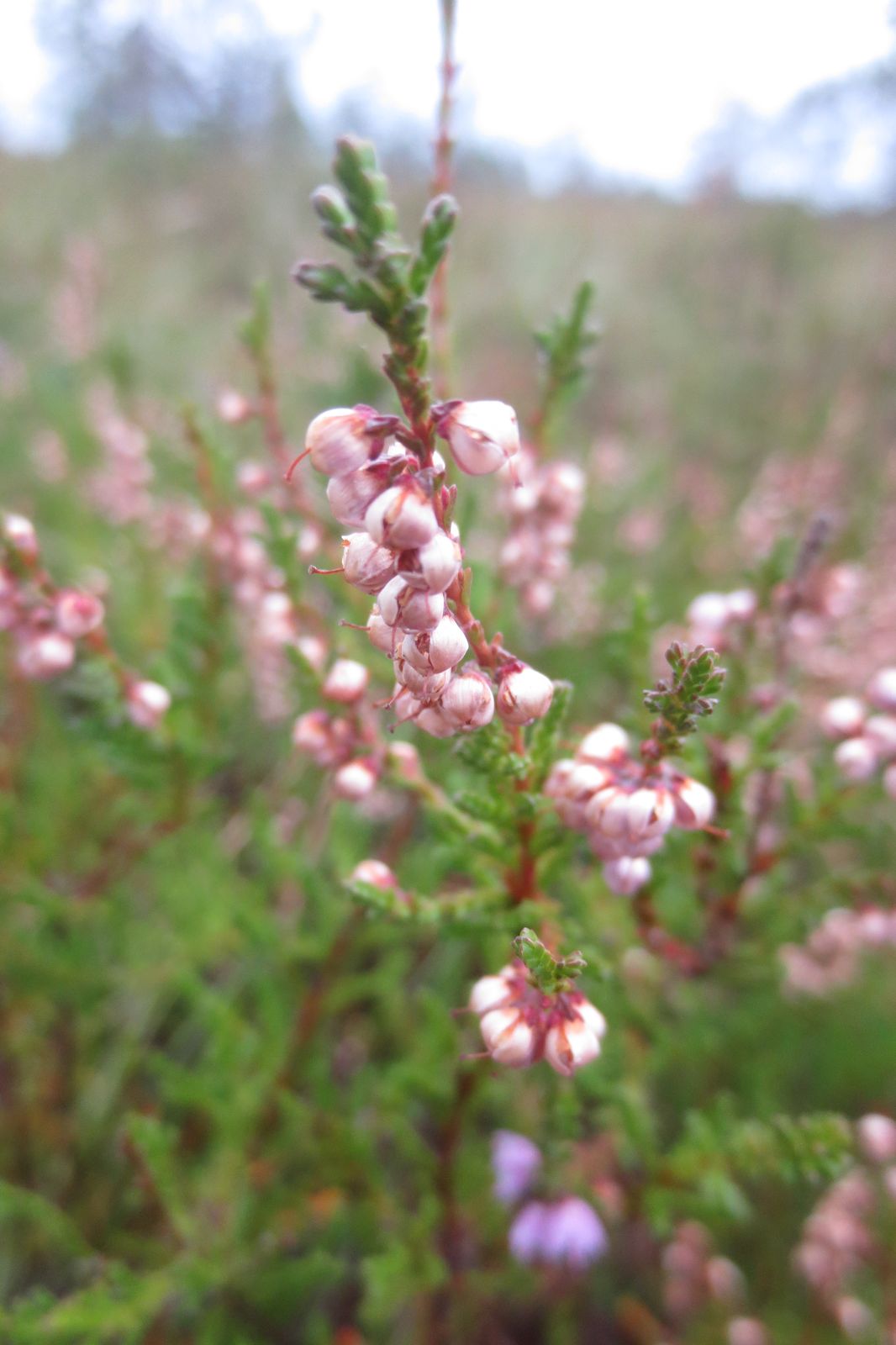
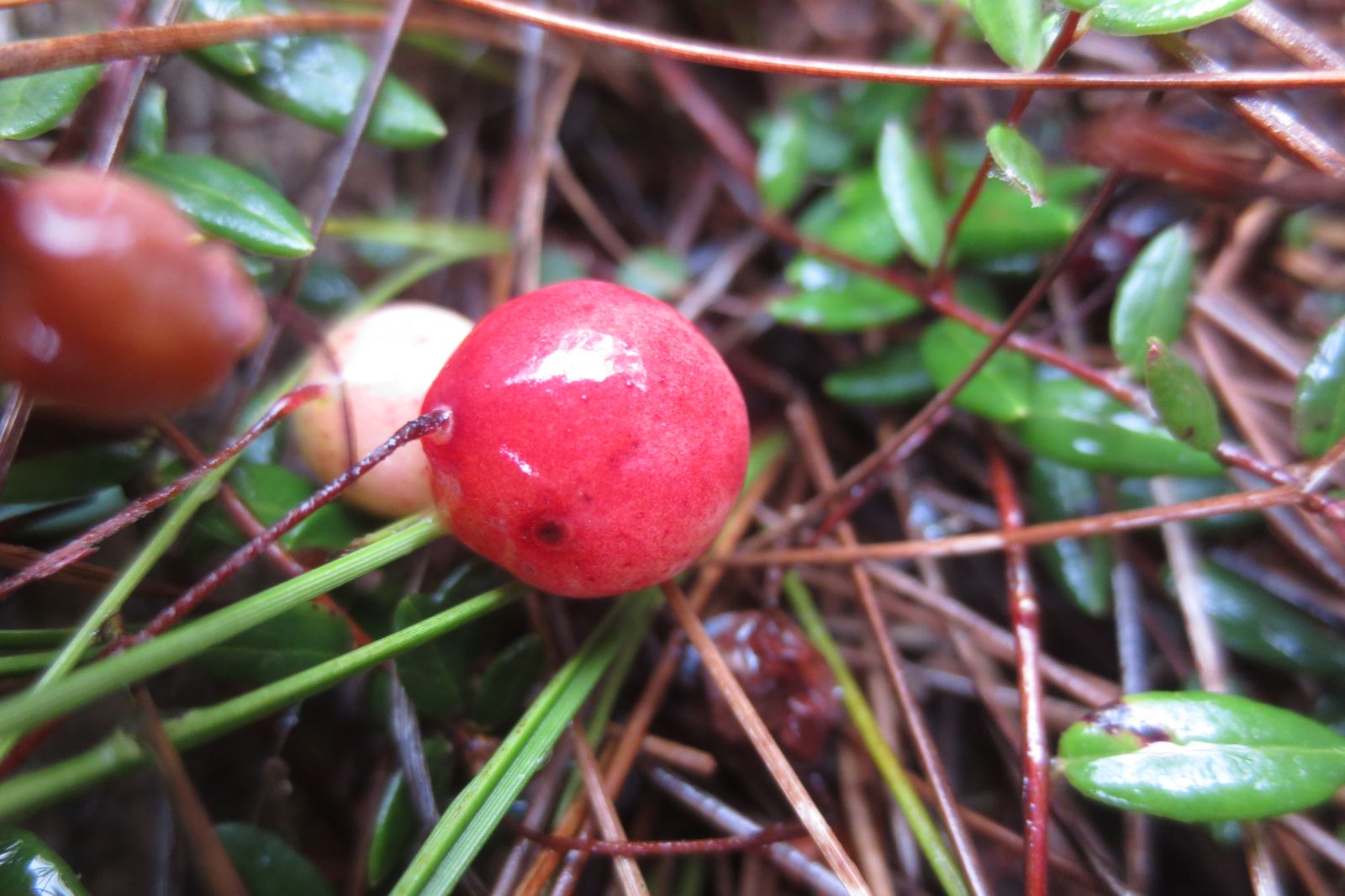
Second in this series from rq are plants growing in a bog. I hope she did not get too wet trying to get these pictures for us. They are beautiful and they do illustrate the biodiversity of an acidic bog nicely. There is even a predator here, hidden bellow the fold.
©rq, all rights reserved. Click for full size.
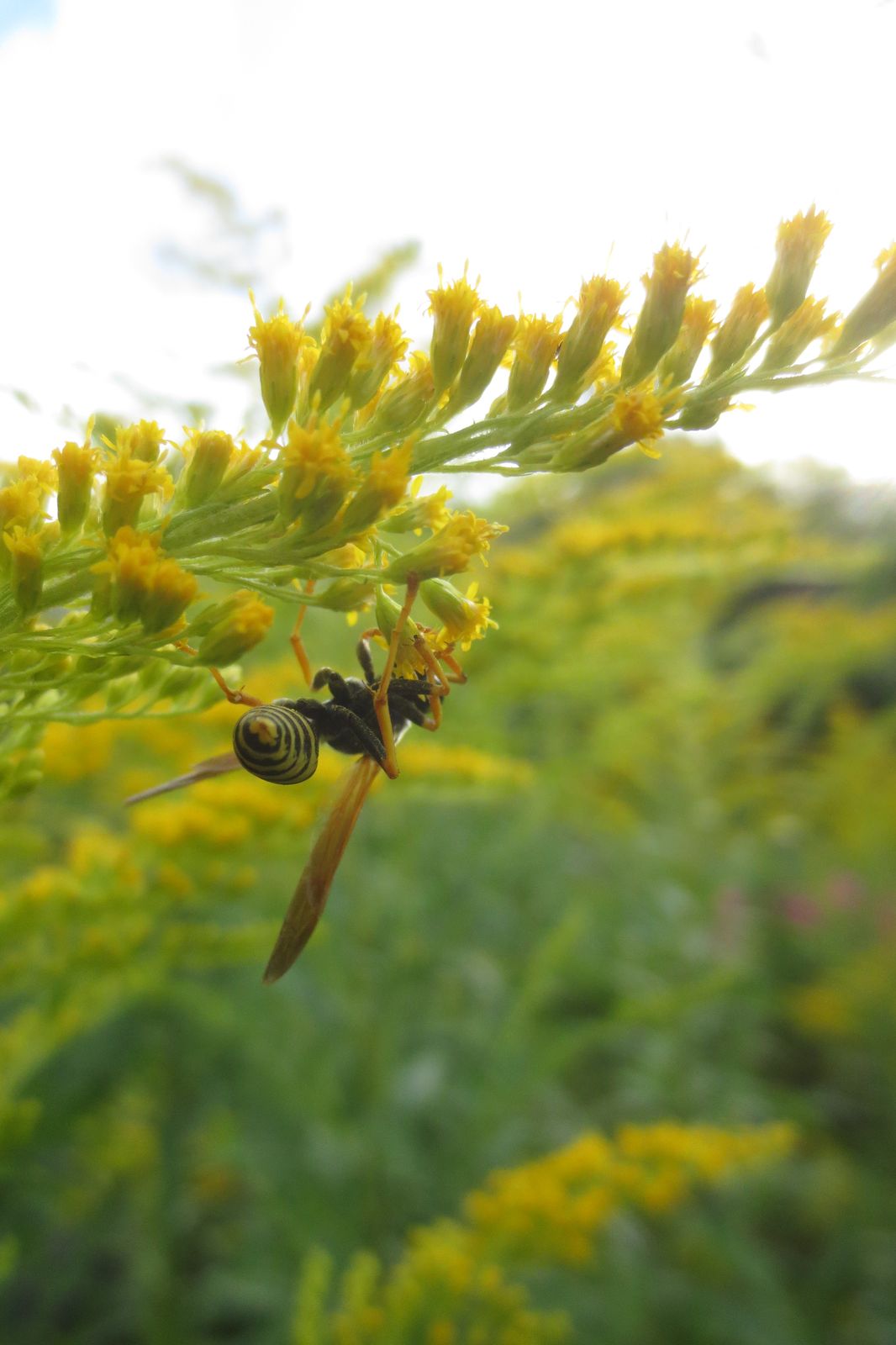
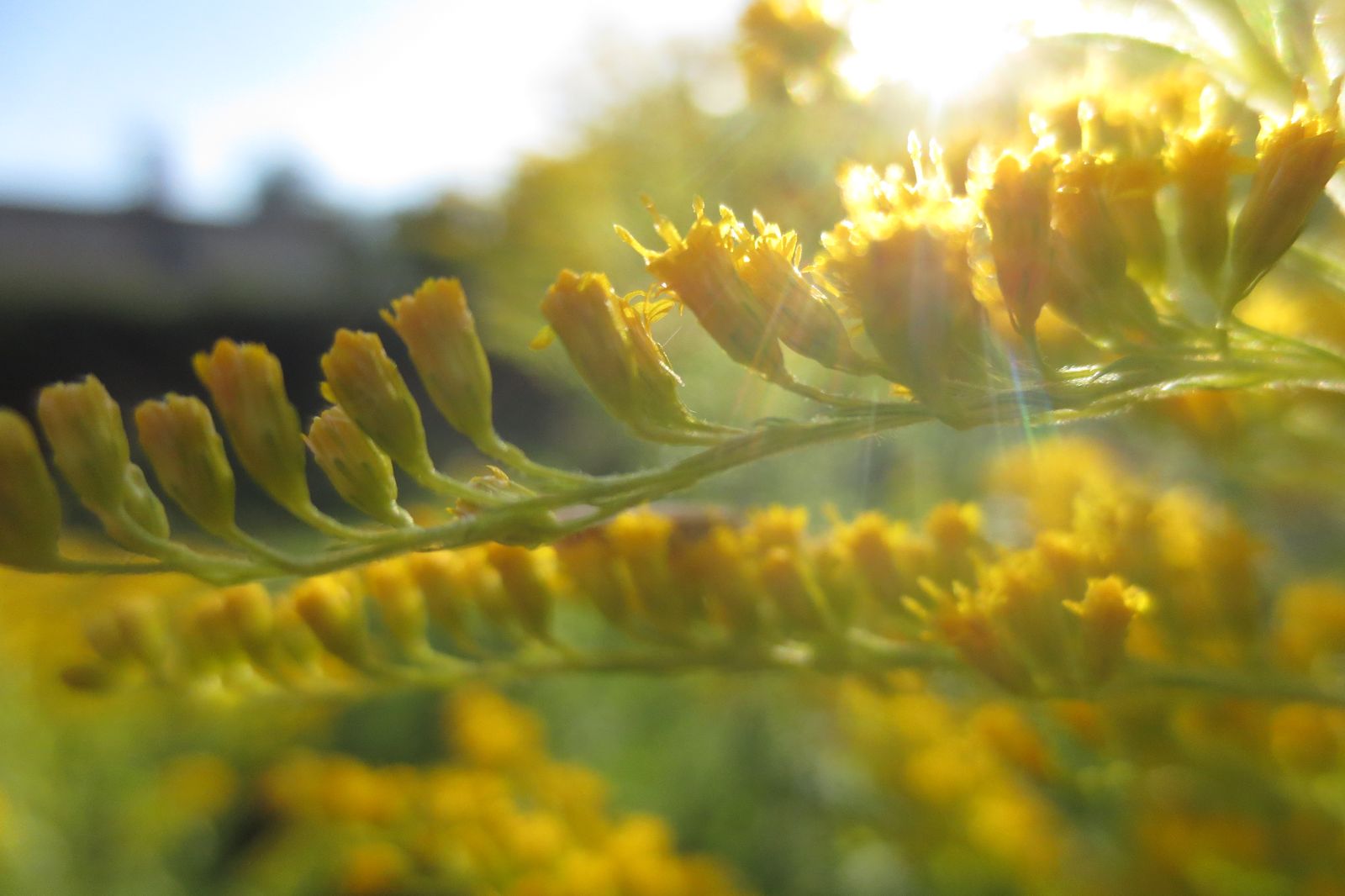
rq has sent us a little series about various flowers and their residents. First one is goldenrod, and it looks like Solidago canadensis, which is quite common throughout Europe. Sadly this beautiful plant is not only strong allergen in the late summer, here it is also an invasive weed that is damaging the environment by outcompeting local species and creating essentialy monocultures in places.
But enough with being a killjoy – they are beautiful and that is important here and now.
For humans the eyes are probably one of the most important senses. They are definitively for me, so two years ago when a willow twig slashed me across one eye the pain was a mere secondary concern to the fear that an infection might cost me the whole eye. I did not hesitate and immediately sought medical help, got antibiotics and atropine and the eye healed in just a few weeks. Ever since then I am wearing eye protection when pruning willows, in addition to all the other jobs I am used to do so.
Description of an unpleasant and cringe-worthy incident follows.
Incidentally just a few days ago I had a short conversation with the cleaning lady at our lab about this. I have made some mess that I did not manage to clean up before she arrived to mop the floors and I was apologizing to her for this. Her response was that it is her job to clean the floors and mine was that I know but that is no reason for me to do her job unnecessarily harder by not sweeping the aluminum shavings after I am done. After which she remarked in a passing that her former boyfriend was drilling aluminium when doing some renovations, he was too macho to wear an eye protection and got an aluminium shaving in one eye. And after that he was too macho to go to the doctor immediately, saying “it will rot away”. And it did. With the whole eyeball. She finished “now he has one glass eye, and I have found myself a better man.”.
An example of how toxic masculinity is harmful, if I ever saw one.
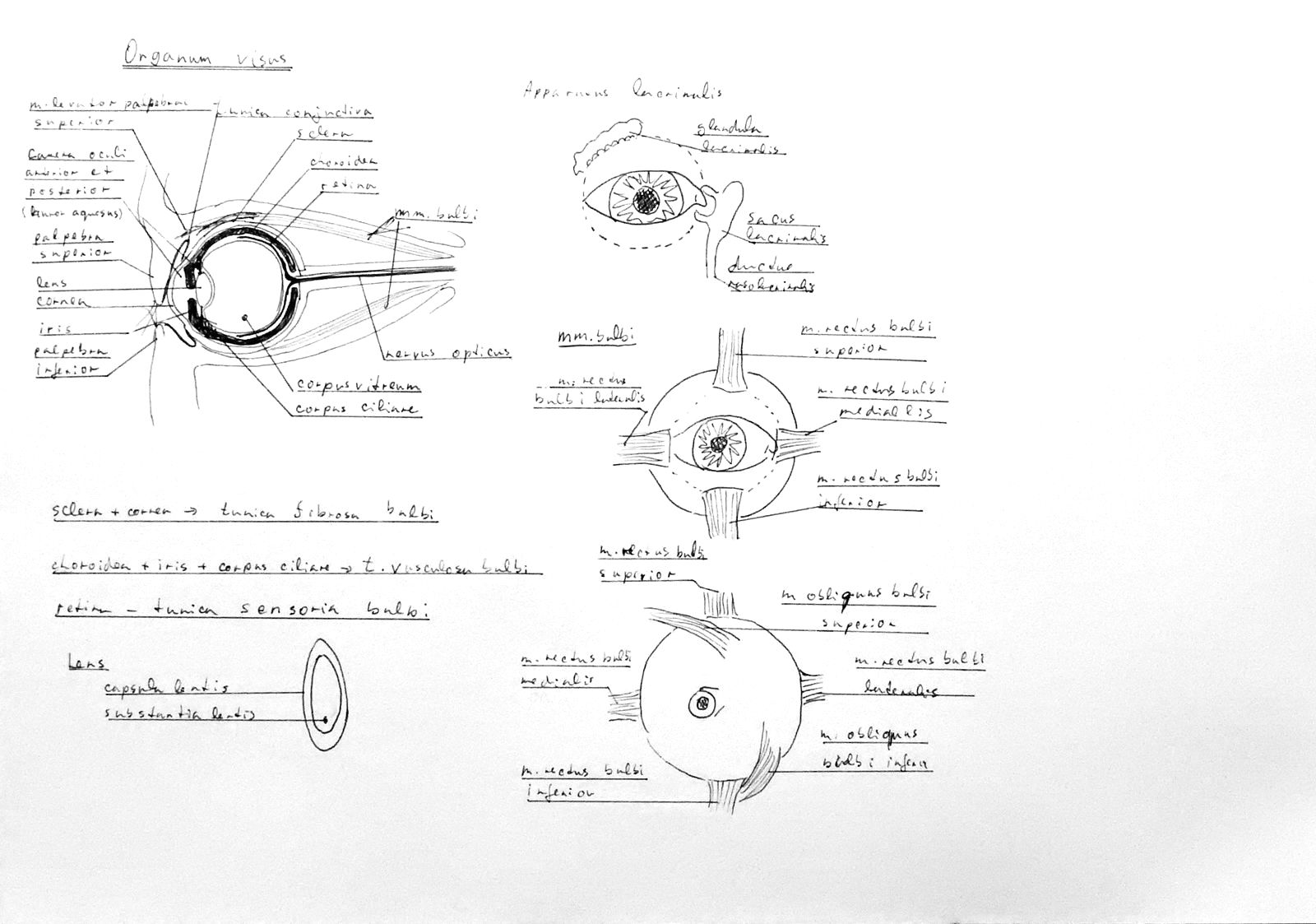
Most people know at least something about the eye anatomy I guess, but I would bet most people do not know about the muscles musculus obliquus bulbi superior and musculus obliquus bulbi inferior.
These muscles can rotate the eyeball slightly around the front-back axis. Why is this? you might ask.
Generally the muscles around the eye, when you are looking at something, try to keep the picture you see static and at the center of focus, even when you move. So when you look at your monitor right now and tilt your head to left and back, your eye bulbs will rotate in the sockets in such a way as to keep the light falling on the same parts of retina throughout. That is also one of the reasons why human eyes cannot “pan” like a camera, but always skip from point to point.
It was explained to us that the purpose of this is to save the brain from getting overloaded with constantly changing stimuli. When the eye is fixed, it delivers constant signal to the brain from most of the retina, and the brain then can concentrate only on that which is really important – i.e. that which changes on its own.
I do not have the knowledge to challenge this notion, but I must say that the brain-software that keeps the eye focused and immobile relatively to the thing we are looking at must be pretty impressive too, with all those feedback loops reacting so quickly as they do.
We’re on to chapter 4 of Ice Swimmer’s series, Harakka, an Island and today we’re heading toward the water. I’m always drawn to big, open water and these photos show off the sea beautifully. I’ll let Ice Swimmer fill you in on the details.
The western shore of Harakka is visible from Uunisaari and one conversation with Nightjar in the comments of a posting with a picture of Harakka from Uunisaari sparked the idea to go and explore the island.
There is a path from near the northwestern corner of the Artists’ Building to the other side of the earthworks behind the building. The path leads to cliffs on the western shore of Harakka. When looking southwest from the path one can see some islands, but also open sea.
With the work done, I have to protect both the leather covering of the scabbard and the iron fittings against the elements and medieval appropriate medium for that is so-called dubbin or leather food. Google does yield some recipes, but I did not bother searching for or following an exact recipe much – once I have known the rough composition, I plunged right into it as is my wont.
So I took a stainless steel mug, put in it a piece of lard, about the same amount of unrefined beeswax (twenty years old, btw.) and I poured an “adequate” amount of olive oil on top of it. Then I lit the fire and stirred until it all melted together. It was quite interesting to watch – the pig fat dissolved of course first and the big beeswax piece last, but it did not take too long. In fact, it was over in mere minutes. I have measured the temperature and when it all was blended together the liquid had about 80°C. High enough to be dangerous, but not so high as to melt plastic or hiss in contact with water. It remained liquid long enough to touch with bare hand.
Even so when pouring it into a plastic container for keeping, I have put said container in an even bigger one and poured cold water around it just to be sure. As you can see, the liquid has had a honey-like colour that I have found rather pleasing to the eye. It does not smell too bad either and when the product cooled enough to be touched by bare hands, I have simply dipped my fingers in it and applied it to the scabbard in no small amount. In fact I sloshed liberally all over it, making an uneven layer that was in parts over 1 mm thick.
That of course does not look very pretty, so I took a heat gun and melted it all until it sunk into the surface. I was careful however to not heat it too much – just about to melt it and no more. Leather does not respond too well to heat and I did not want to damage it.
When that was done I rubbed the scabbard first with a paper towel which took off some of the excess dubbin, then simply by hand. The dubbin is actually relatively pleasant to touch – not unlike a hand lotion in fact, although it is more solid.
The leather strap tied around the scabbard unfortunately did not survive this – it was made from recycled leather of poor quality and tore off. I have cut a new one and this time I plied it with dubbin before tying it around – and that seemed to have worked rather well. The dubbin made the old leather soft and pliable and also sleek, so it was much easier to pull it through the holes and tie the knots than in my previous attempts.
I intend to buy a soft bristle brush at nearest opportunity that will be used for this substance exclusively. It has hardened into a yellow mass that looks like refined beeswax but is much softer to the touch – but not creamy as a hand lotion. I have labeled the lid of the plastic box and I have stored it in my workshop for future use. I think I got carried away a little here and made possibly a life’s worth supply.
If it goes rancid I will let you know. I hope not. And next time you see the “Rondel Dagger” title, there will be pictures, I promise.