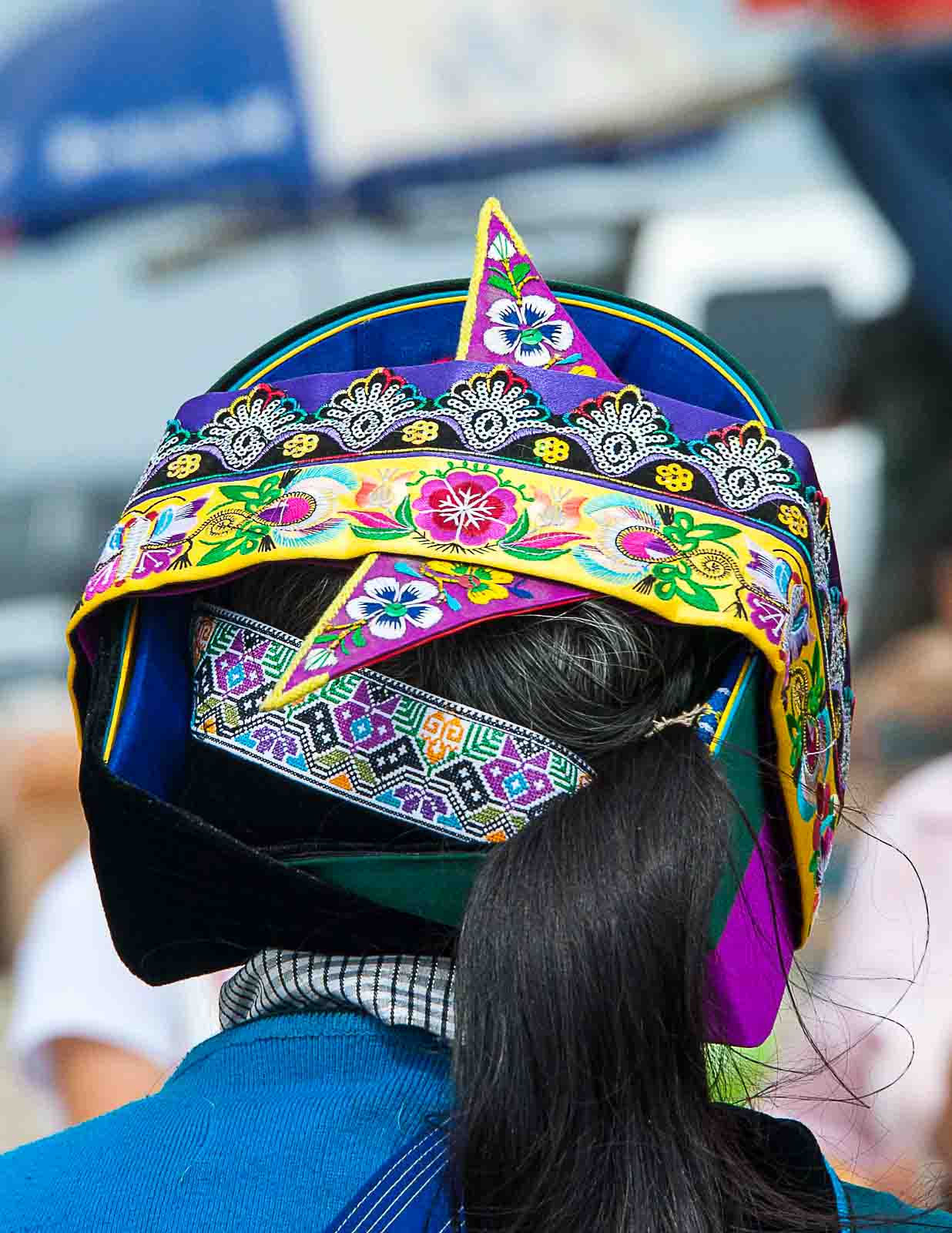
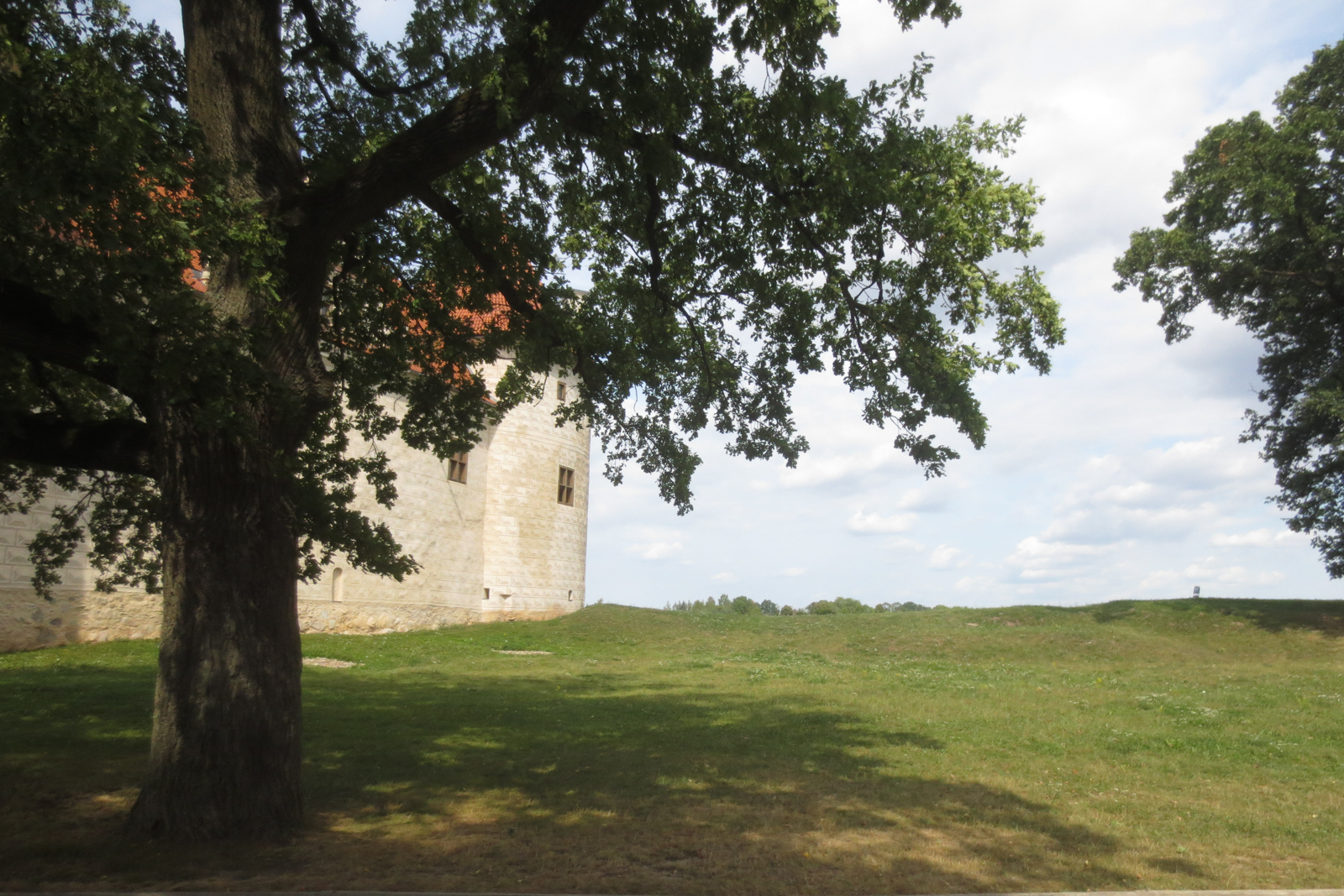
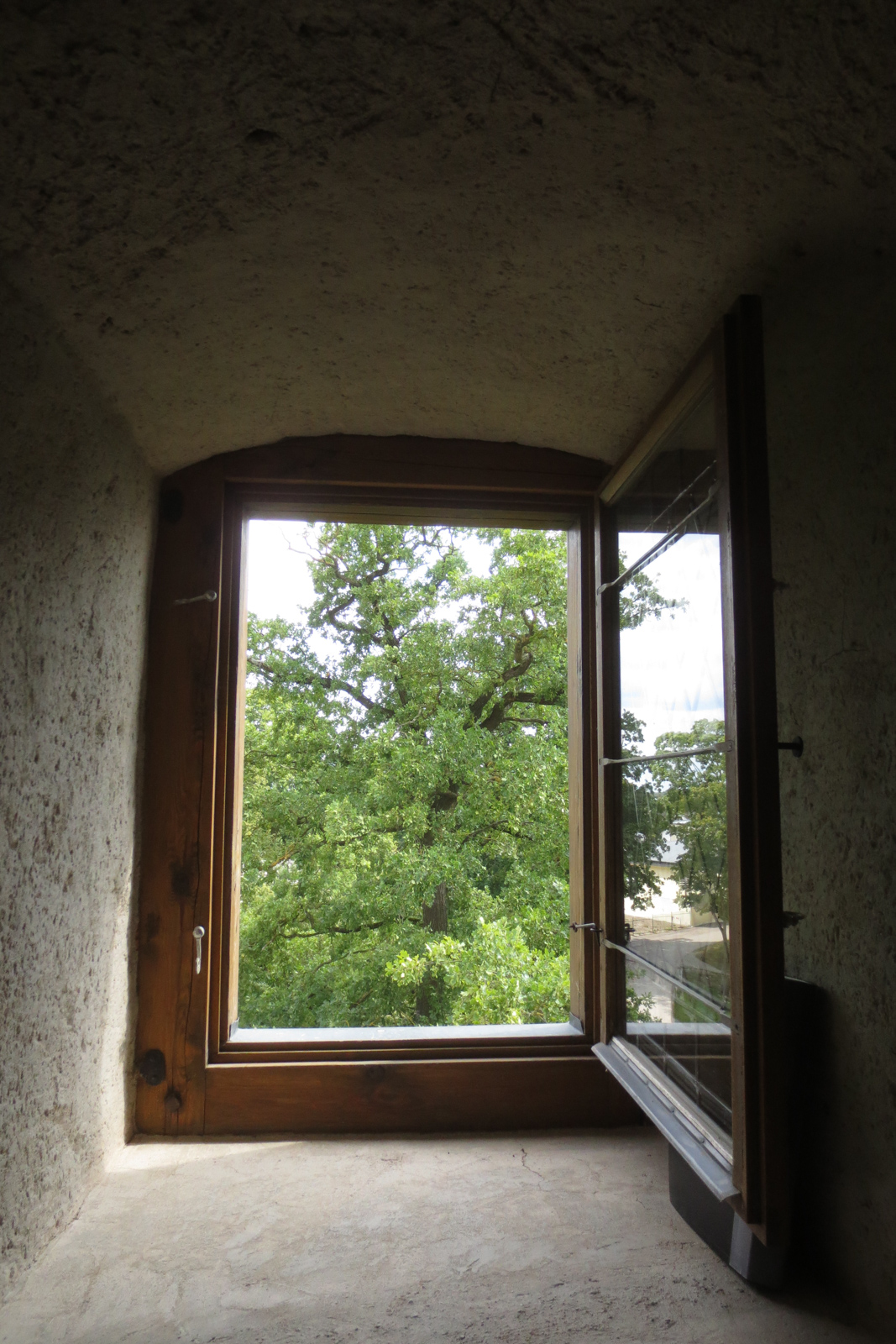
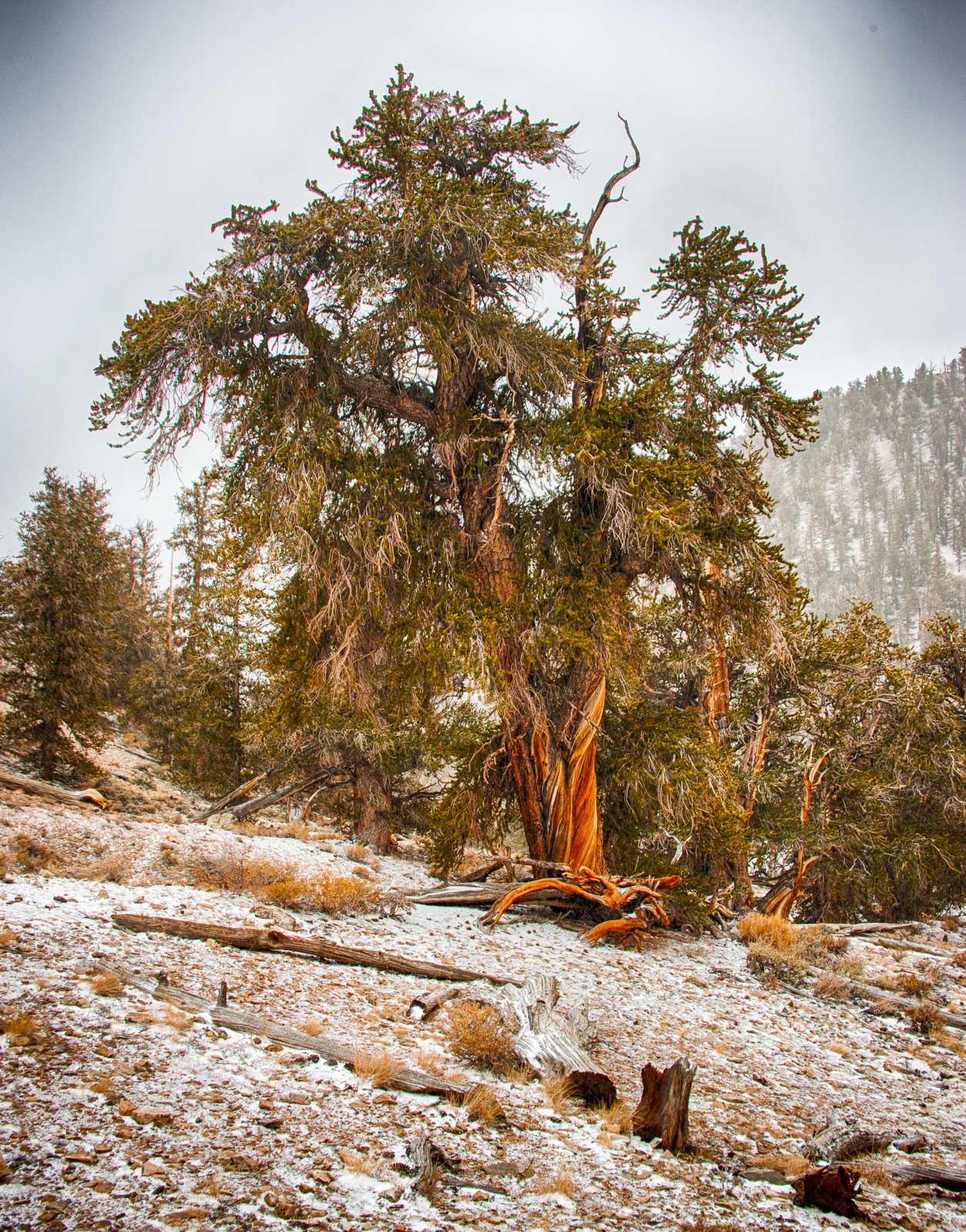
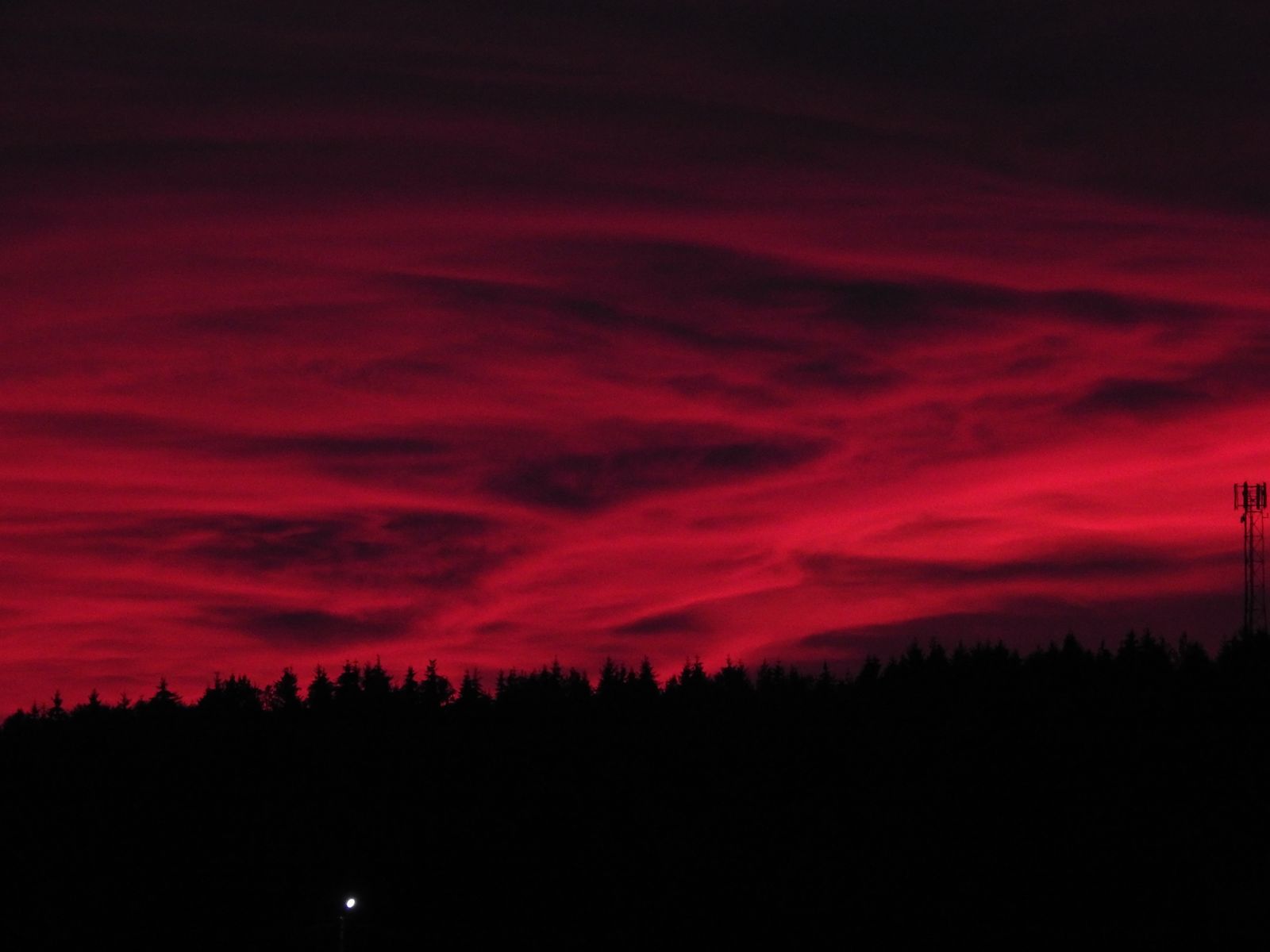
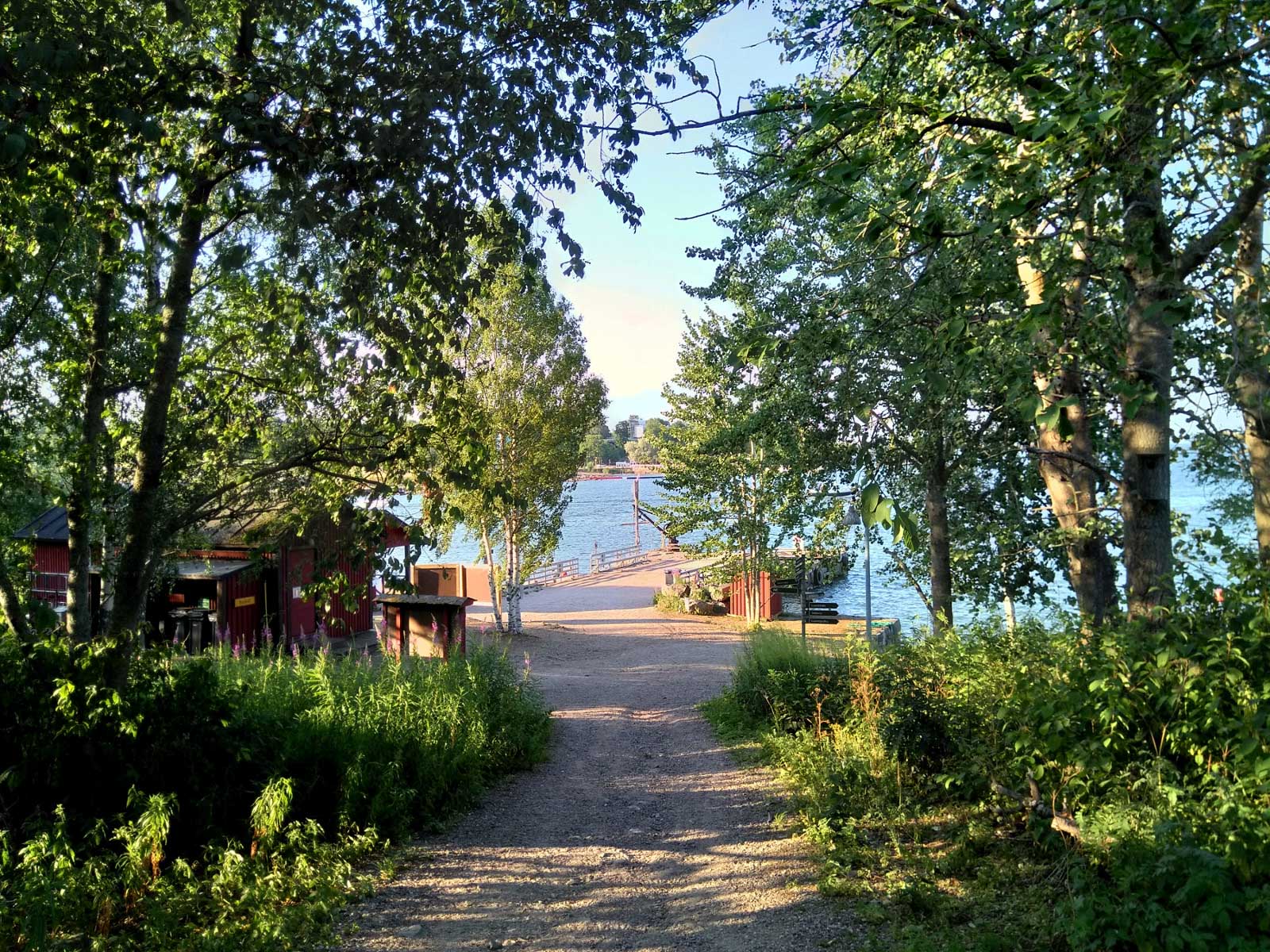
Our tree this week was sent in by Affinity’s newest team member, rq. It’s a majestic old tree in a fairy tale setting and the last shot is brilliant. Perfectly framed, perfectly lit and perfectly peaceful. Thanks for sharing, rq.
Nerves. There are so many things that get on mine. Coleagues. Family. Too many people. Absence of people. Loud noises. Quite noises. Silence.
I do occasionaly wonder how the phrase “It is getting on my nerves” came about, but I never bothered to look.
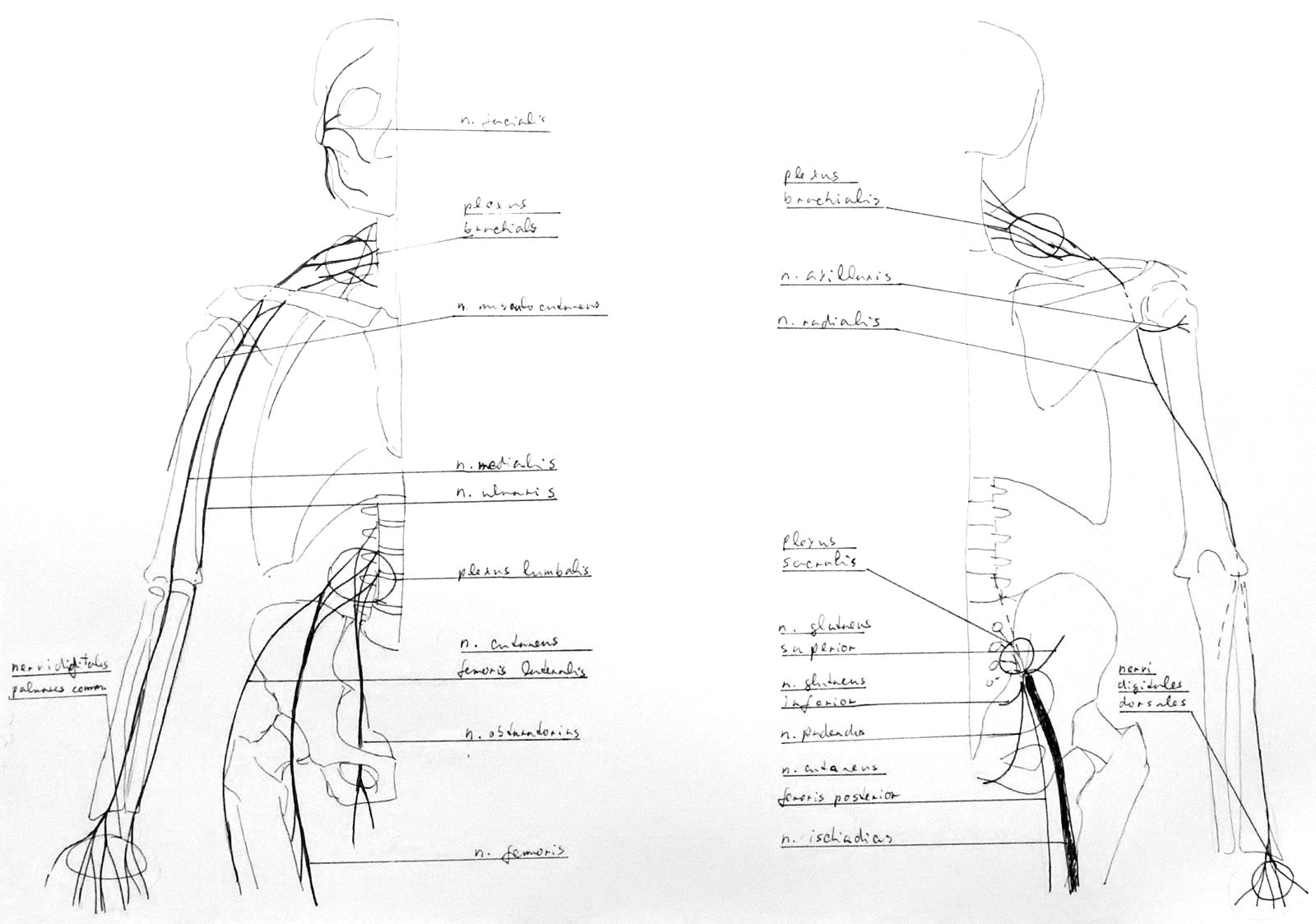
What you see here is in no way detailed depiction of peripheral nerves, only a rough outline of some main plexuses. What is ingenuous about nerves is the way they are led though holes and around various joints in a way to avoid pinching, squeezing or bending at a sharp angle. Everyone who has ever hit their elbow in between the protrusions on ulna where the nervus ulnaris leads knows what irritated never means – pain. Lots of it. This brings a memory of Caine, and not a happy one at that. She had an inflammation of nervus ischidadicus and if you ever have difficulty to imagine how that feels like, hit yourself in the elbow and multiply the sensation by about four times and prolong it indefinitely. I have already mentioned when talking about the pelvis that this pain can be so extreme as to lead someone to suicide.
But on a cheerier note, plexus brachialis is a cluster of nerves near surface around the musculus trapezius. That is where you have to squeeze in order to apply the vulcan nerve pinch to render your foes unconscious.
Of course vulcan nerve pinch does not work for non-vulcans, but should you ever find yourself in a self-defense situation, knowing where nerves lead near surface is indeed useful, since irritating nerves elicits involuntary reactions in even the strongest individuals. If you ever find yourself in a situation like that, my recommendation is to use thus gained fraction of a second to get the hell away.
I’ve been thinking a lot about Caine today as I tended to some admin tasks. And then I found this in my inbox. It’s from Nightjar and it’s perfect. Thanks.
I’d like to dedicate this set to the memory of Caine, it was 100% inspired by her and she was in my thoughts as I planned and took each picture. It’s the kind of photography I would probably not even think of doing if I hadn’t met her. And yes, flash at dusk, a technique I picked up from her. I wish she could know how much she’s missed.
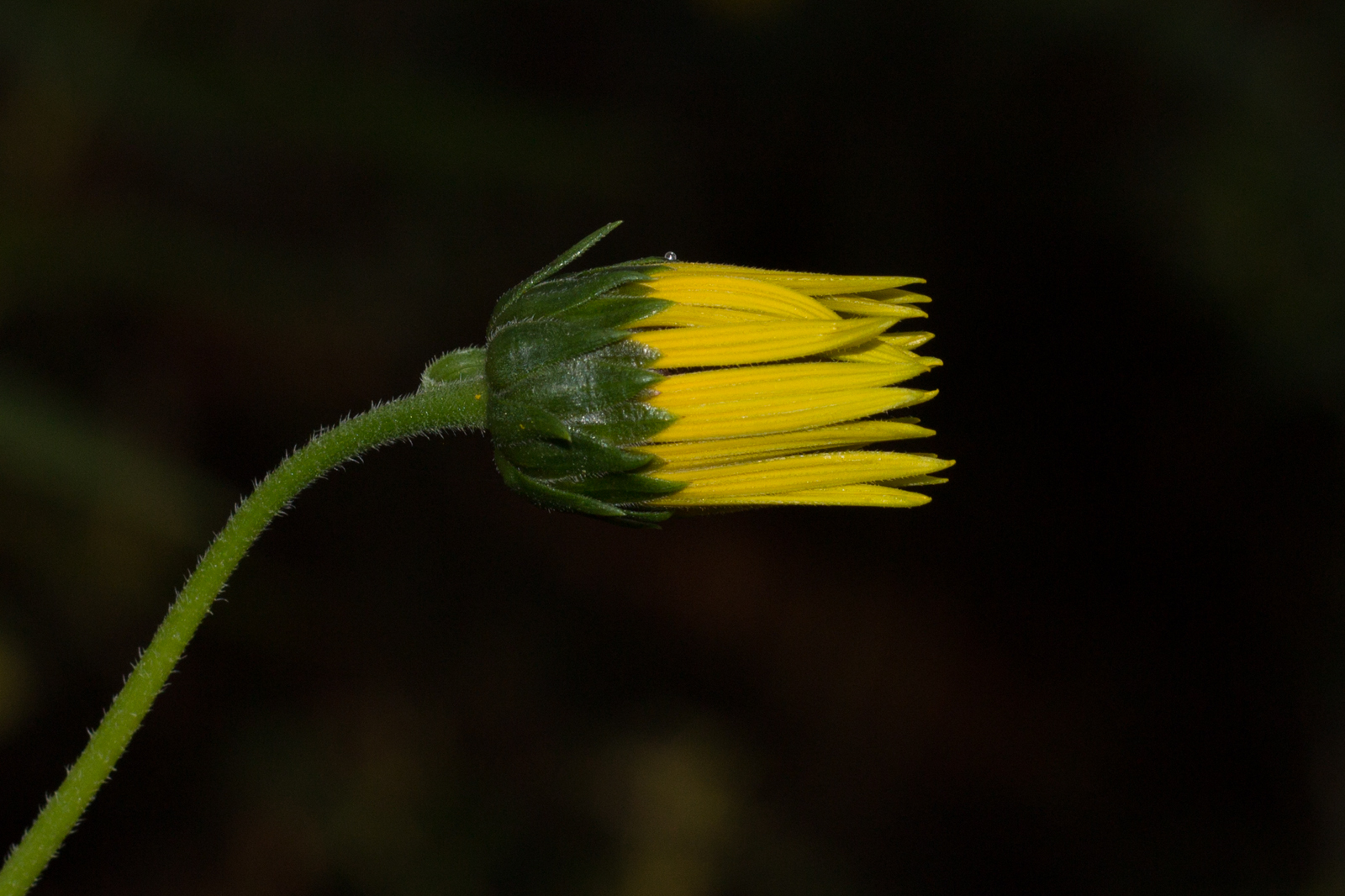
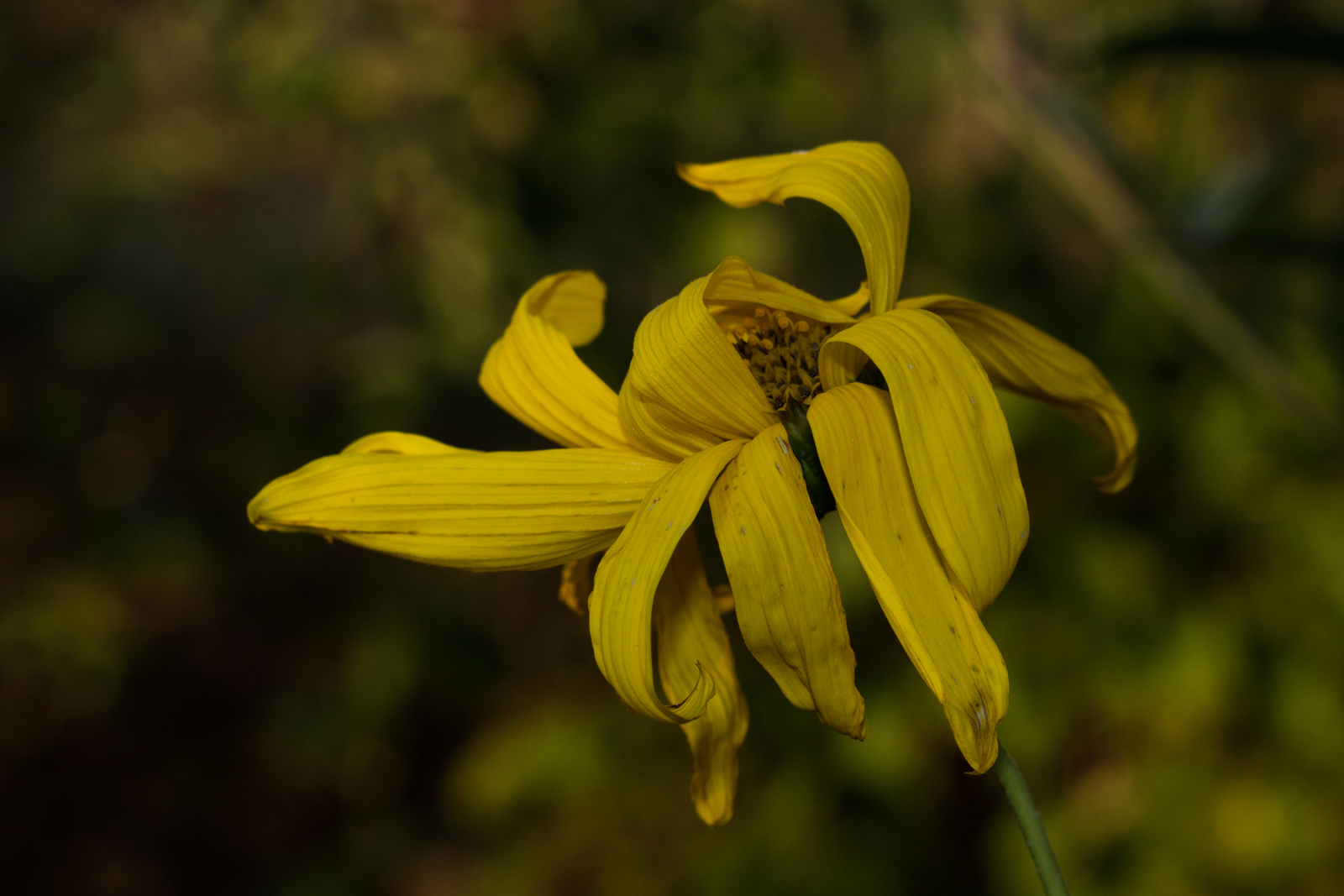
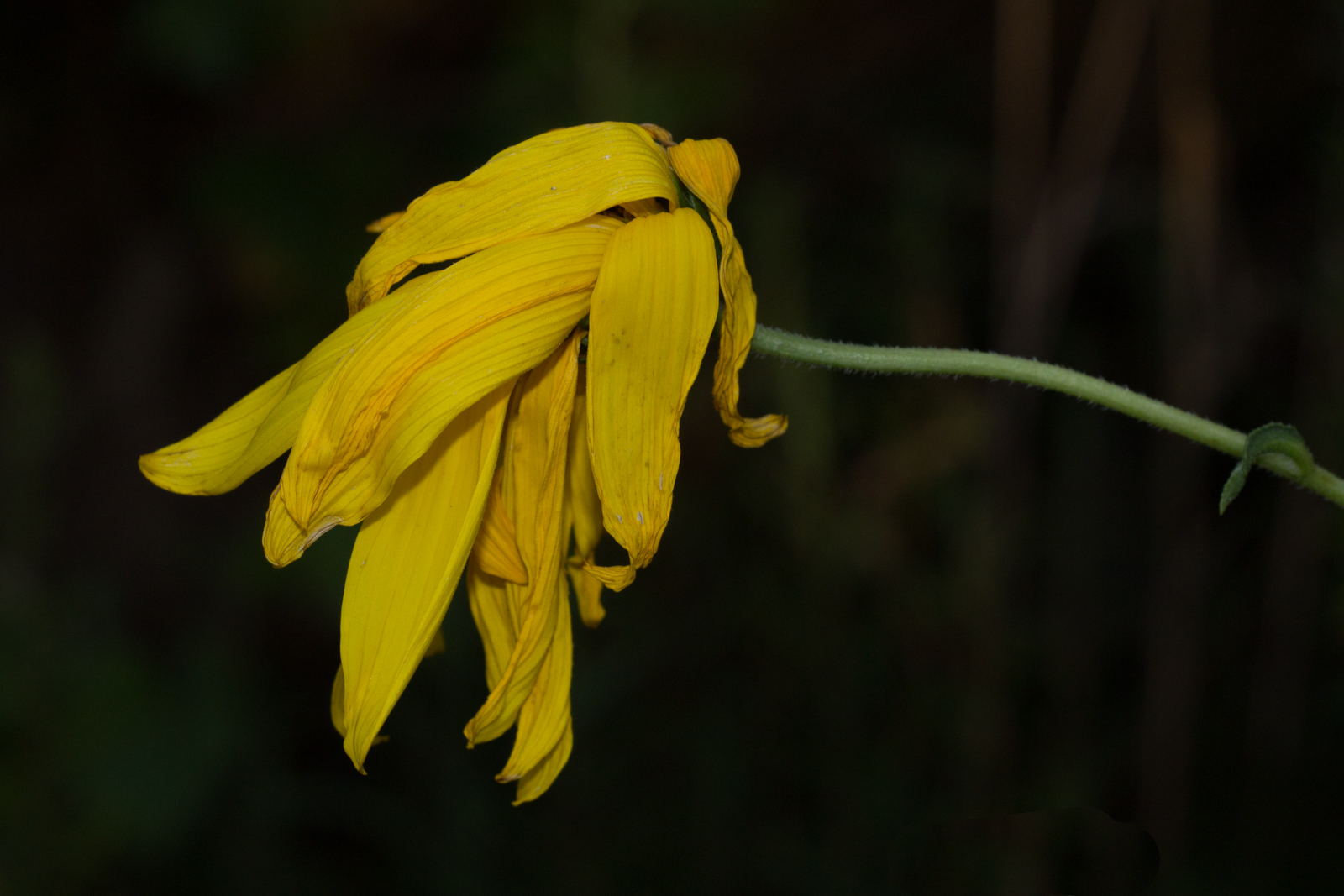
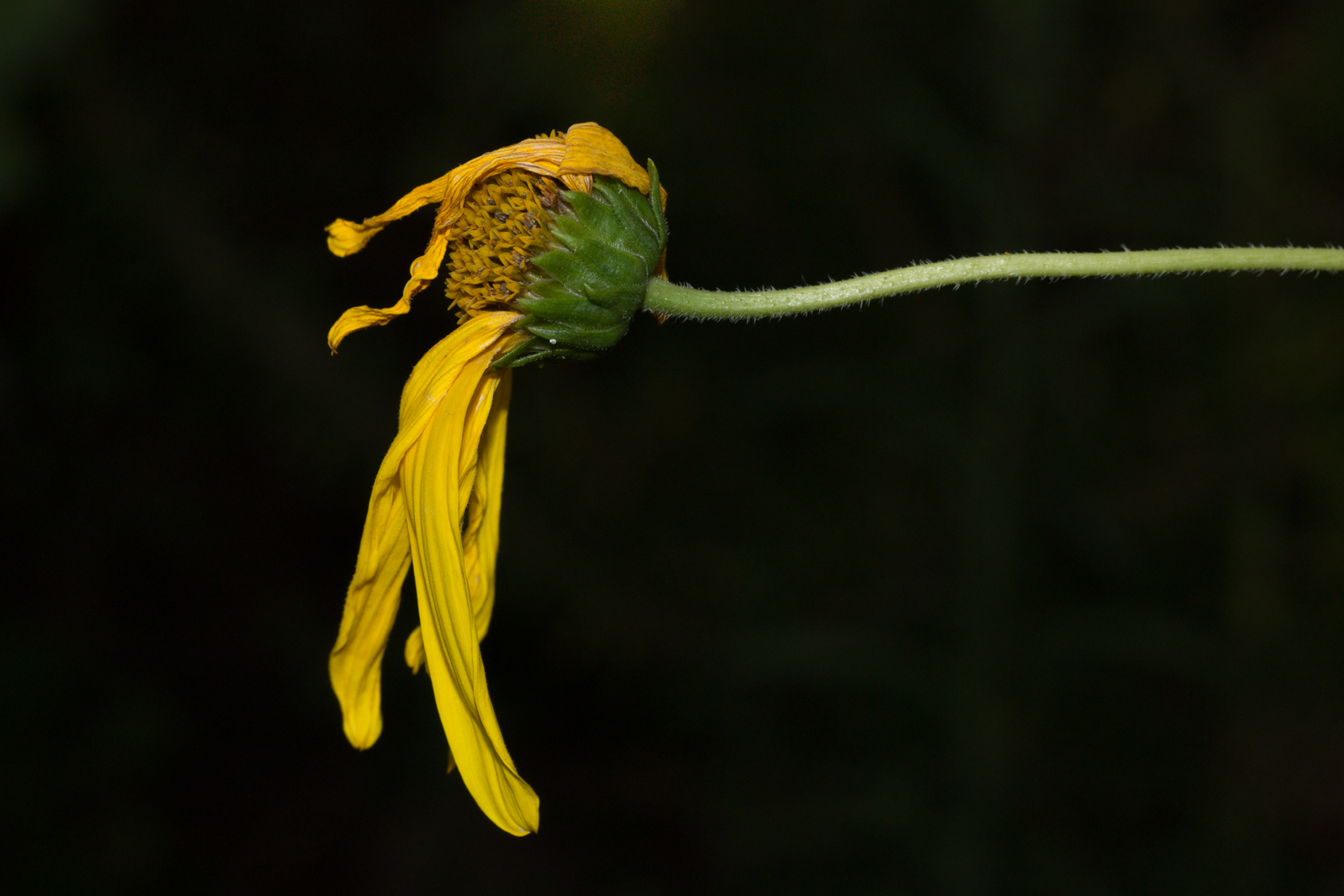
These are Helianthus tuberosus flowers from my garden.
It’s our last day with Ice Swimmer’s series Harakka an Island and we’re back to the port preparing to leave. I’ve enjoyed this series immensely. It’s been like an old-fashioned travelogue and the moving perspectives helped bring the island to life. It’s been so nice to see things from more than one vantage point. I’m a bit saddened that we’re leaving already, but isn’t that just the way it is with any trip…too short and over too soon. Thank you Ice Swimmer. It’s been a great adventure and now I’ll let you lead the way home.
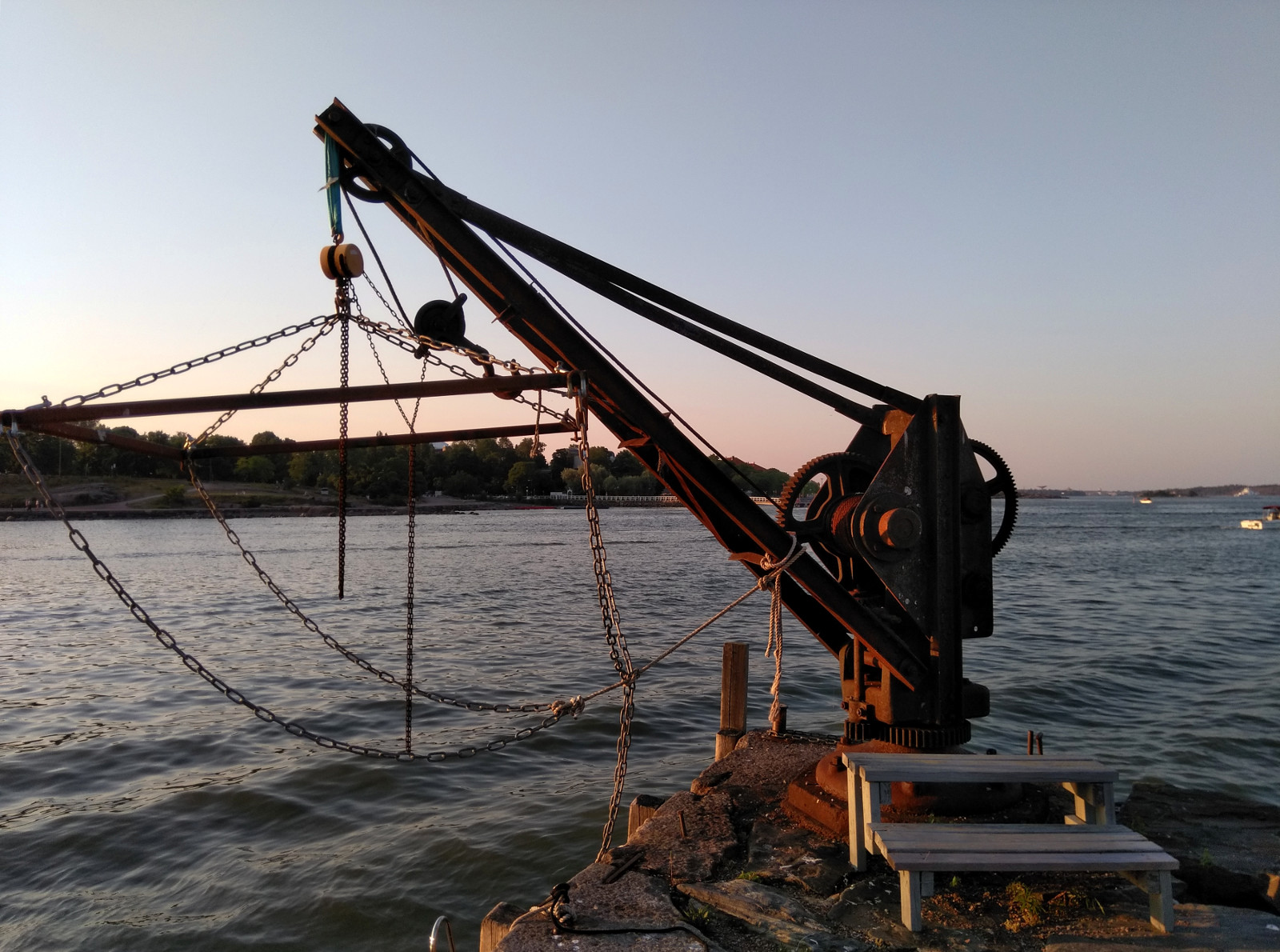
Now we’re back on the pier. The signal for the boat has been raised (not in the picture), but we have some time take a look at the crane. The other end of our boat trip is the white pier behind the crane.
The boat is almost here, so all we can do is to take a last look, lower the signaling semaphore (again, not in the picture) and get aboard the boat.
This was our tour (mine in person and yours through these photos) of Harakka in July 2018. We saw some things, but there’s more to the island than this, but that is another story of things that have not happened yet. I actually went to Harakka on two different evenings for these pictures, and I haven’t been there since that. Another time of the day or a cloudy day would show the place in a different light.
(link to previous post, Harakka an Island: Chapter 9)
As promised, this Tummy Thursday will be a big one.
#1 finally decided to celebrate her birthday and wanted a unicorn cake. I’m always happy to oblige. One of the nicer aspects of having kids is having an excuse for fancy caks.
This time I’ll actually walk you through all the steps and recipes, which means a ton of pics, so be warned when you click below the fold.
We’re back to Arakka an Island and in this chapter Ice Swimmer takes us to see views east. Off we go…
From the front yard of Vellamo, we take another look at Särkkä, also seeing a few birches and the tower of the church in Suomenlinna. The church tower has a dual role as a lighthouse.
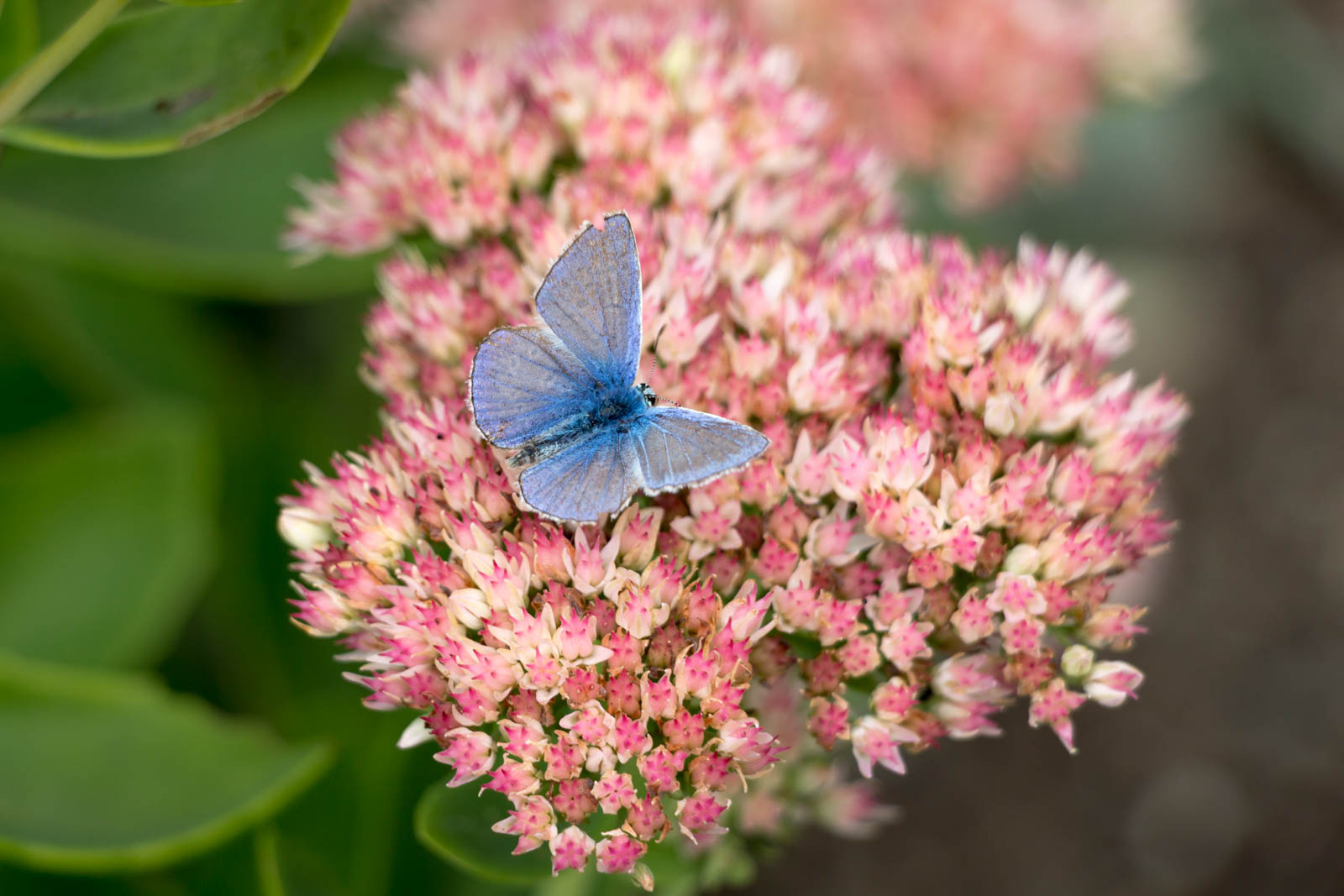
For once my timing was good. This morning I was taking photos of our sedum turning pink and just as I had my camera ready, this little purple butterfly fluttered into frame and stayed long enough for me to take its picture. That almost never happens for me, mostly because of the impatient and snorfling dog by my side. Anyway, my photo of flowering sedum got an upgrade. I did quick search and I think it may be a female Eastern-Tailed blue butterfly.
It’s another chapter of Ice Swimmer’s Harakka an Island. We’ve climbed down from the top and we’re ready to go. Lead the way Ice Swimmer.
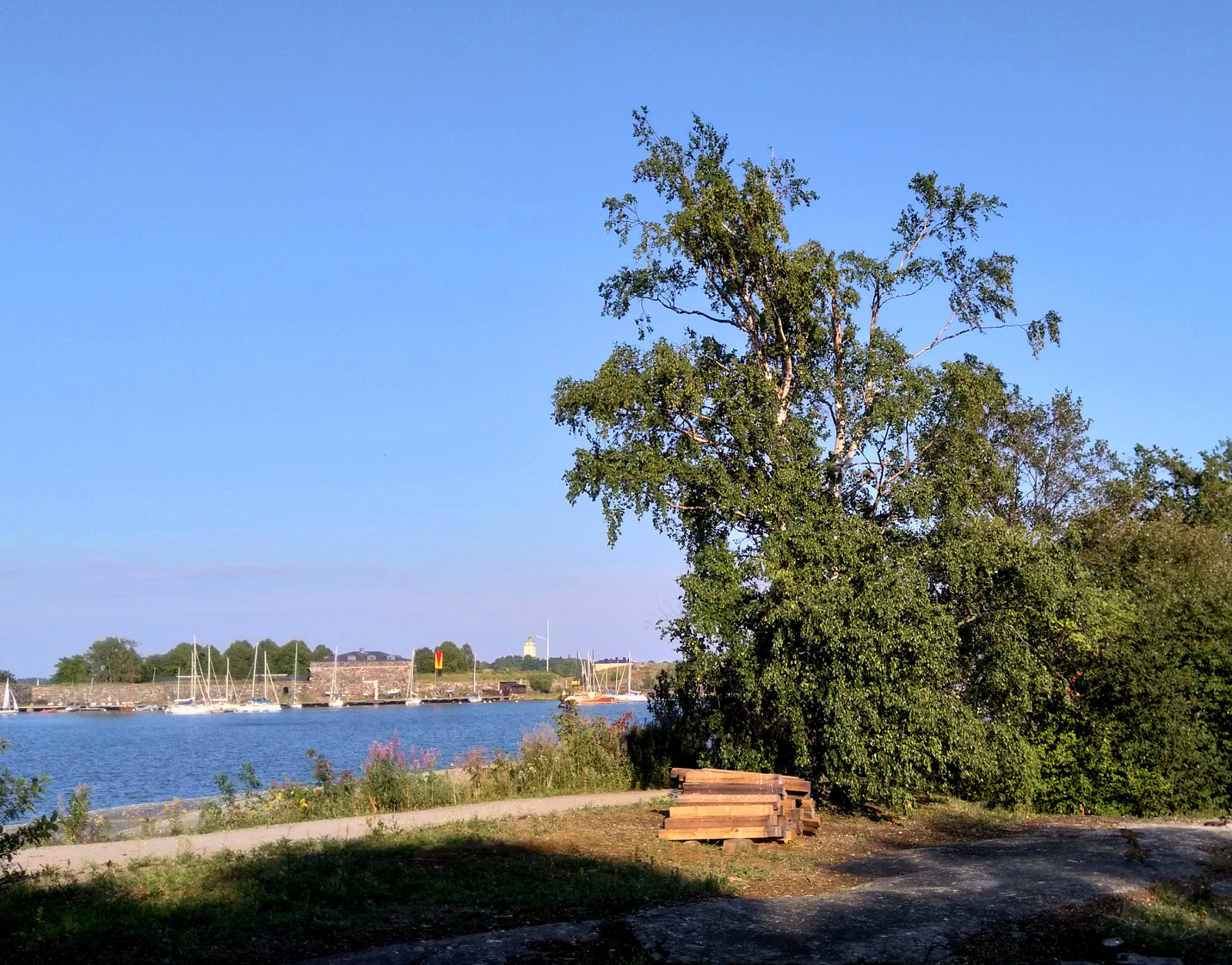
A bit to the south of the crossroads, there’s birch and we can see the island Särkkä in the southeast. Särkkä is next to the Suomenlinna Sea Fortress and the fortfications in Särkkä were built to support the main sea fortress. Nowadays Särkkä is used by a yacht club as a base and there are two restaurants there.
Also on the eastern shore, webbed feet are quite numerous.
Wild strawberry plants were plentiful, but there were very few berries.
The Vellamo House/Cottage is a nature fairy tale house for kids featuring books and educational play facilities.
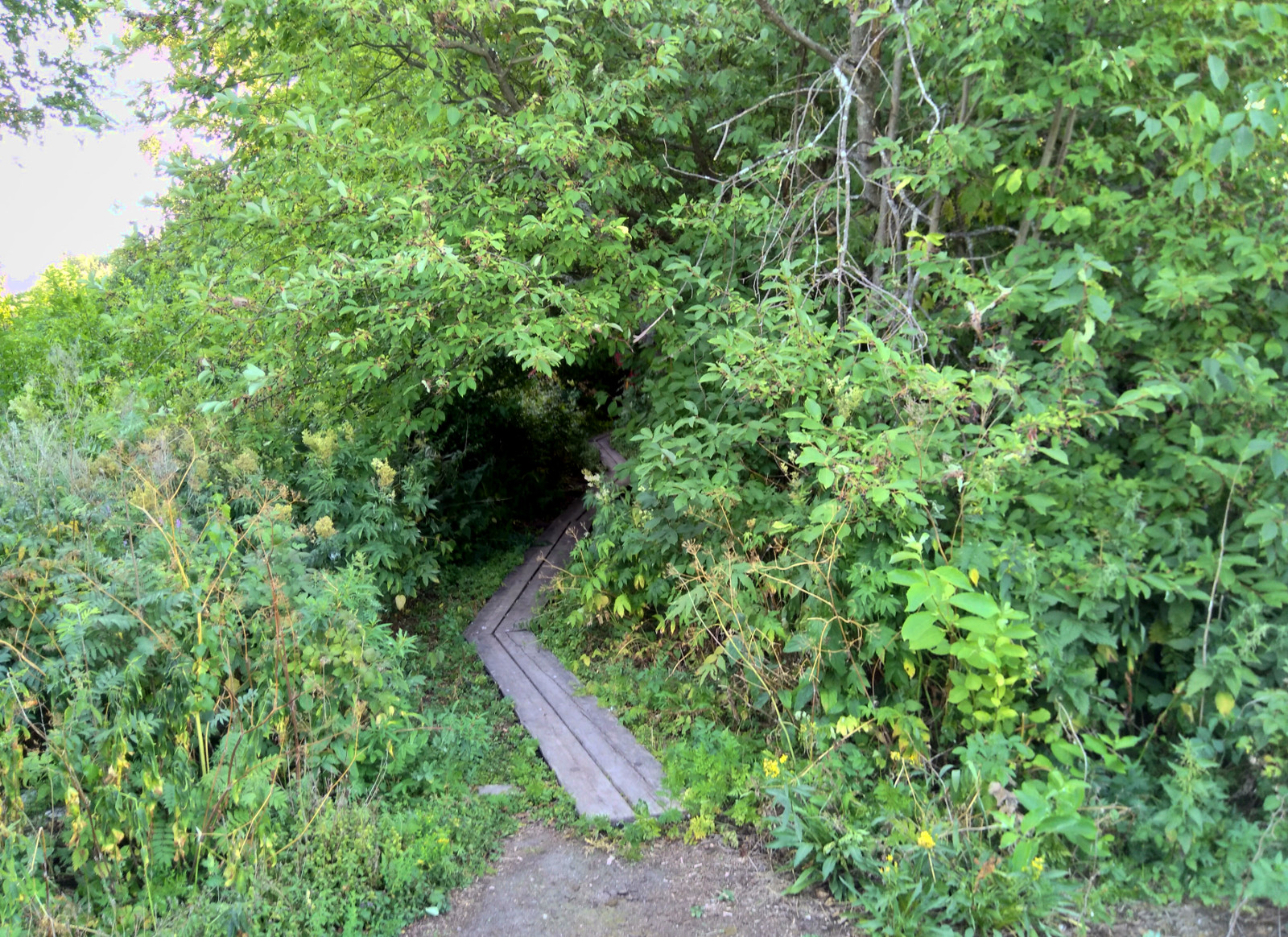
This mystery path through the bush starts next to Vellamo.
The mystery path features duckboards, in Finnish pitkospuut (free translation: lengthwise planks of wood), to walk on. We don’t (or more like, I didn’t) want to get ticks so, we leave the mystery be a mystery.
Next, we’ll go to the front yard of Vellamo to take a look east.
(link to previous post, Harakka an Island: Chapter 7)
These photos were sent in by Opus and were taken in a bristlecone pine grove near Lone Pine, California. I think they make a brilliant set. Their beauty is stark and tortured and they evoke feelings of tenderness and vulnerability in me. Well captured, Opus. I’m so glad you shared them. Thanks.
We looked at our heart, but not at all the piping connected to it. There is rather a lot of it and this picture shows only a very, very small part.
There will be talk about testicles, read at your peril.
Whilst the air pipes in the lungs are optimized for keeping constant pressure, for veins and arteries this is not the case. Perhaps there is less selective pressure for optimisation, or it is not possible to achieve? I do not know. The truth is however that there are a number of sub-optimal divisions and loops and one of them is so peculiar that once you learn about it, you will not forget it.
Professor Kos explained to us, that one such badly optimised division is at least in part responsible for the fact that one testicle is usually lower than the other, and the one that is lower is usually the left one. When you look at the picture at the right side and follow the vena cava inferior down from the heart past venae hepaticae you will come to a cross junction where from it split two venae renalis. And looking further down you will find out that venae testicularis do not both split of from the vena cava inferior symmetrically, but vena testicularis sinistra splits of from venna renalis at a near right angle. That is bad engineering – right angles mean loss of pressure automatically.
However when looking at the left side, where arteries are depicted, both arteriae testicularis split symmetrically and directly from arteria abdominalis at an angle in the direction of the blood flow.
This means that whilst fresh blood supply for both testicles through arteries is about equal, the outflow via veins is not. That means different blood flow rates through the testicles, leading to their different sizes and also different position. Because testicles regulate their temperature (which has to be lower than body temperature) via positioning, and this way the left testicle has to hang lower in order to keep the same temperature as the right one.
… that a real sunset looks so cheesy you would think reality has no style whatsoever. I glanced out of the window before going to bed and I had to try and make some pictures, the sky was unreal.
Pictures straight from the camera, no adjustments, only resized.
©Charly, all rights reserved. Click for full size.
When we last left Ice Swimmer’s series Harakka an Island we were at the top of the island. Where to next Ice Swimmer?
Now we’re back from the top of the island, in the front yard of the Artists’ Building, looking east, the pier is behind the red wooden buildings. We’ll go a bit south and go down the hill back towards the crossroads.
We’re going down the same road we got up to the Artists’ Building. The history exhibition building is to the left and the pier from which we came is on the other side of the crossroads. We’ll be going to the right from the crossroads, to the south.
Kestrel was mushroom hunting one of her finds turned out to be quite interesting. I will let her take over from here.
©kestrel, all rights reserved. Click for full size.

I went on a foray looking for mushrooms and noticed this. It’s a hump in the duff, right in the middle of the photo.

It’s hard to see what might be in there! I went around to the other side of this shrump (a hump in the duff where a mushroom is emerging).

Aha! It’s Hypomyces lactifluorum, also called the Lobster Mushroom. It’s so fascinating: this is a parasitic mold attacking another mushroom. The original mushroom is Russula brevipes (Short Stemmed Russula) which although edible, is rather bland and crumbly. H. lactiflulorum attacks and parasitizes it, causing it to become dense and firm. They are often quite large.