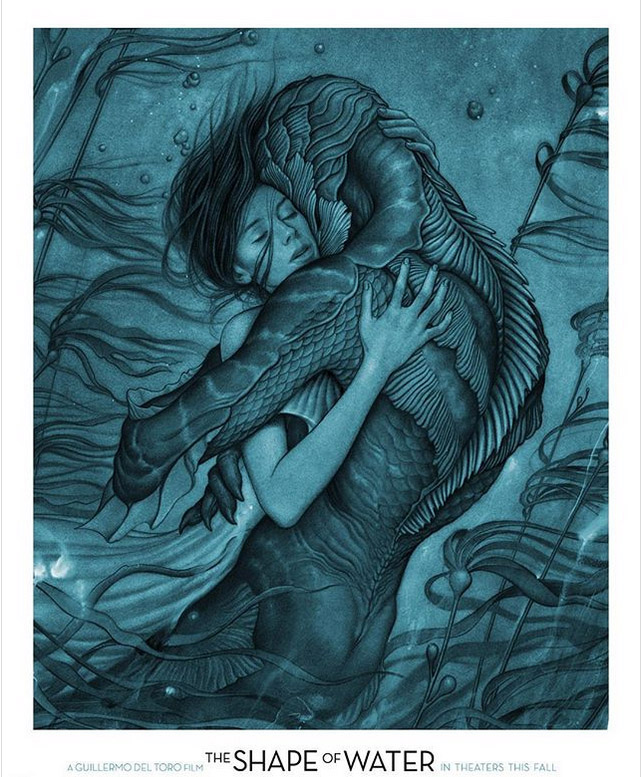
Värttinä – Liigua. Lyrics and translation courtesy of Lumipuna, below the fold.
Affinity
Art, Fun, & Nonsense.

Värttinä – Liigua. Lyrics and translation courtesy of Lumipuna, below the fold.
From rq, click for full size.




© rq, all rights reserved.
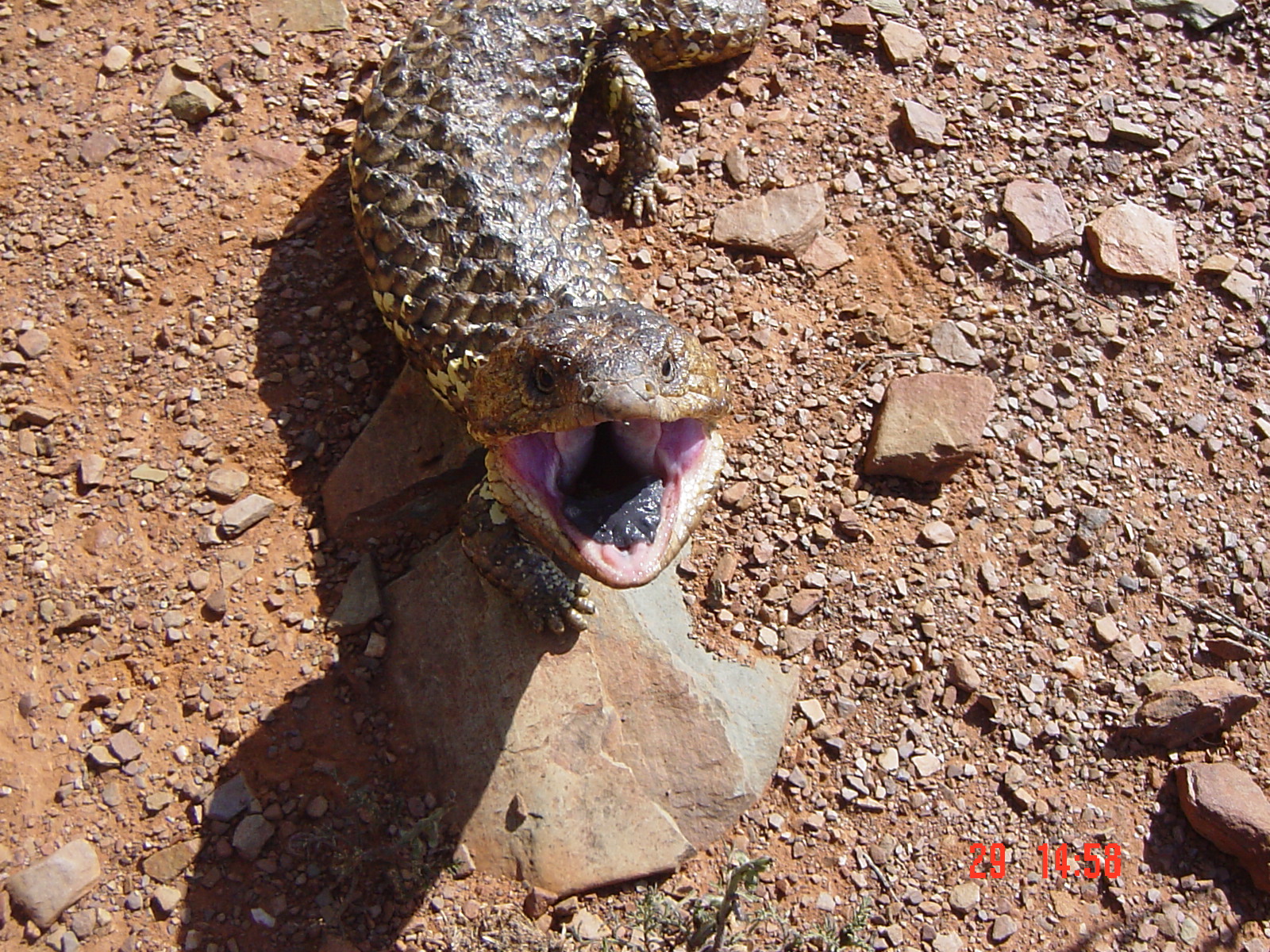
Quite the intimidating fella. From Lofty, click for full size.

© Lofty, all rights reserved.
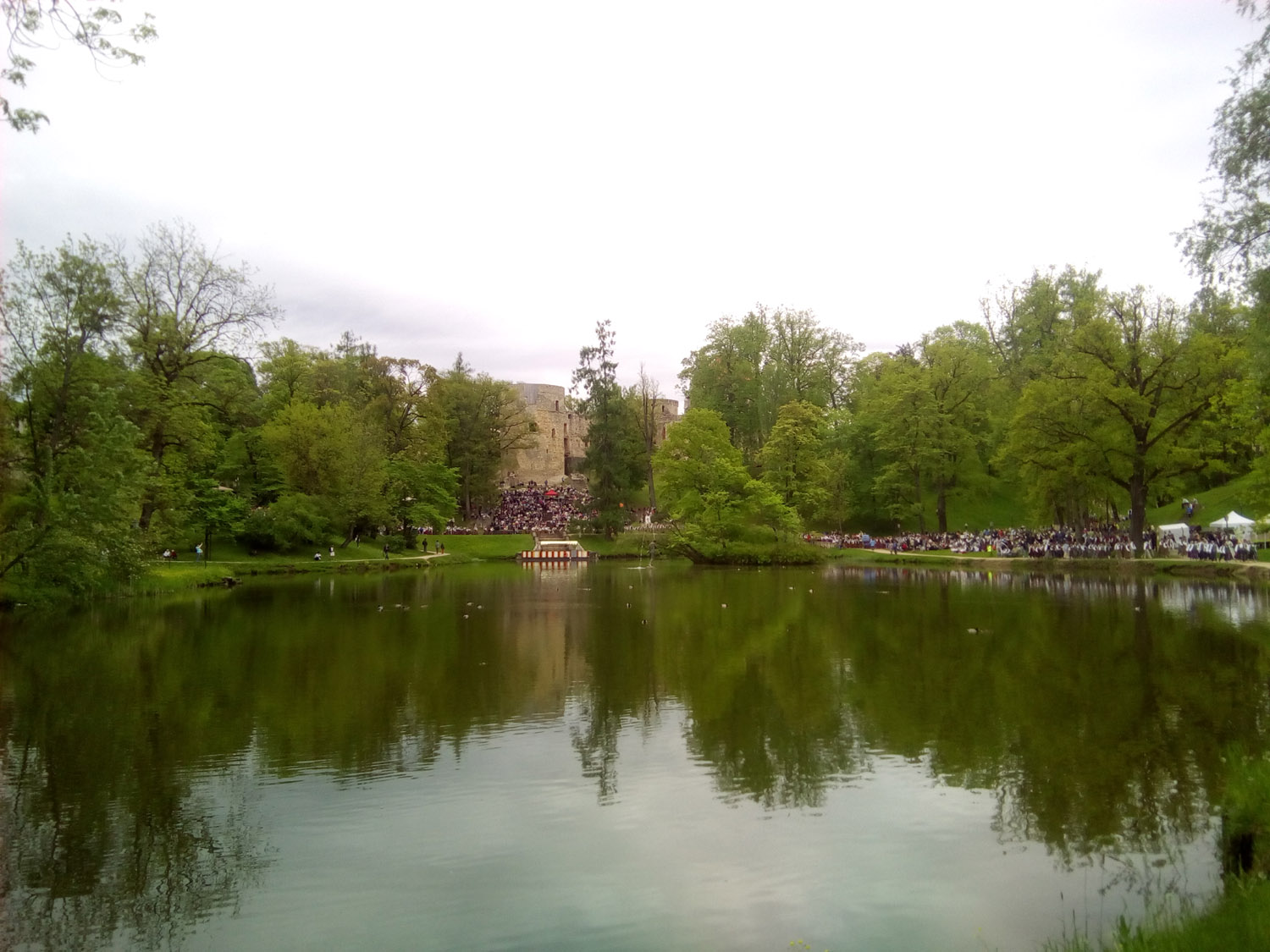
What a beautiful place! From rq, click for full size.



© rq, all rights reserved.
Click for full size.



© C. Ford.
Fledgling Black-headed Grosbeak, click for full size.

© C. Ford.
Wikipedia.
Donald Trump’s nominee to be an assistant secretary for the Defense Department’s nuclear, chemical, and biological defense programs believes that the U.S. has the right to preemptively unleash nuclear weapons on other countries.
The New Republic‘s Emily Atkin wrote on Friday that Trump has nominated Guy B. Roberts to — according to the job description posted on the DoD website — “prevent, protect against, and respond to weapons of mass destruction threats” and advise Defense Sec. James Mattis on “matters concerning nuclear, chemical, and biological defense programs.”
Roberts, Atkin said, has a strong resume. He is a 25-year veteran of the Marine Corps and has worked in nuclear weapons policy for NATO.
However, he is a strong proponent of the controversial doctrine of “first-use nuclear policy,” the belief that the U.S. reserves the right to strike other countries with nuclear weapons at will.
Pres. Barack Obama considered joining a “no first-use” pact, which Roberts responded to in 2016 with an essay for The National Interest titled “America Must Be Ready to Nuke First.”
In the essay, Roberts argued that the U.S. must function as a bulwark against Russian military aggression.
Mr. Roberts seems to have missed the memo detailing how Russia is our best fucking friend forever these days. It’s bad enough being stressed to the limit by every single day the Tiny Tyrant remains in office. It’s bad enough that there are calls to beef up the military even more, because the Great American Empire™ is collapsing, and military dominance is the holy solution, you bet. Now we get an idiot with an itchy trigger finger. I am now more worried about nuclear war than I was back in the 1960s and 1970s, and I was fair worried back then.
Via Raw Story.

Rodolfo Lanciani’s photo capturing the discovery of the bronze statue of the Boxer (1885) (all images © Istituto Nazionale di Archeologia e Storia dell’Arte).
In 1885, excavations at Rome’s Quirinal Hill revealed one of the most celebrated Hellenistic Greek sculptures: the bronze, seated Boxer at Rest. Present was the archaeologist Rodolfo Lanciani, who witnessed its exhumation and snapped a photograph of the rare ancient object. The image he produced is as arresting as the sculpture itself, capturing the figure perched on a mound of dirt, like a time traveler taking in the ruins of a once-familiar world. It’s one of many photographs Lanciani captured of his city’s changing landscape, and it’s just one gem from his own, massive archives — amassed as his impressive effort to document Rome’s entire archaeological history through the end of the 19th century.
Nearly 4,000 records from Lanciani’s collection are now digitized and accessible through a new, online database created over two years by researches at Stanford University Libraries, the University of Oregon, and Dartmouth College. The Rodolfo Lanciani Digital Archive makes accessible about one fourth of the archive that ended up at the National Institute of Archaeology and Art History in Rome when the archaeologist died in 1929, which is available to the public at the Palazzo Venezia only during select weekday hours.
You can now browse through high-resolution drawings, prints, and photos created between the 16th and 20th centuries that show the many infrastructural layers of the capital. From watercolors of entire buildings to architectural plans to sketches of decorative elements rendered by hundreds of artists, the works reveal the city’s famous buildings at different stages as well as structures that have been lost to time.
rq asked if I had made any progress, and I promised another pic. Another bad one, I’m afraid. I didn’t feel like dismantling the quilt frame top and hauling it outside. Not as much progress as I’d like, but I haven’t been able to work on it consistently. The current section is 13.5″ x 5″. Click for full size.

© C. Ford.
Float in space w/ new @Google Street View of @Space_Station! See where crew exercise, conduct @ISS_Research + more: https://t.co/gJycxkdHcX pic.twitter.com/VqesnouCYs
— NASA (@NASA) July 20, 2017
Float in space w/ new @Google Street View of @Space_Station! See Where crew exercise, conduct @ISS_Research + more: bit.ly/2uMmTif
Very cool!
Via Raw Story.

Photos: Niklas Adrian Vindelev.
Instead of accelerating the demise of traditional craftsmanship, what if digital tools enhanced it and expanded the possibilities of what we can make?What if an architect could use a digital tool — a CNC machine, say — to create something with a distinctly human quality? How might the machine be applied to skills such as woodwork and metalwork? Could it be used to make objects with the aesthetic appeal, including the touch and feel, of a handmade object? Could it also make objects that can be scaled — objects with applicability to architecture?
These were the timely questions that three architects recently explored as residents at SPACE10 — IKEA’S external future-living lab. With a shared interest in exploring how digital tools can be applied to traditional techniques — and the potential of a CNC milling machine in particular — Yuan Chieh Yang, Benas Burdulis, and Emil Froege together found answers in three very different but eye-opening ways.
You can read and see more at Space10.

If you’re in Ottawa, consider Indigenous Walks.
Indigenous Walks is a walk and talk through downtown Ottawa exploring landscape, architecture, art and monuments through an Indigenous perspective.
The character Danerys Targaryen finally returned to Westeros on Sunday night’s Game of Thrones Season 7 premiere, but the actress, Emilia Clarke, shot the scene on a Northern Irish beach called Downhill Strand. Much of what viewers know as Westeros, in fact, is actually Northern Ireland, including parts of Winterfell, Slaver’s Bay, and the Kingsroad—all thanks to the nation’s open tracts of land and many surviving castles. To draw attention to this fact, Ireland’s tourism board commissioned a massive tapestry that details every episode of the series.
The 66-meter-long artwork is on display at the Ulster Museum in Belfast. A group of artisans including the museum’s director, Katherine Thomson, are embroidering each meter with characters and symbols that summarize each one of the episodes preceding Sunday’s “Dragonstone.” As Season 7 progresses, they’ll add more yardage to the tapestry to reflect new developments on the HBO juggernaut. By the end of season 7 it will be 77 meters long.
You can read and see more at The Creators Project.