Tilo Wolff – Give Me Something To Believe In. The lyrics on the video are in English, be patient.
Affinity
Art, Fun, & Nonsense.

Tilo Wolff – Give Me Something To Believe In. The lyrics on the video are in English, be patient.
From Charly, who says there are prettier things, but beauty is in the eye of the beholder, and this is beautiful to me. Click for full size!
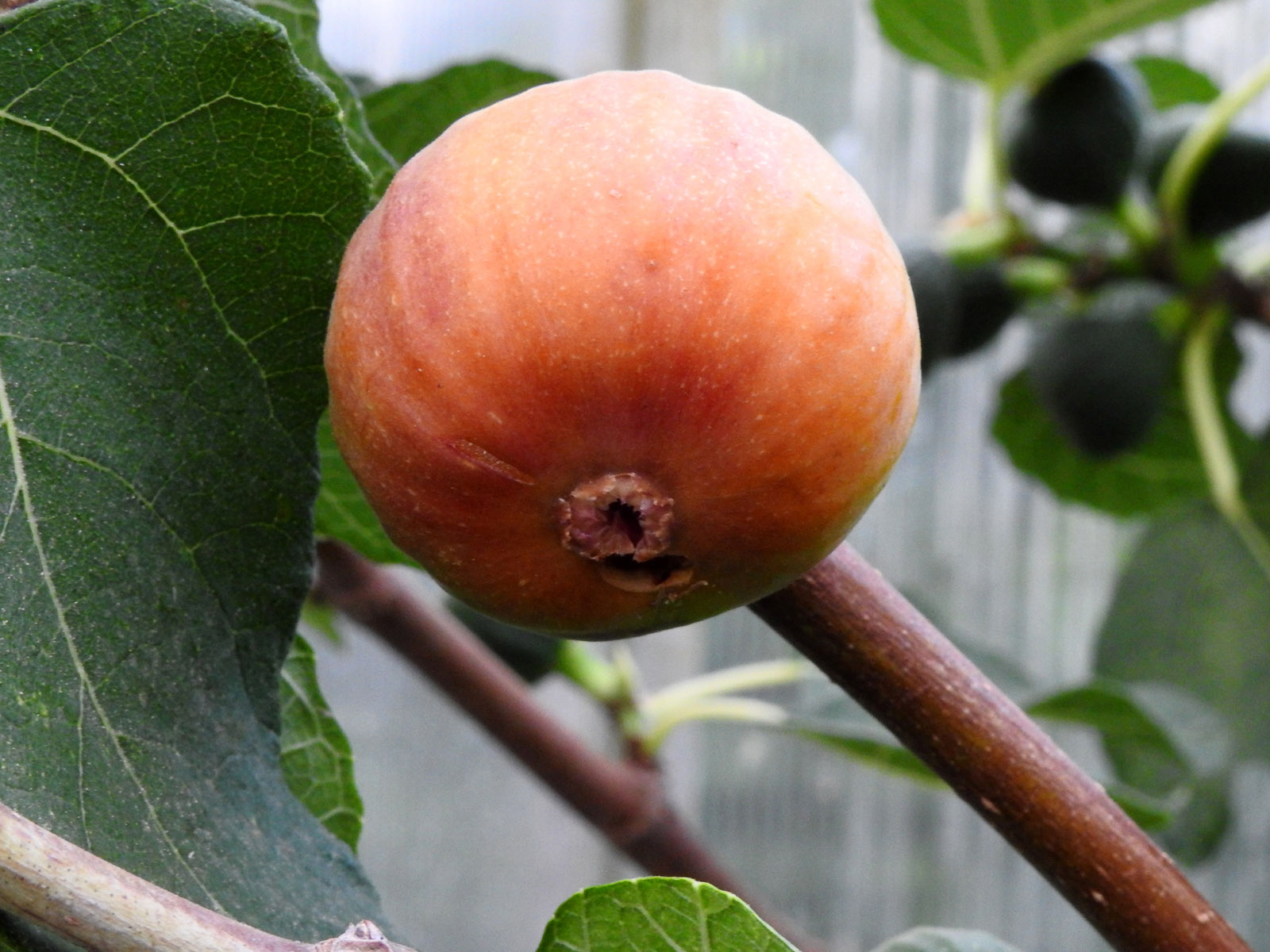
© Charly, all rights reserved.
From Raucous Indignation, click for full size!


© Raucous Indignation, all rights reserved.
Yellow! From rq, click for full size.

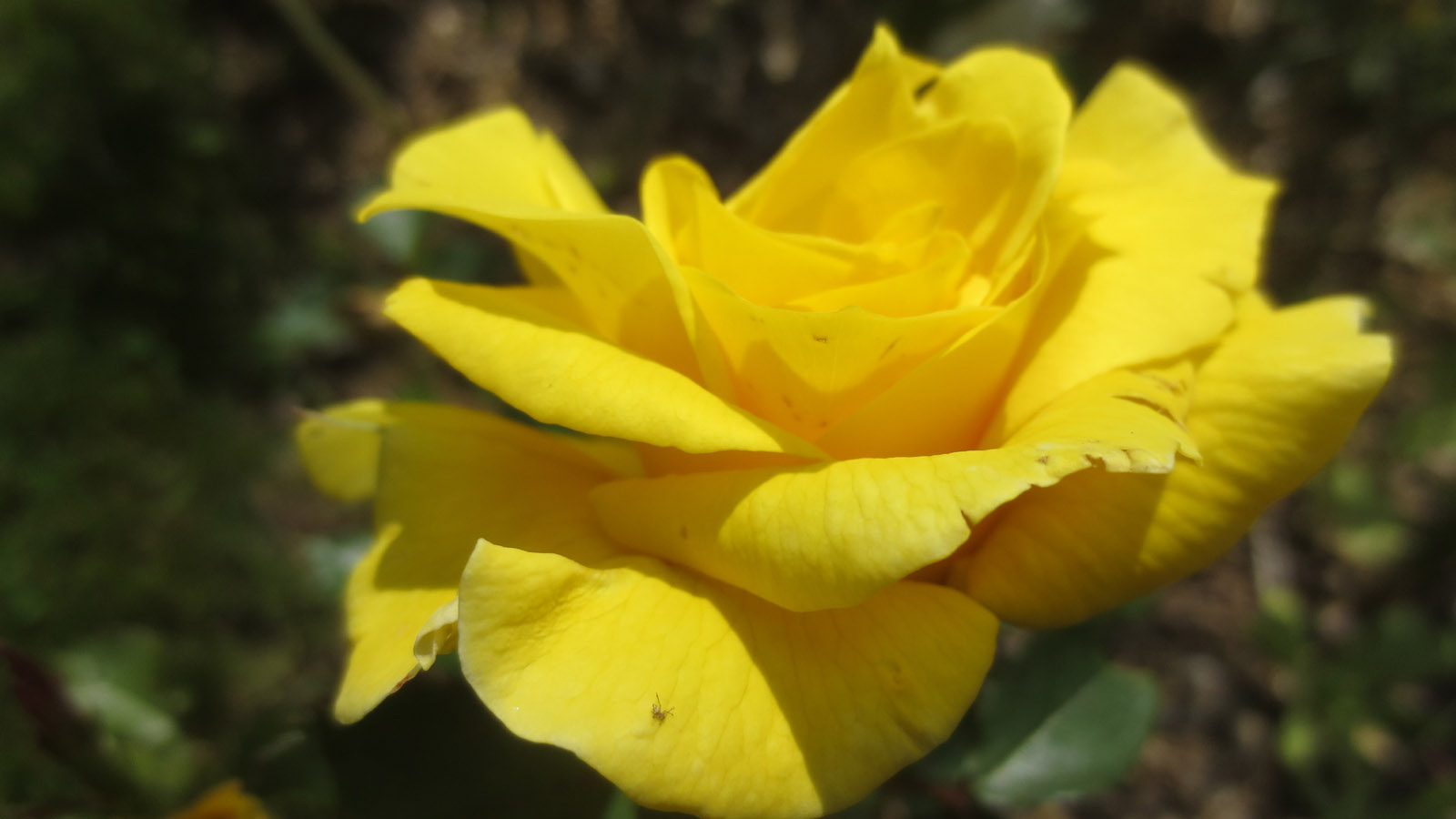


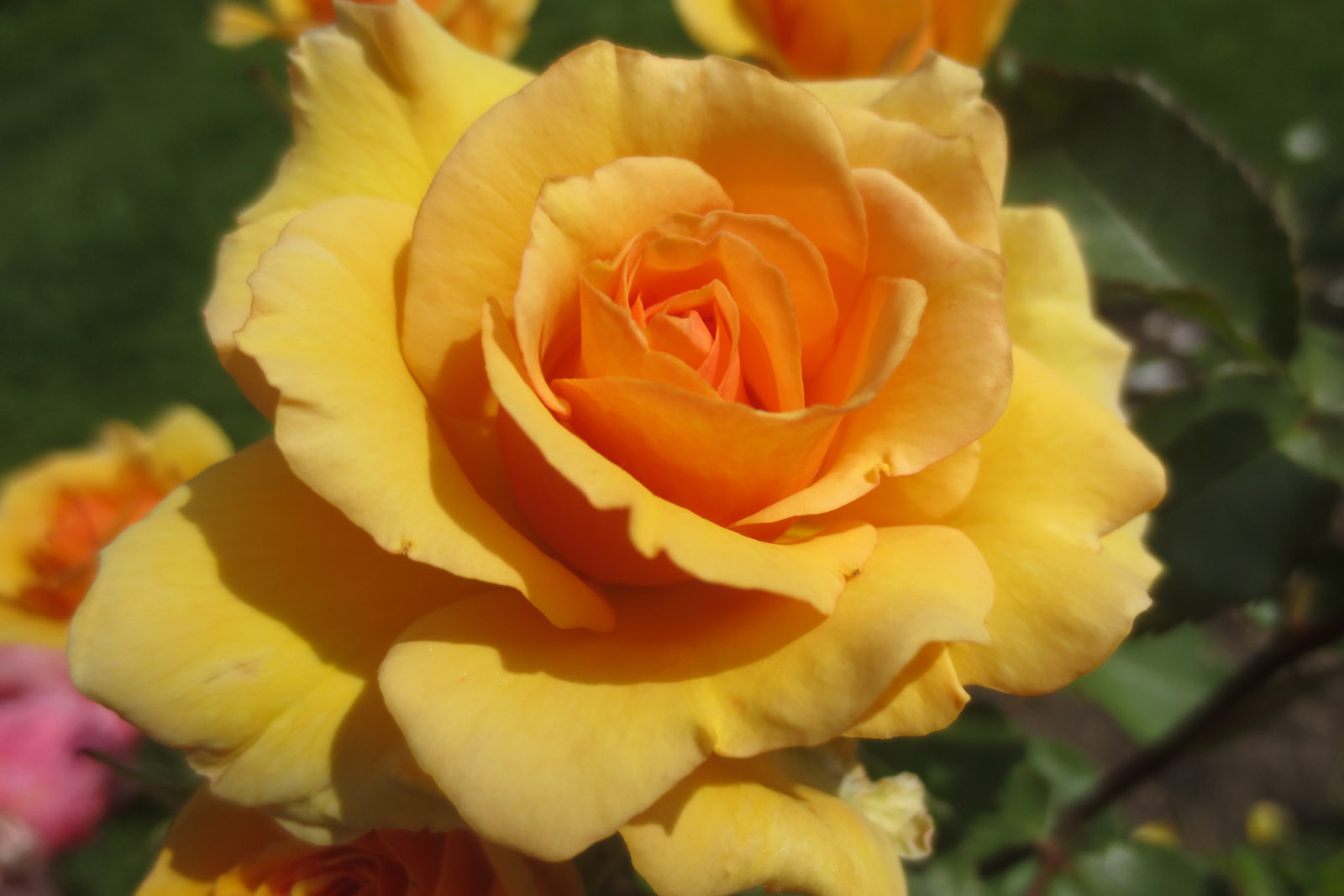
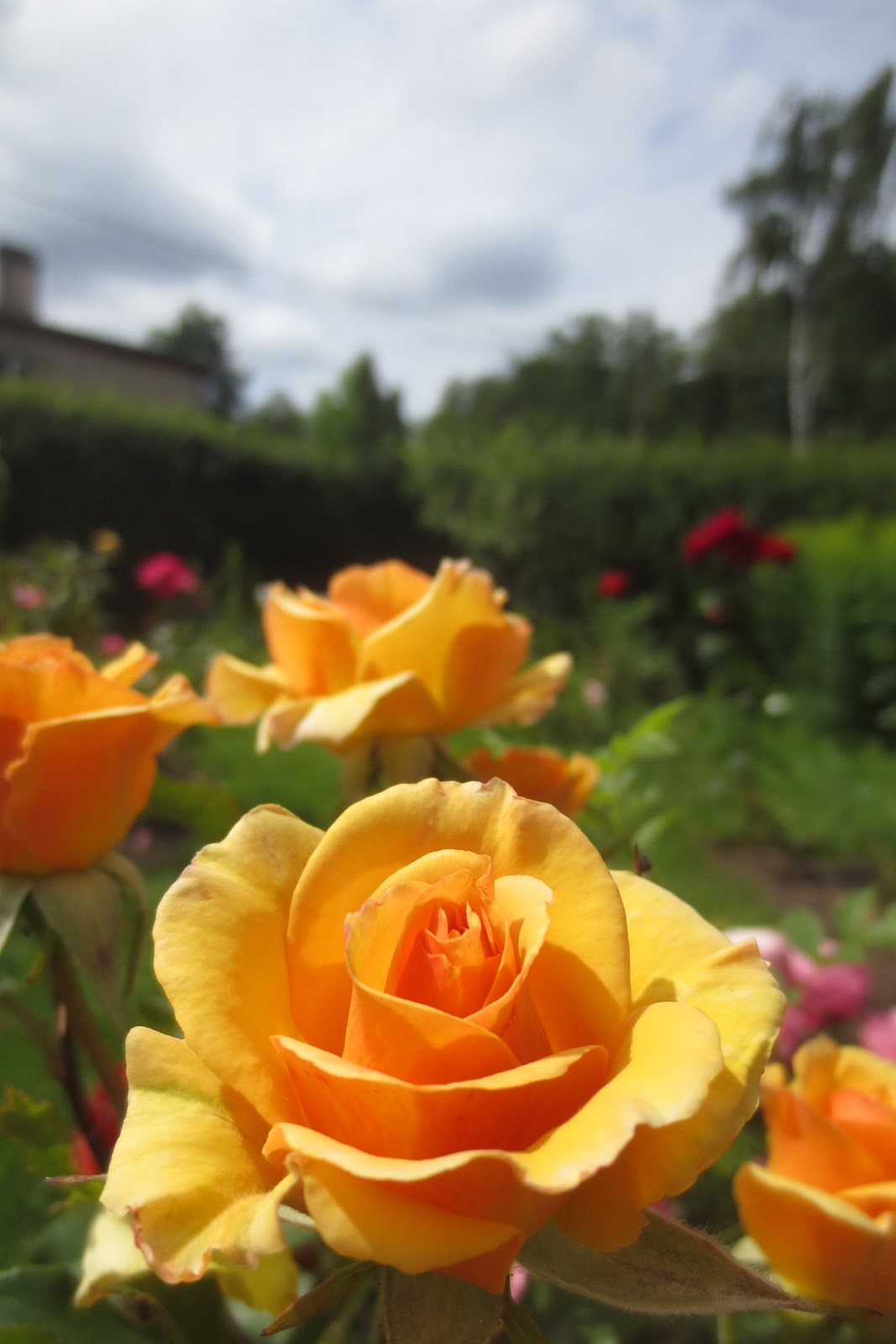
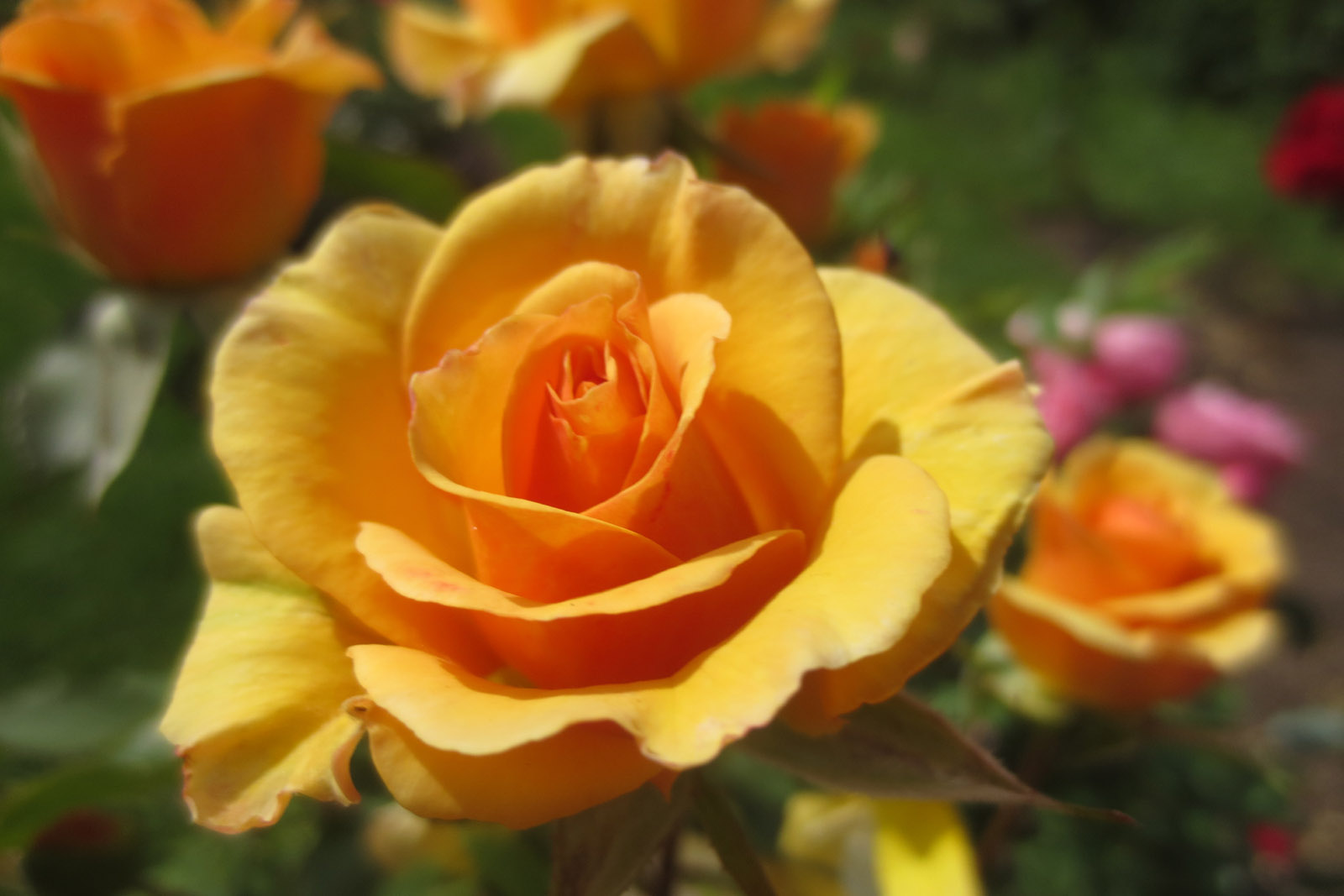
© rq, all rights reserved.
A couple of beautiful young Grackles, just coming into their adult plumage. Click for full size.

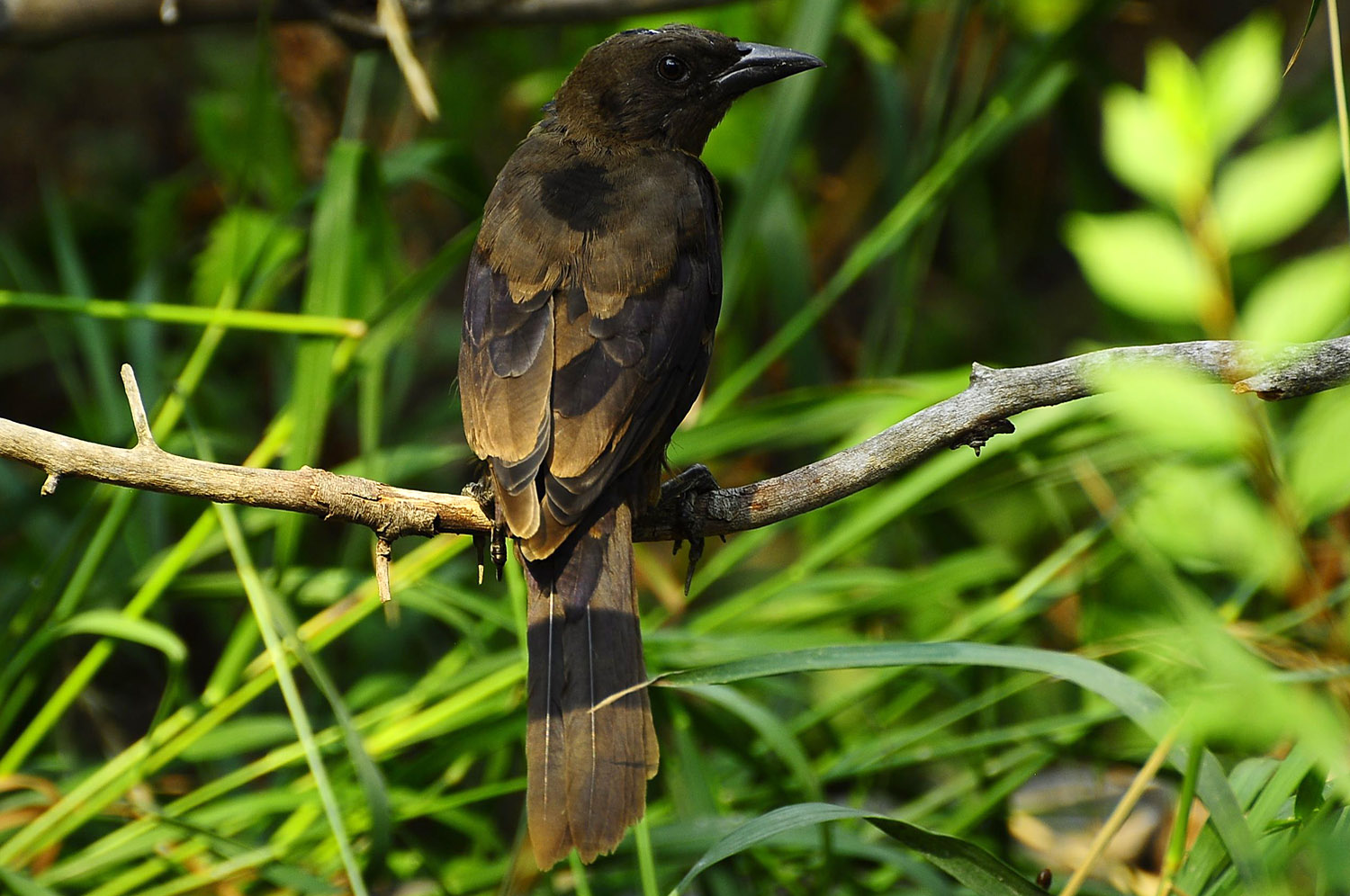
© C. Ford.
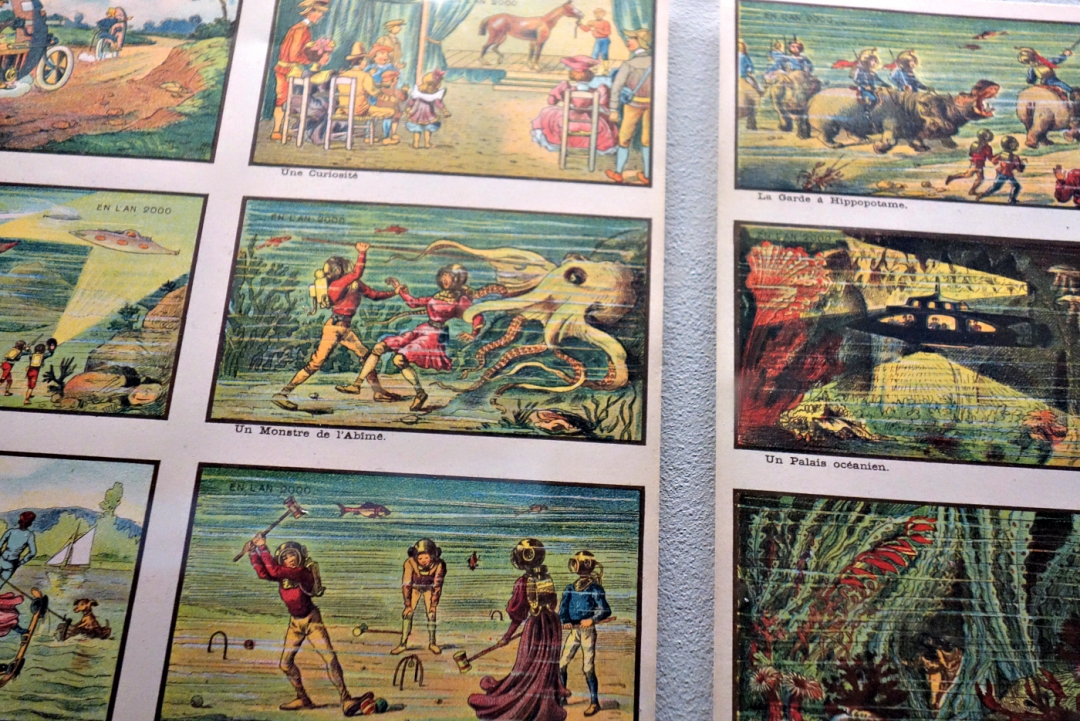
“L’an 2000” (“The year 2000,” 1901), print on cardboard; a collection of uncut sheets for confectionery cards showing life imagined in the future (photo by the author for Hyperallergic). Click for full size.
LONDON — The 1982 film Blade Runner imagined 2019 Los Angeles as a dystopia of noirish neon and replicants, robots sent to do hard labor on off-world colonies. It’s a future in which engineered beings are so close to humans as to make the characters question the very nature of life. We’re now just a couple of years from this movie’s timeline, and although our robots are still far from mirroring humanity, our science fiction continues to envision giant leaps in technology that are often rooted in contemporary concerns of where our innovations are taking us.
Patrick Gyger, curator of Into the Unknown: A Journey through Science Fiction at the Barbican Centre, told Hyperallergic that, for him, science fiction “allows creators to look beyond the horizon of knowledge and play with concepts and situations.” The exhibition is a sprawling examination of the genre of science fiction going back to the 19th century, with over 800 works. These include film memorabilia, vintage books, original art, and even a kinetic sculpture in a lower-level space by Conrad Shawcross. “In Light of The Machine” has a huge, robotic arm twisting within a henge-like circle of perforated walls, so visitors can only glimpse its strange dance at first, before moving to the center and seeing that it holds one bright light at the end of its body.
[…]
The exhibition shows, but does not dwell on, who has been left out of a history mostly shaped by white men (there are rare exceptions on view, like the “Astro Black” video installation by Soda_Jerk that muses on Sun Ra’s theories of Afrofuturism). It would be worthwhile to spend more time on figures who broke through these barriers, such as author Octavia Butler. As discussed on a recent podcast from Imaginary Worlds, her black characters were sometimes portrayed as white on her book covers to make them more appealing to science fiction readers. The exhibition could also have a deeper context for why certain veins of science fiction are prominent in particular eras, and perhaps question why we don’t have a lot of science fiction narratives on current crises like climate change. For instance, the much smaller 2016 exhibition Fantastic Worlds: Science and Fiction 1780–1910 from the Smithsonian Libraries compared milestones like Mary Shelley’s 1818 Frankenstein; or, The Modern Prometheus with physician Luigi Galvani’s “animal electricity” experiments on animating dead frog legs, and highlighted how Jules Verne channeled the doomed Franklin expedition in his 1864 book The Adventures of Captain Hatteras.
Nevertheless, having an exhibition like Into the Unknown at a mainstream space like the Barbican is significant, showing the art world appreciates science fiction beyond kitsch. And science fiction continues to be one of our important portals for thinking about the ramifications of our technological choices, and where they might take us.
You can read and see much, much more at Hyperallergic. Fascinating!

The Europabrücke in Switzerland, now the world’s longest pedestrian suspension bridge. © Europaweg.
Have you ever wanted to walk across Switzerland’s Grabengufer valley, but lacked the time for the three-hour hike it requires? Good news: there’s now a shortcut, which cuts down the travel time to fewer than ten minutes. All you have to do is walk through the air.
This new possibility comes from the recently opened Charles Kuonen Suspension Bridge, which, CNN reports, is now the longest pedestrian suspension bridge in the world. The bridge opened for business on Saturday, July 29th, and spans 1640 feet—about the length of seven city blocks. At its highest point, it hangs about 28 stories above the ravine.
In far-off photographs, the bridge resembles a thin silver necklace, stretched between two mountainous shoulders. Close up, it looks more like a walkable roller coaster. While crossing, “it is possible to look into the precipice below one’s feet,” the Zermatt travel board writes in a press release.
Yikes. This would be a challenge for me, but I wouldn’t pass it up if I had the opportunity, either. My partner would adore this, and be an annoyingly happy monkey all the way across.
You can read more at Atlas Obscura.

Sean Spicer.
It seems that yet one more thing the Tiny Tyrant has never learned is that when you shove people about, run them down, then kick them out the door, they don’t have much motivation when it comes to staying quiet. A new lawsuit is tarnishing the Tiny Tyrant, and Sean Spicer has spilled the truth all over NPR, in spite of earlier denials, when he was still employed by the regime.
A defamation lawsuit filed by longtime Fox News contributor Rod Wheeler against the network alleges that President Trump was directly involved in concocting a fake story intended to undercut the intelligence community’s conclusion that Russian hackers waged cyberattacks against Democratic targets to help him get elected.
[…]
The lawsuit claims that Butowsky and Zimmerman hoped the story “would debunk reports the Russian were responsible for the DNC hacks” and “undermine reports of collusion between Russia and the Trump Administration.” It claims that in the weeks ahead of the article’s publication, Butowsky was in touch with then-Press Secretary Sean Spicer, White House strategist Steve Bannon, and Department of Justice spokesperson Sarah Flores “regarding his efforts related to Seth Rich.” Wheeler says he and Butowsky met with Spicer “and provided him with a copy of [Wheeler’s] investigative notes.”
But the day the story was published, Spicer denied having foreknowledge of the Fox News report, saying during the White House press briefing that “I’m not aware of that… it would be highly inappropriate to do that.”
Spicer has now changed his story. He confirmed to NPR that he met with Butowsky after all.
Tsk. How you treat people matters, and there are always consequences to how you treat them. Yet another basic life lesson unlearned by the yawning void of ego sitting in the white house.
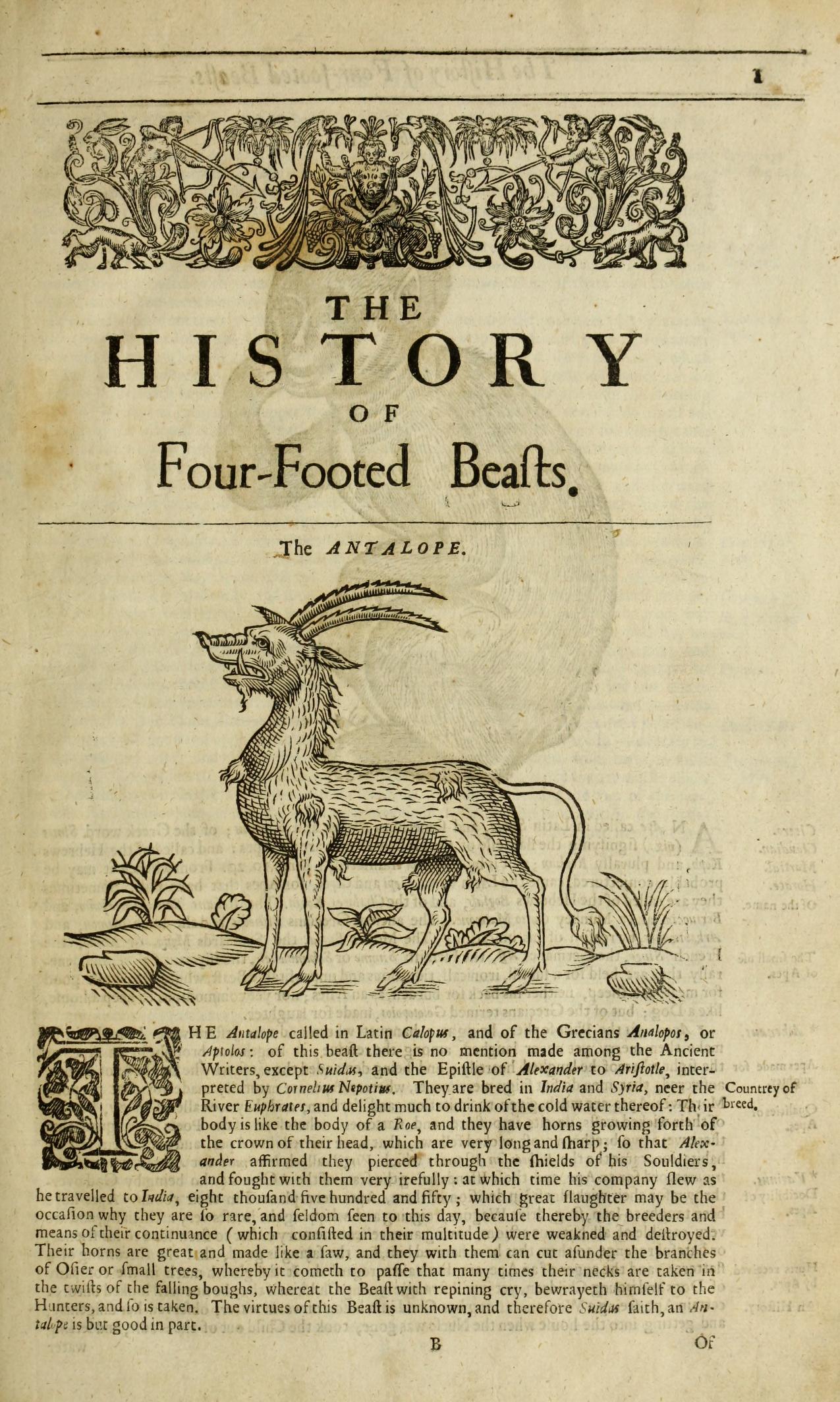
Published in 1658, more than thirty years after his death, this book brings together Edward Topsell’s The History of Four-footed Beasts (1607) and The History of Serpents (1608). Totalling more than 1000 pages, this epic treatise on zoology explores ancient and fantastic legends about existing animals, as well as those at the more mythic end of the spectrum, including the “Hydra” (with two claws, a curled serpent’s tail, and seven small mammalian heads), the “Lamia” (with a cat-like body and woman’s face and hair), and the “Mantichora” (with lion’s body and mane, a man’s face and hair, and a grotesquely smiling mouth). Topsell was not a naturalist himself (he in fact was a clergyman) and so relied heavily on the authority of others, in particular Konrad Gesner, the Swiss scholar who was also behind many of the brilliant illustrations which adorn the volume, and Thomas Moffett. On his utilising others for his work Topsell writes “I would not have the Reader,… imagine I have … related all that is ever said of these Beasts, but only so much as is said by many”. This approach leads him to repeat some wonderfully fantastic claims: elephants are said to worship the sun and the moon with their own rituals, apes are terrified of snails, and “…the horn of the unicorn … doth wonderfully help against poyson”. Although it is abound with such fanciful ideas, Topsell’s work, as John Lienhard explains “was actually an early glimmer of modern science. For all its imperfection, it represents a vast collection of would-be observational data, and it even includes a rudimentary rule for sifting truth from supposition.”
This is a grand look at early ideas of the natural world, and all the people busy trying to figure it all out. The artwork is marvelous, and retains much of that early Medieval illuminated flavour. Creatures real, and not real inhabit the pages, along with many grand, if terrifying remedies such beasties can provide for many an ill.
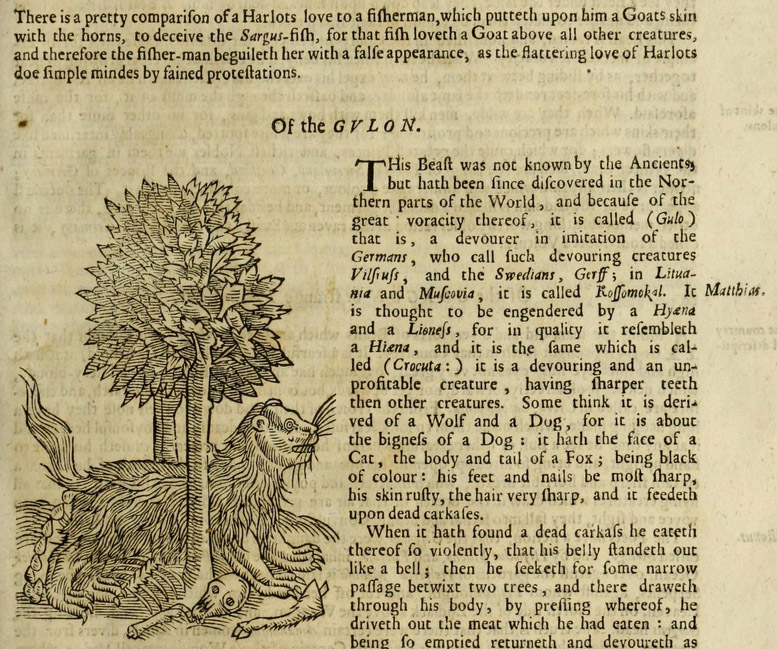
Gulon.

Some remedies utilising goat bits, particularly their dung.

A beautiful badger.

Cures which can be effected by use of badger bits.

Squirrels are depicted as dangerous and bloodthirsty. Appropriately, as Iris would say.
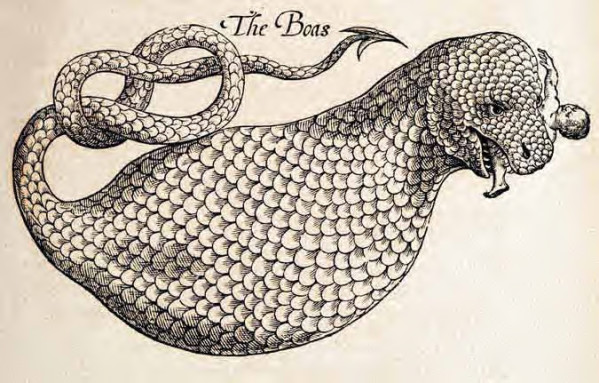
The book includes serpents and insects.
The whole book is available here, and select images here.
Via The Public Domain.

Cigue (Hemlock). J.J. Grandville, Les fleurs animées.
From rq, click for full size!



© rq, all rights reserved.
Peach(y)! From rq, click for full size.


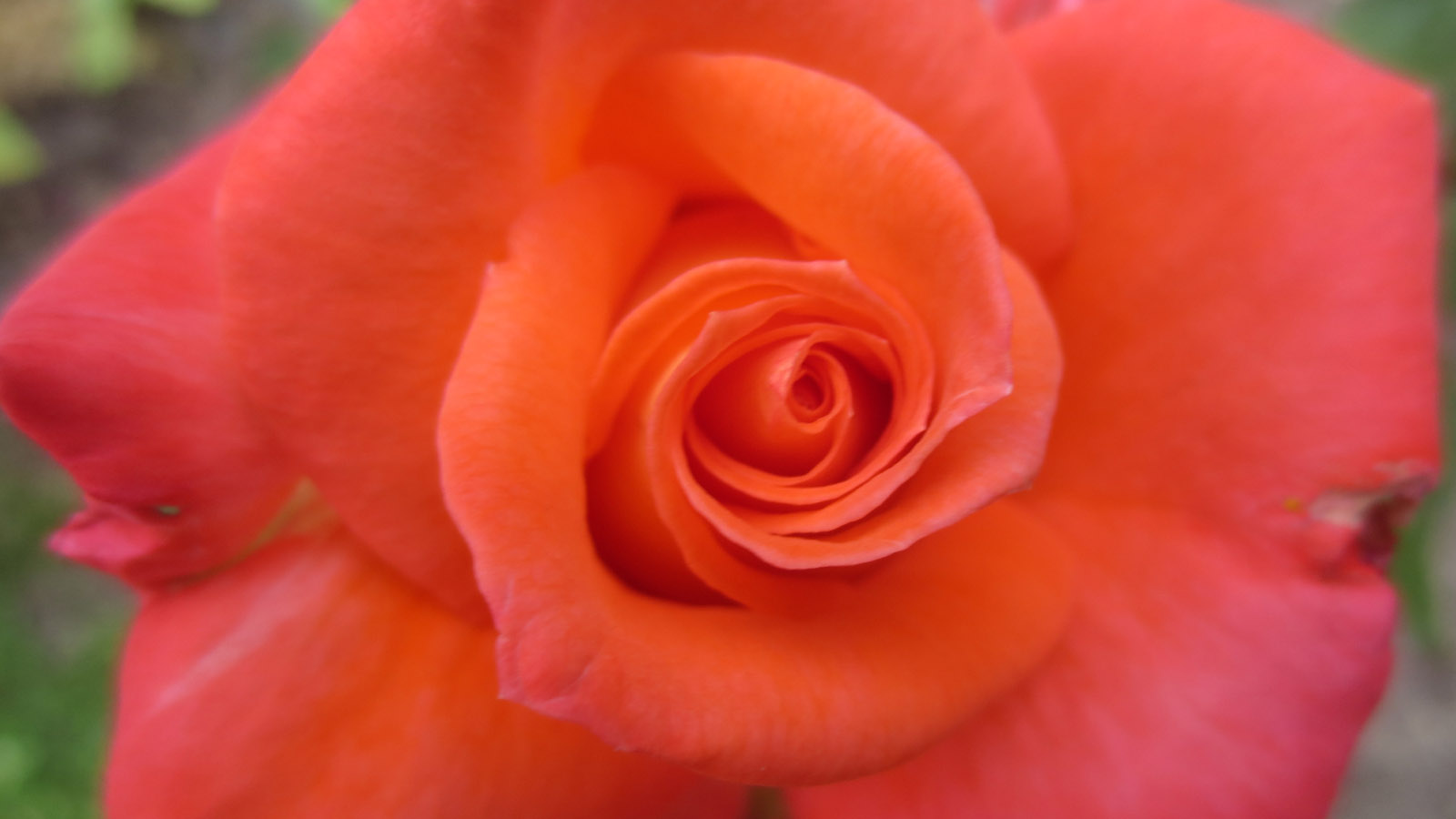

© rq, all rights reserved.