Harakka Island – Chapter 3

It’s time for the next chapter of Ice Swimmer’s series, Harraka – An island. Thanks again, Ice Swimmer. I’ll let you take it from here


Chapter 3 – Former FDF Building


1. Main Door, Former FDF Building, ©Ice Swimmer, all rights reserved

The building is from 1928 and it used to belong to Finnish Defence Forces and nowadays it is used by artists who can hire studio space for five years at a time there. This is the main entrance.


2. The building and the Birch, © all rights reserved

There is a big birch next to the building.
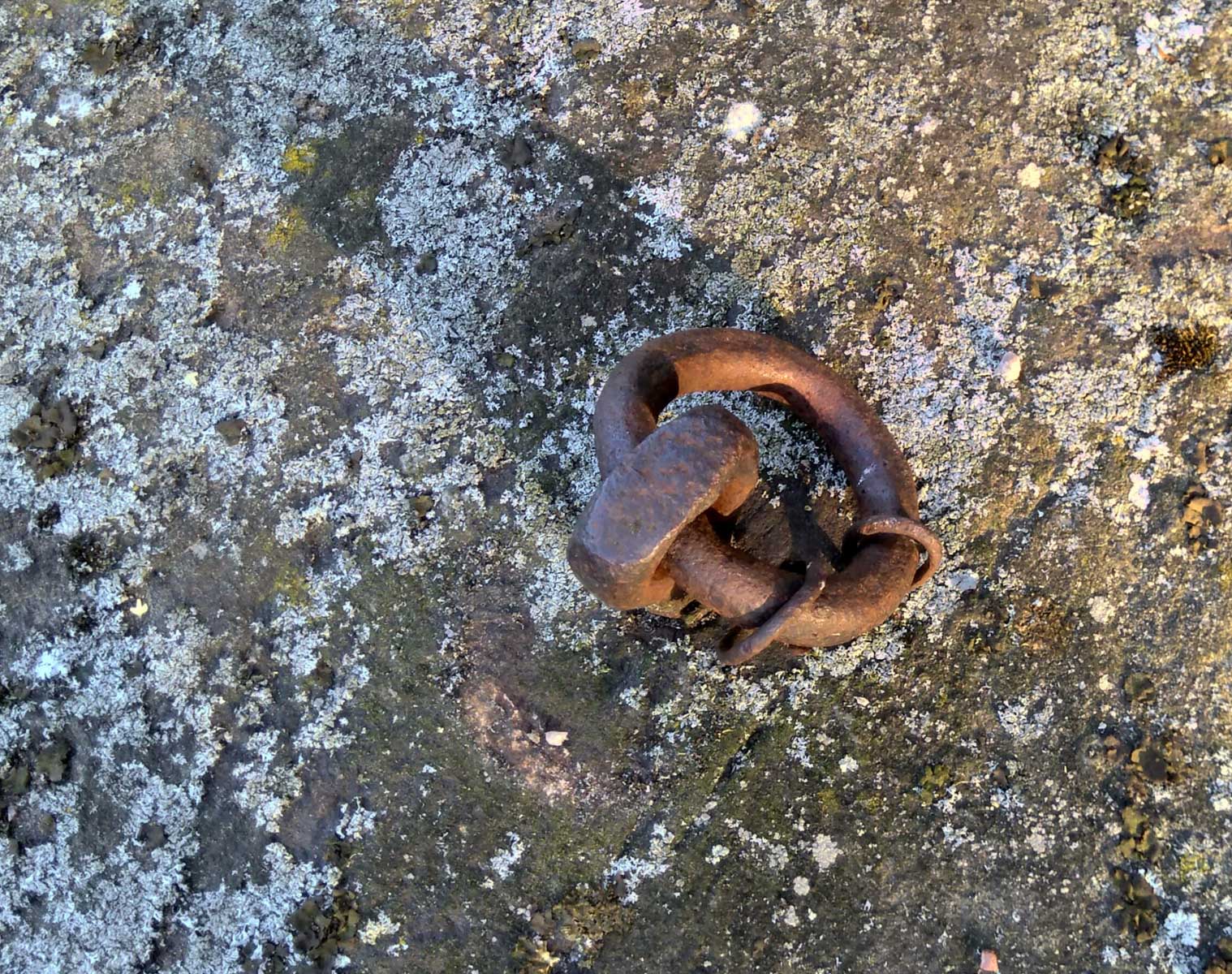
 

3. Rusty Ring, ©Ice Swimmer, all rights reserved

A ring fixed into bedrock next to the building. As for the picture, Caine was definitely an influence for me in this kind of photography.


4. Corner, ©Ice Swimmer, all rights reserved

We’re going around the building. This is the northwestern back corner.


5. Backyard and Fireweed, ©Ice Swimmer all rights reserved

There was a lot of fireweed in bloom on the island. Now we’re in the backyard of the Artists’ Building, looking at earthworks built when Harakka was partially fortified.


6. Tractor, ©Ice Swimmer, all rights reserved

The little tractor is probably used for hauling various things.

7. Chemistry Equipment, ©Ice Swimmer, all rights re

The building was used by the FDF as a chemical laboratory. For that reason, while there were plenty of wild raspberries, strawberries and other berries growing on the island, tasting them didn’t feel too attractive. The building is actually the third site for the FDF Chemical Laboratory. At first, the laboratory was in downtown Helsinki, in the same building that housed the University of Helsinki Chemistry Department and after that in one of the garrisons in Helsinki before it was moved to the island.
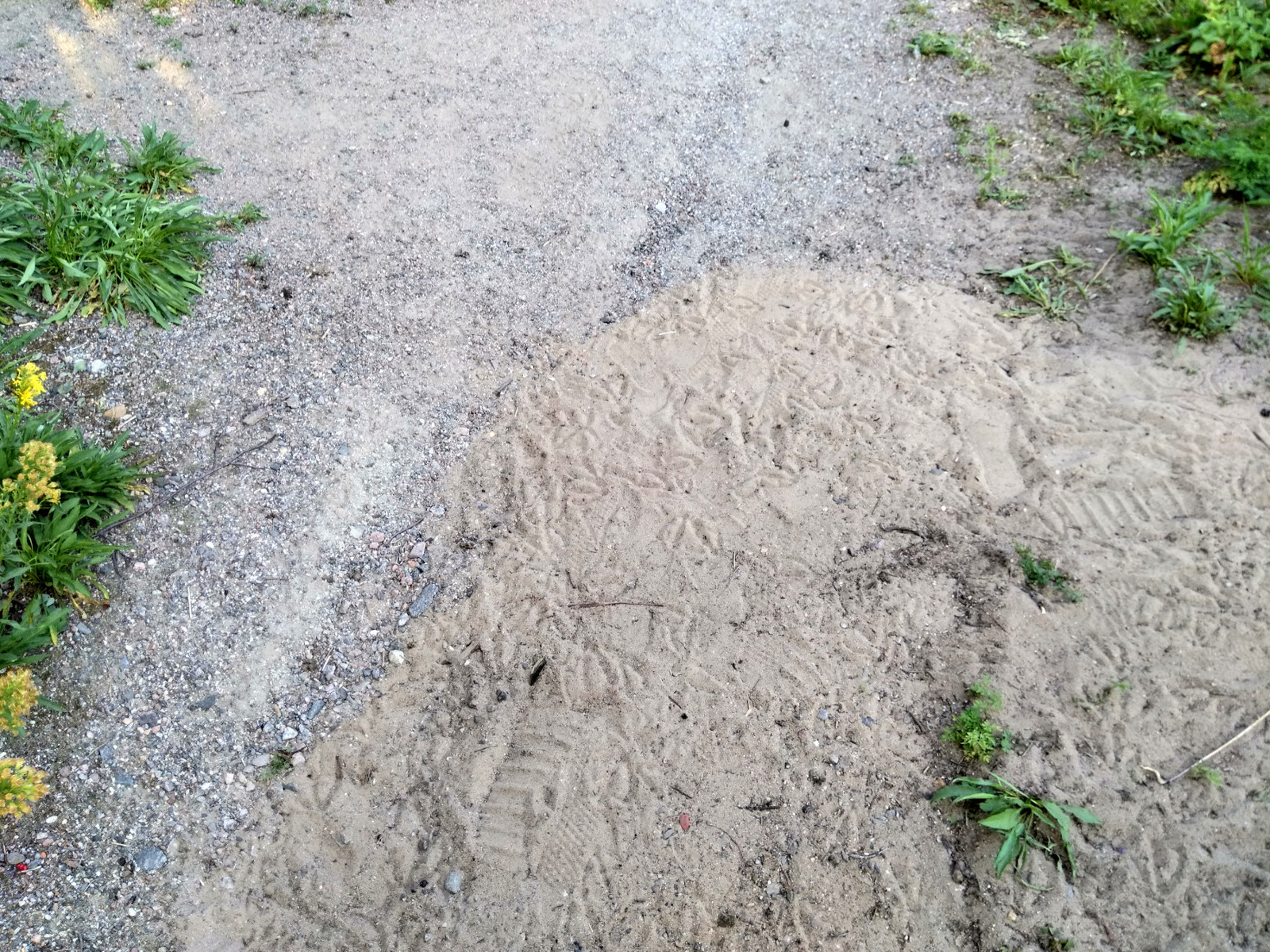
 

8. Whose Island part II, ©Ice Swimmer, all rights reserved

The ratio of shoes / webbed feet is fairly small.


9. Birch stump, ©Ice Swimmer, all rights reserved

At the southwestern corner of the building, there used to be a birch.

Now we have seen the building used by military chemists and subsequently artists and some of its surroundings. Next, we’ll go a back, a bit south in the backyard of the building.

(link to previous post, Harakka an Island: Chapter 2)


Jack’s Walk

Terracotta Park, Pointe Claire, Quebec ©voyager, all rights reserved

This photo was taken in a place called Terracotta Natural Park and it’s right in the heart of Pointe Claire. It’s a huge park (almost 100 acres) with lots of connecting and well maintained trails. It’s one of Jack’s favorite places to go, but unlike our woods at home I won’t allow my boy off-leash here because of the threat of coyotes. We’ve never seen one ourselves, but there are signs posted at every entrance to the park advising extreme caution and noting that they’ve been spotted in the area. My husband grew up near the park and we’ve been taking our dogs to it for about 15 years and this is the first time we’ve seen such warnings. That probably means there’s an established population of coyotes. And why not? The park is exactly like their natural environment and it’s filled with their natural prey plus it has the added bonus of human leavings. As their environments shrink or die all animals, including large predators, will move ever closer to populated areas just trying to eke out a life and avoid extinction. I think they have as much right to the land as we do. Maybe more. At least they’re not destroying the planet.

Jack’s Walk

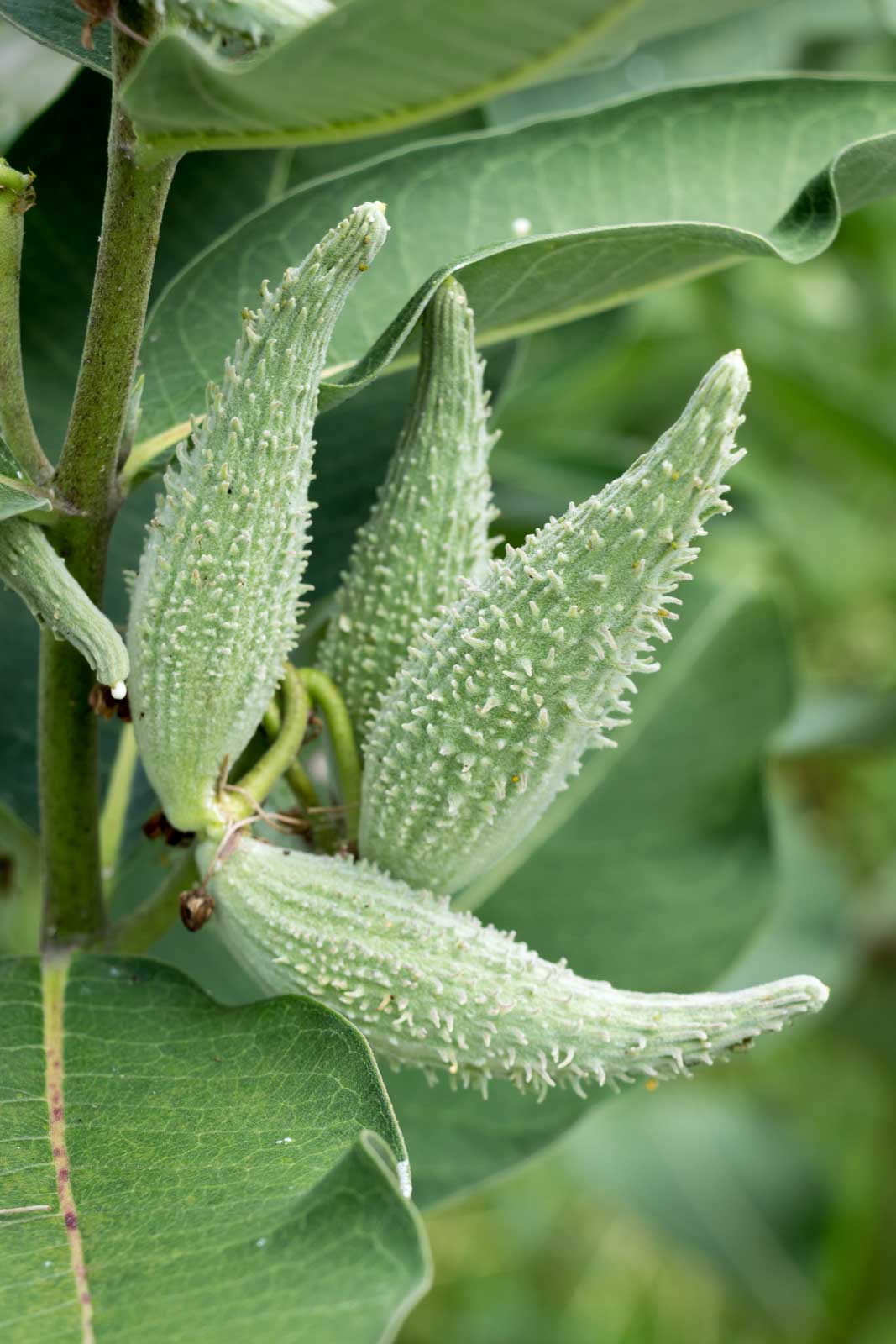
Milkweed, ©voyager, all rights reserved

Jack and I are having a better day today. It’s still humid, but the temp plummeted overnight and today it’s a reasonable 22 º.  We actually went for a real walk around the neighbourhood this morning and just down the street we found a front garden full of milkweed. When I was young I used to love pulling the pods apart and playing with the silk and it was awfully tempting to pluck one today. Instead, I took this photo, but the desire is strong and I cannot guarantee that I won’t pick one later.

Jack’s Walk

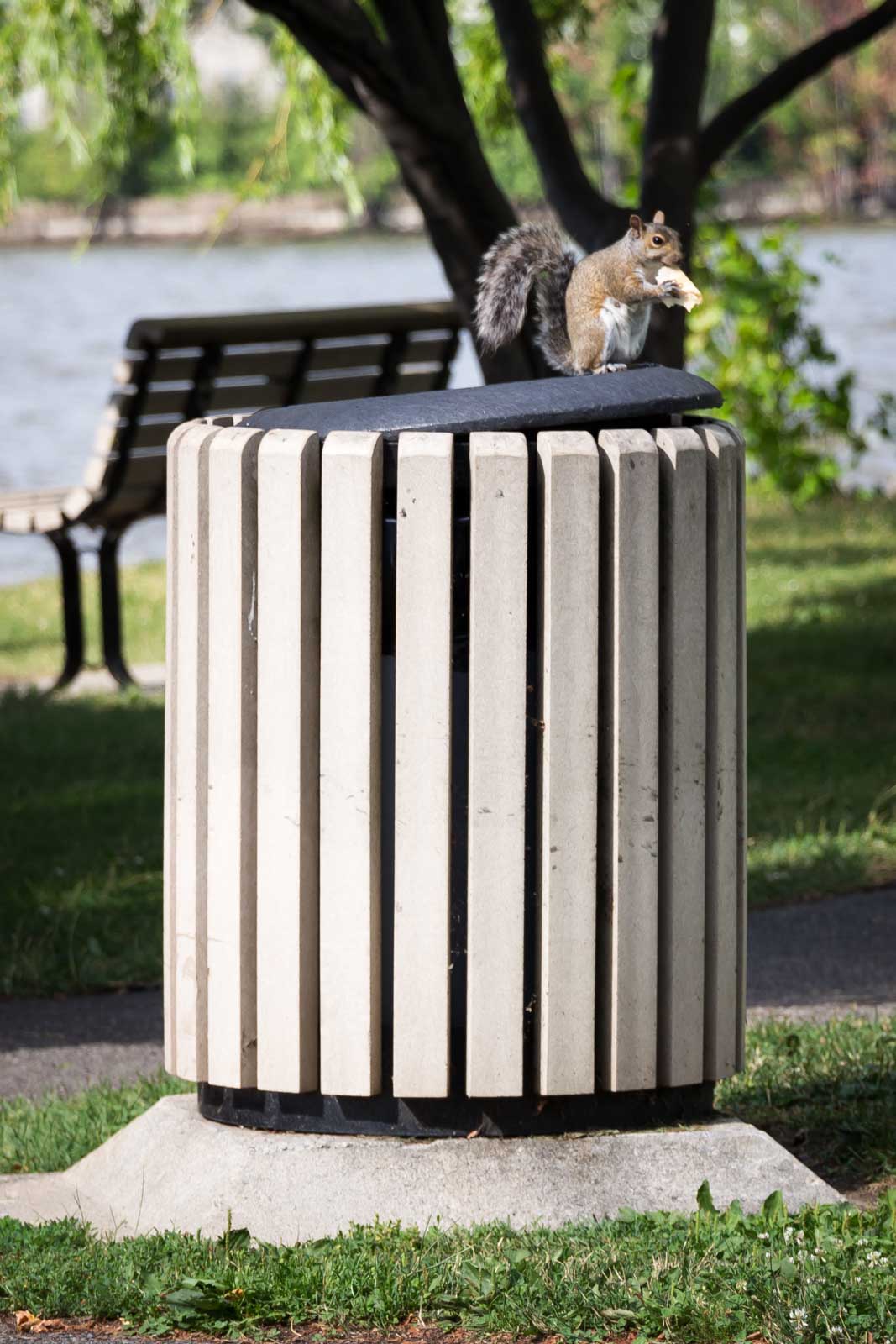
Scrappy squirrel©voyager, all rights reserved

Well, it’s a scorcher of a day here. 31 degrees with a humidex of 40 degrees. Ordinarily I could laugh it off, but we’re staying with my mother-in-law who doesn’t have air-conditioning and it’s just not as funny when there’s no relief. Poor Jack is suffering the most. Thankfully, he’s still in his light summer coat, but he’s disinterested in everything except sitting in front of the fan. That’s pretty much my attitude to life, too. My fibromyalgia flares up in high humidity and it feels like I’m walking through a dishwasher in double gravity boots. As a result, our walk today was strictly business related and once Jack’s business was done we trudged back home to sit in front of our fan.

Harraka Island – Chapter 2

Today we’re back with Ice Swimmer for the next chapter in his series Harakka, an Island. Thanks, Ice Swimmer. I’ll let you take it from here…


Chapter 2 – Uphill


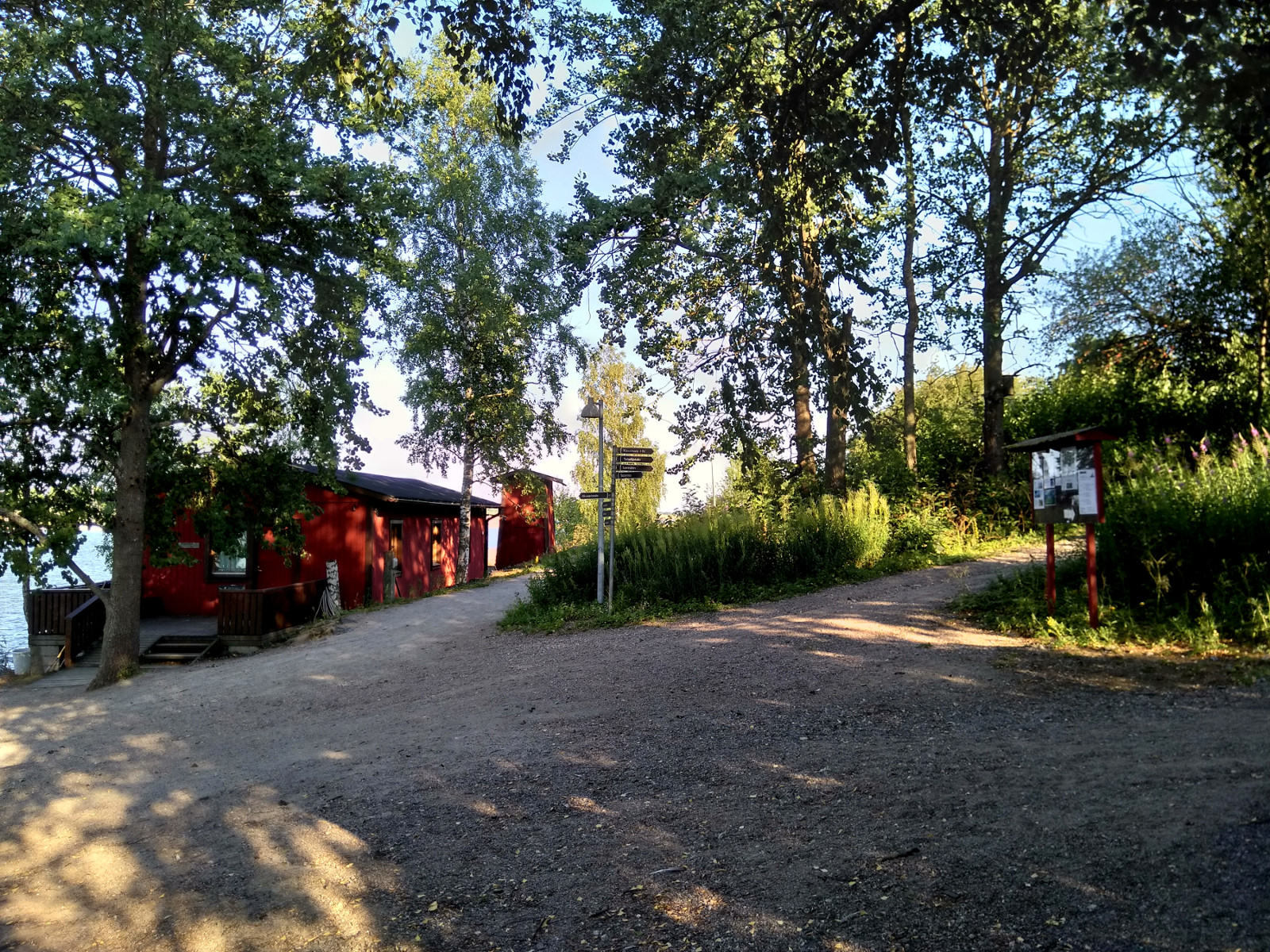
1. Crossroads, ©Ice Swimmer, all rights reserved

In picture 1 we’re looking south. The low wooden building is the brackish water aquarium building. We’re going to go uphill, to our right.


2. Geese Uphill, ©Ice Swimmer, all rights reserved

A barnacle goose family is blocking our way. They’ve got little ones so the parents may get aggressive.


3. Geese Uphill in More Detail, ©Ice Swimmer, all rights reserved

A closer look at the geese.


4. Uphill, © all rights reserved

After a bit of an undocumented detour, the goose family is elsewhere so we can try going up the hill. It seems there’s a dead tree at the end of the road.


5. Dead Tree and a Windmill, ©Ice Swimmer, all rights reserved

Indeed, a dead tree, a lamp post and a windmill/wind turbine. And there are a few gulls.


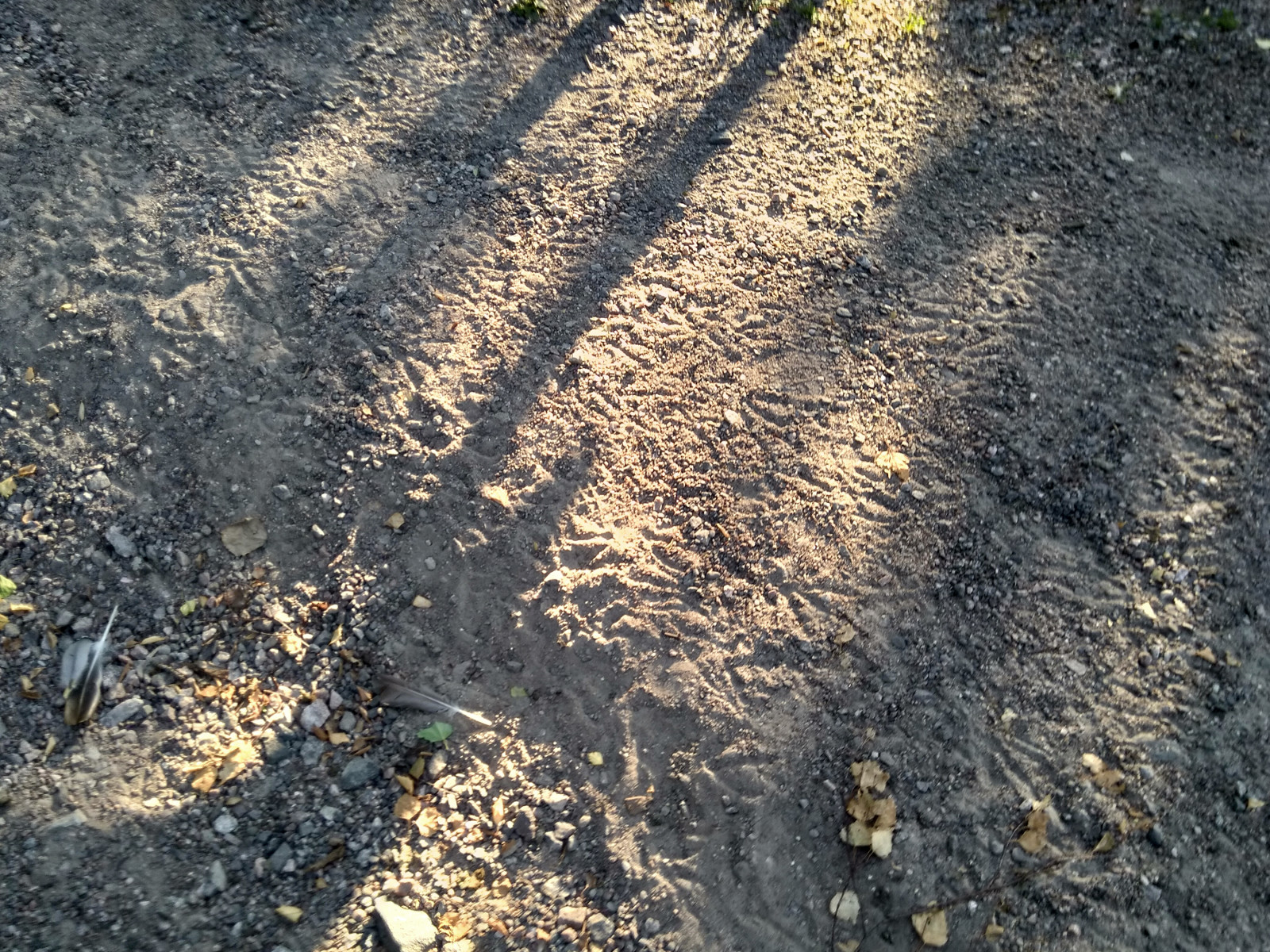
6. Footprints, ©Ice Swimmer, all rights reserved

Going up the hill and looking at the gravel, one begins to wonder: “To whom does this island belong?”


7. Building, ©Ice Swimmer, all rights reserved

The gulls are observing their surroundings and we can see a vaguely neoclassical building.

(link to previous post, Harakka an Island: Introduction)

Itsy Bitsy, Lean and Mean

This is the last in this Itsy Bitsy Spider week, that has gone on for almost two weeks. That does not mean however that spider contributions are not welcome anymore. Should you come across some pretty specimen, definitively take a picture to share.

Today’s picture is from rq: Just a lean, mean, bug-eating machine hanging out.

Picture is bellow the fold.

[Read more…]

Jack’s Walk

St. Lawrence River, Pointe Claire, Quebec, ©voyager, all rights reserved

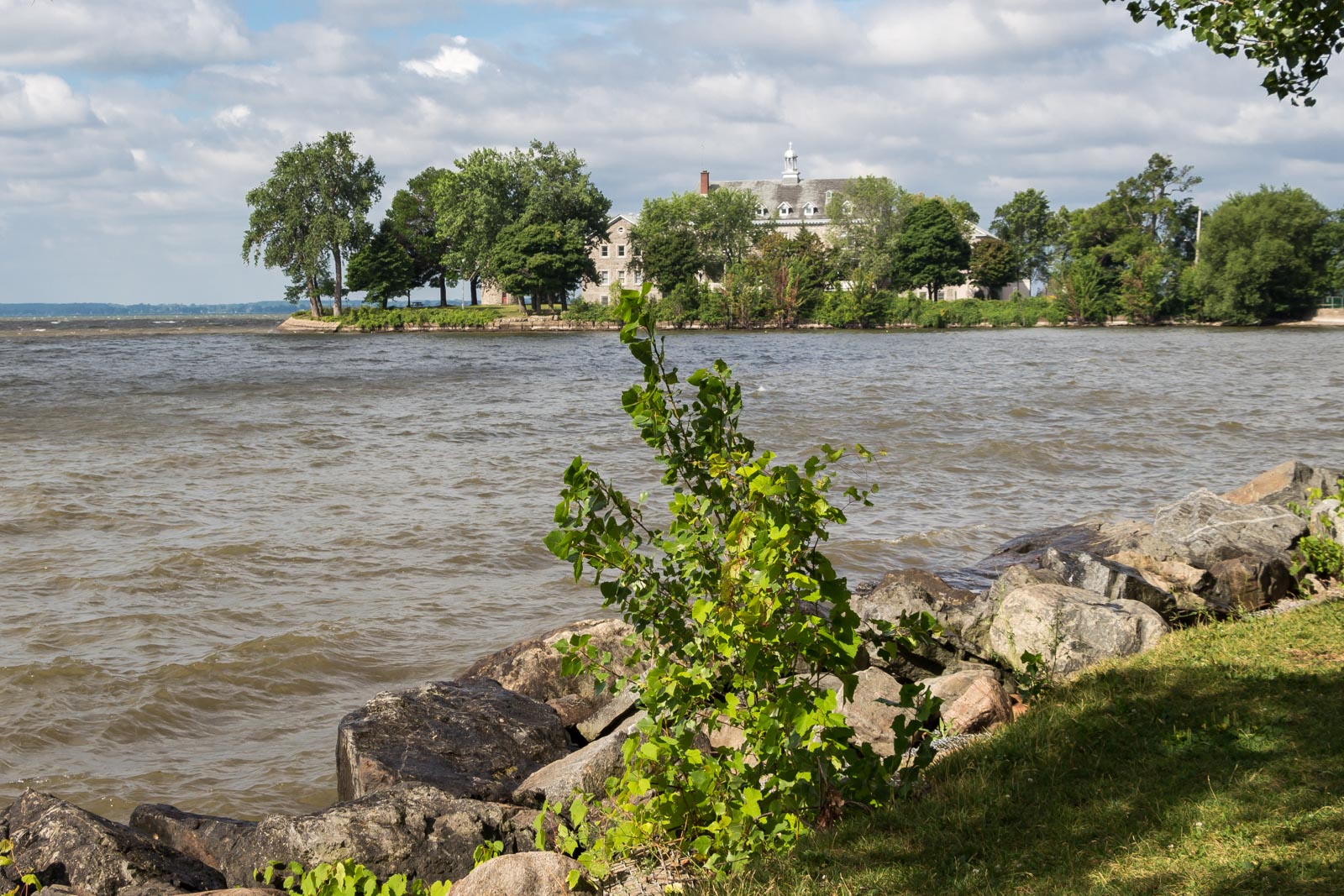
Jack and I have arrived safely in Pointe Claire and we’ll be staying here for a week or two before heading home. The weather here is really humid and hot so we decided to head out early and what better place to go for a walk than beside the scenic St. Lawrence River. The road that runs beside the river is called Lakeshore Drive and it’s a very exclusive address. The homes along it are all large, beautiful and most definitely out of my price range. That’s alright. Looking is free and dreaming is fun and at the end of the day I’ll still be content with my own little house.

Tree Tuesday

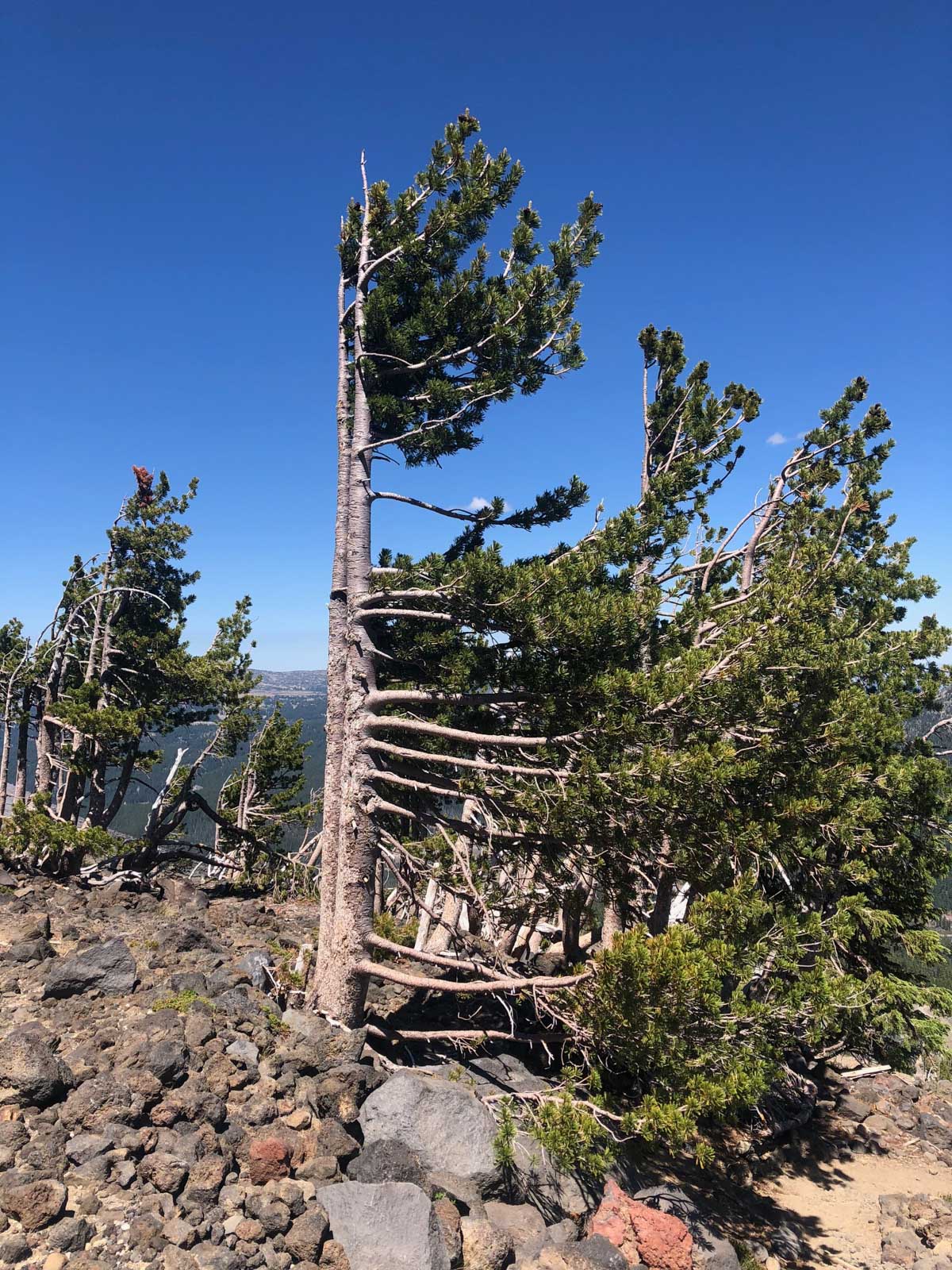
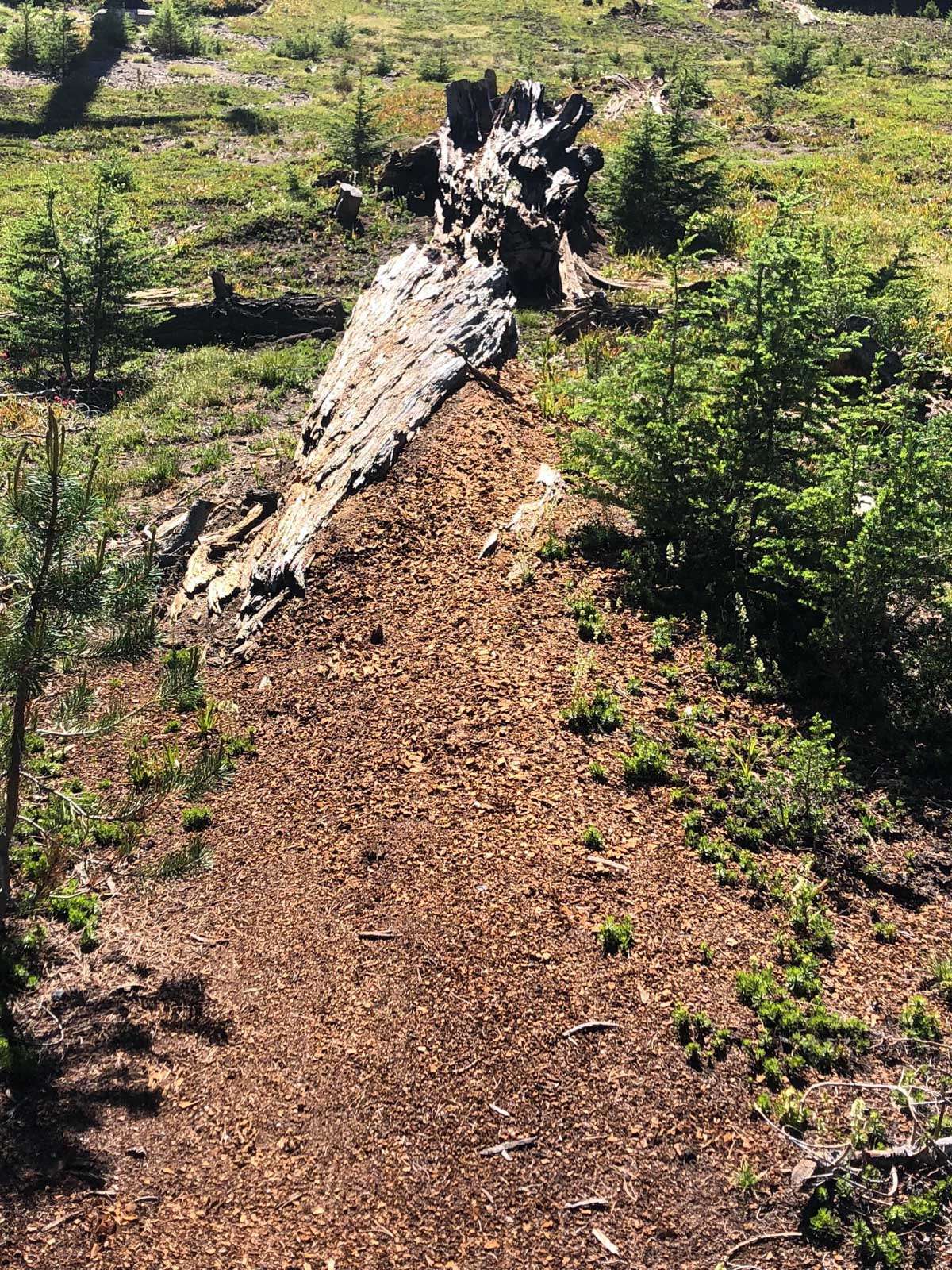
This week Tree Tuesday comes to us courtesy of Opus who took these photos on Mt. Batchelor near Bend, Oregon. The first shot shows just how windswept the location is with a tree that could only manage to grow in a single direction. The next two photos further demonstrate the harshness of the landscape in images of rock, scrub and the carcasses of long dead trees.  I find the set quite poignant, especially the last shot showing how the remains of a once proud giant breaks down to feed a whole new generation of trees. Thanks for sharing, Opus.

Mt. Batchelor, near Bend, Orgeon, ©Opus, all rights reserved

©Opus, all rights reserved

©Opus, all rights reserved


Pollination Party – Ants and Flies

I truly am envious of Nightjar’s flowerbed.

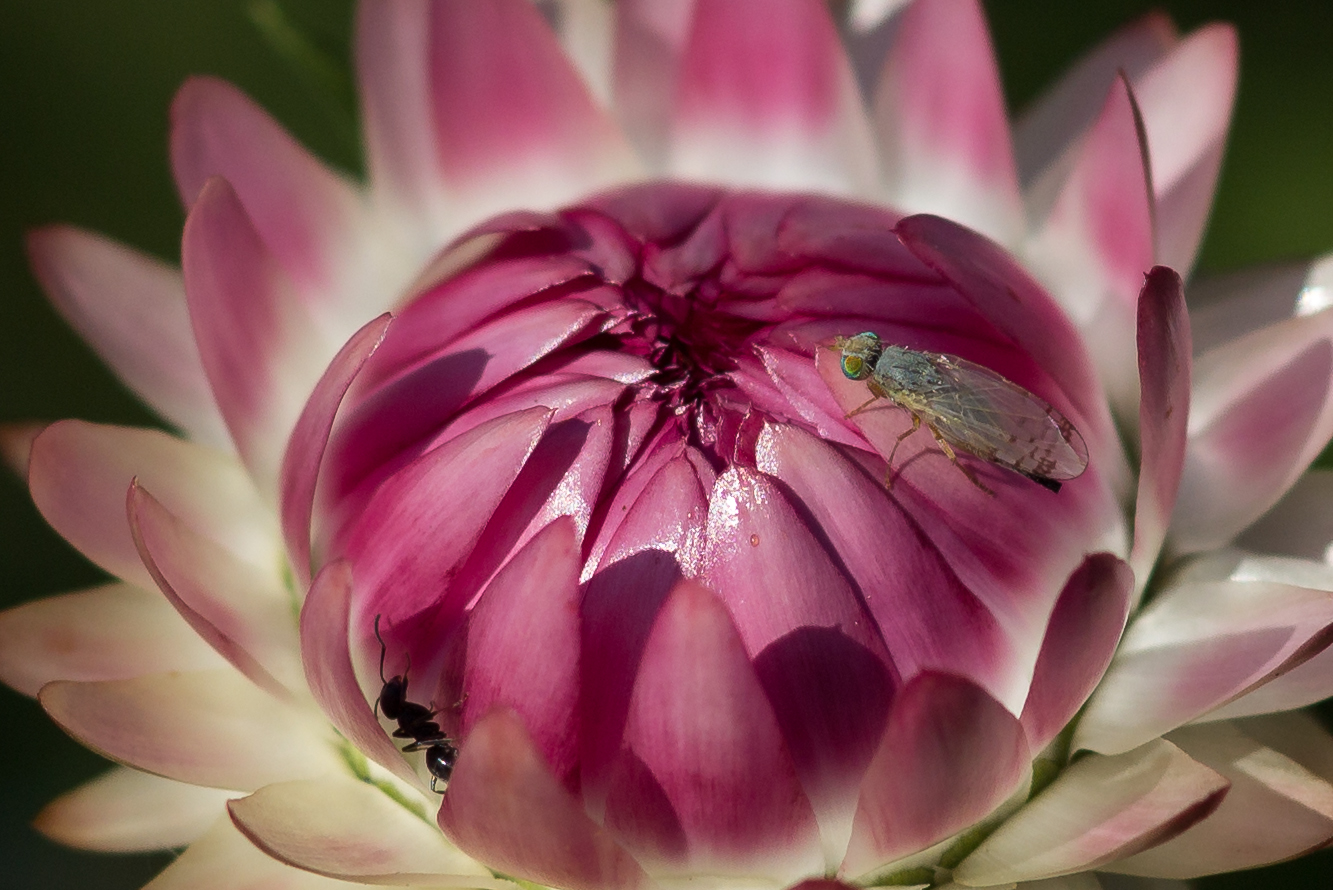
Nightjar notes: Ants are not very good pollinators, but they definitely show up for the nectar buffet, as do flies. One curiosity I was told about the Stomorhina lunata is that the larvae feed on, very specifically, locust eggs!

©Nightjar, all rights reserved. Click for full size.

Acanthiophilus helianthi and an ant.

An ant. On a flower. In a picture.

Eristalis tenax a bee mimicking hover fly.

Stomorhina lunata


Harakka Island, Finland

We’re starting a new series today on Affinity, courtesy of Ice Swimmer whose photos are always a delight to receive and to share. This time Ice Swimmer is taking us along on an adventure, one delightful chapter at a time and in the spirit of telling a good adventure story we’ll be posting a chapter every few days. I’ll let Ice Swimmer take it from here.


HARAKKA – An Island

Foreward

This photo series is dedicated to the memory of Caine. The pictures had been taken while she was still alive, but I didn’t get around to making a writeup, so I never sent these to her and then it was too late.


Chapter 1 – Introduction

Harakka from Kaiva, ©Ice Swimmer, all rights reserved

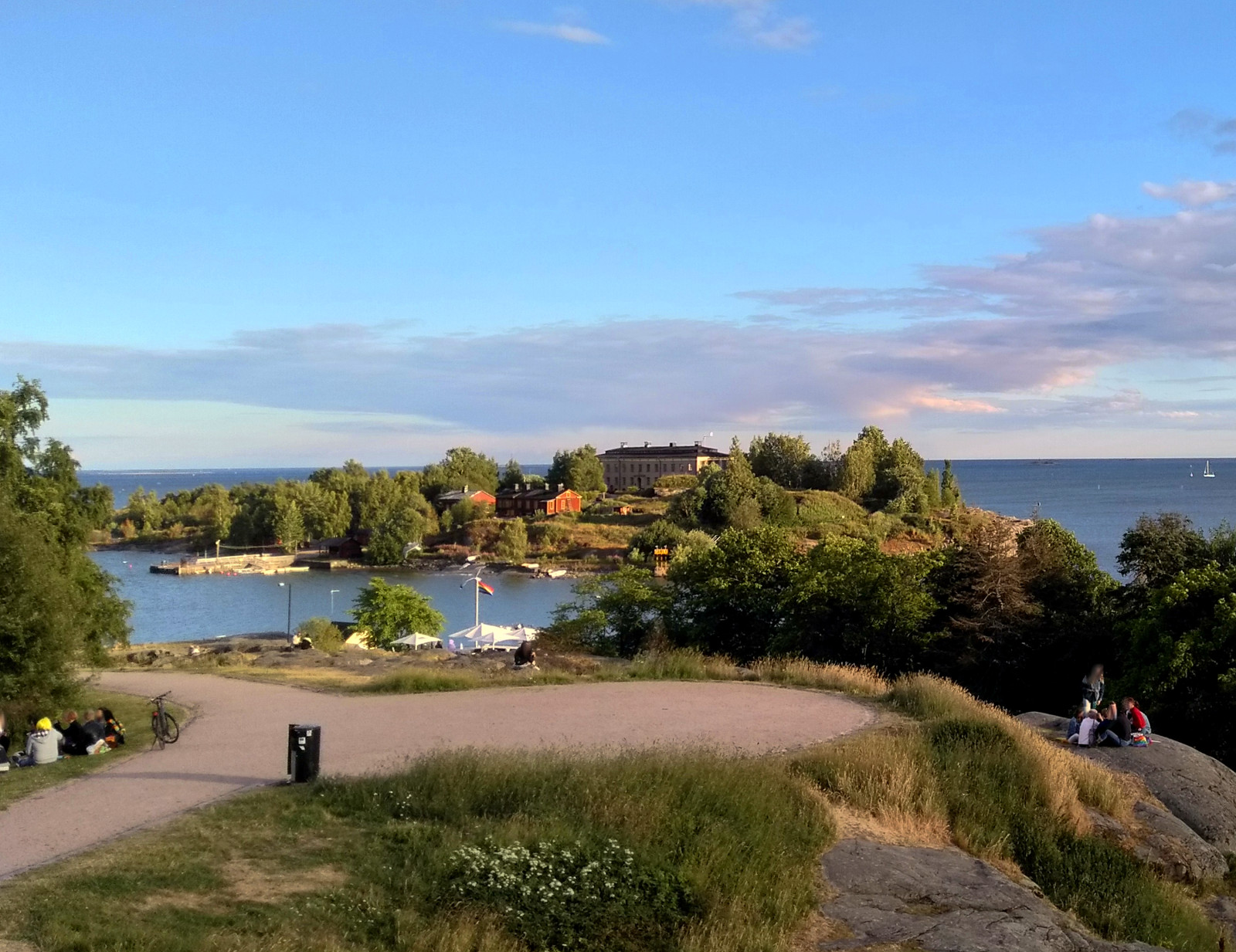
Harakka is an island in Helsinki, Finland. It is located in front of the southern end of the Helsinki peninsula. The island is accessible by boat from Kaivopuisto. The introductory picture is taken from the hill Ullanlinnanmäki, the highest point of the park Kaivopuisto. The island has been home for a lighthouse in the 18th century and during 19th and 20th century in military use, until 1989. The buildings in the island were built for the Russian garrison before the independence and for Finnish forces after that.

Now the island is a nature preserve and there is a Nature Centre to educate children at daycare and in schools about the environmental issues, renewable energy, natural history and conservation coastal and archipelago flora and fauna and also further develop said education. A community of artists also uses one of the buildings in Harakka as studio, exhibition and meeting space.

The Finnish name Harakka means magpie. Supposedly something on the island has looked like a magpie. The Swedish name, which is older than the Finnish name is Stora Räntan. In modern Standard Swedish the name would mean “The Large Interest Rate”, but it was probably something else in the local dialect.

[Read more…]