Doctor Dick. London, Ernest Nister, New York, E.P. Dutton & Co., 1890
This is a short children’s storybook, but the artwork is charming. I’ve included the 4 full-page illustrations below the fold. [Read more…]

Doctor Dick. London, Ernest Nister, New York, E.P. Dutton & Co., 1890
This is a short children’s storybook, but the artwork is charming. I’ve included the 4 full-page illustrations below the fold. [Read more…]

Thomas Orlando Sheldon Jewitt. History of Valentine and Orson. London, T. Goode, 1846.
Not your average love story, but rather a fine fable about an infant raised by bears and his ultimate rescue and return.
via: The Internet Archive

Edward C. Butler. Our Little Mexican Cousin. Boston, L. C. Page & company, 1905.

Photo from Atlas Obscura by Frederic Ducarme
Today’s tree story is about another victim of the cult of Greed. Developers, building artificial islands for luxury resorts, are buying mature coconut trees from farmers, but their removal and relocation has many people worried.
Kaashidhoo is one of the largest of the 1,192 islands that make up the Maldives archipelago, but unlike many other islands, it does not teem with sunbathing Europeans. Its broad dirt roads are often deserted, flanked by pink Maldivian roses, mango-orange impatiens, and papaya and banana plants. The main occupation of the islanders is cultivating coconut and other tropical produce that can be sold in Malé, the Maldivian capital.
But lately, the local economy has been thrown out of balance. Crater-like holes have begun to appear across the island, some filled with dry leaves and others left as barren pits. These bald patches are the places where mature coconut trees used to stand tall. In the last year, Kaashidhoo farmers have sold hundreds of trees to new luxury resorts on nearby artificial islands.While some locals are grateful for the newfound income—$20 to $100 for each tree—others worry that beach erosion has intensified since the trees started getting uprooted. They see this as a fragile ecosystem threatened by the proliferation of luxury resorts. “It’s a huge issue,” says Ibrahim Naeem, Director General of the Maldives Environmental Protection Agency. “Importing coconut palm trees is prohibited in the Maldives, so they have to rely on residential islands.”
As time has gone on, environmental changes have set in.
Yet as the year went by, and more coconut trees disappeared, Jameel says that many locals grew concerned. Coral islands like Kaashidhoo are highly dynamic, constantly adjusting and dancing to the idiosyncrasies of wind, tides, and relentless waves. “Everyone has observed far more erosion around the beaches. That’s what we end up talking about most of the time,” Jameel says. In response, she joined a non-governmental organization called Young Leaders, to spread awareness about environmental issues on the island.
Also, once these areas are developed, locals are encouraged to stay away, and many of the benefits that they were promised from development have never materialized. Environmental groups are now co-ordinating campaigns to strengthen and enforce the laws, and they’re using the #mvtreegrab. I usually forget to Twitter, but today I will, and I’ll add that hashtag. There are plenty of pretty pictures with the story, so go have a look… if you can stomach another bad news story.
story via: Atlas Obscura

Grace Louise Cook. Wellesley Stories. Boston, Mass. : E.H. Bacon & Co., 1904.
Our Monday flowers from Nightjar are bursting with brilliant raindrops.
Trees here have definitely started to bud. No, wait. I mean, bloom. They started to bloom. This is our plum tree. It’s a little too soon and I’m worried because there are still not that many bees around. We’ll see how it goes. Meanwhile, flowers with raindrops always give me some inspiration, even though macro photography in low light is always a challenge.

©Nightjar, all rights reserved

©Nightjar, all rights reserved

©Nightjar, all rights reserved

©Nightjar, all rights reserved

Norma Bright Carson. The Fairy Housekeepers. Illustrations by Hazeltine Fewsmith. Boston, Lothrop, Lee & Shepard co., 1917.
I fell in love with this book! There is only 1 coloured illustration in it, however, the plain drawings are charming and delightful and entirely typical of the Art Nouveau Period. I’ve included all of the full-page illustrations, plus a few others, but if you get a chance I encourage you to check out the entire book. (The address is at the end) There are small illustrations on most pages and the story is a sweet look at how the fairies work as the seasons progress.
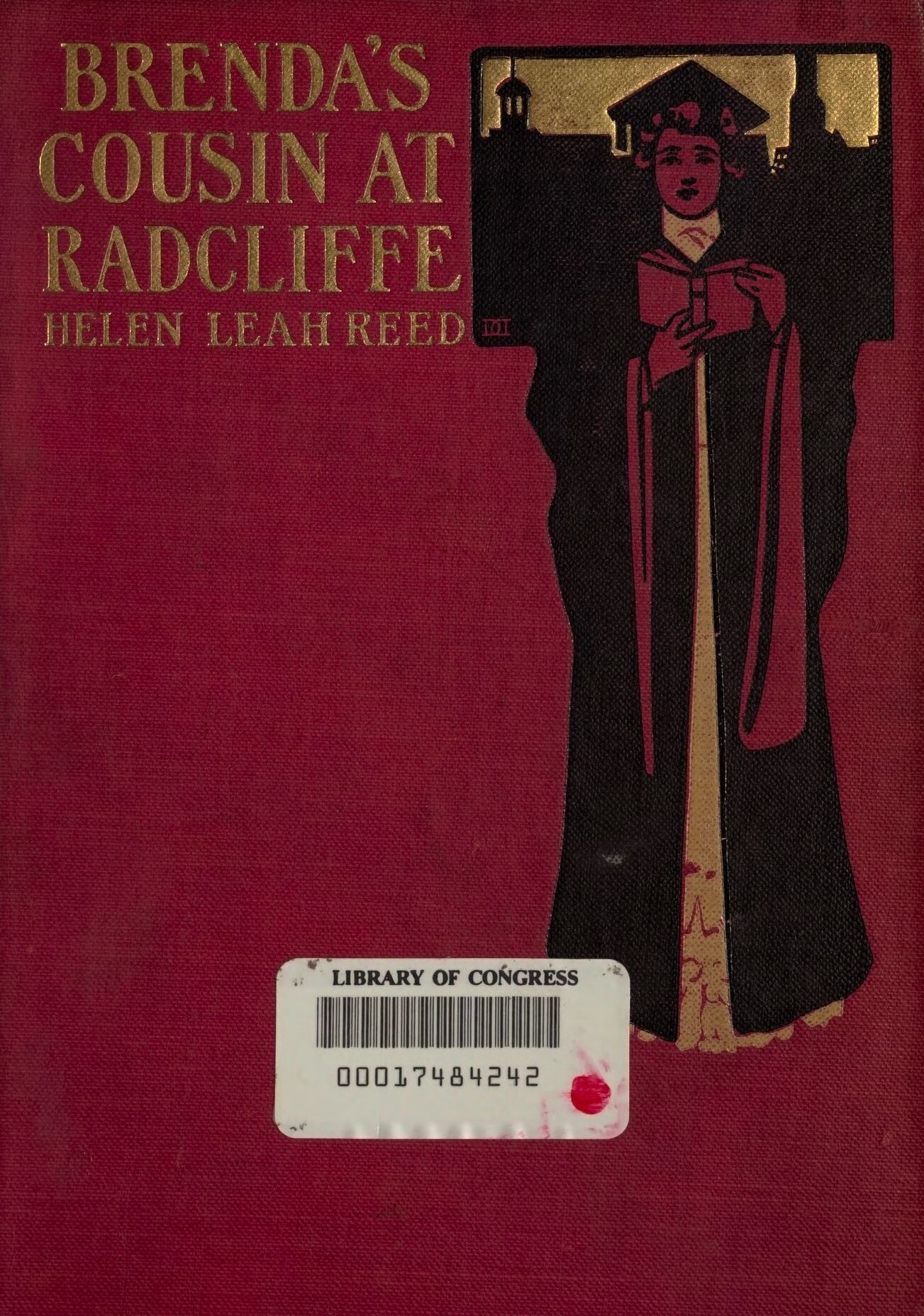
Helen Leah Reed. Brenda’s Cousin at Radcliffe. Boston, Little, Brown, and company, 1907.
Lofty is back out on his bike and has sent us some photos of the early stages of recovery in fire-ravaged Australia,
Our bike club has returned to the fire ground as the roads are safe and the local bakeries need customers. Here are a few pictures of survival and recovery one month after the visit from the fire breathing dragon of climate change.

Merely a flesh wound, ©Lofty, all rights reserved

Oasis, ©Lofty, all rights reserved

Rain brings green, ©Lofty, all rights reserved

Tour down under, ©Lofty, all rights reserved
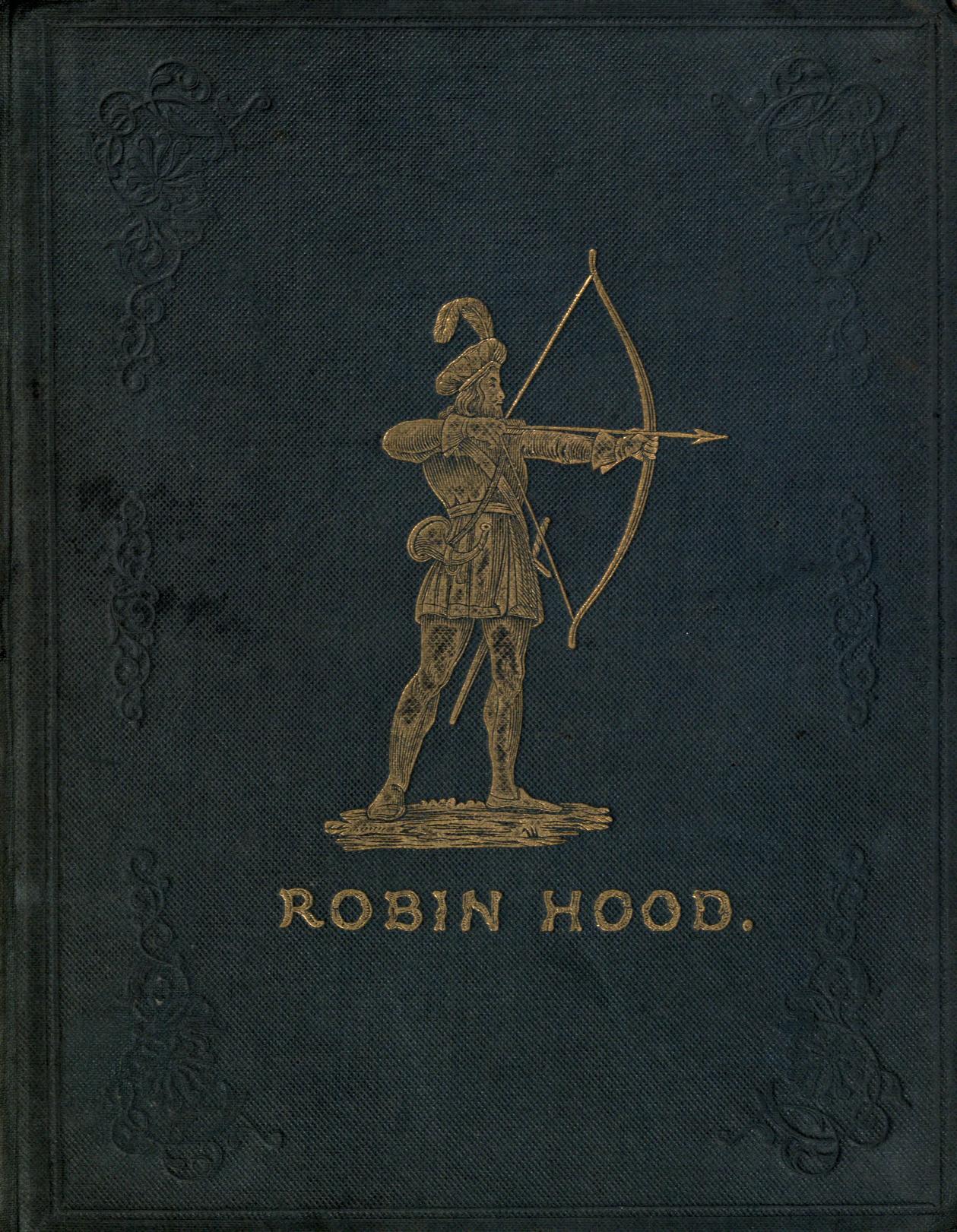
Stephen Percy. Robin Hood and his Merry Foresters. London : Tilt and Bogue, Fleet Street, 1841.
via: The Internet Archive