Lab Cats.

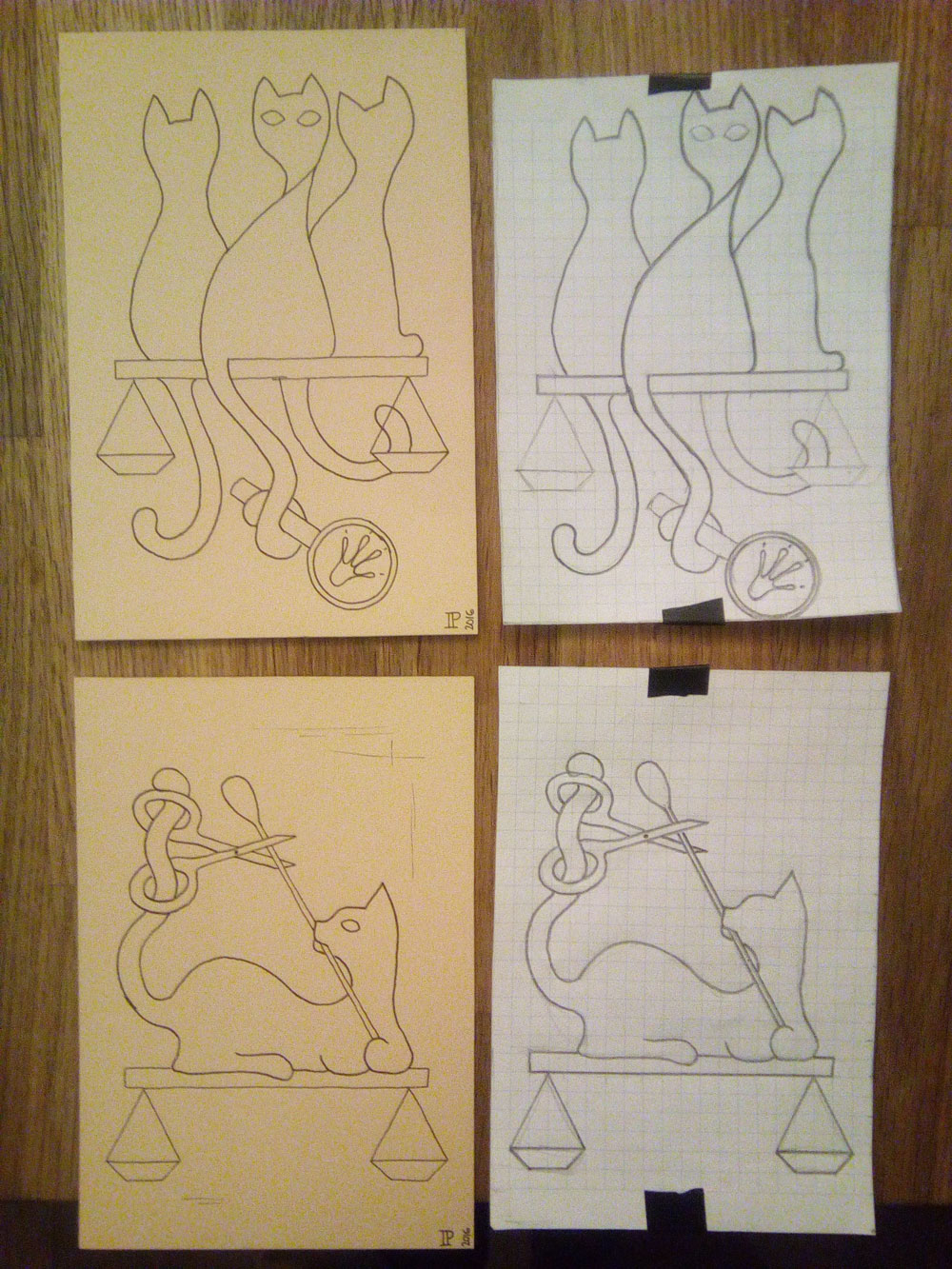
Some more of rq’s fabulous art work! In this particular case, lab cats:

The story behind this is three black cats who visit the lab on a regular basis – they’re not quite strays but they don’t seem to have an actual home, and they’re our unofficial mascots.)

Sketch, line-drawing, painting, finishing touches. Plus a detail shot of mah favrit kitty.

Click for full size. I would be over the moon to have such gifts. My fave is the center bottom, that’s just wicked.
1

2

3

4

5

© rq, all rights reserved.

Lui Ferreyra.

lui-2

lui-6

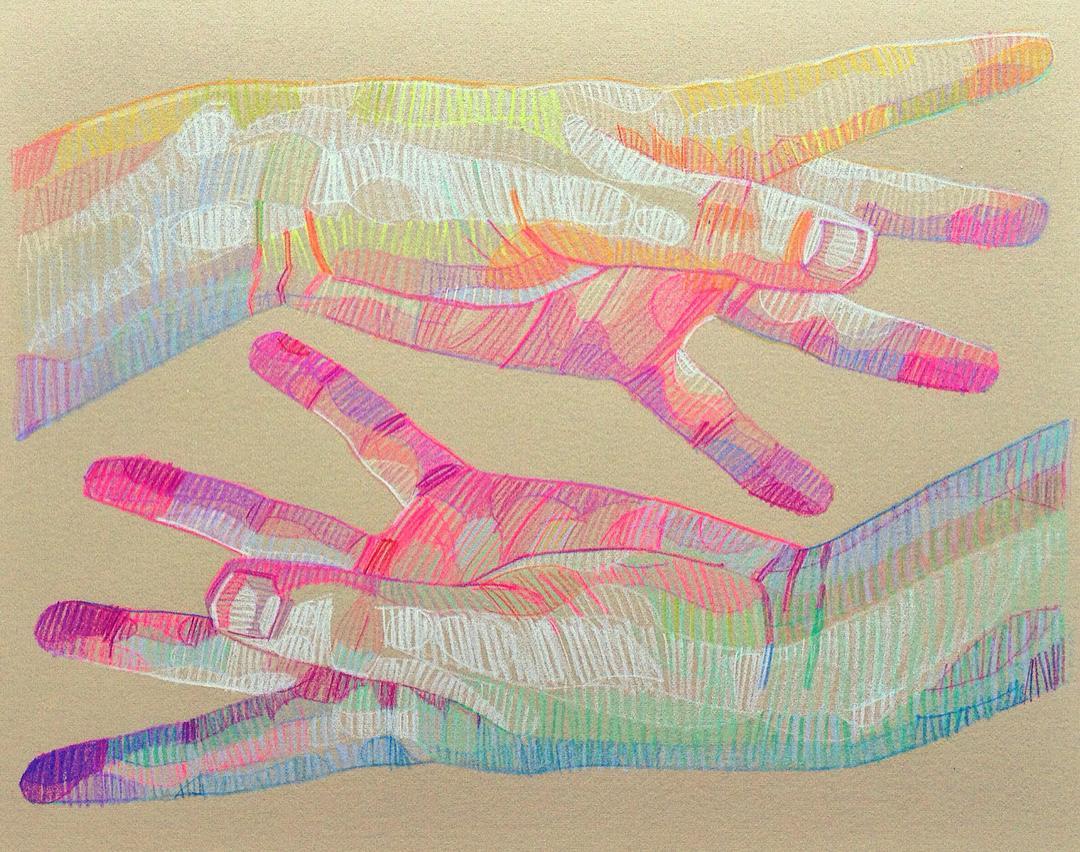
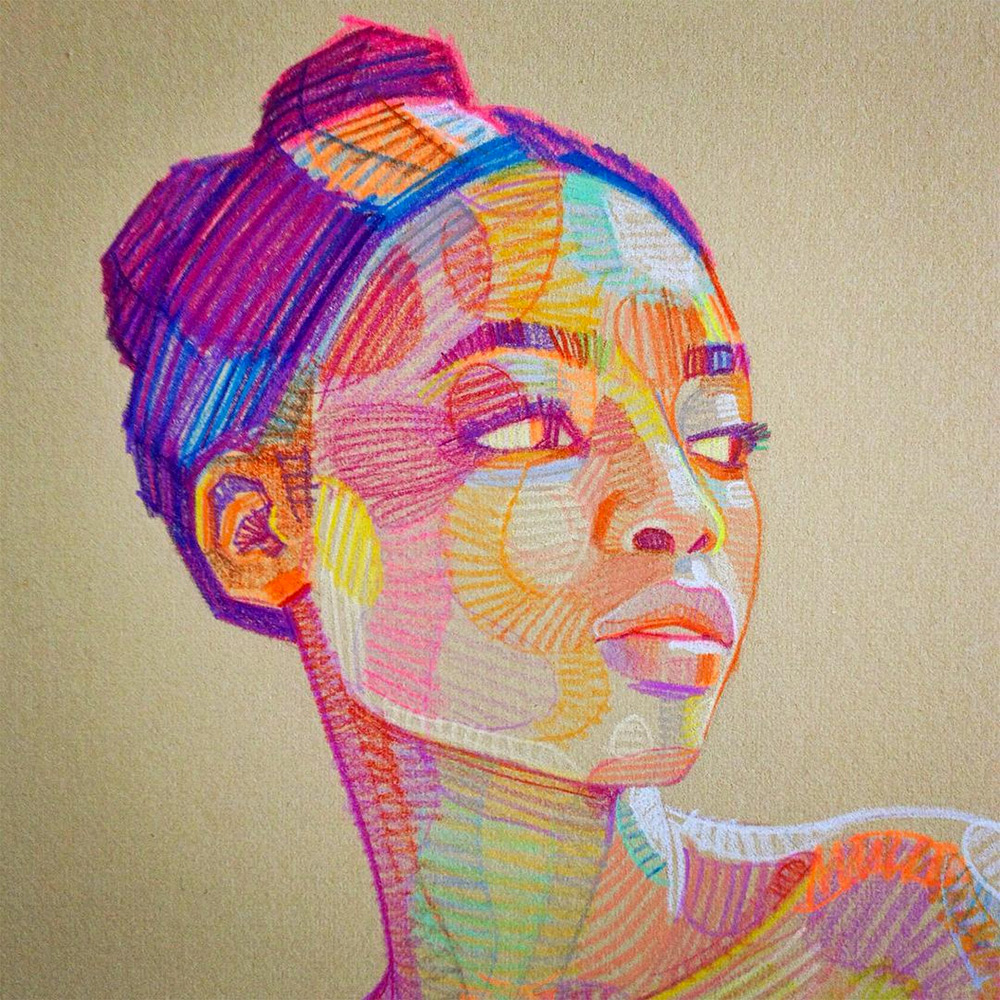
Artist Lui Ferreyra draws colorful portraits of hands and faces, works that use discrete shapes of color as highlights and shadows. These geometric fragments are blended by the viewer’s eye rather than the artist’s hand, producing color fields that Ferreyra intends to call attention to the connection between seeing and language.

“There’s a double move at play here,” explains Ferreyra’s website about his work. “The first move is substantiated by a geometric matrix which functions as surface: it embraces and emphasizes the aspect of flatness within a complex network of geometric shapes, each unique unto itself. The second move is fulfilled by the cumulative effect of all the shapes functioning together as a color-field in which each shape contextualizes every other shape, thereby providing all the necessary visual cueing to manifest a kind of window one can look through. Surface and window, at and through, like language which points both at the world and back at itself.”

You can see more of Ferreyra’s colorful drawings, in addition to oil paintings, on InstagramFacebook, or William Havu Gallery where he is represented.

This is incredibly beautiful work, and allows shape and colour to be shifted by the viewer’s eye, making each perception unique.

Via Colossal Art.

Cool Stuff Friday.

 The Sleeping Gypsy 1897, by Henri Rousseau. Courtesy Wikimedia.

The Sleeping Gypsy 1897, by Henri Rousseau. Courtesy Wikimedia.

A reflection on the lost art of lying down by Bernd Brunner. What do you do to put yourself in a reflective, unhurried state of mind?

ant
The Queen Does Not Rule: The ant colony has often served as a metaphor for human order and hierarchy. But real ant society is radical to its core.

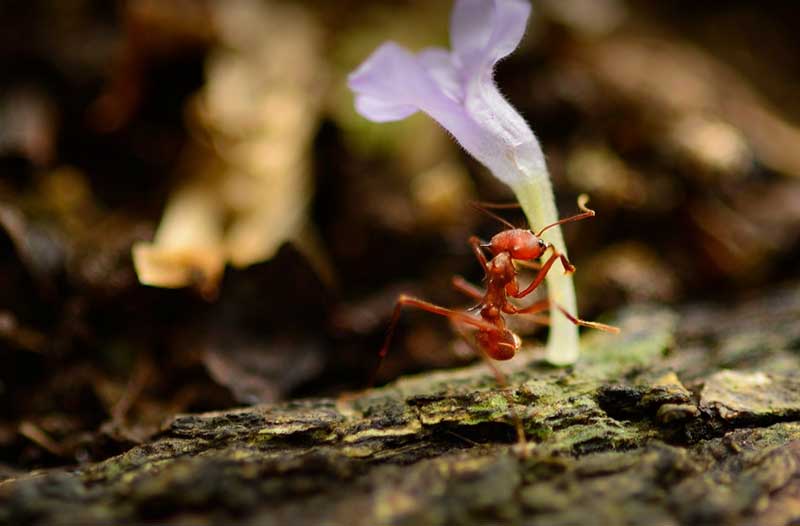
We know now that ants do not perform as specialised factory workers. Instead ants switch tasks. An ant’s role changes as it grows older and as changing conditions shift the colony’s needs. An ant that feeds the larvae one week might go out to get food the next. Yet in an ant colony, no one is in charge or tells another what to do. So what determines which ant does which task, and when ants switch roles?

The colony is not a monarchy. The queen merely lays the eggs. Like many natural systems without central control, ant societies are in fact organised not by division of labour but by a distributed process, in which an ant’s social role is a response to interactions with other ants. In brief encounters, ants use their antennae to smell one another, or to detect a chemical that another ant has recently deposited. Taken in the aggregate, these simple interactions between ants allow colonies to adjust the numbers performing each task and to respond to the changing world. This social coordination occurs without any individual ant making any assessment of what needs to be done.

One of nature’s most physiologically fascinating creatures, mantis shrimp are not only the fastest attackers in the animal kingdom, but they also possess what might be the world’s most interesting and impressive set of eyes. Each mantis shrimp eye has three ‘pupils’, with receptors for 12 distinct colours – yet another world record. But perhaps the most amazing aspect of mantis shrimp eyes are their ability to detect polarised light – largely invisible to humans – which they use to signal to other mantis shrimp that a burrow is occupied from afar, preventing close-quarters showdowns to the death. Taking the mantis shrimp’s lead, scientists are hoping to use a camera that detects light polarisation to catch certain kinds of cancer early.

Via Aeon.

Dance dance automation: music from the factory floor.

Conservation Lab: Surprise!

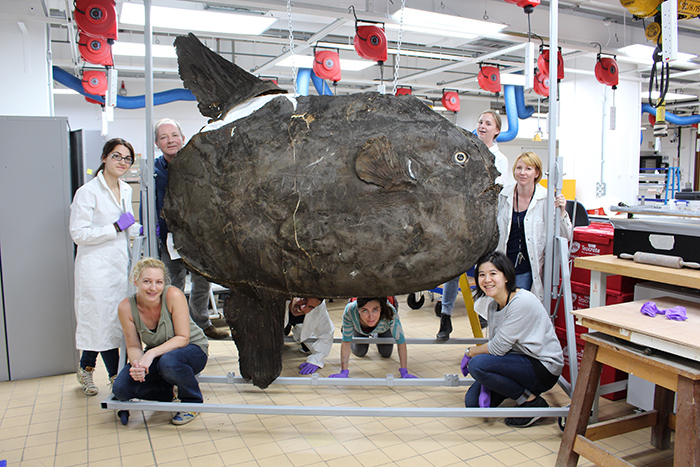
The conservation team around the Natural History Museum of London’s century-old sunfish, which was stuffed with all kinds of odd materials. All photos in this section courtesy of the Natural History Museum, London.

The conservation team around the Natural History Museum of London’s century-old sunfish, which was stuffed with all kinds of odd materials. All photos in this section courtesy of the Natural History Museum, London.

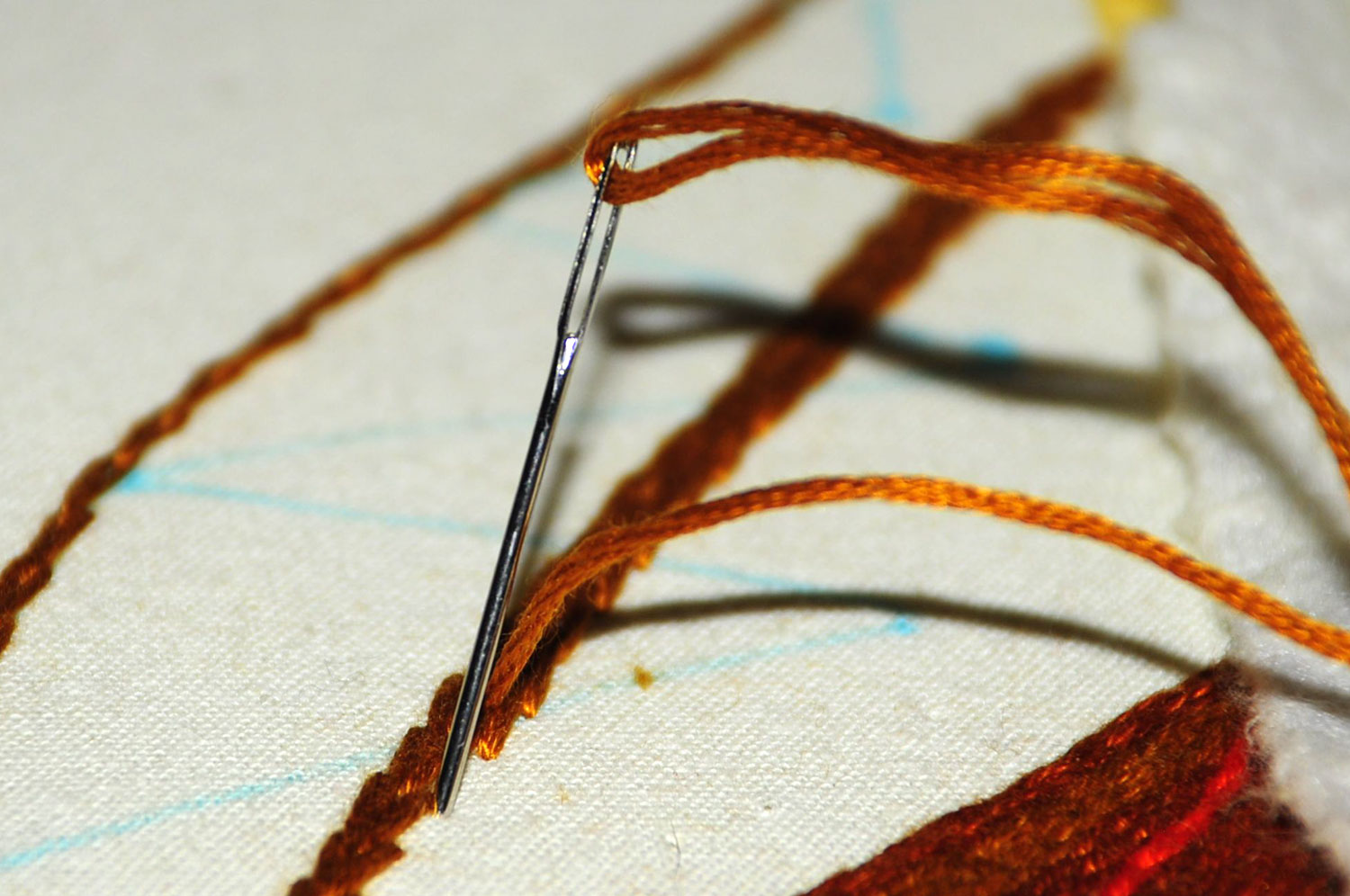
Conservators at the Natural History Museum of London knew for some time that the giant sunfish in the collection would need to be treated: The ten-foot-tall creature’s stitched-up body was bursting at the seams, exposing the wheat straw that had been stuffed inside over a century ago. The fish was collected in Sydney Harbour by the zoologist Edward Ramsay on December 12, 1882, brought to London in 1883 for the International Fisheries Exhibition, and donated afterward to the museum.

[…]

In addition to 25 trash bags’ worth of straw, Allington-Jones and his team extracted all kinds of odds and ends that had been weighing down the fish: iron bars, floorboards, a broken chair from 1883, and a scrap of newspaper from the Sydney Morning Herald, dated January 26 of that year. The newspaper was crumpled up, but being conservators, they humidified and flattened it out. One article seems to be about the first-ever Ashes cricket tournament between Australia and England: “We hope the match will be played throughout in a spirit of generous rivalry, and that the struggle for the much coveted laurel will be a close and exciting one,” reads the Herald.

There are two more wonderful conservator surprises at The Creators Project, and lots more photos!

Backing Black Business.

CREDIT: iStock.

CREDIT: iStock.

Black Lives Matter (BLM) just launched a database of black businesses to support, with the goal of “[building] long-term economic power for Black communities.”

On Monday, the organization unveiled backingblackbusiness.com, an interactive map and directory of online stores where customers can purchase food, health and beauty supplies, entertainment, and lifestyle goods — all from retailers owned by black people. The site also includes nonprofits, and allows business owners to add themselves to the database.

The full article is at Think Progress.

I clicked over to backingblackbusiness.com, and while I’m not in LA or NY, plenty of business owners have online shops, and after perusing a few (I got completely caught up in Loving Anvil, and am plotting on when I can spend money there) I don’t think I’ll have any problems at all, supporting black businesses. The site is brand new, so a bit rough, but there’s a lot to explore!

Tebori Cats.

1

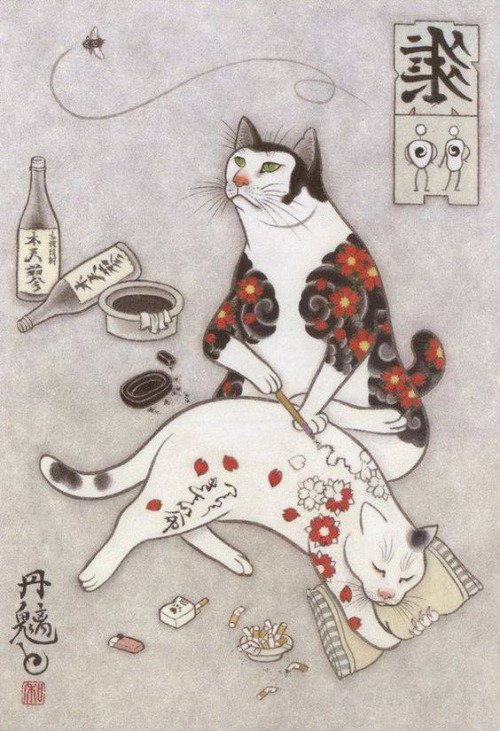
Kazuaki Horitomo is a California-based Japanese artist who combines two of his great passions – tattoos and cats – into one. As an illustrator and tattoo artist, Horitomo is steeped in the Japanese tradition of tebori (a technique of tattooing by hand) and his illustrations reflect that. Some of our favorites works are the humorous and surreal depictions of cats performing tebori on other cats.

2

3

Horitomo’s brand Monmon Cats derives its name from monmon, the old slang word in Japanese for tattoos. Horitomo currently works at State of Grace Tattoo in San Jose. But if tattooing isn’t your thing, you can also pick up his book, or buy prints from his shop. Or you can just follow him on Instagram.

Via Spoon & Tamago, where you can see much more! Now I want to tattoo one of the cats with rats.

New York’s Architectural Heritage.

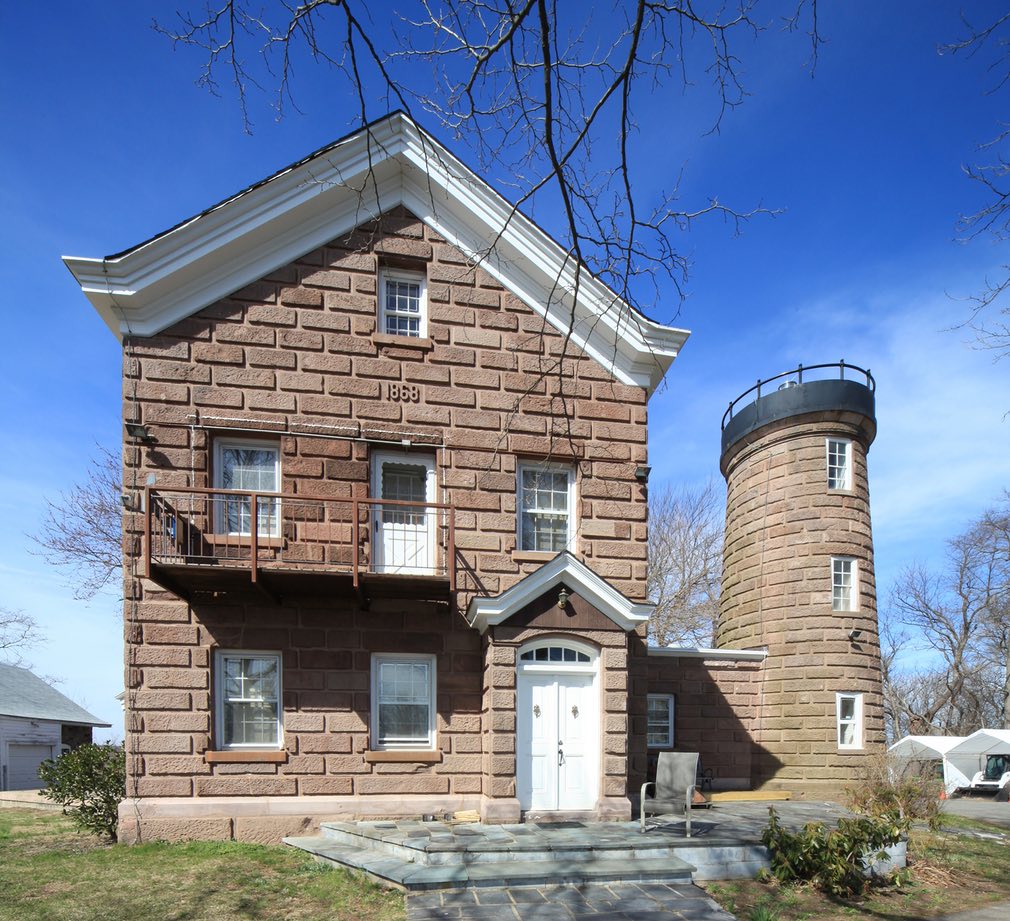
Prince’s Bay Lighthouse on Staten Island.

Prince’s Bay Lighthouse on Staten Island.

This week saw the New York City landmarks preservation commission designate ten new buildings, bringing the total this year to 27, and clearing a 50 year backlog. Amongst the sites recognised are the Bergdorf Goodman department store, churches in Brooklyn, Manhattan and Harlem and an early farmhouse on Staten Island.

The Guardian has all the beautiful photos.

Subway Therapy to Be Preserved.

(Reuters/Lucas Jackson).

(Reuters/Lucas Jackson).

Since the election of Donald Trump, the walls of New York City’s 14th Street Union Square subway station have become a release valve for grief-stricken New Yorkers, who, outside of Staten Island, overwhelmingly voted for Hillary Clinton. Created by artist Matthew “Levee” Chavez, “Subway Therapy” invites anyone to write down their fears, hate and hopes on a Post-It note and tack it on the station’s tile walls.

Thousands of Post-Its have formed a thick and colorful wallpaper over the course of six weeks, with many passengers stopping to read notes or take a quick photograph of the growing collage. Chavez estimates about 2,000 new postings are added daily.

New York governor Andrew Cuomo announced plans to archive a large portion of the collection as a historical record. “Today, we preserve a powerful symbol that shows how New Yorkers of all ages, races and religions came together to say we are one family, one community and we will not be torn apart,” said Cuomo in a press statement Dec. 16. Cuomo himself posted a message of unity for New Yorkers during a Nov. 14 visit, scribbling down a line of poetry from the base of the Statue of Liberty.

The New York Historical Society will work with the NY Metropolitan Transit Authority to gather and preserve the sticky notes as part of its History Responds program. “We are ever-mindful of preserving the memory of today’s events for future generations. Ephemeral items in particular, created with spontaneity and emotion, can become vivid historical documents,” said the society’s president Dr. Louise Mirrer.

Other articles have noted that:

The New-York Historical Society will also let New Yorkers place notes on its glass walls starting Tuesday, Dec. 20 through Inauguration Day, Jan. 20.

I think everyplace should have Subway Therapy, whether there’s a subway or not. I could use one here in nDakota, not that I think it would be allowed to stand for 10 seconds.

Via Quartz.