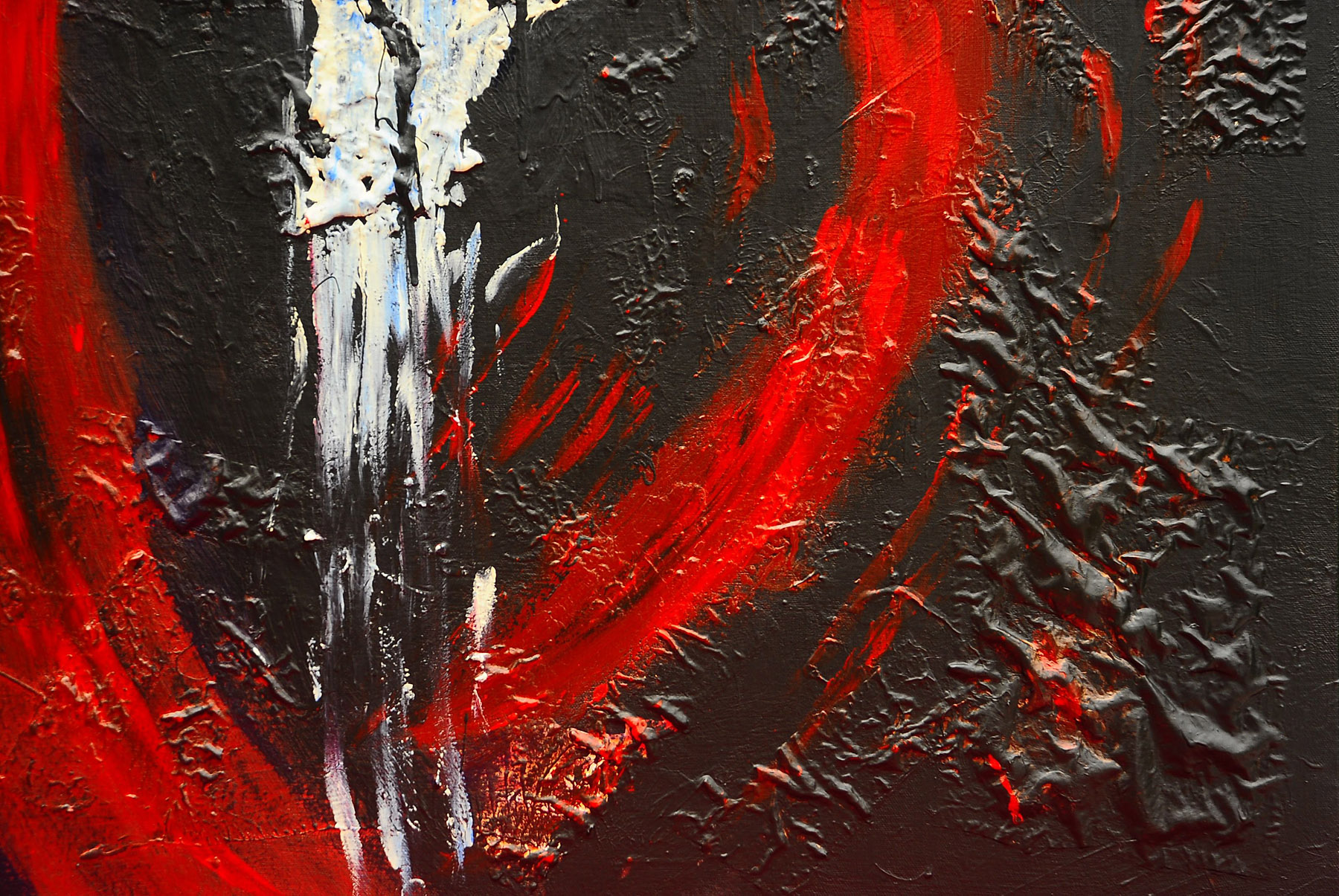
BIG pics, do the clickin’ for full size. Cloudy today, so lovely light. And I remembered to sign it. If I didn’t have metal tip squeezies, I’d never sign anything. Acrylics on canvas, 36″ x “36”.




© C. Ford, all rights reserved.

BIG pics, do the clickin’ for full size. Cloudy today, so lovely light. And I remembered to sign it. If I didn’t have metal tip squeezies, I’d never sign anything. Acrylics on canvas, 36″ x “36”.
© C. Ford, all rights reserved.
My beautiful little River, when she was a babe. One of Grace’s kids. Click for full size.


© C. Ford.
(Full Length).
This very short ad, which touches on the very lengthy history of parents having to talk with young children about the ugliness of bigotry, and the gnawing fear of never seeing their child again. This has been, and still is, a necessary talk for most parents of colour. If anything, given the open bigotry and hatred on the part of too many cops these days, and their willingness to murder, well, things might not be worse, but they sure as hell aren’t much better.
I’m sure it won’t be a surprise, the white reaction to this. After having much of my hope for humanity utterly destroyed yesterday by skimming comments, the same thing comes to mind, that so many white people are so terribly frail, and delight in being cruel. It’s all liberal lies! Black people are delusional! Christ. Be smarter than me, stay away from all those willfully stupid, frail, malice filled bigots. They won’t make your day any better.
There is, naturally, a whinging howl to boycott Proctor & Gamble, those horrible, awful people. Damon Young at The Root addresses the storm.
But for what??? What the hell happened in the video that made them so mad? Did they film Michael Vick walking a dog? What the fuck?
Apparently they were triggered by an extremely tepid acknowledgment that the world might be a bit harder for black people than it is for them. The articulation of racism is racism. And not just racism, but racism-racism. That real, uncut and raw racism. Not that stepped-on shit with baking soda and milk.

Tabac (Tobacco). J.J. Grandville, Les fleurs animées.
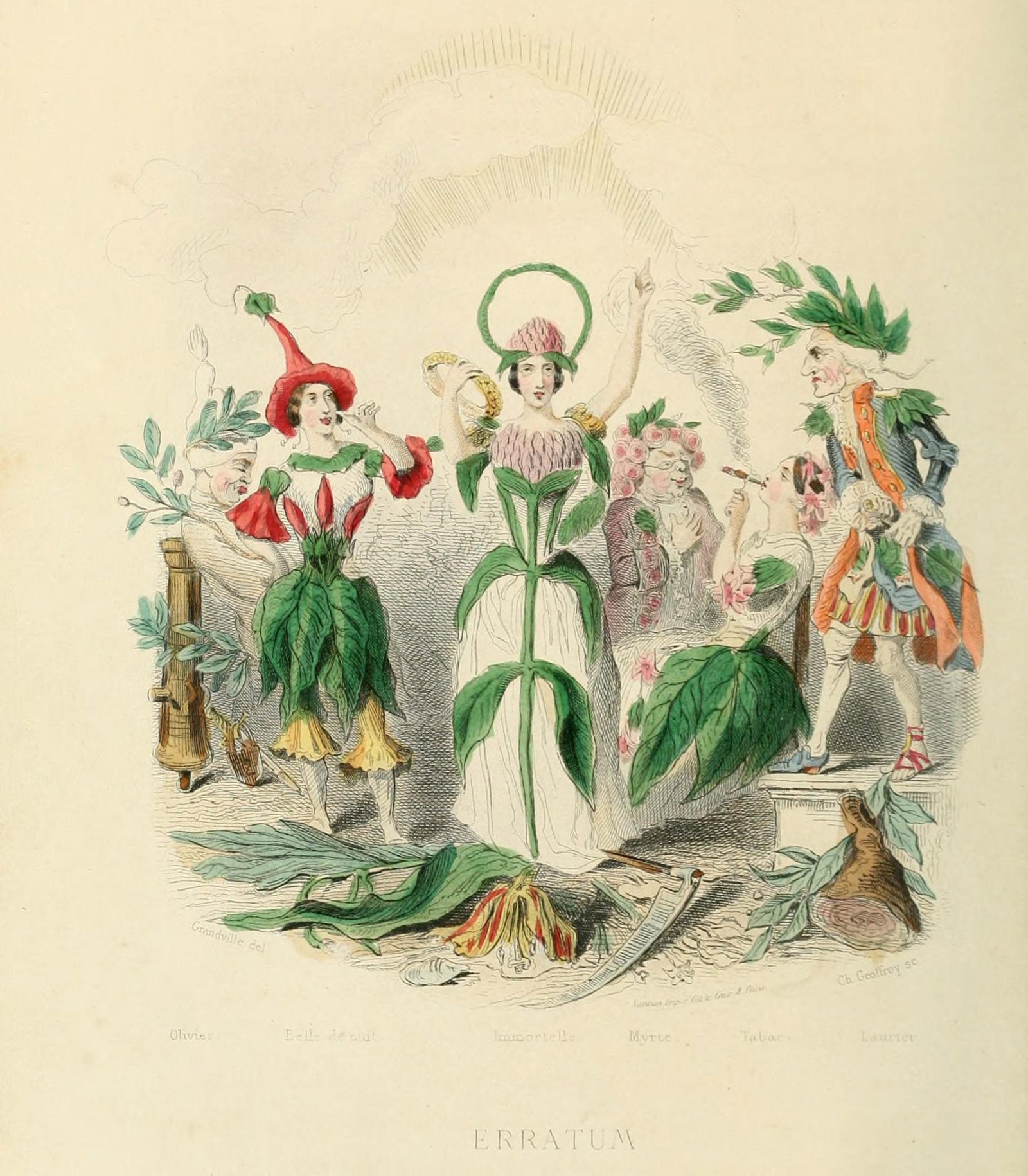
Olivier, Belle de nuit, Immortelle, Myrtle, Tabac, Laurier. J.J. Grandville, Les fleurs animées.
Sanctus – Lacrimosa. I love the guitar in this.
From rq, click for full size! Beautiful flower, but that caterpillar, oh.



© rq, all rights reserved.
Click for full size.


© C. Ford.
One from the archives, send me dinosaurs, people! Black-headed Grosbeak.

© C. Ford.
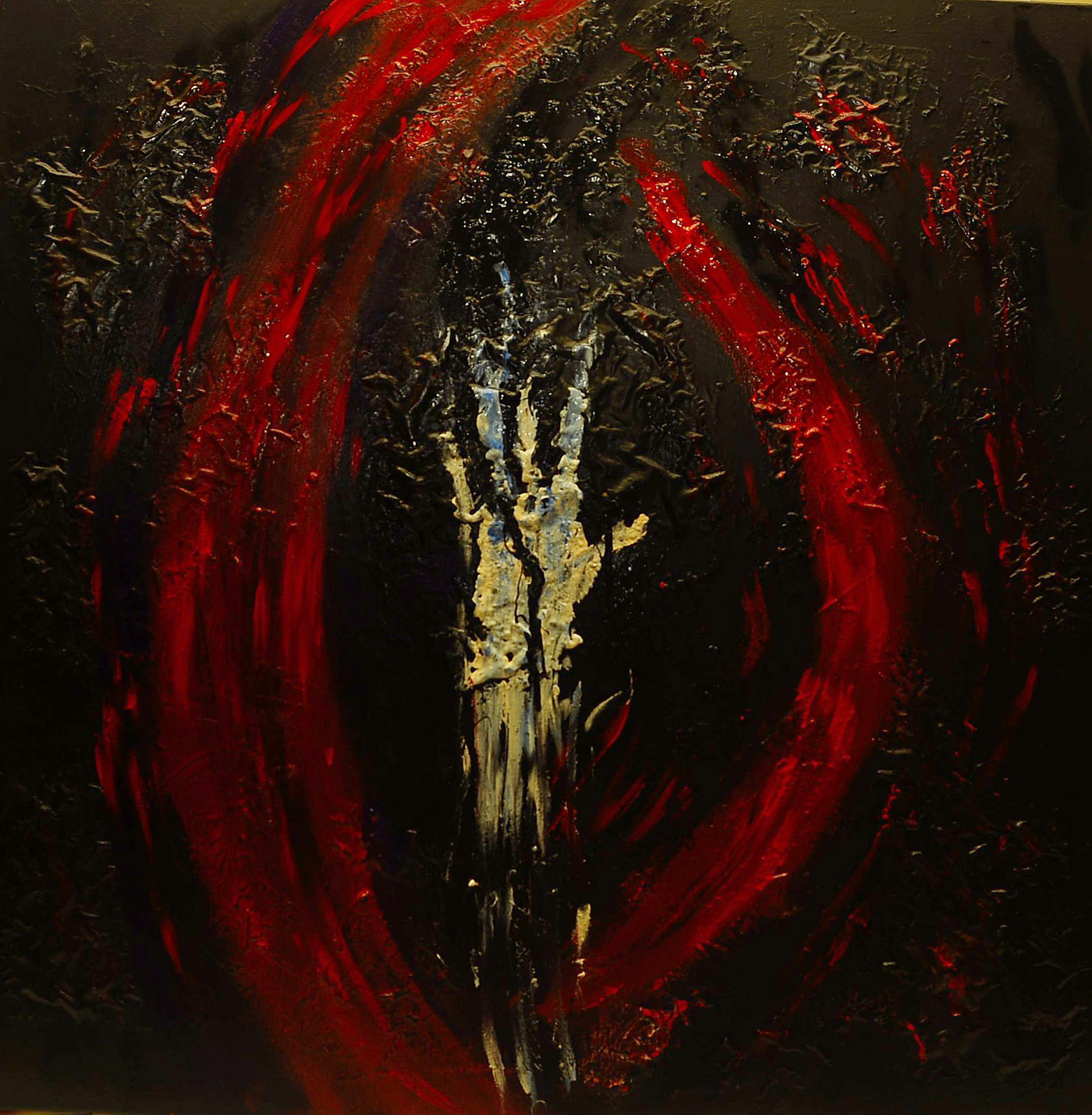
Not the best shot, still wet. I certainly can make a fucking mess. :D The canvas is heavily textured, I’ll get a better shot in the next couple of days. 36″ x 36″. Click for full size. ETA: For much better photos, in proper light, see here.
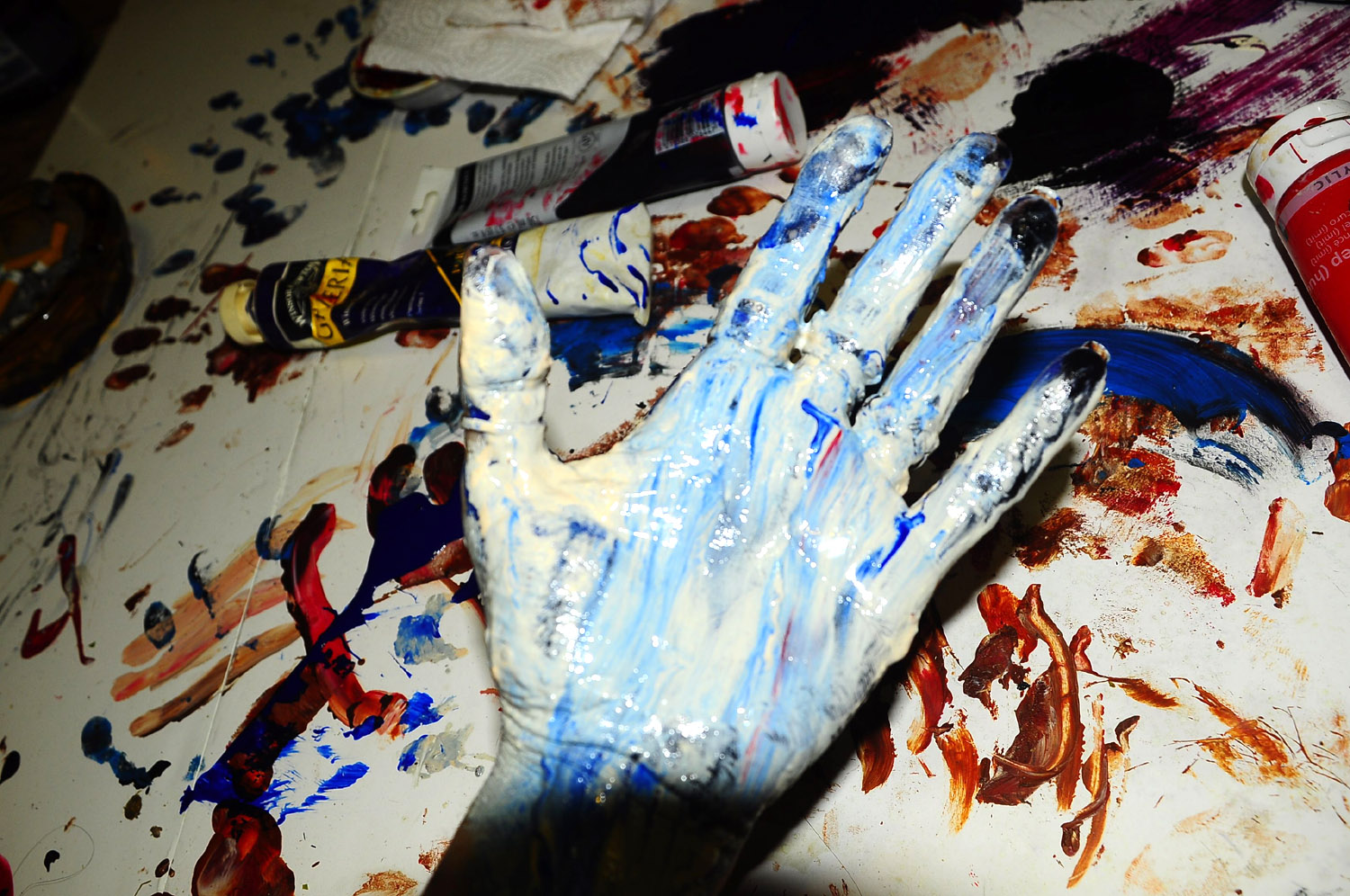

One thoroughly used work surface.
© C. Ford, all rights reserved.

The setup consists of 40 Nikon DSLR cameras and two large light diffusion lamps. Photo: @lovesickfrankie.
The future of avatars is here.
How exactly does one become an emotionally competent and reactionary 3D avatar of oneself? I found myself in the midst of precisely 40 DSLR cameras strapped onto poles aimed at my face, with a heavy weight atop of my head, while going through a series of emotions and sounds I wasn’t aware I was capable of. Not exactly a scene from a Tarkovsky film, but not unlike other ventures into life-like technology.
Recently, London live-event design company Immersive presented a new technology created by Expressive AI called Emotion Capture, where, as demonstrated in the above process, avatars are created to be emotionally responsive and as human-like as possible.
You can see and read all about this at The Creators Project.

The Bride of Frankenstein, 1935. Courtesy of the Kirk Hammett Horror and Sci-Fi Memorabilia Collection and Universal Studios Licensing, LLC.
Metallica lead guitarist Kirk Hammett was six years old when he first saw Frankenstein, in the late 1960s. When it was released in 1931, the film was so successful that it spawned multiple sequels, including The Bride of Frankenstein, Son of Frankenstein, The Ghost of Frankenstein, Abbott and Costello Meet Frankenstein—and earned it a place as one of The New York Times’ 10 best films of the year. It also made an impression on young Hammett. It started his lifetime obsession with horror movies.
For three decades Hammett has fueled this interest—and his own creativity—with a collection of classic horror posters and memorabilia. “My collection takes me to a place where I need to be,” he says. “Among the monsters, where I’m most comfortable and most creative”.
[…]
For the Metallica guitarist, part of the reason he collects horror memorabilia is to share it—in his 2012 book Too Much Horror Business and his Fear FestEvil conventions, for example. Now, a selection of his prized posters and other memorabilia are on display at the Peabody-Essex Museum in (appropriately?) Salem, Massachusetts. Atlas Obscura has a selection of his posters, which are on view from August 12 through November 26, 2017.
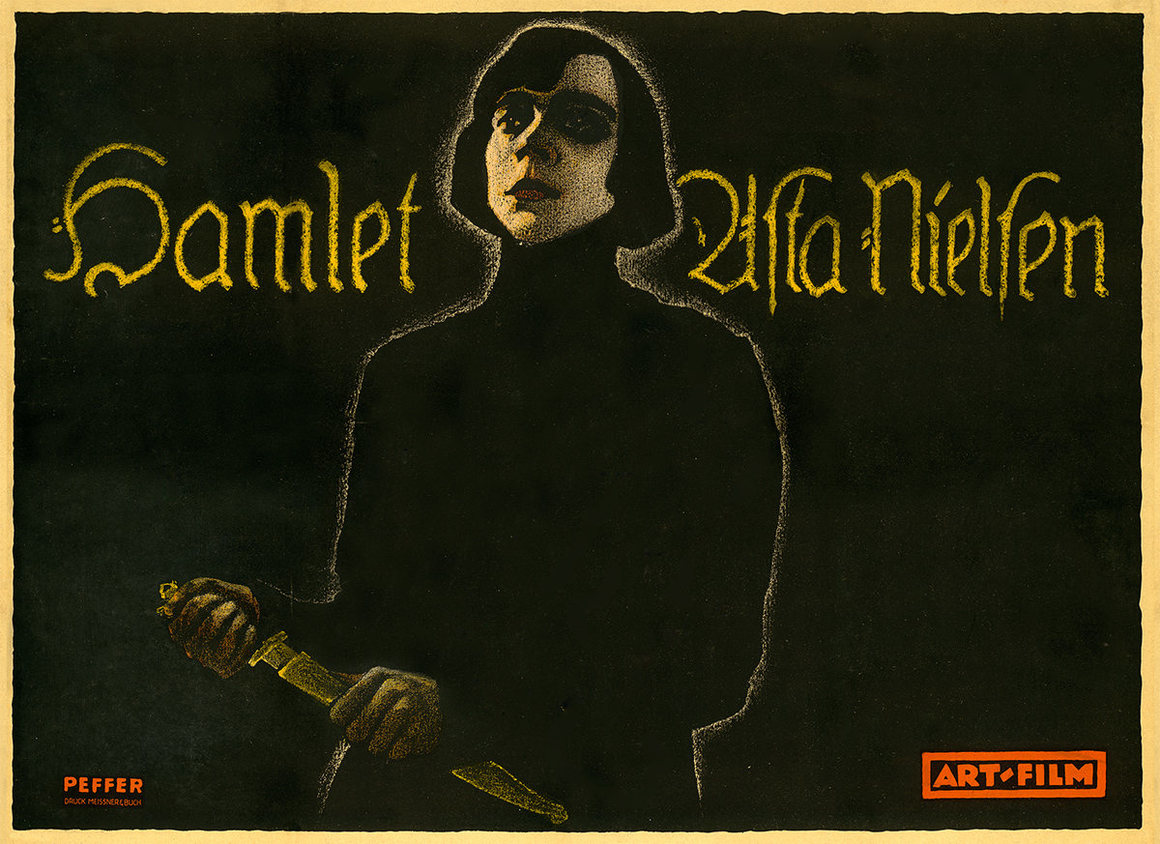
Hamlet, Franz Peffer, 1920. Courtesy of the Kirk Hammett Horror and Sci-Fi Memorabilia Collection.

The Cabinet of Dr. Caligari, Lionel Reiss, 1921. Courtesy of the Kirk Hammett Horror and Sci-Fi Memorabilia Collection.
You can see much more at Atlas Obscura! I’ve loved these movies from an early age, I wish I could collect such memorabilia.

William and Frederick Langenheim, “Eclipse of the Sun” (1854), daguerreotype (courtesy Metropolitan Museum of Art).
On this August 21, a total solar eclipse will be viewable across North America, a rare occurrence that will likely be greeted by a wave of iPhones and digital cameras raised to the sky. Although photographing an eclipse relies a bit on luck, timing, and preparation, our ability to document the celestial event is more accessible than ever. In the 19th century, it took years of experimentation with the newly invented photographic medium to successfully capture a fleeting eclipse.
Attempts at solar eclipse photography are recorded going back to 1842, including Gian Alessandro Majocchi’s photograph of a partial eclipse taken on July 8 in Milan (an image which has not survived). Stefan Hughes, author of Catchers of the Light on the history of astrophotography, writes on his blog that Majocchi’s daguerreotypes only caught the before and after of the totality (or total obscuring of the sun), with the ultimate eclipse just a big blank. It wasn’t until the eclipse of July 28, 1851 that the moment of eclipse was successfully photographed. At the Royal Prussian Observatory in Königsberg (today’s Kaliningrad in Russia), a daguerreotypist named Johann Julius Friedrich Berkowski carefully exposed a plate through a small refracting telescope attached to a heliometer. The daguerreotype revealed the moon perfectly positioned over the sun, exposing the solar corona for the first time in photography, hovering like a halo around the darkness.
You can read and see more about these fascinating ventures in astrophotography at Hyperallergic.

A total solar eclipse in Norway in 2015. Nesvold, Jon Olav / Reuters.
Eclipse fever has hit, hard, and a whole lot of areas are bracing themselves, hoping for the best. It’s all well and good to want to see an eclipse, it’s exciting, lots to ooh and aaah over, but it’s not worth permanently damaging your eyes, and there’s been an unprecedented demand for eclipse glasses, and a great many people are heading straight to Amazon for them, and Amazon has no oversight when it comes to properly rated specs. There’s a wealth of counterfeit specs on the market.
[…] APO itself has done the same. Jason Lewin, the company’s director of marketing, says APO started to notice the counterfeits showing up on Amazon about a month ago. Since then, they’ve ordered some of the products, tested them, and sent Amazon photos and documentation of the counterfeits. Both Lewin and APO president John Jerit have been frustrated by the lack of response. They’re late to the game with this,” says Jerit. “Some of the legitimate resellers we’ve got, they’ve been complaining and complaining about this.
“[Counterfeiting] isn’t new to Amazon but this isn’t fidget spinners,” adds Lewin. “These are supposed to be things to keep you safe.”
All this has made me suspicious about my own glasses. The ones I bought have all the right words printed on them: “meets the Transmission Requirements of ISO 12312-2” they say, before going on to list a slew of other standards allegedly met. Then at the end: “Mfg. by: American Paper Optics.”
But the Amazon listing didn’t actually say American Paper Optics manufactured the lenses; it just showed up with the Tennessee-based company’s stamp on it. I ask Lunt how I could tell if what I had was the real deal or a knock-off, and he tells me to look at the earpieces. There’s a design element that’s been generic among all of cardboard glasses for years (remember those red-and-blue lensed 3D glasses?): the part of the cardboard frame that hooks over the ears has a rounded end. APO recently changed their design to have a more squared-off earpiece.
No surprise, my 10-pack all have rounded ears, the scarlet letter of phoniness.

Top: the real American Paper Optics glasses; Bottom: a photo of counterfeit glasses sold as “American Paper Optics” on Amazon.
As you can see, a bit of care is needed to make sure you aren’t endangering your eyes if you’re going to be an eclipse hunter this month. Quartz has an in-depth article about this, and NASA has guidelines available, too.
Be sure you’re safe, check and doublecheck those specs!